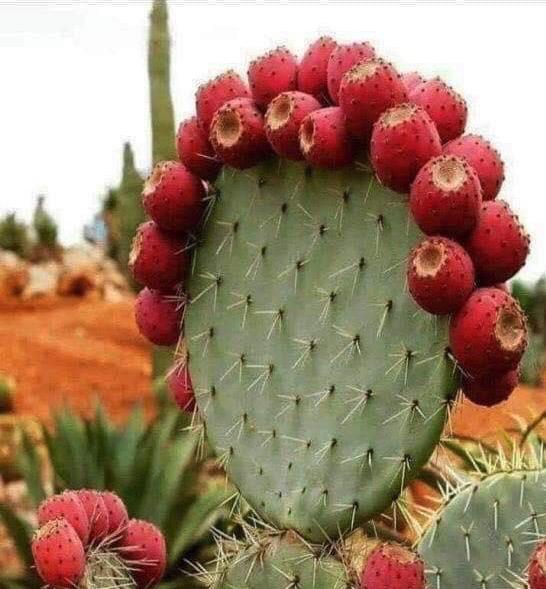
The nopal is known for high antioxidant, vitamin, and mineral content.
The nopal cactus, native to Mexico, is commonly known in English as the prickly pear cactus (español: nopal ).
Nopales are the pads of the nopal cactus. Sauteed nopales can be added to many dishes, such as salads, quesadillas or scrambled eggs. The sweet and colorful prickly pears, called tunas in Spanish, are delicious just as they are. Just peel and eat. The prickly pear fruit contains the flavonoids kaempferol and quercetin, which are antioxidant and anti-inflammatory.
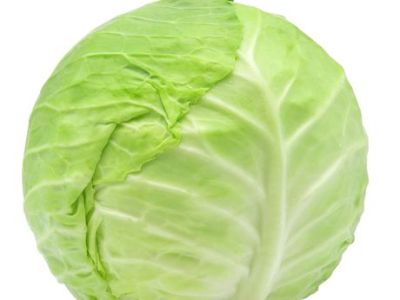
Cabbage is low in calories and rich in Vitamins K and C
Cabbage is a leafy green, red (purple), or white (pale green) biennialplant grown as an annual vegetable crop for its dense-leaved heads. It is closely related to broccoli and cauliflower; Brussels sprouts; and Savoy cabbage. Cabbage can be eaten raw, steamed, or pickled, as in sauerkraut or kimchi.
Apples have a low glycemic index (GI), 29–44, but they are rich in simple sugars like fructose, sucrose, and glucose,
An apple (español: manzana) is a sweet, edible fruit produced by an apple tree (Malus domestica). Apple trees, which originated in Central Asia. They are cultivated worldwide. Its wild ancestor, Malus sieversii, is still found today. There are more than 7,500 known cultivars of apples, resulting in a range of desired characteristics. Trees and fruit are prone to a number of fungal, bacterial and pest problems, which can be controlled by organic and non-organic means. In 2010, the fruit’s genome was sequenced as part of research on disease control and selective breeding in apple production.
2 CLOVES GARLIC, FINELY CHOPPED 1 1/2 c WATER 1 Tbsp NUTRITIONAL YEAST 2 Tbp DIJON MUSTARD 1/4 c BALSAMIC VINEGAR 2 Tbsp HONEY SALT AND PEPPER TO TASTE
INSTRUCTIONS
Wash BRUSSELS SPROUTS and cut in halves
Heat skillet to medium temperature, add GARLIC and BRUSSSELS SPROUTS stir lightly, and cook until brussels sprouts are crisp around the edges, about 5 minutes
Add WATER and cook until brussels sprouts are soft, 7-8 minutes
Whisk together MUSTARD, BALSAMIC VINEGAR, NUTRITIONAL YEAST, and HONEY, and drizzle the mixture over the brussels sprouts.
Garlic has been used as a traditional medicine as well as a food flavoring. It is a healthy and delicious addition to many dishes around the world. Its medicinal benefits for both cure and prevention require larger doses, which should be taken with the supervision and advice of a knowledgeable medical practitioner.
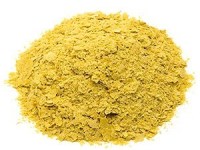
Nutritional Yeast can be used as a flavor enhancer in cheese substitutes, mashed or fried potatoes, scrambled tofu, and popcorn. Some brands are fortified with additional B12.
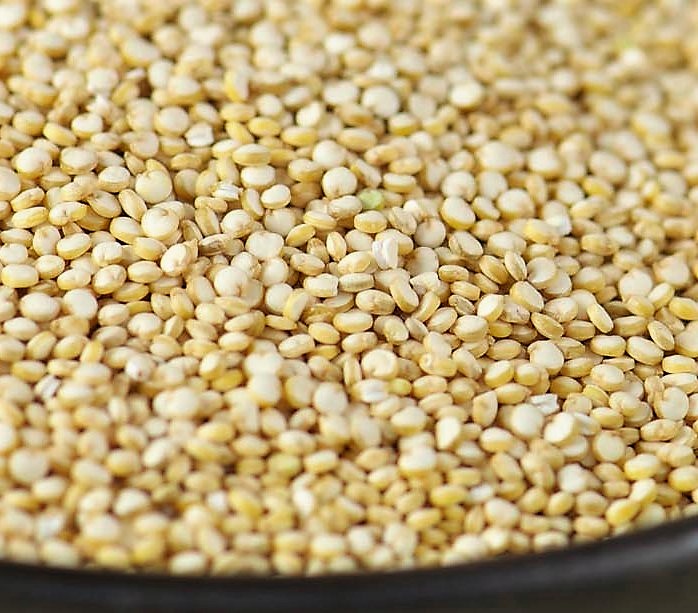
Quinoa’s gluten-free seeds are rich in protein, fiber, B vitamins, and minerals in amounts greater than in many grains.
Quinoa (/ˈkiːnwɑː/ from Quechua kinwa or kinuwa) Chenopodium quinoa is a pseudocereal, a flowering plant related to spinach and amaranth. It originated in the Andean region of northwestern South America and was first eaten by human beings in the regions known today as Peru and Bolivia around three thousand years ago. The United Nations declared 2013 The International Year of Quinoa because of its nutrient value and potential to contribute to food security worldwide. Quinoa can be sprinkled on salads, added to soups and stir fries, eaten alone or combined with oatmeal and other grains as a cereal. Recipe for Fluffy Quinoa.
Garlic has been used as a traditional medicine as well as a food flavoring. It is a healthy and delicious addition to many dishes around the world. Its medicinal benefits for both cure and prevention require larger doses, which should be taken with the supervision and advice of a knowledgeable medical practitioner.
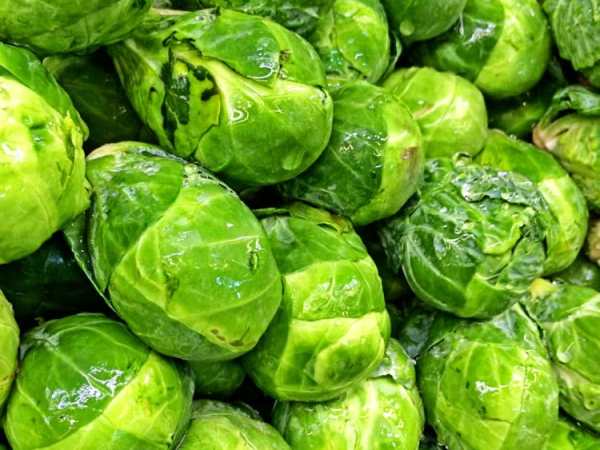
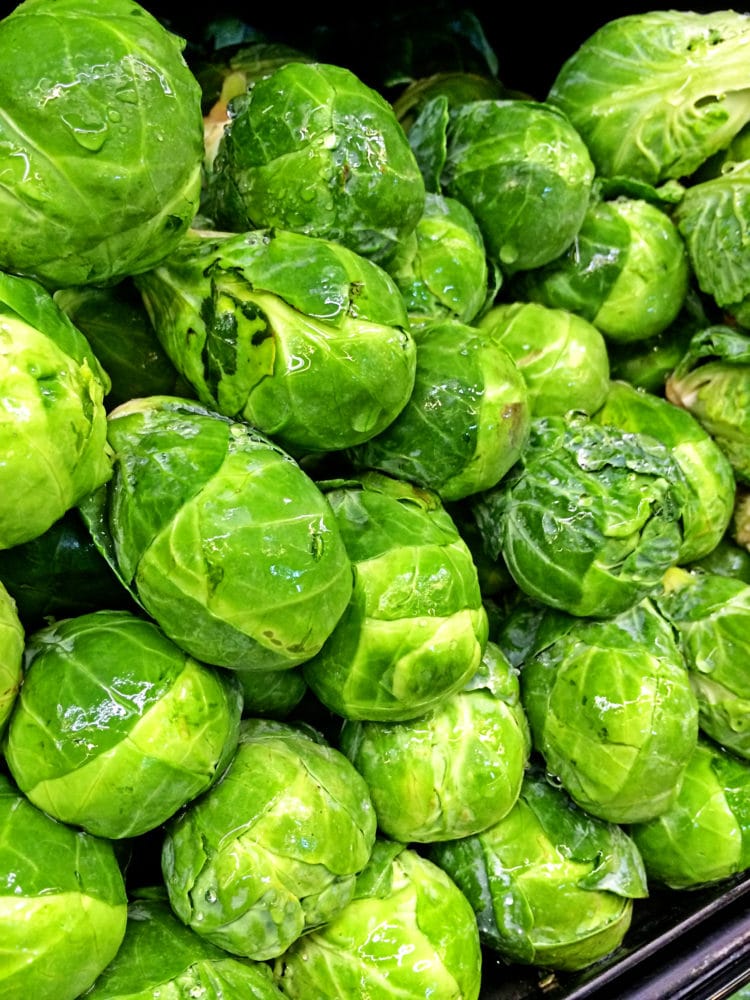
Brussels sprouts are low in calories but high in many nutrients, especially fiber, vitamin K and vitamin C.
The brussels sprout (español: coles de bruselas) is a member of the Gemmifera Group of cabbages (Brassica oleracea), grown for its edible buds. The leaf vegetables are typically half and inch to one-and-a-half inches in diameter and look like miniature cabbages. They have long been popular in Brussels, Belgium, and may have gained their name there. They contain kaempferol, an antioxidant that may reduce cancer growth, decrease inflammation and promote heart health. Because of their high fiber content, they promote regularity, support digestive health and reduce the risk of heart disease and diabetes. They are very high in Vitamin K, which is important for blood clotting and bone metabolism. The fiber and antioxidants in Brussels sprouts may help keep your blood sugar levels stable. They are a good source of ALA omega-3 fatty acids, which can reduce inflammation, insulin resistance, cognitive decline and blood triglycerides. Brussels sprouts can be roasted, boiled, sautéed or baked. They are a good addition to pasta or stir-fries. Recipe: Brussels Sprouts in Balsamic Dijon Sauce.
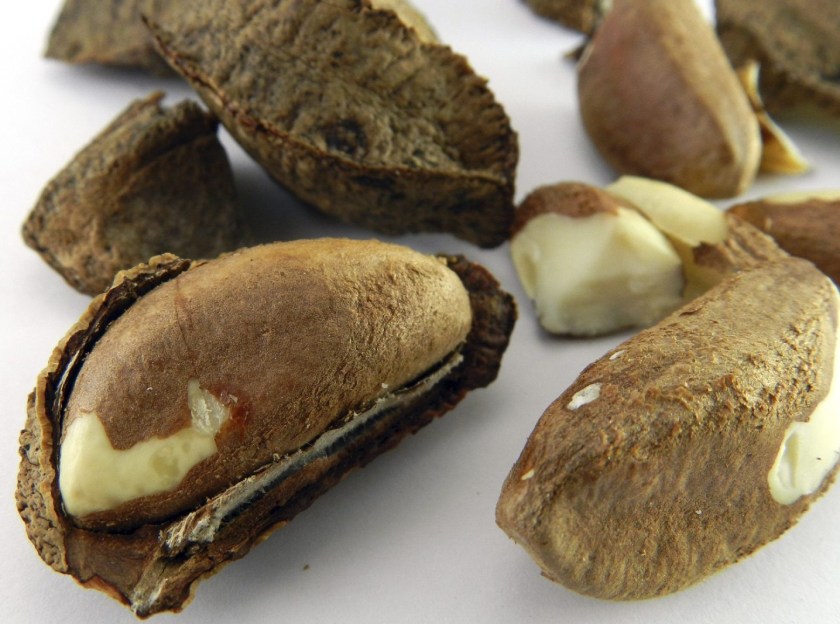
Brazil nuts are rich in healthy fats, selenium, magnesium, copper, phosphorus, manganese, thiamine, and vitamin E.
WARNING: Individual intake should be limited to one to three a day because excessive amounts of selenium have been linked to increased risk of diabetes and prostate cancer.
Brazil nut (Bertholletia excelsa) (español: nuez de Brasil) is a South American tree in the family Lecythidaceae. Among the claims for Brazil nuts are that they may support thyroid, heart, and brain function, and reduce inflammation.
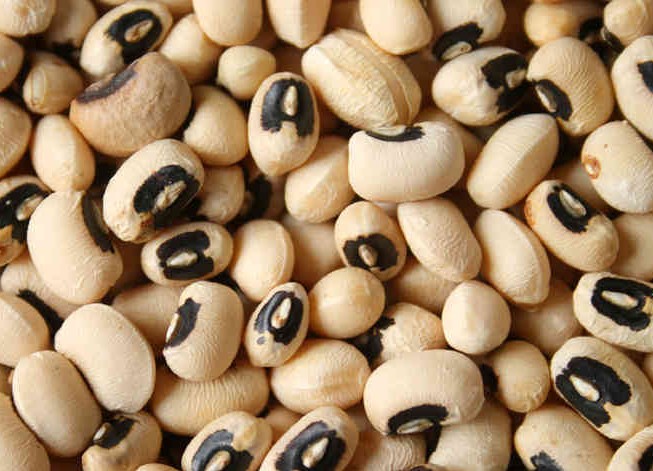
Black-eyed peas are rich in fiber, iron, folate, potassium and Vitamin A.
The black-eyed pea (español: guisante de ojo negro) (Vigna unguiculata), also called black-eyed bean, cowpea or southern pea, is an annual plant from the pea family (Fabaceae) and is grown for its edible legumes. Black-eyed peas get their name from their appearance. They’re cream-colored with a little black speck that resembles an eye. Although their name would make you think they’re a type of pea, black-eyed peas are actually beans.
Black-eyed peas have high levels of dietary fiber, which helps to promote regular bowel movements and improve digestive health. They are high in iron and in folate, a B vitamin needed to make normal red blood cells. Low levels of folate can cause anemia. Black-eyed peas are rich in potassium, a mineral that helps keep your blood pressure levels at healthy numbers and lowers your risk of heart disease. They are surprisingly high in vitamin A, with more than one-fourth of your daily vitamin A needs in one cup. Vitamin A helps maintain healthy skin and mucus membranes, and it produces the pigments in the retina of the eye. They are a great addition to stews, soups, curries and salads. They can also be a perfect side dish, or they can be mashed into a dip.
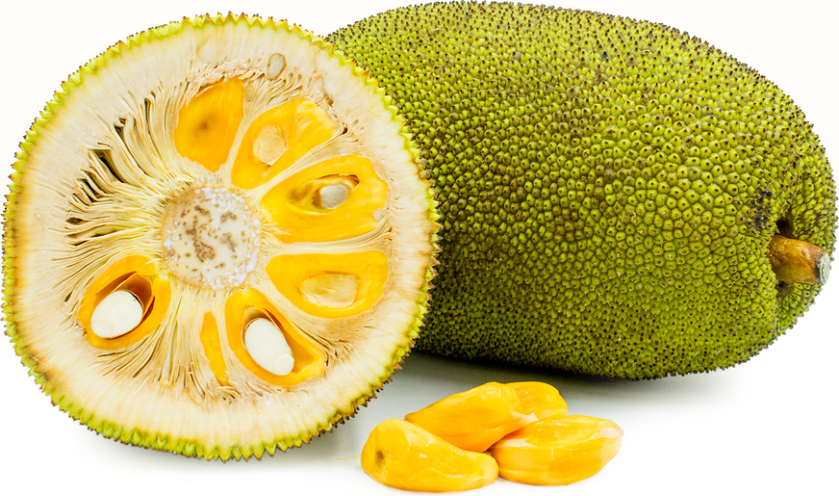
Claims for jackfruit are that it may help regulate blood sugar, protect against disease with antioxidants, prevent skin problems, and promote heart health.
The jackfruit (español: yaca) (Artocarpus heterophyllus), also known as jack tree, is a species of tree in the fig, mulberry, and breadfruit family. Its origin is in the region between the WesternGhats of southern India and the rainforests of Malaysia. Jackfruit is a common ingredient in South and SoutheastAsian cuisines. It is available internationally canned or frozen and in chilled meals as are various products derived from the fruit such as noodles and chips.
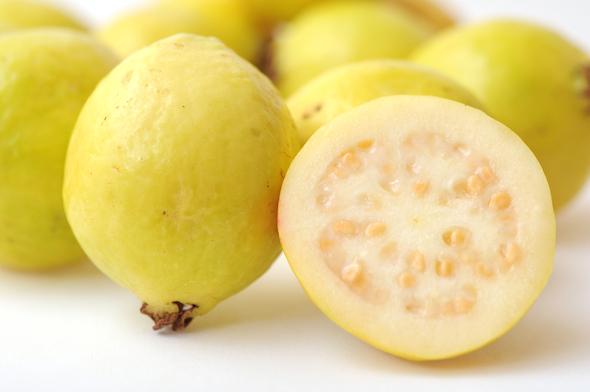
Among the claims for guavas are that they improve heart health, blood sugar levels, painful menstruation, digestion, and skin.
Guava (español: guayaba) is a tropical fruit cultivated in many tropical and subtropical regions. Psidium guajava is a small tree in the myrtle family, native to Mexico, Central America. Guavas are typical Myrtoideae, with tough dark leaves and white flowers with five petals and numerous stamens. The fruits are many-seeded berries. I had just moved to Guadalajara, Mexico, when I tasted my first guayaba. I was hooked. When ripe, the guayaba, or guava, is very sweet and delicious, peeling, seeds and all. Just wash and eat it like an apple. They are also made into a popular candy called ate. (pronounced ah-tay). Guayabate is one of my favorite sweets.
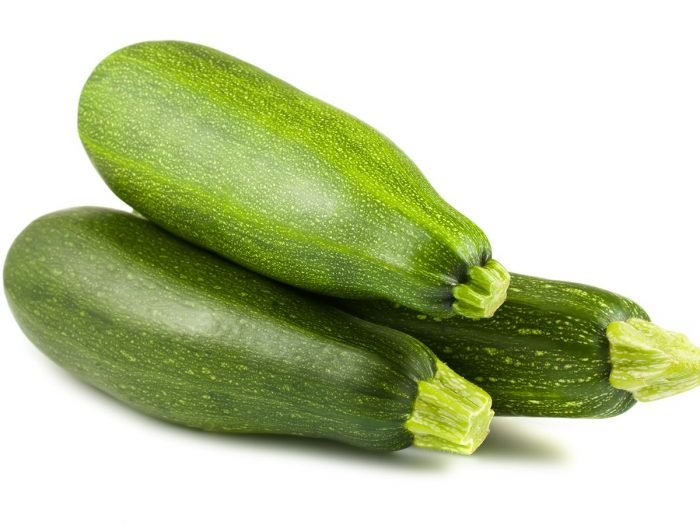
Zucchini (español: calabacita), also known as courgette, is a summer squash in the Cucurbitaceae plant family, which includes melons, spaghetti squash, and cucumbers. It can grow to more than 3.2 feet (1 meter) in length but is usually harvested when still immature. Although often considered a vegetable, it is botanically classified as a fruit.
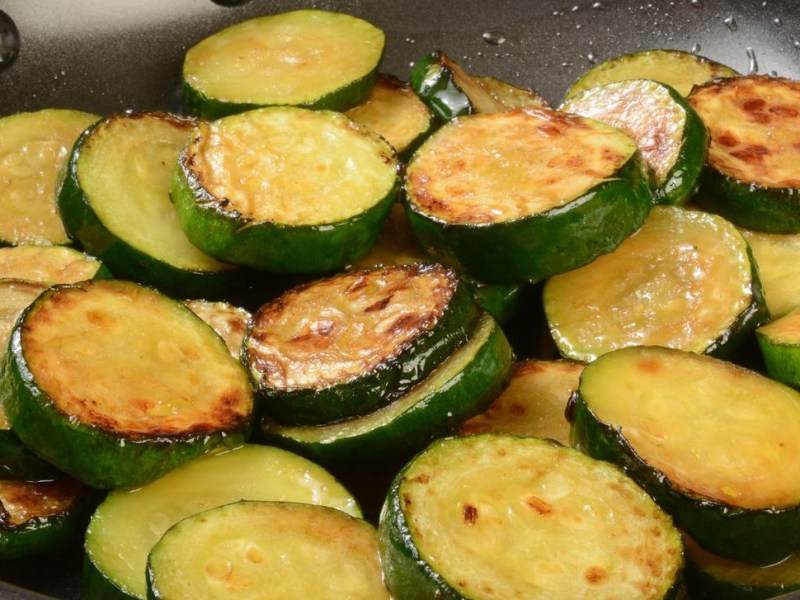
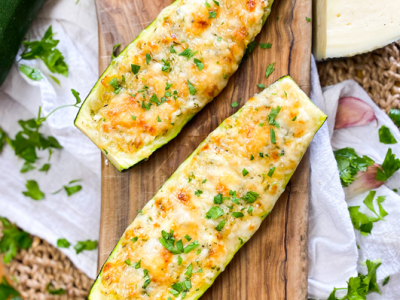
What nutrients does zucchini provide? Zucchini contains a variety of vitamins, minerals, and antioxidants. Cooked zucchini is particularly high in vitamin A. It is rich in water and fiber, promoting healthy digestion. Zucchini’s fiber may increase insulin sensitivity and stabilize blood sugar levels, potentially reducing risk of type 2 diabetes. Zucchini may lower blood pressure, cholesterol, and other risk factors for heart disease. It contributes to healthy vision and may lower risk of age-related eye conditions. Since the skin of the plant contains high levels of antioxidants, it is best served unpeeled. Zucchini can be grated, sliced, or stuffed. It is delicious boiled, steamed, grilled, baked, broiled, or breaded and fried. It is a healthy ingredient in salads, soups, and breads, and a tasty addition to many favorite dishes.
What is the best time of day to consume zucchini? Zucchini is a highly versatile, nutrient-dense, and low-calorie vegetable that can be enjoyed throughout the day. While it is safe and healthy to eat at any time, certain times of the day offer specific benefits:
Morning (for Sustained Energy): Adding zucchini to breakfast (e.g., in smoothies, muffins, or savory skillet dishes) provides a nutrient-rich, fiber-packed start to the day that promotes steady energy levels.
Lunch (for Satiety): Due to its high water and fiber content, eating zucchini at lunch helps with portion control and promotes feelings of fullness.
Dinner (for Digestion): Zucchini is easy on the digestive system and makes for a perfect light, nutrient-dense, and hydrating addition to an evening meal.
As a Snack (for Hydration/Nutrients): Raw zucchini is a great, crunchy, low-calorie snack option, especially when paired with dips.
Zucchini is a tasty addition to any meal. Crushed fennel seeds, red onion, garlic, and balsamic vinegar add nutritional value and taste to this simple dish..
Blackberries are rich in fiber, manganese and Vitamins C and K. They are credited with improving brain and oral health.
The blackberry (español: zarzamora) is an edible fruit produced by many species in the genus Rubus in the Rosaceae family. The taxonomy of the blackberries has historically been confused because of hybridization and apomixis, so that species have often been grouped together and called species aggregates. Blackberries are delicious just as they are with no more preparation than washing. They make a delicious and healthy addition to smoothies, fruit salads, or green salads.
With a Glycemic Index (GI) of 25 and a Glycemic Load (GL) of 4, blackberries are an excellent food for weight loss and diabetes control. There is promising ongoing research that indicates blackberries fight cancer and help prevent heart disease. The leaves are rich in tannin and have antibacterial properties. They have been used medicinally since at least the time of the ancient Greeks. They are made into an astringent tea which is used to relieve sore throats, mouth ulcers, diarrhea and thrush.
Beets are low in calories and a source of many nutrients, including fiber, folate and vitamin C and contain nitrates and pigments that help lower blood pressure and improve athletic performance.
The beetroot is the taproot portion of a beet plant, usually known in North America as the beet. It is one of several cultivated varieties of Beta vulgaris grown for their edible taproots and leaves (called beet greens). Beets can be served raw or cooked in a variety of ways. The greens are edible too, and can be added to a salad or cooked and served as a side dish.
Bay leaves or the essential oil derived from them have been shown to help prevent candida, heal wounds, potentially fight cancer and aid digestion.
The bay leaf comes from an evergreen tree of the Lauraceae family. The baby leaf is delicately fragrant with a bitter taste. It is most commonly used in the dried version of the whole leaf when cooking. The leaf should be removed from the dish before serving. Bay leaf is an ingredient in many favorite dishes around the world. It brings to mind the tantalizing smell of Italian food cooking. It is used in cooking for a distinctive, savory flavor for soups and stews. It is an ingredient in a cologne known as bay rum, and can also be found in cosmetics, soaps and detergents.
They are used for diabetics due to evidence they can help manage blood sugar and lower cholesterol. This herb is also antimicrobial and antioxidant properties, and while further research is needed to confirm the efficacy, it may help treat dandruff, muscle and joint pain, and skin infections.
Basil is anti-bacterial, anti-inflammatory, and antioxidant. It helps prevent diabetes. It is used to reduce pain and fever, combat stress, and boost the immune system. It fights cancer and protects blood vessels and liver.
Basil is a culinaryherb of the family Lamiaceae (mints). Basil is used in cuisines all over the world. Depending on the species and cultivar, the leaves may taste somewhat like anise, with a strong, pungent, often sweet smell. Basil is used as a fresh herb in recipes all over the world. It is an essential ingredient in many Italian dishes. Basil is also used to create perfumes, household cleaners and in dental-care products.
Barley is rich in fiber, antioxidants, vitamins and minerals. It improves digestion, and can help with weight loss and blood sugar levels. It lowers cholesterol and helps prevent heart disease and cancer.
Barley, a member of the grassfamily, is a major cereal grain grown in temperate climates all over the world. It was one of the first cultivated grains, going back as much as 10,000 years. Barley has been used as animal fodder, a source of fermentable material for beer and certain distilledbeverages, and a component of various health foods. It is used in soups and stews, and in barley bread. Barley grains are commonly made into malt in a traditional and ancient method of preparation.
Bananas are high in fiber and antioxidants and relatively low in calories; they moderate blood sugar levels and improve digestive and kidney health.
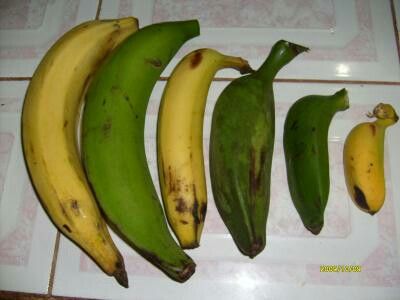
A banana is an edible fruit–botanically a berry–produced by several kinds of large herbaceous flowering plants in the genus Musa. In some countries, bananas used for cooking may be called plantains, distinguishing them from dessert bananas. The fruit is variable in size, color, and firmness, but is usually elongated and curved, with soft flesh rich in starch covered with a rind, which may be green, yellow, red, purple, or brown when ripe. The fruits grow in clusters hanging from the top of the plant.
Bananas are good as they are–just peel and eat. They are a delicious addition to a smoothie, and very ripe bananas make exquisite banana bread. Cooking bananas, known as plantains, can be fried, baked, or sliced and added to a stew. In southern Mexico, tamales are wrapped in banana leaves instead of corn husks.
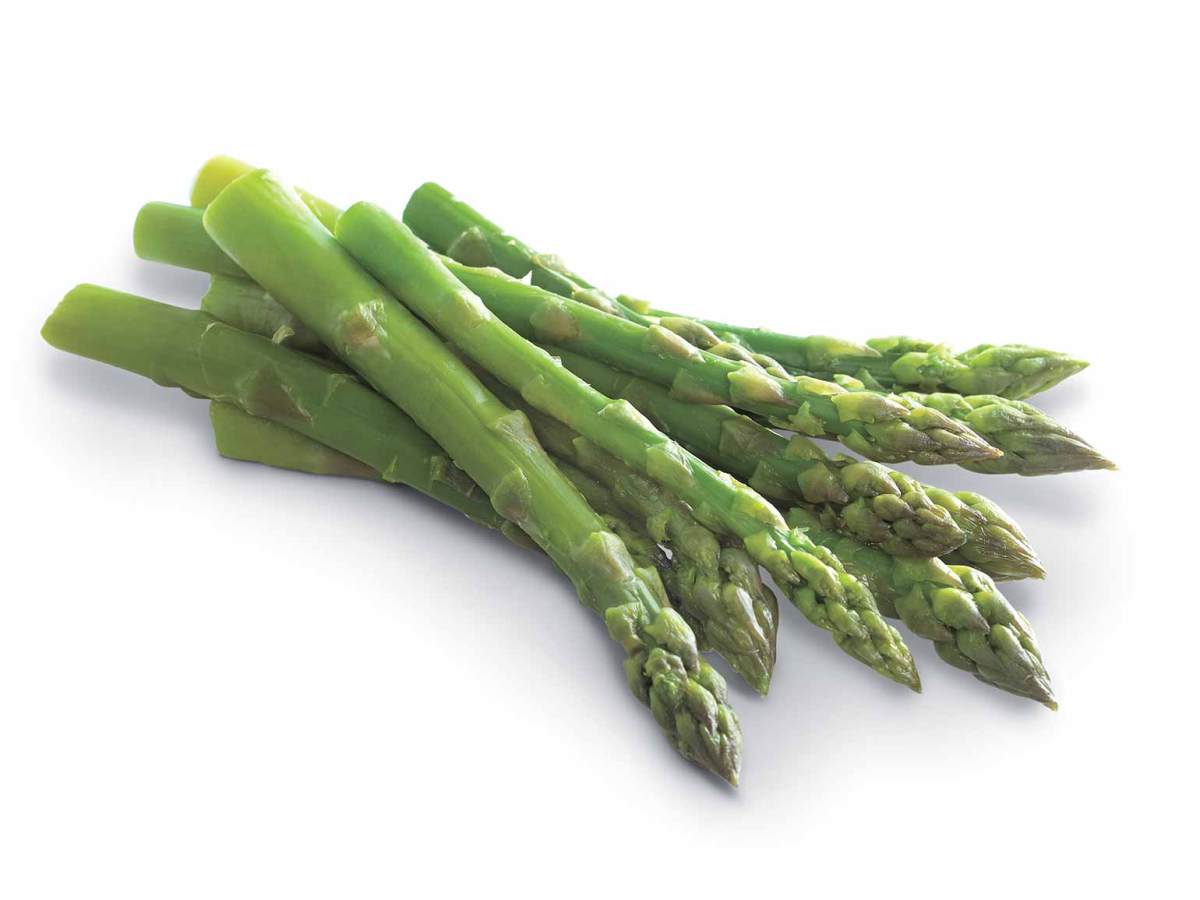
Asparagus is anti-inflammatory and antioxidant. It is a good source of Vitamin K, Vitamin B1, Thiamine, and Fiber.
Asparagus is a perennial flowering plant species in the genus Asparagus. Its young shoots are used as a spring vegetable. It is widely cultivated as a vegetable crop. It serves as a natural diuretic, nourishes the digestive tract. It helps with a healthy pregnancy, helps fight cancer, and supports skin health. Asparagus can be eaten raw and makes a good addition to salads. Lightly steamed, blanched, or roasted asparagus is a delicious side dish with almost any meal. Recipe for Sauteed Asparagus.








You must be logged in to post a comment.