Posted in FEATURED, MICRO HABITS, RESOURCES

From Tiny Change to Lasting Habit

I used to think that discipline meant giving up things, doing hard, painful, unpleasant things (“no pain, no gain”), never failing to keep a resolution. In other words, doing things that I am incapable of doing long term. It took me a long time to realize the power of small changes, small actions, pleasant (or at least do-able) actions that can become good habits. I’ve learned to accept a lapse in a habit as something temporary that can be corrected next time around, like tomorrow, not a whip that I should use to flagellate myself for being a loser. Not all small actions turn into habits, but some do, and now, after 6 years of moving toward better eating, healthier patterns of rest, movement, and dealing with mental clutter, I can feel some tangible benefits.

Here are some food-related changes that can move you in the direction of better health.

Add a Superfood to Your Menu

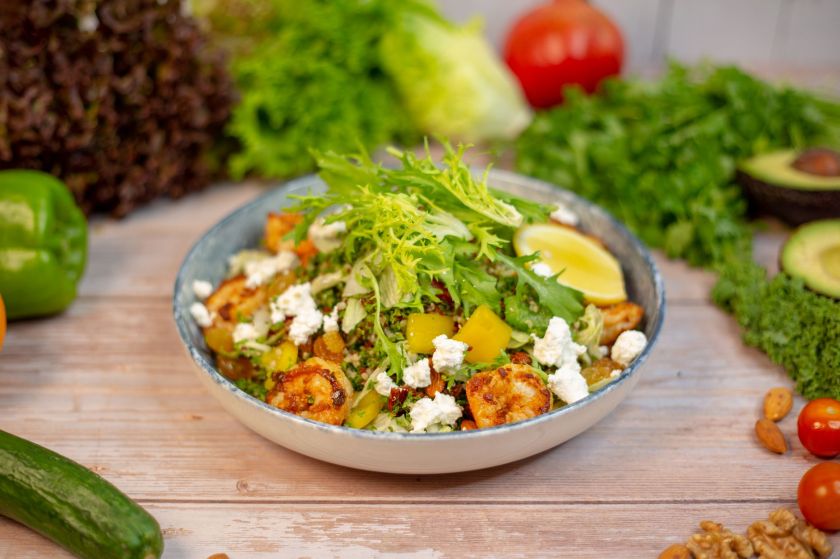
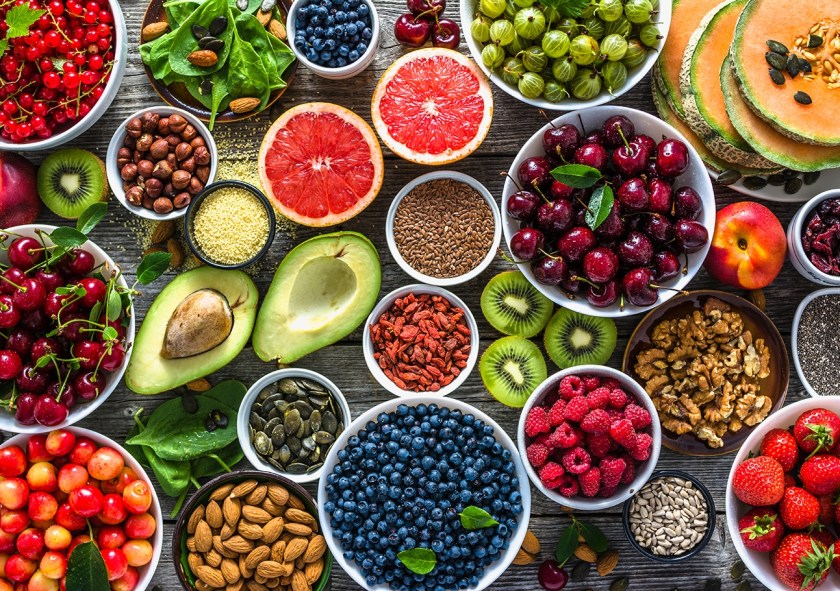
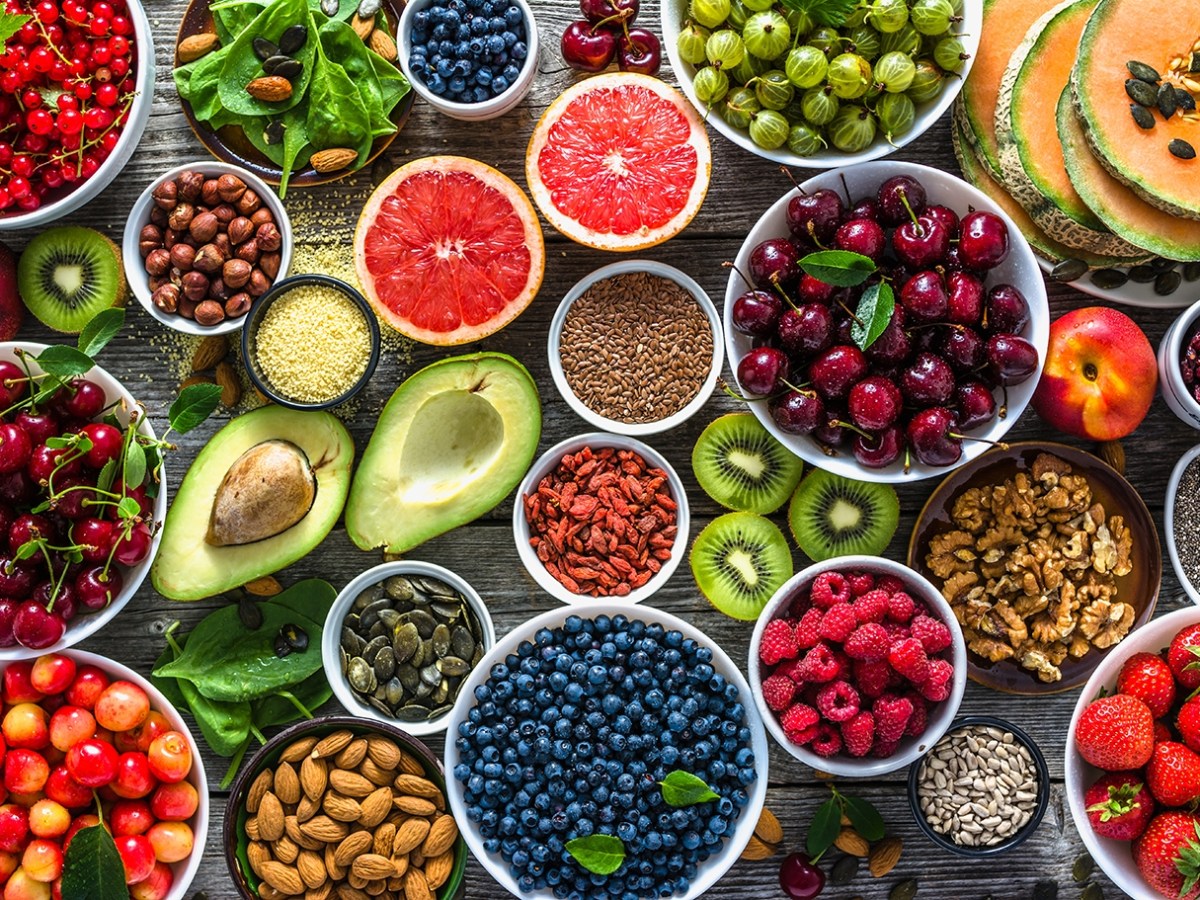
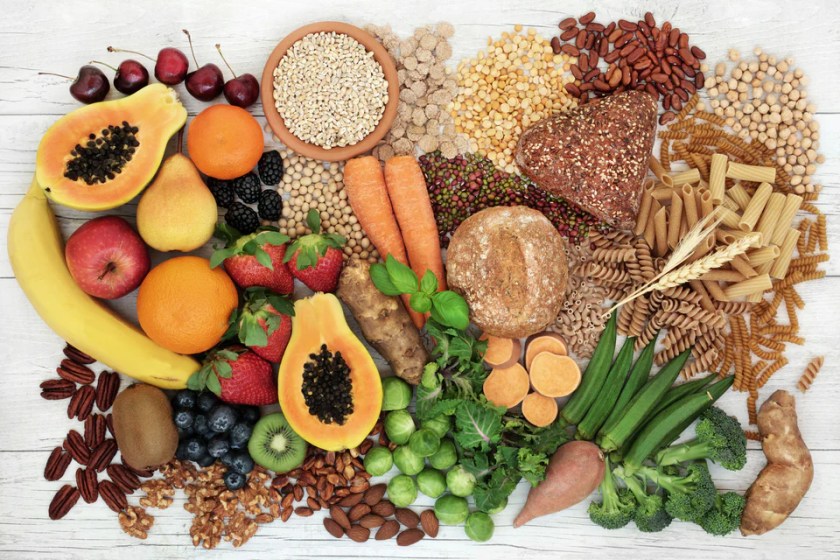
You probably include some superfoods in your meals already, but there may be room for improvement. Superfoods are nutrient-dense, whole foods packed with vitamins, minerals, fiber, and antioxidants that support overall health, reduce disease risk, and boost energy.

Limit Drinks with Meals

Limting beverages with meals is a small change you can make that will be beneficial to your health. Having a beverage with a meal is a tradition, an unuestioned habit for most of us, but eating without an accompanying drink can improve digestion, and prevent some bothersome effects, such as bloating and acid reflux.

From Tiny Change to Lasting Habit

I used to think that discipline meant giving up things, doing hard, painful, unpleasant things (“no pain, no gain”), never failing to keep a resolution. In other words, doing things that I am incapable of doing long term. It took me a long time to realize the power of small changes, small actions, pleasant (or…

Start the Day with a Smoothie

No time for breakfast? Start your day with a delicious nutrient-loaded smoothie. If your mornings are rushed, make it the night before. You’re off to a good start, no matter what happens during the rest of the day. No recipe needed. You can throw in what you like, what you need, what you want, what…

Posted in FEATURED, MICRO HABITS, RECIPES, RESOURCES

Start the Day with a Smoothie

No time for breakfast? Start your day with a delicious nutrient-loaded smoothie. If your mornings are rushed, make it the night before. You’re off to a good start, no matter what happens during the rest of the day. No recipe needed. You can throw in what you like, what you need, what you want, what you have on hand. Here are a few ideas to start you thinking.

  • Suggested Ingredients
    • Leafy Greens: Spinach and kale are common, providing vitamins with a mild taste that is easy to hide.
    • Berries & Fruits: Blueberries (high in antioxidants), acai, mango, banana (for creaminess), and lemon (for cleansing).
    • Seeds & Nuts: Chia seeds, flaxseeds, and hemp seeds add Omega-3 fatty acids and fiber.
    • Healthy Fats & Boosters: Avocado (creamy texture), turmeric (anti-inflammatory), ginger (digestion), cacao, and spirulina.
    • Protein: Greek yogurt, protein powder, or silken tofu. 
  • A Few Superfood Smoothie Recipes
    • Green Detox Smoothie: Blend 1 cup spinach/kale, 1/2 cup coconut water, 1/4 avocado, 1 tbsp chia seeds, 1/2 cucumber, and ginger.
    • Antioxidant Mixed Berry & Cocoa: Blend 1 cup mixed berries, 1/2 cup almond milk, 2 tbsp hemp hearts, 1 tbsp flax seeds, and 1 tbsp raw cocoa powder.
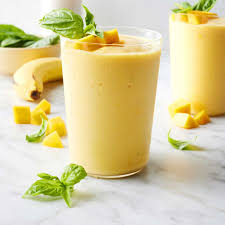
    • Tropical Turmeric Mango: Blend 1 cup frozen pineapple, 1/2 cup mango, 1/2 cup coconut water, 1 tsp turmeric, and 2 tbsp hemp hearts.
    • Blueberry Avocado Powerhouse: Combine 1 cup frozen blueberries, 1/2 cup Greek yogurt, 1/2 cup avocado, and 1 tbsp chia seeds.
    • Chocolate Peanut Butter Powerhouse: Mix 1 cup coconut milk, 1 scoop chocolate protein, 1/2 cup blueberries, 1 cup spinach, 1 banana, and 1 tbsp almond butter. 
  • Some Tips for Superfood Smoothies
    • Use Frozen Fruit: Using frozen berries or bananas creates a thicker, creamier texture without needing extra ice.
    • Balance the Nutrients: Follow a 50/50 rule, aiming for 50% vegetables (like spinach) and 50% fruit to lower sugar content.
    • Boost Fiber and Protein: Add 1 tablespoon of chia or flax seeds to boost satiety (fullness) and fiber intake.
    • Avoid Added Sugars: Rely on the natural sweetness of fruit rather than honey or syrup, and use unsweetened milk alternatives.
    • Make it a Bowl: Increase the thickness and top with nuts, seeds, or berries for a smoothie bowl. 

More Smoothie Ideas

Posted in FEATURED, RECIPES

Almond Milk

Almond Milk can be substituted for animal milk in most recipes

PREP 10 minMAKES 2 cups
  • INGREDIENTS
    • 1 c raw ALMONDS
    • 2 c WATER
  • DIRECTIONS
    1. Soak ALMONDS overnight
    2. Drain and rinse thoroughly
    3. Remove skins (optional)
    4. Add WATER and blend until smooth
    5. Drain and squeeze through a cheesecloth
    6. Save the pulp for other uses if desired

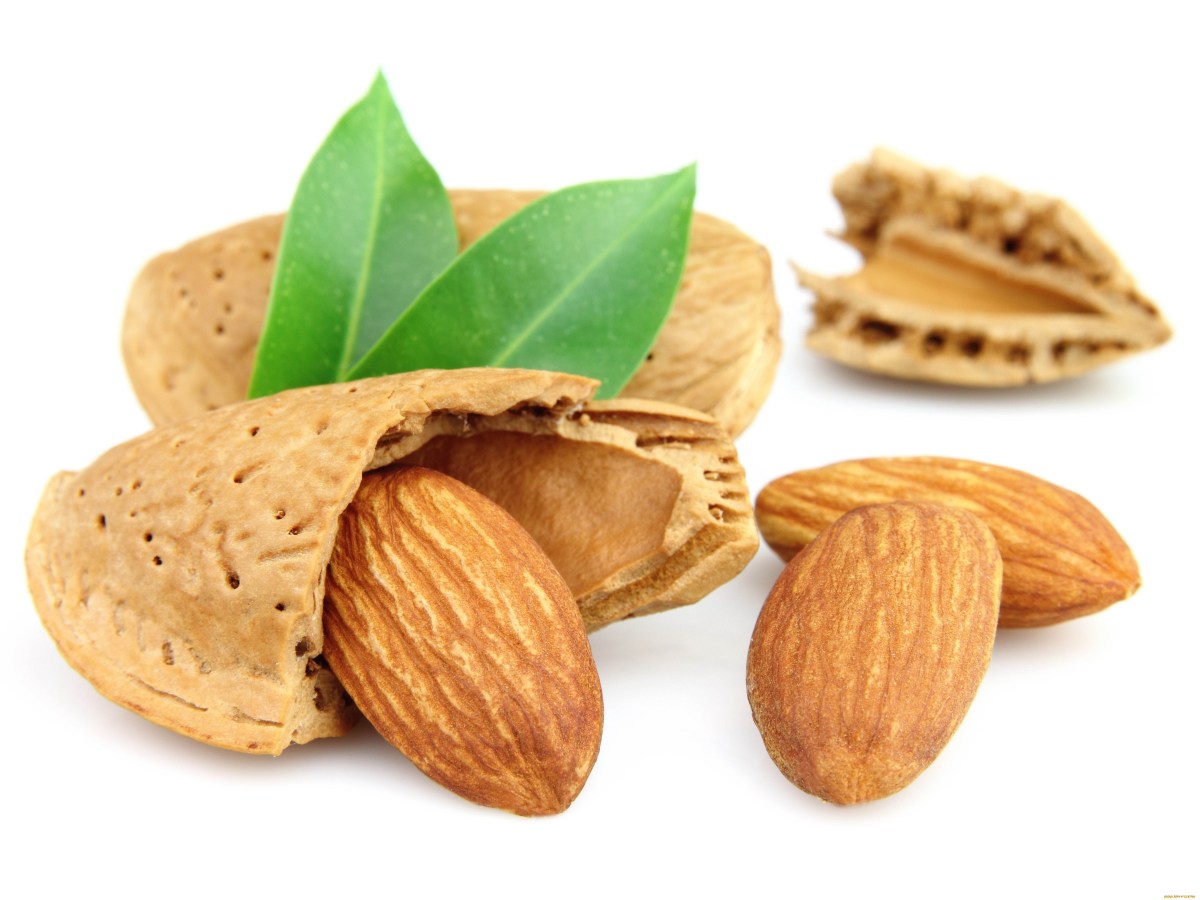
ALMOND

Almonds are rich in Vitamin E, magnesium, and manganese Almond is the edible seed of Prunus dulcis, a species of tree native to Iran but widely cultivated elsewhere. It is classified with the peach in the subgenus Amygdalus, distinguished from the other subgenera by corrugations on the shell surrounding the seed. Almonds are sold shelled…

Posted in FEATURED, NUTRIENTS

FIBER

What does fiber do?
Fiber promotes weight loss, lowers blood sugar, fights constipation, boosts heart health, feeds friendly gut bacteria, and reduces cancer risk.

How much do I need?
Recommended daily amounts for adults and adolescents are between 22 and 38 grams, depending on the number of calories consumed. Most Americans consume only about 15 grams.

Are supplements recommended?
Fiber supplements can be a helpful, temporary tool for improving digestive health. Use them if you cannot meet your daily needs (25-30g) through diet alone, to address specific issues like constipation, or for overall digestive health. Start with a small amount and increase gradually. Drink plenty of fluids, as fiber absorbs water and can cause constipation if taken without enough liquid.

What are some good plant food sources of fiber?
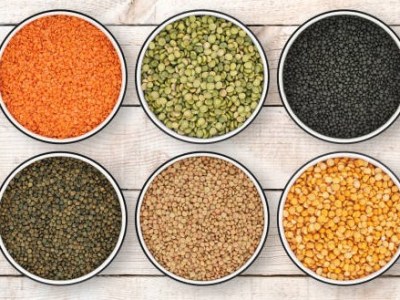
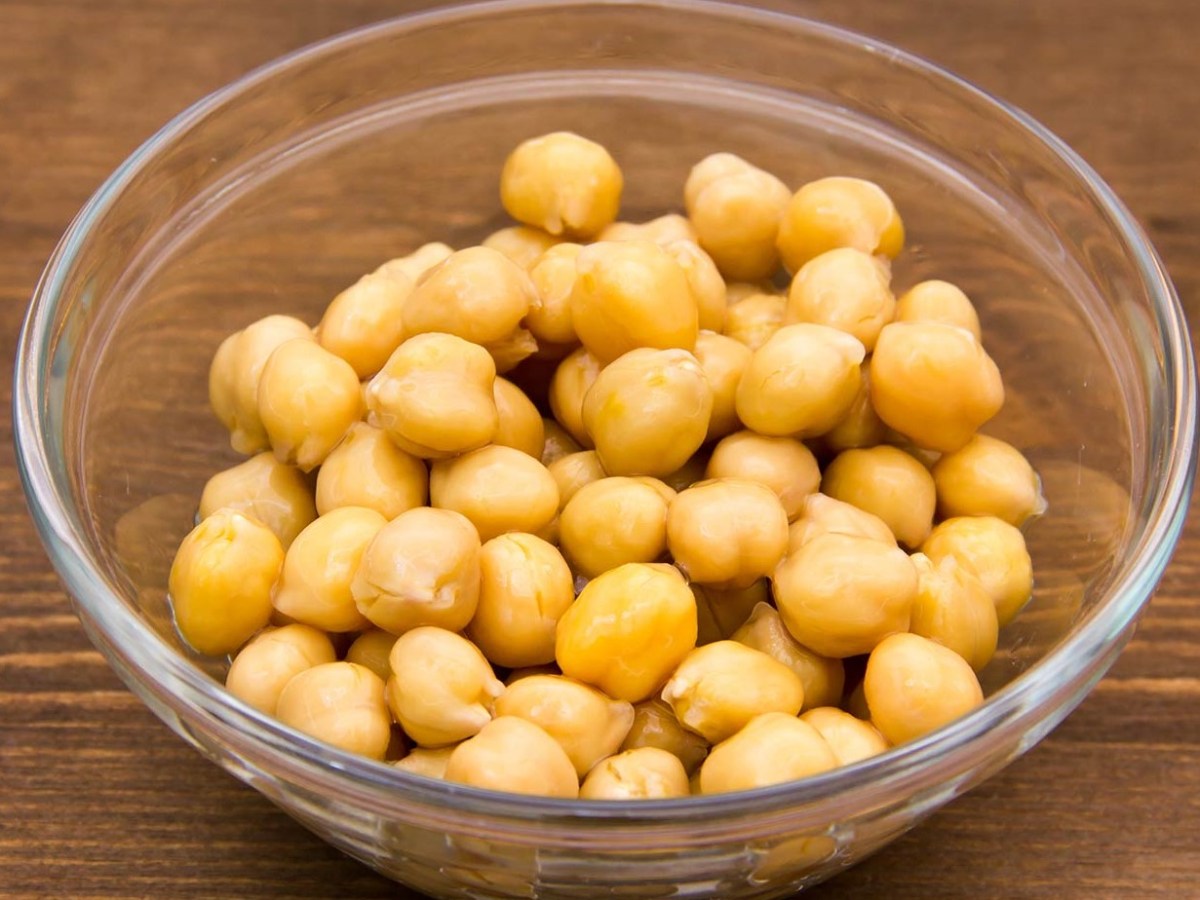
CHICKPEAS, LENTILS, SPLIT PEAS, OATS, APPLES, PEARS, ALMONDS, CHIA SEEDS, BRUSSELS SPROUTS, AVOCADO.
Dietary fiber is naturally present in edible plants, either as soluble (digestible) or insoluble fiber. Soluble fibers come from the insides of plants and include substances such as pectin. They are present in fruits, vegetables, oats, and barley and may help manage blood sugar and cholesterol levels. Insoluble fibers come from the outer skins of plants and pass straight through the digestive system. They can help prevent constipation. Examples include bran, celery, whole grains, and seeds.

Source: Healthline

Fiber-Rich Foods

AVOCADO

Avocados improve heart health; support eye, skin, and hair health; fight cancer cell growth; promote weight loss; enhance digestive health; protect against diabetes; and decrease arthritis symptoms.

LENTIL

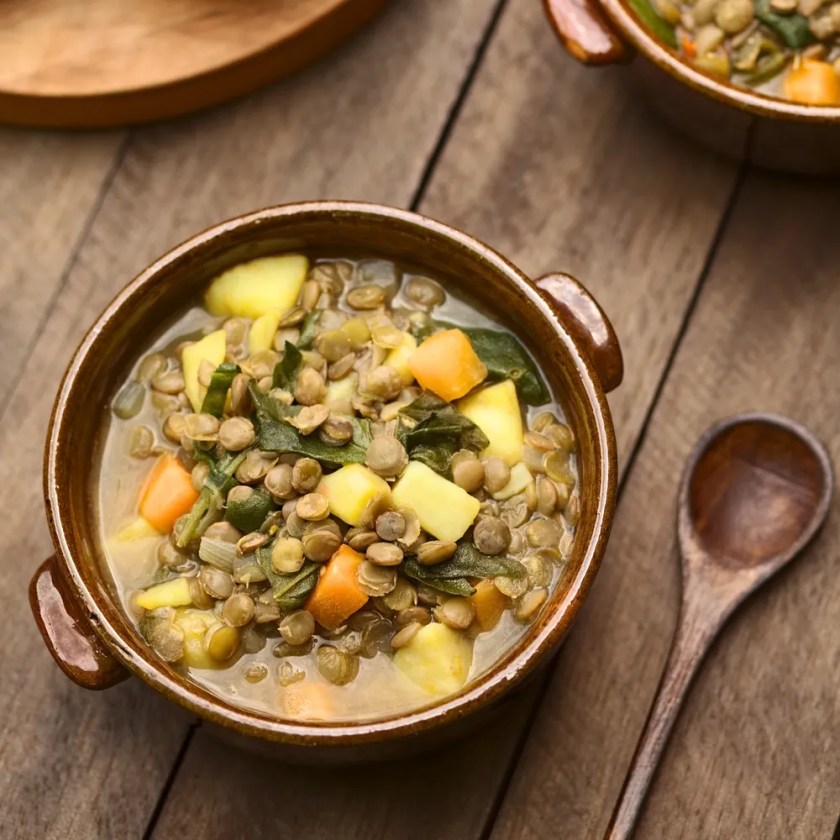
Low in calories, high in protein, fiber, B Vitamins, iron, folate, magnesium, zinc, and potassium.
OAT

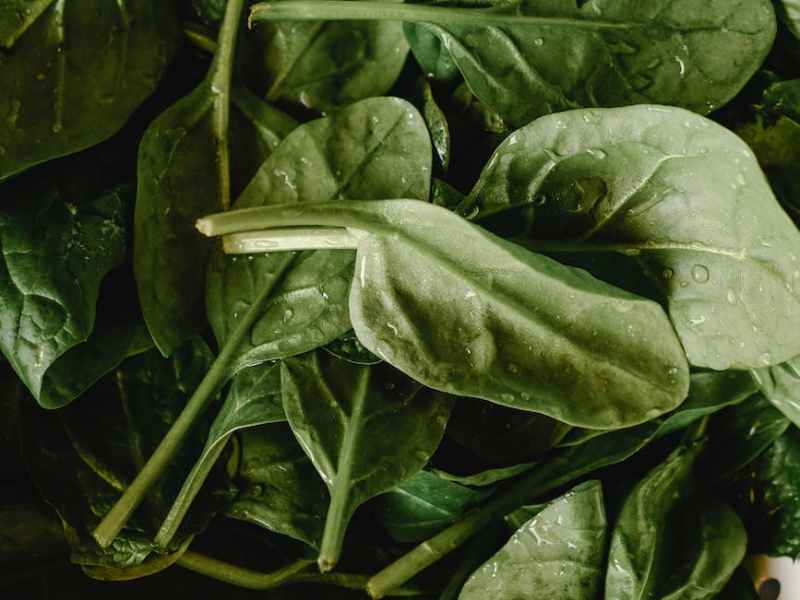
Oats are a powerhouse of vitamins, minerals, and antioxidants.

APPLE

Apples are rich in simple sugars like fructose, sucrose, and glucose, but their glycemic index (GI) is low, 29–44.

ALMOND

Almonds are rich in Vitamin E, magnesium, and manganese Almond is the edible seed of Prunus dulcis, a species of tree native to Iran but widely cultivated elsewhere. It is classified with the peach in the subgenus Amygdalus, distinguished from the other subgenera by corrugations on the shell surrounding the seed. Almonds are sold shelled…

CHIA SEED

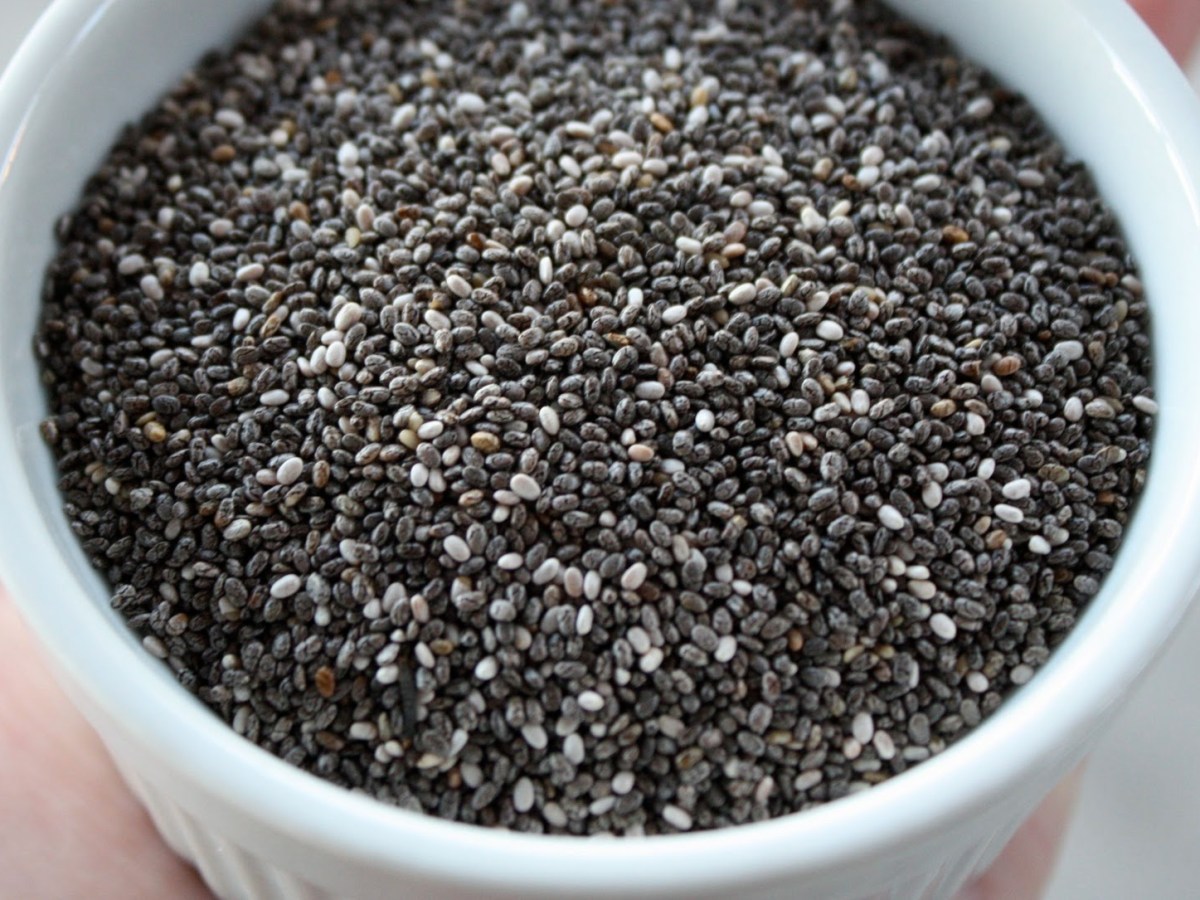
Chia is a flowering plant in the mint family, native to central and southern Mexico and Guatemala. It is rich in calcium, phosphorous, and other minerals.

BRUSSELS SPROUT

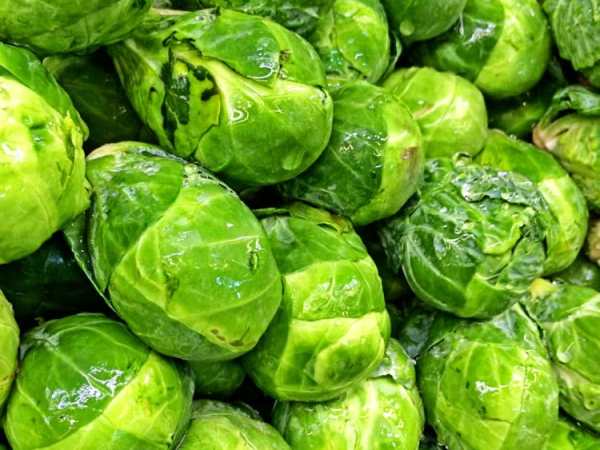
Brussels sprouts are low in calories but high in many nutrients, especially fiber, vitamin K and vitamin C.

Posted in FEATURED, RECIPES

Cabbage Croquettes

Cabbage Croquettes are a satisfying main dish for a meatless meal

PREP 20 minBAKE 20 min400°FSERVES 4
  • INGREDIENTS
    • 3 c sliced CABBAGE
    • 1/2 c chopped ONION
    • 2 cloves minced GARLIC
    • 2 EGGS
    • 1/4 tsp SALT
    • 1/4 TSP BLACK PEPPER
    • 1/2 c crushed CORN FLAKES
  • DIRECTIONS
    1. Boil or steam sliced CABBAGE until tender, about 10 minutes. Drain thoroughly and cool.
    2. Saute ONION in a small amount of oil until transparent; add GARLIC abd cibtubye to saute until garlic is lightly browned.
    3. Squeeze excess water from cooled CABBAGED; stir in the sauteed onion and garlic.
    4. Stir in EGGS, SALT, PEPPER, and CORN FLAKES.
    5. Bake at 400 F until golden brown.

CABBAGE

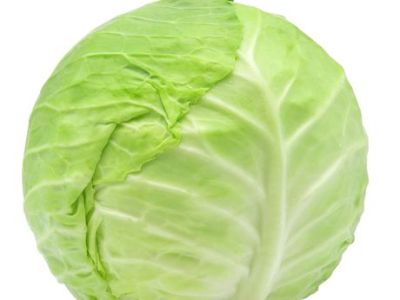
Cabbage is low in calories and rich in Vitamins K and C

GARLIC

Garlic has been used as a traditional medicine as well as a food flavoring. It is a healthy and delicious addition to many dishes around the world. Its medicinal benefits for both cure and prevention require larger doses, which should be taken with the supervision and advice of a knowledgeable medical practitioner.

Posted in FEATURED, PLANT FOOD FACTS

ARUGULA

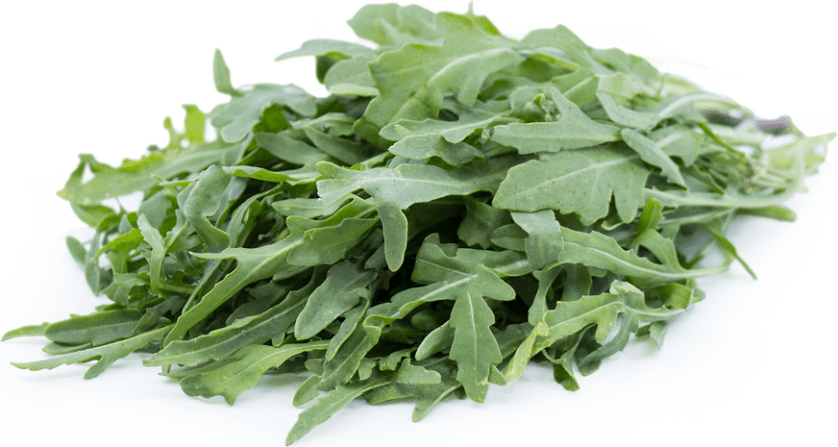
This delicious green is nutrient-dense, high in fiber and phytochemicals.

Arugula is a peppery, distinctive-tasting green also known as rucola, salad rocket, and Italian cress. Arugula is low in sugar, calories, carbohydrates, and fat while high in calcium, potassium, folate, Vitamin C and Vitamin K. Arugula is a member of the Brassica, or Cruciferous, family, which includes Brussels sprouts, kale, cauliflower, and broccoli. Arugula’s distinctive peppery crunch adds flair to salads and other cold dishes. Arugula can be used in addition to of in the place of most types of lettuce and herbs. It also boasts a distinctive leaf shape. Its flowers, seeds, and leaves are all edible. Cruciferous vegetables like arugula have been linked to lower incidence of cancer, bone health, heart health, and diabetes prevention.

Arugula, Avocado, Fig and Walnut Salad
1 cup (20 g) arugula PROVIDES
calories 5
fat.55 g
0.516 g0.516 g
calcium 3.2% DV
vitamin C 2.5% DV
vitamin K 27.7% DV
Sources: Medical News Today
Posted in FEATURED, NUTRIENTS

COPPER

What does copper do?
Copper plays a role in making red blood cells and maintaining nerve cells and the immune system. Copper also helps the body form collagen and absorb iron, and plays a role in energy production.

How much do I need?
The recommended daily allowance (RDA) is around 900 micrograms a day for adolescents and adults. The upper limit for adults aged 19 years and above is 10 milligrams (mg) a day. An intake above this level could be toxic.

Are supplements recommended?
Most people do not need to take a copper supplement, as a balanced diet usually provides enough of this mineral, and excessive intake can cause toxicity. Supplements are generally recommended only if you have a diagnosed deficiency, which is rare, or specific conditions like celiac disease or high-zinc intake. Do not start a copper supplement without first consulting a healthcare professional to confirm a deficiency through blood tests. Both copper deficiency and copper toxicity are rare in the United States (U.S).

What are some good plant food sources of copper?
WHOLE GRAINS, BEANS, YEAST, DARK LEAFY GREENS, DRIED FRUITS, BLACK PEPPER, ALMONDS, POTATOES, COCOA, CASHEWS

Copper-Rich Plant Foods

SPINACH

Spinach (español: espinacas) is a leafy green flowering plant whose leaves are consumed cooked or raw. Spinach is a good source of VITAMIN C, IRON, POTASSIUM, VITAMIN E, and MAGNESIUM. The possible health benefits of consuming spinach include blood glucose control, lower risk of cancer, and improved bone health. As part of a nutritious diet, it can help support immune function,…
ALMOND

Almonds are rich in Vitamin E, magnesium, and manganese Almond is the edible seed of Prunus dulcis, a species of tree native to Iran but widely cultivated elsewhere. It is classified with the peach in the subgenus Amygdalus, distinguished from the other subgenera by corrugations on the shell surrounding the seed. Almonds are sold shelled…

CHOCOLATE

Cocoa appears to reduce risk factors for heart disease. Flavanols in cocoa beans have antioxidant effects that reduce cell damage. Flavanols — more prevalent in dark chocolate than in milk chocolate — may also help lower blood pressure and improve vascular function. In addition, some research has linked chocolate consumption to reduced risks of diabetes,…

CASHEW

Cashews pack 67% of the daily copper requirement, needed to form red blood cells.

Posted in FEATURED, PLANT FOOD FACTS

ALMOND

Almonds are rich in Vitamin E, magnesium, and manganese

Almond is the edible seed of Prunus dulcis, a species of tree native to Iran but widely cultivated elsewhere. It is classified with the peach in the subgenus Amygdalus, distinguished from the other subgenera by corrugations on the shell surrounding the seed. Almonds are sold shelled or unshelled. Blanched almonds are shelled almonds that have been treated with hot water to soften the seedcoat, which is then removed to reveal the white embryo.

Recipe: Almond Milk

1 ounce or 28 grams of almonds provides%RDI
CALORIES161
CARBOHYDRATES2.5 G
FAT14 G
FIBER3.5 G
MAGNESIUM20%
MANGANESE32%
VITAMIN E37%
SOURCES: WIKIPEDIA / HEALTHLINE

Posted in FEATURED, RECIPES, Salads

Beet and Apple Salad

The varied tastes and textures of beets, apples, pistachios, and greens combined with a sweet and sour vinaigrette make this salad as delicious as it is nutritious.

PREP 20 minSERVES 4
  • INGREDIENTS
    • 2 BEETS, SLICED, RAW OR STEAMED
    • 1 APPLE, THINLY SLICED
    • 1 c LETTUCE
    • 1/2 c PISTACHIOS, PEELED
    • 2 Tbsp HONEY
    • 2 Tbsp WHITE WINE VINEGAR
    • 2 Tbsp DIJON MUSTARD
    • 6 Tbsp OLIVE OIL
  • DIRECTIONS
    1. Tear or chop washed LETTUCE as desired.
    2. Toss the BEETS and APPLES together
    3. To make dressing, whisk together HONEY, VINEGAR, and MUSTARD, drizzle OLIVE OIL slowly into the mixture as you continue to whisk

BEET

Beets are low in calories and a source of many nutrients, including fiber, folate and vitamin C and contain nitrates and pigments that help lower blood pressure and improve athletic performance.

APPLE

Apples are rich in simple sugars like fructose, sucrose, and glucose, but their glycemic index (GI) is low, 29–44.

Posted in FEATURED, PLANT FOOD FACTS

CABBAGE

Cabbage is low in calories and rich in Vitamins K and C

Cabbage is a leafy green, red (purple), or white (pale green) biennial plant grown as an annual vegetable crop for its dense-leaved heads. It is closely related to broccoli and cauliflower; Brussels sprouts; and Savoy cabbage. Cabbage can be eaten raw, steamed, or pickled, as in sauerkraut or kimchi.

Recipe for Fried Cabbage

100 g (3.5 oz) cabbage
calcium 4% DV
calories 25
carbohydrates 5.8 g
fiber 2.2 g
folate 43 µg (11% DV)
iron 4% DV
manganese 8% DV
protein 1.28 g
vitamin B6 0.124 mg (10% DV)
vitamin C 36.6 mg (44% DV)
vitamin K 76 µg (72% DV)
SOURCE: Wikipedia
Posted in FEATURED, PLANT FOOD FACTS

BEET

Beets are low in calories and a source of many nutrients, including fiber, folate and vitamin C and contain nitrates and pigments that help lower blood pressure and improve athletic performance.

The beetroot is the taproot portion of a beet plant, usually known in North America as the beet. It is one of several cultivated varieties of Beta vulgaris grown for their edible taproots and leaves (called beet greens). Beets can be served raw or cooked in a variety of ways. The greens are edible too, and can be added to a salad or cooked and served as a side dish.

Recipe for Beet and Apple Salad.

3.5 ounces (100 g) cooked beets
calories 44
fat 0.2 g
fiber 2 g
folate 20% DV
iron 4% DV
magnesium 6% DV
manganese 16% DV
phosphorous 4% DV
potassium 9% DV
protein 1.7 g
vitamin B6 3% DV
vitamin C 6% DV
Sources: Wikipedia / healthline