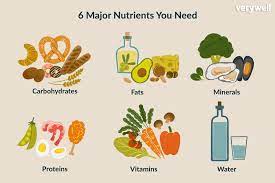
NUTRIENTS are molecules in food that all organisms need to make energy, grow, develop, and reproduce. The digestive system breaks down large, insoluble nutrients into smaller, soluble molecules so the body can absorb them into the bloodstream.
- Types
- Macronutrients
- carbohydrates
- proteins
- fats
- Micronutrients
- vitamins
- minerals
- Macronutrients
- Six Essential Nutrients
- Iron: The most common nutrient deficiency in the US, especially for premenopausal women. Iron is needed to produce hemoglobin, which helps red blood cells carry oxygen.
- Vitamin D: Americans don’t get enough vitamin D from their diet, sunlight, or supplements. Causes include an indoor lifestyle, sunblock, and darker skin tones.
- Folate: The most commonly deficient vitamin in the US diet. Severe folate deficiency can cause megaloblastic anemia, developmental defects, and an increased risk of some cancers.
- Potassium: Over 97% of Americans are deficient in potassium, which is largely due to eating too many processed foods.
- Vitamin B12: Almost 40% of people in the US have a vitamin B12 deficiency. Symptoms include feeling tired and weak, or having trouble with memory.
- Calcium: Some 70% of Americans are deficient in calcium. Calcium is important for bone and teeth structure, muscle and nerve function, and blood clotting.
- Magnesium: About 90% or more of American women of reproductive age are deficient in magnesium. Magnesium is a catalyst for many chemical reactions in the body, and also regulates other electrolytes.
| NUTRIENT | FUNCTION | FOOD SOURCES | RDA* |
|---|---|---|---|
| CARBOHYDRATE | Carbohydrates are sugar molecules that are broken down down into glucose, which is the main source of energy for cells, tissues, and organs. | ||
| CALORIES | A calorie is a unit of energy. In nutrition, calories refer to the energy people get from the food and drink they consume, and the energy they use in physical activity. Calories are the amount of energy released when your body digests and absorbs food. | 2200 women 2700 men | |
| FAT | Fat is an important nutrient your body needs for energy, cell growth, and absorbing certain vitamins. While some dietary fat is necessary, limiting total fat and saturated fat may improve your overall health. | ||
| FIBER | Fiber promotes weight loss, lowers blood sugar, fights constipation, boosts heart health, feeds friendly gut bacteria, and reduces cancer risk. | 22-3 g | |
| PROTEIN | Protein is very important for building tissues, such as muscle. | 46-56 g | |
| CALCIUM | Helps build and maintain strong bones. The heart, muscles, and nerves also need calcium to function properly. | 1000-1200 mg | |
| COPPER | Helps make red blood cells and maintain nerve cells and the immune system. | 900 mcg | |
| CHROMIUM | Enhances the action of insulin; helps in breakdown and absorption of carbohydrate, proteins, and fats | 20-35 mcg | |
| IODINE | Iodine plays a vital role in thyroid health. Iodine intake during pregnancy is linked to brain development in the fetus. Some symptoms of low iodine are goiter, painful thyroid gland, breathing difficulties, difficulty swallowing, fatigue, extreme feelings of coldness, hair loss, depression, brain fog, or unintentional weight gain. | ||
| IRON | Iron is important for healthy brain development and growth in children, and for the normal production and function of various cells and hormones. | 8-18 mg | |
| MAGNESIUM | Magnesium is essential for maintaining good health and plays a key role in everything from exercise performance to heart health and brain function. One of its main roles is to act as a cofactor in the biochemical reactions continuously performed by enzymes. It’s involved in more than 600 reactions in your body, | 320-420 mg (adults) | |
| MANGANESE | Helps form connective tissue, bones, sex hormones, and blood-clotting factors | 2 mg | |
| MOLYBDENUM | Molybdenum is an essential trace mineral and transition metal crucial for activating enzymes that break down toxins, sulfites, and amino acids in the body. It is primarily consumed through foods like legumes, nuts, and whole grains. | 45 mg | |
| PHOSPHOROUS | Phosphorous is needed for strong and healthy bones and teeth. It helps manage storage and use of energy, filters out waste in the kidneys, and grows, maintains, and repairs tissue and cells. | 700 mg (adults) | |
| POTASSIUM | Needed for electrolyte and water balance and proper cell function | 4500-4700 mg | |
| SELENIUM | |||
| ZINC | Zinc may effectively reduce inflammation, boost immune health, reduce risk of age-related diseases, speed wound healing, and improve acne symptoms. | 8-11 mg | |
| VITAMIN A (RETINOL) | Vitamin A (retinol) is important to vision, growth, cell division, reproduction, and immunity | 700-900 mcg | |
| VITAMIN B1 (THIAMINE) | Thiamine plays a critical role in energy metabolism and, therefore, in the growth, development, and function of cells. Thiamin (or thiamine) is one of the water-soluble B vitamins. It is also known as vitamin B1. Thiamin is naturally present in some foods, added to some food products, and available as a dietary supplement. | 1 mg | |
| VITAMIN B2 (RIBOFLAVIN) | Riboflavin (B2) has these benefits: Antioxidant. Riboflavin works as an antioxidant, fighting damaging particles in the body known as free radicals, which may contribute to the aging process, as well as the development of a number of health conditions like heart disease and cancer. Growth and red blood cell production. Riboflavin is also needed to help the body change vitamin B6 and folate into forms it can use. It is also important for growth and red blood cell production. Good vision and cataract prevention. Vitamin B2 is important for normal vision. Early studies suggest that it might help prevent cataracts. Migraine relief. Several studies suggest that people who get migraines may reduce how often they get migraines and how long the migraines last by taking riboflavin. | 1.3 mg | |
| VITAMIN B3 (NIACIN) | Niacin (Vitamin B3) is a micronutrient that your body uses for proper metabolism, nervous system function and antioxidant protection. It’s an essential nutrient, meaning that you must obtain it from food, as your body cannot produce it on its own. Since niacin is water soluble, any surplus is excreted through urine rather than stored in your body. Therefore, it’s important to regularly consume niacin-rich foods. | 15 mg | |
| VITAMIN B5 (PANTOTHENIC ACID) | Vitamin B5 (Pantothenic Acid) is needed for making blood cells, and it helps convert food into energy. | 5 mg | |
| VITAMIN B6 (PYRODIXINE) | Vitamin B6, also known as pyridoxine, is a water-soluble vitamin that is significant to protein, fat and carbohydrate metabolism and the creation of red blood cells and neurotransmitters. | 1.3-1.5 mg | |
| VITAMIN B7 (BIOTIN) | Vitamin B7, or biotin, is a water-soluble vitamin that helps the body metabolize fats, carbohydrates, and protein and helps maintain a healthy nervous system, nails, hair and skin. | 30 mcg | |
| VITAMIN B9 (FOLATE) | Vitamin B9 (Folate) is essential for producing red and white blood cells in bone marrow and transforming carbohydrates into energy. Folate is especially important during periods of rapid growth, such as pregnancy, infancy, and adolescence. | 400-500 mcg | |
| VITAMIN B12 | Vitamin B12 is needed to form red blood cells and DNA. It is also a key player in the function and development of brain and nerve cells. Vitamin B12 binds to the protein in the foods we eat. | 2.4 mcg | |
| VITAMIN C | Vitamin C has been linked to many impressive health benefits that include boosting antioxidant levels, lowering blood pressure, protecting against gout attacks, improving iron absorption, boosting immunity, and reducing heart disease and dementia risk. | 75-90 mg | |
| VITAMIN D | Vitamin D helps the body absorb calcium, one of the main building blocks for strong bones and preventing osteoporosis. Vitamin D is also needed for muscles to move and for nerves to carry messages between the brain and the body. The immune system needs Vitamin D to fight off invading bacteria and viruses. | 20 mcg | |
| VITAMIN E | Vitamin E acts as an antioxidant, scavenging loose electrons—so-called “free radicals”—that can damage cells. It also enhances immune function and prevents clots from forming in heart arteries. | 15 mg | |
| VITAMIN K | Vitamin K helps make proteins needed for blood clotting and building bones. | 90-120 mcg |





























You must be logged in to post a comment.