New Posts

Posted in NUTRIENTS

FAT

What does fat do?
Fat is an important nutrient your body needs for energy, cell growth, and absorbing certain vitamins. While some dietary fat is necessary, limiting total fat and saturated fat may improve your overall health. Dietary fat is a calorie dense nutrient, and including too much in your diet may contribute to excess body weight. Saturated fats raise your LDL (“bad”) cholesterol and increase your risk of cardiovascular disease. Replacing them with unsaturated fats as part of a healthy diet can help you lower your cholesterol and maintain a moderate weight.

How much do I need?
For most adults, the Dietary Guidelines for Americans recommends that total fat not exceed 20% to 35% of daily calories. Saturated fat should not be more thhan 10% of daily calories. Unsaturated fats are typically liquid at room temperature. They come from plant sources and fatty fish, like salmon. Including unsaturated fats in your diet may lower your LDL cholesterol levels. They also provide essential fatty acids your body needs but can’t produce, like omega-6s and omega-3s. Trans fats are created artificially and also occur naturally in small amounts in some animal products. Trans fats raise your LDL cholesterol and lower your HDL (“good”) cholesterol. The main source of artificial trans fats in processed foods is partially hydrogenated vegetable oils. These fats are solid at room temperature and can improve the taste and shelf life of foods. The Food and Drug Administration no longer recognizes partially hydrogenated vegetable oils as safe. As of July 2018, manufacturers can no longer add them to foods in the United States.

Are supplements recommended?
Vegans or individuals with severe dietary restrictions may need Omega-3 (EPA/DHA) supplements if they are not consuming enough from plant-based

What are some good plant food sources of fat?
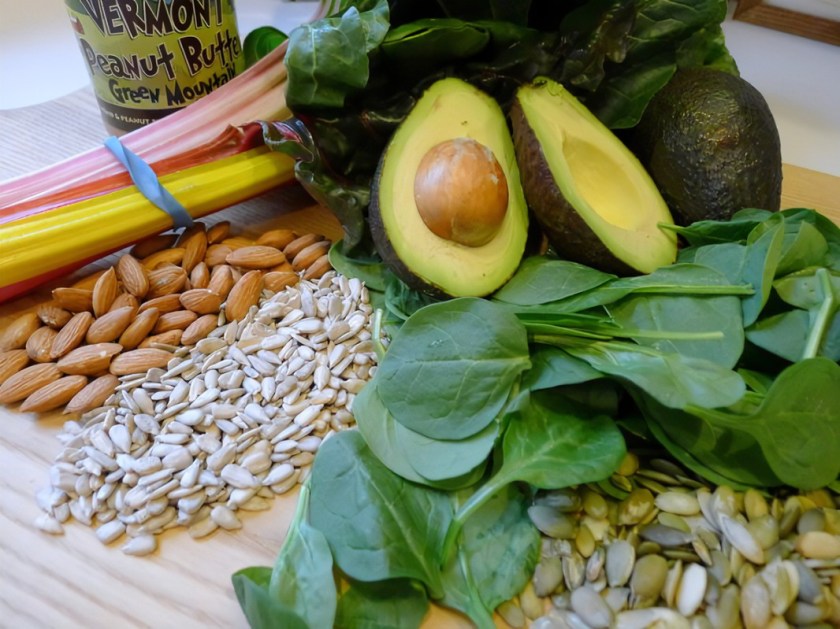
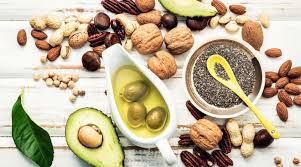
OLIVE OIL, CANOLA OIL, SOYBEAN OIL, WALNUTS, FLAXSEEDS, SUNFLOWER SEEDS, AVOCADOS, PEANUT BUTTER

Plant Foods Rich in Healthy Fats

AVOCADO

Avocados improve heart health; support eye, skin, and hair health; fight cancer cell growth; promote weight loss; enhance digestive health; protect against diabetes; and decrease arthritis symptoms.

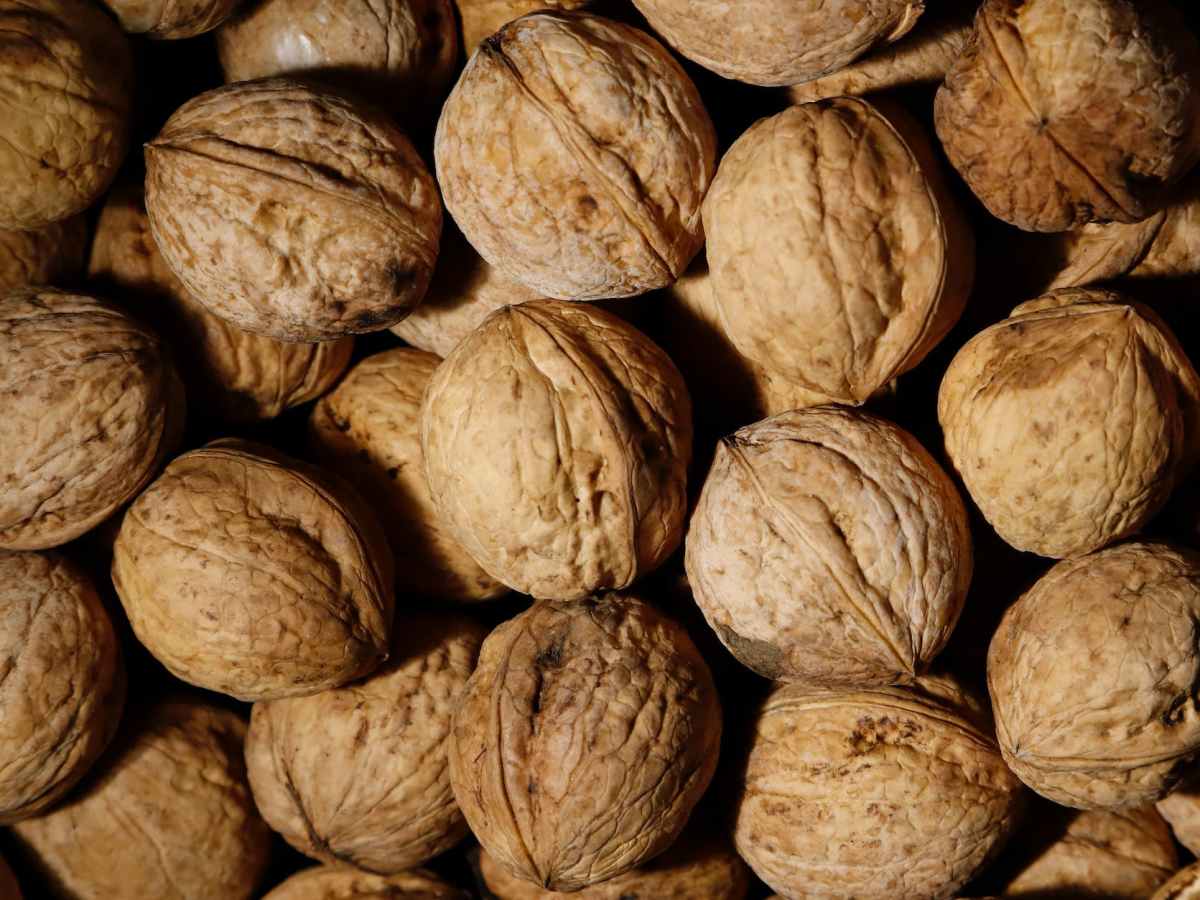
WALNUT

Some benefits of eating walnuts are heart health, prevention of cancer, bone health, immune system function, nerve health, and regulation of body clock.

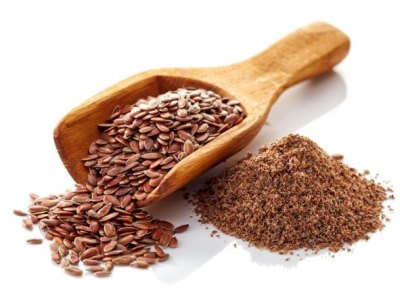
FLAXSEED

Among the claims made for it are that it may reduce cancer risk, improve cholesterol, lower blood pressure, help control blood sugar, and aid in weight control. The health benefits were observed with just 1 tablespoon (10 grams) of ground flax seeds per day. However

Posted in NUTRIENTS

VITAMIN C

What does Vitamin C do? Vitamin C has been linked to many impressive health benefits that include boosting antioxidant levels, lowering blood pressure, protecting against gout attacks, improving iron absorption, boosting immunity, and reducing heart disease and dementia risk.

How much do I need? The Recommended Daily Allowance (RDA)–enough to prevent deficiency syndromes such as scurvy–is 90 mg for men and 75 mg for women, but the Upper Limit (UL) is 2,000 mg.

Are supplements recommended? Because the human body cannot produce Vitamin C, it must be obtained through food sources or manufactured supplements. Opinions vary about how much Vitamin C is needed for optimal health. Because of the known benefits of Vitamin C for prevention and optimal health, including those that have not yet been fully proven, I prefer to take a 1,000 mg supplement and to eat foods that are rich in Vitamin C every day.

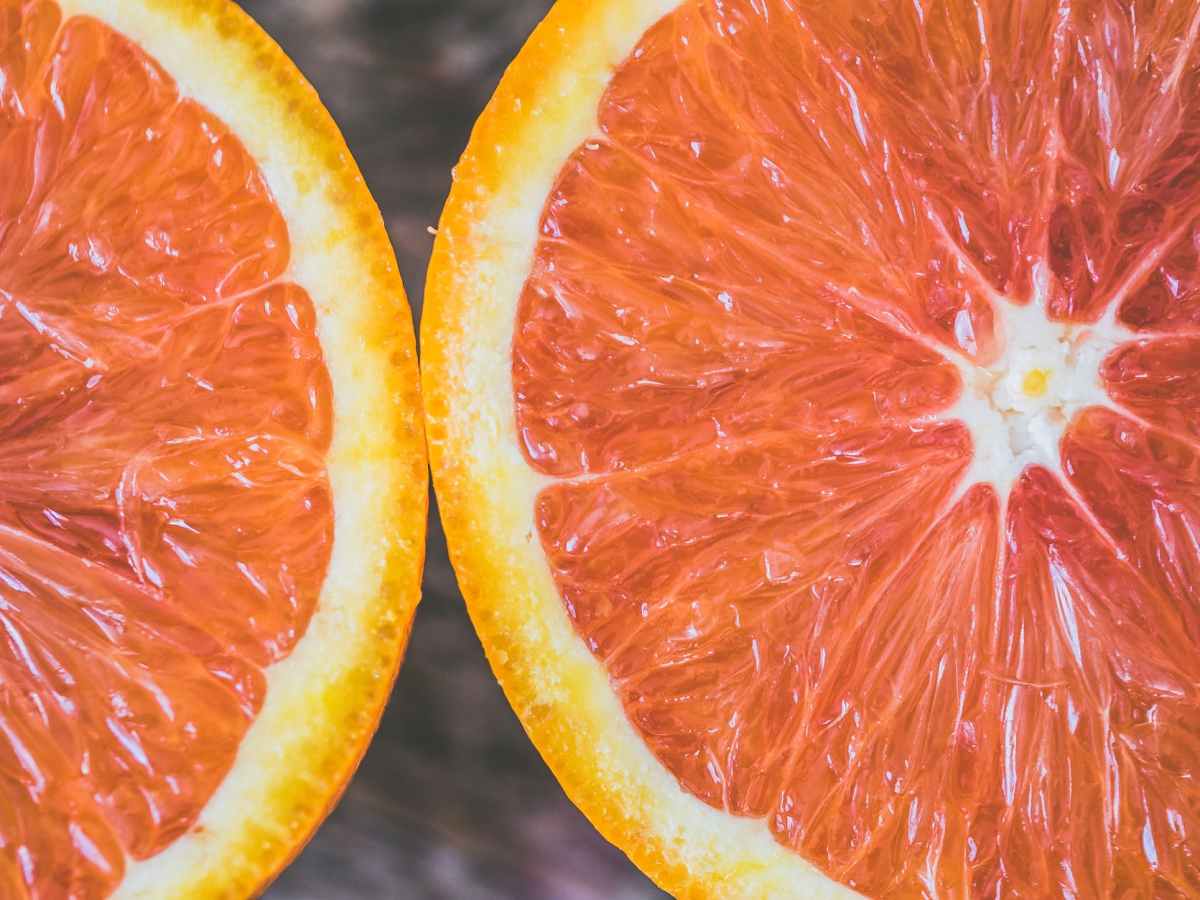
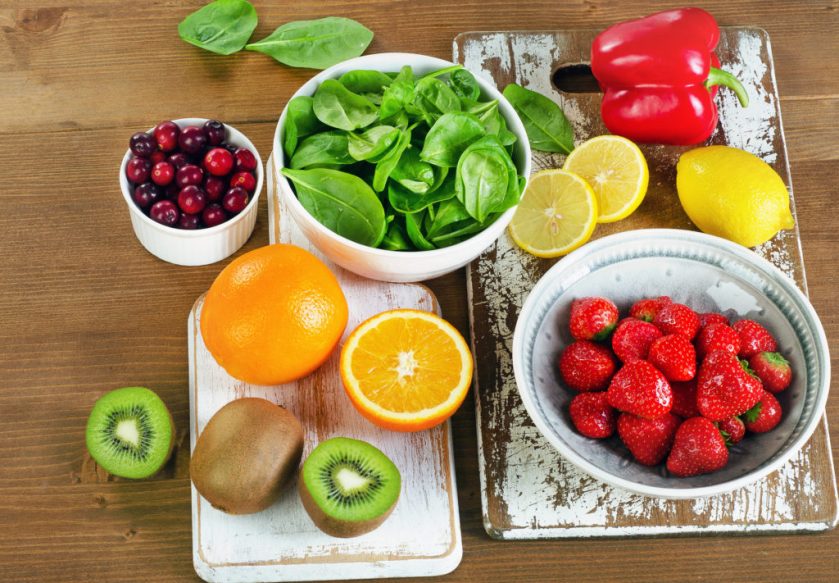
What are some good plant food sources of Vitamin C? ORANGES, KIWI, LEMON, BELL PEPPER, STRAWBERRIES, GRAPEFRUIT, BROCCOLI, CABBAGE, and CAULIFLOWER are a few plant foods that are rich in Vitamin C. High-heat cooking temperatures or prolonged cook times can break down the vitamin. Because it is water-soluble, the vitamin can also seep into cooking liquid and be lost if the liquids are not eaten. Quick heating methods or using as little water as possible when cooking, such as stir-frying or blanching, can preserve the vitamin. Foods at peak ripeness eaten raw contain the most vitamin C.

Source: Harvard School of Public Health

Vitamin C-Rich Foods

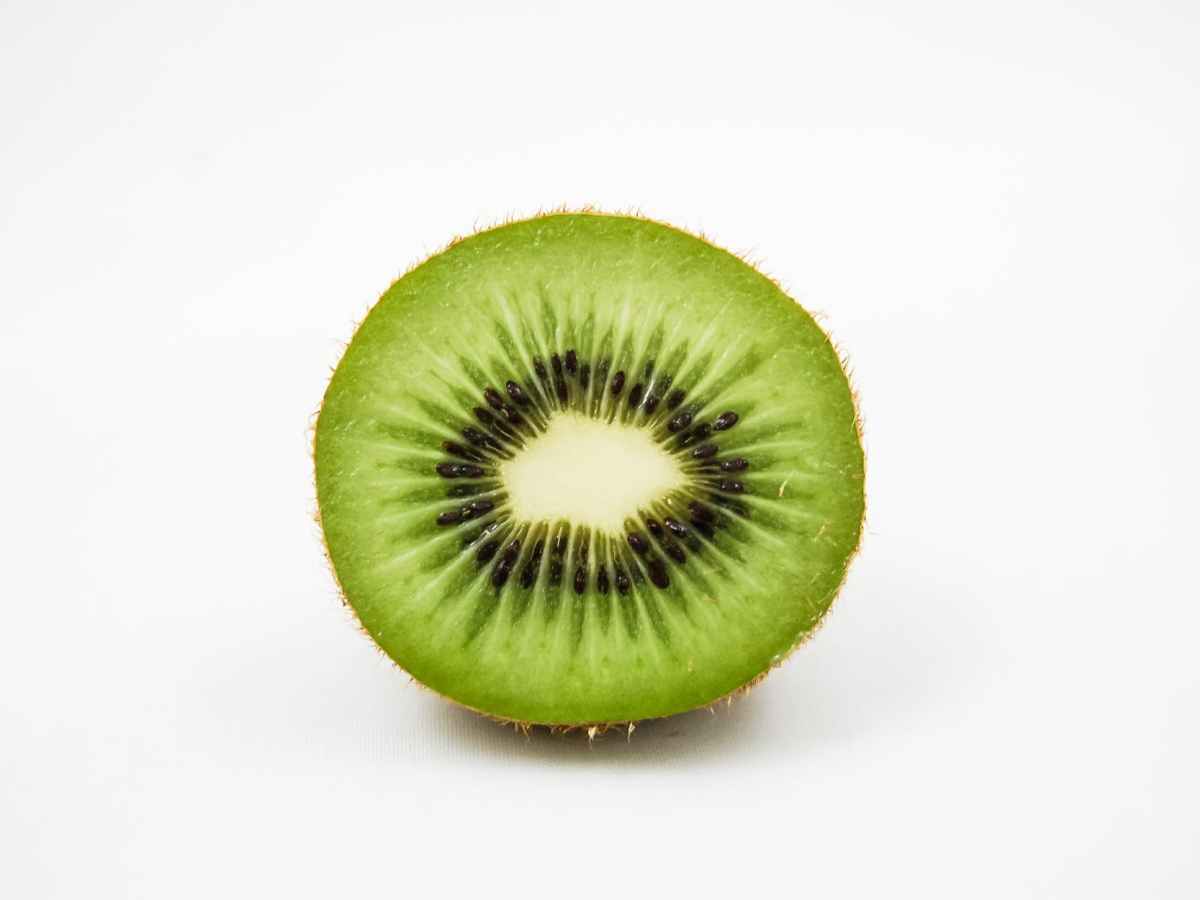
KIWI

A 3.5-ounce kiwi provides more than 80% of the daily vitamin C requirement.

LEMON

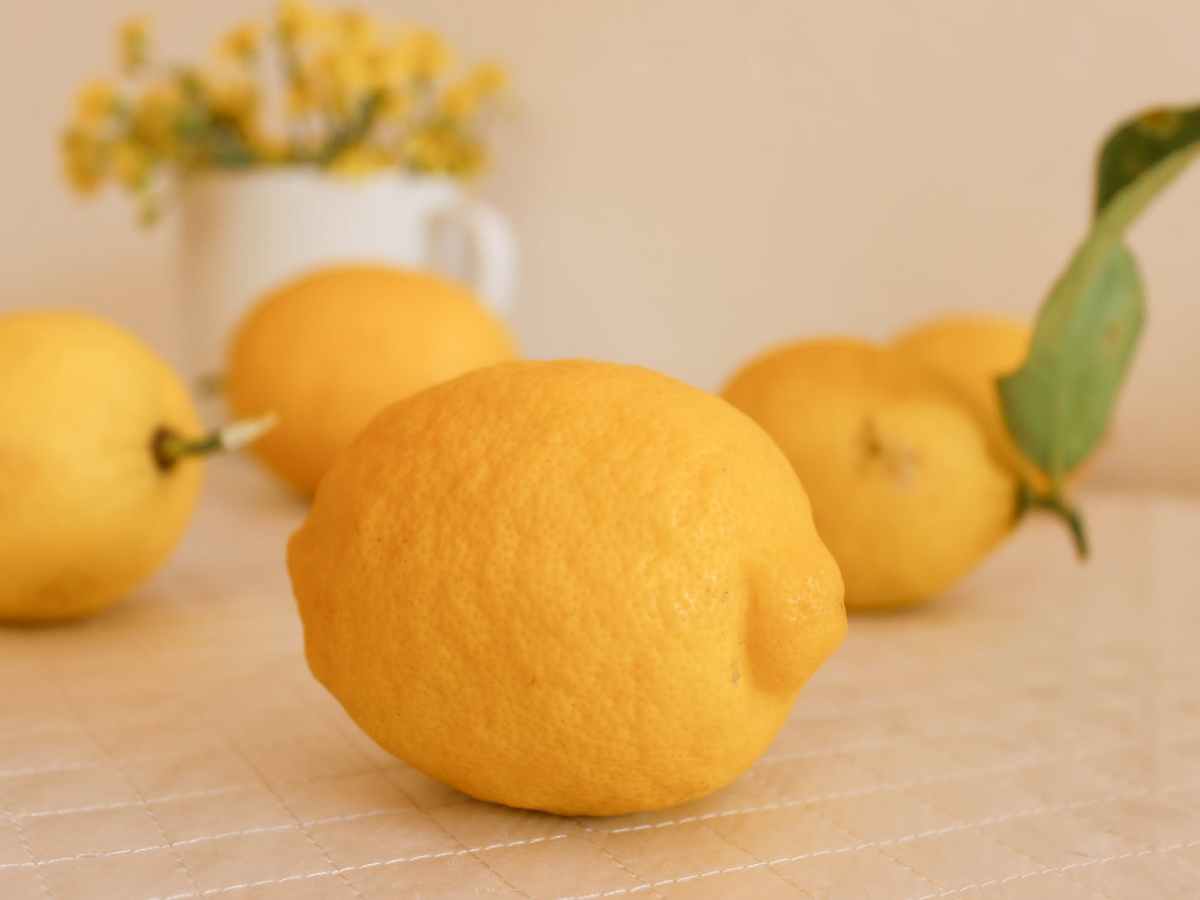
High in Vitamin C, lemons may reduce risks of heart disease and cancer.

GRAPEFRUIT

Grapefruit is rich in nutrients, antioxidants and fiber, making it one of the healthiest citrus fruits you can eat.

BROCCOLI

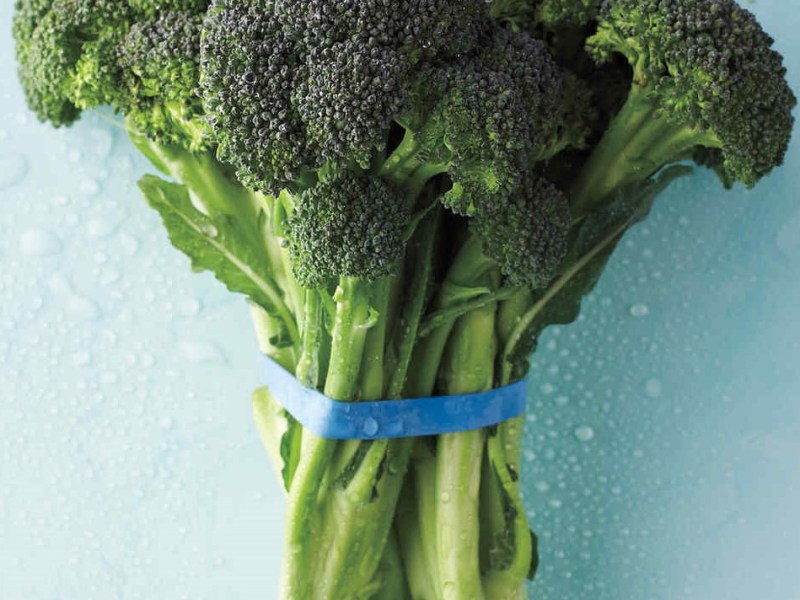
Broccoli, which has more protein than most other vegetables, is also high in fiber, vitamin C, vitamin K, iron, and potassium.

CABBAGE

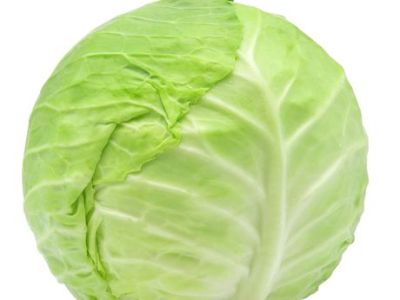
Cabbage is low in calories and rich in Vitamins K and C

CAULIFLOWER

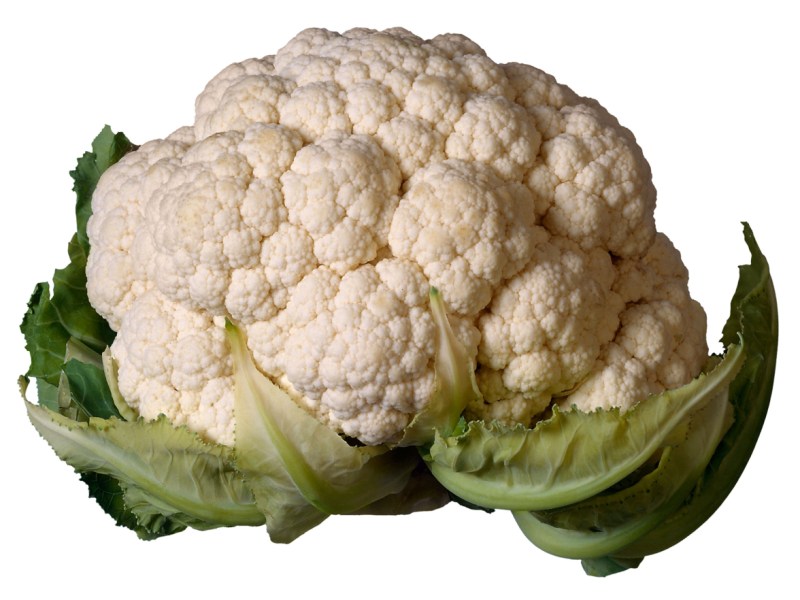
Cauliflower reduces cancer risk; fights inflammation; decreases risk for heart disease and brain disorders; provides high levels of vitamins C, K, and other vitamins and minerals; improves digestion and detoxification; aids in weight loss; helps balance hormones; and preserves eye health.

Posted in NUTRIENTS

VITAMIN B5 (Pantothenic Acid)

What does Vitamin B5 do?
Vitamin B5 (Pantothenic Acid) is needed for making blood cells, and it helps convert food into energy. B vitamins are needed for healthy skin, hair, and eyes; proper functioning of the nervous system and liver; healthy digestive tract; making red blood cells, which carry oxygen throughout the body; and making sex and stress-related hormones in the adrenal glands.

How much do I need?

Life stage groupRecommended intake of vitamin B5
Infants 6 months and younger1.7 mg
Infants 7 to 12 months1.8 mg
Children 1-3 years2 mg
Children 4-8 years3 mg
Children 9-13 years4 mg
Children and adults 14 years or older5 mg
People who are pregnant6 mg
People who are breastfeeding7 mg

Are supplements recommended?
Vitamin B5 deficiency is rare in the United States. Generally, only people with severe malnutrition have a B5 deficiency. However, people with pantothenate kinase-associated neurodegeneration two mutation may also experience deficiency.

What are some good plant food sources of Vitamin B5?
AVOCADO, BROCCOLI, CABBAGE, POTATOES, MUSHROOMS, NUTS, BEANS, PEAS, LENTILS

Plant Foods Rich in Vitamin B5

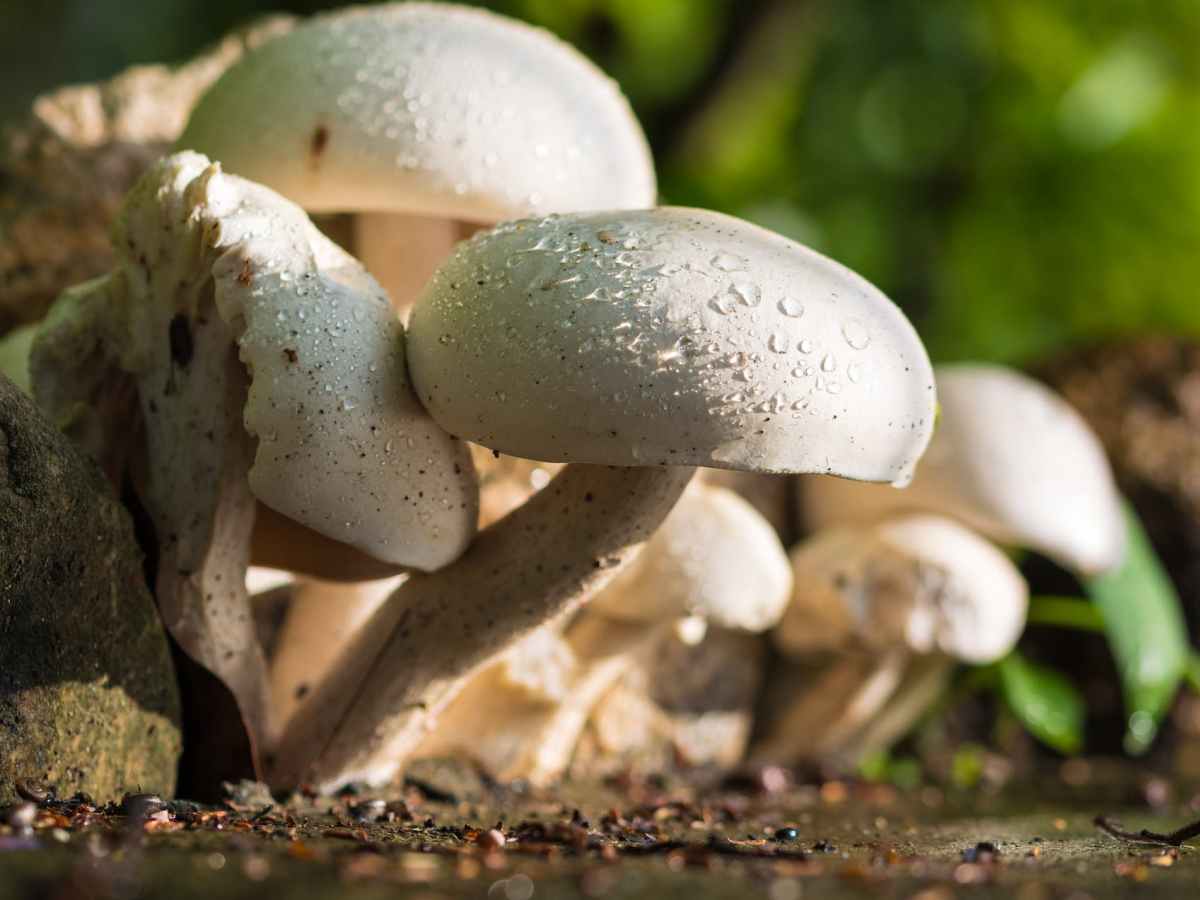
MUSHROOM

White mushrooms are rich in many bioactive compounds that may protect against cancer and heart disease, as well as help improve blood sugar control and gut health.

BROCCOLI

Broccoli, which has more protein than most other vegetables, is also high in fiber, vitamin C, vitamin K, iron, and potassium.

CABBAGE

Cabbage is low in calories and rich in Vitamins K and C

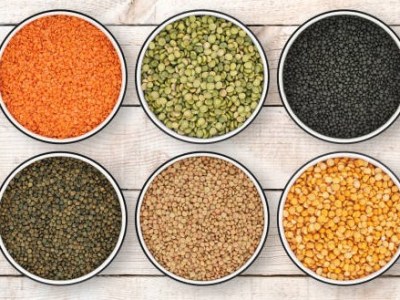
LENTIL

Low in calories, high in protein, fiber, B Vitamins, iron, folate, magnesium, zinc, and potassium.

AVOCADO

Avocados improve heart health; support eye, skin, and hair health; fight cancer cell growth; promote weight loss; enhance digestive health; protect against diabetes; and decrease arthritis symptoms.

Posted in NUTRIENTS

PHOSPHOROUS

What does phosphorous do? Phosphorous is needed for strong and healthy bones and teeth. It helps manage storage and use of energy, filters out waste in the kidneys, and grows, maintains, and repairs tissue and cells.

How much do I need? The amount of phosphorus you need in your diet depends on your age. Adults need less phosphorus than children between the ages of 9 and 18, but more than children under age 8. Most people can get the necessary amount of phosphorus through the foods they eat. The recommended dietary allowance (RDA):

  • adults (ages 19 years and older): 700 mg
  • children (ages 9 to 18 years): 1,250 mg
  • children (ages 4 to 8 years): 500 mg
  • children (ages 1 to 3 years): 460 mg
  • infants (ages 7 to 12 months): 275 mg
  • infants (ages 0 to 6 months): 100 mg

Are supplements recommended? A balanced diet that contains enough calcium and protein will likely have enough phosphorus because many foods that are high in calcium are also high in phosphorous.

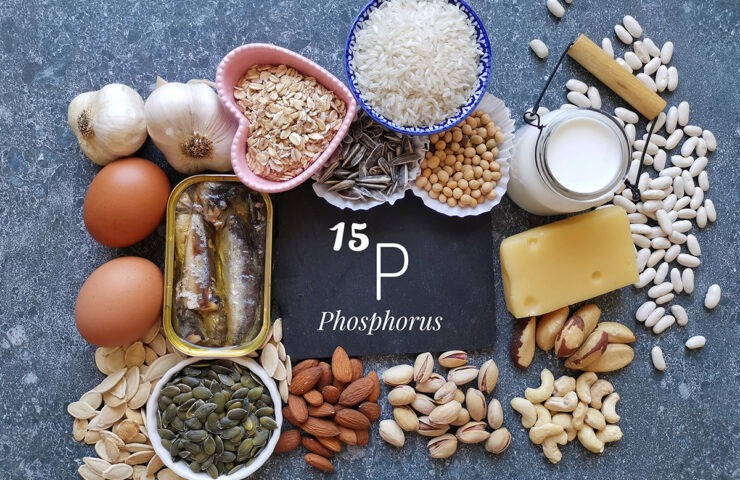
What are some good plant food sources of phosphorous? LENTILS, CASHEWS, WHOLE GRAINS, and POTATOES, are plant food sources of phosphhorous. However, phosphorus in nuts, seeds, grains, and beans is bound to phytate, making it harder to absorb. In addition, calcium can also bind and prevent phosphorus absorption. Soaking, sprouting, and fermentation can be used to reduce the phytic acid content of foods. For more information about phytic acid, click here.

Source: Healthline

Phosphorous-Rich Foods and Recipes

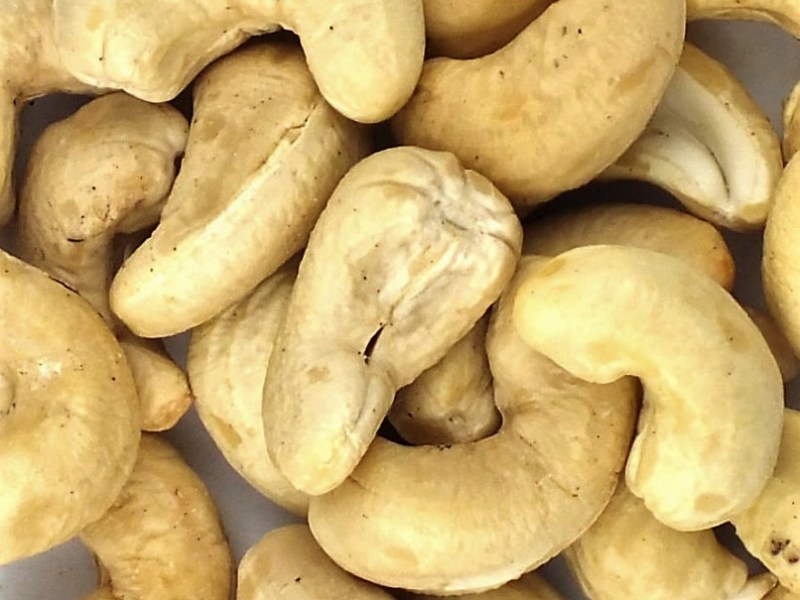
CASHEW

Cashews pack 67% of the daily copper requirement, needed to form red blood cells.

LENTIL

Low in calories, high in protein, fiber, B Vitamins, iron, folate, magnesium, zinc, and potassium.

Posted in NUTRIENTS

IODINE

What does iodine do? Iodine plays a vital role in thyroid health. Iodine intake during pregnancy is linked to brain development in the fetus. Some symptoms of low iodine are goiter, painful thyroid gland, breathing difficulties, difficulty swallowing, fatigue, extreme feelings of coldness, hair loss, depression, brain fog, or unintentional weight gain. Consult a medical professional if you have any of these symptoms.

How much do I need? The National Institutes of Health (NIH) recommends the following daily intake based on age to avoid iodine deficiency:

AgeDaily micrograms (mcg)
birth–6 months110 mcg
infants between 7–12 months130 mcg
children 1–8 years old90 mcg
children 9–13 years old120 mcg
adults and teens, 14 and older150 mcg
pregnant women220 mcg
nursing women290 mcg

Are supplements recommended? Because of the risk of serious side effects from too much iodine, you should not use iodine supplements without medical supervision. Possible side effects from too much iodine include nausea or vomiting, diarrhea, fever, burning sensations in the throat and mouth, or stomach pain. In severe cases, iodine toxicity may lead to coma. Young children and the elderly are more prone to iodine side effects. Total iodine intake shouldn’t exceed 2 mg per day.

What are some good plant food sources of iodine? GREEN BEANS, EGGPLANT, KALE, WATERCRESS, STRAWBERRIES, and POTATOES WITH SKIN are a few plant food sources of iodine, also called iodide, a mineral naturally found in the earth’s soil and ocean waters. It’s important to get enough iodine in the diet. People with access to iodized salt, seafood, and certain vegetables are able to get enough iodine from their diet. 

Source: Healthline

Food Sources of Iodine

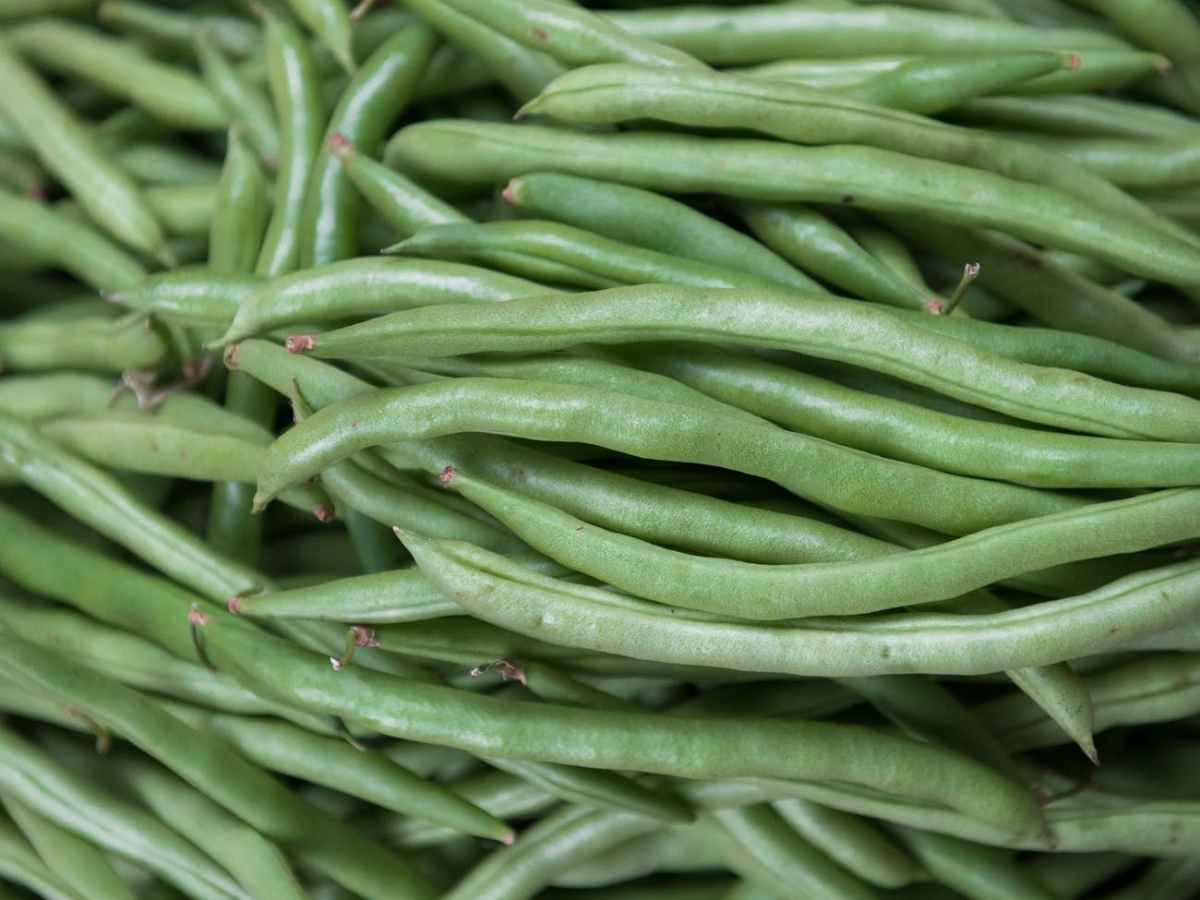
GREEN BEAN

Green beans, string beans, or snap beans are a rich source of vitamins A, C, K, folate, and fiber.

EGGPLANT

Eggplant is a high-fiber, low-calorie food that reduces the risk of heart disease and helps with blood sugar control and weight loss. Eggplants, also known as aubergines, belong to the nightshade family of plants and are used in many different dishes around the world. They are usually considered a vegetable but because they contain seeds…

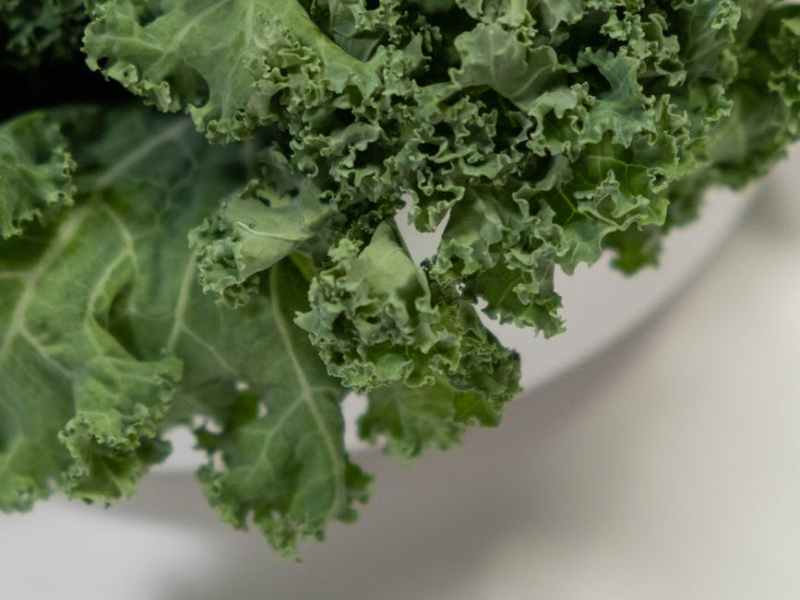
KALE

A cup of cooked kale provides almost five times an adult’s daily need for vitamin K.

Posted in NUTRIENTS

MAGNESIUM

What does magnesium do?
Magnesium is essential for maintaining good health and plays a key role in everything from exercise performance to heart health and brain function. One of its main roles is to act as a cofactor in the biochemical reactions continuously performed by enzymes. It’s involved in more than 600 reactions in your body, including:

  • Energy creation: converting food into energy
  • Protein formation: creating new proteins from amino acids
  • Gene maintenance: helping create and repair DNA and RNA
  • Muscle movements: aiding in muscle contraction and relaxation
  • Nervous system regulation: regulating neurotransmitters, which send messages throughout your brain and nervous system

How much do I need?

AGEMALEFEMALEPREGNANCYLACTATION
Birth to 6 months30 mg*30 mg*
7 to 12 months75 mg*75 mg*
1 to 3 years80 mg80 mg
4 to 8 years130 mg130 mg
9 to 13 years240 mg240 mg
14 to 18 years410 mg360 mg400 mg360 mg
19 to 30 years400 mg310 mg350 mg310 mg
31 to 50 years420 mg320 mg360 mg320 mg
51+ years420 mg320 mg

Are supplements recommended?
Approximately 50% of U.S. adults get less than the recommended daily amount of magnesium, Magnesium supplements may be especially beneficial for older adults and those with a deficiency in this nutrient. There are several types of magnesium supplements. Here is a guide to the different types to help choose the most effective magnesium supplement. Consult a healthcare professional to find the best form and dosage for your specific needs.

  • For Sleep/Anxiety: Magnesium Glycinate or Taurate.
  • For Constipation: Magnesium Citrate or Oxide (use oxide cautiously).
  • For Brain Health: Magnesium L-Threonate.
  • For Energy/Pain: Magnesium Malate.
  • For General Deficiency: Magnesium Citrate, Glycinate, or Malate.

What are some good plant food sources of magnesium?
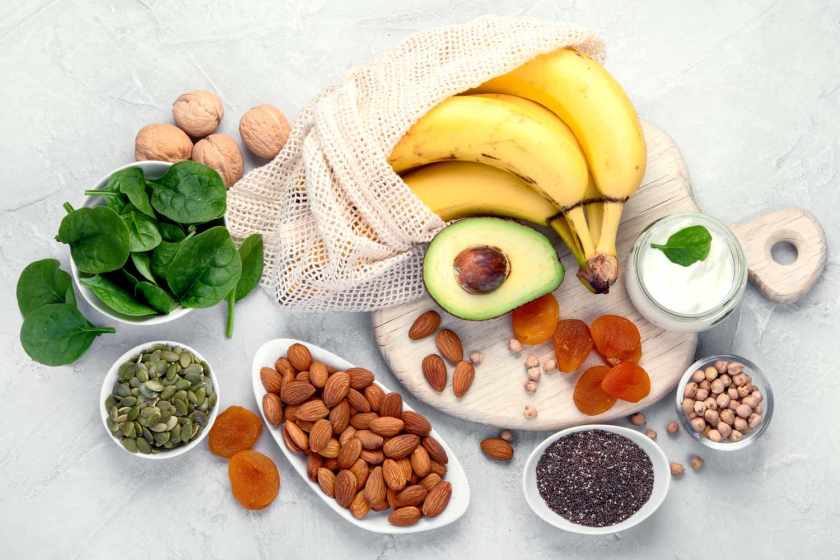
PUMPKIN SEEDS, CHIA SEEDS, SPINACH, ALMONDS, CASHEWS

  • Pumpkin seeds: 37% of the DV per ounce (28 grams)
  • Chia seeds: 26% of the DV per ounce (28 grams)
  • Spinach, boiled: 19% of the DV per 1/2 cup (90 grams)
  • Almonds: 19% of the DV per ounce (28 grams)
  • Cashews: 18% of the DV per ounce (28 grams)
  • Black beans, cooked: 14% of the DV per 1/2 cup (86 grams)
  • Edamame, cooked: 12% of the DV per 1/2 cup (78 grams)
  • Peanut butter: 12% of the DV per 2 tablespoons (32 grams)
  • Brown rice, cooked: 10% of the DV per 1/2 cup (100 grams)
  • Avocado: 5% of the DV per 1/2 cup (75 grams)

Source: Healthline

Some Magnesium-Rich Foods

SPINACH

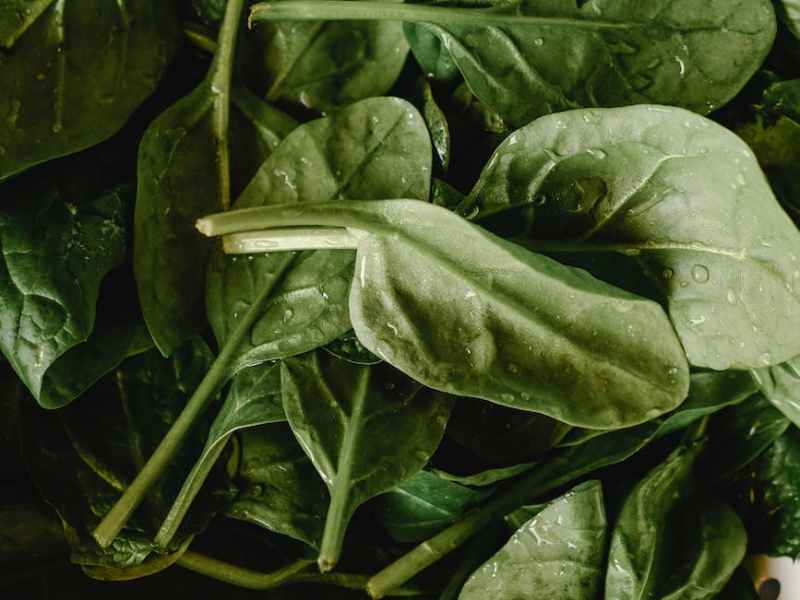
Spinach (español: espinacas) is a leafy green flowering plant whose leaves are consumed cooked or raw. Spinach is a good source of VITAMIN C, IRON, POTASSIUM, VITAMIN E, and MAGNESIUM. The possible health benefits of consuming spinach include blood glucose control, lower risk of cancer, and improved bone health. As part of a nutritious diet, it can help support immune function,…

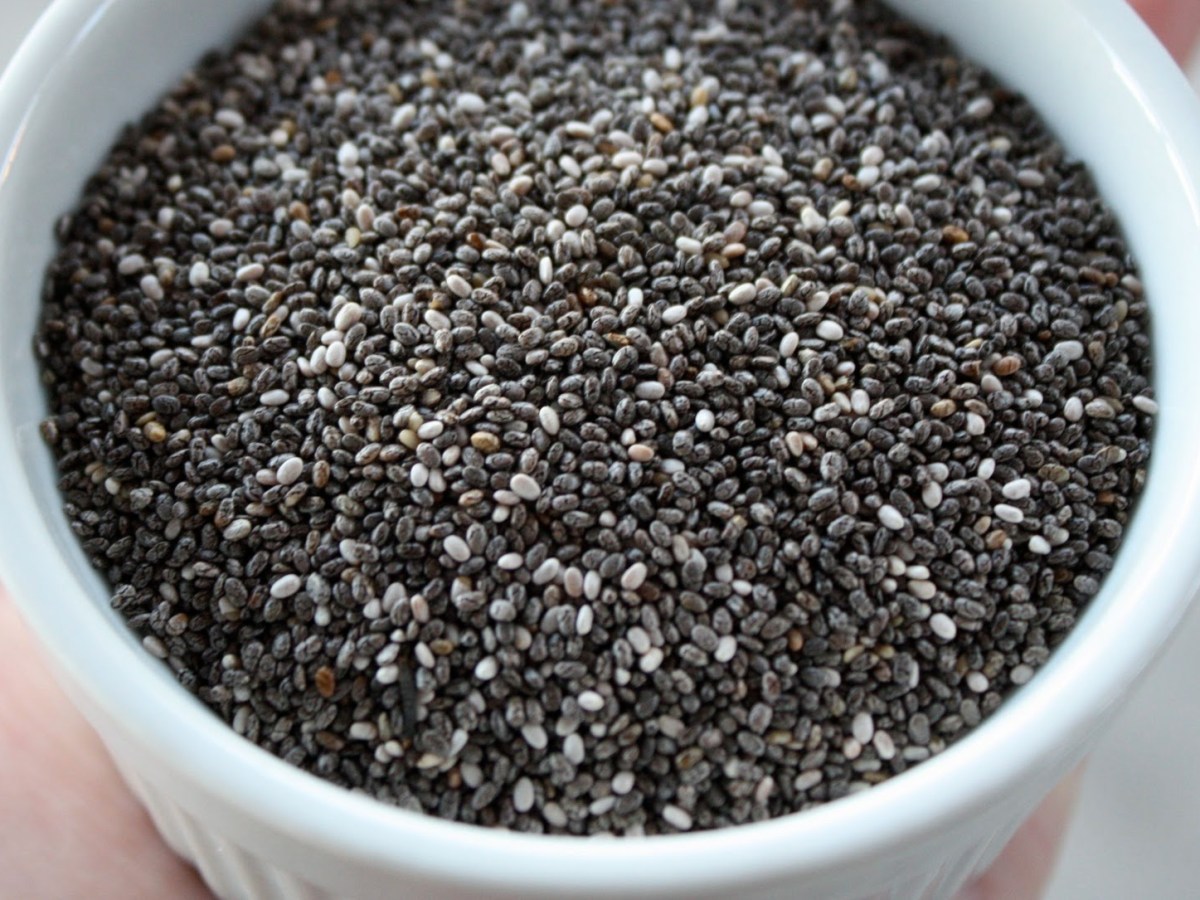
CHIA SEED

Chia is a flowering plant in the mint family, native to central and southern Mexico and Guatemala. It is rich in calcium, phosphorous, and other minerals.

ALMOND

Almonds are rich in Vitamin E, magnesium, and manganese Almond is the edible seed of Prunus dulcis, a species of tree native to Iran but widely cultivated elsewhere. It is classified with the peach in the subgenus Amygdalus, distinguished from the other subgenera by corrugations on the shell surrounding the seed. Almonds are sold shelled…

CASHEW

Cashews pack 67% of the daily copper requirement, needed to form red blood cells.

AVOCADO

Avocados improve heart health; support eye, skin, and hair health; fight cancer cell growth; promote weight loss; enhance digestive health; protect against diabetes; and decrease arthritis symptoms.

Posted in NUTRIENTS

MANGANESE

What does manganese do?
Manganese is a trace mineral found in bones, liver, kidneys, and pancreas that helps form connective tissue, bones, blood clotting factors, and sex hormones.

How much do I need?
Adult males need 2.3 mg; adult females, 1.8 mg

Are supplements recommended?
Manganese supplements are generally not needed for most people because a balanced diet rich in whole grains, nuts, leafy greens, and legumes usually provides sufficient amounts. Severe PMS, osteopenia, or type 2 diabetes can cause a deficiency. However, manganese supplements can be toxic. Anyone who is at risk of deficiency should consult a healthcare provider before taking them.

What are some good plant food sources of manganese?
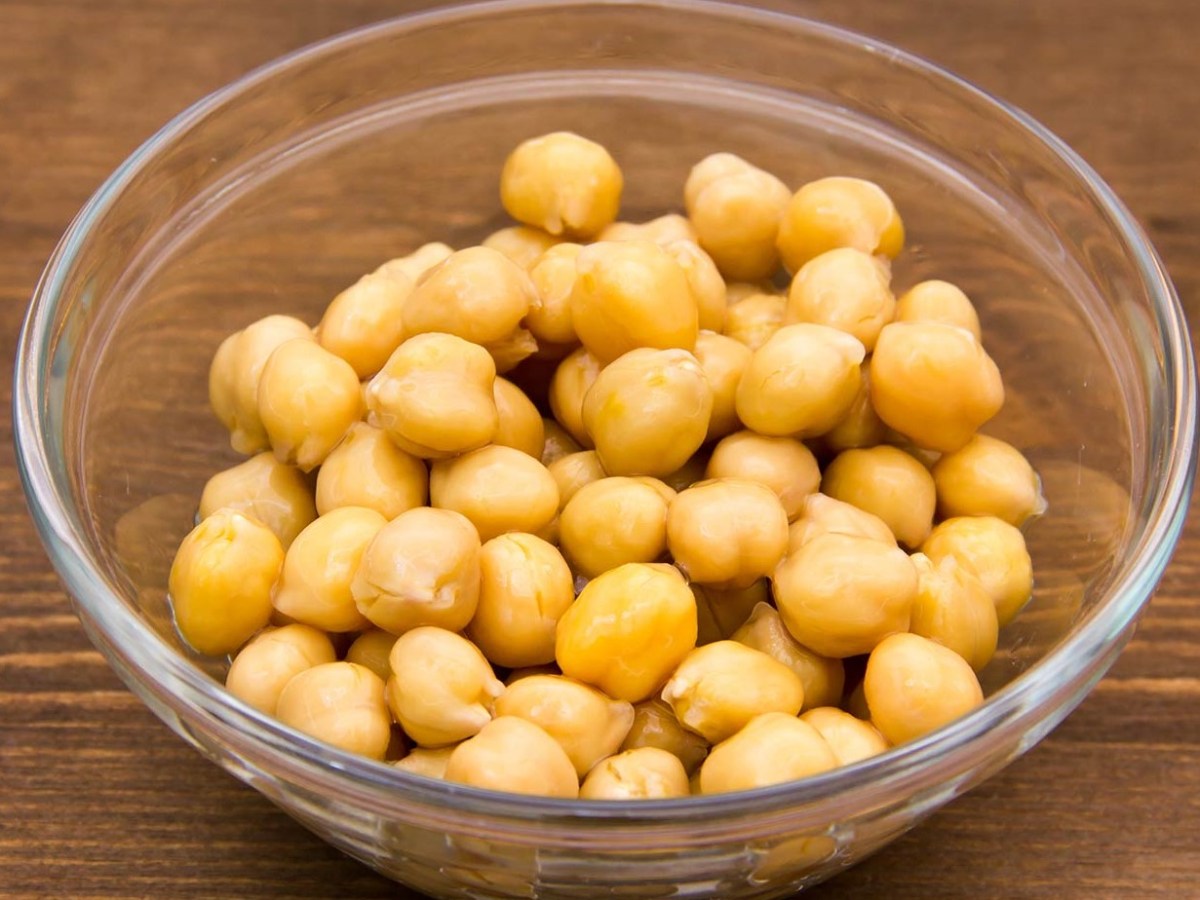
Hazelnuts, Pecans, Brown Rice, Chickpeas, Spinach, Raw Pineapple, Soybeans, Oatmeal, and Whole Wheat Bread are good plant food sources of manganese.

plant food SourcemG of manganese%DV
1 oz dry roasted hazelnuts1.670
1 oz dry roasted pecans1.148
1.2 cup cooked brown rice1.148
1/2 cup cooked chickpeas0.939
1/2 cup boiled spinach0.835
1/2 cup raw pineapple chunks0.835
1/2 cup boiled soybeans0.730
1 slice whole-wheat bread0.730
1/2 cup cooked oatmeal0.730

Manganese-Rich Foods

SPINACH

Spinach (español: espinacas) is a leafy green flowering plant whose leaves are consumed cooked or raw. Spinach is a good source of VITAMIN C, IRON, POTASSIUM, VITAMIN E, and MAGNESIUM. The possible health benefits of consuming spinach include blood glucose control, lower risk of cancer, and improved bone health. As part of a nutritious diet, it can help support immune function,…

Posted in RESOURCES

Best Times for Supplements

What time of day is better for taking supplements? For many, there are no hard and fast rules, but for a few the time of day makes a difference. Most are best absorbed with a meal, but there are some exceptions.

SUPPLEMENTRECOMMENDED
DAILY AMOUNT*
BEST TIME
TO TAKE IT
VITAMIN B122.4 mcgin the morning on an empty stomach
VITAMIN C40 mg30 minutes before or 2 hours after a meal
VITAMIN D10 mcgmeal or snack time with food that contains fat
MAGNESIUM350 mg30 minutes before going to sleep
ZINC15-30 mg1 hour before or 2 hours after a meal
Posted in RECIPES

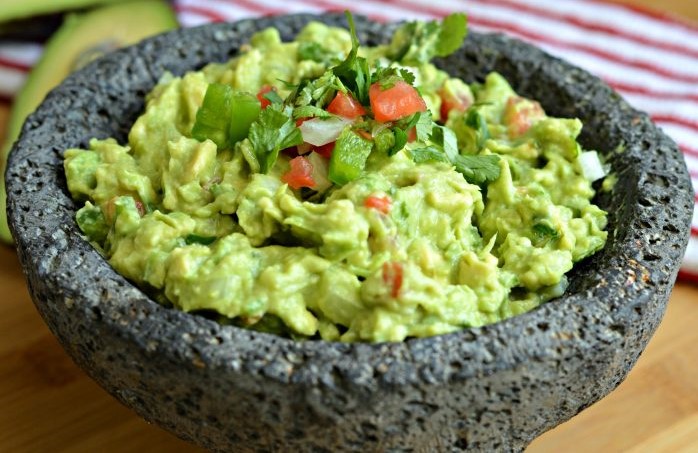
Guacamole

PREP 20 minSERVES 4
  • INGREDIENTS
    • 2 peeled ripe AVOCADOS
    • 1/2 c chopped TOMATOES
    • 1/4 c chopped ONION
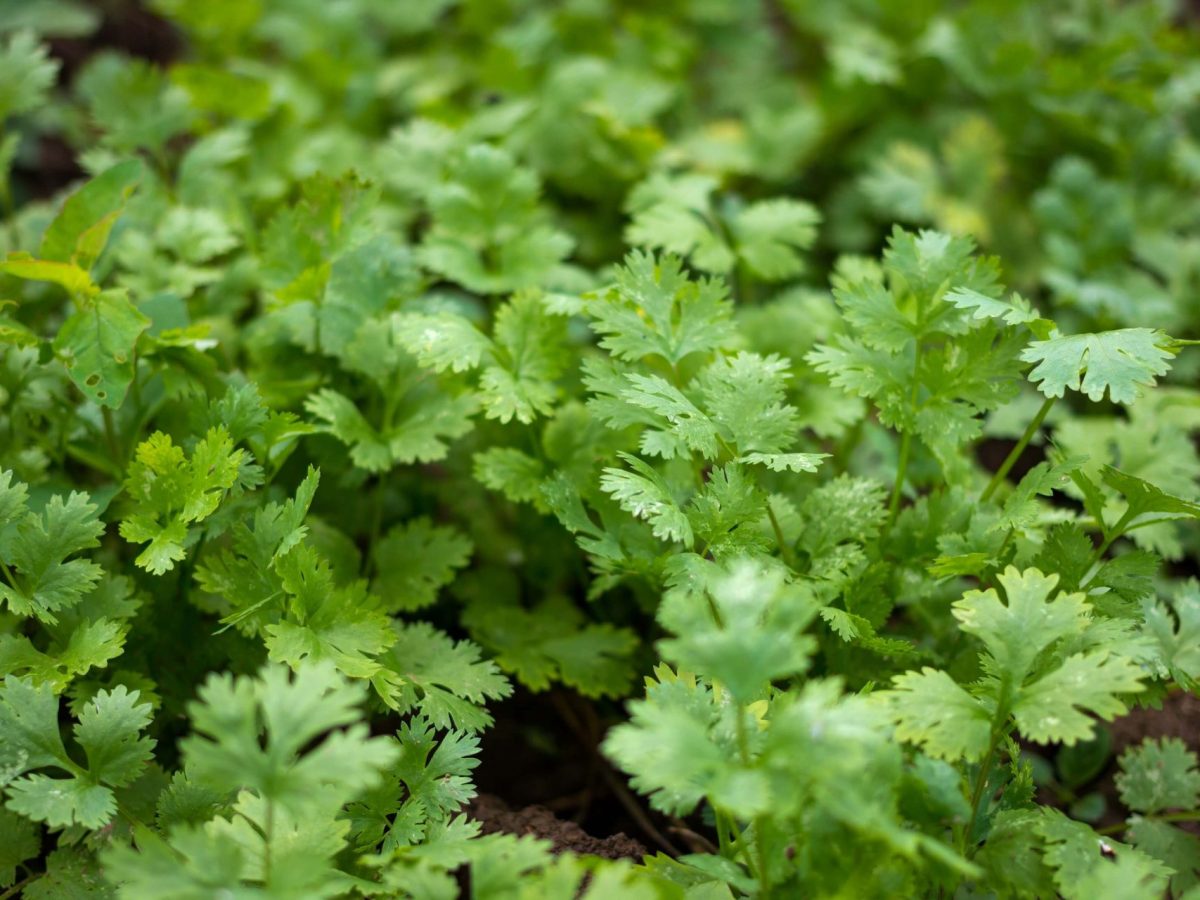
    • 1/4 c chopped CILANTRO
    • 1 clove crushed GARLIC
    • 2 Tbsps LEMON JUICE
    • 1 small SERRANO CHILE, seeded and chopped
    • SALT and PEPPER to taste
  • INSTRUCTIONS
    1. Mash the avocados until creamy
    2. Add other ingredients and stir lightly until well mixed

AVOCADO

Avocados improve heart health; support eye, skin, and hair health; fight cancer cell growth; promote weight loss; enhance digestive health; protect against diabetes; and decrease arthritis symptoms.

GARLIC

Garlic has been used as a traditional medicine as well as a food flavoring. It is a healthy and delicious addition to many dishes around the world. Its medicinal benefits for both cure and prevention require larger doses, which should be taken with the supervision and advice of a knowledgeable medical practitioner.

Posted in RECIPES

Oven-Roasted Sweet Potatoes

Roasted sweet potatoes can be served as they are or scooped out and used in a variety of dishes.

  • PREP 15 min / COOK 30 min / TEMP 425 F / SERVES 2
  • INGREDIENTS
    • 1 SWEET POTATO, unpeeled
    • 1 Tbsp OLIVE OIL, or enough to lightly cover the peeling
    • SALT, to taste
  • INSTRUCTIONS
    1. Wash and dry unpeeled SWEET POTATOES
    2. Rub the peeling with OLIVE OIL
    3. Slice SWEET POTATOES lengthhwise
    4. Season to taste with SALT and seasonings of your choice
    5. Place cut-side down on a cookie sheet
    6. Roast in pre-heated oven at 425° F for 30 minutes until center is soft

ABOUT SWEET POTATOES

SWEET POTATO

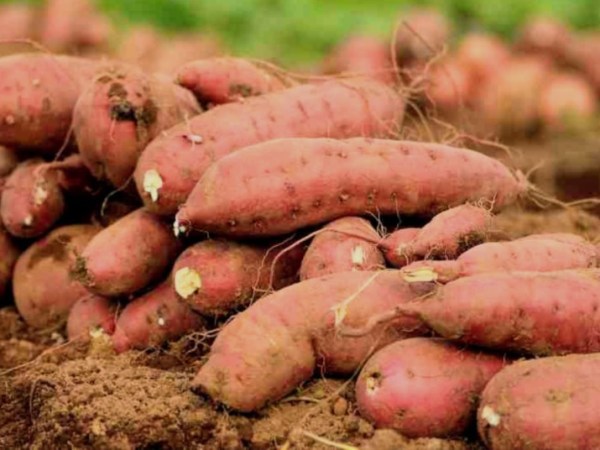
Sweet potatoes are rich in vitamin A, vitamin C, manganese, minerals, antioxidants, and fiber.

Posted in RECIPES

Pita Pockets

Homemade pita bread to accompany hummus or most anything you want.

  • PREP 20 min + 2.5 hrs to rise / HOT SKILLET / COOK 1-2 min per side / MAKES 10
  • INGREDIENTS
    • 2 1/2 c FLOUR
    • 1 tsp SALT
    • 1 Tbsp SUGAR
    • 1 Tbsp YEAST
    • 1 c LUKEWARM WATER (110º F)
    • 1 Tbsp OLIVE OIL
  • INSTRUCTIONS
    1. Whisk the FLOUR, SALT, YEAST and SUGAR together.
    2. Add WARM WATER and OLIVE OIL a little at a time until it forms a sticky dough.
    3. Knead the dough with a small amount of flour for about 8 minutes and shape into a ball.
    4. Place the dough in an oiled bowl, cover and let rise for 2 hours.
    5. Roll out the dough and divide into ten equal pieces. Roll out each piece, covering with a tea towel as you make each one. When all are rolled out, let rise for 30 minutes.
    6. Place the rounds on a very hot skillet for about 20 seconds, flip and continue cooking. Flip again to finish cooking the first side.
Posted in PLANT FOOD FACTS

SWEET POTATO

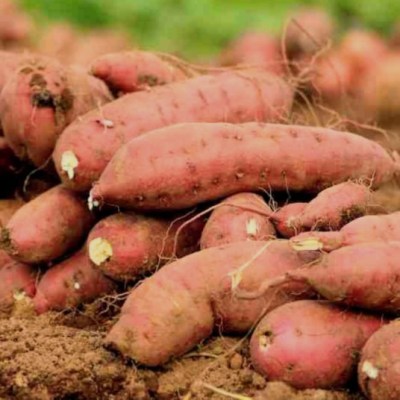
Sweet potatoes are rich in vitamin A, vitamin C, manganese, minerals, antioxidants, and fiber. Sweet potato health benefits include antioxidant, anti-inflammatory and liver-protecting activity, cardiovascular protection, anticancer properties and improvement in neurological and memory capacity, metabolic disorders, and intestinal barrier function.

The sweet potato is a dicotyledonous plant in the morning glory family, They come in a variety of sizes and colors, including orange, white, and purple. They can be baked, boiled, or roasted.

1 cup or 200 g of sweet potato with skin contains%DV
CARBOHYDRATE41 G
CALORIES180
FAT0.3 G
FIBER6.6 G
PROTEIN4 G
COPPER36%
MANGANESE43%
POTASSIUM20%
VITAMIN A (RETINOL)213%
VITAMIN B3 (NIACIN)19%
VITAMIN B5 (PANTOTHENIC ACID)35%
VITAMIN B634%
VITAMIN C44%
SOURCE: HEALTHHLINEs
Posted in RECIPES, Soups

Carrot Ginger Soup

A colorful and flavorful soup to warm you up on a cold day

PREP 20 minCOOK 10-15 minMEDIUM HEATSERVES 4
  • INGREDIENTS
    • 1 small chopped ONION
    • 1 Tbsp OLIVE OIL
    • 1 finely chopped clove GARLIC
    • 2 c chopped CARROTS
    • 1 1/2 tsp grated FRESH GINGER
    • 1 Tbsp APPLE CIDER VINEGAR
    • 3-4 c VEGETABLE BROTH
    • SALT and PEPPER to taste
    • CREAM or substitute
    • PARSLEY
  • INSTRUCTIONS
    1. Saute ONION and GARLIC in OLIVE OIL
    2. Add CARROTS; continue cooking about 8 minutes
    3. Stir in GINGER and APPLE CIDER VINEGAR
    4. Stir in VEGETABLE BROTH to desired consistency
    5. Simmer about 30 minutes until CARROTS are tender
    6. Add SALT and PEPPER to taste
    7. Cool thoroughly, then blend until smooth
    8. Garnish with CREAM and PARSLEY before serving

CARROT

Carrots get their bright orange color from beta carotene, an antioxidant that your body converts into vitamin A.

GINGER

Ginger, a delicious spicy addition to many favorite dishes, has also been widely used in traditional medicine.

GARLIC

Garlic has been used as a traditional medicine as well as a food flavoring. It is a healthy and delicious addition to many dishes around the world. Its medicinal benefits for both cure and prevention require larger doses, which should be taken with the supervision and advice of a knowledgeable medical practitioner.

Posted in RECIPES, Sauces

Italian Tomato Sauce

It’s always good to have a few cans of tomato sauce and tomato paste on hand, but if I have the time and the fresh ingredients available, a slow-simmering homemade sauce is fun to make.

PREP 15 min / MEDIUM HEAT / COOK 20 min / SERVES 4

  • INGREDIENTS
    • 1-2 fresh ripe TOMATOES
    • 1/2 c ONION, finely chopped
    • 2 cloves GARLIC, crushed
    • 1 tsp SUGAR
    • 3 stems fresh BASIL
    • Dash RED WINE VINEGAR
    • SALT and PEPPER to taste
  • INSTRUCTIONS
    1. Drop TOMATOES into a pan of boiling water for about 1 minute until the skins split. Lift out and peel, then chop roughly.
    2. Saute ONION on medium-low heat about 5 minutes until translucent but not brown. Add GARLIC and cook 2 more minutes.
    3. Add peeled TOMATOES breaking them up with a wooden spoon, then add 1 tsp SUGAR, dash of RED-WINE VINEGAR, and BASIL STEMS (save the leaves). Season lightly with SALT and ground BLACK PEPPER.
    4. Bring to a simmer, then turn down the heat and simmer 45 minutes, stirring occasionally.
    5. Test the seasoning, add the roughly-torn BASIL LEAVES before serving.

Posted in FEATURED, RECIPES

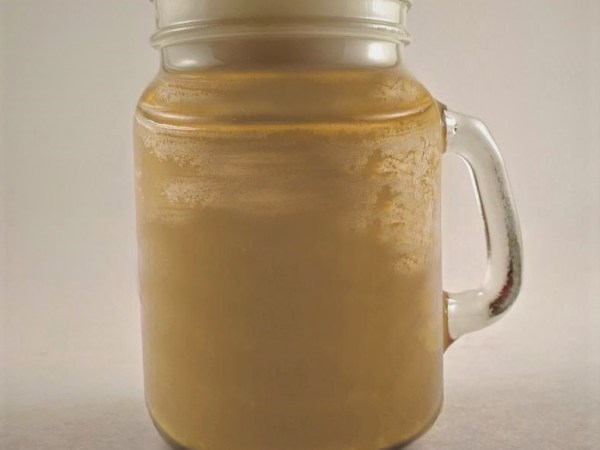
Almond Milk

Almond Milk can be substituted for animal milk in most recipes

PREP 10 minMAKES 2 cups
  • INGREDIENTS
    • 1 c raw ALMONDS
    • 2 c WATER
  • DIRECTIONS
    1. Soak ALMONDS overnight
    2. Drain and rinse thoroughly
    3. Remove skins (optional)
    4. Add WATER and blend until smooth
    5. Drain and squeeze through a cheesecloth
    6. Save the pulp for other uses if desired

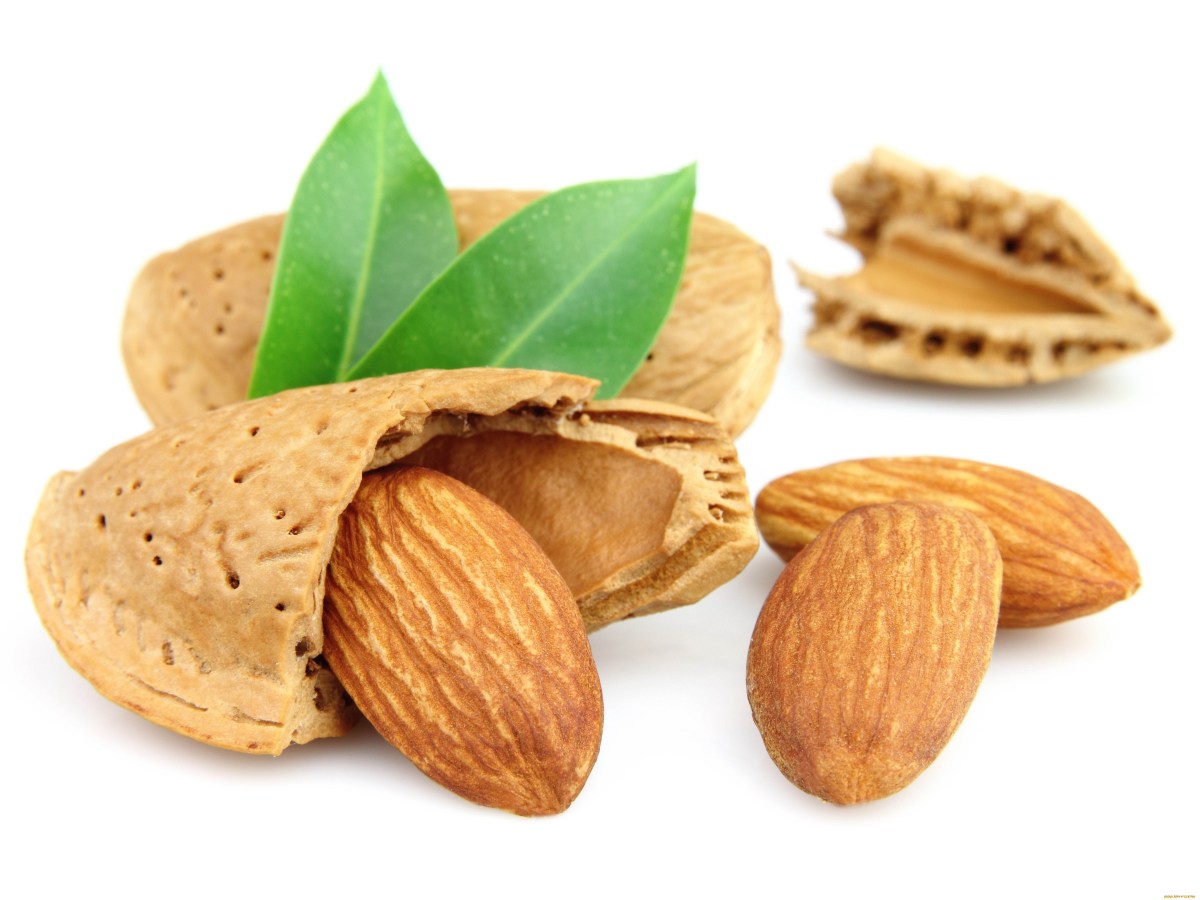
ALMOND

Almonds are rich in Vitamin E, magnesium, and manganese Almond is the edible seed of Prunus dulcis, a species of tree native to Iran but widely cultivated elsewhere. It is classified with the peach in the subgenus Amygdalus, distinguished from the other subgenera by corrugations on the shell surrounding the seed. Almonds are sold shelled…

Posted in RECIPES

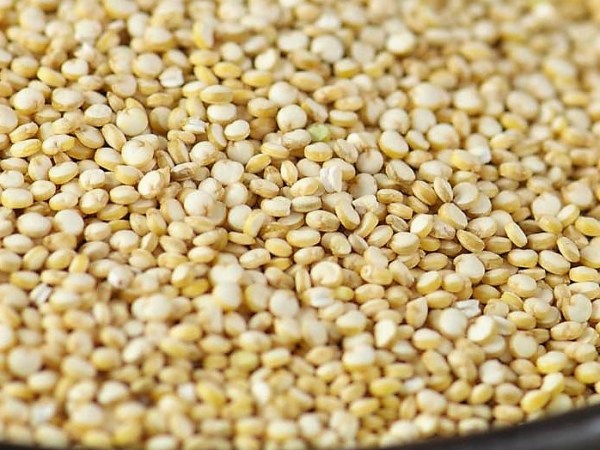
How to Cook Quinoa

The secret for fluffy cooked quinoa is to cook it UNCOVERED, then steam it COVERED.

PREP 5 min / LOW HEAT AFTER BOIL / COOK 10 min / COVER AND STEAM 5 MINUTES / SERVES 4

  • INGREDIENTS
    • 1 c QUINOA
    • 1 3/4 c WATER
    • SALT to taste
  • INSTRUCTIONS
    1. Wash QUINOA thoroughly under running water to eliminate bitter taste
    2. Combine 1 cup QUINOA, 1 3/4 cup WATER, and SALT to taste; stir lightly
    3. Bring to a boil and cook Uncovered for 10 minutes or until water is absorbed
    4. Cover and steam 5 minutes more
    5. Fluff with a fork
Posted in RECIPES

Granola

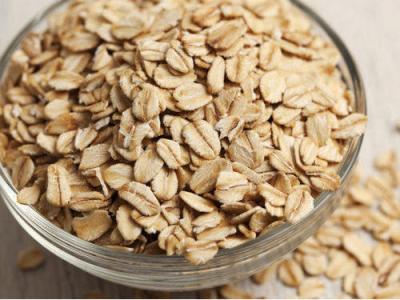
This basic granola recipe can BE VARIED to suit your taste, your nutritional needs, and to use what you have on hand.

PREP 15 min / 300 F/ BAKE 30 min / MAKES 3 cups

  • INGREDIENTS
    • 2 cups WHOLE ROLLED OATS
    • 1/2 cup CHOPPED NUTS (WALNUTS, ALMONDS, PECANS)
    • 2 tsp CINNAMON
    • 1/2 tsp SALT
    • 2 Tbsp OLIVE OIL
    • 1/4 cup MAPLE SYRUP
  • INSTRUCTIONS
    1. Preheat oven to 300 F and line a baking sheet with parchment paper
    2. Combine OATS, NUTS, CINNAMON, and SALT
    3. Drizzle in OLIVE OIL and MAPLE SYRUP
    4. Stir until combined
    5. Scoop th mixture onto baking sheet and press to about 1 inch thick
    6. Bake 15 minutes, then gentle break apart just a bit. Bake 15 minutes more until golden brown
    7. Sprinkle with 1/3 cup of RAISINS if desired

Posted in PLANT FOOD FACTS

FAVA BEAN (Habas)

Fava beans are rich in iron, phosphorous, magnesium, and manganese. One serving packs 106% of the daily requirement of folates, important for preventing birth defects.

Fava beans, sometimes called horse beans or broad beans (español: habas) come from a species of flowering plant in the Fabaceae pea and bean family. It is widely cultivated as a crop for human consumption. Eating these beans regularly may have benefits for symptoms of Parkinson’s disease, help prevent birth defects, boost immunity, aid weight loss and lower cholesterol levels and blood pressure.

Nutrition: 3.5 oz (100 g) fava beans%DV
CARBOHYDRATE58.29 G
CALORIES341
FAT1.53 G
FIBER25 G
PROTEIN26.12 G
VITAMIN B1 (THIAMINE)41%
VITAMIN B2 (RIBOFLAVIN)28%
VITAMIN B3 (NIACIN)19%
VITAMIN B628%
VITAMIN B9 (FOLATE)106%
CALCIUM10%
COPPER41%
IRON52%
MAGNESIUM54%
MANGANESE77%
PHOSPHOROUS60%
POTASSIUM23%
SELENIUM12%
ZINC33%
SOURCES: WIKIPEDIA / HEALTHLINE
Posted in RESOURCES

The Nitty-Gritty of Mexican Food

Tacos, tacos dorados, flautas, enchiladas, quesadillas, chilaquiles, enfrijoladas, entomatadas, gorditas…all start with the humble corn tortilla.

If you put food in a tortilla, it’s a taco. If you put it in hot oil, it’s a taco dorado. Oh, but if you roll it up before you put it in the oil, it’s a flauta. And if you douse it with guajillo chile, it’s an enchilada. Now, if you put cheese in it, it’s a quesadilla. And if you put the salsa and the cheese on the outside, it magically turns into a Swiss enchilada. And when you tear that tortilla into bits, submerge it in oil and then add cheese and chile, it is transformed into chilaquiles. However, if you put it in the frying pan and bathe it in beans, you have enfrijoladas. But if instead of beans you use tomato sauce, you have made them into entomatadas. Gorditas (literally “little fatties”) are fat tortillas filled with meat, beans, or whatever the heck you want.

Posted in RECIPES

Garlic Broccoli

All the goodness of broccoli in a tasty side dish

PREP 30 minCOOK 5 minMEDIUM HEATSERVES 4
  • INGREDIENTS
    • 1 lb FRESH BROCCOLI
    • 1/4 c COLD WATER
    • 1 Tbsp extra-virgin OLIVE OIL
    • 4-6 cloves GARLIC, finely chopped
    • SALT, to taste
  • INSTRUCTIONS
    1. Trim off the bottoms from the broccoli stalks and cut off the main stem of each stalk; peel away the fibrous layer and cut into small pieces. Break the broccoli into bite-size pieces.
    2. Rinse and drain the BROCCOLI. Place in a pot with ¼ cup cold water, 1 Tbsp OLIVE OIL, SALT to taste, and 4-6 cloves of GARLIC. Add RED PEPPER FLAKES (optional) if you wish
    3. Bring to a boil, cover tightly, and steam until the broccoli is bright green and crisp-tender, no more than 5 minutes. Remove with a slotted spoon and serve at once.

PLANT FOOD FACTS

BROCCOLI

Broccoli, which has more protein than most other vegetables, is also high in fiber, vitamin C, vitamin K, iron, and potassium.

GARLIC

Garlic has been used as a traditional medicine as well as a food flavoring. It is a healthy and delicious addition to many dishes around the world. Its medicinal benefits for both cure and prevention require larger doses, which should be taken with the supervision and advice of a knowledgeable medical practitioner.