Posted in NUTRIENTS

VITAMIN A (Retinol)

What does Vitamin A do?
Vitamin A (retinol, retinoic acid) is important to vision, growth, cell division, reproduction and immunity. Vitamin A also has antioxidant properties.

How much do I need?
The recommended daily allowance is 900 mcg for an adult male and 700 mcg for an adult female.

Are supplements recommended?
A healthy and varied diet will provide most people with enough vitamin A. For the antioxidant properties of vitamin A, food sources are best. It’s not clear if vitamin A supplements offer the same benefits as naturally occurring antioxidants in food. Too much vitamin A can be harmful, and excess vitamin A during pregnancy has been linked to birth defects.

What are some good plant food sources of Vitamin A?
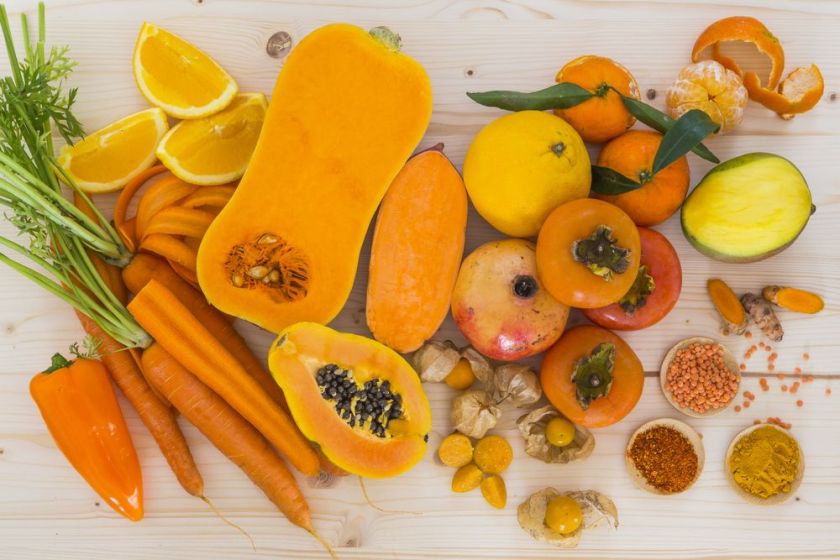
GREEN LEAFY VEGETABLES, CARROTS, CANTALOUPE

Source: Mayo Clinic

Vitamin A-Rich Plant Foods
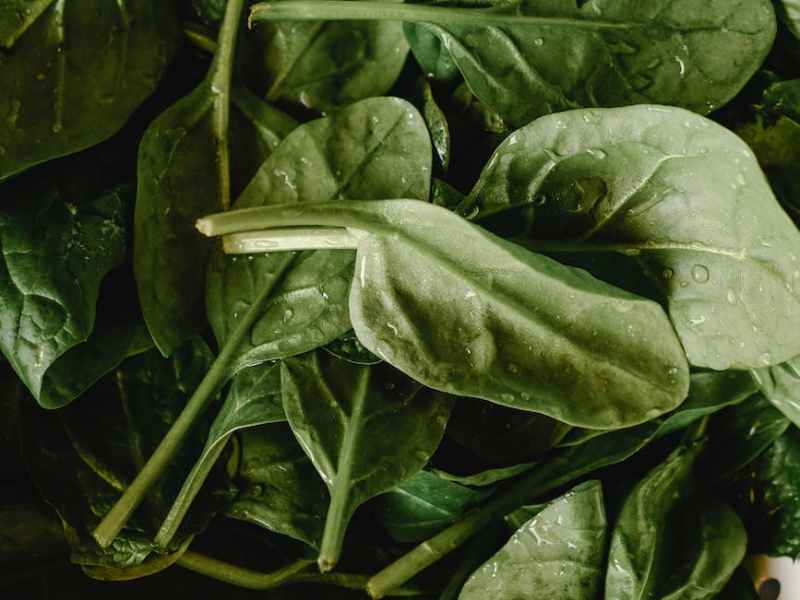
SPINACH

Spinach (español: espinacas) is a leafy green flowering plant whose leaves are consumed cooked or raw. Spinach is a good source of VITAMIN C, IRON, POTASSIUM, VITAMIN E, and MAGNESIUM. The possible health benefits of consuming spinach include blood glucose control, lower risk of cancer, and improved bone health. As part of a nutritious diet, it can help support immune function,…
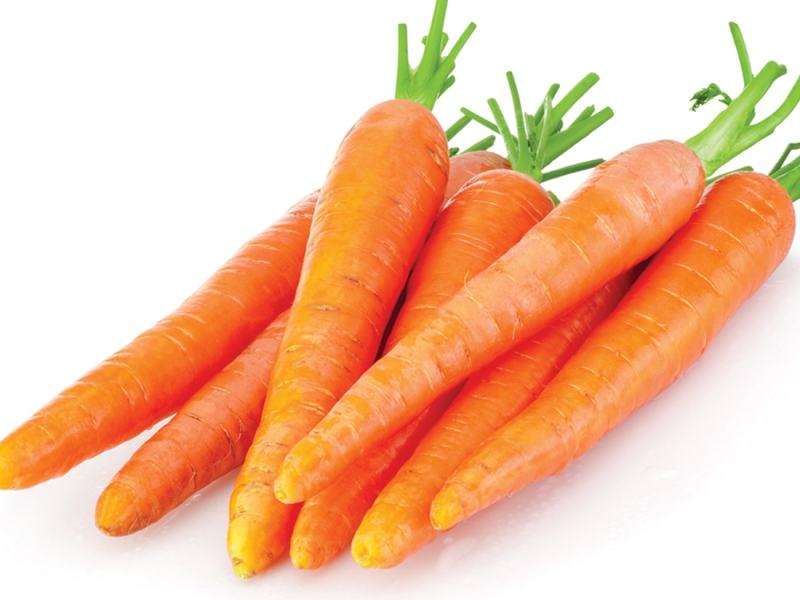
CARROT

Carrots get their bright orange color from beta carotene, an antioxidant that your body converts into vitamin A.

Posted in FEATURED, RECIPES

Leek and Potato Soup

PREP 15 min / LOW-MEDIUM HEAT / COOK 20 min / SERVES 4

PREP 15 minTEMP low / mediumCOOK 20 minSERVES 4
  • INGREDIENTS
    • 1 Tbsp BUTTER or vegan substitute
    • 1 large or 2 small LEEKS
    • 2 medium POTATOES
    • 2 1/4 c VEGETABLE BROTH
    • 1 Tbsp chopped CHIVES
    • 1 medium chopped CARROT
    • 1 c frozen PEAS (optional)
    • SALT and PEPPER to taste
  • DIRECTIONS
    1. Cut the roots and dark green ends off the LEEKS, keeping only the white and light green parts. Slice them lengthwise and rinse under running water, scrubbing away the dirt and sand that may have accumulated between their layers. Cut into thin slices. There should be about 2 cups of sliced LEEKS.
    2. Sauté the LEEKS in the BUTTER for about 10 minutes, until they are soft.
    3. Cut the POTATOES into small squares and cook with the LEEKS about 10 more minutes, until the potatoes are soft.
    4. Add the VEGETABLE BROTH, CARROTS and PEAS and cook over low heat until vegetables are well done.
    5. Season with SALT and PEPPER to taste, and sprinkle CHIVES on top before serving.

FOOD FACTS

LEEK

Few calories, but lots of provitamin A carotenoids and Vitamin K.

Keep reading

CARROT

Carrots get their bright orange color from beta carotene, an antioxidant that your body converts into vitamin A.
Keep reading
Posted in PLANT FOOD FACTS

LEEK

Leeks are low in calories and high in provitamin A carotenoids and Vitamin K.

Leek and Potato Soup Recipe

Leeks belong to the same family as onions, shallots, scallions, chives, and garlic. They look like a giant green onion but have a much milder, somewhat sweet flavor and a creamier texture when cooked. They are particularly high in provitamin A carotenoids, including beta carotene, which the body converts into vitamin A, important for vision, immune function, reproduction, and cell communication. They’re also a good source of vitamin K1, which is necessary for blood clotting and heart health. Leeks are also a good source of manganese, which may help reduce premenstrual syndrome symptoms and promote thyroid health. What’s more, they provide small amounts of copper, vitamin B6, iron, and folate. Leeks are rich in antioxidants and sulfur compounds, especially kaempferol and allicin. These are thought to protect your body from disease. The fiber and water in leeks can promote fullness, prevent hunger, and promote digestive health.

To prepare them, cut the roots and dark green ends off, keeping only the white and light green parts. Slice them lengthwise and rinse under running water, scrubbing away the dirt and sand that may have accumulated between their layers. Leeks can be eaten raw, but you can also poach, fry, roast, braise, boil, or pickle them. They make a great addition to soups, dips, stews, taco fillings, salads, quiches, stir-fries, and potato dishes. You can refrigerate raw leeks for about a week and cooked ones for around two days.

3.5 oz (100 g) leek provides
CARBOHYDRATE14.15 g
CALORIES61
FAT0.3 g
FIBER1.8 g
PROTEIN1.5 g
CALCIUM6% DV
IRON16% DV
MAGNESIUM8% DV
MANGANESE23% DV
PHOSPHOROUS5% DV
POTASSIUM4% DV
VITAMIN A (RETINOL)10% DV
VITAMIN B1 (THIAMINE)5% DV
VITAMIN B2 (RIBOFLAVIN)3% DV
VITAMIN B3 (NIACIN)3% DV
VITAMIN B5 (PANTOTHENIC ACID)3% DV
VITAMIN B618% DV
VITAMIN B9 (FOLATE)16% DV
VITAMIN C14% DV
VITAMIN E6% DV
VITAMIN K45% DV
SOURCE: healthline
Posted in NUTRIENTS

IRON

What does iron do?
Iron is an important mineral that your body needs to make hemoglobin, a protein in red blood cells. Red blood cells help carry oxygen throughout your body.

How much do I need?
The Recommended Daily Allowances vary for gender, age, pregnancy, and lactation.

AgeRDA PREGNANCYLACTATION
Male 14-1811 mg
Female 14-1815 mg27 mg10 mg
Male 19–50 +8 mg
Female 19-5018 mg27 mg9 mg
Female 51 +8 mg

Are supplements recommended?
Consult a health care professional if you have symptoms of iron deficiency anemia. There is a risk of toxicity. Excessive iron occurs most often from taking high-dosage supplements when not needed or from having a genetic condition that stores too much iron. The maximum daily intake unlikely to cause harmful effects is 40 mg for children 14 and under and 45 mg for all adults over 14.

What are some good plant food sources of iron?
SPINACH, LEGUMES, PUMPKIN SEEDS, BROCCOLI, TOFU, DARK CHOCOLATE
Iron from food comes in two forms: heme and non-heme. Heme is found only in animal flesh like meat, poultry, and seafood. Non-heme iron is found in plant foods like whole grains, nuts, seeds, legumes, and leafy greens. Heme iron is better absorbed by the body than non-heme iron. Vegetarians may develop IDA if they do not include adequate non-heme iron foods in the diet. Because non-heme iron is not well-absorbed, either greater quantities of these foods my be required or careful attention is needed in how they are eaten to improve absorption (consuming with vitamin C-rich foods while avoiding eating with calcium-rich foods, calcium supplements, or tea). It is possible to obtain enough iron in a vegetarian/vegan diet with careful planning.

Source: Harvard School of Public Health

Iron-Rich Plant Foods

SPINACH

Spinach (español: espinacas) is a leafy green flowering plant whose leaves are consumed cooked or raw. Spinach is a good source of VITAMIN C, IRON, POTASSIUM, VITAMIN E, and MAGNESIUM. The possible health benefits of consuming spinach include blood glucose control, lower risk of cancer, and improved bone health. As part of a nutritious diet, it can help support immune function,…

BROCCOLI

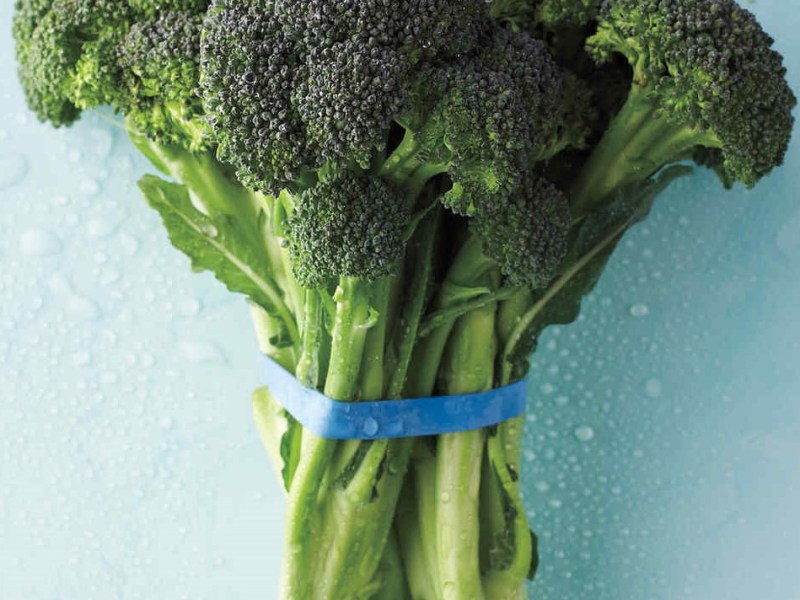
Broccoli, which has more protein than most other vegetables, is also high in fiber, vitamin C, vitamin K, iron, and potassium.

Posted in PLANT FOOD FACTS

LENTIL

Lentils are low in calories but high in protein, fiber, B Vitamins, iron, folate, magnesium, zinc, and potassium.

Lentil and Spinach Salad Recipe

Lentils (lentejas) are edible seeds from the legume family. They are a food staple in Turkey, Syria, Jordan, Morocco, and Tunisia. Some of the most common types of lentils are brown, puy, green, yellow and red, and beluga. Brown lentils are the most widely known type. They’re easily cooked in 5–30 minutes and do not require soaking. Lentils are an excellent source of plant-based protein and fiber, B vitamins, iron, magnesium, potassium, and zinc. They also provide polyphenols, which have antioxidant and anti-inflammatory properties with potential cancer cell-inhibiting effects. Furthermore, lentils contain a broad range of beneficial phytochemicals, which protect against chronic diseases. Eating lentils has positive effects on several risk factors for heart disease and type 2 diabetes. It helps lower blood pressure and levels of homocysteine. Lentils are very filling and appear to keep blood sugar levels steady. and eating lentils may help decrease your overall food intake, which could contribute to weight loss.

It should be noted that lentils contain antinutrients such as trypsin inhibitors and phytic acid, which reduce the absorption of some nutrients. However, the amounts are small, and cooking lentils will minimize these.

1 cup of cooked lentils provides
39.9 gCARBOHYDRATE
230CALORIES
0.8 gFAT
15.6 gFIBER
17.9 gPROTEIN
55% DVCOPPER
37% DVIRON
17% DVMAGNESIUM
43% DVMANGANESE
28% DVPHOSPHOROUS
16% DVPOTASSIUM
23% DVZINC
28% DVVITAMIN B1 (THIAMINE)
13% DVVITAMIN B3 (NIACIN)
25% DVVITAMIN B5 (PANTOTHENIC ACID)
21% DVVITAMIN B6
90% DVVITAMIN B9 (FOLATE)
Sources: healthline
Posted in PLANT FOOD FACTS

PINEAPPLE

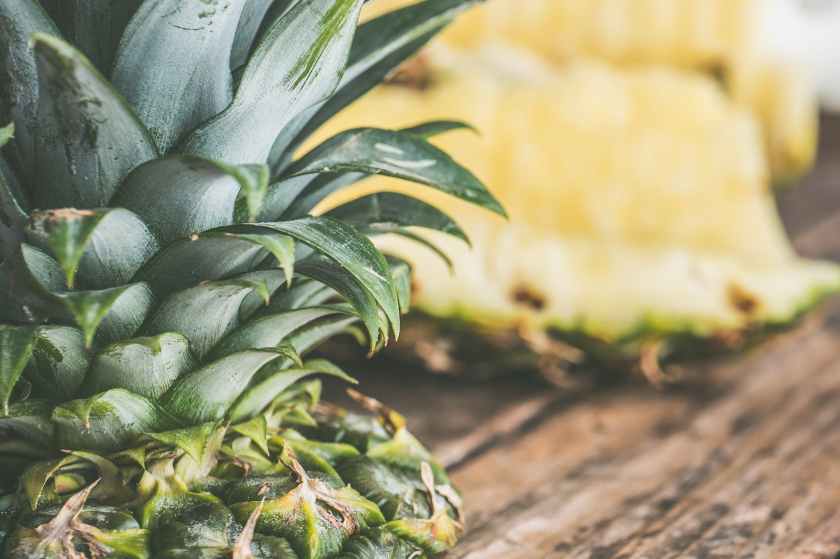
Pineapple is delicious, versatile, and loaded with nutrients and antioxidants. One cup of fresh pineapple proides 88% of the DV for Vitamin C.

Pinapple (Ananas comosus) is an incredibly delicious, healthy tropical fruit. It’s packed with nutrients, antioxidants, and other helpful compounds, such as enzymes that can protect against inflammation and disease. Originating in South America, it was named by early European colonizers for its resemblance to a pine cone. Pineapple and its compounds are linked to several health benefits, including improvements in digestion, immunity, and recovery from surgery. The impressive health benefits include improved digestion, a lower risk of cancer, and osteoarthritis relief.

Pineapple is widely considered safe, though a small percentage of people may have an allergy to it. People who have diabetes or take blood thinners should be mindful of portion sizes when eating pineapple.

1 CUP OF FRESH PINEAPPLE PROVIDES
CALORIES83
CARBOHYDRATE21.6g
FAT1.7g
FIBER2.3g
PROTEIN1g
IRON 3%DV
COPPER20%DV
MAGNESIUM5%DV
MANGANESE10%DV
PANTOTHENIC ACID7%DV
VITAMIN B1 (THIAMINE)11%DV
VITAMIN B2 (RIBOFLAVIN)4%DV
VITAMIN B3 (NIACIN)5%DV
VITAMIN B5 (PANTOTHENIC ACID)7%DV
VITAMIN B611%DV
VITAMIN B9 (FOLATE)7%DV
VITAMIN C88%DV
Sources: Wikipedia / healthline
Posted in RECIPES

Mango-Banana Freeze

PREP 20 minSERVES 4
  • INGREDIENTS
    • 1 medium BANANA, peeled, frozen, and cut into 1-inch slices
    • 2-3 MANGOS, pitted, peeled, frozen, and cut into small pieces
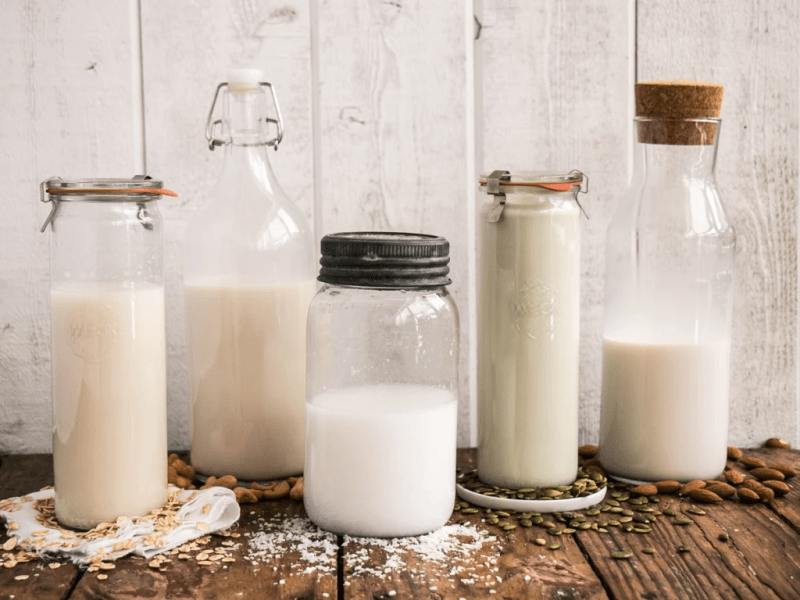
    • 2/3 c ALMOND MILK (or the plant milk that you prefer)
    • Optional pinch of SALT (about 1/8 tsp)
  • INSTRUCTIONS
    1. Blend BANANA and MANGO in food processor until well mixed.
    2. Add pinch of SALT and plant-based MILK and blend until desired consistency is achieved
    3. Serve as is or store in freezer for a harder freeze

FACTS

BANANA

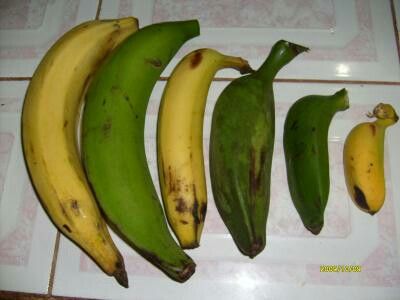
Bananas are high in fiber and antioxidants and relatively low in calories; they moderate blood sugar levels and improve digestive and kidney health.

ALMOND

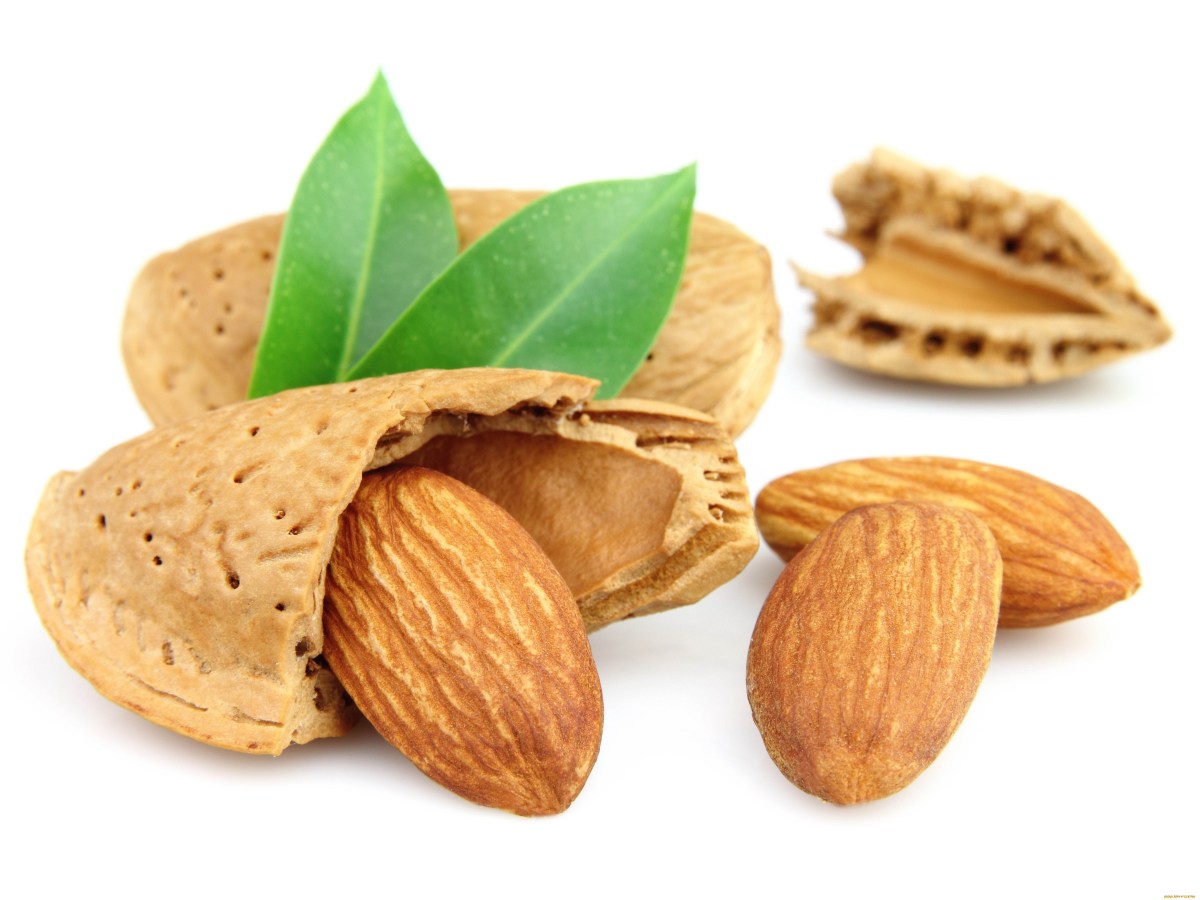
Almonds are rich in Vitamin E, magnesium, and manganese Almond is the edible seed of Prunus dulcis, a species of tree native to Iran but widely cultivated elsewhere. It is classified with the peach in the subgenus Amygdalus, distinguished from the other subgenera by corrugations on the shell surrounding the seed. Almonds are sold shelled…

Posted in PLANT FOOD FACTS

MANGO

I used to think that “healthy” and “low calorie” meant “less than delicious.” I thought that “sweet” was a synonym of “fattening.” Then I met The Mango. One cup of fresh mango contains fewer than 100 calories, but packs 67% of the daily requirement for vitamin C.

Recipe: Mango Banana Frozen Treat

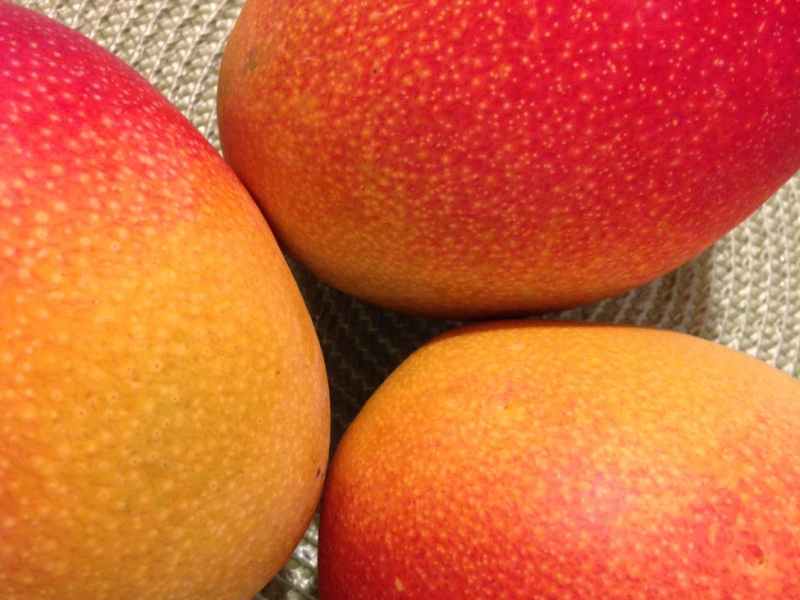
A mango, an edible stone fruit produced by the tropical tree Mangifera indica, is believed to have originated from the region between northwestern Myanmar, Bangladesh, and northeastern India. Mango fruit varies in size, shape, sweetness, skin color, and flesh color which may be pale yellow, gold, green, or orange. It is the national fruit of India, Pakistan and the Philippines. The mango tree is the national tree of Bangladesh.

Mango reduces the risk of developing diabetes, boosts immunity, supports healthy heart fuction, aids digestive health, and may help prevent several kids of cancer. One cup of fresh mango contains fewer than 100 calories, but it packs 67% of the daily requirement for vitamin C. In moderate amounts, it reduce the risk of diabetes. Mango has over a dozen different types of polyphenols, which function as antioxidants. Several B vitamins, along with vitamins A, C, K, and E boost the immune system. Magnesium, potassium, and the antioxidant mangiferin support healthy heart function. Digestive enzymes, water, dietary fiber, and other compounds aid various aspects of digestive health. Lutein, zeaxanthin, and vitamin A support eye health. Lutein and zeaxanthin may protect your eyes from the sun, while a lack of vitamin A can create vision problems. Mango polyphenols fight oxidative stress, which is linked to many health conditions, including colon, lung, prostate, breast, and bone cancers.

1 cup of fresh mango provides
CALORIES100
CARBOHYDRATE24.7g
FAT0.6g
FIBER2.6g
PROTEIN1.4g
SUGAR22.5g
COPPER20%DV
MAGNESIUM4%DV
POTASSIUM6%DV
VITAMIN A (RETINOL)10%DV
VITAMIN B1 (THIAMINE)4%DV
VITAMIN B2 (RIBOFLAVIN)5%DV
VITAMIN B3 (NIACIN)7%DV
VITAMIN B612%DV
VITAMIN B9 (FOLATE)18%DV
VITAMIN C67%DV
VITAMIN E10%DV
VITAMIN K6%DV
Sources: Wikipedia / healthline
Posted in PLANT FOOD FACTS

OAT

Oats are a powerhouse of vitamins, minerals, and antioxidants.

Oatmeal Cookie recipe

The oat (Avena sativa) is a species of cereal grain grown for its seed. They are very high in many vitamins and minerals. Oats contain many powerful antioxidants, including avenanthramides, which help reduce blood pressure. They are high in the soluble fiber beta-glucan, which helps reduce cholesterol and blood sugar levels, promotes healthy gut bacteria, and increases feelings of fullness. They may lower the risk of heart disease by reducing both total and LDL (bad) cholesterol, as well as by protecting LDL from oxidation. Due to the soluble fiber beta-glucan, oats may improve insulin sensitivity and help lower blood sugar levels.

Oatmeal may help you lose weight by making you feel more full. It does this by slowing down the emptying of the stomach and increasing the production of the satiety hormone PYY. Some research suggests that oats may help prevent asthma in children when fed to young infants. Studies indicate that oat bran can help reduce constipation in older adults, significantly reducing the need to use laxatives.

1/2 CUP OF OATMEAL PROVIDES
COPPER17.6%DV
IRON9.4%DV
MAGNESIUM13.3%DV
MANGANESE63.91%DV
PHOSPHOROUS13.3%DV
ZINC13.4%DV
VITAMIN B1 (THIAMIN)15.5%DV
VITAMIN B5 (PANTOTHENIC ACID)9.07%DV
Source: healthline
Posted in PLANT FOOD FACTS

KIWI

A 3.5-ounce kiwi provides more than 80% of the daily vitamin C requirement.

Kiwis are a type of fruit native to the mountains and hillsides of Southwest China. They are classified as berries. The most popular type of kiwi is the Hayward kiwi, named after Hayward Wright, who popularized kiwis in New Zealand in the 1920s. Hayward kiwis are oval shaped. They have fuzzy brown skin, green flesh, and tiny black seeds. Kiwis are exceptionally high in vitamin C.

3.5 oz (100 g) of raw kiwiamount
CARBOHYDRATE14 g
CALORIES64
FAT0.44 g
FIBER3 g
PROTEIN1 g
COPPER15% DV
MAGNESIUM4% DV
POTASSIUM4% DV
VITAMIN B9 (FOLATE)7% DV
VITAMIN C83% DV
VITAMIN E9% DV
VITAMIN K34% DV
Source: healthline
Posted in PLANT FOOD FACTS

KALE

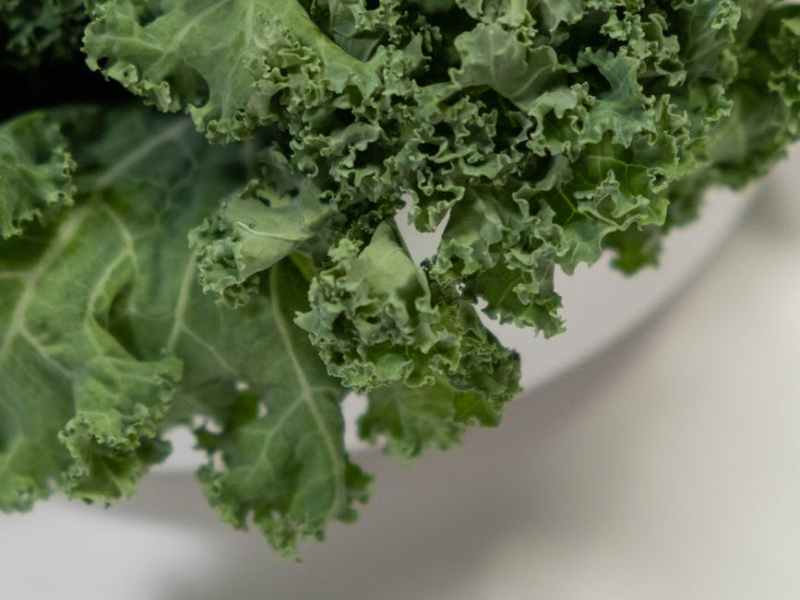
A cup of cooked kale provides almost five times an adult’s daily need for vitamin K.

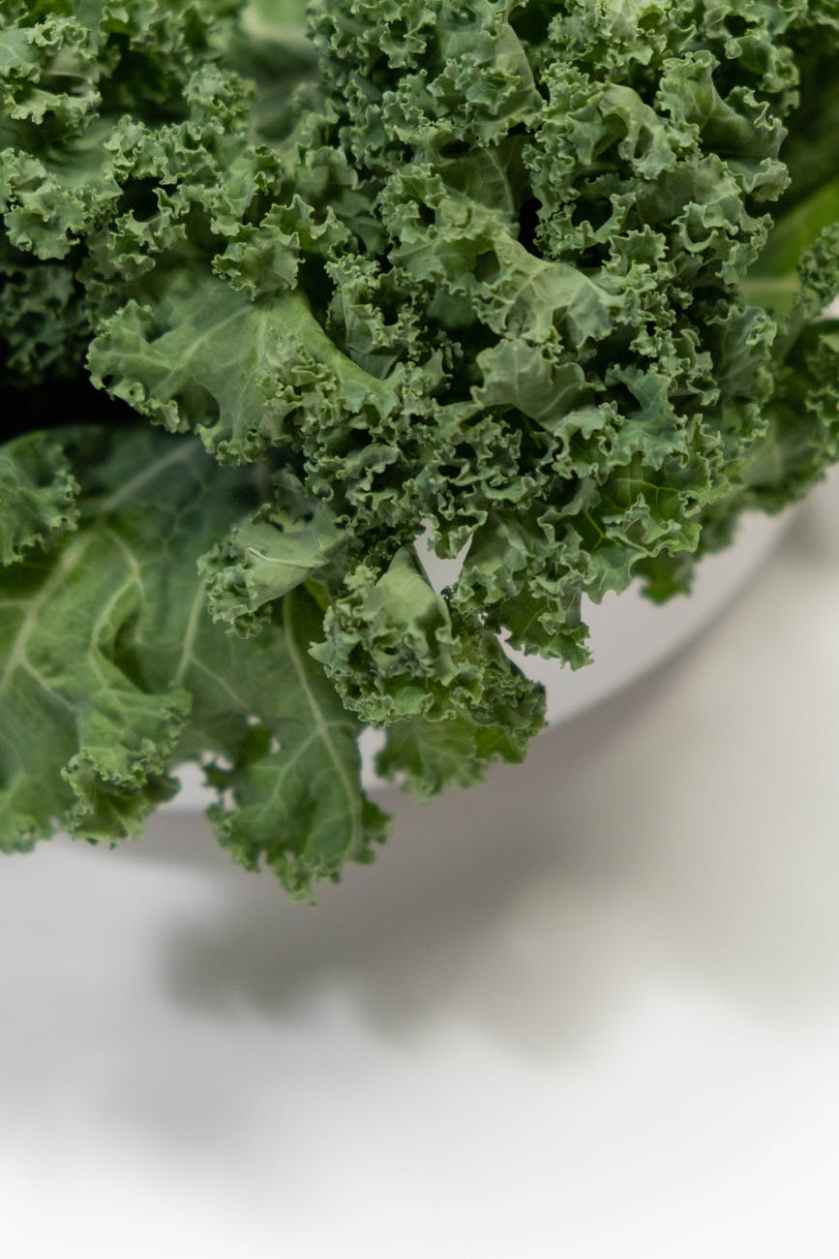
Kale (Spanish: col rizada) is a green, leafy, cruciferous vegetable that is rich in nutrients. A cup of cooked kale provides almost five times an adult’s daily need for vitamin K, around 15–18% of their calcium need, and about 7% of the daily phosphorus requirement. Possible benefits include helping manage blood pressure, boosting digestive health, and protecting against cancer and type 2 diabetes. Kale contains fiber, antioxidants, calcium, vitamins C and K, iron, and a wide range of other nutrients.

1 cup of boiled unsalted kaleamountADULT DAILY REQUIREMENT
CARBOHYDRATE6.3 g130 g
CALORIES42.51,800-3,000
FIBER4.7 g22.4-33.6 g
PROTEIN3.5 g46-56 g
CALCIUM177 mg1,000-1,200 mg
COPPER0.8 mg900 mg
IRON1.0 mg8-18 mg
MAGNESIUM29.5 mg320-420 mg
MANGANESE0.6 mg18-2,3
PHOSPHOROUS49.6 mg700 mg
POTASSIUM170 mg4,700 mg
SELENIUM1.1 mcg55 mcg
SODIUM18.9 mg2,300 mg
ZINC0.3 mg8-11 mg
VITAMIN A (RETINOL)172 mcg700-900 mcg
VITAMIN B9 (FOLATE)76.7 mcg400 mcg
VITAMIN C21 mg75-90 mg
VITAMIN E1.9 mg15 mg
VITAMIN K494 mcg90-120 mcg
Sources: Medical News Today
Posted in NUTRIENTS

VITAMIN B 12

What does Vitamin B 12 do?
Vitamin B12 supports the function of your nerve cells and is needed for red blood cell formation and DNA synthesis. It may benefit health in various ways, such as preventing major birth defects, supporting bone and eye health, and maintaining healthy skin and hair.

How much do I need?
For most adults, the recommended dietary allowance (RDA) is 2.4 micrograms (mcg), though it’s higher for people who are pregnant or nursing.

Are supplements recommended?
Most people in developed countries get enough from the consumption of meat or foods with animal sources, but a high percentage of deficiency disorders have been observed in those who do not consume meat and who do not take a Vitamin B12 supplement. There are no plant-based sources of Vitamin B12. A daily or weekly supplement is the best way to avoid the very serious consequences of Vitamin B12 deficiency. Some vegan food products, such as nutritional yeast, may be fortified with Vitamin B12, but I prefer to be sure I’m covered by taking a daily supplement. Deficiency symptoms may take five years or more to develop in adults. Vitamin B12 is the only vitamin that cannot be sourced from a whole-food plant-based diet. If you are following or considering a vegan or vegetarian eating plan, I sincerely recommend that you read the article at this link on the importance of vitamin B12. Vitamin B12: Your Key Facts (The Vegan Society)

What are some good plant food sources of Vitamin B 12?
There are no plant-based sources of Vitamin B12.

Source: healthline

Posted in PLANT FOOD FACTS

JICAMA

One cup of jicama provides 44% of the recommended daily intake of Vitamin C.

Jicama is the root of a plant that produces beans, but the beans of the jicama plant are toxic. It has a papery golden-brown skin and a starchy white interior. Its flesh is juicy and crunchy, with a slightly sweet and nutty flavor. Some think it tastes like a cross between a potato and a pear. Others compare it to a water chestnut. With its mild taste and crunchy texture, it is an excellent addition to any salad.

Jicama originated in Mexico and is still a favorite snack all over the country. Other names for jicama include yam bean, Mexican potato, Mexican water chestnut and Chinese turnip. In Mexico, it is sold from street stands or prepared at home, slathered in lime juice and salt, usually with a lot of chili powder.

1 cup (130 g) of jicamacontains
CARBOHYDRATE12 g
CALORIES49
FAT0.1 g
FIBER6.4 g
PROTEIN1 g
IRON4% RDI
MAGNESIUM4% RDI
MANGANESE4% RDI
POTASSIUM6% RDI
VITAMIN B9 (FOLATE)4% RDI
VITAMIN C44% RDI
Sources: Healthline
Posted in RECIPES

Oatmeal Cookies

PREP 20 minTEMP 375 F (190 C)MAKES 12
  • INGREDIENTS
    • 1/2 c OIL
    • 1 c SUGAR*
    • 1 EGG*
    • 1/2 tsp VANILLA
    • 3/4 c FLOUR*
    • 1/2 tsp BAKING SODA
    • 1 1/2 c UNCOOKED OATMEAL
    • OPTIONAL: 1/2 c RAISINS, 1/2 c PECANS, 1/4 tsp CLOVES, 1/4 tsp GINGER, 1/4 tsp ALLSPICE, 1/4 tsp NUTMEG
  • DIRECTIONS
    1. Cream OIL and SUGAR, add EGG and VANILLA; mix well
    2. Whisk FLOUR, BAKING SODA, SALT and optional spices together; add one-third at a time to the oil mixture; mix well
    3. Fold in OATMEAL and mix thoroughly
    4. Stir in RAISINS and PECANS
    5. Form the dough into balls, about 2 Tbsp each, and place 2 inches apart on cookie sheet. Bake for 8-10 minutes in preheated oven at 375 F
Posted in NUTRIENTS

CHROMIUM

What does chromium do?
Chromium enhances the action of insulin, and it is involved in the breakdown and absorption of carbohydrate, proteins, and fats.

How much do I need?
Adequate Intake is 35 micrograms for men and 25 for women. There is not enough data to establish a Recommended Dietary Allowance for chromium.

Are supplements recommended?
It is naturally present in a wide variety of foods, though only in small amounts.  Vitamin B3 (niacin) and Vitamin C help to improve the absorption of chromium. Most people do not need a chromium supplement, as deficiencies are rare and adequate amounts are obtained through a balanced diet. Supplements are primarily used for blood sugar management in diabetics. Consult a doctor, especially if you have diabetes or kidney disease. 

What are some good plant food sources of chromium?
WHOLE GRAINS, HIGH-FIBER BRAN CEREALS, BROCCOLI, GREEN BEANS, POTATOES, APPLES, BANANAS, COFFEE, BREWER’S YEAST

Source: Harvard School of Public Health

Chromium-Rich Plant Foods

BROCCOLI

Broccoli, which has more protein than most other vegetables, is also high in fiber, vitamin C, vitamin K, iron, and potassium.

GREEN BEAN

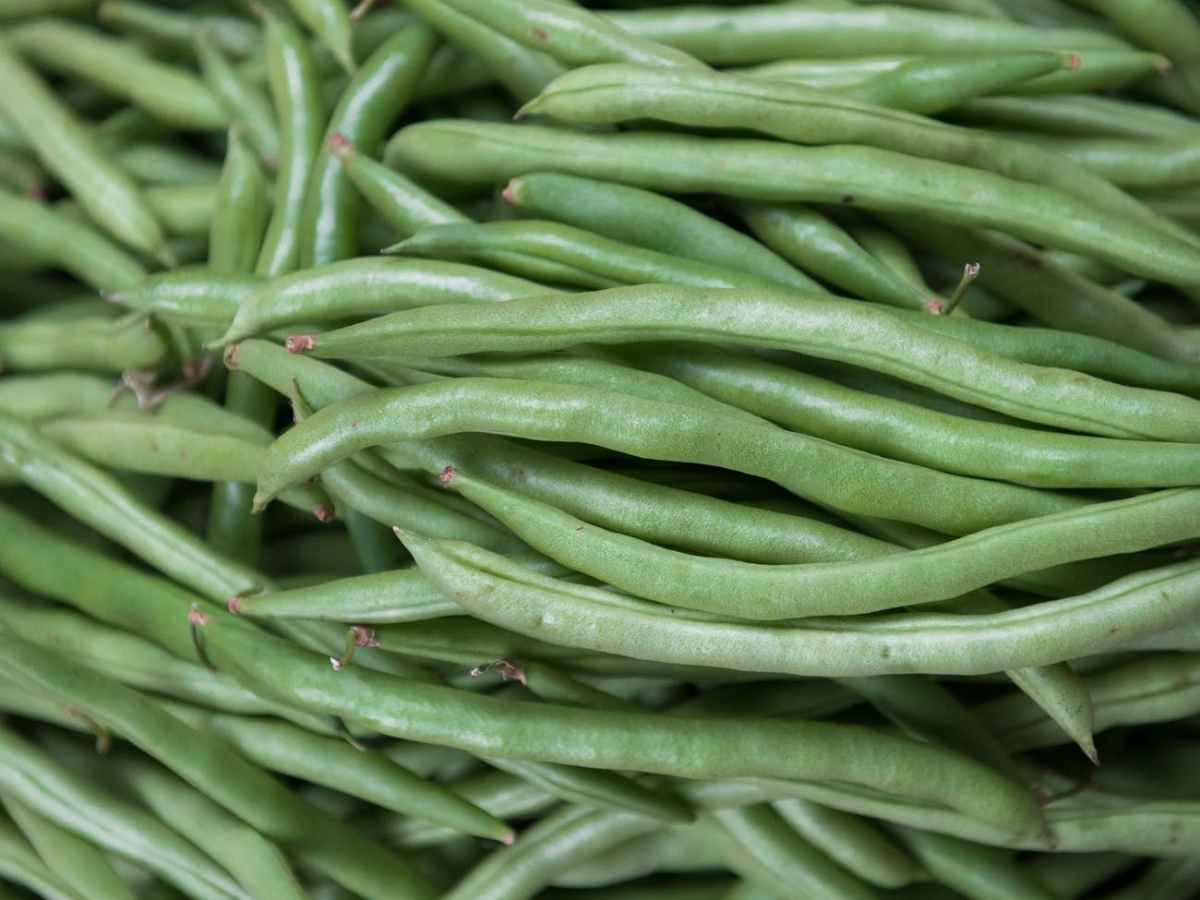
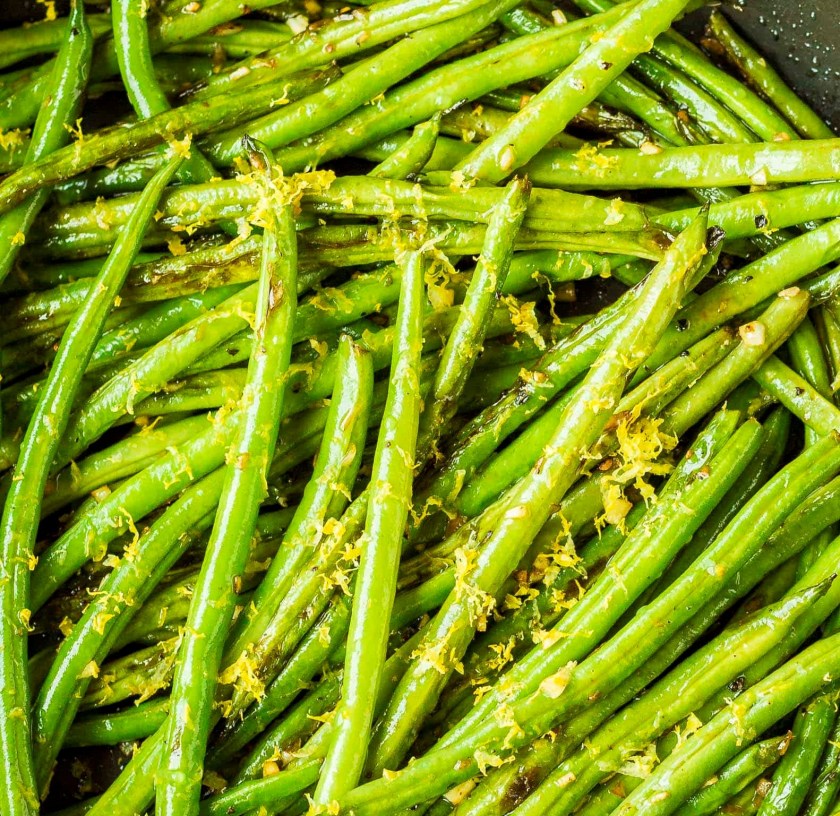
Green beans, string beans, or snap beans are a rich source of vitamins A, C, K, folate, and fiber.

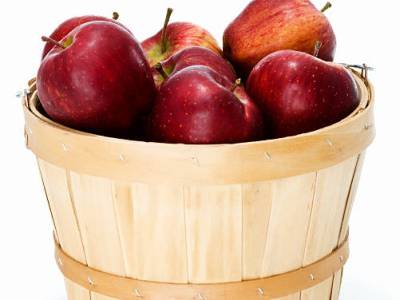
APPLE

Apples are rich in simple sugars like fructose, sucrose, and glucose, but their glycemic index (GI) is low, 29–44.

BANANA

Bananas are high in fiber and antioxidants and relatively low in calories; they moderate blood sugar levels and improve digestive and kidney health.

Posted in FEATURED, RECIPES

Cabbage Croquettes

PREP 20 minBAKE 20 min400°FSERVES 4
  • INGREDIENTS
    • 3 c sliced CABBAGE
    • 1/2 c chopped ONION
    • 2 cloves minced GARLIC
    • 2 EGGS
    • 1/4 tsp SALT
    • 1/4 TSP BLACK PEPPER
    • 1/2 c crushed CORN FLAKES
  • DIRECTIONS
    1. Boil or steam sliced CABBAGE until tender, about 10 minutes. Drain thoroughly and cool.
    2. Saute ONION in a small amount of oil until transparent; add GARLIC abd cibtubye to saute until garlic is lightly browned.
    3. Squeeze excess water from cooled CABBAGED; stir in the sauteed onion and garlic.
    4. Stir in EGGS, SALT, PEPPER, and CORN FLAKES.
    5. Bake at 400 F until golden brown.

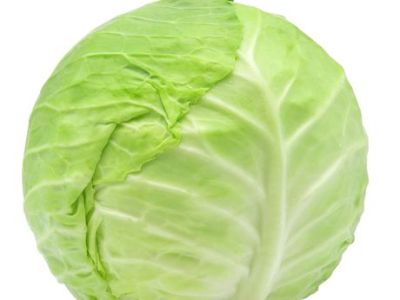
CABBAGE

Cabbage is low in calories and rich in Vitamins K and C

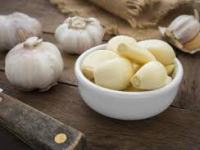
GARLIC

Garlic has been used as a traditional medicine as well as a food flavoring. It is a healthy and delicious addition to many dishes around the world. Its medicinal benefits for both cure and prevention require larger doses, which should be taken with the supervision and advice of a knowledgeable medical practitioner.

Posted in FEATURED, PLANT FOOD FACTS

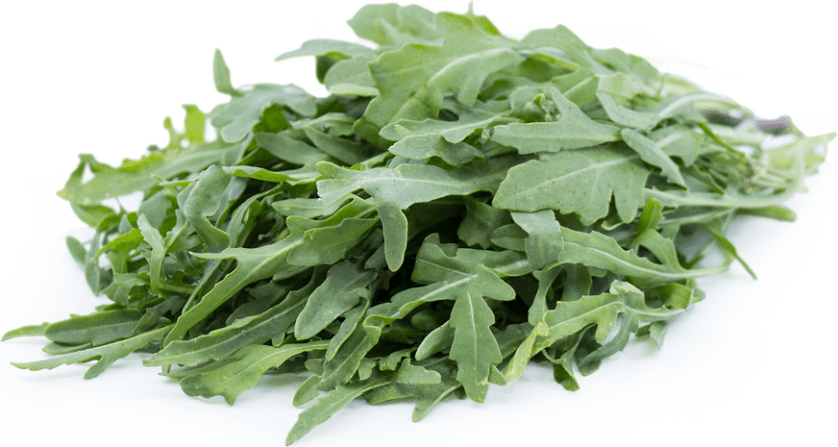
ARUGULA

This delicious green is nutrient-dense, high in fiber and phytochemicals.

Arugula is a peppery, distinctive-tasting green also known as rucola, salad rocket, and Italian cress. Arugula is low in sugar, calories, carbohydrates, and fat while high in calcium, potassium, folate, Vitamin C and Vitamin K. Arugula is a member of the Brassica, or Cruciferous, family, which includes Brussels sprouts, kale, cauliflower, and broccoli. Arugula’s distinctive peppery crunch adds flair to salads and other cold dishes. Arugula can be used in addition to of in the place of most types of lettuce and herbs. It also boasts a distinctive leaf shape. Its flowers, seeds, and leaves are all edible. Cruciferous vegetables like arugula have been linked to lower incidence of cancer, bone health, heart health, and diabetes prevention.

Arugula, Avocado, Fig and Walnut Salad
1 cup (20 g) arugula PROVIDES
calories 5
fat.55 g
0.516 g0.516 g
calcium 3.2% DV
vitamin C 2.5% DV
vitamin K 27.7% DV
Sources: Medical News Today
Posted in NUTRIENTS

PROTEIN

What does protein do?
Proteins are the main building blocks of your body. They’re used to make muscles, tendons, organs, and skin, as well as enzymes, hormones, neurotransmitters, and various molecules that serve many important functions.

How much do I need?
U.S. adults should typically consume around 50-175 grams of protein daily in a typical 2000 calorie diet. Older adults have significantly increased protein needs. Since there’s no evidence of harm and significant evidence of benefit, it’s likely better for most people to err on the side of consuming more protein rather than less.

Are supplements recommended?
Most people can get enough protein through a balanced, whole-food diet. Supplements are only necessary if you struggle to meet daily protein needs or have specific needs like high-intensity training recovery, or restricted diet.

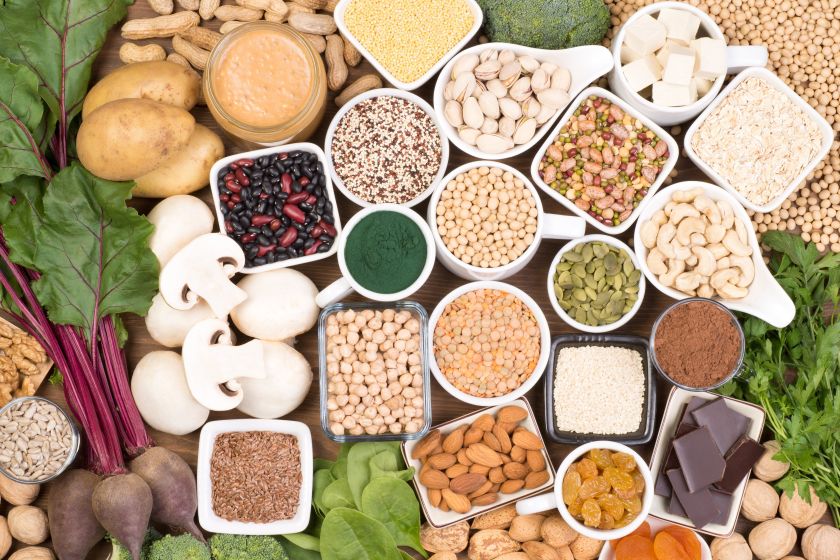
What are some good plant food sources of protein?
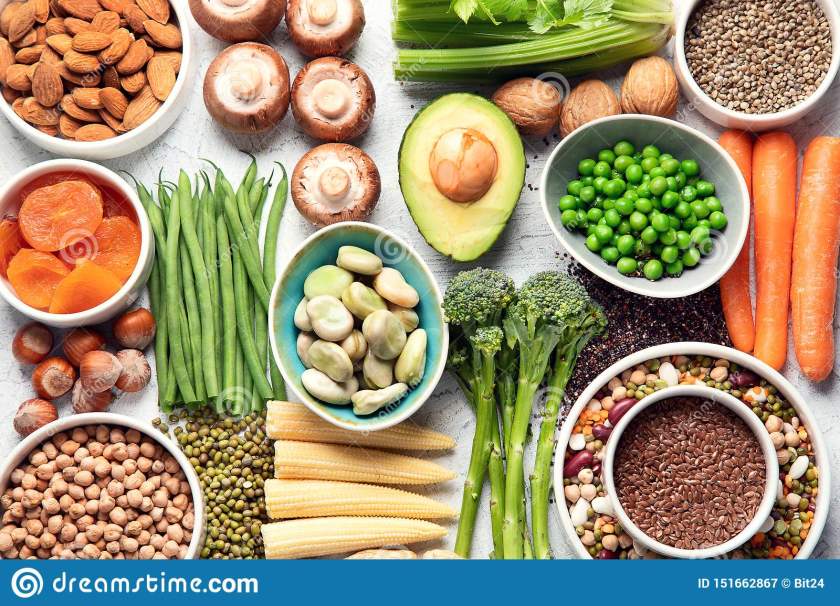
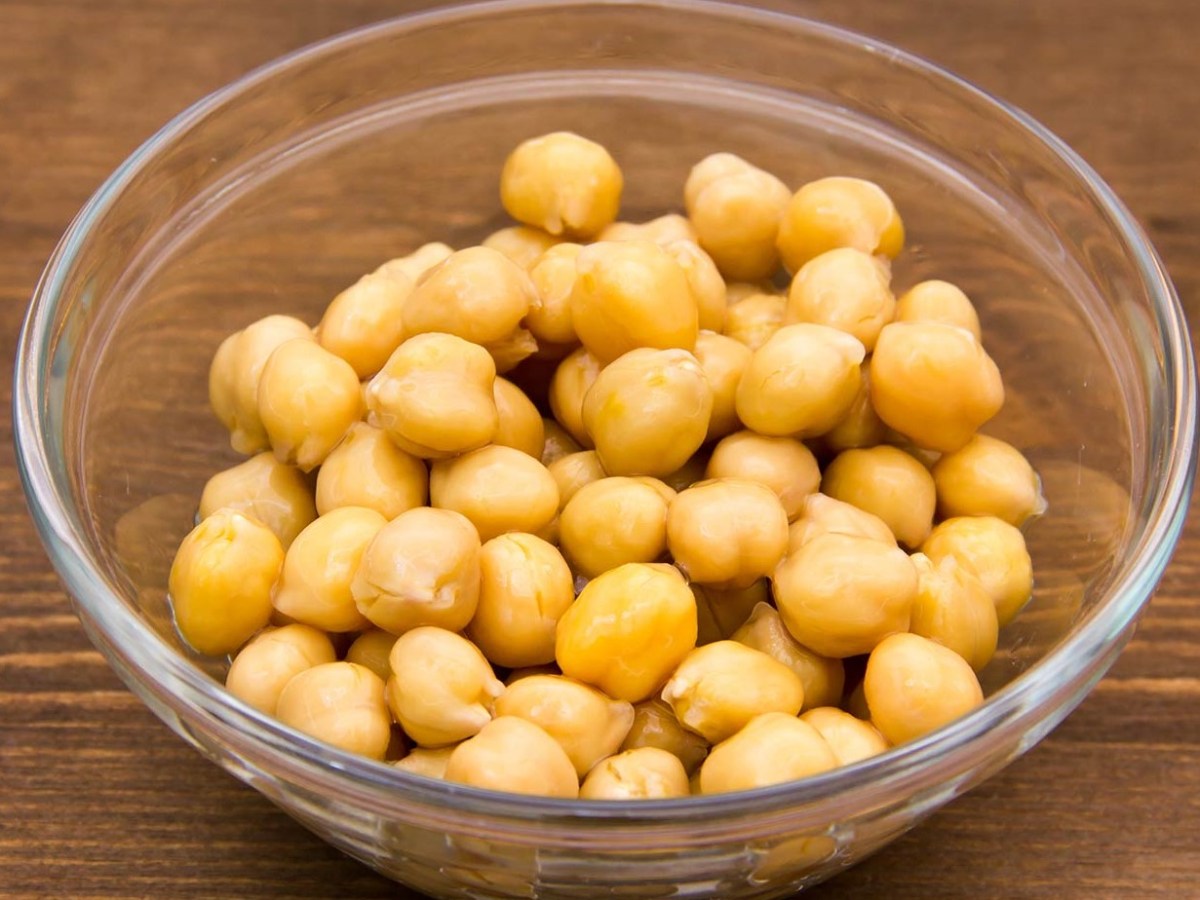
PEANUTS, ALMONDS, LENTILS CHICKPEAS, QUINOA, BEANS WITH RICE

PLANT FOOD SOURCES OF PROTEINgrams of proteinserving
seitan301/2 cup
peanuts20.51/2 cup
almonds16.51/2 cup
tempeh151/2 cup
firm tofu101/2 cup
edamame8.51/2 cup
lentils (cooked)8.841/2 cup
edamame8.51/2 cup
chickpeas (cooked)7.251/2 cup
quinoa (cooked)41/2 cup
beans with rice3.51/2 cup
kale21/2 cup
potato (baked)81 large
Ezekiel bread41 slice
mushroom35 medium
hemp seeds5Tablespoon
spirulina4Tablespoon
chia seeds2Tablespoon
Source: Medical News Today

Protein-Rich Plant Foods

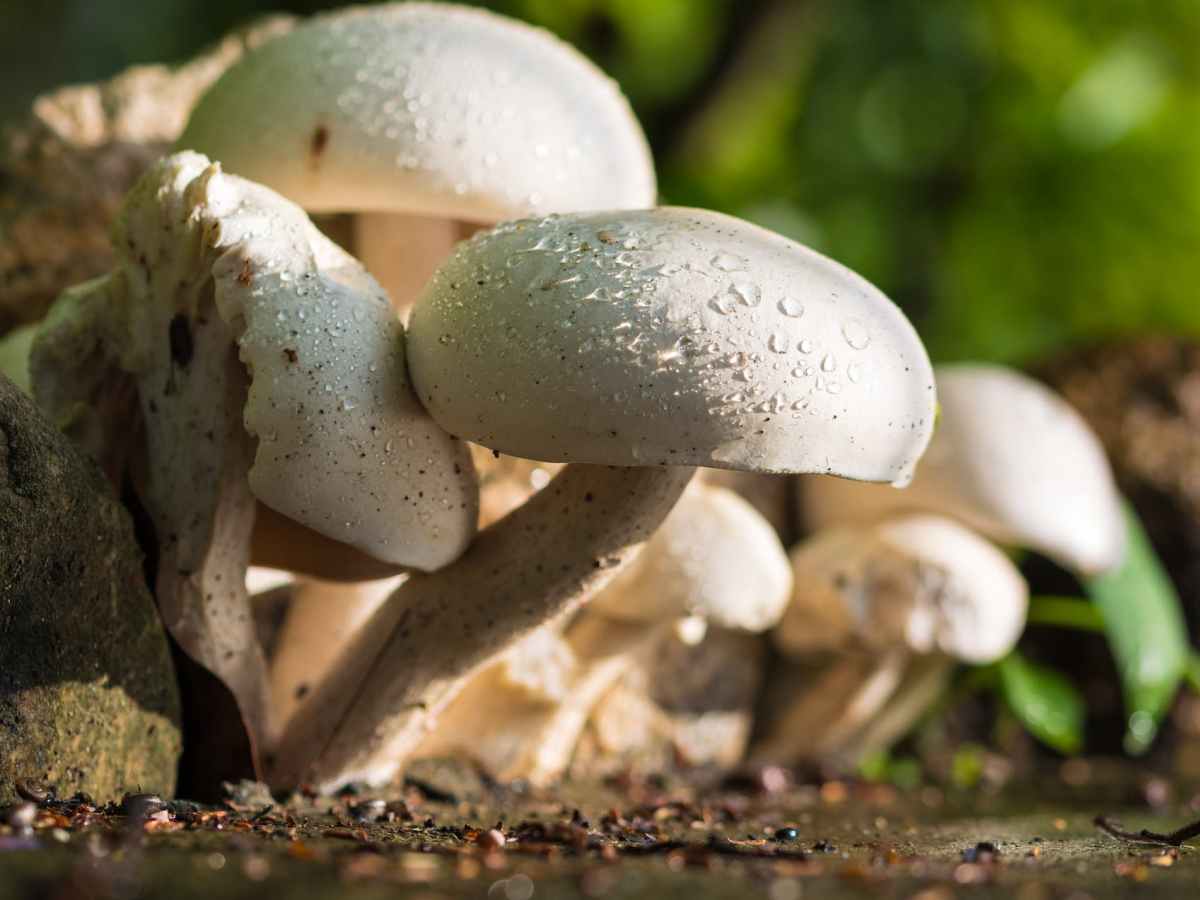
MUSHROOM

White mushrooms are rich in many bioactive compounds that may protect against cancer and heart disease, as well as help improve blood sugar control and gut health.

ALMOND

Almonds are rich in Vitamin E, magnesium, and manganese Almond is the edible seed of Prunus dulcis, a species of tree native to Iran but widely cultivated elsewhere. It is classified with the peach in the subgenus Amygdalus, distinguished from the other subgenera by corrugations on the shell surrounding the seed. Almonds are sold shelled…

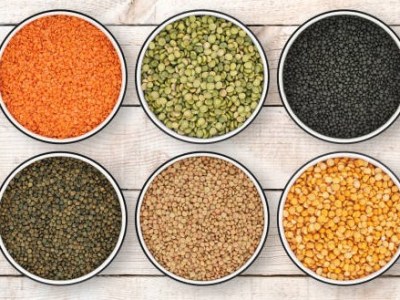
LENTIL

Low in calories, high in protein, fiber, B Vitamins, iron, folate, magnesium, zinc, and potassium.

QUINOA

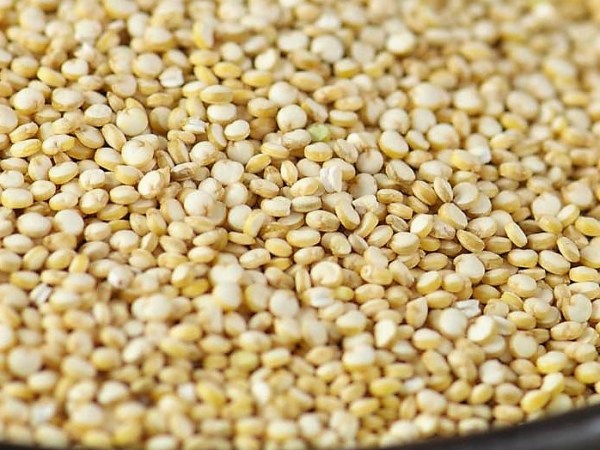
Quinoa’s gluten-free seeds are rich in protein, fiber, B vitamins, and minerals in amounts greater than in many grains.

KALE

A cup of cooked kale provides almost five times an adult’s daily need for vitamin K.

Posted in RECIPES

Garlic Green Beans

PREP 15 minCOOK 4 min, SAUTÉ 2 minMEDIUM HEATSERVES
  • INGREDIENTS
    • 1 c FRESH GREEN BEANS
    • 1 Tbsp OIL
    • 2 CLOVES GARLIC, FINELY CHOPPED
    • SALT AND PEPPER TO TASTE
  • INSTRUCTIONS
    1. Wash GREEN BEANS and cut off both ends, cook in boiling water about 4 minutes or until slightly tender; drain
    2. Heat the OIL and stir in the GREEN BEANS and chopped GARLIC until the garlic pieces are golden brown
    3. Add SALT and PEPPER to taste

GARLIC

Garlic has been used as a traditional medicine as well as a food flavoring. It is a healthy and delicious addition to many dishes around the world. Its medicinal benefits for both cure and prevention require larger doses, which should be taken with the supervision and advice of a knowledgeable medical practitioner.

GREEN BEAN

Green beans, string beans, or snap beans are a rich source of vitamins A, C, K, folate, and fiber.

Posted in PLANT FOOD FACTS

GREEN BEAN

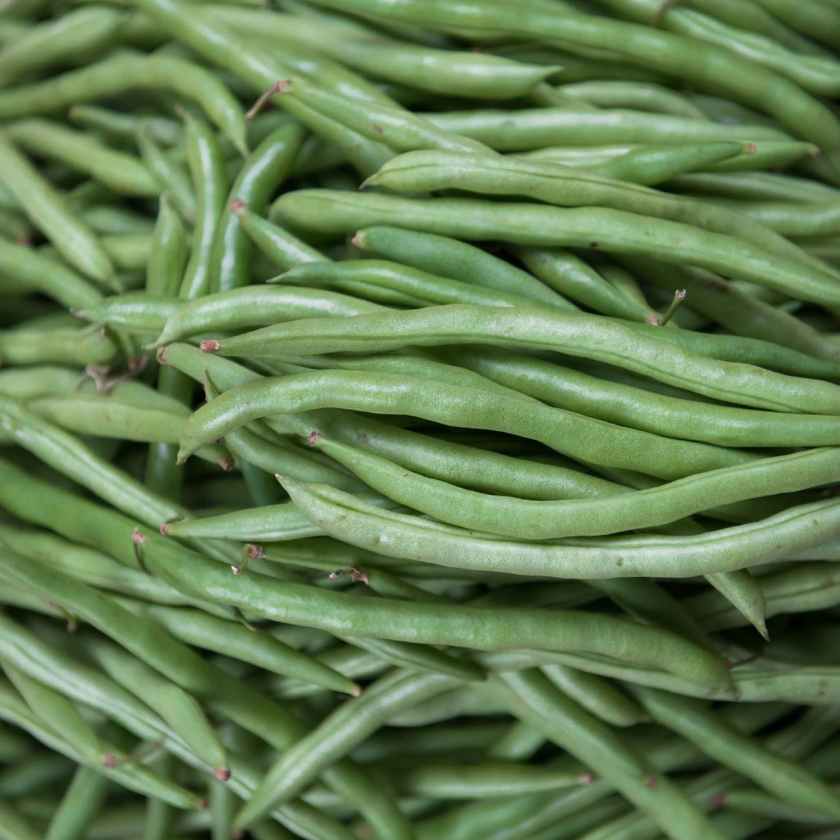
Green beans, string beans, or snap beans are a rich source of vitamins A, C, K, folate, and fiber.

Recipe: Green Bean and Toasted Garlic

They have nutritional benefits similar to snap peas and okra. There are more than 130 varieties of green beans. Fresh green beans are a better choice than canned, which contain large amounts of sodium. Before eating the canned variety, you should rinse them thoroughly.

1 cup (150 g) snap beans
calories 28
carbohydrate 5.66 g
fat .55 g
protein 1.42 g
fiber 2.6 g
sugar 1.94 g
calcium 17 mg
folate 32 mcg
iron 1.2 mg
magnesium 18 mg
phosphorous 30 mg
potassium 130 mg
vitamin A 24 mcg
vitamin K 52.5 mcg
Sources: Medical News Today