Posted in NUTRIENTS

VITAMIN B1 (Thiamin)

What does thiamin do? This vitamin plays a critical role in energy metabolism and, therefore, in the growth, development, and function of cells. Thiamin (or thiamine) is one of the water-soluble B vitamins. It is also known as vitamin B1. Thiamin is naturally present in some foods, added to some food products, and available as a dietary supplement.

How much do I need? The recommended dietary allowance (RDA) for adult males the RDA is 1.2 mg daily. For adult females 18 years of age, the RDA is 1 mg daily. For adult females 19 years and older, the RDA is 1.1 mg daily.

Are supplements recommended?
Thiamine (Vitamin B1) supplements are generally only necessary if you have a diagnosed deficiency, are at high risk (e.g., alcohol dependency, bariatric surgery, chronic illness), or are advised by a doctor. It is crucial for converting food into energy and supports nerve/heart health, with deficiencies leading to fatigue, muscle weakness, or memory issues.

What are some good plant food sources of thiamin? Good plant food sources of thiamin are FORTIFIED CEREALS, BLACK BEANS, ACORN SQUASH, and BROWN RICE.

FOODMG OF THIAMIN PER SERVINGPERCENT DV
Breakfast cereals, fortified with 100% of the DV for thiamin, 1 serving1.2100
Black beans, boiled, ½ cup0.433
Macaroni, whole wheat, cooked, 1 cup0.217
Acorn squash, cubed, baked, ½ cup0.217
Rice, brown, long grain, not enriched, cooked, ½ cup0.217
Rice, white, long grain, enriched, cooked, ½ cup0.18
Bread, whole wheat, 1 slice0.18
Orange juice, prepared from concentrate, 1 cup0.18
Sunflower seeds, toasted, 1 ounce0.18
Oatmeal, regular and quick, unenriched, cooked with water, ½ cup0.18
Corn, yellow, boiled, 1 medium ear0.18
Barley, pearled, cooked, 1 cup0.18

Source: National Institutes of Health

Thiamin-Rich Foods

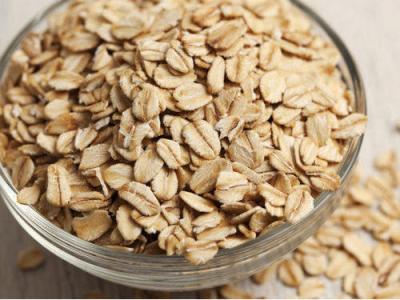
OAT

Oats are a powerhouse of vitamins, minerals, and antioxidants.

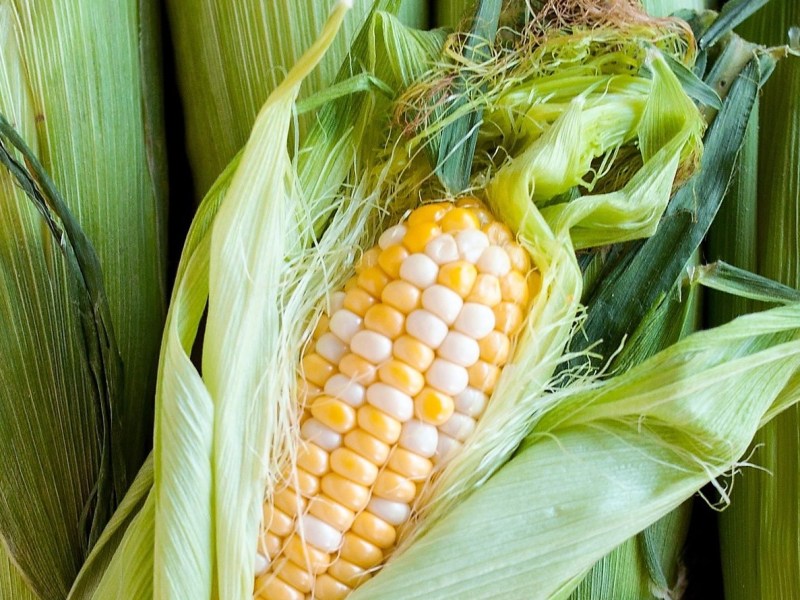
CORN

Corn is a significant source of COMPLEX CARBOHYDRATES, VITAMIN B1, VITAMIN B3, VITAMIN B5, VITAMIN B9, PHOSPHOROUS, and MAGNESIUM. Corn, or maize, (español: maíz) was domesticated by indigenous peoples in southern Mexico about 10,000 years ago. It has become a staple food in many parts of the world, with the total production surpassing that of wheat or rice. Sugar-rich varieties called sweet corn are…

Posted in NUTRIENTS

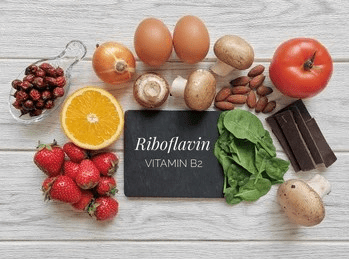
VITAMIN B2 (Riboflavin)

What does riboflavin do? B complex vitamins are necessary for a healthy liver, skin, hair, eyes, and nervous system. Riboflavin (B2) in particular has these benefits:

  • Antioxidant. Riboflavin works as an antioxidant, fighting damaging particles in the body known as free radicals, which may contribute to the aging process, as well as the development of a number of health conditions like heart disease and cancer.
  • Growth and red blood cell production. Riboflavin is also needed to help the body change vitamin B6 and folate into forms it can use. It is also important for growth and red blood cell production.
  • Good vision and cataract prevention. Vitamin B2 is important for normal vision. Early studies suggest that it might help prevent cataracts.
  • Migraine relief. Several studies suggest that people who get migraines may reduce how often they get migraines and how long the migraines last by taking riboflavin.

How much do I need? The average recommended daily amount for adults is 1.3 milligrams. All B vitamins are water soluble, meaning the body does not store them, so they must be consumed daily in food or supplements. Riboflavin is destroyed by light, so food should be stored away from light to protect its riboflavin content. While riboflavin is not destroyed by heat, it can be lost in water when foods are boiled or soaked. Roasting and steaming foods preserves more riboflavin than frying or scalding your foods.

Are supplements recommended? Most healthy people who eat a well-balanced diet get enough riboflavin. However, elderly people and alcoholics may be at risk for riboflavin deficiency because of poor diet. Consult a doctor before using supplements to prevent allergic reactions and interactions with medicines.

What are some good plant food sources of riboflavin? ALMONDS, WHOLE GRAINS, WHEAT GERM, WILD RICE, MUSHROOMS, SOYBEANS, BROCCOLI, BRUSSELS SPROUTS, SPINACH and BREWER’S YEAST are a few good plant food sources of Vitamin B2 (riboflavin).

Source: Mount Sinai

Riboflavin-Rich Foods and Recipes

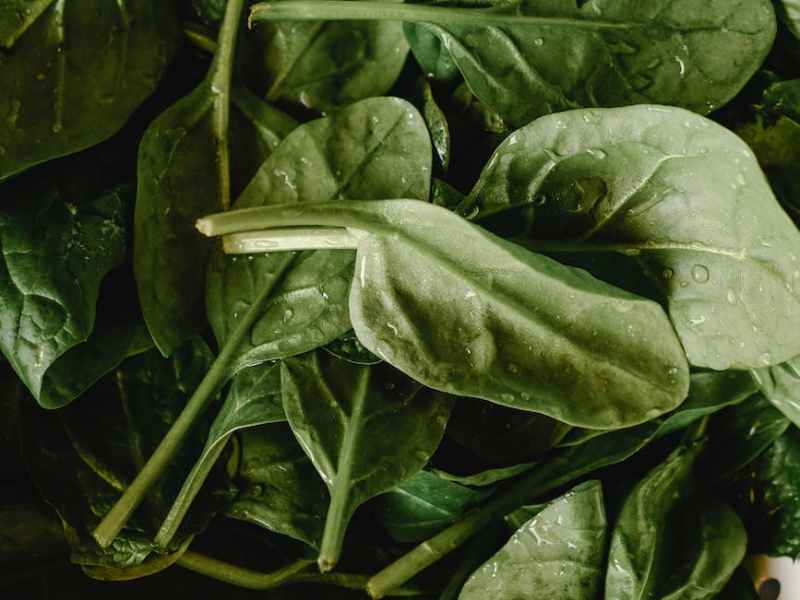
SPINACH

Spinach (español: espinacas) is a leafy green flowering plant whose leaves are consumed cooked or raw. Spinach is a good source of VITAMIN C, IRON, POTASSIUM, VITAMIN E, and MAGNESIUM. The possible health benefits of consuming spinach include blood glucose control, lower risk of cancer, and improved bone health. As part of a nutritious diet, it can help support immune function,…

MUSHROOM

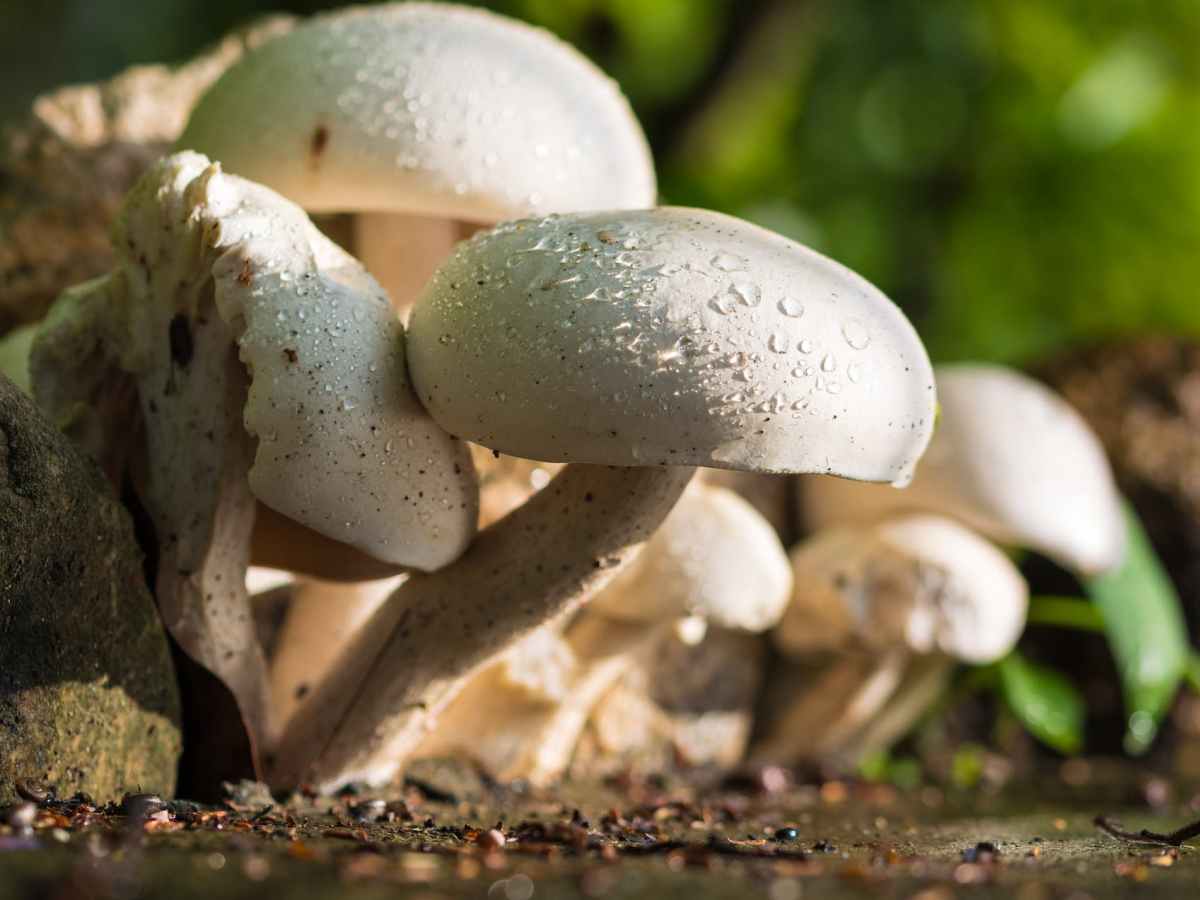
White mushrooms are rich in many bioactive compounds that may protect against cancer and heart disease, as well as help improve blood sugar control and gut health.

ALMOND

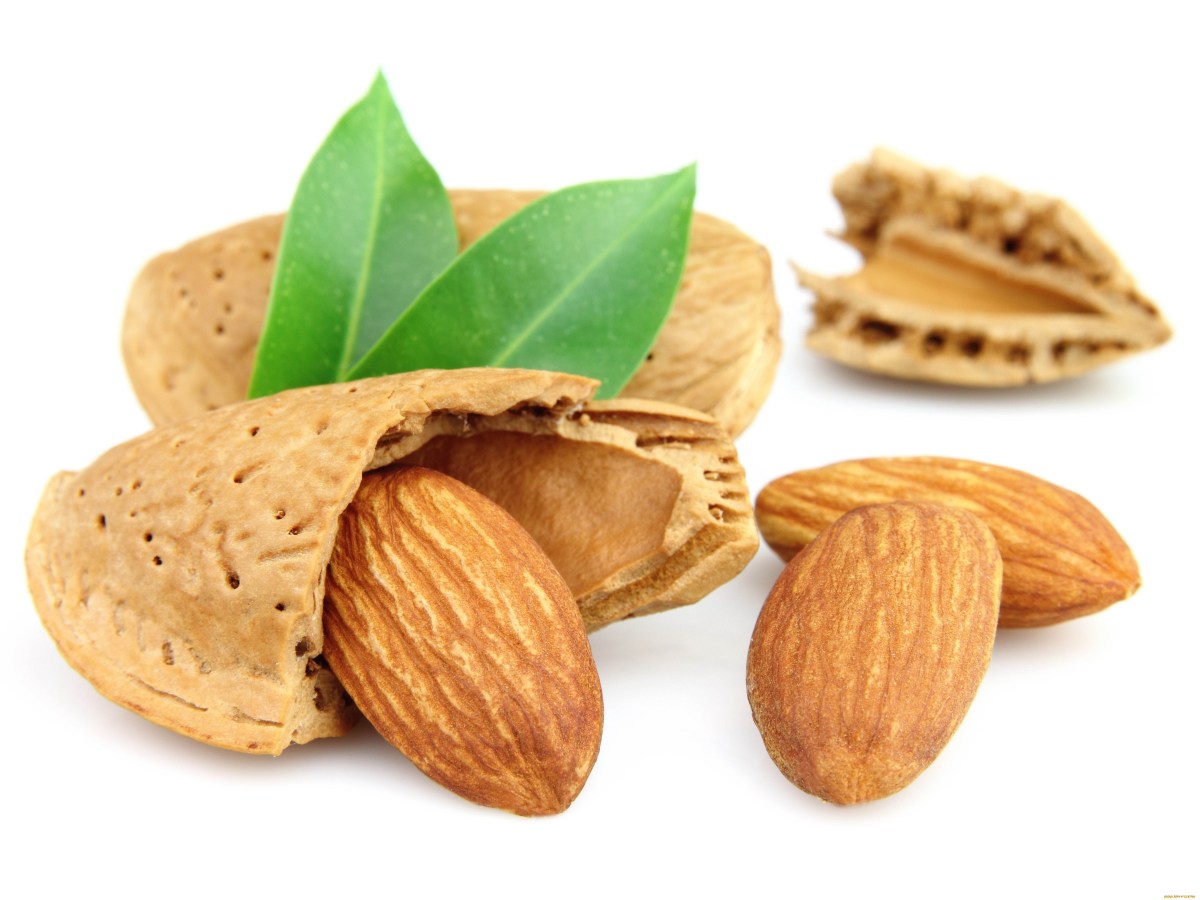
Almonds are rich in Vitamin E, magnesium, and manganese Almond is the edible seed of Prunus dulcis, a species of tree native to Iran but widely cultivated elsewhere. It is classified with the peach in the subgenus Amygdalus, distinguished from the other subgenera by corrugations on the shell surrounding the seed. Almonds are sold shelled…

BROCCOLI

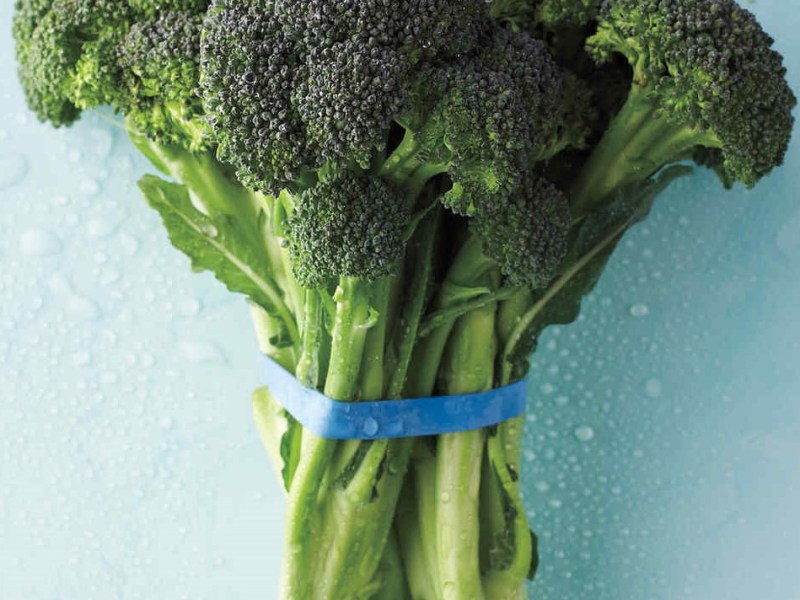
Broccoli, which has more protein than most other vegetables, is also high in fiber, vitamin C, vitamin K, iron, and potassium.

BRUSSELS SPROUT

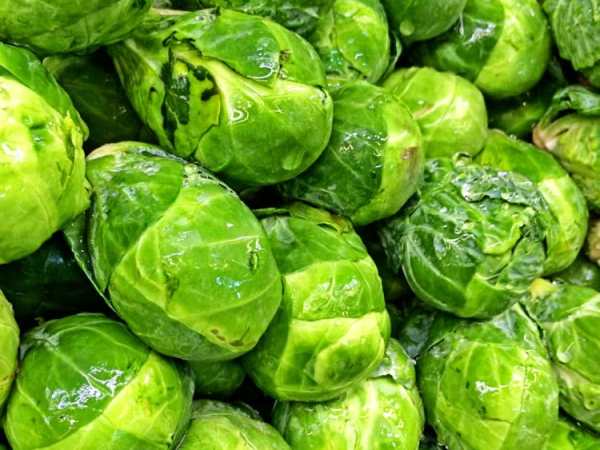
Brussels sprouts are low in calories but high in many nutrients, especially fiber, vitamin K and vitamin C.

Posted in NUTRIENTS

VITAMIN B3 (Niacin)

What does niacin do?
Niacin (Vitamin B3) is a micronutrient that your body uses for proper metabolism, nervous system function and antioxidant protection. It’s an essential nutrient, meaning that you must obtain it from food, as your body cannot produce it on its own. Since niacin is water soluble, any surplus is excreted through urine rather than stored in your body. Therefore, it’s important to regularly consume niacin-rich foods.

How much do I need?
The recommended dietary allowance (RDA) for this nutrient is 16 mg per day for men and 14 mg per day for women — enough to meet the needs of approximately 98% of adults.

Are supplements recommended?
Niacin is found in many fortified foods, and overconsumption may have serious side effects, so supplementation should be done only with medical supervision.

What are some good plant food sources of niacin?
PEANUTS, AVOCADOS, BROWN RICE, MUSHROOMS, GREEN PEAS, WHOLE-WHEAT PRODUCTS, WHITE POTATOES

Some Niacin-rich Foods

AVOCADO

Avocados improve heart health; support eye, skin, and hair health; fight cancer cell growth; promote weight loss; enhance digestive health; protect against diabetes; and decrease arthritis symptoms.

MUSHROOM

White mushrooms are rich in many bioactive compounds that may protect against cancer and heart disease, as well as help improve blood sugar control and gut health.

Posted in NUTRIENTS

Nutrient Summary

CALCIUM

Calcium is needed to build and maintain strong bones.es. The heart, muscles and nerves also need calcium to function properly. Some studies suggest that calcium, along with vitamin D, protects against cancer, diabetes and high blood pressure.

Keep reading

CALORIES

A calorie is a unit of energy. In nutrition, calories refer to the energy people get from the food and drink they consume, and the energy they use in physical activity. Calories are the amount of energy released when your body digests and absorbs food.

Keep reading

CARBOHYDRATE

What are carbohydrates? Carbohydrates are sugar molecules that are broken down down into glucose, which is the main source of energy for cells, tissues, and organs. How much do I need?On average, people should get 45 to 65% of their daily calories from carbohydrates, based on a 2,000-calorie diet. There are three main types of carbohydrates: sugars, starches, and fiber. Are supplements recommended? Most people do not need supplements. Carbohydrate supplements are recommended for endurance and high-intensity athletes, for people with certain metabolic disorders, and for some high-stress situations. Consult a health professional before…

Keep reading

CHROMIUM

Needed for absorption of carbs, proteins, and fats. Adequate Intake 20-35 micrograms daily. Some food sources: bran, broccoli, green beans, apples, bananas, coffee, and brewer’s yeast.

Keep reading

COPPER

What does copper do? Copper plays a role in making red blood cells and maintaining nerve cells and the immune system. Copper also helps the body form collagen and absorb iron, and plays a role in energy production. How much do I need?The recommended daily allowance (RDA) is around 900 micrograms a day for adolescents and adults. The upper limit for adults aged 19 years and above is 10 milligrams (mg) a day. An intake above this level could be toxic. Are supplements recommended? Most people do not need to take a copper supplement, as a balanced…

Keep reading

FAT

Dietary fat is a calorie dense nutrient, and including too much in your diet may contribute to excess body weight. Saturated fats raise your LDL (“bad”) cholesterol and increase your risk of cardiovascular disease. Replacing them with unsaturated fats as part of a healthy diet can help you lower your cholesterol and maintain a moderate weight.

Keep reading

FIBER

Some excellent sources of dietary fiber are CHICKPEAS, LENTILS, SPLIT PEAS, OATS, APPLES, PEARS, ALMONDS, CHIA SEEDS, BRUSSELS SPROUTS, and AVOCADO. Recommended daily amounts for adults and adolescents are between 22 and 38 grams, depending on the number of calories consumed. Most Americans consume only about 15 grams.

Keep reading

IODINE

GREEN BEANS, EGGPLANT, KALE, WATERCRESS, STRAWBERRIES, and POTATOES WITH SKIN are a few plant food sources of iodine, also called iodide, a mineral naturally found in the earth’s soil and ocean waters. It’s important to get enough iodine in the diet. People with access to iodized salt, seafood, and certain vegetables are able to get enough iodine from their diet.

Keep reading

IRON

What does iron do? Iron is an important mineral that your body needs to make hemoglobin, a protein in red blood cells. Red blood cells help carry oxygen throughout your body. How much do I need?The Recommended Daily Allowances vary for gender, age, pregnancy, and lactation. Age RDA PREGNANCY LACTATION Male 14-18 11 mg Female 14-18 15 mg 27 mg 10 mg Male 19-50 + 8 mg Female 19-50 18 mg 27 mg 9 mg Female 51 + 8 mg Are supplements recommended? Consult a health care professional if you have symptoms of iron…

Keep reading

MAGNESIUM

Magnesium is essential for maintaining good health and plays a key role in everything from exercise performance to heart health and brain function. One of its main roles is to act as a cofactor in the biochemical reactions continuously performed by enzymes. It’s involved in more than 600 reactions in your body.

Keep reading

MANGANESE

Manganese is a trace mineral found in bones, liver, kidneys, and pancreas that helps form connective tissue, bones, blood clotting factors, and sex hormones.

Keep reading

MOLYBDENUM

Molybdenum is an essential trace mineral and transition metal crucial for activating enzymes that break down toxins, sulfites, and amino acids in the body. It is primarily consumed through foods like legumes, nuts, and whole grains.

Keep reading

PHOSPHOROUS

Phosphorous is needed for strong and healthy bones and teeth. It helps manage storage and use of energy, filters out waste in the kidneys, and grows, maintains, and repairs tissue and cells.

Keep reading

POTASSIUM

What does potassium do? Potassium is a mineral found in the foods you eat. It’s also an electrolyte. Electrolytes conduct electrical impulses throughout the body. They assist in a range of essential body functions, including blood pressure, normal water balance, muscle contractions, nerve impulses, digestion, heart rhythm, and pH balance (acidity and alkalinity). How much do I need?The FDA has set the daily value (DV) for potassium at 4700 mg. Are supplements recommended? Most people should not take potassium supplements without a doctor’s recommendation, as they are usually unnecessary and can be dangerous. Potassium is best obtained through…

Keep reading

PROTEIN

What does protein do? Proteins are the main building blocks of your body. They’re used to make muscles, tendons, organs, and skin, as well as enzymes, hormones, neurotransmitters, and various molecules that serve many important functions. How much do I need?U.S. adults should typically consume around 50-175 grams of protein daily in a typical 2000 calorie diet. Older adults have significantly increased protein needs. Since there’s no evidence of harm and significant evidence of benefit, it’s likely better for most people to err on the side of consuming more protein rather than less. Are…

Keep reading

VITAMIN A (Retinol)

Vitamin A (retinol, retinoic acid) is important to vision, growth, cell division, reproduction and immunity. Vitamin A also has antioxidant properties.

Keep reading

VITAMIN B1 (Thiamin)

What does thiamin do? This vitamin plays a critical role in energy metabolism and, therefore, in the growth, development, and function of cells. Thiamin (or thiamine) is one of the water-soluble B vitamins. It is also known as vitamin B1. Thiamin is naturally present in some foods, added to some food products, and available as a dietary supplement. How much do I need? The recommended dietary allowance (RDA) for adult males the RDA is 1.2 mg daily. For adult females 18 years of age, the RDA is 1 mg daily. For adult females 19…

Keep reading

VITAMIN B2 (Riboflavin)

What does riboflavin do? B complex vitamins are necessary for a healthy liver, skin, hair, eyes, and nervous system. Riboflavin (B2) in particular has these benefits: How much do I need? The average recommended daily amount for adults is 1.3 milligrams. All B vitamins are water soluble, meaning the body does not store them, so they must be consumed daily in food or supplements. Riboflavin is destroyed by light, so food should be stored away from light to protect its riboflavin content. While riboflavin is not destroyed by heat, it can be lost in…

Keep reading

VITAMIN B3 (Niacin)

Niacin (Vitamin B3) is a micronutrient that your body uses for proper metabolism, nervous system function and antioxidant protection. It’s an essential nutrient, meaning that you must obtain it from food, as your body cannot produce it on its own. Since niacin is water soluble, any surplus is excreted through urine rather than stored in your body. Therefore, it’s important to regularly consume niacin-rich foods like PEANUTS, AVOCADOS, BROWN RICE, MUSHROOMS, GREEN PEAS, WHOLE-WHEAT PRODUCTS, WHITE POTATOES.

Keep reading

VITAMIN B5 (Pantothenic Acid)

What does Vitamin B5 do?Vitamin B5 (Pantothenic Acid) is needed for making blood cells, and it helps convert food into energy. B vitamins are needed for healthy skin, hair, and eyes; proper functioning of the nervous system and liver; healthy digestive tract; making red blood cells, which carry oxygen throughout the body; and making sex and stress-related hormones in the adrenal glands. How much do I need? Life stage group Recommended intake of vitamin B5 Infants 6 months and younger 1.7 mg Infants 7 to 12 months 1.8 mg Children 1-3 years 2 mg…

Keep reading

VITAMIN B6 (Pyridoxine)

What does pyridoxine do?Vitamin B6, also known as pyridoxine, is a water-soluble vitamin that is significant to protein, fat and carbohydrate metabolism and the creation of red blood cells and neurotransmitters. Your body cannot produce vitamin B6, so you must obtain it from foods or supplements. Getting enough B6 through your diet or a supplement is crucial for staying healthy. How much do I need?The current recommended daily amount (RDA) for B6 is 1.3–1.7 mg for adults over 19. Are supplements recommended?Most people do not need to take a Vitamin B6 (pyridoxine) supplement. A…

Keep reading

VITAMIN B7 (Biotin)

What does biotin do? Vitamin B7, or biotin, is a water-soluble vitamin that helps the body metabolize fats, carbohydrates, and protein and helps maintain a healthy nervous system, nails, hair and skin. How much do I need?There is no established Recommended Dietary Allowance (RDA) for biotin due to a lack of sufficient evidence, but the recommended Adequate Intake (AI) for adults (19+ years) is 30 micrograms. Are supplements recommended?For most people, a supplement will not be necessary as long as they are eating a healthy, varied diet. Some people take supplements to strengthen their nails…

Keep reading

VITAMIN B9 (Folate)

Vitamin B9 (Folate) is essential for producing red and white blood cells in bone marrow and transforming carbohydrates into energy. Folate is especially important during periods of rapid growth, such as pregnancy, infancy, and adolescence. It’s best to get folate from whole foods.

Keep reading

VITAMIN C

Vitamin C has been linked to many impressive health benefits that include boosting antioxidant levels, lowering blood pressure, protecting against gout attacks, improving iron absorption, boosting immunity, and reducing heart disease and dementia risk.

Keep reading

VITAMIN D

Vitamin D helps the body absorb calcium, one of the main building blocks for strong bones and preventing osteoporosis. Vitamin D is also needed for muscles to move and for nerves to carry messages between the brain and the body. The immune system needs Vitamin D to fight off invading bacteria and viruses.

Keep reading

VITAMIN E

Vitamin E acts as an antioxidant, scavenging loose electrons—so-called “free radicals”—that can damage cells. It also enhances immune function and prevents clots from forming in heart arteries.

Keep reading

ZINC

What does zinc do? Zinc aids growth, DNA synthesis, and immune function. Zinc is an essential nutrient, meaning that your body can’t produce or store it. Zinc may effectively reduce inflammation, boost immune health, reduce risk of age-related diseases, speed wound healing, and improve acne symptoms. How much do I need? Th RDA is 11 mg for males and 8 mg for females (11 mg in pregnancy and 12mg in lactation). What are some good plant food sources of zinc? Beans, seeds, and nuts are rich in zinc. Are supplements recommended? Most people meet…

Keep reading

Posted in NUTRIENTS

CALORIES

What are calories?
A calorie is a unit of energy. In nutrition, calories refer to the energy people get from the food and drink they consume, and the energy they use in physical activity. Calories are the amount of energy released when your body digests and absorbs food.

How many do I need? The average man needs 2,700 kcal per day and the average woman needs 2,200 kcal per day. The number of calories a given individual needs will depend on metabolism and activity. Calorie consumption that is too low or too high will eventually lead to health problems. When you eat more calories than you need, your body stores the extra calories as body fat. Without energy, the cells in the body would die, and the organs would not be able to carry out the basic processes needed for living.

Source: Medical News Today

Posted in NUTRIENTS

VITAMIN A (Retinol)

What does Vitamin A do?
Vitamin A (retinol, retinoic acid) is important to vision, growth, cell division, reproduction and immunity. Vitamin A also has antioxidant properties.

How much do I need?
The recommended daily allowance is 900 mcg for an adult male and 700 mcg for an adult female.

Are supplements recommended?
A healthy and varied diet will provide most people with enough vitamin A. For the antioxidant properties of vitamin A, food sources are best. It’s not clear if vitamin A supplements offer the same benefits as naturally occurring antioxidants in food. Too much vitamin A can be harmful, and excess vitamin A during pregnancy has been linked to birth defects.

What are some good plant food sources of Vitamin A?
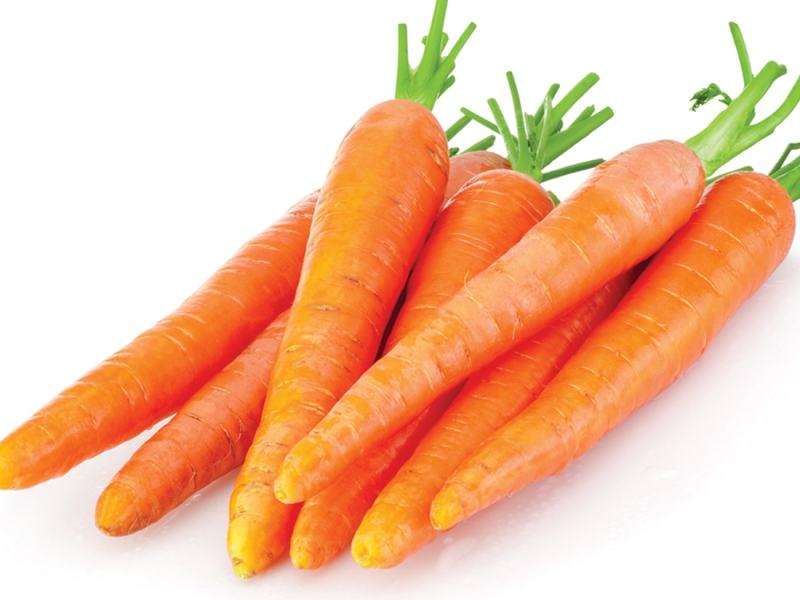
GREEN LEAFY VEGETABLES, CARROTS, CANTALOUPE

Source: Mayo Clinic

Vitamin A-Rich Plant Foods

SPINACH

Spinach (español: espinacas) is a leafy green flowering plant whose leaves are consumed cooked or raw. Spinach is a good source of VITAMIN C, IRON, POTASSIUM, VITAMIN E, and MAGNESIUM. The possible health benefits of consuming spinach include blood glucose control, lower risk of cancer, and improved bone health. As part of a nutritious diet, it can help support immune function,…

CARROT

Carrots get their bright orange color from beta carotene, an antioxidant that your body converts into vitamin A.

Posted in NUTRIENTS

IRON

What does iron do?
Iron is an important mineral that your body needs to make hemoglobin, a protein in red blood cells. Red blood cells help carry oxygen throughout your body.

How much do I need?
The Recommended Daily Allowances vary for gender, age, pregnancy, and lactation.

AgeRDA PREGNANCYLACTATION
Male 14-1811 mg
Female 14-1815 mg27 mg10 mg
Male 1950 +8 mg
Female 19-5018 mg27 mg9 mg
Female 51 +8 mg

Are supplements recommended?
Consult a health care professional if you have symptoms of iron deficiency anemia. There is a risk of toxicity. Excessive iron occurs most often from taking high-dosage supplements when not needed or from having a genetic condition that stores too much iron. The maximum daily intake unlikely to cause harmful effects is 40 mg for children 14 and under and 45 mg for all adults over 14.

What are some good plant food sources of iron?
SPINACH, LEGUMES, PUMPKIN SEEDS, BROCCOLI, TOFU, DARK CHOCOLATE
Iron from food comes in two forms: heme and non-heme. Heme is found only in animal flesh like meat, poultry, and seafood. Non-heme iron is found in plant foods like whole grains, nuts, seeds, legumes, and leafy greens. Heme iron is better absorbed by the body than non-heme iron. Vegetarians may develop IDA if they do not include adequate non-heme iron foods in the diet. Because non-heme iron is not well-absorbed, either greater quantities of these foods my be required or careful attention is needed in how they are eaten to improve absorption (consuming with vitamin C-rich foods while avoiding eating with calcium-rich foods, calcium supplements, or tea). It is possible to obtain enough iron in a vegetarian/vegan diet with careful planning.

Source: Harvard School of Public Health

Iron-Rich Plant Foods

SPINACH

Spinach (español: espinacas) is a leafy green flowering plant whose leaves are consumed cooked or raw. Spinach is a good source of VITAMIN C, IRON, POTASSIUM, VITAMIN E, and MAGNESIUM. The possible health benefits of consuming spinach include blood glucose control, lower risk of cancer, and improved bone health. As part of a nutritious diet, it can help support immune function,…

BROCCOLI

Broccoli, which has more protein than most other vegetables, is also high in fiber, vitamin C, vitamin K, iron, and potassium.

Posted in NUTRIENTS

VITAMIN B 12

What does Vitamin B 12 do?
Vitamin B12 supports the function of your nerve cells and is needed for red blood cell formation and DNA synthesis. It may benefit health in various ways, such as preventing major birth defects, supporting bone and eye health, and maintaining healthy skin and hair.

How much do I need?
For most adults, the recommended dietary allowance (RDA) is 2.4 micrograms (mcg), though it’s higher for people who are pregnant or nursing.

Are supplements recommended?
Most people in developed countries get enough from the consumption of meat or foods with animal sources, but a high percentage of deficiency disorders have been observed in those who do not consume meat and who do not take a Vitamin B12 supplement. There are no plant-based sources of Vitamin B12. A daily or weekly supplement is the best way to avoid the very serious consequences of Vitamin B12 deficiency. Some vegan food products, such as nutritional yeast, may be fortified with Vitamin B12, but I prefer to be sure I’m covered by taking a daily supplement. Deficiency symptoms may take five years or more to develop in adults. Vitamin B12 is the only vitamin that cannot be sourced from a whole-food plant-based diet. If you are following or considering a vegan or vegetarian eating plan, I sincerely recommend that you read the article at this link on the importance of vitamin B12. Vitamin B12: Your Key Facts (The Vegan Society)

What are some good plant food sources of Vitamin B 12?
There are no plant-based sources of Vitamin B12.

Source: healthline

Posted in NUTRIENTS

CHROMIUM

What does chromium do?
Chromium enhances the action of insulin, and it is involved in the breakdown and absorption of carbohydrate, proteins, and fats.

How much do I need?
Adequate Intake is 35 micrograms for men and 25 for women. There is not enough data to establish a Recommended Dietary Allowance for chromium.

Are supplements recommended?
It is naturally present in a wide variety of foods, though only in small amounts.  Vitamin B3 (niacin) and Vitamin C help to improve the absorption of chromium. Most people do not need a chromium supplement, as deficiencies are rare and adequate amounts are obtained through a balanced diet. Supplements are primarily used for blood sugar management in diabetics. Consult a doctor, especially if you have diabetes or kidney disease. 

What are some good plant food sources of chromium?
WHOLE GRAINS, HIGH-FIBER BRAN CEREALS, BROCCOLI, GREEN BEANS, POTATOES, APPLES, BANANAS, COFFEE, BREWER’S YEAST

Source: Harvard School of Public Health

Chromium-Rich Plant Foods

BROCCOLI

Broccoli, which has more protein than most other vegetables, is also high in fiber, vitamin C, vitamin K, iron, and potassium.

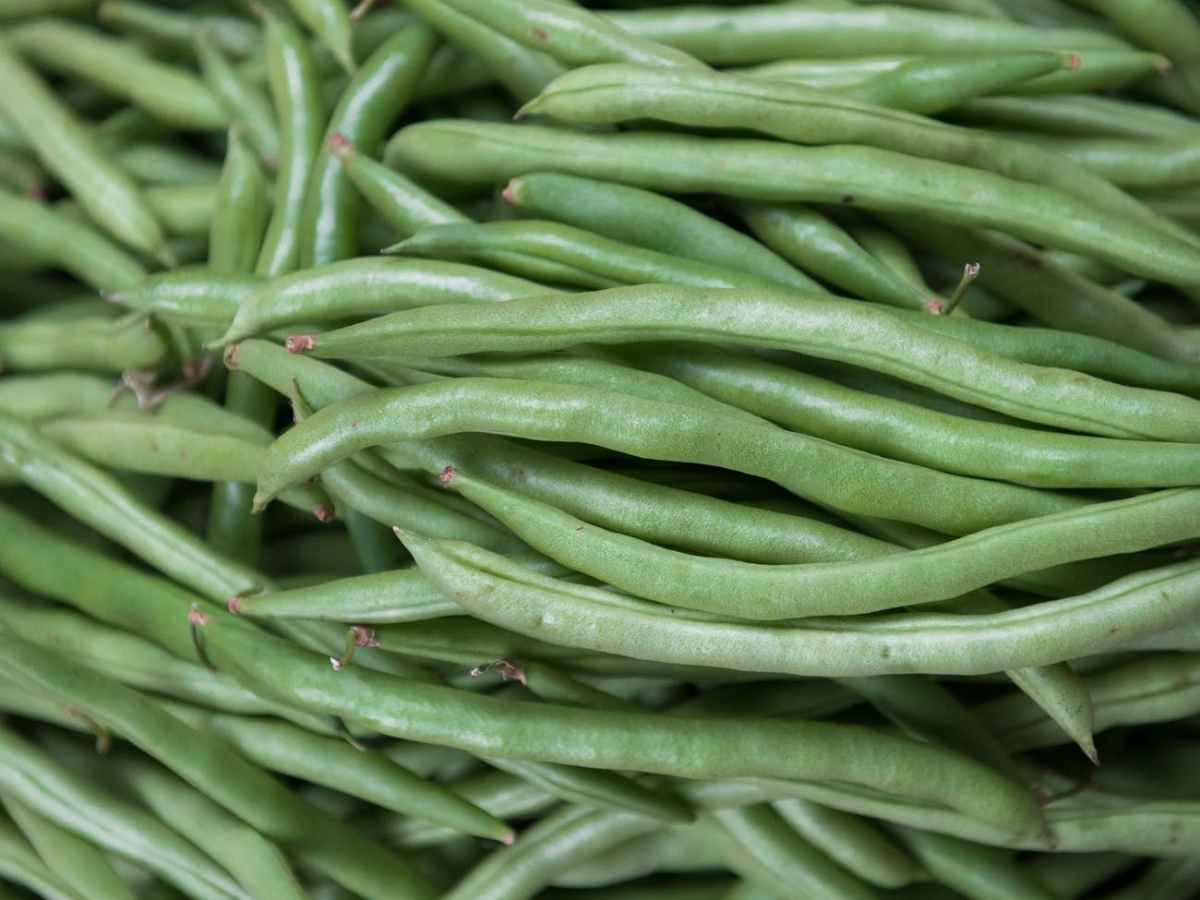
GREEN BEAN

Green beans, string beans, or snap beans are a rich source of vitamins A, C, K, folate, and fiber.

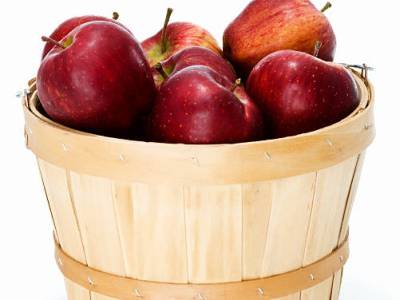
APPLE

Apples are rich in simple sugars like fructose, sucrose, and glucose, but their glycemic index (GI) is low, 29–44.

BANANA

Bananas are high in fiber and antioxidants and relatively low in calories; they moderate blood sugar levels and improve digestive and kidney health.

Posted in NUTRIENTS

PROTEIN

What does protein do?
Proteins are the main building blocks of your body. They’re used to make muscles, tendons, organs, and skin, as well as enzymes, hormones, neurotransmitters, and various molecules that serve many important functions.

How much do I need?
U.S. adults should typically consume around 50-175 grams of protein daily in a typical 2000 calorie diet. Older adults have significantly increased protein needs. Since there’s no evidence of harm and significant evidence of benefit, it’s likely better for most people to err on the side of consuming more protein rather than less.

Are supplements recommended?
Most people can get enough protein through a balanced, whole-food diet. Supplements are only necessary if you struggle to meet daily protein needs or have specific needs like high-intensity training recovery, or restricted diet.

What are some good plant food sources of protein?
PEANUTS, ALMONDS, LENTILS CHICKPEAS, QUINOA, BEANS WITH RICE

PLANT FOOD SOURCES OF PROTEINgrams of proteinserving
seitan301/2 cup
peanuts20.51/2 cup
almonds16.51/2 cup
tempeh151/2 cup
firm tofu101/2 cup
edamame8.51/2 cup
lentils (cooked)8.841/2 cup
edamame8.51/2 cup
chickpeas (cooked)7.251/2 cup
quinoa (cooked)41/2 cup
beans with rice3.51/2 cup
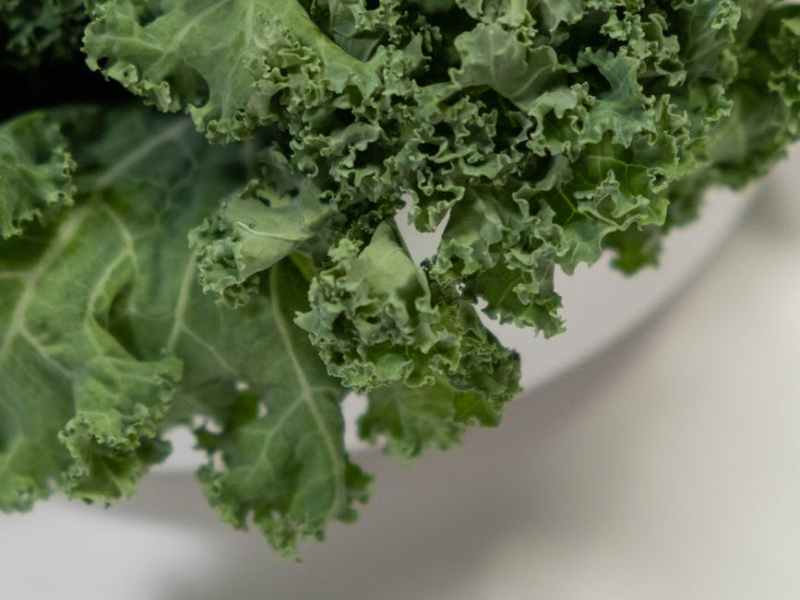
kale21/2 cup
potato (baked)81 large
Ezekiel bread41 slice
mushroom35 medium
hemp seeds5Tablespoon
spirulina4Tablespoon
chia seeds2Tablespoon
Source: Medical News Today

Protein-Rich Plant Foods

MUSHROOM

White mushrooms are rich in many bioactive compounds that may protect against cancer and heart disease, as well as help improve blood sugar control and gut health.

ALMOND

Almonds are rich in Vitamin E, magnesium, and manganese Almond is the edible seed of Prunus dulcis, a species of tree native to Iran but widely cultivated elsewhere. It is classified with the peach in the subgenus Amygdalus, distinguished from the other subgenera by corrugations on the shell surrounding the seed. Almonds are sold shelled…

LENTIL

Low in calories, high in protein, fiber, B Vitamins, iron, folate, magnesium, zinc, and potassium.

QUINOA

Quinoa’s gluten-free seeds are rich in protein, fiber, B vitamins, and minerals in amounts greater than in many grains.

KALE

A cup of cooked kale provides almost five times an adult’s daily need for vitamin K.

Posted in FEATURED, NUTRIENTS

COPPER

What does copper do?
Copper plays a role in making red blood cells and maintaining nerve cells and the immune system. Copper also helps the body form collagen and absorb iron, and plays a role in energy production.

How much do I need?
The recommended daily allowance (RDA) is around 900 micrograms a day for adolescents and adults. The upper limit for adults aged 19 years and above is 10 milligrams (mg) a day. An intake above this level could be toxic.

Are supplements recommended?
Most people do not need to take a copper supplement, as a balanced diet usually provides enough of this mineral, and excessive intake can cause toxicity. Supplements are generally recommended only if you have a diagnosed deficiency, which is rare, or specific conditions like celiac disease or high-zinc intake. Do not start a copper supplement without first consulting a healthcare professional to confirm a deficiency through blood tests. Both copper deficiency and copper toxicity are rare in the United States (U.S).

What are some good plant food sources of copper?
WHOLE GRAINS, BEANS, YEAST, DARK LEAFY GREENS, DRIED FRUITS, BLACK PEPPER, ALMONDS, POTATOES, COCOA, CASHEWS

Copper-Rich Plant Foods

SPINACH

Spinach (español: espinacas) is a leafy green flowering plant whose leaves are consumed cooked or raw. Spinach is a good source of VITAMIN C, IRON, POTASSIUM, VITAMIN E, and MAGNESIUM. The possible health benefits of consuming spinach include blood glucose control, lower risk of cancer, and improved bone health. As part of a nutritious diet, it can help support immune function,…

ALMOND

Almonds are rich in Vitamin E, magnesium, and manganese Almond is the edible seed of Prunus dulcis, a species of tree native to Iran but widely cultivated elsewhere. It is classified with the peach in the subgenus Amygdalus, distinguished from the other subgenera by corrugations on the shell surrounding the seed. Almonds are sold shelled…

CHOCOLATE

Cocoa appears to reduce risk factors for heart disease. Flavanols in cocoa beans have antioxidant effects that reduce cell damage. Flavanols — more prevalent in dark chocolate than in milk chocolate — may also help lower blood pressure and improve vascular function. In addition, some research has linked chocolate consumption to reduced risks of diabetes,…

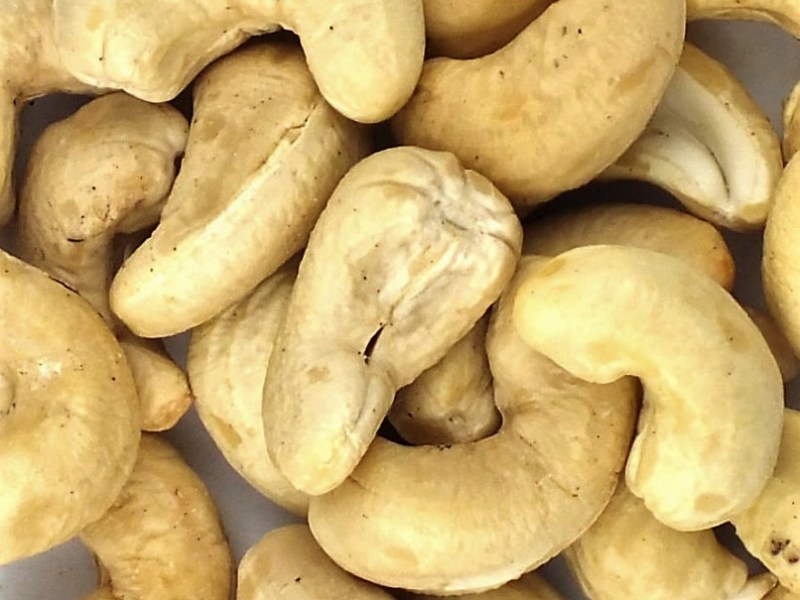
CASHEW

Cashews pack 67% of the daily copper requirement, needed to form red blood cells.

Posted in NUTRIENTS

POTASSIUM

What does potassium do?
Potassium is a mineral found in the foods you eat. It’s also an electrolyte. Electrolytes conduct electrical impulses throughout the body. They assist in a range of essential body functions, including blood pressure, normal water balance, muscle contractions, nerve impulses, digestion, heart rhythm, and pH balance (acidity and alkalinity).

How much do I need?
The FDA has set the daily value (DV) for potassium at 4700 mg.

Are supplements recommended?
Most people should not take potassium supplements without a doctor’s recommendation, as they are usually unnecessary and can be dangerous. Potassium is best obtained through a healthy, balanced diet rich in fruits and vegetables, High-dose potassium supplements can cause severe gastrointestinal issues and serious, even fatal, cardiac arrhythmias.

What are some good plant food sources of potassium?
BEET GREENS, LIMA BEANS, BAKED POTATO, YAM, ACORN SQUASH, SPINACH, PORTABELLA MUSHROOMS Certain types of cooking, such as boiling, can destroy the potassium in some foods so it is often better to steam, bake or stir-fry vegetables. Food processing reduces the amount of potassium in many foods and a diet high in processed foods and low in fresh fruits and vegetables is often lacking in potassium.

Plant food sources of potassiummg of potassium
1/2 cup beet greens, cooked655
1/2 cup lima beans, cooked485
1/2 medium baked potato with skin463
1/2 cup yam, cooked456
1/2 cup acorn squash, cooked448
1/2 cup spinach, cooked420
1/2 cup portabella mushrooms, cooked265
1/2 cup prune juice354
1/2 cup kiwi281
1/2 cup orange juice258
1/2 cup apricots201
1/2 ounce pistachios143
1/2 cup unsweetened coconut water198
Source: Dietary Guidelines for Americans

Potassium-Rich Plant Foods

SPINACH

Spinach (español: espinacas) is a leafy green flowering plant whose leaves are consumed cooked or raw. Spinach is a good source of VITAMIN C, IRON, POTASSIUM, VITAMIN E, and MAGNESIUM. The possible health benefits of consuming spinach include blood glucose control, lower risk of cancer, and improved bone health. As part of a nutritious diet, it can help support immune function,…

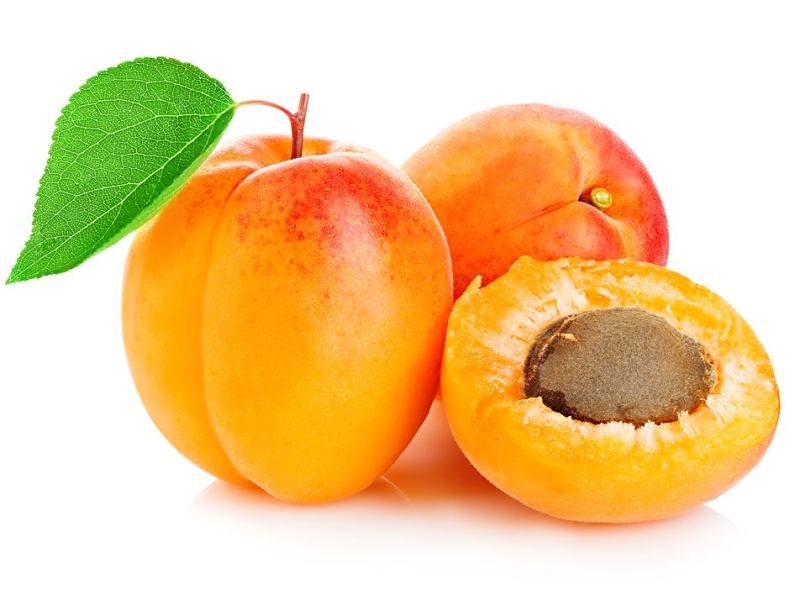
APRICOT

Apricots are extremely nutritious and have many health benefits, such as improved digestion and eye health.

KIWI

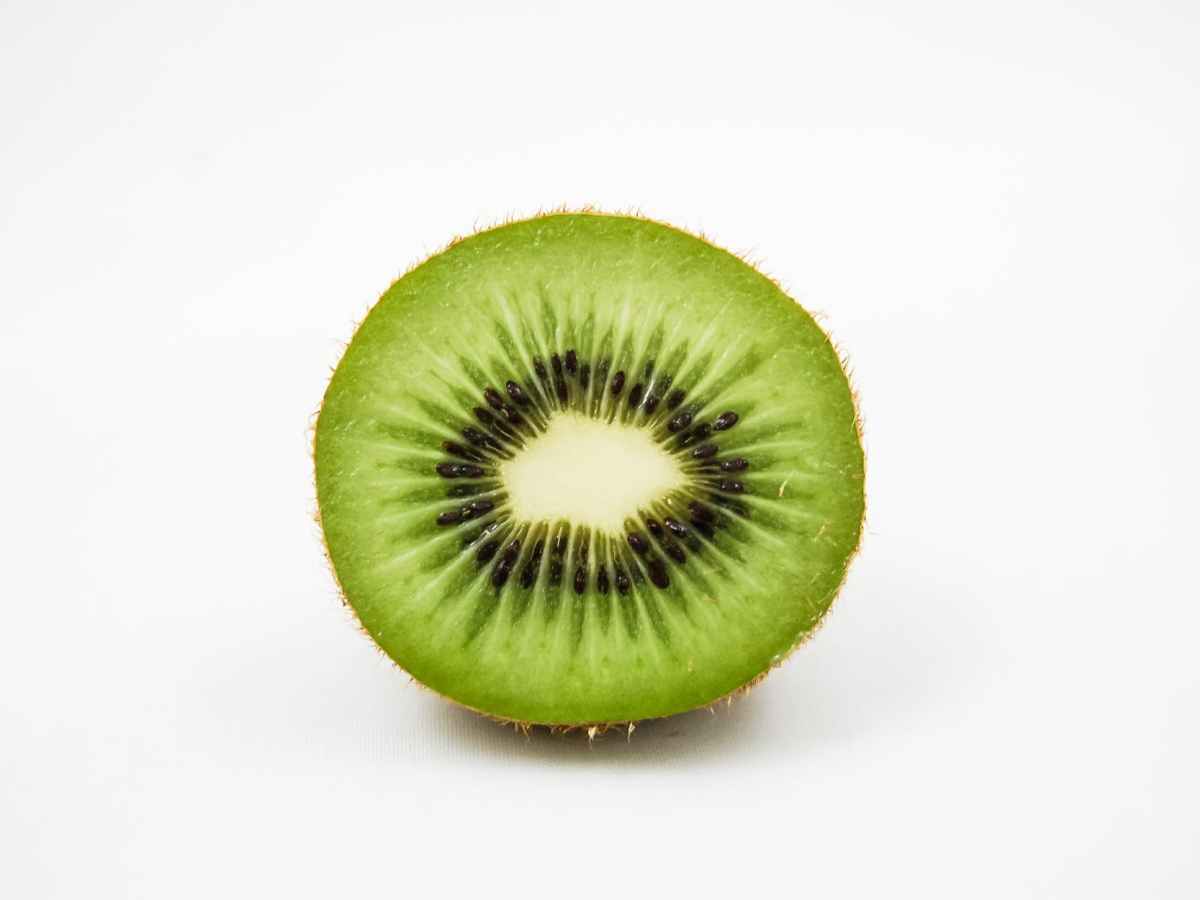
A 3.5-ounce kiwi provides more than 80% of the daily vitamin C requirement.

Posted in NUTRIENTS

CALCIUM

What does calcium do?
Calcium is needed to build and maintain strong bones.es. The heart, muscles and nerves also need calcium to function properly. Some studies suggest that calcium, along with vitamin D, protects against cancer, diabetes and high blood pressure.

How much do I need?
Adults need at least 1000 milligrams a day of calcium. For women over 50 and all adults over 70, the recommendation is 1200 milligrams.

Are supplements recommended?
Food is the best source of any nutrient, and some plant foods are rich in calcium. Include a variety of calcium-rich foods in your daily meals. Talk to your health care provider if you have doubts about whether you need a supplement in addition to the food sources.

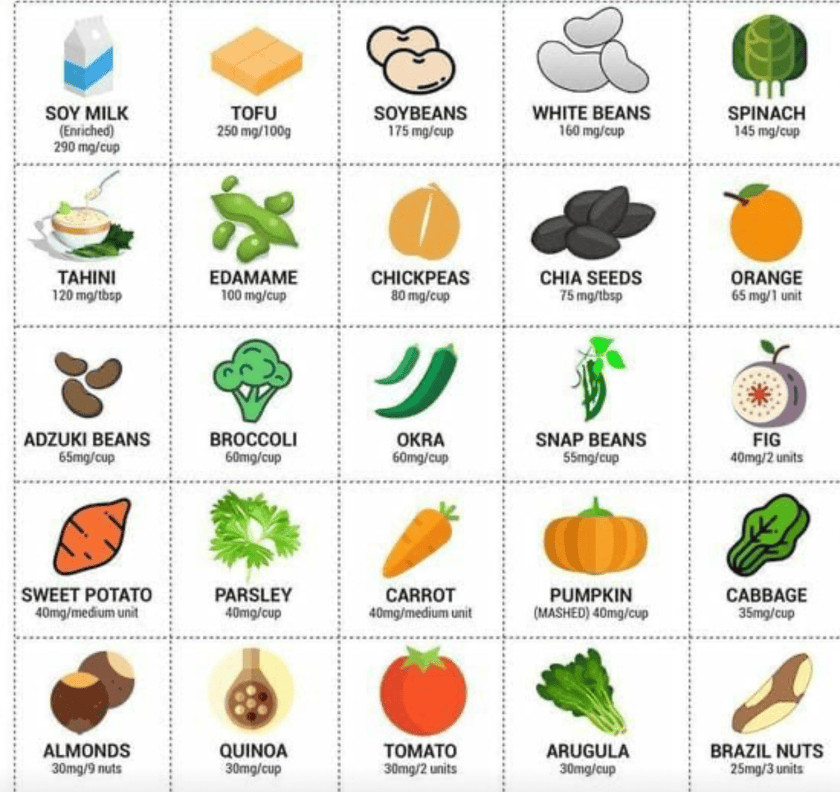
What are some good plant food sources of calcium? SOY MILK, TOFU, SOY BEANS, EDAMAME, CHICKPEAS, CHIA SEEDS, and BROCCOLI are good plant-based sources of calcium.

Sourcemilligrams of calcium
1 cup enriched soy milk290
100 g tofu250
1 cup soy beans175
1 cup white beans160
1 cup spinach145
1 Tbsp tahini120
1 cup edamame100
1 cup chickpeas80
1 Tbsp chia seeds75
1 orange65
1 cup red mung beans65
1 cup broccoli60
1 cup okra60
1 cup snap beans65