New Posts

Posted in PLANT FOOD FACTS

HIBISCUS (Flor de Jamaica)

Hibiscus is a good source of vitamins B1, C, and iron.

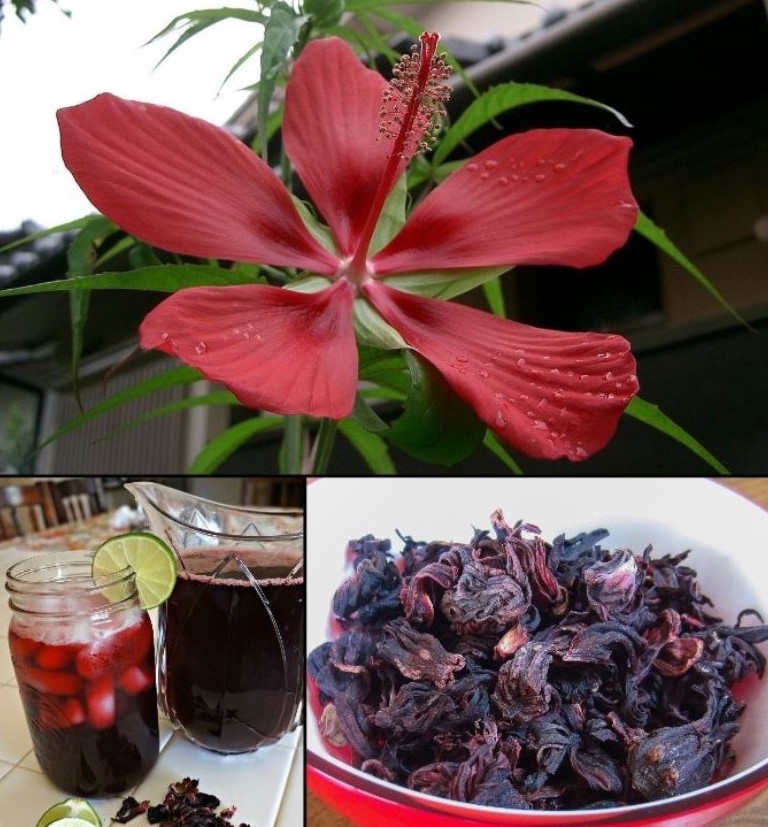
Hibiscus has many health benefits and even medicinal uses. Egyptians used hibiscus tea to lower body temperature, treat heart and nerve diseases, and as a diuretic. Today, hibiscus is popular for its potential to reduce high blood pressure.

In Mexico I learned to love agua de jamaica, a delicious beverage that is pleasantly tart, usually sweetened and served cold. Agua de jamaica is made from dried hibiscus flowers and that after they are boiled and strained, the flowers can be used as a meat substitute in tacos and other dishes!

1 serving (100 g) of hibiscus tea
CALORIES37
CARBOHYDRATES7.41 g
FAT0.65 g
FIBER0.3 g
OMEGA-318 mg
OMEGA-618 mg
PROTEIN1 g
THIAMINE85% DV
IRON48% DV
VITAMIN C31% DV
VITAMIN A6% DV
RIBOFLAVIN6% DV
COPPER4% DV
ZINC1% DV
SOURCE: DOCTORS HEALTH PRESS
Posted in PLANT FOOD FACTS

CHIA SEED

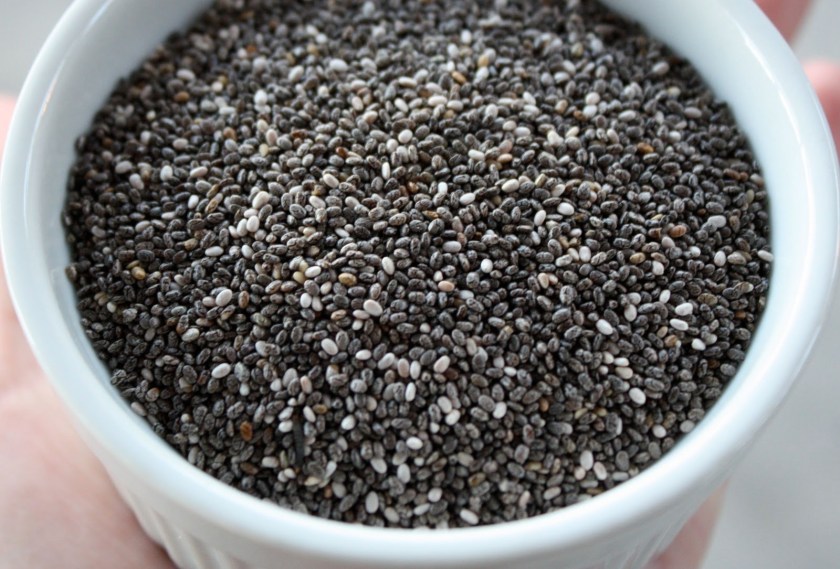
Chia seeds are rich in calcium, phosphorous, and other minerals. They may be added to other foods as a topping or put into smoothies, breakfast cereals, tortillas, and bread. The gel from ground seeds may be used to replace the egg content in cakes and is a common substitute in vegan baking.

Salvia hispanica, commonly known as chia (español: chia), is a species of flowering plant in the mint family, native to central and southern Mexico and Guatemala. It is considered a pseudocereal, cultivated for its edible, seed. The word “chia” is derived from the Nahuatl word chian, meaning oily.

Recipe: Chia and Fruit Jam

1 ounce or 28 grams of chia seed provides%DV
CALCIUM18%
FAT9 G
FIBER11 G
MAGNESIUM30%
MANGANESE30%
OMEGA-35 G
PHOSPHOROUS27%
PROTEIN4 G
SOURCE: HEALTHHLINE

Posted in PLANT FOOD FACTS

CURCUMIN / TURMERIC

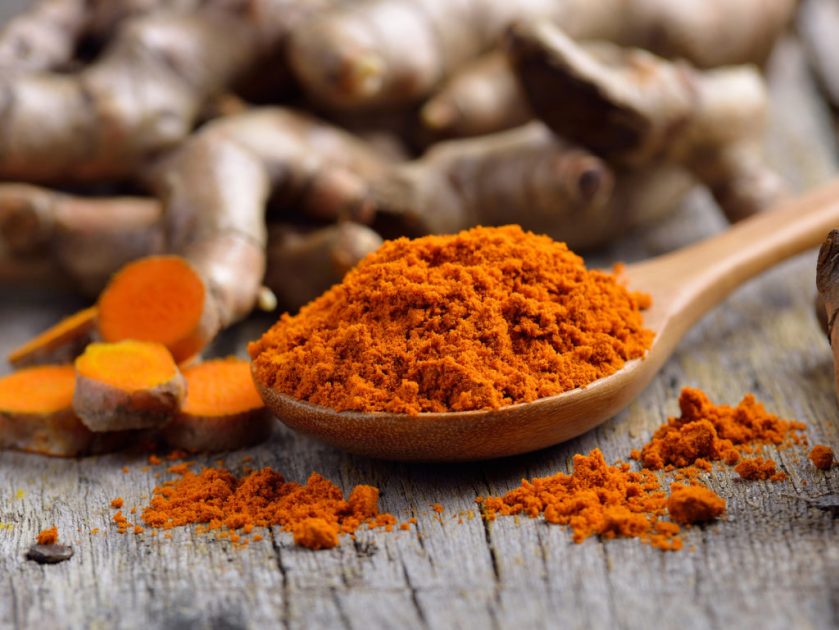
Curcumin is a component of Turmeric.

Curcumin is a bright yellow chemical produced by curcuma longa plants. It is the principal curcuminoid of turmeric, a member of the ginger family. There is some confusion in the two names because curcumin is a component of turmeric. Turmeric is better for some conditions, while curcumin alone is better for others. Turmeric, commonly used in Asian food, is the main spice in curry. Turmeric or curcumin is recommended for pain and inflammation, such as that associated with osteoarthritis. It is also used for hay fever, depression, high cholesterol, a liver disease, and itching. Some people use turmeric for heartburn, thinking and memory skills, inflammatory bowel disease, stress, and many other conditions, but there no good scientific evidence to support these uses.

WARNING: In small amounts, turmeric has few reported side effects, though there have been reports of nausea, dizziness or diarrhea. You should consult a health professional if you are taking therapeutic amounts of turmeric or curcumin.

Sources: Wikipedia / WebMD / healthline / Today

Posted in PLANT FOOD FACTS

AGAR-AGAR

Agar is used as a laxative, an appetite suppressant, a gelatin substitute, a thickener for soups, in fruit preserves, ice cream, and other desserts, and as a clarifying agent in brewing.

Agar or agar-agar (español: agar) is a jelly-like substance, obtained from red algae. It is used as a plant-based substitute for animal-derived gelatin. Agar has been used as an ingredient in desserts throughout Asia.

Source: Wikipedia