Even in small amounts, cloves are a good source of manganese.
Cloves are the flower buds of the clove tree, an evergreen also known as Syzygium aromaticum. Found in both whole and ground forms. Cloves are best known as a sweet and aromatic spice in baked goods and in Indian cuisine. Even in small amounts, they are a good source of manganese. Animal studies have found that the compounds in cloves may support liver health and help stabilize blood sugar levels. However, for medicinal purposes, cloves are used in larger amounts, which can cause undesirable side effects. You should consult a medical professional before using cloves in large doses.
You can use any kind of cinnamon in small amounts for cooking, but for therapeutic use, consult a health provider and use Ceylon cinnamon from a reliable source.
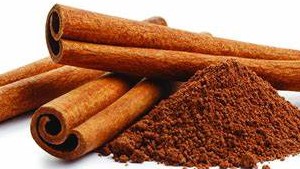
Cinnamon is obtained from the inner bark of several tree species from the genus Cinnamomum. Cinnamon is used mainly as an aromatic condiment and flavouring additive in a wide variety of foods. The aroma and flavour of cinnamon derive from its essential oil and principal component, cinnamaldehyde.
Cinnamon is not only delicious, it has many reported health benefits. However, if you are using cinnamon for medicinal purposes, it should be Ceylon cinnamon, not Cassia, which is the common variety sold in grocery stores. Cassia cinnamon in large doses may have detrimental effects on health.
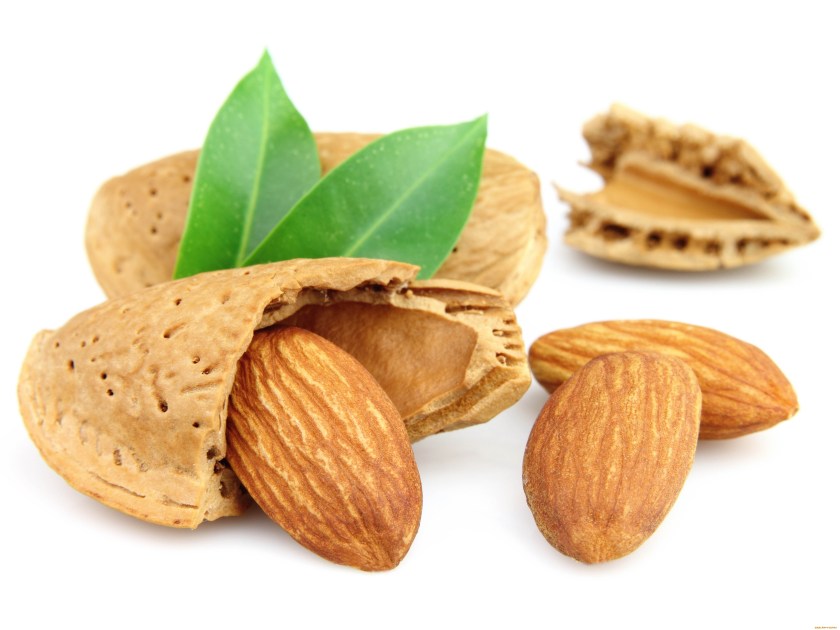
Almond is the edible seed of Prunus dulcis, a species of tree native to Iran but widely cultivated elsewhere. It is classified with the peach in the subgenus Amygdalus, distinguished from the other subgenera by corrugations on the shell surrounding the seed. Almonds are sold shelled or unshelled. Blanched almonds are shelled almonds that have been treated with hot water to soften the seedcoat, which is then removed to reveal the white embryo.
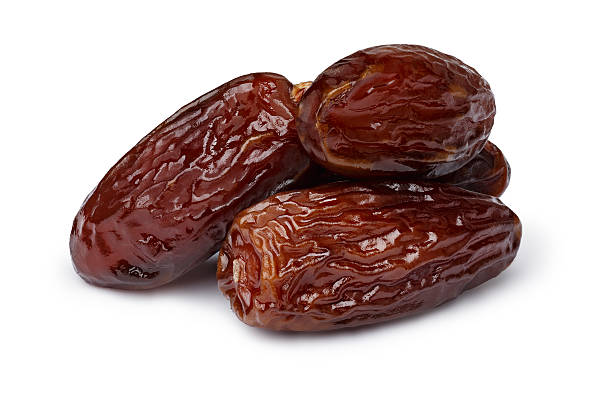
Dates (español: dátiles) are an ancient food, mentioned 50 times in the Bible and 20 times in the Qu’aran. They have been a staple food of the Middle East and the Indus Valley for thousands of years. There is archaeological evidence of date cultivation in Arabia from the 6th millennium BCE, and fossil records show that the date palm has existed for at least 50 million years. Although they are high in calories, they are an excellent substitute for the empty calories of refined sugar because of their nutritional benefits. Deglet Noor dates are the most common variety seen in the West, but Medjool dates, which are sweeter and softer, are frequently recommended in recipes. They are more expensive and may be harder to find. They are similar in nutritional content.
Nutrition: 3.5 oz (100 g) dried pitted dates
calories 277 carbohydrates 75 g copper 18% RDI fiber 7 g iron 5% DV magnesium 14% RDI manganese 15% RDI potassium 20% RDI protein 2 g vitamin B6 12% RDI
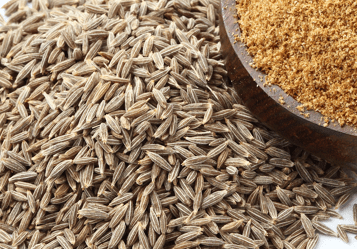
Cumin (español: comino) is a flowering plant in the family Apiaceae, native to a territory that stretches from the Middle East to India. Its seeds, which are contained within a fruit are dried and used whole or ground in the cuisines of many cultures. Cumin has a high content of nutrients such as iron (512% of the Daily Value in 100 g), thiamine, magnesium, and manganese, but it is used in tiny quntities (less than 1/2 teaspoon in a typical recipe). Although cumin is thought to have uses in traditional medicine, there is no high-quality evidence that it is safe or effective as a therapeutic agent. It is, however, indispensable in many Mexican dishes and other international cuisines.
Hominy, or nixtamal is produced from dried maize (corn) treated with an alkali in a process called nixtamalization. Hominy is also a favorite in the southern United States, often served in the ground-up version known as hominy grits.
Tortillas (and all their variations–enchiladas, gorditas, tostadas and sopes to name a few) tamales, and atole, a thick drink, are made from nixtamal masa (dough). Pozole features the nixtamal grains.
Cherries contain antioxidants, phytochemicals, vitamins, nutrients, and fiber.
Cherry (español: cereza) is the fruit of many plants of the genus Prunus, and is a fleshy drupe (stone fruit). Commercial cherries are obtained from cultivars of several species, such as the sweet Prunus avium and the sour Prunus cerasus. Cherries contain antioxidants, phytochemicals, vitamins, nutrients, and fiber. These support a healthy system and may reduce the risk of certain types of cancers.
Phytochemicals protect against certain enzymes that can lead to inflammation. This can help reduce arthritis pain. Cherries are a good source of vitamin C and potassium. Potassium can reduce the risk of hypertension and stroke, and cherries have more per serving than strawberries or apples. Compared to sweet cherries, raw sour cherries contain 50% more vitamin C per 100 g (12% DV) and about 20 times more vitamin A (8% DV). Recipe for Cherry Jam
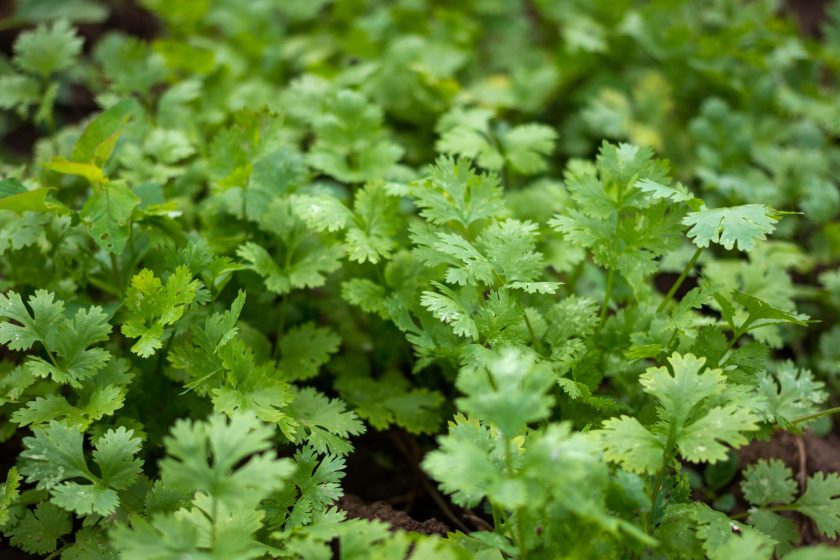
Cilantro is especially rich in Vitamin K, which aids in healthy blood clotting.
Coriander (español: cilantro) (Coriandrum sativum), also known as Chinese parsley or cilantro, is related to parsley, carrots, and celery. All parts of the plant are edible, but the fresh leaves and the dried seeds are the parts most used in cooking. It may help lower blood sugar, fight infections, and promote heart, brain, skin, and digestive health. In the United States, Coriandrum sativum seeds are called coriander, while its leaves are called cilantro. Coriander seeds, extract, and oils may all help lower blood sugar. Animal studies suggest that coriander seeds reduce blood sugar by promoting enzyme activity that helps remove sugar from the blood. Coriander offers several antioxidants, which prevent cellular damage caused by free radicals. Some animal and test-tube studies suggest that coriander may lower heart disease risk factors, such as high blood pressure and LDL (bad) cholesterol levels. Many brain ailments, including Parkinson’s, Alzheimer’s, and multiple sclerosis, are associated with inflammation. Coriander contains antimicrobial compounds that may help fight certain infections and foodborneillnesses. Dodecenal, a compound in coriander, may fight bacteria like Salmonella, which can cause life-threatening food poisoning.
Cilantro can grow roots if the stems are placed in a glass of water. Once the roots are long enough, plant them in a pot. In a few weeks new sprigs will be starting, and in a few months you’ll have a full plant. How to grow plants with cuttings from the kitchen.
Nutrition: 3.5 oz cilantro (100 g)
calories 23 calcium 7% DV carbohydrates 3.67 g fat 0.52 g fiber 2.8 g folate 16% DV iron 14% DV magnesium 7% DV manganese 20% DV niacin 7% DV pantothenic acid 11% DV phosphorous 7% DV potassium 11% DV protein 2.13 g riboflavin 14% DV sodium 3% DV sugar 0.87 g thiamine 6% DV zinc 5% DV vitamin A 42% DV vitamin B6 11% DV vitamin C 33% DV vitamin E 17% DV vitamin K 295% DV
One cup of chayote provides 31% of daily folate requirements and 17% of Vitamin C.
Chayote (español: chayote) (Sechium edule) is a type of squash that belongs to the gourd family. Chayote is green and pear-shaped with a white inner flesh that is mild, sweet, juicy and crisp. The chayote plant is perennial and native to the tropics of the Western Hemisphere. Chayote is available year-round but its peak season is fall.
It is loaded with B vitamins, potassium and vitamin C. Chayote is rich in folate, a B vitamin essential to cell division and DNA formation. Extracts of chayote leaf, stem and seed have antimicrobial benefits against strains of bacteria, even some that are antibiotic-resistant.
A folate deficiency can lead to lack of energy, poor immune function and impaired digestion. Folate is especially important nutrient for pregnant women to prevent birth defects like spina bifida.
Nutrition: 1 cup chayote
calories 25 carbohydrates 6 g fat 0 g fiber 2.2 g folate 31% DV magnesium 4% DV manganese 12% DV niacin 3% DV potassium 5% DV protein 1.1 g sugar 2.2 g zinc 7% DV vitamin B6 5% DV vitamin C 17% DV vitamin K 7% DV
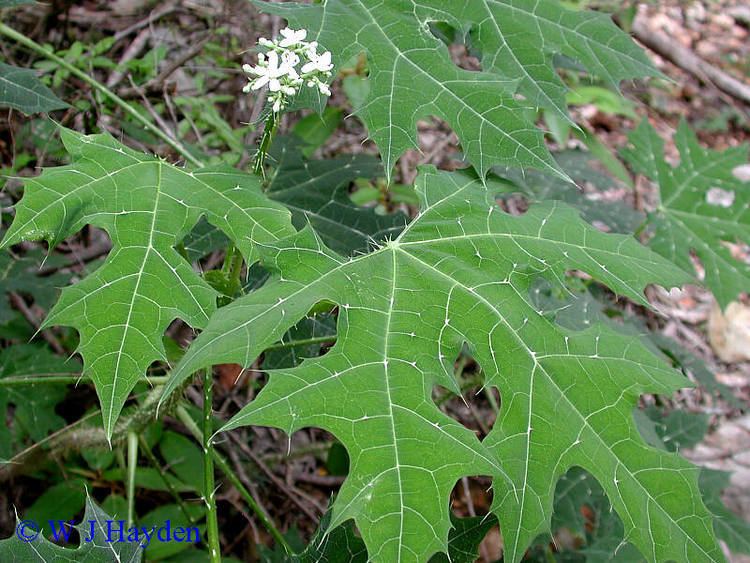
Chaya is recommended in folk medicine for diabetes, obesity, kidney stones, hemorrhoids, acne, and eye problems.
The scientific name of chaya (español: chaya) is cnidoscolus aconitifolius. It is known as Chaya or Mayan Tree Spinach. It is a large fast-growing perennial shrub that is believed to have originated on the Yucatan peninsula. Chaya can be cooked just like spinach, and is an excellent addition to a stir-fry. It is high in protein, vitamins, calcium, iron and antioxidants. In folk medicine, chaya is recommended for diabetes, obesity, kidney stones, hemorrhoids, acne, and eye problems. Chaya shoots and leaves serve as a laxative, diuretic, and circulation stimulant. They are used to improve digestion, to stimulate lactation, and to harden the fingernails. Like most food plants such aslimabeans, cassava, and many leafy vegetables, the leaves contain hydrocyanic glycosides, a toxic compound easily destroyed by cooking. Even though some people eat raw chaya leaves, it is risky to do so.
WARNING: Chaya leaves must be cooked; raw leaves are toxic
Chaya is believed to have these and other health benefits:
Improve blood circulation Aid digestion Improve vision Help lower cholesterol Help reduce weight Prevent coughs Increase calcium Deconges and disinfect lungs Prevent anemia Improve memory and brain function Combat arthritis Improve glucose metabolism and prevent diabetes.
Celery provides 37% of the daily requirement of Vitamin K, which plays a role in blood clotting, bone metabolism, and regulating blood calcium levels.
Celery (español: apio) has the scientific name Apium graveolens. is a vegetable in the plant family called Apiaceae. Celery stalks are the best-known part of this plant, but the green leaves and seeds are edible and beneficial too. Celery seeds are known to help lower inflammation and fight bacterial infections. Celery is high in antioxidants, beneficial enzymes, fiber, vitamins, minerals, flavonoids and polyphenols. Celery supports liver, skin, eye and digestive health. Parts of this vegetable were administered in folk medicine as natural anti-hypertensive agents. Recent pharmacological studies have demonstrated antioxidant and anti-inflammatory activities. Celery acts as a natural detox tonic that may prevent sickness because of its hydrating qualities and high nutritional content.
Nutrition Facts: 1 cup chopped raw celery (100 g)
calories 16.2 carbohydrates 3.5 g calcium 4% DV fat 0.2 g fiber 1.6 g folate 9% DV magnesium 3% DV manganese 5% DV potassium 8% DV protein 0.7 g riboflavin 3% DV vitamin A 9% DV vitamin B6 4% DV vitamin C 5% DV vitamin K 37% DV
Cashews pack 67% of the daily copper requirement, needed to form red blood cells.
Cashews (español: marañón) are commonly referred to as nuts, but they are really seeds, native to Brazil but grown in many other warm climates nowadays. They are rich in nutrients and are reported to help with weight loss, blood sugar control, and a healthy heart.
Nutrition: 1 ounce (28 g) raw unsalted cashews
calories 157 carbohydrates 9 g copper 67% DV fat 12 g fiber 1 g iron 11% DV magnesium 20% DV manganese 20% DV phosphorous 13% DV protein 5 g selenium 10% DV thiamine 10% DV zinc 15% DV vitamin B6 7% DV vitamin K 8% DV
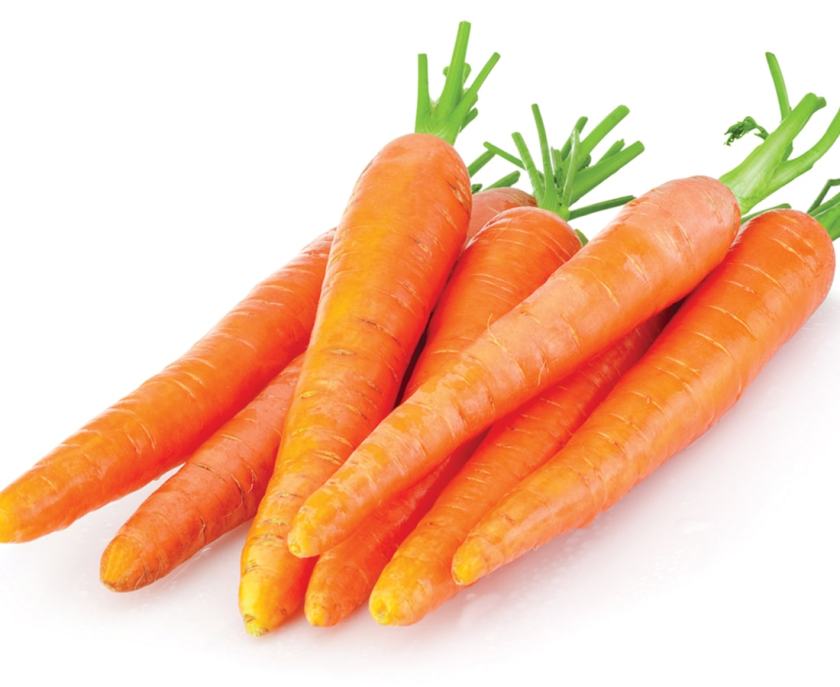
Carrots get their bright orange color from beta carotene, an antioxidant that your body converts into vitamin A.
The carrot (español: zanahoria) is an humble root vegetable favored by Bugs Bunny and generations of parents. You can eat carrots raw or cooked. They are weight-loss-friendly and have been linked to lower cholesterol levels and improved eye health. Carotene antioxidants have been linked to a reduced risk of cancer.
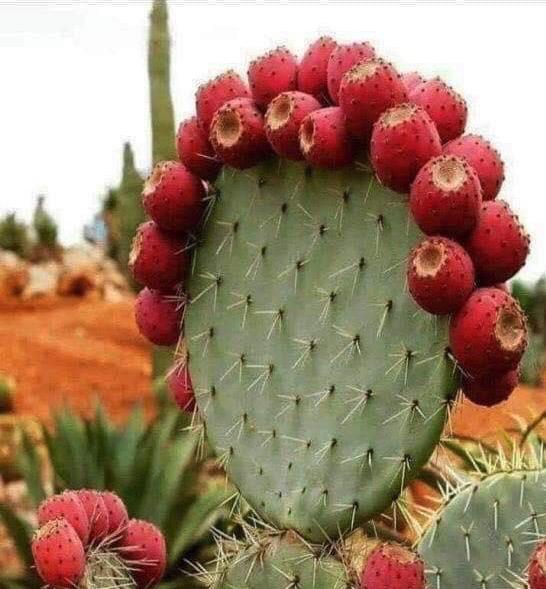
The nopal is known for high antioxidant, vitamin, and mineral content.
The nopal cactus, native to Mexico, is commonly known in English as the prickly pear cactus (español: nopal ).
Nopales are the pads of the nopal cactus. Sauteed nopales can be added to many dishes, such as salads, quesadillas or scrambled eggs. The sweet and colorful prickly pears, called tunas in Spanish, are delicious just as they are. Just peel and eat. The prickly pear fruit contains the flavonoids kaempferol and quercetin, which are antioxidant and anti-inflammatory.
Cabbage is low in calories and rich in Vitamins K and C
Cabbage is a leafy green, red (purple), or white (pale green) biennialplant grown as an annual vegetable crop for its dense-leaved heads. It is closely related to broccoli and cauliflower; Brussels sprouts; and Savoy cabbage. Cabbage can be eaten raw, steamed, or pickled, as in sauerkraut or kimchi.
Apples have a low glycemic index (GI), 29–44, but they are rich in simple sugars like fructose, sucrose, and glucose,
An apple (español: manzana) is a sweet, edible fruit produced by an apple tree (Malus domestica). Apple trees, which originated in Central Asia. They are cultivated worldwide. Its wild ancestor, Malus sieversii, is still found today. There are more than 7,500 known cultivars of apples, resulting in a range of desired characteristics. Trees and fruit are prone to a number of fungal, bacterial and pest problems, which can be controlled by organic and non-organic means. In 2010, the fruit’s genome was sequenced as part of research on disease control and selective breeding in apple production.
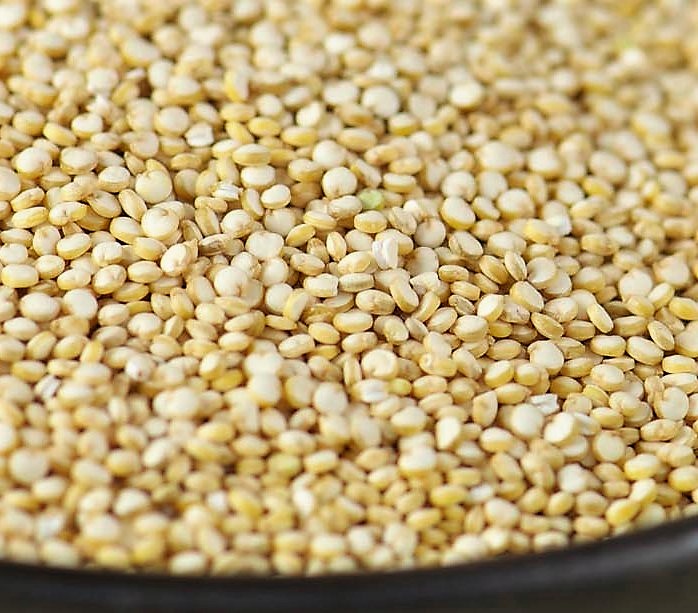
Quinoa’s gluten-free seeds are rich in protein, fiber, B vitamins, and minerals in amounts greater than in many grains.
Quinoa (/ˈkiːnwɑː/ from Quechua kinwa or kinuwa) Chenopodium quinoa is a pseudocereal, a flowering plant related to spinach and amaranth. It originated in the Andean region of northwestern South America and was first eaten by human beings in the regions known today as Peru and Bolivia around three thousand years ago. The United Nations declared 2013 The International Year of Quinoa because of its nutrient value and potential to contribute to food security worldwide. Quinoa can be sprinkled on salads, added to soups and stir fries, eaten alone or combined with oatmeal and other grains as a cereal. Recipe for Fluffy Quinoa.
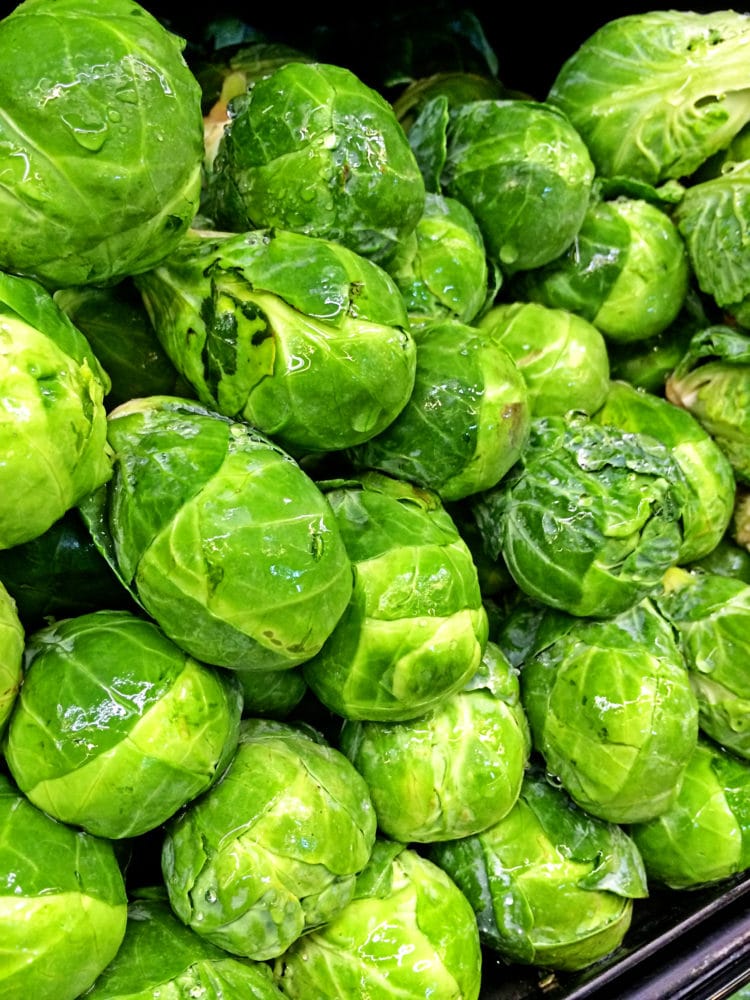
Brussels sprouts are low in calories but high in many nutrients, especially fiber, vitamin K and vitamin C.
The brussels sprout (español: coles de bruselas) is a member of the Gemmifera Group of cabbages (Brassica oleracea), grown for its edible buds. The leaf vegetables are typically half and inch to one-and-a-half inches in diameter and look like miniature cabbages. They have long been popular in Brussels, Belgium, and may have gained their name there. They contain kaempferol, an antioxidant that may reduce cancer growth, decrease inflammation and promote heart health. Because of their high fiber content, they promote regularity, support digestive health and reduce the risk of heart disease and diabetes. They are very high in Vitamin K, which is important for blood clotting and bone metabolism. The fiber and antioxidants in Brussels sprouts may help keep your blood sugar levels stable. They are a good source of ALA omega-3 fatty acids, which can reduce inflammation, insulin resistance, cognitive decline and blood triglycerides. Brussels sprouts can be roasted, boiled, sautéed or baked. They are a good addition to pasta or stir-fries. Recipe: Brussels Sprouts in Balsamic Dijon Sauce.
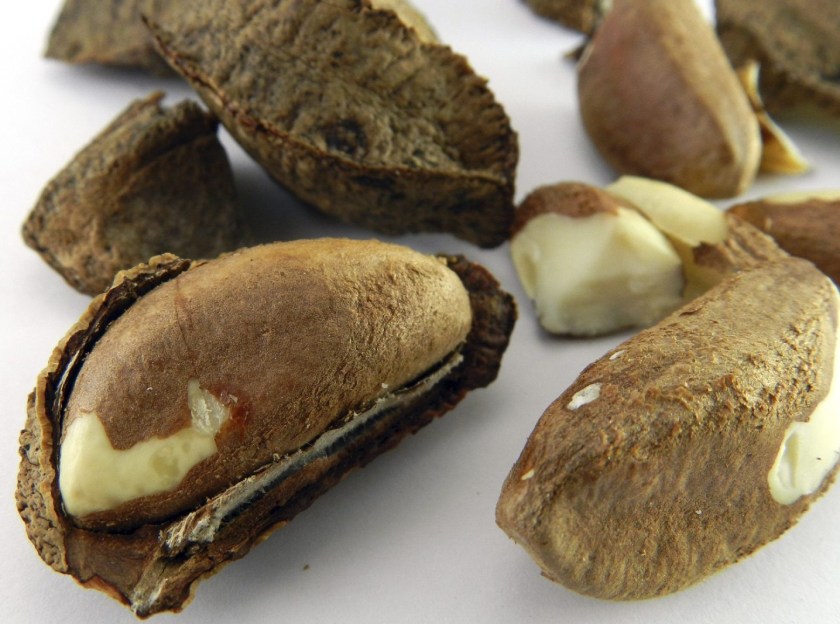
Brazil nuts are rich in healthy fats, selenium, magnesium, copper, phosphorus, manganese, thiamine, and vitamin E.
Brazil nut (Bertholletia excelsa) (español: nuez de Brasil) is a South American tree in the family Lecythidaceae. Among the claims for Brazil nuts are that they may support thyroid, heart, and brain function, and reduce inflammation.
WARNING: Individual intake should be limited to one to three a day because excessive amounts of selenium have been linked to increased risk of diabetes and prostate cancer.
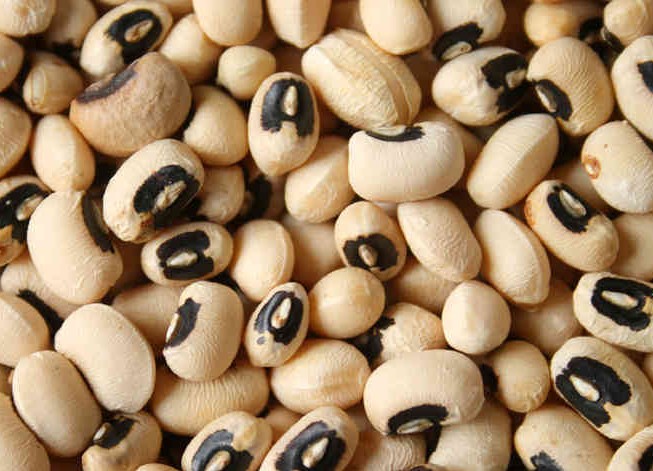
Black-eyed peas are rich in fiber, iron, folate, potassium and Vitamin A.
The black-eyed pea (español: guisante de ojo negro) (Vigna unguiculata), also called black-eyed bean, cowpea or southern pea, is an annual plant from the pea family (Fabaceae) and is grown for its edible legumes. Black-eyed peas get their name from their appearance. They’re cream-colored with a little black speck that resembles an eye. Although their name would make you think they’re a type of pea, black-eyed peas are actually beans.
Black-eyed peas have high levels of dietary fiber, which helps to promote regular bowel movements and improve digestive health. They are high in iron and in folate, a B vitamin needed to make normal red blood cells. Low levels of folate can cause anemia. Black-eyed peas are rich in potassium, a mineral that helps keep your blood pressure levels at healthy numbers and lowers your risk of heart disease. They are surprisingly high in vitamin A, with more than one-fourth of your daily vitamin A needs in one cup. Vitamin A helps maintain healthy skin and mucus membranes, and it produces the pigments in the retina of the eye. They are a great addition to stews, soups, curries and salads. They can also be a perfect side dish, or they can be mashed into a dip.








 Fruit & Stuff
You must be logged in to post a comment.