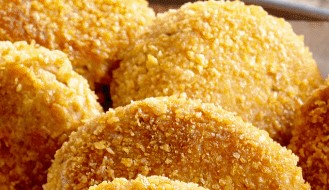
Delicious chickpea croquettes can be fried without oil in a non-stick skillet or baked at 400º F for 12-15 minutes.
PREPARATION
INGREDIENTS
PREP 15 min
1 c COOKED CHICKPEAS
COOK 10 min MEDIUM HEAT
1 tsp MEAT SEASONING
FOOD PROCESSOR / NON-STICK SKILLET
1 CLOVE GARLIC
SERVES 2
1/4 c ONION, COARSELY CHOPPED
1 Tbsp CHIA SEED, SOAKED 30 minutes in 1/2 c WATER
INSTRUCTIONS
1. Place CHICKPEAS, CHIA mixture, MEAT SEASONING, GARLIC, and ONION in food processor and mix until chickpeas have the desired consistency. (I like mine chopped coarsely to give the croquettes texture.)
2. Taste the mixture for salt and seasoning.
3. Stir in the CORN MEAL and shape the mixture into patties. Dip the patties into additional CORN MEAL before frying.
4. Place the patties into the preheated skillet and fry over medium heat. Turn until both sides are crisp and golden brown.
What does potassium do? Potassium is a mineral found in the foods you eat. It’s also an electrolyte. Electrolytes conduct electrical impulses throughout the body. They assist in a range of essential body functions, including blood pressure, normal water balance, muscle contractions, nerve impulses, digestion, heart rhythm, and pH balance (acidity and alkalinity).
How much do I need? The FDA has set the daily value (DV) for potassium at 4700 mg.
Are supplements recommended? Most people should not take potassium supplements without a doctor’s recommendation, as they are usually unnecessary and can be dangerous. Potassium is best obtained through a healthy, balanced diet rich in fruits and vegetables, High-dose potassium supplements can cause severe gastrointestinal issues and serious, even fatal, cardiac arrhythmias.
What are some good plant food sources of potassium? BEET GREENS, LIMA BEANS, BAKED POTATO, YAM, ACORN SQUASH, SPINACH, PORTABELLA MUSHROOMS Certain types of cooking, such as boiling, can destroy the potassium in some foods so it is often better to steam, bake or stir-fry vegetables. Food processing reduces the amount of potassium in many foods and a diet high in processed foods and low in fresh fruits and vegetables is often lacking in potassium.
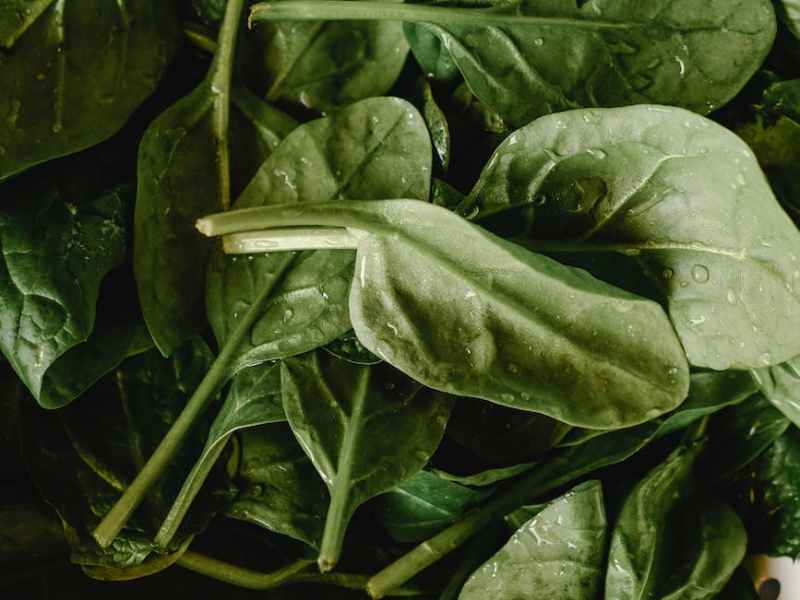
Spinach (español: espinacas) is a leafy green flowering plant whose leaves are consumed cooked or raw. Spinach is a good source of VITAMIN C, IRON, POTASSIUM, VITAMIN E, and MAGNESIUM. The possible health benefits of consuming spinach include blood glucose control, lower risk of cancer, and improved bone health. As part of a nutritious diet, it can help support immune function,…
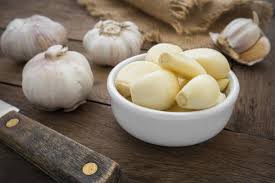
Garlic, which has been used as medicine as well as food flavoring, has been consumed for thousands of years
(Spanish: ajo) Garlic is a bulbous flowering plant in the genus Allium. Its close relatives include the onion, shallot, leek, chive, Welsh onion and Chinese onion. It is native to Central Asia and northeastern Iran and has long been a common seasoning all over the world. It has been consumed for several thousand years. It was known in ancient Egypt. It has been used as a traditional medicine as well as a food flavoring. It is a healthy and delicious addition to many dishes around the world. Its medicinal benefits for both cure and prevention require larger doses, which should be taken with the supervision and advice of a knowledgeable medical practitioner.
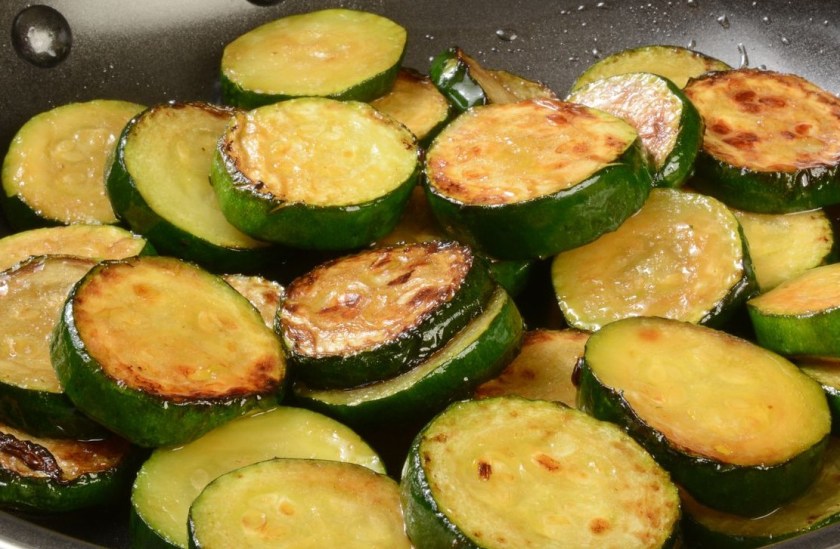
Zucchini is a tasty addition to any meal. Crushed fennel seeds, red onion, garlic, and balsamic vinegar add nutritional value and taste to this simple dish.
PREP 20 min
COOK 7 min
MEDIUM HEAT
SERVES 4
INGREDIENTS
2 MEDIUM ZUCCHINIS, THINLY SLICED
1 tsp FENNEL SEED, COARSELY CRUSHED
1/2 RED ONION, DICED
1 CLOVE GARLIC, PEELED
1 Tbsp WHITE BALSAMIC VINEGAR
1 Tbsp VEGETABLE BROTH
DIRECTIONS
Heat VEGETABLE BROTH in non-stick skillet. Add ONION and GARLIC. Saute lightly until onion is soft
Add FENNEL SEED and ZUCCHINIS. Cook for about 5 minutes, until zucchini has desired texture.
Stir in WHITE BALSAMIC VINEGAR and add SALT and FRESH-CRACKED PEPPER to taste.
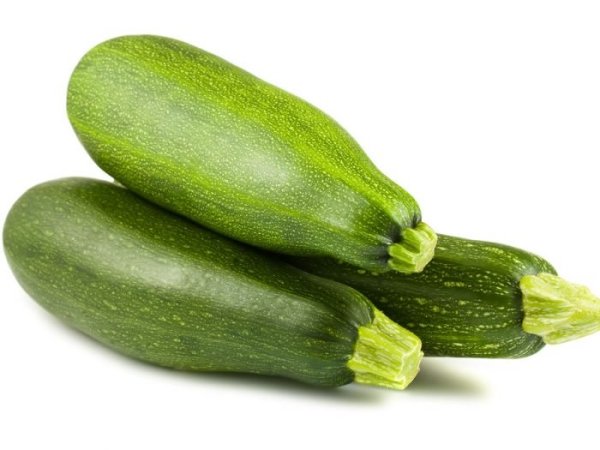
Zucchini contains a variety of vitamins, minerals, and antioxidants. Cooked zucchini is particularly high in vitamin A. It is rich in water and fiber, promoting healthy digestion. Zucchini’s fiber may increase insulin sensitivity and stabilize blood sugar levels, potentially reducing risk of type 2 diabetes. Zucchini may lower blood pressure, cholesterol, and other risk factors…
Garlic has been used as a traditional medicine as well as a food flavoring. It is a healthy and delicious addition to many dishes around the world. Its medicinal benefits for both cure and prevention require larger doses, which should be taken with the supervision and advice of a knowledgeable medical practitioner.
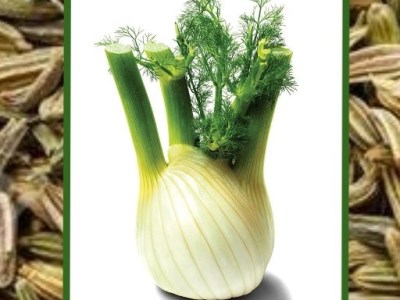
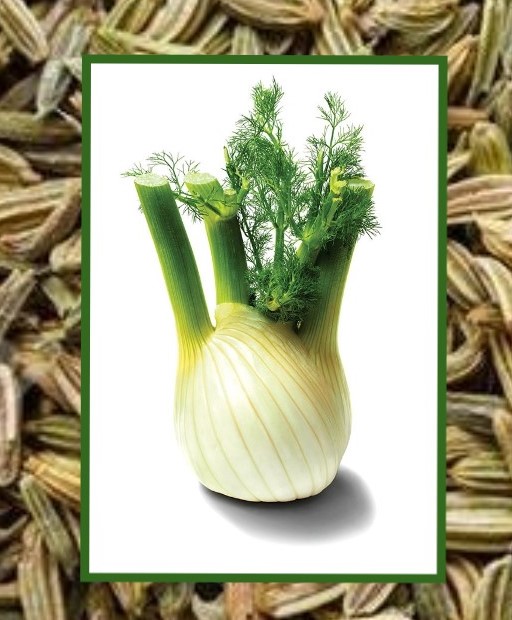
Fennel and fennel seeds provide antioxidant, anti-inflammatory, and antibacterial effects Zucchini Fennel Saute Recipe Fennel is a flavorful herb. The plants are green and white, with feathery leaves and yellow flowers. Both the crunchy bulb and the seeds of the fennel plant have a mild, licorice-like flavor. The flavor of the seeds is stronger because…
Fennel is a flavorful herb. The plants are green and white, with feathery leaves and yellow flowers. Both the crunchy bulb and the seeds of the fennel plant have a mild, licorice-like flavor. The flavor of the seeds is stronger because of their essential oils.
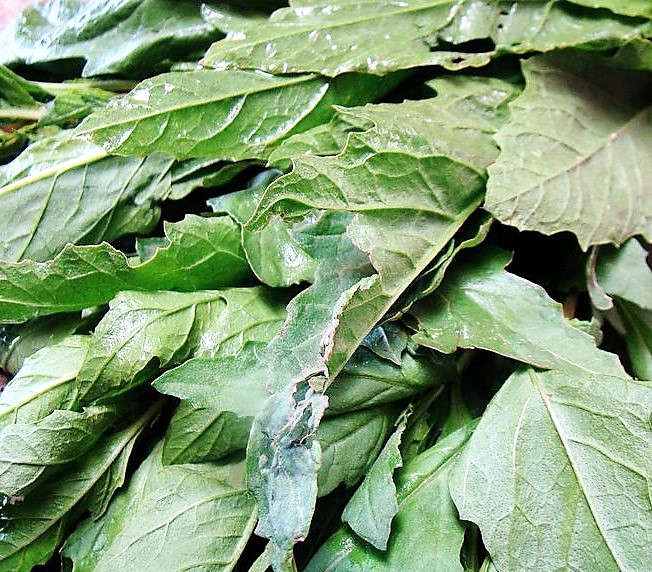
Epazote is rich in folates, calcium, copper, manganese, iron, and magnesium.
Epazote is a herb used in Mesoamerican cooking since long before the Spanish conquest. Its strong musky flavor is appealing, but it also has a number of nutritional and medicinal benefits. It should be used in small quantities and is not recommended for pregnant women and nursing mothers. It aids in digestion and contains anti-oxidants. It is often added to beans and corn dishes. It belongs to the Amaranthaceae family of herbs and vegetables, which includes amaranth, spinach, quinoa, and beets. The scientific name is Chenopodium ambrosioides. It is sometimes called wormseed or Mexican tea.
Endive is a good source of fiber and is rich in antioxidants and Vitamin K.
Endive (pronounced in-dive or ahn-deev) is a leafy vegetable in the chicory root family. It has a crisp, crunchy texture and a slightly bitter taste. It can be used raw or cooked. There are three main types:
Curly endive (Cichorium endivia var. crispum) has a bitter flavor and curly leaves. It is also known as frisée or chicory.
Belgian endive (Cichorium intybus var. foliosum Endive) has pale yellow leaves and is moderately bitter. Red endive, or radicchio, has more of a reddish hue.
Broad-leafed endive (Cichorium endivia var. latifolium) belongs to the same genus and species as curly endive, but it’s slightly less bitter than the other two varieties. It’s also sometimes referred to as escarole.
It contains 72 per cent of the RDI of vitamin K in a 1/2 cup serving. Vitamin K is important for bone health and bone metabolism, reducing the risk of fractures and bone loss.
Eggplants, also known as aubergines, belong to the nightshade family of plants and are used in many different dishes around the world. They are usually considered a vegetable but because they contain seeds and grow from a flowering plant, they are actually a fruit. There are many varieties. Eggplants with a deep purple skin are most common, but they can be red, green or even black.
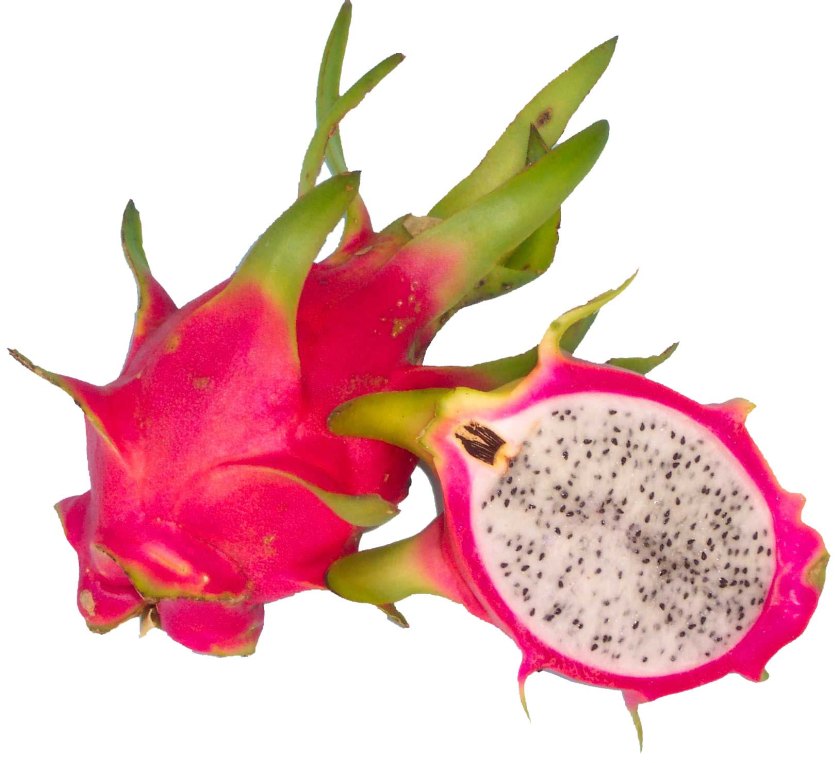
Dragon Fruit looks exotic, but its flavors are similar to other fruits, like kiwi and pear.
Dragon fruit, native to southern Mexico and Central America, grows on the Hylocereus cactus, whose flowers open only at night. The two most common types have bright red skin with green scales that resemble a dragon. The most widely available variety has white pulp with black seeds, though a less common type with red pulp and black seeds exists as well. Another variety — referred to as yellow dragon fruit — has yellow skin and white pulp with black seeds.
Even in small amounts, cloves are a good source of manganese.
Cloves are the flower buds of the clove tree, an evergreen also known as Syzygium aromaticum. Found in both whole and ground forms. Cloves are best known as a sweet and aromatic spice in baked goods and in Indian cuisine. Even in small amounts, they are a good source of manganese. Animal studies have found that the compounds in cloves may support liver health and help stabilize blood sugar levels. However, for medicinal purposes, cloves are used in larger amounts, which can cause undesirable side effects. You should consult a medical professional before using cloves in large doses.
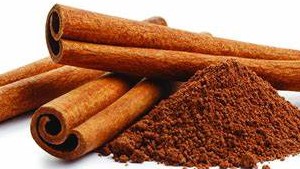
You can use any kind of cinnamon in small amounts for cooking, but for therapeutic use, consult a health provider and use Ceylon cinnamon from a reliable source.
Cinnamon is obtained from the inner bark of several tree species from the genus Cinnamomum. Cinnamon is used mainly as an aromatic condiment and flavouring additive in a wide variety of foods. The aroma and flavour of cinnamon derive from its essential oil and principal component, cinnamaldehyde.
Cinnamon is not only delicious, it has many reported health benefits. However, if you are using cinnamon for medicinal purposes, it should be Ceylon cinnamon, not Cassia, which is the common variety sold in grocery stores. Cassia cinnamon in large doses may have detrimental effects on health.
What does calcium do? Calcium is needed to build and maintain strong bones.es. The heart, muscles and nerves also need calcium to function properly. Some studies suggest that calcium, along with vitamin D, protects against cancer, diabetes and high blood pressure.
How much do I need? Adults need at least 1000 milligrams a day of calcium. For women over 50 and all adults over 70, the recommendation is 1200 milligrams.
Are supplements recommended? Food is the best source of any nutrient, and some plant foods are rich in calcium. Include a variety of calcium-rich foods in your daily meals. Talk to your health care provider if you have doubts about whether you need a supplement in addition to the food sources.
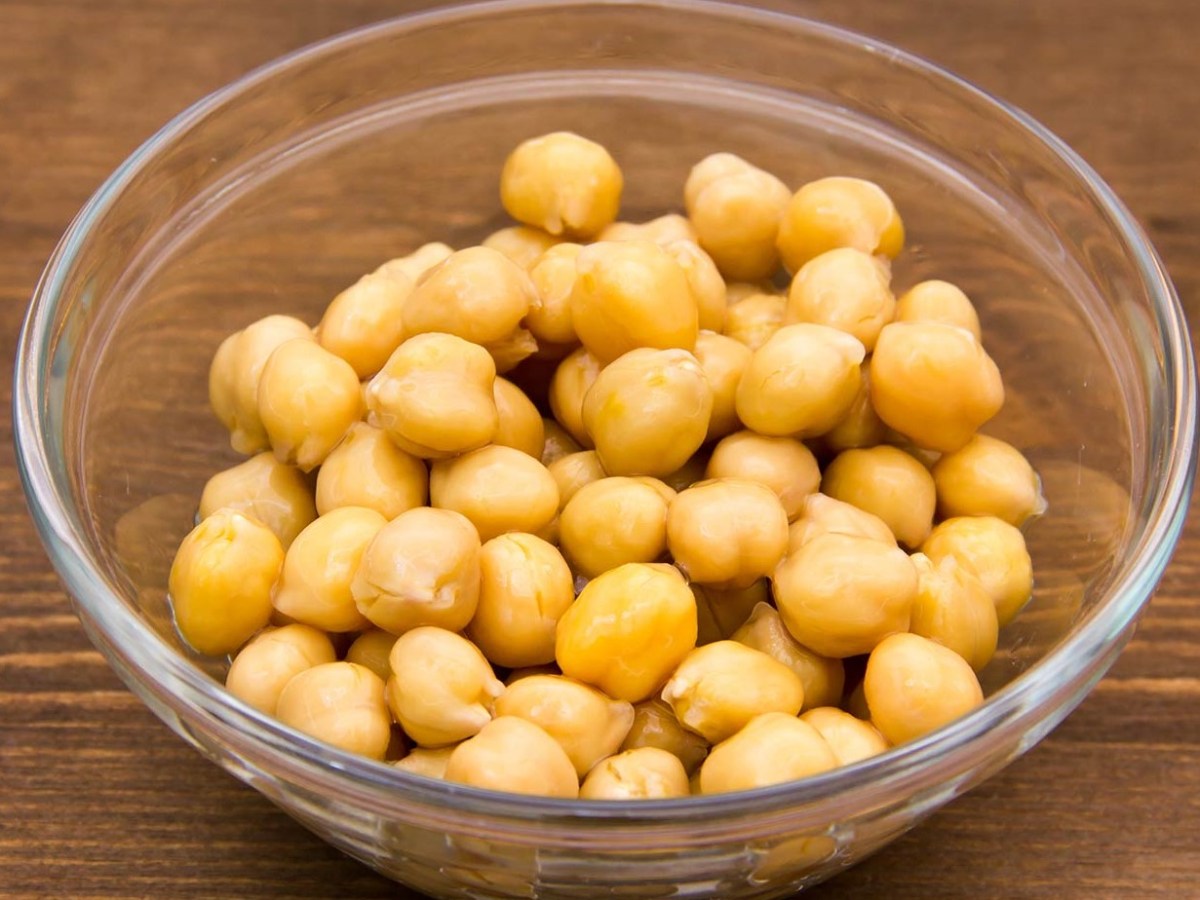
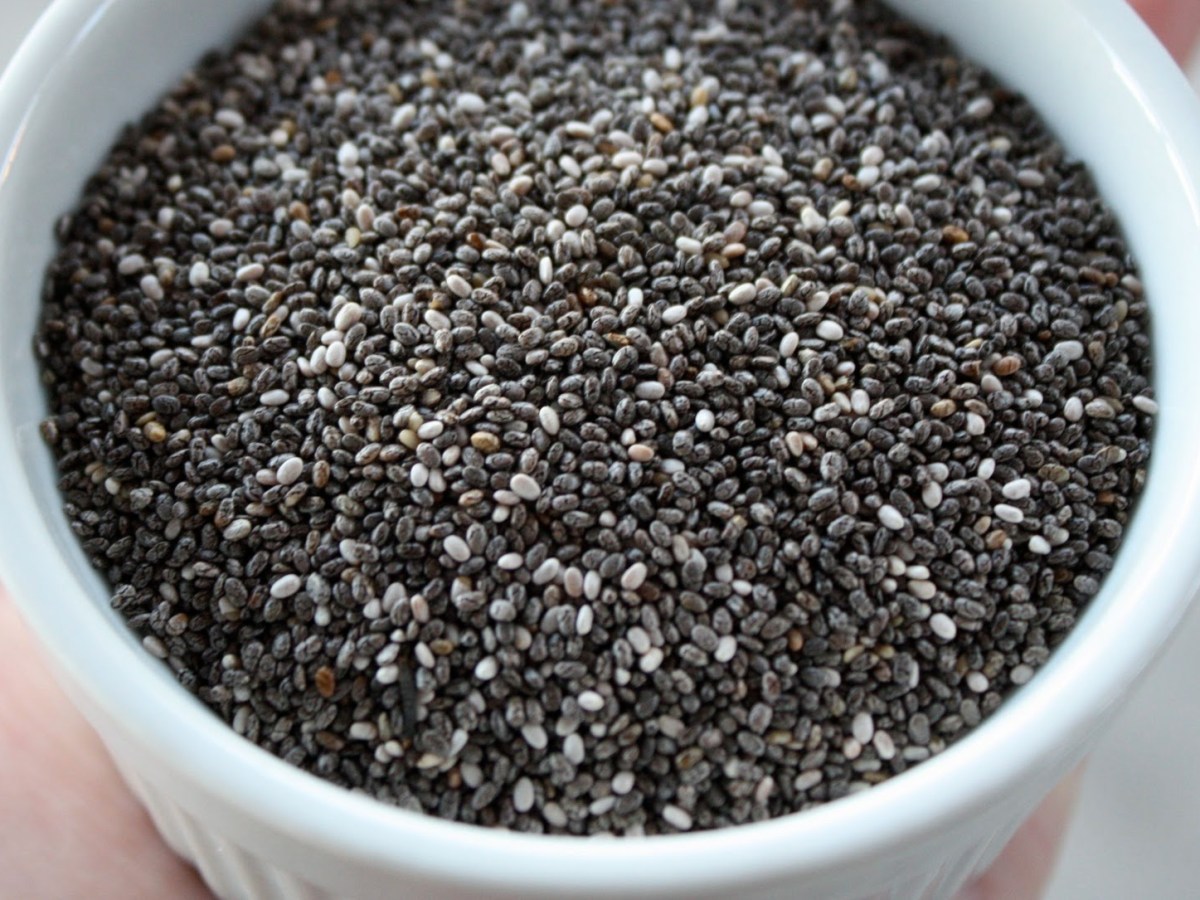
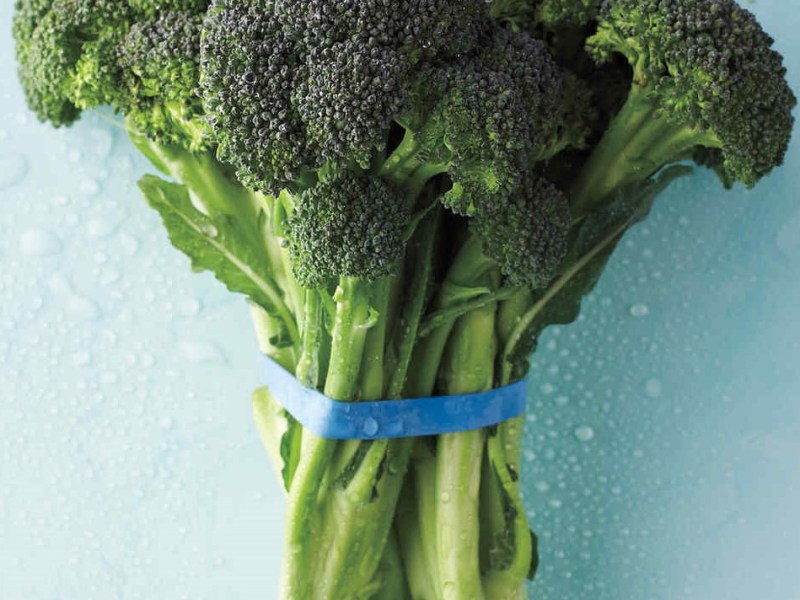
What are some good plant food sources of calcium?SOY MILK, TOFU, SOY BEANS, EDAMAME, CHICKPEAS, CHIA SEEDS, and BROCCOLI are good plant-based sources of calcium.
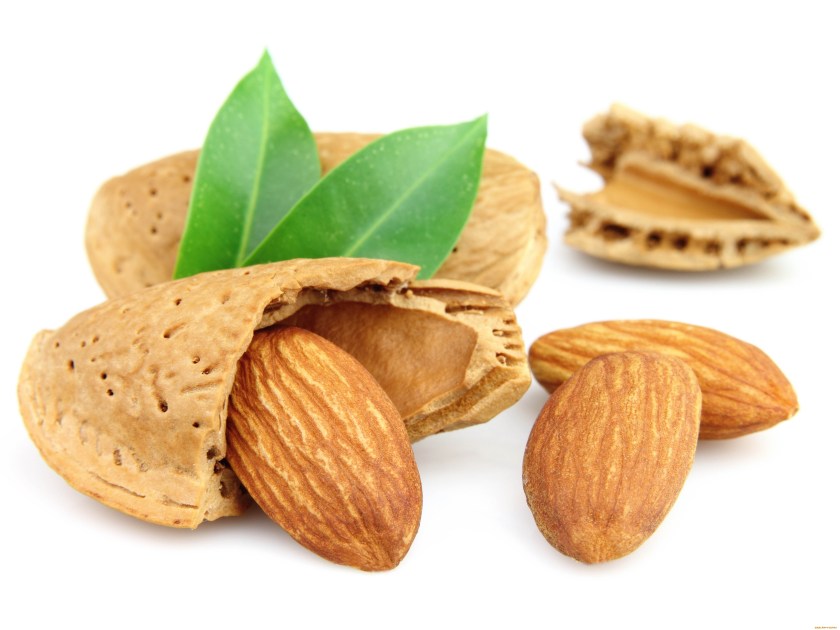
Almond is the edible seed of Prunus dulcis, a species of tree native to Iran but widely cultivated elsewhere. It is classified with the peach in the subgenus Amygdalus, distinguished from the other subgenera by corrugations on the shell surrounding the seed. Almonds are sold shelled or unshelled. Blanched almonds are shelled almonds that have been treated with hot water to soften the seedcoat, which is then removed to reveal the white embryo.
When I decided to look for ways to enjoy life without meat, I found myself in a world of strange ingredients, passionate opinions, and confusing factions. I didn’t know the difference between vegan and vegetarian, and I wondered if I could use nutritional yeast to make my bread rise. I had known for a long time that raw fruits and vegetables are more beneficial than cooked, but I was unaware that raw veganism is actually a thing. I believe it’s better to avoid processed foods, but I hadn’t heard of whole food plant based eating (wfpb) nor did I suspect that there were strong opinions about all kinds of non-animal but nevertheless forbidden (depending on which practice you follow) foods. It was insensitive of me, but I had not even considered the implications, contradictions, and possible immorality of wearing leather shoes while vegan. I keep my mind open to information that might result in better health outcomes, end cruelty to animals, and save the planet from climate disaster, but I don’t attach labels to myself or my choices, and I am the only person who decides what I may and may not eat. When it comes to food, informed common sense is my only rule. The benefits of going vegan may be cancelled by the stress of worrying whether some particular culinary fault disqualifies one from membership in a given community of orthodox meat abstainers. I am not a vegan. I am a person who chooses not to eat meat. I am attentive to facts and opinions that may have a significant effect on my health and the health of people I care about. Fruit and Stuff is where I collect, sort, and interpret confusing and contradictory information and opinions related to health, especially on life without meat and on becoming as healthy as I can from eating mostly fruit and stuff!
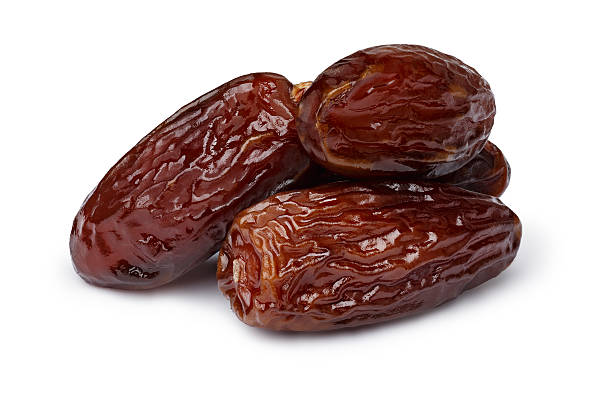
Dates (español: dátiles) are an ancient food, mentioned 50 times in the Bible and 20 times in the Qu’aran. They have been a staple food of the Middle East and the Indus Valley for thousands of years. There is archaeological evidence of date cultivation in Arabia from the 6th millennium BCE, and fossil records show that the date palm has existed for at least 50 million years. Although they are high in calories, they are an excellent substitute for the empty calories of refined sugar because of their nutritional benefits. Deglet Noor dates are the most common variety seen in the West, but Medjool dates, which are sweeter and softer, are frequently recommended in recipes. They are more expensive and may be harder to find. They are similar in nutritional content.
Nutrition: 3.5 oz (100 g) dried pitted dates
calories 277 carbohydrates 75 g copper 18% RDI fiber 7 g iron 5% DV magnesium 14% RDI manganese 15% RDI potassium 20% RDI protein 2 g vitamin B6 12% RDI
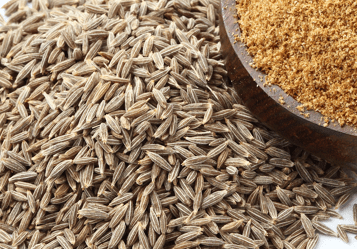
Cumin (español: comino) is a flowering plant in the family Apiaceae, native to a territory that stretches from the Middle East to India. Its seeds, which are contained within a fruit are dried and used whole or ground in the cuisines of many cultures. Cumin has a high content of nutrients such as iron (512% of the Daily Value in 100 g), thiamine, magnesium, and manganese, but it is used in tiny quntities (less than 1/2 teaspoon in a typical recipe). Although cumin is thought to have uses in traditional medicine, there is no high-quality evidence that it is safe or effective as a therapeutic agent. It is, however, indispensable in many Mexican dishes and other international cuisines.
Pour off the soaking water, rinse the beans, and add 2-3 cups of water
Cook the beans until tender with 2-3 slices of onion, 1 diced tomato 1 clove of minced garlic, a few sprigs of cilantro, and the ancho chile (remove the seeds); add salt to taste when they finish cooking
In a large pot, saute the other TOMATO, diced, with the rest of the onion, diced, and the GREEN CHILE, finely chopped with the seeds removed
Add the cooked BEAN mixture to the sauteed vegetables, stir well, and heat through; you can mash the beans lightly or serve them whole









 Fruit & Stuff
You must be logged in to post a comment.