New Posts

Posted in PLANT FOOD FACTS

Passion Fruit (Maracuyá) Facts

Passion fruit is rich in antioxidants and dietary fiber, which have been linked to a lower risk of conditions like heart disease and diabetes.

Passion fruit (español: maracuyá) is the fruit of the Passiflora vine. It has a tough outer rind and juicy center full of edible seeds. There are several types that vary in size and color. Purple and yellow varieties are the most commonly available ones, including Passiflora edulis, small round or oval-shaped fruits with purple skin, and Passiflora flavicarpa, round or oval with yellow skin and usually slightly larger than the purple variety.

Passion fruit is rich in antioxidants and dietary fiber. Diets high in these nutrients have been linked to a lower risk of conditions like heart disease and diabetes. Passion fruit is a good source of fiber, vitamin C, and vitamin A. It is also rich in beneficial plant compounds, including carotenoids and polyphenols. It has a small amount of iron, and even though the body doesn’t usually absorb iron from plants very well, passion fruit comes with a lot of vitamin C, which is known to enhance iron absorption.

Passion fruit allergy is rare, but some cases occur. People with a latex allergy are at greater risk.

1 small purple passion fruit contains
CALORIES17
FIBER2 g
IRON2% DV
POTASSIUM2% DV
VITAMIN A (RETINOL)8% DV
VITAMIN C9% DV
SOURCE: HEALTHLINE

Posted in PLANT FOOD FACTS

Soursop (Guanábana) Facts

More studies are needed on this amazing plant’s medicinal possibilities, but the delicious fruit is safe to eat, nutritious, and low in calories…but don’t eat the seeds.

Soursop (español: guanábana) is the fruit of Annona muricata, a broadleaf, flowering, evergreen tree native to the tropical regions of the Americas and the Caribbean. It is in the same genus, Annona, as cherimoya and is in the Annonaceae family. The soursop is adapted to areas of high humidity and relatively warm winters. With an aroma similar to pineapple, the flavor of the fruit has been described as a combination of strawberries and apple with sour citrus flavor notes, contrasting with an underlying thick creamy texture reminiscent of banana.

The delicious fruit is safe to eat and nutritious, but the seeds are toxic and should not be consumed. Soursop is typically eaten raw by cutting the fruit in half and scooping out the flesh. Fruits range in size and can be quite large, so it may be best to divide it into a few portions. Some studies have shown that the plant’s active ingredients possess antioxidant, anticancer, anticonvulsant, anti-arthritic, anti-parasitic, anti-malarial, liver protective and anti-diabetic effects. The uses of guanábana in herbal medicine and research into its potential for cancer treatment are of interest, but medicinal uses of the fruit or its parts should be done only with the supervision of a reliable health professional.

In traditional herbal medicine, the fruit and leaves of the tree are used to relieve digestive ailments (including diarrhea), pain, hypertension, inflammation, fever, coughs, and asthma, among many other medical afflictions. The leaves and fruits contain natural compounds that could potentially be beneficial for prostate as well as other cancers, although more scientific studies are needed. Graviola / Soursop extracts have a promising potential for treating gastric ulcers. A study showed that an alcohol-based extract of soursop possessed antiviral activity.

3.5 oz (100 g) provides
CARBOHYDRATE16.8 g
CALORIES66
FIBER3.3 g
MAGNESIUM5% RDI
POTASSIUM8% RDI
VITAMIN B1 (THIAMINE)5% RDI
VITAMIN C34% RDI
SOURCE: HEALTHLINE / Wikipedia
Posted in PLANT FOOD FACTS

Mamey Facts

One cup of raw mamey fruit provides 74% of the Daily Value of Vitamin B6.

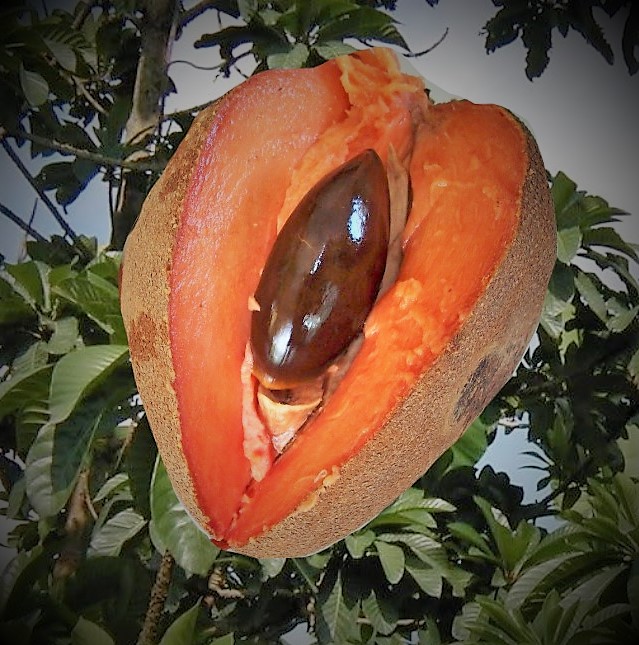
Mamey is the fruit of the Mamey Sapote tree, which grows throughout Mexico and Central America. The mamey has a soft, creamy texture and orange color. Its unique flavor is sometimes compared to sweet potatoes. Mamey supplies a hearty dose of fiber, copper, and vitamins B6 and C. Mamey enhances immune function, promotes regularity, prevents anemia, and supports heart and skin health.

1 CUP (175 g) of raw mamey fruit provides
CALORIES217
CARBOHYDRATE56g
FAT1g
FIBER9.5g
PROTEIN2.5g
COPPER41%DV
IRON8%DV
MANGANESE16%DV
POTASSIUM17%DV
VITAMIN B2 (RIBOFLAVIN)16% DV
VITAMIN B3 (NIACIN)16%DV
VITAMIN B5 (PANTOTHENIC ACID)14%DV
VITAMIN B674%DV
VITAMIN C45%DV
VITAMIN E25%DV
SOURCE: HEALTHLINE
Posted in PLANT FOOD FACTS

Amaranth Facts

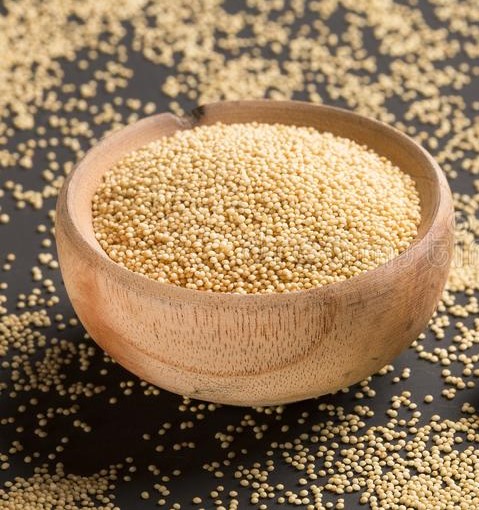
Amaranth is a gluten-free source of fiber, protein, manganese, magnesium, phosphorus and iron. It must be cooked in order to be digested. It can be boiled or toasted and eaten as a cereal. It is a healthy addition to granola and other dishes. 

Amaranth (español: amaranto) is a pseudocereal grown for its edible starchy seeds. It is not in the same botanical family as true cereals such as wheat and rice. Most of the Amaranthus species are summer annual weeds, commonly referred to as pigweeds. There are approximately 75 species, 10 of which are native to North America.

1 CUP (246 G) OF COOKED AMARANTH PROVIDES%DV
CALORIES250
CARBOHYDRATES46 G
FAT5.2 G
PROTEIN9.3 G
COPPER 18%
IRON29%
MAGNESIUM40%
MANGANESE105%
PHOSPHOROUS 36%
SELENIUM 19%
SOURCES: WIKIPEDIA / HEALTHLINE
Posted in RECIPES

Thai Peanut Salad

A fresh and crunchy salad with the flavor of Thailand.

PREP 20 minCOOK 0 SERVES 4

INGREDIENTS

INSTRUCTIONS

  1. Combine QUINOA, CABBAGE, CARROT, SNOW PEAS, CILANTRO and GREEN ONION
  2. Toss and pour in PEANUT SAUCE
  3. Toss again until everything is lightly coated with sauce
  4. Garnish with PEANUTS
Posted in FEATURED, RECIPES

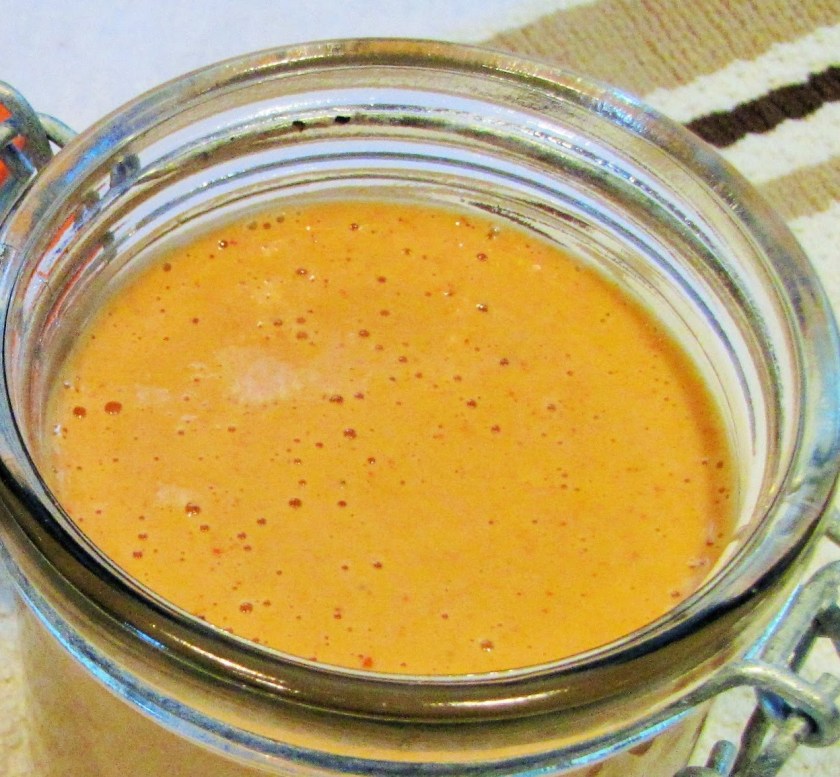
Thai Peanut Sauce

A tasty sauce for noodles and salads. Use for THAI PEANUT SALAD.

PREP 10 minCOOK 0SERVES 4

INGREDIENTS

  • 1/4 c SMOOTH PEANUT BUTTER
  • 3 Tbsp SOY SAUCE
  • 1 Tbsp HONEY
  • 1 Tbsp APPLE CIDER VINEGAR
  • 1 tsp TAHINI
  • 1 tsp FRESH GINGER, grated
  • 1 1/2 tsp LIME JUICE
  • pinch of RED PEPPER FLAKES

INSTRUCTIONS

  1. Whisk the PEANUT BUTTER and SOY SAUCE until smooth
  2. Add remaining ingredients and continue to whisk until well blended
  3. If it is too thick, add WATER to achieve desired consistency
Posted in PLANT FOOD FACTS

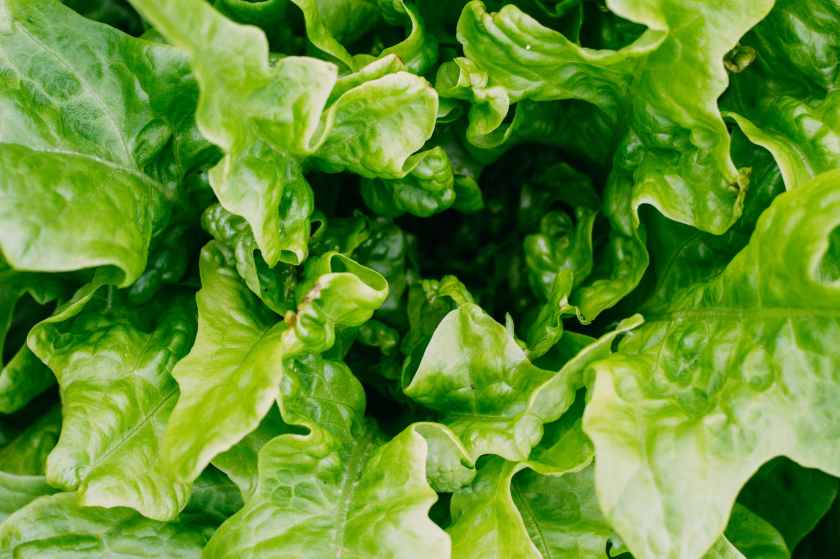
Lettuce Facts

Lettuce is rich in antioxidants, folates, and Vitamins A and K.

Lettuce (Lactuca sativa) (Spanish: lechuga) is a popular leafy vegetable in the daisy family. It ranges in color from yellow to dark green, and some varieties have reddish hues. Lettuce is a major ingredient in salads, and it is a healthy addition to wraps, soups, and sandwiches. Romaine and iceberg are the most common types in western cuisine, but there are many more varieties with unique flavors and nutritional properties. Most types of lettuce are rich in Vitamin K, folates, and antioxidants.

  • Crisphead lettuce, widely known as iceberg lettuce, is light, crunchy, and full of nutrients like folate and vitamin K.
  • Romaine’s long, crisp leaves are popular for Caesar salads. It’s high in folate, potassium, antioxidants, and vitamins A and K.
  • Butterhead lettuce has soft leaves and looks similar to cabbage. It’s particularly high in iron and vitamins A and K.
  • Leaf lettuce has crisp, ruffled leaves. Both green and red types are high in folate, manganese, and vitamins A and K. Red leaf lettuce is higher in antioxidants.

For information about other types of lettuce, see this link: 18 Types of Lettuce

3.5 oz (100 g)ICEBERGROMAINEbutterheadLEAF LETTUCE
CALORIES14171315
FIBER1 g2 g1 g1 g
PROTEIN1 g1 g1.5 g2 g
IRON2% DV5% DV8% DV5% DV
MANGANESE5.4 DV7% DV8% DV11% DV
POTASSIUM3% DV5% DV5% DV4% DV
VITAMIN A (RETINOL)3% DV48% DV18% DV41% DV
VITAMIN B9 (FOLATE)7% DV34% DV18% DV10% DV
VITAMIN C3% DV4% DV4% DV10% DV
VITAMIN K20% DV48% DV85% DV105% DV
DV is the percent of the total daily allowance (or requirement) of a substance that one serving of the food provides.

SOURCE: HEALTHLINE
Posted in PLANT FOOD FACTS

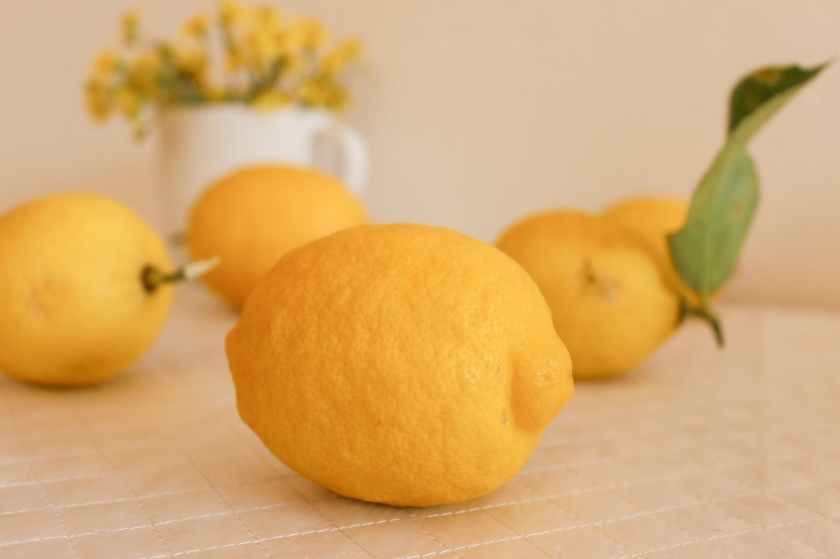
Lemon Facts

Lemons, which are high in Vitamin C, may reduce risks of heart disease and cancer.

Lemons (limones) are among the world’s most popular citrus fruits. They are a hybrid of the original citron and lime. Lemons contain a high amount of vitamin C, soluble fiber, and plant compounds that give them a number of health benefits. Lemons may aid weight loss and reduce your risk of heart disease, anemia, kidney stones, digestive issues, and cancer. Lemons are a very healthy fruit, with a distinct, pleasant taste and smell that make them a great addition to foods and drinks.

Lemons are high in heart-healthy vitamin C and several beneficial plant compounds that may lower cholesterol. Vitamin C and citric acid help in the absorption of non-heme iron from plants. This may prevent anemia. Their main fiber is pectin, which may help lower blood sugar levels. Drinking lemon water may decrease stress, enhance immune function, help prevent anemia, reduce your risk of kidney stones, and protect against several diseases.

Lemons are usually well tolerated but may cause allergies or skin irritation in some people. Large amounts may be harmful to dental health.

1/2 cup of raw peeled LEMON
CALORIES29
CARBOHYDRATE9.3g
FAT0.3g
FIBER2.8g
PROTEIN1.1g
POTASSIUM138mg
VITAMIN B60.1mg
VITAMIN C53mg
SOURCE: HEALTHLINE
Posted in NUTRIENTS

Vitamin A (Retinol, Retinoic Acid)

What does Vitamin A do?
Vitamin A (retinol, retinoic acid) is important to vision, growth, cell division, reproduction and immunity. Vitamin A also has antioxidant properties.

How much do I need?
The recommended daily allowance is 900 mcg for an adult male and 700 mcg for an adult female.

Are supplements recommended?
A healthy and varied diet will provide most people with enough vitamin A. For the antioxidant properties of vitamin A, food sources are best. It’s not clear if vitamin A supplements offer the same benefits as naturally occurring antioxidants in food. Too much vitamin A can be harmful, and excess vitamin A during pregnancy has been linked to birth defects.

What are some good plant food sources of Vitamin A?
GREEN LEAFY VEGETABLES, CARROTS, CANTALOUPE

Source: Mayo Clinic

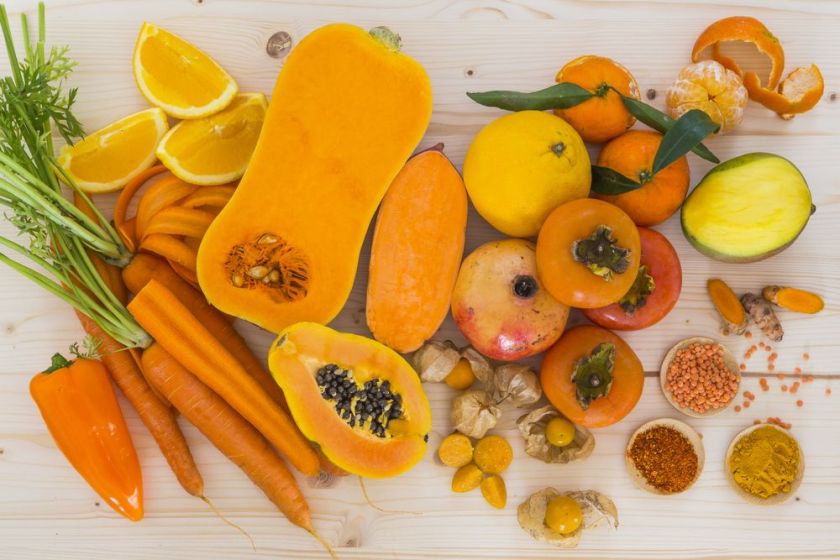
Vitamin A-Rich Plant Foods

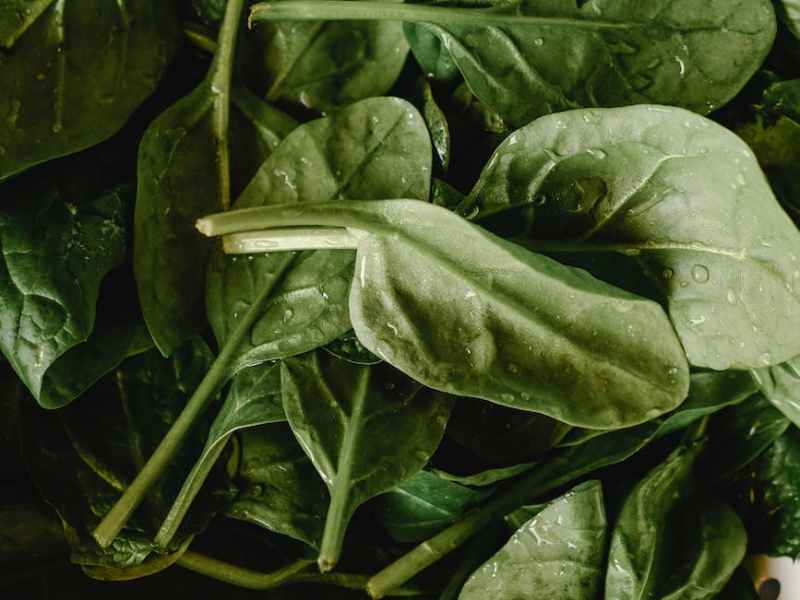
Spinach Facts

Spinach (español: espinacas) is a leafy green flowering plant whose leaves are consumed cooked or raw. Spinach is a good source of VITAMIN C, IRON, POTASSIUM, VITAMIN E, and MAGNESIUM. The possible health benefits of consuming spinach include blood glucose control, lower risk of cancer, and improved bone health. As part of a nutritious diet, it can help support immune function,…

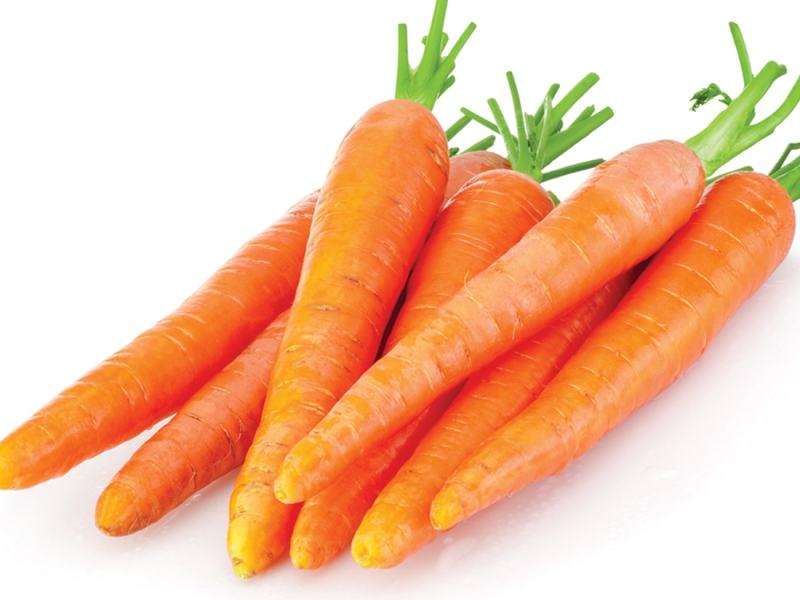
Carrot Facts

Carrots get their bright orange color from beta carotene, an antioxidant that your body converts into vitamin A.

Posted in RECIPES

Leek and Potato Soup

This tasty soup is rich in Vitamins B6, K, and C.

PREP 15 min / LOW-MEDIUM HEAT / COOK 20 min / SERVES 4

  • INGREDIENTS
    • 1 Tbsp BUTTER or vegan substitute
    • 1 large or 2 small LEEKS
    • 2 medium POTATOES
    • 2 1/4 c VEGETABLE BROTH
    • 1 Tbsp chopped CHIVES
    • 1 medium chopped CARROT
    • 1 c frozen PEAS (optional)
    • SALT and PEPPER to taste
    • DIRECTIONS
      1. Cut the roots and dark green ends off the LEEKS, keeping only the white and light green parts. Slice them lengthwise and rinse under running water, scrubbing away the dirt and sand that may have accumulated between their layers. Cut into thin slices. There should be about 2 cups of sliced LEEKS.
      2. Sauté the LEEKS in the BUTTER for about 10 minutes, until they are soft.
      3. Cut the POTATOES into small squares and cook with the LEEKS about 10 more minutes, until the potatoes are soft.
      4. Add the VEGETABLE BROTH, CARROTS and PEAS and cook over low heat until vegetables are well done.
      5. Season with SALT and PEPPER to taste, and sprinkle CHIVES on top before serving.
    Posted in PLANT FOOD FACTS

    Leek Facts

    Leeks are low in calories and high in provitamin A carotenoids and Vitamin K.

    Leek and Potato Soup Recipe

    Leeks belong to the same family as onions, shallots, scallions, chives, and garlic. They look like a giant green onion but have a much milder, somewhat sweet flavor and a creamier texture when cooked. They are particularly high in provitamin A carotenoids, including beta carotene, which the body converts into vitamin A, important for vision, immune function, reproduction, and cell communication. They’re also a good source of vitamin K1, which is necessary for blood clotting and heart health. Leeks are also a good source of manganese, which may help reduce premenstrual syndrome symptoms and promote thyroid health. What’s more, they provide small amounts of copper, vitamin B6, iron, and folate. Leeks are rich in antioxidants and sulfur compounds, especially kaempferol and allicin. These are thought to protect your body from disease. The fiber and water in leeks can promote fullness, prevent hunger, and promote digestive health.

    To prepare them, cut the roots and dark green ends off, keeping only the white and light green parts. Slice them lengthwise and rinse under running water, scrubbing away the dirt and sand that may have accumulated between their layers. Leeks can be eaten raw, but you can also poach, fry, roast, braise, boil, or pickle them. They make a great addition to soups, dips, stews, taco fillings, salads, quiches, stir-fries, and potato dishes. You can refrigerate raw leeks for about a week and cooked ones for around two days.

    3.5 oz (100 g) leek provides
    CARBOHYDRATE14.15 g
    CALORIES61
    FAT0.3 g
    FIBER1.8 g
    PROTEIN1.5 g
    CALCIUM6% DV
    IRON16% DV
    MAGNESIUM8% DV
    MANGANESE23% DV
    PHOSPHOROUS5% DV
    POTASSIUM4% DV
    VITAMIN A (RETINOL)10% DV
    VITAMIN B1 (THIAMINE)5% DV
    VITAMIN B2 (RIBOFLAVIN)3% DV
    VITAMIN B3 (NIACIN)3% DV
    VITAMIN B5 (PANTOTHENIC ACID)3% DV
    VITAMIN B618% DV
    VITAMIN B9 (FOLATE)16% DV
    VITAMIN C14% DV
    VITAMIN E6% DV
    VITAMIN K45% DV
    SOURCE: healthline
    Posted in RECIPES

    Lentil and Apricot Salad

    • INGREDIENTS
      • 1 c cooked LENTILS
      • 1 small diced fresh TOMATO
      • 1/2 c raw baby SPINACH
      • 1/4 c PUMPKIN SEEDS
      • 1/2 c dried chopped APRICOT
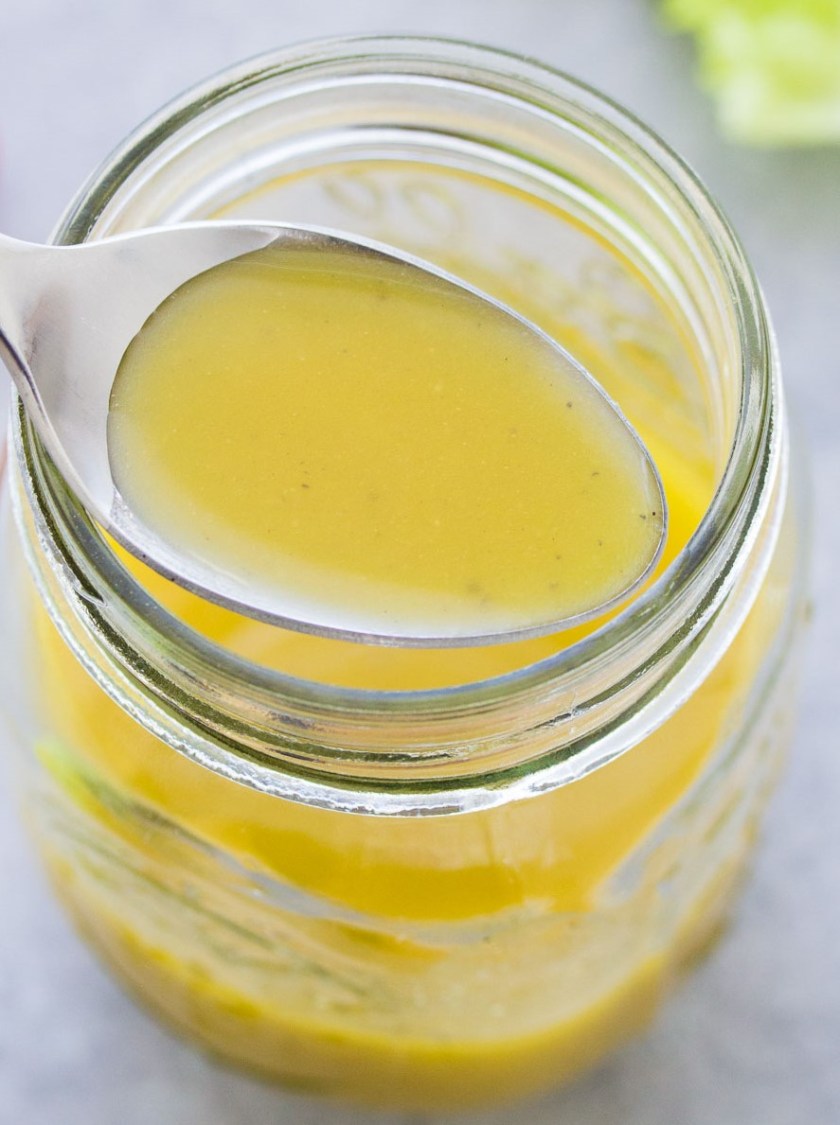
      • VINAIGRETTE
    • DIRECTIONS
      1. Combine LENTILS, TOMATOES, SPINACH, PUMPKIN SEEDS, and APRICOTS
      2. Drizzle VINAIGRETTE
      3. Stir ingredients and let sit 15 minutes before serving
    Posted in NUTRIENTS

    Iron

    What does iron do?
    Iron is an important mineral that your body needs to make hemoglobin, a protein in red blood cells. Red blood cells help carry oxygen throughout your body.

    How much do I need?
    The Recommended Daily Allowances vary for gender, age, pregnancy, and lactation.

    AgeRDA PREGNANCYLACTATION
    Male 14-1811 mg
    Female 14-1815 mg27 mg10 mg
    Male 1950 +8 mg
    Female 19-5018 mg27 mg9 mg
    Female 51 +8 mg

    Are supplements recommended?
    Consult a health care professional if you have symptoms of iron deficiency anemia. There is a risk of toxicity. Excessive iron occurs most often from taking high-dosage supplements when not needed or from having a genetic condition that stores too much iron. The maximum daily intake unlikely to cause harmful effects is 40 mg for children 14 and under and 45 mg for all adults over 14.

    What are some good plant food sources of iron?
    SPINACH, LEGUMES, PUMPKIN SEEDS, BROCCOLI, TOFU, DARK CHOCOLATE
    Iron from food comes in two forms: heme and non-heme. Heme is found only in animal flesh like meat, poultry, and seafood. Non-heme iron is found in plant foods like whole grains, nuts, seeds, legumes, and leafy greens. Heme iron is better absorbed by the body than non-heme iron. Vegetarians may develop IDA if they do not include adequate non-heme iron foods in the diet. Because non-heme iron is not well-absorbed, either greater quantities of these foods my be required or careful attention is needed in how they are eaten to improve absorption (consuming with vitamin C-rich foods while avoiding eating with calcium-rich foods, calcium supplements, or tea). It is possible to obtain enough iron in a vegetarian/vegan diet with careful planning.

    Source: Harvard School of Public Health

    Iron-Rich Plant Foods

    Spinach Facts

    Spinach (español: espinacas) is a leafy green flowering plant whose leaves are consumed cooked or raw. Spinach is a good source of VITAMIN C, IRON, POTASSIUM, VITAMIN E, and MAGNESIUM. The possible health benefits of consuming spinach include blood glucose control, lower risk of cancer, and improved bone health. As part of a nutritious diet, it can help support immune function,…

    Broccoli Facts

    Broccoli, which has more protein than most other vegetables, is also high in fiber, vitamin C, vitamin K, iron, and potassium.

    Posted in PLANT FOOD FACTS

    Lentil Facts

    Lentils are low in calories but high in protein, fiber, B Vitamins, iron, folate, magnesium, zinc, and potassium.

    Lentil and Spinach Salad Recipe

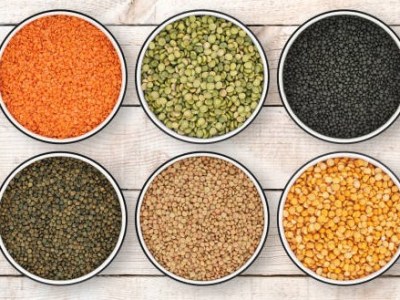
    Lentils (lentejas) are edible seeds from the legume family. They are a food staple in Turkey, Syria, Jordan, Morocco, and Tunisia. Some of the most common types of lentils are brown, puy, green, yellow and red, and beluga. Brown lentils are the most widely known type. They’re easily cooked in 5–30 minutes and do not require soaking. Lentils are an excellent source of plant-based protein and fiber, B vitamins, iron, magnesium, potassium, and zinc. They also provide polyphenols, which have antioxidant and anti-inflammatory properties with potential cancer cell-inhibiting effects. Furthermore, lentils contain a broad range of beneficial phytochemicals, which protect against chronic diseases. Eating lentils has positive effects on several risk factors for heart disease and type 2 diabetes. It helps lower blood pressure and levels of homocysteine. Lentils are very filling and appear to keep blood sugar levels steady. and eating lentils may help decrease your overall food intake, which could contribute to weight loss.

    It should be noted that lentils contain antinutrients such as trypsin inhibitors and phytic acid, which reduce the absorption of some nutrients. However, the amounts are small, and cooking lentils will minimize these.

    1 cup of cooked lentils provides
    39.9 gCARBOHYDRATE
    230CALORIES
    0.8 gFAT
    15.6 gFIBER
    17.9 gPROTEIN
    55% DVCOPPER
    37% DVIRON
    17% DVMAGNESIUM
    43% DVMANGANESE
    28% DVPHOSPHOROUS
    16% DVPOTASSIUM
    23% DVZINC
    28% DVVITAMIN B1 (THIAMINE)
    13% DVVITAMIN B3 (NIACIN)
    25% DVVITAMIN B5 (PANTOTHENIC ACID)
    21% DVVITAMIN B6
    90% DVVITAMIN B9 (FOLATE)
    Sources: healthline
    Posted in PLANT FOOD FACTS

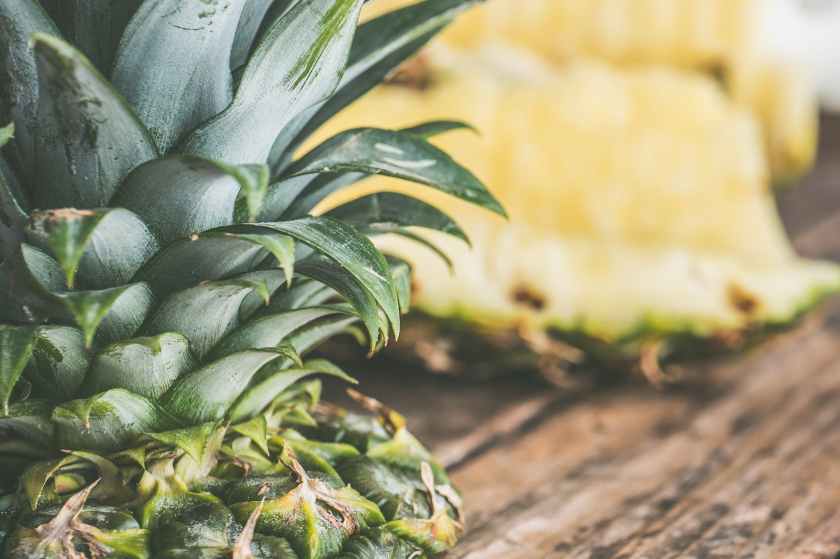
    Pineapple Facts

    Pineapple is delicious, versatile, and loaded with nutrients and antioxidants. One cup of fresh pineapple proides 88% of the DV for Vitamin C.

    Pinapple (Ananas comosus) is an incredibly delicious, healthy tropical fruit. It’s packed with nutrients, antioxidants, and other helpful compounds, such as enzymes that can protect against inflammation and disease. Originating in South America, it was named by early European colonizers for its resemblance to a pine cone. Pineapple and its compounds are linked to several health benefits, including improvements in digestion, immunity, and recovery from surgery. The impressive health benefits include improved digestion, a lower risk of cancer, and osteoarthritis relief.

    Pineapple is widely considered safe, though a small percentage of people may have an allergy to it. People who have diabetes or take blood thinners should be mindful of portion sizes when eating pineapple.

    1 CUP OF FRESH PINEAPPLE PROVIDES
    CALORIES83
    CARBOHYDRATE21.6g
    FAT1.7g
    FIBER2.3g
    PROTEIN1g
    IRON 3%DV
    COPPER20%DV
    MAGNESIUM5%DV
    MANGANESE10%DV
    PANTOTHENIC ACID7%DV
    VITAMIN B1 (THIAMINE)11%DV
    VITAMIN B2 (RIBOFLAVIN)4%DV
    VITAMIN B3 (NIACIN)5%DV
    VITAMIN B5 (PANTOTHENIC ACID)7%DV
    VITAMIN B611%DV
    VITAMIN B9 (FOLATE)7%DV
    VITAMIN C88%DV
    Sources: Wikipedia / healthline
    Posted in RECIPES

    Mango Banana Frozen Treat

    Three ingredients and a blender are all you need to make this delicious vegan treat, also known as “nice cream.” This recipe can be adapted with different fruits and flavors in addition to the banana.

    PREP 20 min / SERVES 4

    • INGREDIENTS
      • 1 MEDIUM BANANA, peeled, frozen, and cut into 1-inch slices
      • 2-3 MANGOS, pitted, peeled, frozen, and cut into small pieces
      • 2/3 c ALMOND MILK (or the plant milk that you prefer)
      • Pinch of SALT (about 1/8 tsp)
    • INSTRUCTIONS
      1. Blend BANANA and MANGO in food processor until well mixed.
      2. Add pinch of SALT and plant-based MILK and blend until desired consistency is achieved
      3. Serve as is or store in freezer for a harder freeze
    Posted in PLANT FOOD FACTS

    Mango Facts

    I used to think that “healthy” and “low calorie” meant “less than delicious.” I thought that “sweet” was a synonym of “fattening.” Then I met The Mango. One cup of fresh mango contains fewer than 100 calories, but packs 67% of the daily requirement for vitamin C.

    Recipe: Mango Banana Frozen Treat

    mango, an edible stone fruit produced by the tropical tree Mangifera indica, is believed to have originated from the region between northwestern MyanmarBangladesh, and northeastern India. Mango fruit varies in size, shape, sweetness, skin color, and flesh color which may be pale yellow, gold, green, or orange. It is the national fruit of IndiaPakistan and the Philippines. The mango tree is the national tree of Bangladesh.

    Mango reduces the risk of developing diabetes, boosts immunity, supports healthy heart fuction, aids digestive health, and may help prevent several kids of cancer. One cup of fresh mango contains fewer than 100 calories, but it packs 67% of the daily requirement for vitamin C. In moderate amounts, it reduce the risk of diabetes. Mango has over a dozen different types of polyphenols, which function as antioxidants. Several B vitamins, along with vitamins A, C, K, and E boost the immune system. Magnesium, potassium, and the antioxidant mangiferin support healthy heart function. Digestive enzymes, water, dietary fiber, and other compounds aid various aspects of digestive health. Lutein, zeaxanthin, and vitamin A support eye health. Lutein and zeaxanthin may protect your eyes from the sun, while a lack of vitamin A can create vision problems. Mango polyphenols fight oxidative stress, which is linked to many health conditions, including colon, lung, prostate, breast, and bone cancers.

    1 cup of fresh mango provides
    CALORIES100
    CARBOHYDRATE24.7g
    FAT0.6g
    FIBER2.6g
    PROTEIN1.4g
    SUGAR22.5g
    COPPER20%DV
    MAGNESIUM4%DV
    POTASSIUM6%DV
    VITAMIN A (RETINOL)10%DV
    VITAMIN B1 (THIAMINE)4%DV
    VITAMIN B2 (RIBOFLAVIN)5%DV
    VITAMIN B3 (NIACIN)7%DV
    VITAMIN B612%DV
    VITAMIN B9 (FOLATE)18%DV
    VITAMIN C67%DV
    VITAMIN E10%DV
    VITAMIN K6%DV
    Sources: Wikipedia / healthline
    Posted in PLANT FOOD FACTS

    Oat Facts

    Oats are a powerhouse of vitamins, minerals, and antioxidants.

    Oatmeal Cookie recipe

    The oat (Avena sativa) is a species of cereal grain grown for its seed. They are very high in many vitamins and minerals. Oats contain many powerful antioxidants, including avenanthramides, which help reduce blood pressure. They are high in the soluble fiber beta-glucan, which helps reduce cholesterol and blood sugar levels, promotes healthy gut bacteria, and increases feelings of fullness. They may lower the risk of heart disease by reducing both total and LDL (bad) cholesterol, as well as by protecting LDL from oxidation. Due to the soluble fiber beta-glucan, oats may improve insulin sensitivity and help lower blood sugar levels.

    Oatmeal may help you lose weight by making you feel more full. It does this by slowing down the emptying of the stomach and increasing the production of the satiety hormone PYY. Some research suggests that oats may help prevent asthma in children when fed to young infants. Studies indicate that oat bran can help reduce constipation in older adults, significantly reducing the need to use laxatives.

    1/2 CUP OF OATMEAL PROVIDES
    1/2 CUP OF OATMEAL PROVIDES
    COPPER17.6%DV
    IRON9.4%DV
    MAGNESIUM13.3%DV
    MANGANESE63.91%DV
    PHOSPHOROUS13.3%DV
    ZINC13.4%DV
    VITAMIN B1 (THIAMIN)15.5%DV
    VITAMIN B5 (PANTOTHENIC ACID)9.07%DV
    Source: healthline
    Posted in PLANT FOOD FACTS

    Kiwi Facts

    A 3.5-ounce kiwi provides more than 80% of the daily vitamin C requirement.

    Kiwis are a type of fruit native to the mountains and hillsides of Southwest China. They are classified as berries. The most popular type of kiwi is the Hayward kiwi, named after Hayward Wright, who popularized kiwis in New Zealand in the 1920s. Hayward kiwis are oval shaped. They have fuzzy brown skin, green flesh, and tiny black seeds. Kiwis are exceptionally high in vitamin C.

    3.5 oz (100 g) of raw kiwiamount
    CARBOHYDRATE14 g
    CALORIES64
    FAT0.44 g
    FIBER3 g
    PROTEIN1 g
    COPPER15% DV
    MAGNESIUM4% DV
    POTASSIUM4% DV
    VITAMIN B9 (FOLATE)7% DV
    VITAMIN C83% DV
    VITAMIN E9% DV
    VITAMIN K34% DV
    Source: healthline