Limting beverages with meals is a small change you can make that will be beneficial to your health. Having a beverage with a meal is a tradition, an unuestioned habit for most of us, but eating without an accompanying drink can improve digestion, and prevent some bothersome effects, such as bloating and acid reflux.
You will do well to give up sugary soft drinks altogether, but especially during meals. If you feel thirsty, take just small sips of water between bites. For the sake of tradition, you might want to have a glass of water beside your plate, but your body will thank you if you abstain from drinking it as you eat. Excessive liquid intake can cause bloating, stomach pain, and dilute stomach acid and digestive enzymes. It may also lead to eating too much at once or washing food down before it is properly chewed.
It is better to drink water thirty minutes before or ater a meal rather than while you are eating or immediately before or after.
What does chloride do? Chloride is an essential electrolyte that maintains body fluid balance, pH levels, and aids digestion (via hydrochloric acid in the stomach). Mainly consumed as salt (sodium chloride), it supports nerve/muscle cell function. High levels (hyperchloremia) cause dehydration or kidney issues, while low levels (hypochloremia) may cause weakness or irritability. As a major electrolyte (primarily in extracellular fluid), it works with sodium and potassium to balance fluids and maintain electric neutrality. It is critical for producing stomach acid for digestion and aids oxygen/carbon dioxide flow.
How much do I need? Adequate Intake for adults is 2.3 grams daily.
Are supplements recommended? Chloride imbalances, whether high or low levels are generally managed by addressing the underlying cause, such as rehydration, adjusting medication, or intravenous fluids,
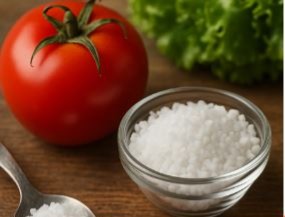
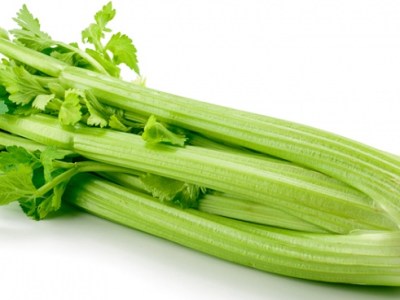
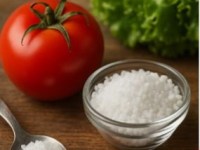
What are some good plant food sources of chloride? Primarily found in table salt (sodium chloride), but also in SEAWEED, TOMATOES, LETTUCE, CELERY, OLIVES.
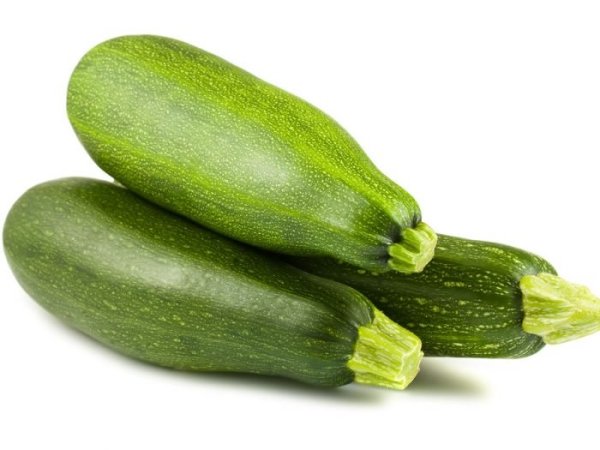
Healthy and delicious stuffed zucchini can be a main dish or a side. You can substitute non-dairy cheese for a vegan alternative.
PREP 30 min
BAKE 15 min
410° F
SERVES 4
INGREDIENTS
2 zucchini
2 tbsp extra virgin olive oil 30 ml
1/2 onion
3 cloves garlic
5 oz fresh goat cheese 150 grams
2 cups finely grated Manchego cheese 220 grams
1/2 tsp dried thyme .45 grams
2 tbsp freshly chopped parsley 8 grams
sea salt & black pepper
INSTRUCTIONS
Wash and pat dry 2 zucchinis. Cut the ends off and halve them lengthwise.
Using a spoon remove the pulp from the zucchini, leaving a border at each end of about 1/2 inch (1.25 cm), season the insides of the zucchini with sea salt and place face down on a wire rack with paper towels underneath, reserve the pulp of zucchini
Heat a fry pan with a medium heat and add 2 tbsp (30 ml) extra virgin olive oil, after 2 minutes add in 1/2 onion finely diced and 3 cloves garlic roughly minced, mix with the olive oil, after 3 minutes and the onion is translucent, add in the pulp of zucchini (add to a sieve first and using a spoon push down on it to remove any excess water), cook for another 5 to 6 minutes or until the zucchini pulp is translucent and lightly sauteed, then add in 1/2 tsp (.45 grams) dried thyme and season with sea salt & black pepper, mix together and turn off the heat
Crumble in 5 ounces (150 grams) fresh goat cheese into the vegetables, 2 cups (220 grams) finely grated Manchego cheese and 2 tbsp (8 grams) freshly chopped parsley, mix everything together until well mixed and you end up with a paste like texture, set aside
After leaving the zucchinis to rest for 30 minutes, remove from the wire rack, using paper towels pat dry the insides of the zucchini to remove any excess water and salt
Start adding the cheese mixture into the zucchinis, making sure to push down on the mixture as you add it so it´s well compacted
Transfer the stuffed zucchinis into a baking tray lined with parchment paper, sprinkle the tops of each one with some finely grated Manchego cheese
Add into a preheated oven, bake + broil option 210 C – 410 F
After 15 minutes remove from the oven and let the stuffed zucchinis rest at room temperature for 2 to 3 minutes so the stuffing can settle, then add into a serving dish and sprinkle with freshly chopped parsley
Zucchini contains a variety of vitamins, minerals, and antioxidants. Cooked zucchini is particularly high in vitamin A. It is rich in water and fiber, promoting healthy digestion. Zucchini’s fiber may increase insulin sensitivity and stabilize blood sugar levels, potentially reducing risk of type 2 diabetes. Zucchini may lower blood pressure, cholesterol, and other risk factors…
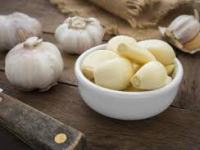
Garlic has been used as a traditional medicine as well as a food flavoring. It is a healthy and delicious addition to many dishes around the world. Its medicinal benefits for both cure and prevention require larger doses, which should be taken with the supervision and advice of a knowledgeable medical practitioner.
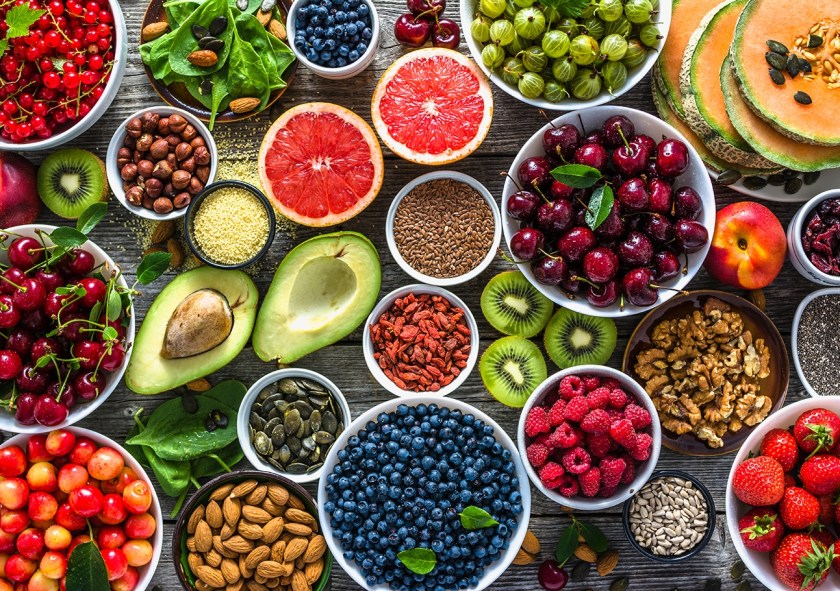
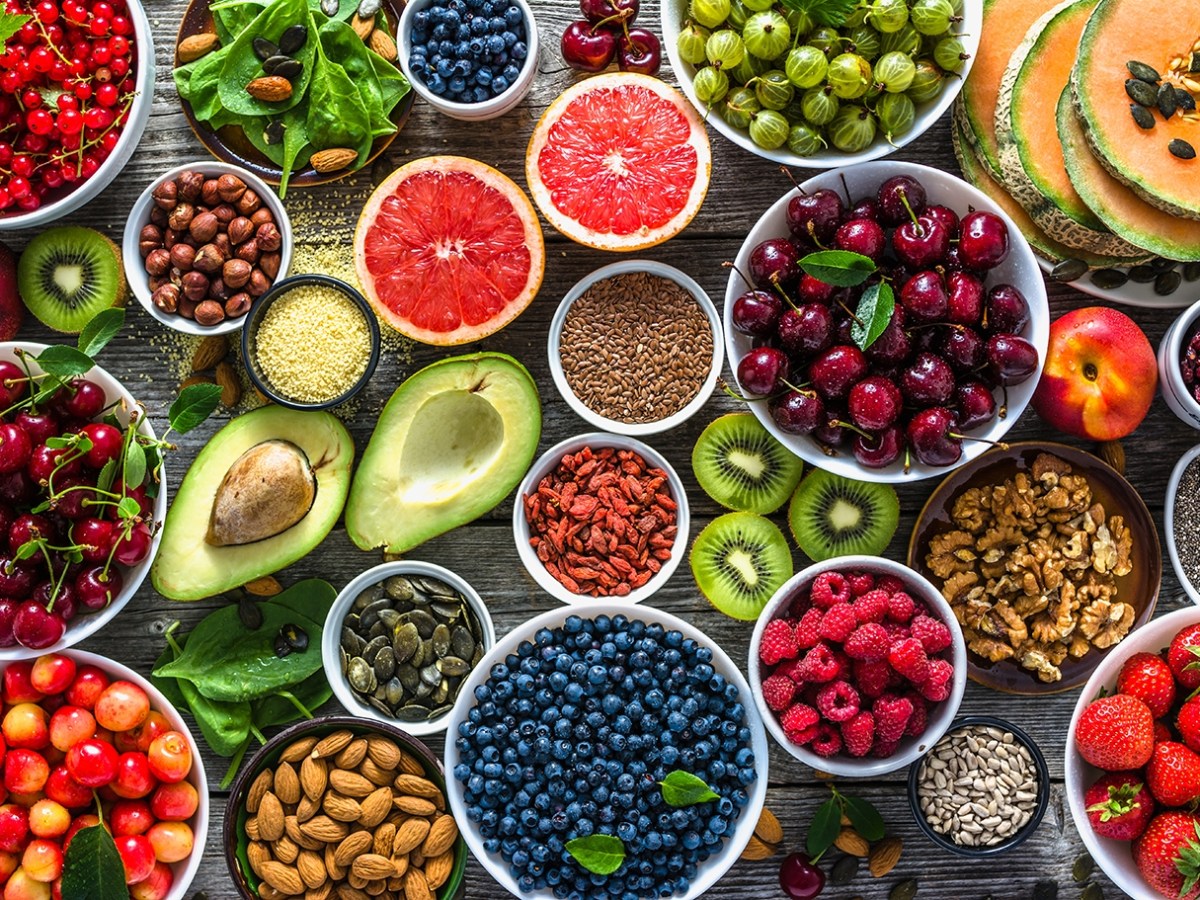
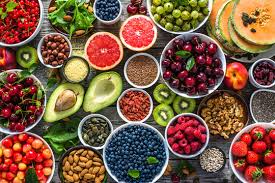
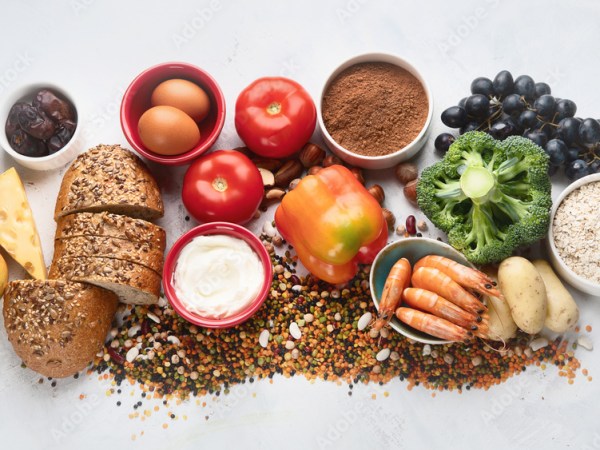
You probably include some superfoods in your meals already, but there may be room for improvement. Superfoods are nutrient-dense, whole foods packed with vitamins, minerals, fiber, and antioxidants that support overall health, reduce disease risk, and boost energy. While technically a marketing term rather than a medical definition, incorporating foods like berries, leafy greens, nuts, and salmon provides significant health benefits. Here are 10 superfoods identified in a 2022 article on the Harvard Medical School Health Publishing website:
Berries. High in fiber, berries are naturally sweet, and their rich colors mean they are high in antioxidants and disease-fighting nutrients.
Fish. Fish can be a good source of protein and omega-3 fatty acids, which help prevent heart disease.
Leafy greens. Dark, leafy greens are a good source of vitamin A, vitamin C, and calcium, as well as several phytochemicals (chemicals made by plants that have a positive effect on your health). They also add fiber into the diet.
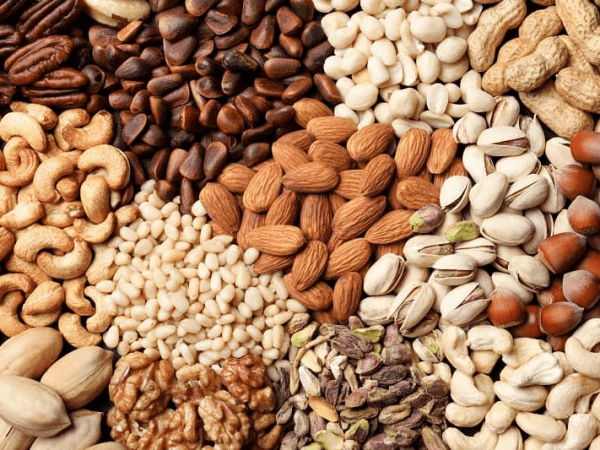
Nuts. Hazelnuts, walnuts, almonds, pecans — nuts are a good source of plant protein. They also contain monounsaturated fats, which may be a factor in reducing the risk of heart disease.
Olive oil. Olive oil is a good source of vitamin E, polyphenols, and monounsaturated fatty acids, all which help reduce the risk of heart disease.
Whole grains. A good source of both soluble and insoluble fiber, whole grains also contain several B vitamins, minerals, and phytonutrients. They have been shown to lower cholesterol and protect against heart disease and diabetes.
Yogurt. A good source of calcium and protein, yogurt also contains live cultures called probiotics. These “good bacteria” can protect the body from other, more harmful bacteria.
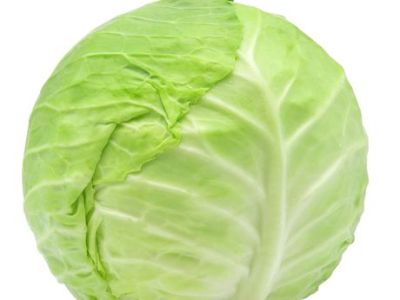
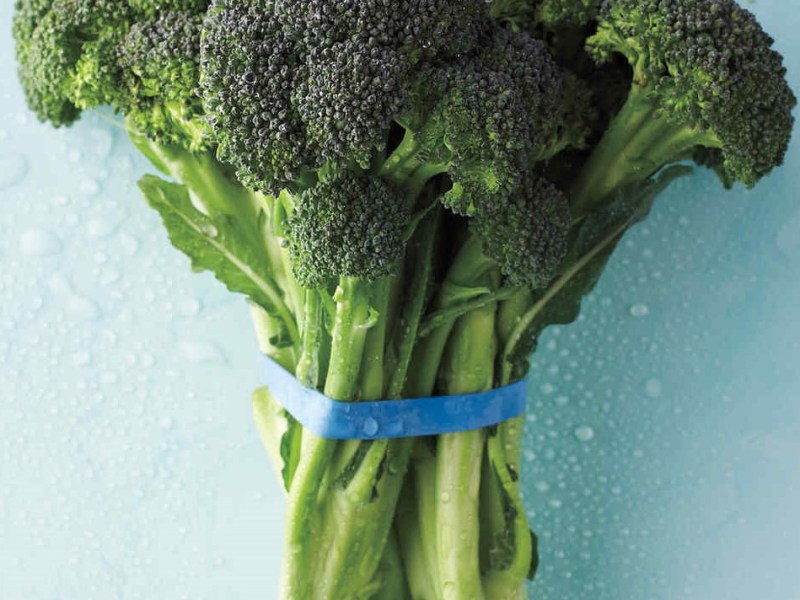
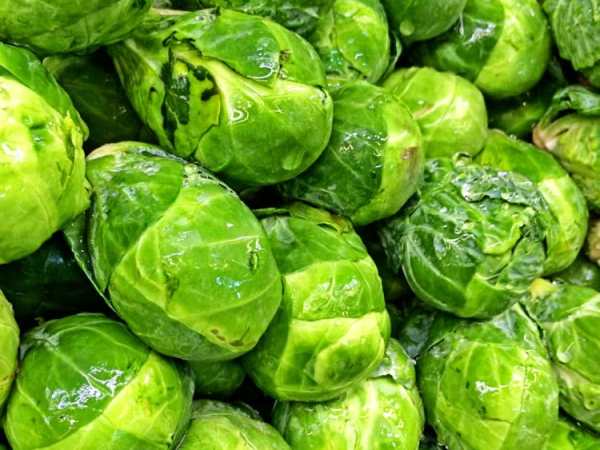
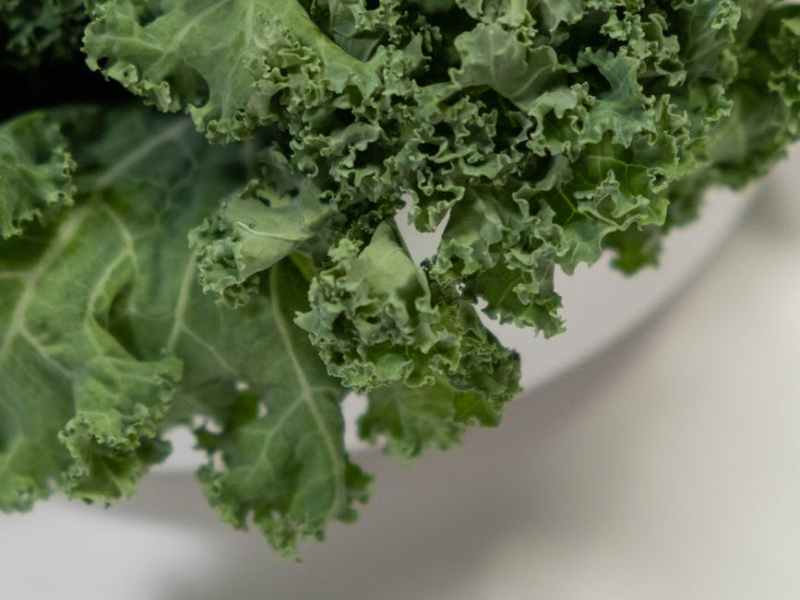
Cruciferous vegetables. These include broccoli, Brussels sprouts, cabbage, cauliflower, collard greens, kale, kohlrabi, mustard greens, radishes, and turnips. They are an excellent source of fiber, vitamins, and phytochemicals including indoles, thiocyanates, and nitriles, which may prevent against some types of cancer.
Legumes. This broad category includes kidney, black, red, and garbanzo beans, as well as soybeans and peas. Legumes are an excellent source of fiber, folate, and plant-based protein. Studies show they can help reduce the risk of heart disease.
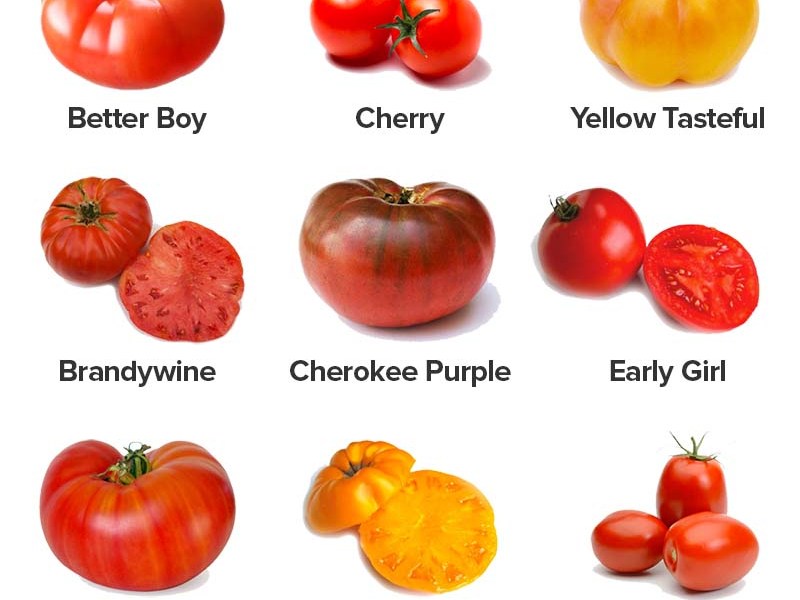
Tomatoes. These are high in vitamin C and lycopene, which has been shown to reduce the risk of prostate cancer.
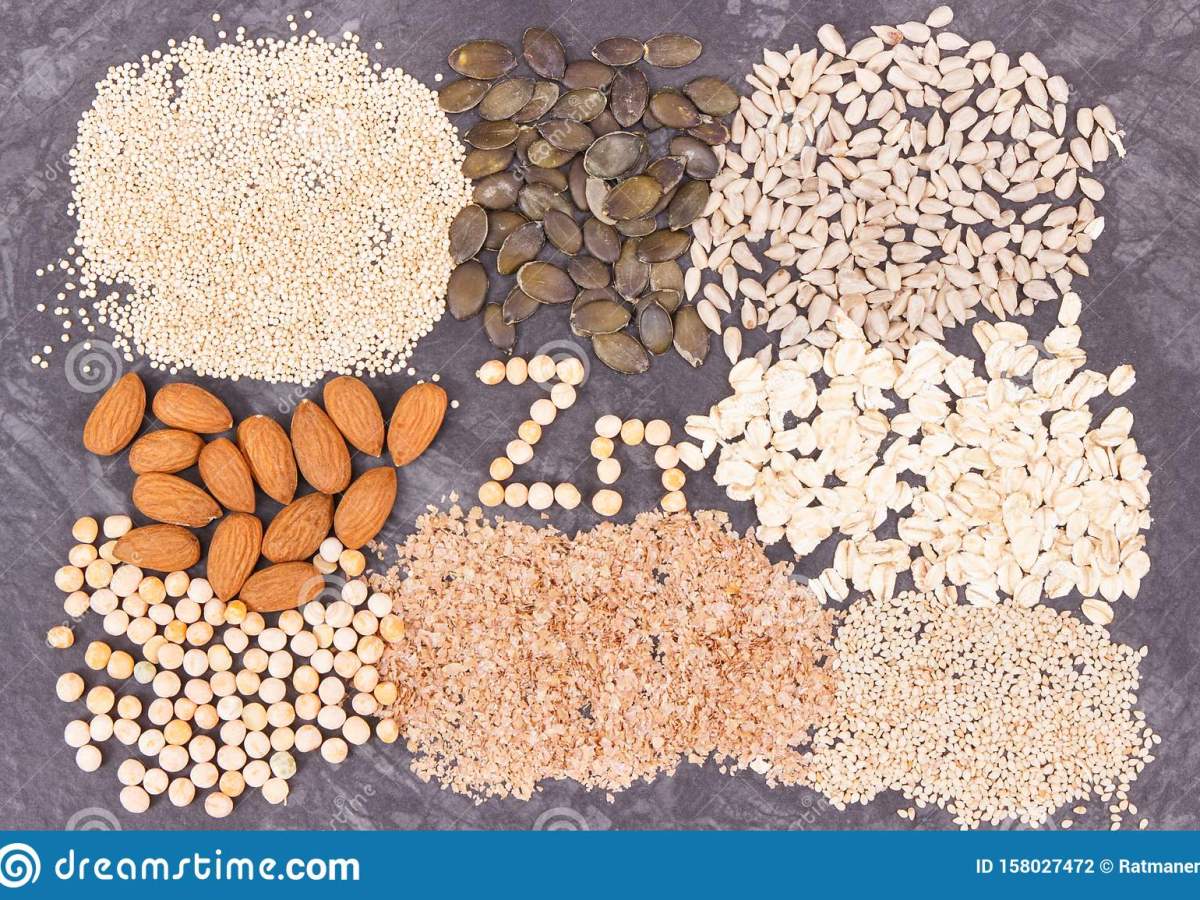
What does zinc do? Zinc aids growth, DNA synthesis, and immune function. Zinc is an essential nutrient, meaning that your body can’t produce or store it. Zinc may effectively reduce inflammation, boost immune health, reduce risk of age-related diseases, speed wound healing, and improve acne symptoms.
How much do I need? Th RDA is 11 mg for males and 8 mg for females (11 mg in pregnancy and 12mg in lactation).
What are some good plant food sources of zinc? Beans, seeds, and nuts are rich in zinc.
Are supplements recommended? Most people meet the RDA of 11 mg for males and 8 mg for females through diet, but older adults, those following restrictive diets, and people with conditions that inhibit zinc absorption may need to supplement. Because high dose zinc supplements can lead to dangerous side effects, it’s important to stick to recommendations and only take supplements when necessary.
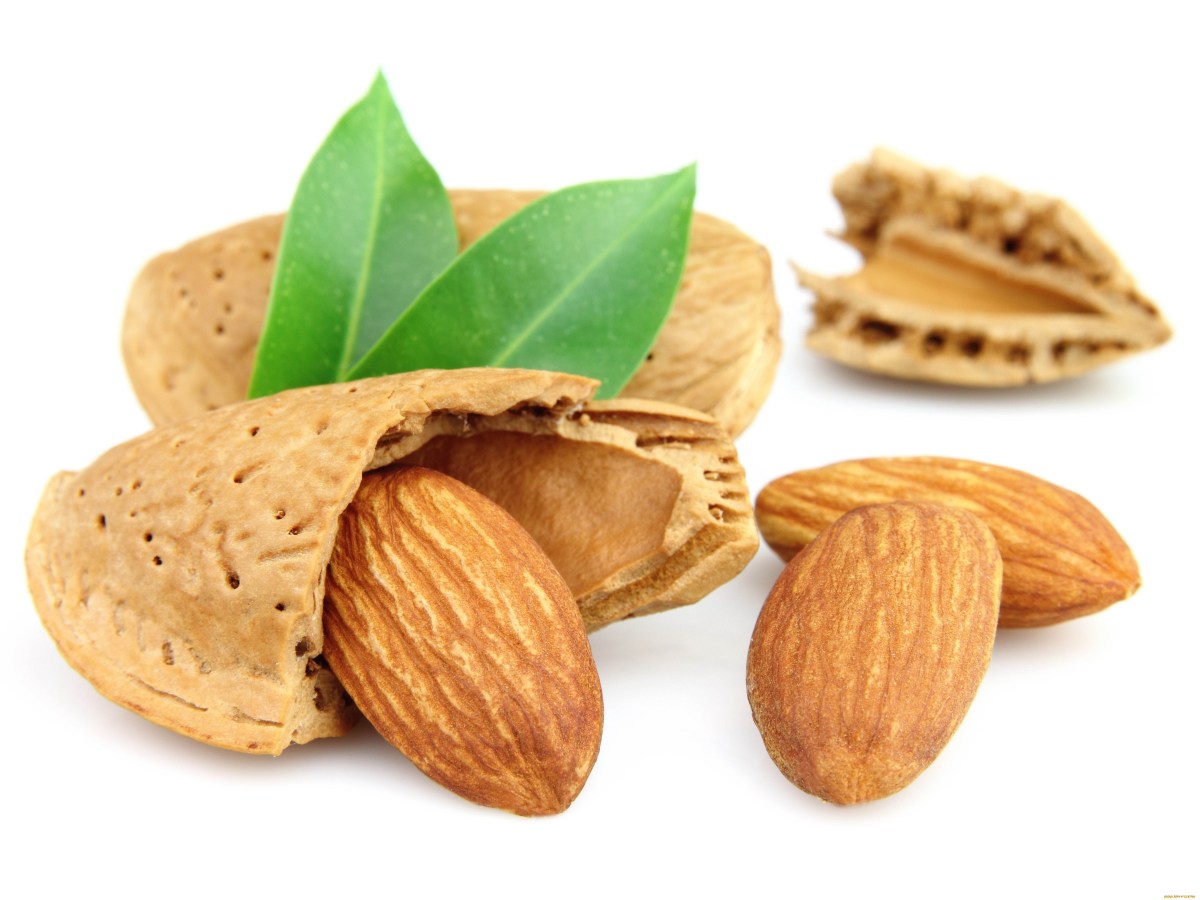
Almonds are rich in Vitamin E, magnesium, and manganese Almond is the edible seed of Prunus dulcis, a species of tree native to Iran but widely cultivated elsewhere. It is classified with the peach in the subgenus Amygdalus, distinguished from the other subgenera by corrugations on the shell surrounding the seed. Almonds are sold shelled…
I used to think that discipline meant giving up things, doing hard, painful, unpleasant things (“no pain, no gain”), never failing to keep a resolution. In other words, doing things that I am incapable of doing long term. It took me a long time to realize the power of small changes, small actions, pleasant (or at least do-able) actions that can become good habits. I’ve learned to accept a lapse in a habit as something temporary that can be corrected next time around, like tomorrow, not a whip that I should use to flagellate myself for being a loser. Not all small actions turn into habits, but some do, and now, after 6 years of moving toward better eating, healthier patterns of rest, movement, and dealing with mental clutter, I can feel some tangible benefits.
Here are some food-related changes that can move you in the direction of better health.
Limting beverages with meals is a small change you can make that will be beneficial to your health. Having a beverage with a meal is a tradition, an unuestioned habit for most of us, but eating without an accompanying drink can improve digestion, and prevent some bothersome effects, such as bloating and acid reflux.
You will do well to give up sugary soft drinks altogether, but especially during meals. If you feel thirsty, take just small sips of water between bites. For the sake of tradition, you might want to have a glass of water beside your plate, but your body will thank you if you abstain from drinking it as you eat. Excessive liquid intake can cause bloating, stomach pain, and dilute stomach acid and digestive enzymes. It may also lead to eating too much at once or washing food down before it is properly chewed.
It is better to drink water thirty minutes before or ater a meal rather than while you are eating or immediately before or after.
You probably include some superfoods in your meals already, but there may be room for improvement. Superfoods are nutrient-dense, whole foods packed with vitamins, minerals, fiber, and antioxidants that support overall health, reduce disease risk, and boost energy. While technically a marketing term rather than a medical definition, incorporating foods like berries, leafy greens, nuts, and salmon provides significant health benefits. Here are 10 superfoods identified in a 2022 article on the Harvard Medical School Health Publishing website:
Berries. High in fiber, berries are naturally sweet, and their rich colors mean they are high in antioxidants and disease-fighting nutrients.
Fish. Fish can be a good source of protein and omega-3 fatty acids, which help prevent heart disease.
Leafy greens. Dark, leafy greens are a good source of vitamin A, vitamin C, and calcium, as well as several phytochemicals (chemicals made by plants that have a positive effect on your health). They also add fiber into the diet.
Nuts. Hazelnuts, walnuts, almonds, pecans — nuts are a good source of plant protein. They also contain monounsaturated fats, which may be a factor in reducing the risk of heart disease.
Olive oil. Olive oil is a good source of vitamin E, polyphenols, and monounsaturated fatty acids, all which help reduce the risk of heart disease.
Whole grains. A good source of both soluble and insoluble fiber, whole grains also contain several B vitamins, minerals, and phytonutrients. They have been shown to lower cholesterol and protect against heart disease and diabetes.
Yogurt. A good source of calcium and protein, yogurt also contains live cultures called probiotics. These “good bacteria” can protect the body from other, more harmful bacteria.
Cruciferous vegetables. These include broccoli, Brussels sprouts, cabbage, cauliflower, collard greens, kale, kohlrabi, mustard greens, radishes, and turnips. They are an excellent source of fiber, vitamins, and phytochemicals including indoles, thiocyanates, and nitriles, which may prevent against some types of cancer.
Legumes. This broad category includes kidney, black, red, and garbanzo beans, as well as soybeans and peas. Legumes are an excellent source of fiber, folate, and plant-based protein. Studies show they can help reduce the risk of heart disease.
Tomatoes. These are high in vitamin C and lycopene, which has been shown to reduce the risk of prostate cancer.
I used to think that discipline meant giving up things, doing hard, painful, unpleasant things (“no pain, no gain”), never failing to keep a resolution. In other words, doing things that I am incapable of doing long term. It took me a long time to realize the power of small changes, small actions, pleasant (or at least do-able) actions that can become good habits. I’ve learned to accept a lapse in a habit as something temporary that can be corrected next time around, like tomorrow, not a whip that I should use to flagellate myself for being a loser. Not all small actions turn into habits, but some do, and now, after 6 years of moving toward better eating, healthier patterns of rest, movement, and dealing with mental clutter, I can feel some tangible benefits.
Here are some food-related changes that can move you in the direction of better health.
No time for breakfast? Start your day with a delicious nutrient-loaded smoothie. If your mornings are rushed, make it the night before. You’re off to a good start, no matter what happens during the rest of the day. No recipe needed. You can throw in what you like, what you need, what you want, what you have on hand. Here are a few ideas to start you thinking.
Suggested Ingredients
Leafy Greens: Spinach and kale are common, providing vitamins with a mild taste that is easy to hide.
Berries & Fruits: Blueberries (high in antioxidants), acai, mango, banana (for creaminess), and lemon (for cleansing).
Seeds & Nuts: Chia seeds, flaxseeds, and hemp seeds add Omega-3 fatty acids and fiber.
No time for breakfast? Start your day with a delicious nutrient-loaded smoothie. If your mornings are rushed, make it the night before. You’re off to a good start, no matter what happens during the rest of the day. No recipe needed. You can throw in what you like, what you need, what you want, what you have on hand. Here are a few ideas to start you thinking.
Suggested Ingredients
Leafy Greens: Spinach and kale are common, providing vitamins with a mild taste that is easy to hide.
Berries & Fruits: Blueberries (high in antioxidants), acai, mango, banana (for creaminess), and lemon (for cleansing).
Seeds & Nuts: Chia seeds, flaxseeds, and hemp seeds add Omega-3 fatty acids and fiber.
No time for breakfast? Start your day with a delicious nutrient-loaded smoothie. If your mornings are rushed, make it the night before. You’re off to a good start, no matter what happens during the rest of the day. No recipe needed. You can throw in what you like, what you need, what you want, what you have on hand. Here are a few ideas to start you thinking.
Suggested Ingredients
Leafy Greens: Spinach and kale are common, providing vitamins with a mild taste that is easy to hide.
Berries & Fruits: Blueberries (high in antioxidants), acai, mango, banana (for creaminess), and lemon (for cleansing).
Seeds & Nuts: Chia seeds, flaxseeds, and hemp seeds add Omega-3 fatty acids and fiber.
What does Vitamin E do? Vitamin E acts as an antioxidant, scavenging loose electrons—so-called “free radicals”—that can damage cells. It also enhances immune function and prevents clots from forming in heart arteries. Antioxidant vitamins, including vitamin E, came to public attention in the 1980s when scientists began to understand that free radical damage was involved in the early stages of artery-clogging atherosclerosis, and might also contribute to cancer, vision loss, and a host of other chronic conditions.
How much do I need? The Recommended Dietary Allowance of Vitamin E is 15 mg daily.
Are supplements recommended? Most people do not need to take Vitamin E supplements if they eat a balanced diet, as it is easily obtained from nuts, seeds, and vegetable oils. Supplements are generally only recommended for people with specific absorption issues, such as Crohn’s disease, cystic fibrosis, or certain dietary restrictions.
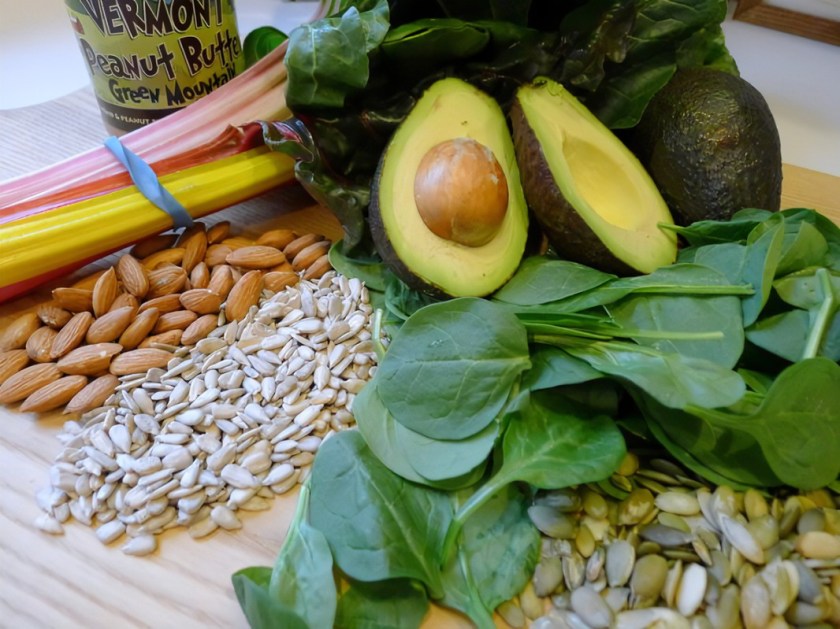
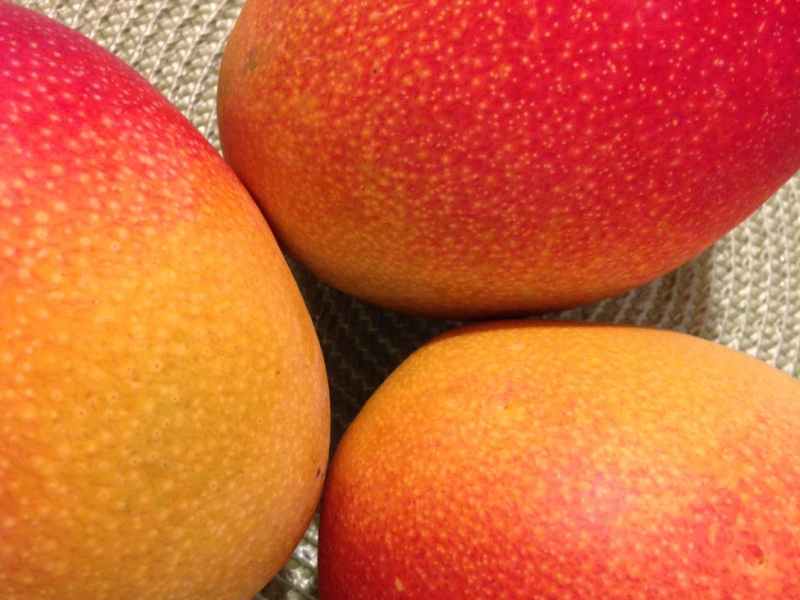
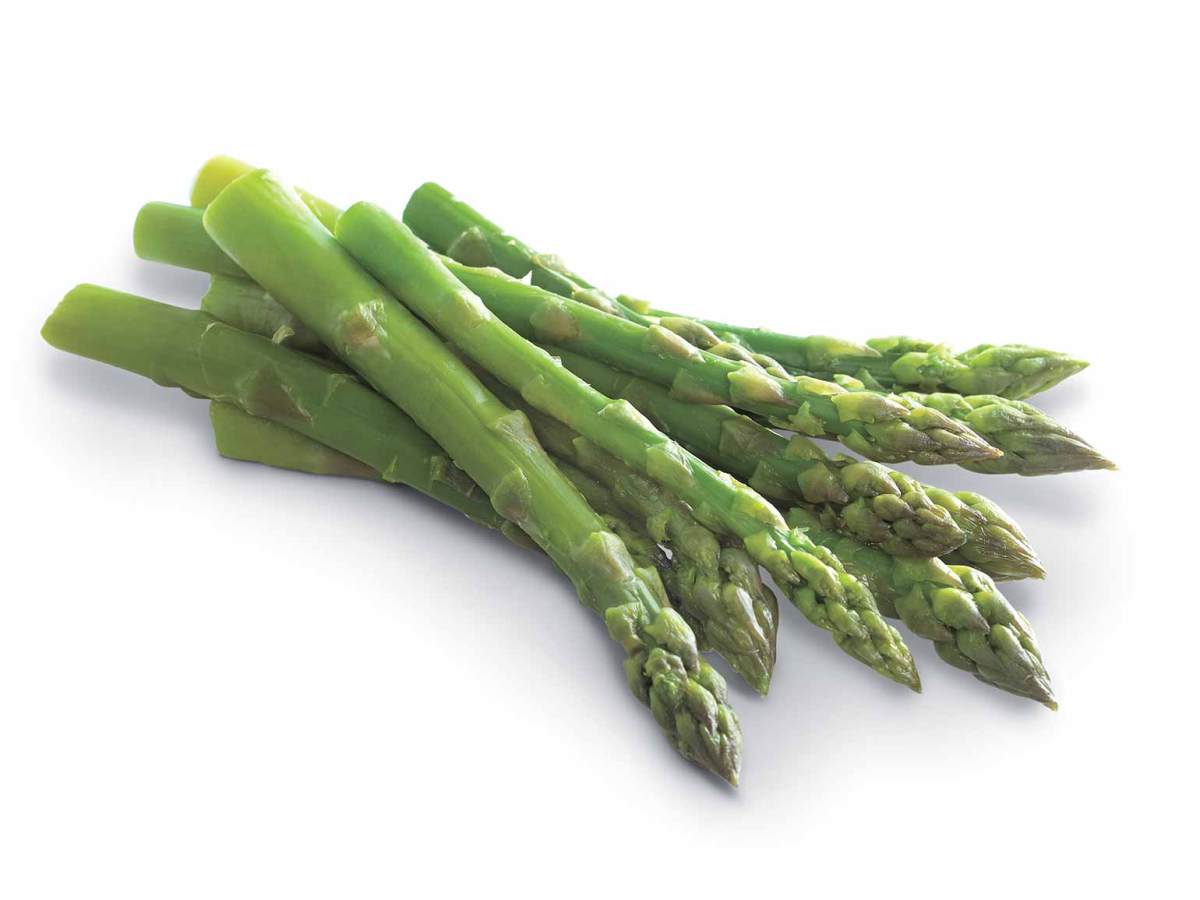
What are some good plant food sources of Vitamin E? Mango, avocado, almonds, asparagus, peanuts, pumpkin, wheat germ oil, and sunflower seeds are rich in Vitamin E.
Almonds are rich in Vitamin E, magnesium, and manganese Almond is the edible seed of Prunus dulcis, a species of tree native to Iran but widely cultivated elsewhere. It is classified with the peach in the subgenus Amygdalus, distinguished from the other subgenera by corrugations on the shell surrounding the seed. Almonds are sold shelled…
What does Vitamin K do? Vitamin K is an essential nutrient that plays a critical role in blood clotting, wound healing, and bone health. People who don’t have enough vitamin K in their system are at greater risk of increased bleeding and bone fractures.
How much do I need? The recommended daily amount for adults 19 years or older is 120 mcg for males and 90 mcg for females.
Are supplements recommended? Mostpeople can get enough vitamin K through a balanced diet, making vitamin K supplements unnecessary. Also, the liver stores extra vitamin K, which can eliminate the need for daily consumption. Vitamin K deficiency in adults is rare, but may occur in people taking medications. Newborns are sometimes deficient because vitamin K does not cross the placenta, and breast milk contains a low amount. The limited amount of blood clotting proteins at birth increases the risk of bleeding in infants if they are not given vitamin K supplements. Antibiotics may decrease vitamin K levels, especially if taken for more than a few weeks. People who have a poor appetite while using long-term antibiotics may be at greater risk for a deficiency, and may benefit from a vitamin K supplement. People who are taking blood-thinners, such as warfarin (Coumadin), should avoid suddenly beginning to eat more or fewer foods containing vitamin K, as this vitamin plays a vital role in blood clotting.
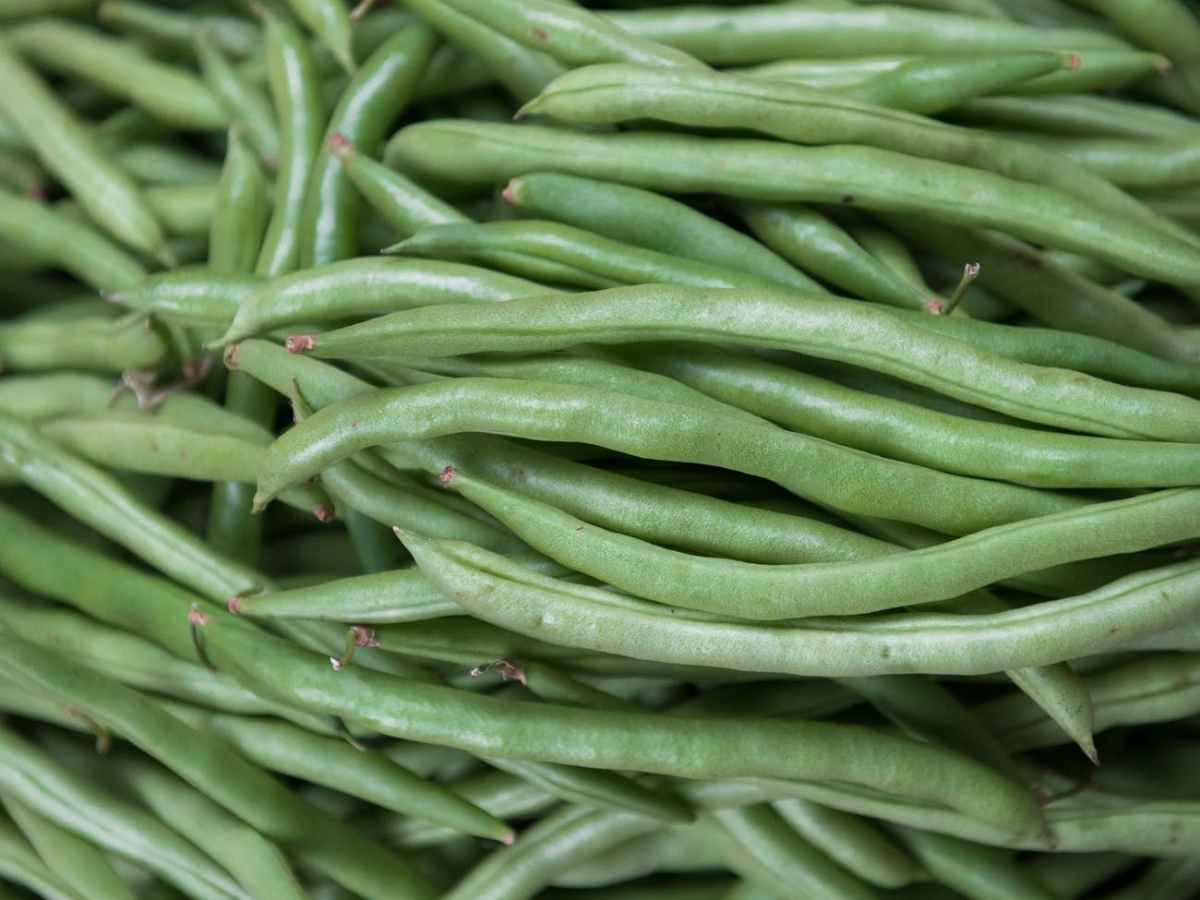
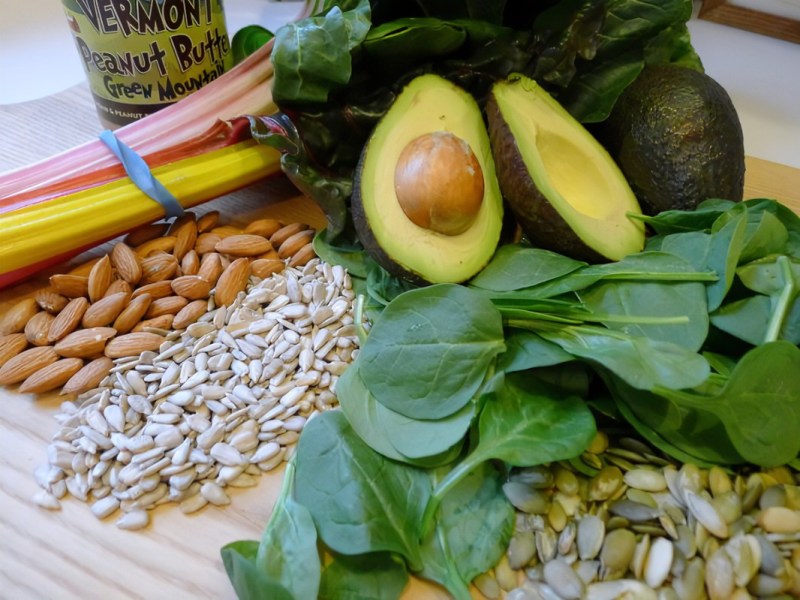
What are some good plant food sources of Vitamin K? Mustard Greens, Beet Greens, Collard Greens, Swiss Chard, Kale, Spinach, Broccoli, Brussels Sprouts, Cabbage, and Green Beans are among the many good sources of Vitamin K. Because vitamin K is fat-soluble, it is best to eat vitamin K foods with some fat to improve absorption. So, drizzle some olive oil or add diced avocado to your favorite leafy green salad!
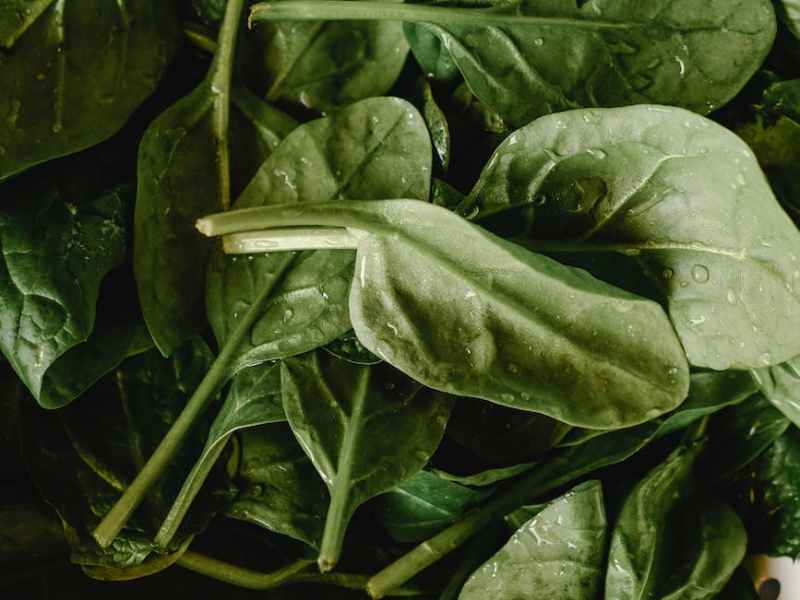
Spinach (español: espinacas) is a leafy green flowering plant whose leaves are consumed cooked or raw. Spinach is a good source of VITAMIN C, IRON, POTASSIUM, VITAMIN E, and MAGNESIUM. The possible health benefits of consuming spinach include blood glucose control, lower risk of cancer, and improved bone health. As part of a nutritious diet, it can help support immune function,…
What are carbohydrates? Carbohydrates are sugar molecules that are broken down down into glucose, which is the main source of energy for cells, tissues, and organs.
How much do I need? On average, people should get 45 to 65% of their daily calories from carbohydrates, based on a 2,000-calorie diet. There are three main types of carbohydrates: sugars, starches, and fiber.
Are supplements recommended? Most people do not need supplements. Carbohydrate supplements are recommended for endurance and high-intensity athletes, for people with certain metabolic disorders, and for some high-stress situations. Consult a health professional before taking carbohydrate supplements.
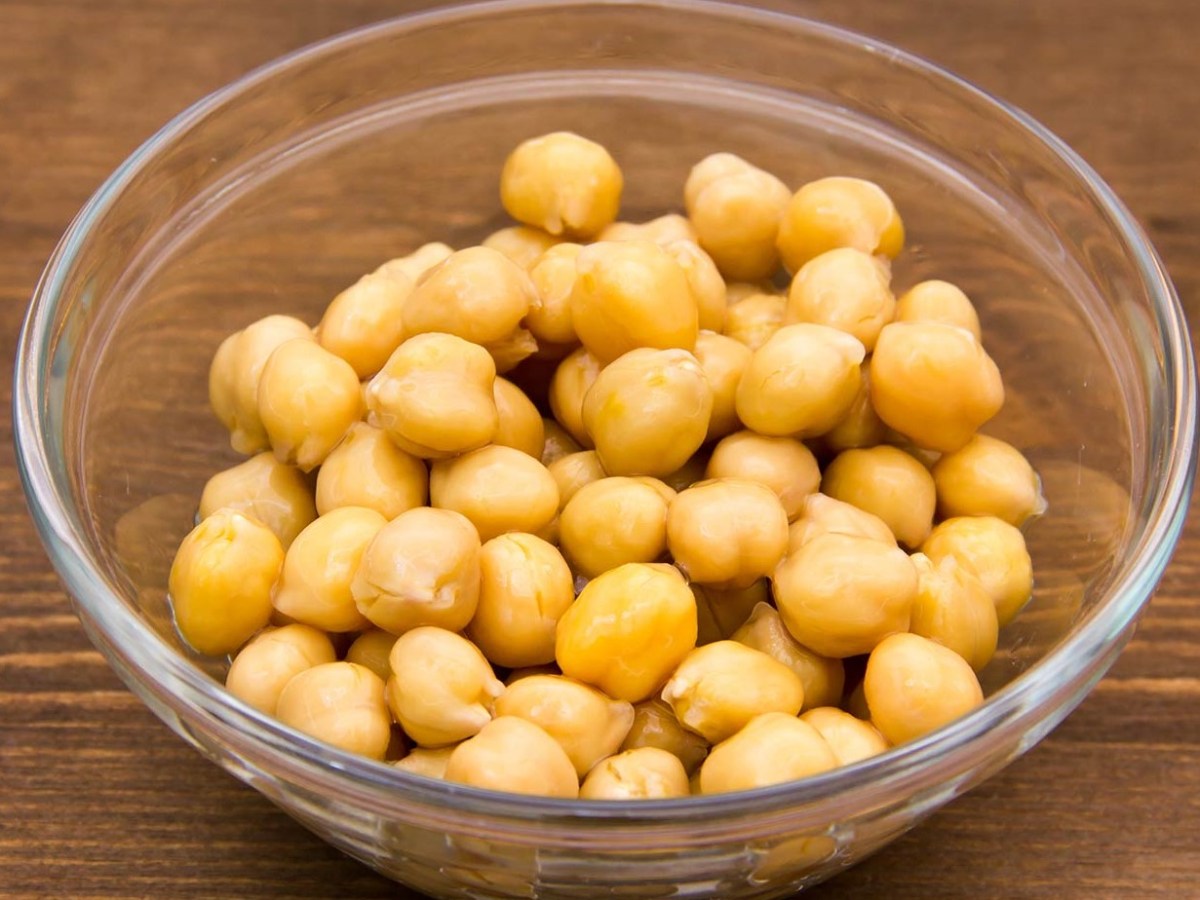
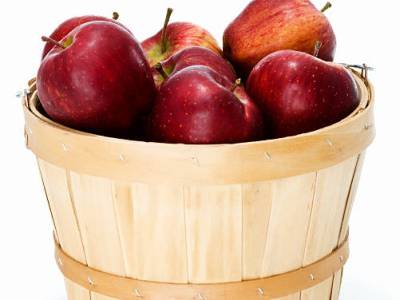
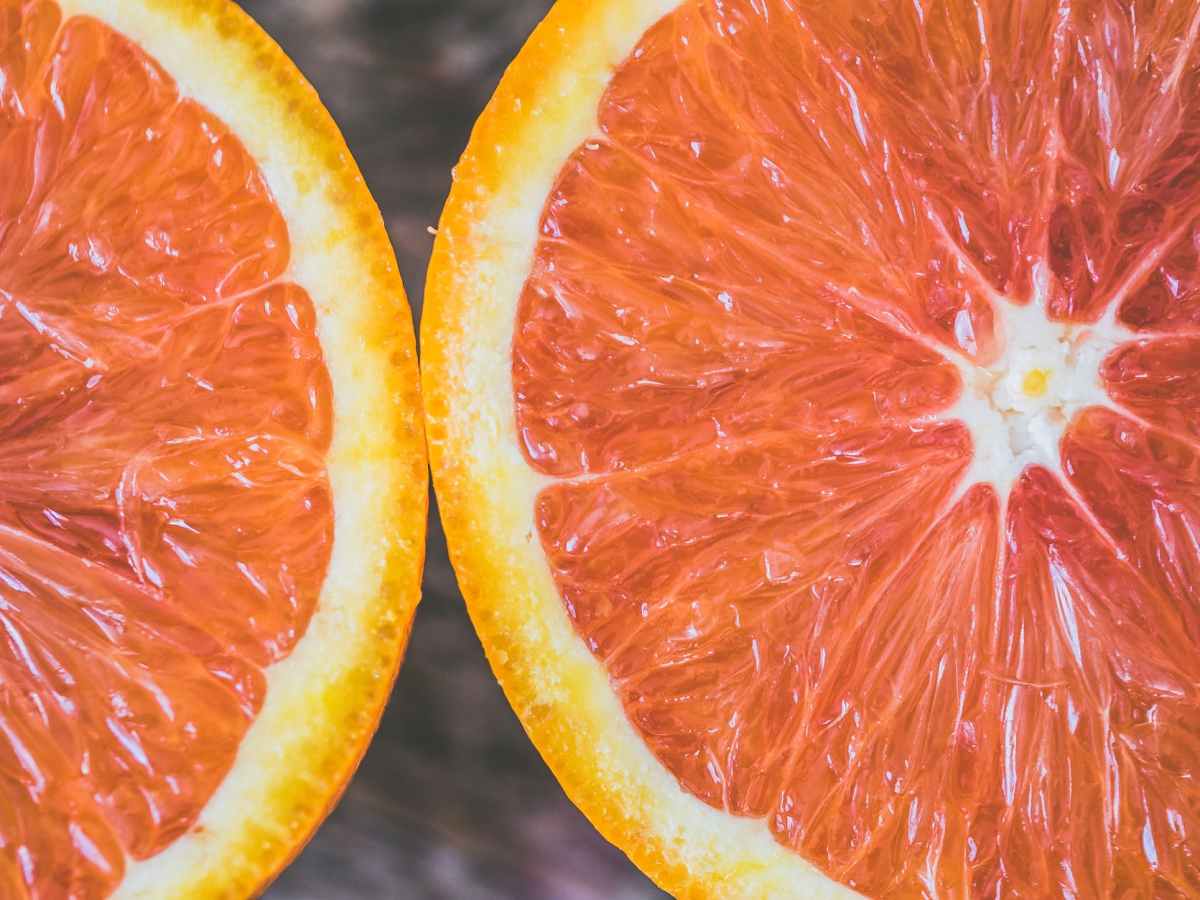
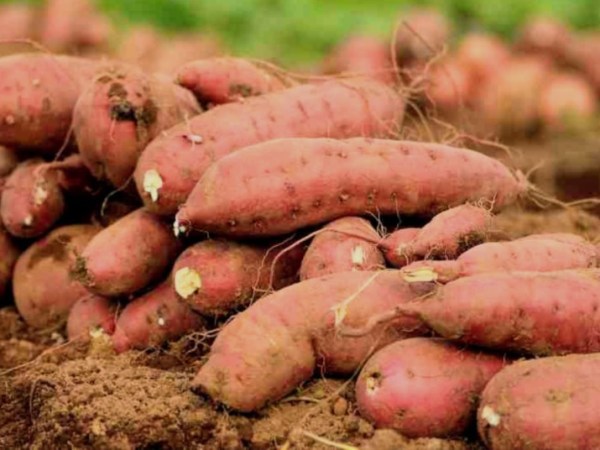
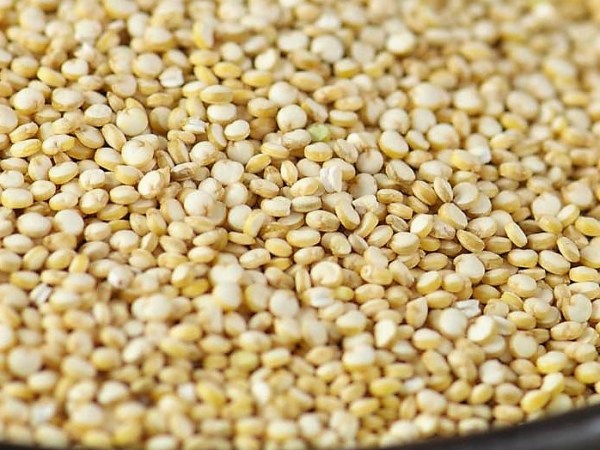
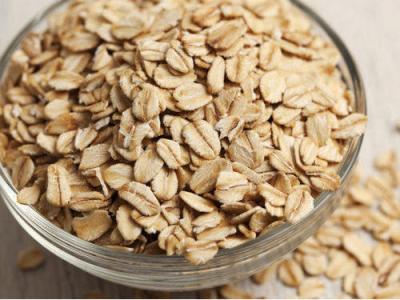
What are some good plant food sources of carbohydrates? Some high-carb plant foods are also high in health-enhancing nutrients: Quinoa, Oats, Buckwheat, Bananas, Sweet Potatoes, Beets, Oranges, Blueberries, Grapefruit, Apples, Kidney Beans, and Chickpeas provide healthy carbohydrates and many essential nutrients.
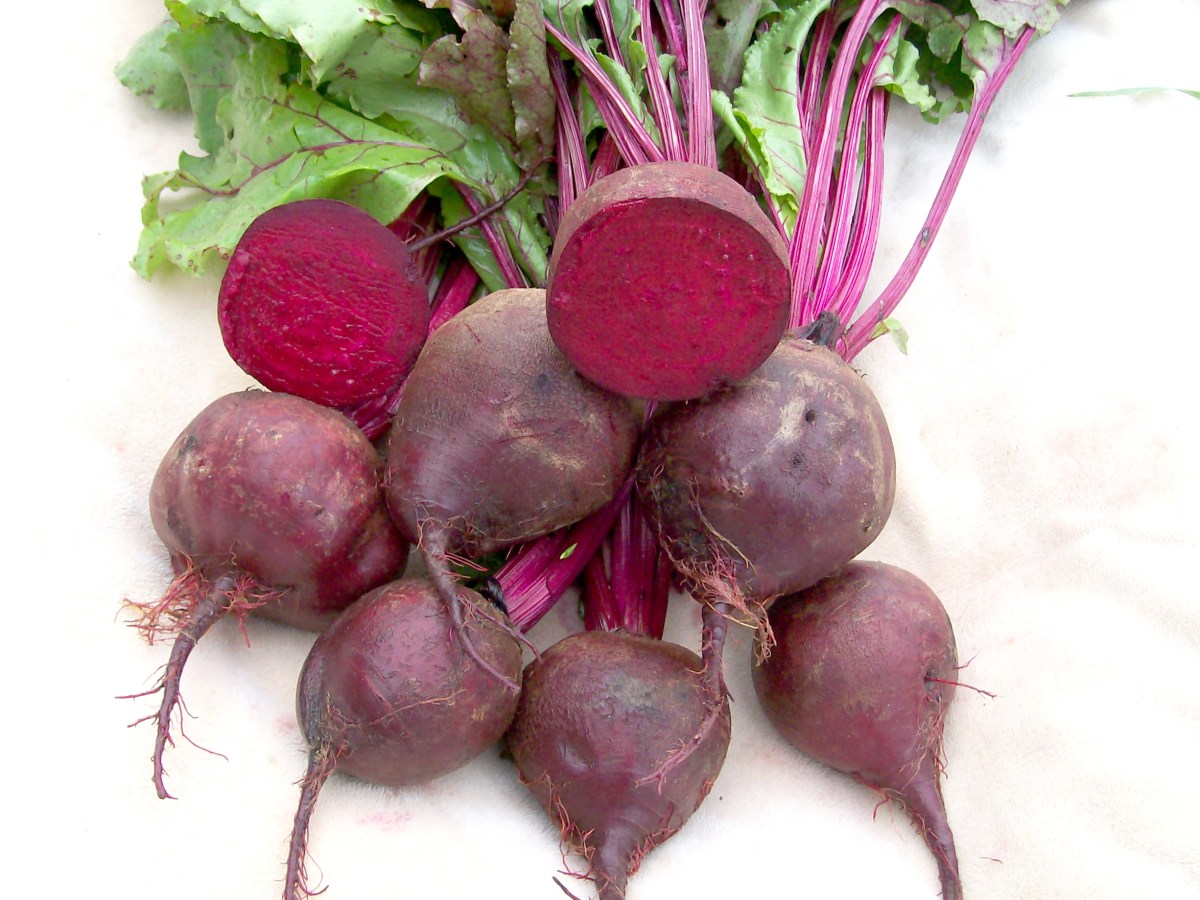
Beets are low in calories and a source of many nutrients, including fiber, folate and vitamin C and contain nitrates and pigments that help lower blood pressure and improve athletic performance.
What does pyridoxine do? Vitamin B6, also known as pyridoxine, is a water-soluble vitamin that is significant to protein, fat and carbohydrate metabolism and the creation of red blood cells and neurotransmitters. Your body cannot produce vitamin B6, so you must obtain it from foods or supplements. Getting enough B6 through your diet or a supplement is crucial for staying healthy.
How much do I need? The current recommended daily amount (RDA) for B6 is 1.3–1.7 mg for adults over 19.
Are supplements recommended? Most people do not need to take a Vitamin B6 (pyridoxine) supplement. A balanced diet usually provides sufficient amounts. Supplements are generally only necessary for diagnosed deficiencies, specific health conditions like kidney disease or malabsorption, or under doctor advice for, for example, severe morning sickness. Vitamin B6 toxicity is not likely to occur from food sources of B6, but taking more than 1,000 mg of supplemental B6 a day may cause nerve damage and pain or numbness in the hands or feet. Some of these side effects have even been documented after just 100–300 mg of B6 per day. For these reasons, the tolerable upper limit of vitamin B6 is 100 mg per day for adults
What are some good plant food sources of pyridoxine? CHICKPEAS, BANANAS, MAMEY, AVOCADO, TOMATOES, BRUSSELS SPROUTS.
What does biotin do? Vitamin B7, or biotin, is a water-soluble vitamin that helps the body metabolize fats, carbohydrates, and protein and helps maintain a healthy nervous system, nails, hair and skin.
How much do I need? There is no established Recommended Dietary Allowance (RDA) for biotin due to a lack of sufficient evidence, but the recommended Adequate Intake (AI) for adults (19+ years) is 30 micrograms.
Are supplements recommended? For most people, a supplement will not be necessary as long as they are eating a healthy, varied diet. Some people take supplements to strengthen their nails and hair, but there is a lack of evidence supporting this use. Human cells cannot synthesize vitamin B7, but bacteria in the body can produce it, and the vitamin is present in numerous foods. Biotin therapy may help treat some medical conditions.
What are some good plant food sources of biotin? SWEET POTATOES, SUNFLOWEER SEEDS, ALMONDS.
Almonds are rich in Vitamin E, magnesium, and manganese Almond is the edible seed of Prunus dulcis, a species of tree native to Iran but widely cultivated elsewhere. It is classified with the peach in the subgenus Amygdalus, distinguished from the other subgenera by corrugations on the shell surrounding the seed. Almonds are sold shelled…
What does folate do? Vitamin B9 (Folate) is essential for producing red and white blood cells in bone marrow and transforming carbohydrates into energy. Folate is especially important during periods of rapid growth, such as pregnancy, infancy, and adolescence. It’s best to get folate from whole foods.
How much do I need? The recommended daily intake (RDI) of folate varies with age and gestation or lactation:
Are supplements recommended? For most individuals, a balanced diet rich in folate-rich foods such as leafy green vegetables, fruits, nuts, beans, and fortified grains can provide sufficient folate. However, certain individuals may benefit from supplementation. A folate deficiency can lead to lack of energy, poor immune function and impaired digestion. Folate is especially important nutrient for pregnant women to prevent birth defects like spina bifida. It is important to consult a health care professional if you are considering folate supplements. Folic acid, often confused with folate, is a synthetic form of vitamin B9 used in supplements and added to processed food products, such as flour and breakfast cereals. Several studies indicate that chronically elevated levels of unmetabolized folic acid may have adverse health effects. High levels of unmetabolized folic acid have been associated with increased cancer risk. Among elderly people, high folic acid levels can mask vitamin B12 deficiency which, if untreated, may increase the risk of dementia and impaired nerve function.
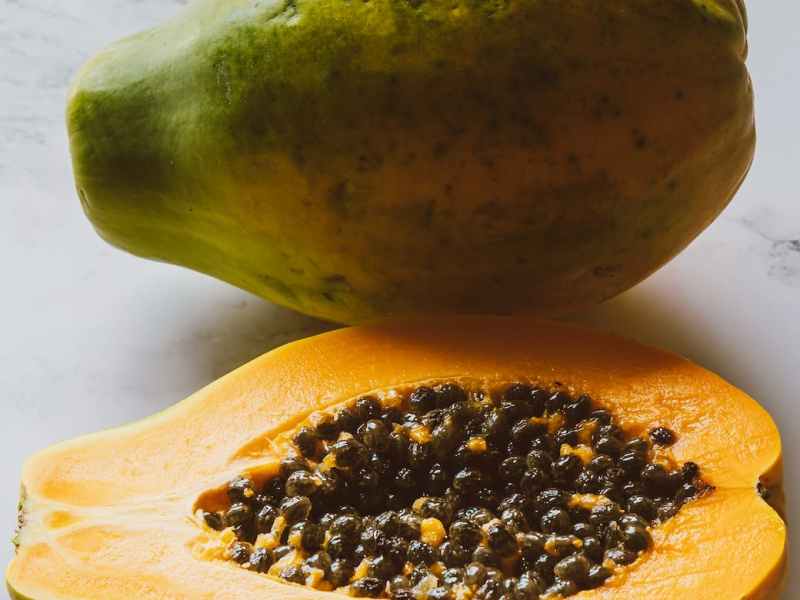
What are some good plant food sources of folate? Asparagus, avocado, banana, beans, beets, broccoli, Brussels sprouts, citrus fruits, lentils, lettuce, nuts and seeds, papaya, peas, spinach, and wheat germ.
Beets are low in calories and a source of many nutrients, including fiber, folate and vitamin C and contain nitrates and pigments that help lower blood pressure and improve athletic performance.
Papaya is rich in Vitamins A, C, and B9, as well as potassium, the antioxidant lycopene and the papain enzyme. Unripe papaya can stimulate contractions in pregnancy, so it should always be ripened or cooked before eating if you’re pregnant.
Spinach (español: espinacas) is a leafy green flowering plant whose leaves are consumed cooked or raw. Spinach is a good source of VITAMIN C, IRON, POTASSIUM, VITAMIN E, and MAGNESIUM. The possible health benefits of consuming spinach include blood glucose control, lower risk of cancer, and improved bone health. As part of a nutritious diet, it can help support immune function,…
What does Vitamin D do?
Vitamin D helps the body absorb calcium, one of the main building blocks for strong bones and preventing osteoporosis. Vitamin D is also needed for muscles to move and for nerves to carry messages between the brain and the body. The immune system needs Vitamin D to fight off invading bacteria and viruses.
How much do I need?
The recommended amount of Vitamin D for adults 71 and older is 20 mcg (800 IU) daily. For all others, the amount is 15 mcg (600 IU). Vitamin D is available in dietary supplements. The two forms of vitamin D in supplements are D2 and D3. Both forms increase vitamin D in the blood, but D3 might raise it higher and for longer than D2. Because vitamin D is fat-soluble, it is best absorbed when taken with a meal or snack that includes some fat.
Are supplements recommended?
Almost one out of four people have vitamin D blood levels that are too low or inadequate for bone and overall health. In children, vitamin D deficiency causes rickets, a disease in which the bones become soft, weak, deformed, and painful. In teens and adults, vitamin D deficiency causes osteomalacia, a disorder that causes bone pain and muscle weakness. Many people of all ages need Vitamin D supplements.
What are some good plant food sources of Vitamin D?
There are very few food sources. The body makes Vitamin D when bare skin is exposed to the sun.
What does selenium do? Selenium is needed to fight infections and for reproductive function.
How much do I need? Adults need 55 micrograms daily. In pregnancy and lactation, 60 micrograms are recommended.
Are supplements recommended? Selenium deficiencies are rare in the United States, and too much selenium can be toxic, so supplements are not recommended. However, people suffering from HIV, Chron’s disease, and hypothyroidism should consult their health care provider because these conditions can make it hard to absorb selenium.
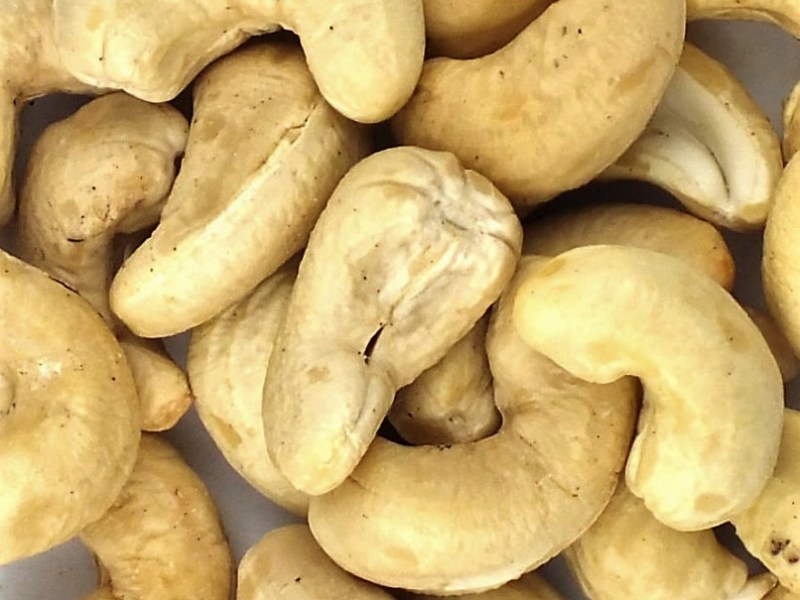
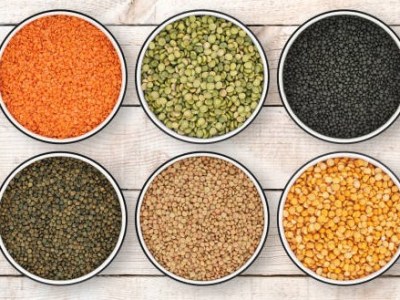
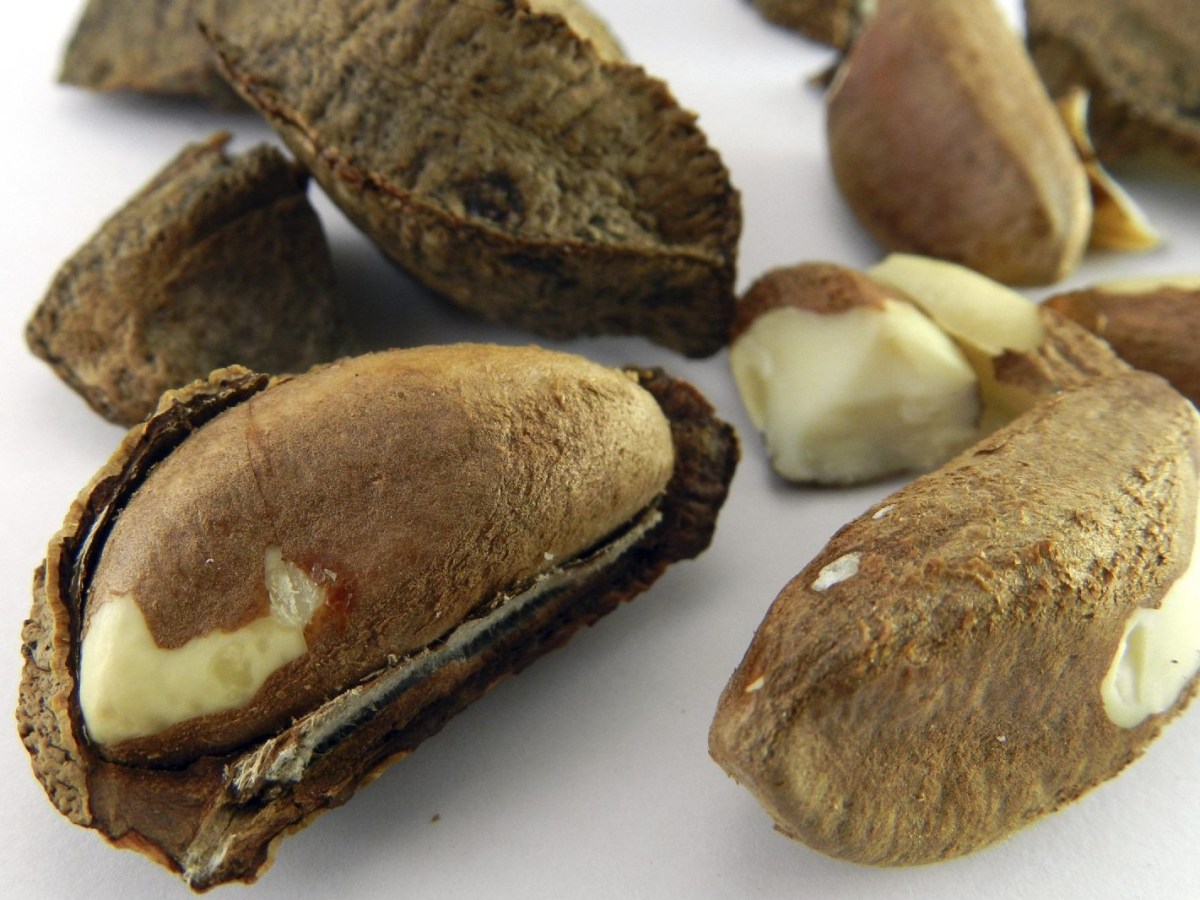
What are some good plant food sources of selenium? BRAZIL NUTS, BROWN RICE, SUNFLOWER SEEDS,BAKED BEANS, MUSHROOMS, OATMEAL, SPINACH, LENTILS, CASHEWS, BANANAS.
Spinach (español: espinacas) is a leafy green flowering plant whose leaves are consumed cooked or raw. Spinach is a good source of VITAMIN C, IRON, POTASSIUM, VITAMIN E, and MAGNESIUM. The possible health benefits of consuming spinach include blood glucose control, lower risk of cancer, and improved bone health. As part of a nutritious diet, it can help support immune function,…
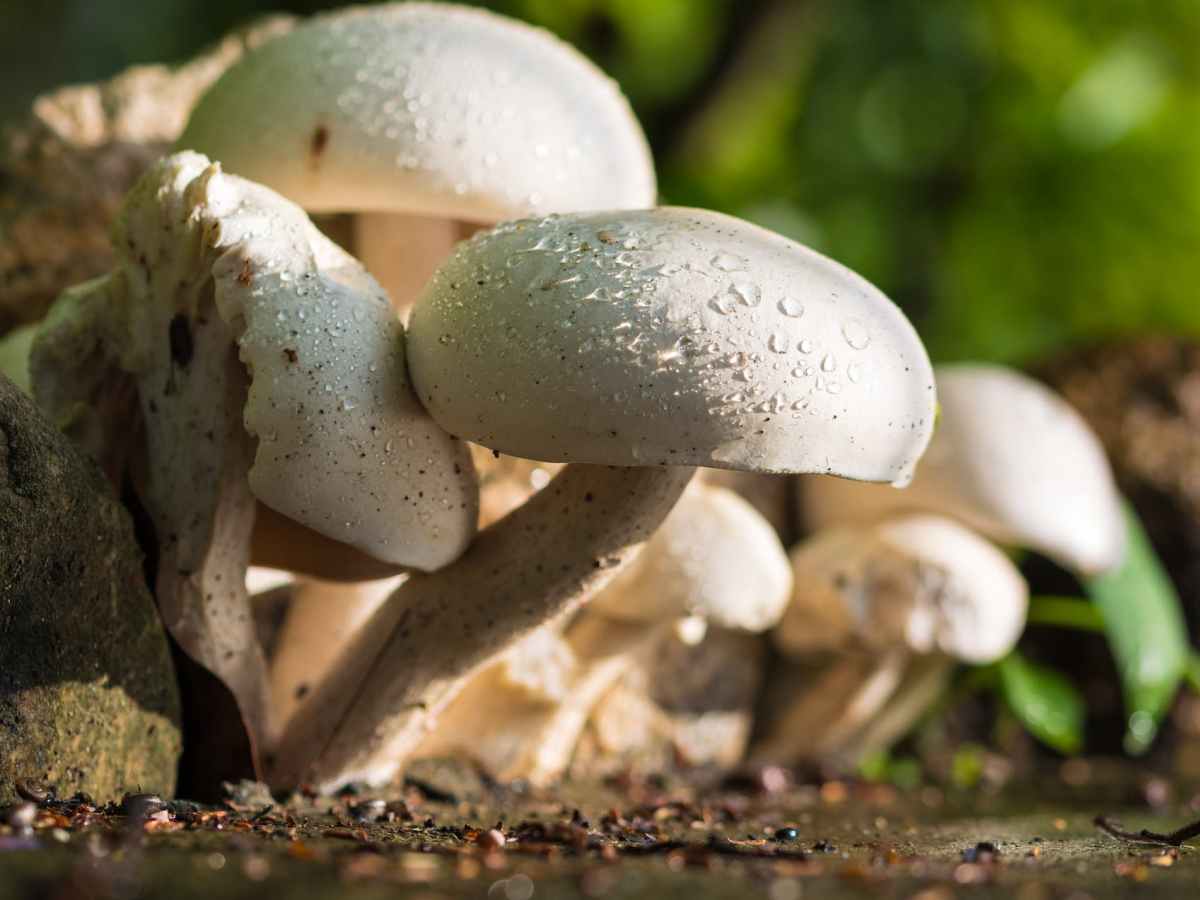
White mushrooms are rich in many bioactive compounds that may protect against cancer and heart disease, as well as help improve blood sugar control and gut health.
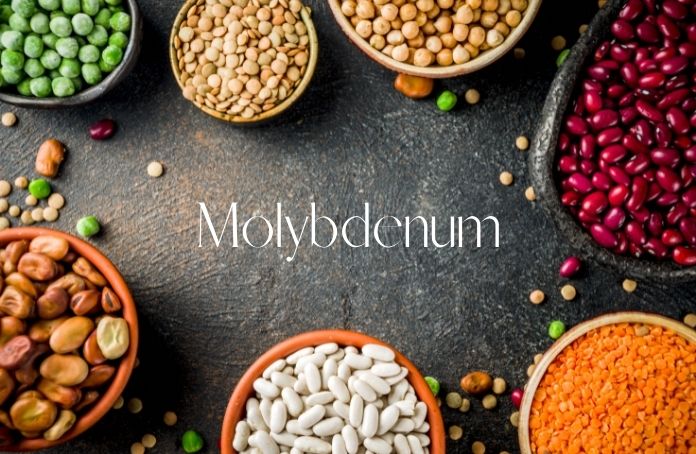
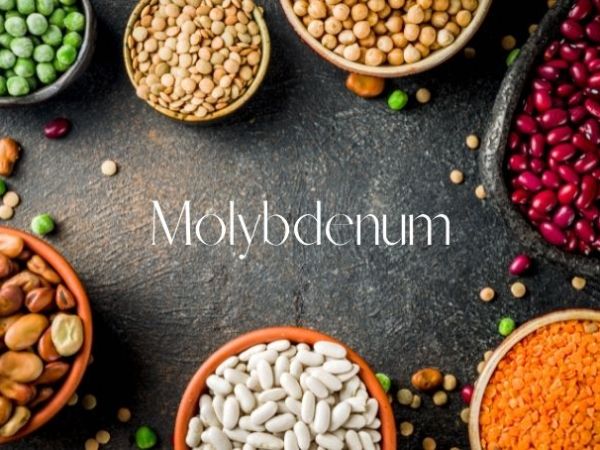
What does molybdenum do? Molybdenum is an essential trace mineral and transition metal crucial for activating enzymes that break down toxins, sulfites, and amino acids in the body. It is primarily consumed through foods like legumes, nuts, and whole grains.
How much do I need? Adults need 45 micrograms daily.
Are supplements recommended? Most people consume more than the recommended amount through their diet alone, making supplementation generally unnecessary and potentially harmful.
What are some good plant food sources of selenium? LENTILS, BEANS, WHOLE GRAINS, NUTS, LEAFY VEGETABLES.
Spinach (español: espinacas) is a leafy green flowering plant whose leaves are consumed cooked or raw. Spinach is a good source of VITAMIN C, IRON, POTASSIUM, VITAMIN E, and MAGNESIUM. The possible health benefits of consuming spinach include blood glucose control, lower risk of cancer, and improved bone health. As part of a nutritious diet, it can help support immune function,…
What does fat do? Fat is an important nutrient your body needs for energy, cell growth, and absorbing certain vitamins. While some dietary fat is necessary, limiting total fat and saturated fat may improve your overall health. Dietary fat is a calorie dense nutrient, and including too much in your diet may contribute to excess body weight. Saturated fats raise your LDL (“bad”) cholesterol and increase your risk of cardiovascular disease. Replacing them with unsaturated fats as part of a healthy diet can help you lower your cholesterol and maintain a moderate weight.
How much do I need? For most adults, the Dietary Guidelines for Americans recommends that total fat not exceed 20% to 35% of daily calories. Saturated fat should not be more thhan 10% of daily calories. Unsaturated fats are typically liquid at room temperature. They come from plant sources and fatty fish, like salmon. Including unsaturated fats in your diet may lower your LDL cholesterol levels. They also provide essentialfatty acids your body needs but can’t produce, like omega-6s and omega-3s. Trans fats are created artificially and also occur naturally in small amounts in some animal products. Trans fats raise your LDL cholesterol and lower your HDL (“good”) cholesterol. The main source of artificial trans fats in processed foods is partially hydrogenated vegetable oils. These fats are solid at room temperature and can improve the taste and shelf life of foods. The Food and Drug Administration no longer recognizes partially hydrogenated vegetable oils as safe. As of July 2018, manufacturers can no longer add them to foods in the United States.
Are supplements recommended? Vegans or individuals with severe dietary restrictions may need Omega-3 (EPA/DHA) supplements if they are not consuming enough from plant-based
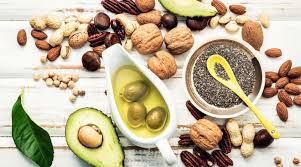
What are some good plant food sources of fat? OLIVE OIL, CANOLA OIL, SOYBEAN OIL, WALNUTS, FLAXSEEDS, SUNFLOWER SEEDS, AVOCADOS, PEANUT BUTTER
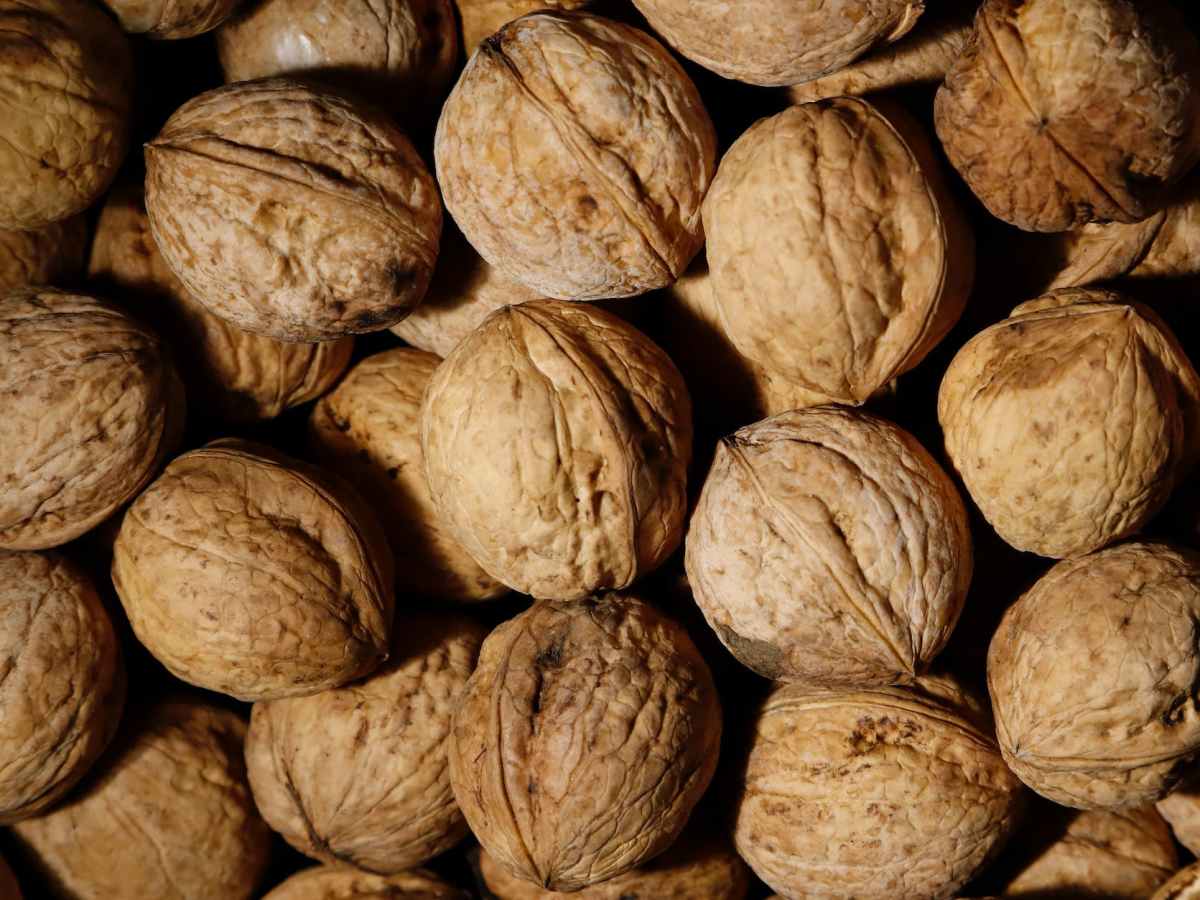
Some benefits of eating walnuts are heart health, prevention of cancer, bone health, immune system function, nerve health, and regulation of body clock.
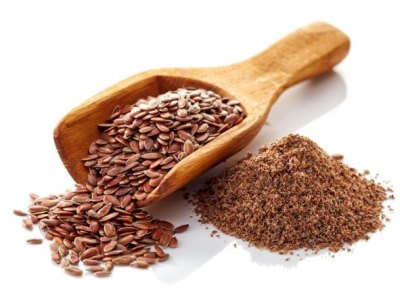
Among the claims made for it are that it may reduce cancer risk, improve cholesterol, lower blood pressure, help control blood sugar, and aid in weight control. The health benefits were observed with just 1 tablespoon (10 grams) of ground flax seeds per day. However



























 Fruit & Stuff
You must be logged in to post a comment.