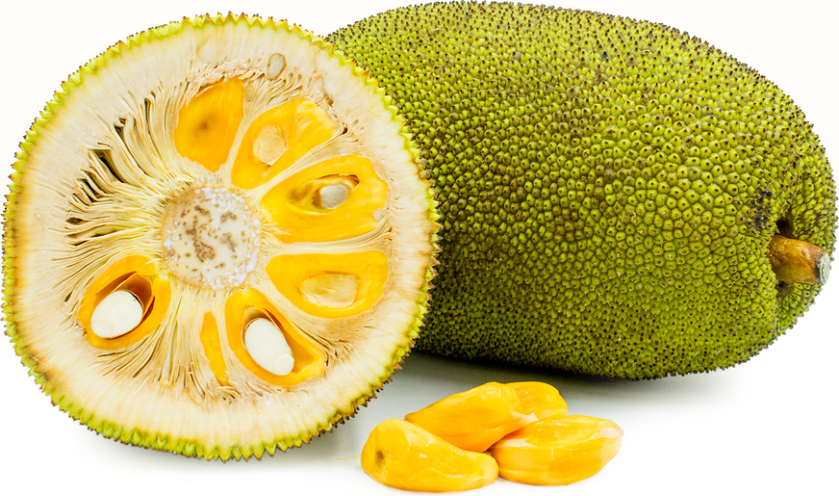
Claims for jackfruit are that it may help regulate blood sugar, protect against disease with antioxidants, prevent skin problems, and promote heart health.
The jackfruit (español: yaca) (Artocarpus heterophyllus), also known as jack tree, is a species of tree in the fig, mulberry, and breadfruit family. Its origin is in the region between the WesternGhats of southern India and the rainforests of Malaysia. Jackfruit is a common ingredient in South and SoutheastAsian cuisines. It is available internationally canned or frozen and in chilled meals as are various products derived from the fruit such as noodles and chips.
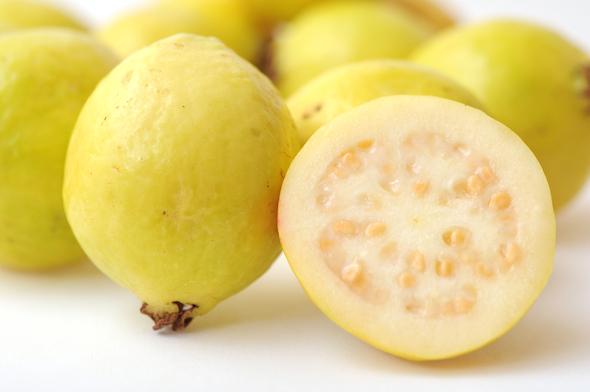
Among the claims for guavas are that they improve heart health, blood sugar levels, painful menstruation, digestion, and skin.
Guava (español: guayaba) is a tropical fruit cultivated in many tropical and subtropical regions. Psidium guajava is a small tree in the myrtle family, native to Mexico, Central America. Guavas are typical Myrtoideae, with tough dark leaves and white flowers with five petals and numerous stamens. The fruits are many-seeded berries. I had just moved to Guadalajara, Mexico, when I tasted my first guayaba. I was hooked. When ripe, the guayaba, or guava, is very sweet and delicious, peeling, seeds and all. Just wash and eat it like an apple. They are also made into a popular candy called ate. (pronounced ah-tay). Guayabate is one of my favorite sweets.
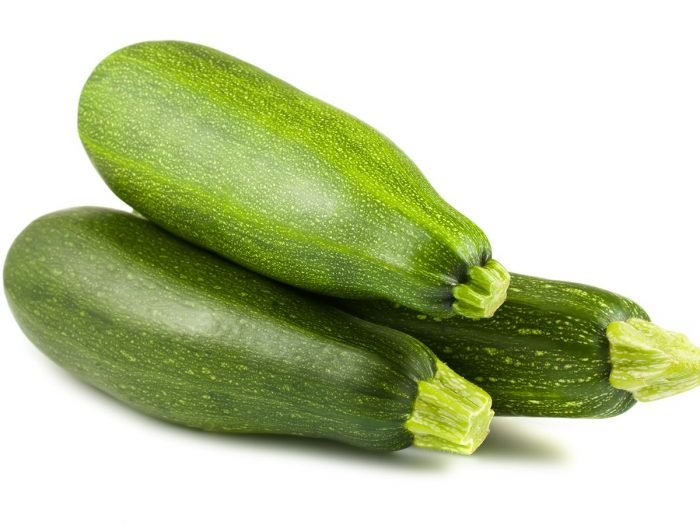
Zucchini (español: calabacita), also known as courgette, is a summer squash in the Cucurbitaceae plant family, which includes melons, spaghetti squash, and cucumbers. It can grow to more than 3.2 feet (1 meter) in length but is usually harvested when still immature. Although often considered a vegetable, it is botanically classified as a fruit.
What nutrients does zucchini provide? Zucchini contains a variety of vitamins, minerals, and antioxidants. Cooked zucchini is particularly high in vitamin A. It is rich in water and fiber, promoting healthy digestion. Zucchini’s fiber may increase insulin sensitivity and stabilize blood sugar levels, potentially reducing risk of type 2 diabetes. Zucchini may lower blood pressure, cholesterol, and other risk factors for heart disease. It contributes to healthy vision and may lower risk of age-related eye conditions. Since the skin of the plant contains high levels of antioxidants, it is best served unpeeled. Zucchini can be grated, sliced, or stuffed. It is delicious boiled, steamed, grilled, baked, broiled, or breaded and fried. It is a healthy ingredient in salads, soups, and breads, and a tasty addition to many favorite dishes.
What is the best time of day to consume zucchini? Zucchini is a highly versatile, nutrient-dense, and low-calorie vegetable that can be enjoyed throughout the day. While it is safe and healthy to eat at any time, certain times of the day offer specific benefits:
Morning (for Sustained Energy): Adding zucchini to breakfast (e.g., in smoothies, muffins, or savory skillet dishes) provides a nutrient-rich, fiber-packed start to the day that promotes steady energy levels.
Lunch (for Satiety): Due to its high water and fiber content, eating zucchini at lunch helps with portion control and promotes feelings of fullness.
Dinner (for Digestion): Zucchini is easy on the digestive system and makes for a perfect light, nutrient-dense, and hydrating addition to an evening meal.
As a Snack (for Hydration/Nutrients): Raw zucchini is a great, crunchy, low-calorie snack option, especially when paired with dips.
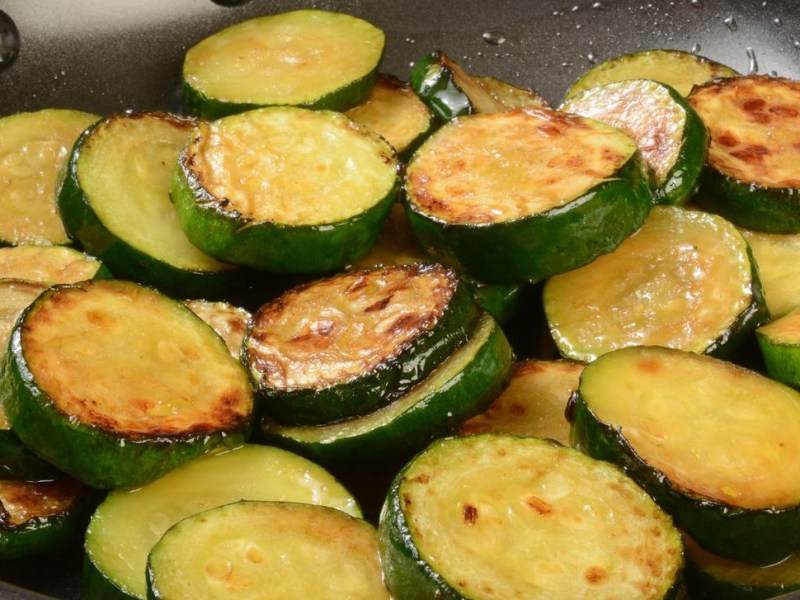
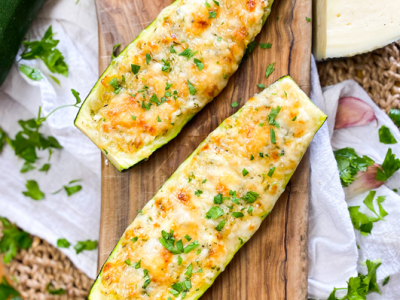
Zucchini is a tasty addition to any meal. Crushed fennel seeds, red onion, garlic, and balsamic vinegar add nutritional value and taste to this simple dish..
Blackberries are rich in fiber, manganese and Vitamins C and K. They are credited with improving brain and oral health.
The blackberry (español: zarzamora) is an edible fruit produced by many species in the genus Rubus in the Rosaceae family. The taxonomy of the blackberries has historically been confused because of hybridization and apomixis, so that species have often been grouped together and called species aggregates. Blackberries are delicious just as they are with no more preparation than washing. They make a delicious and healthy addition to smoothies, fruit salads, or green salads.
With a Glycemic Index (GI) of 25 and a Glycemic Load (GL) of 4, blackberries are an excellent food for weight loss and diabetes control. There is promising ongoing research that indicates blackberries fight cancer and help prevent heart disease. The leaves are rich in tannin and have antibacterial properties. They have been used medicinally since at least the time of the ancient Greeks. They are made into an astringent tea which is used to relieve sore throats, mouth ulcers, diarrhea and thrush.
Beets are low in calories and a source of many nutrients, including fiber, folate and vitamin C and contain nitrates and pigments that help lower blood pressure and improve athletic performance.
The beetroot is the taproot portion of a beet plant, usually known in North America as the beet. It is one of several cultivated varieties of Beta vulgaris grown for their edible taproots and leaves (called beet greens). Beets can be served raw or cooked in a variety of ways. The greens are edible too, and can be added to a salad or cooked and served as a side dish.
Bay leaves or the essential oil derived from them have been shown to help prevent candida, heal wounds, potentially fight cancer and aid digestion.
The bay leaf comes from an evergreen tree of the Lauraceae family. The baby leaf is delicately fragrant with a bitter taste. It is most commonly used in the dried version of the whole leaf when cooking. The leaf should be removed from the dish before serving. Bay leaf is an ingredient in many favorite dishes around the world. It brings to mind the tantalizing smell of Italian food cooking. It is used in cooking for a distinctive, savory flavor for soups and stews. It is an ingredient in a cologne known as bay rum, and can also be found in cosmetics, soaps and detergents.
They are used for diabetics due to evidence they can help manage blood sugar and lower cholesterol. This herb is also antimicrobial and antioxidant properties, and while further research is needed to confirm the efficacy, it may help treat dandruff, muscle and joint pain, and skin infections.
Basil is anti-bacterial, anti-inflammatory, and antioxidant. It helps prevent diabetes. It is used to reduce pain and fever, combat stress, and boost the immune system. It fights cancer and protects blood vessels and liver.
Basil is a culinaryherb of the family Lamiaceae (mints). Basil is used in cuisines all over the world. Depending on the species and cultivar, the leaves may taste somewhat like anise, with a strong, pungent, often sweet smell. Basil is used as a fresh herb in recipes all over the world. It is an essential ingredient in many Italian dishes. Basil is also used to create perfumes, household cleaners and in dental-care products.
Barley is rich in fiber, antioxidants, vitamins and minerals. It improves digestion, and can help with weight loss and blood sugar levels. It lowers cholesterol and helps prevent heart disease and cancer.
Barley, a member of the grassfamily, is a major cereal grain grown in temperate climates all over the world. It was one of the first cultivated grains, going back as much as 10,000 years. Barley has been used as animal fodder, a source of fermentable material for beer and certain distilledbeverages, and a component of various health foods. It is used in soups and stews, and in barley bread. Barley grains are commonly made into malt in a traditional and ancient method of preparation.
Bananas are high in fiber and antioxidants and relatively low in calories; they moderate blood sugar levels and improve digestive and kidney health.
A banana is an edible fruit–botanically a berry–produced by several kinds of large herbaceous flowering plants in the genus Musa. In some countries, bananas used for cooking may be called plantains, distinguishing them from dessert bananas. The fruit is variable in size, color, and firmness, but is usually elongated and curved, with soft flesh rich in starch covered with a rind, which may be green, yellow, red, purple, or brown when ripe. The fruits grow in clusters hanging from the top of the plant.
Bananas are good as they are–just peel and eat. They are a delicious addition to a smoothie, and very ripe bananas make exquisite banana bread. Cooking bananas, known as plantains, can be fried, baked, or sliced and added to a stew. In southern Mexico, tamales are wrapped in banana leaves instead of corn husks.
Asparagus is anti-inflammatory and antioxidant. It is a good source of Vitamin K, Vitamin B1, Thiamine, and Fiber.
Asparagus is a perennial flowering plant species in the genus Asparagus. Its young shoots are used as a spring vegetable. It is widely cultivated as a vegetable crop. It serves as a natural diuretic, nourishes the digestive tract. It helps with a healthy pregnancy, helps fight cancer, and supports skin health. Asparagus can be eaten raw and makes a good addition to salads. Lightly steamed, blanched, or roasted asparagus is a delicious side dish with almost any meal. Recipe for Sauteed Asparagus.
Cauliflower is high in Vitamins C and K and several mineral. It improves digestion and detoxification, fighting inflammation and reducing cancer risk. It can be eaten raw, but its nutrients are more absorbable when it is lightly sauteed with a bit of water and a healthy source of fat. For flavor, add broth or lemon juice to the mix.
Cauliflower is an annual plant that reproduces by seed. Typically, only the white head, called the curd, is consumed. It is one of several vegetables in the species Brassica oleracea, which includes broccoli, brusselssprouts, cabbage, collard greens, and kale.
Avocados are widely considered among the superfoods, nutrient-dense, whole foods packed with high levels of antioxidants, vitamins, minerals, and fiber that may promote health, boost immunity, and help prevent diseases. While not a legally defined or scientifically recognized category, superfoods are commonly touted for exceptional nutrient-rich properties.
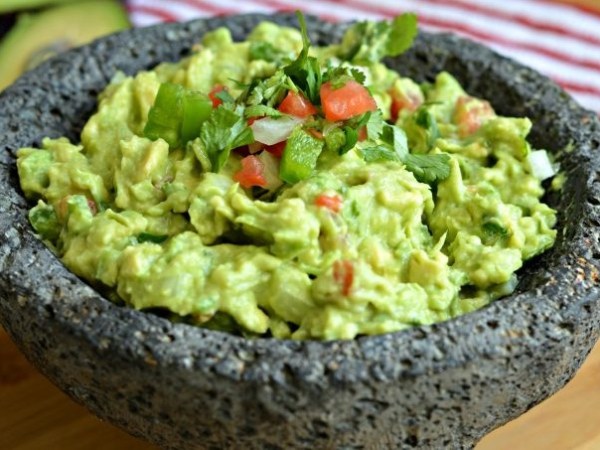
The avocado is a member of the flowering plant family Lauraceae. The fruit of the plant is botanically a large berry containing a single seed. Avocados are cultivated in tropical and Mediterranean climates throughout the world. Avocados are delicious as they are–just peel and slice or scoop with a spoon. A quarter of an avocado in a smoothie gives it a delicious creamy texture that blends well with other flavors. Avocados can be used in salsas, dips, and salad dressings, and, of course, they are the key ingredient in the Mexican dish that is appreciated worldwide–Guacamole! Avocados are a source of key nutrients, including healthy fats and fiber. They also contain anti-inflammatory and antioxidant compounds and may help reduce heart disease risk. Avocados are exceptionally nutritious fruits and are a concentrated source of healthyfats and fiber, plus a number of vitamins and minerals.
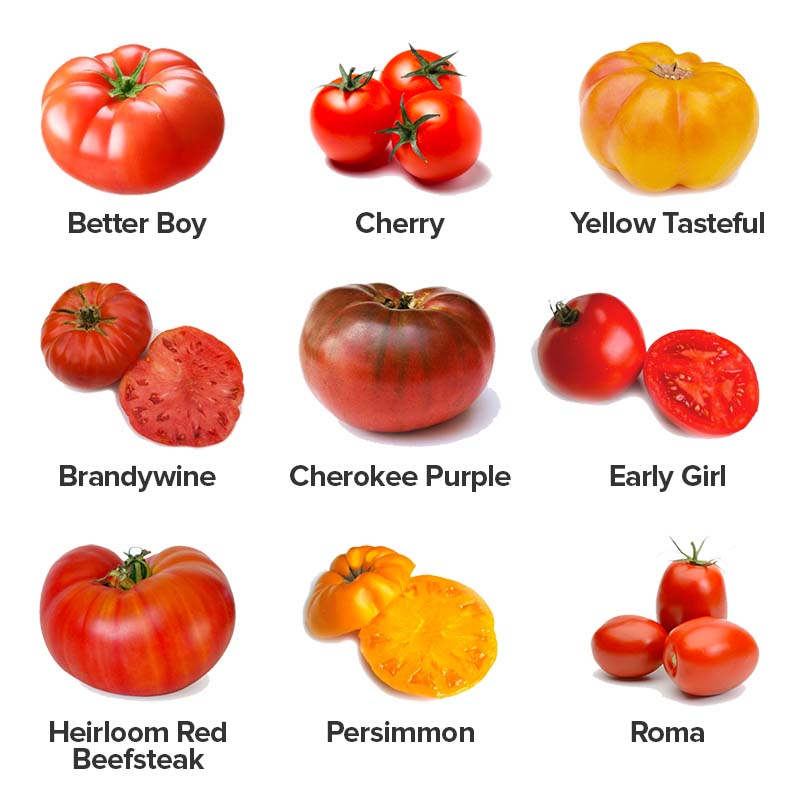
The tomato is from the nightshade family native to South America. Although botanically a fruit, it’s generally eaten and prepared like a vegetable. Tomatoes come in a variety of colors, including yellow, orange, green, and purple, although red is the most widely known. There are many subspecies of tomatoes with different shapes and flavors. Here’s a guide to some of them. Tomatoes can be washed and eaten just as they are, peeling and all. They are a staple ingredient in all kinds of salads, soups, and sauces. Canned tomatoes and tomato products are widely available, but you can also use fresh tomatoes. Tomatoes provide significant amounts of
Vitamin C (28% of the RDI in one medium-sized tomato);
Potassium, an essential mineral, beneficial for blood pressure control and heart disease prevention;
Vitamin K1 for blood clotting and bone health;
Folate (vitamin B9), for normal tissue growth and cell function, particularly for pregnant women
Lycopene, an antioxidant that has been extensively studied for its beneficial health effects;
Betacarotene, an antioxidant that is converted into vitamin A in the human body;
Naringenin, a flavonoid found in tomato skin that has been shown to decrease inflammation and protect against various diseases;
Chlorogenic acid, a powerful antioxidant compound that may lower blood pressure in people with elevated levels.
WARNING: There is a positive association between eating tomato and uric acid levels similar to that of consuming seafood, red meat, alcohol or sugar-sweetened drinks. See details at this link: Tomatoes and gout
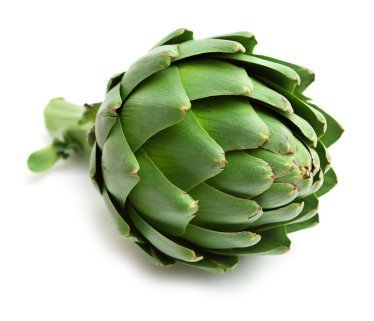
Artichokes have a high antioxidant content that may help prevent cancer, manage weight, and control blood sugar and diabetes.
The globe artichoke, also known by the names French artichoke and green artichoke, is a variety of thistle cultivated as food. The edible portion of the plant consists of the flower buds before the flowers come into bloom. The budding artichoke flower-head is a cluster of budding small flowers, together with many bracts, on an edible base. Once the buds bloom, the structure changes to a coarse, barely edible form. Artichokes are frequently prepared by removing all but 5–10 mm of the stem. To remove thorns, which may interfere with eating, around a quarter of each scale can be cut off. To cook, the artichoke is boiled or steamed. A cooked, unseasoned artichoke has a delicate flavour. Salt may be added to the water if boiling artichokes. Placing them in water slightly acidified with vinegar or lemon juice can prevent the discoloration.
They are a good source of fiber and other nutrients. In addition, artichoke nutrition contains some vitamin A, vitamin E, choline, betaine, omega-3 and omega-6.
Among the claims made for flax are that it may reduce cancer risk, improve cholesterol, lower blood pressure, help control blood sugar, and aid in weight control.
Flax is a food and fiber crop cultivated in cooler regions of the world. Textiles made from flax are known in the Western countries as linen. Its oil is known as linseed oil. Flaxseed is rich in dietary fiber and omega-3 fats and it contains high-quality protein. The health benefits were observed with just 1 tablespoon (10 grams) of ground flax seeds per day. However, it’s recommended to keep serving sizes to less than 5 tablespoons (50 grams) of flax seeds per day. Ground flax seeds are easier to digest. Whole flax seeds can be stored longer than powder; grind them in a coffee grinder as needed. Store ground flax seeds in an airtight container.
Add flaxseed to water and drink it as part of your daily fluid intake; use flaxseed oil as a dressing on salad; sprinkle ground flax seeds over your hot or cold breakfast cereal; add them into cookie, muffin, bread or other batters; mix them into smoothies.
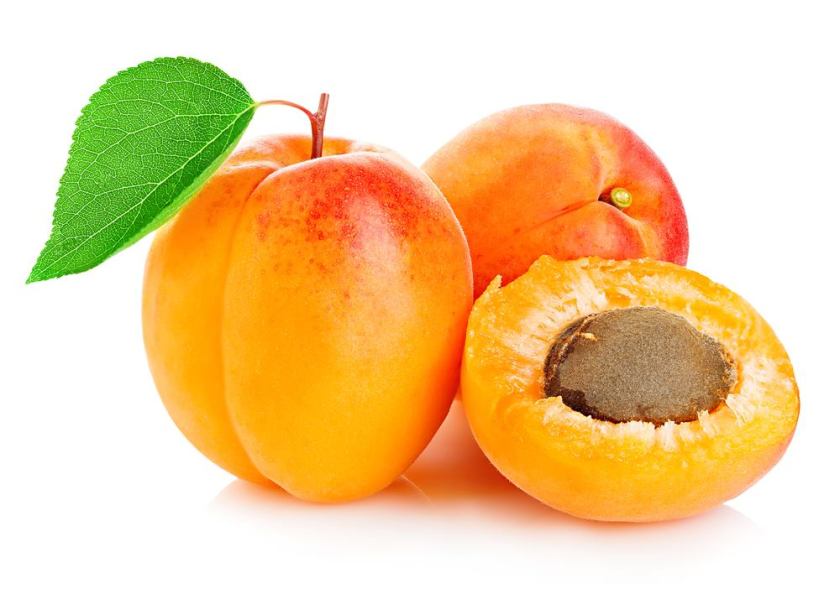
Apricots are extremely nutritious and have many health benefits, such as improved digestion and eye health.
Apricots (español: chabacano) are stone fruits also known as Armenian plums. Round and yellow, they look like a smaller version of a peach but share the tartness of purple plums. It’s best to enjoy apricots whole and unpeeled, as the skin boasts large amounts of fiber and nutrients, including significant amounts of beta carotene, lutein, and zeaxanthin.
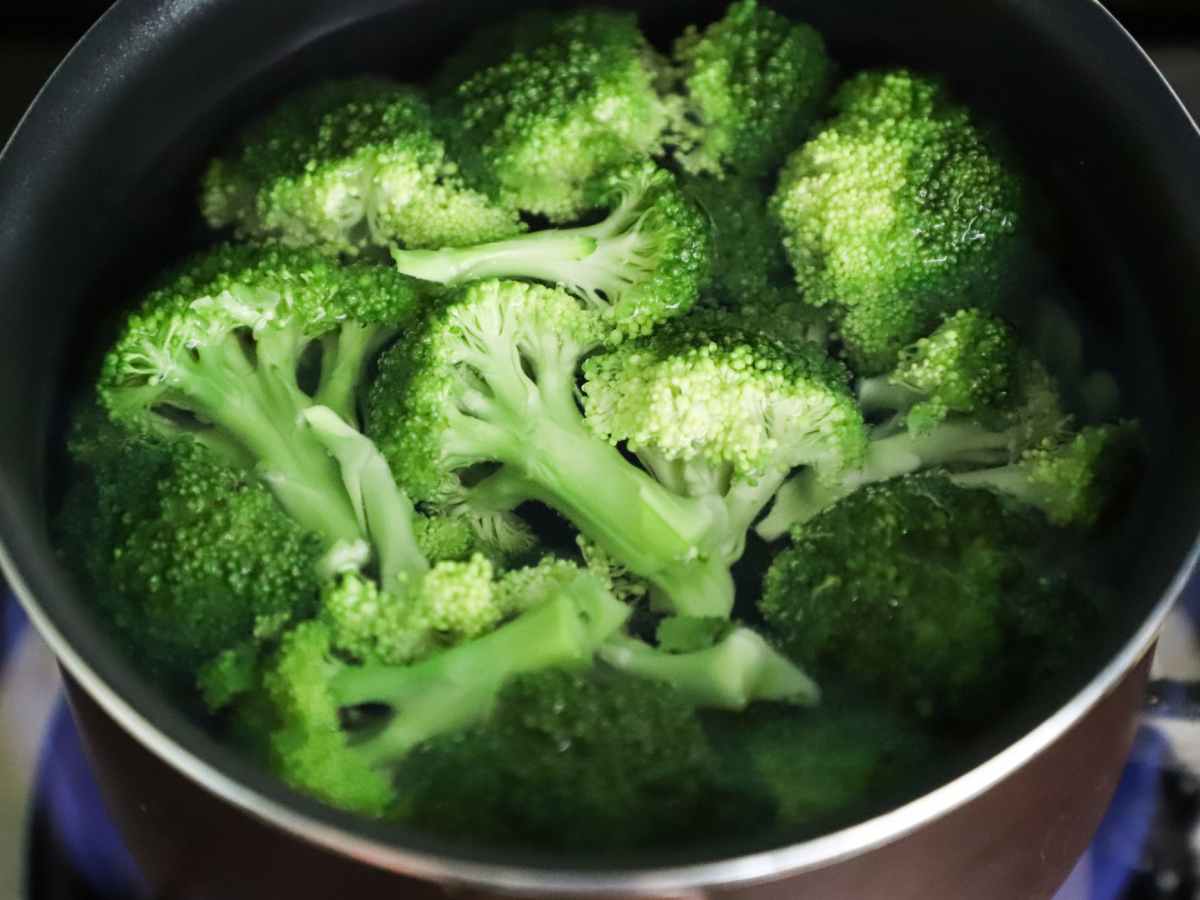
Broccoli, which has more protein than most other vegetables, is also high in fiber, vitamin C, vitamin K, iron, and potassium.
Broccoli is a cruciferous vegetable related to cabbage, kale, cauliflower, and Brussels sprouts. Broccoli may be eaten raw, but recent research suggests that gentle steaming is best for maximum health benefits. Steaming also eliminates the risk of contaminaton. Broccoli is low in calories and high in fiber, protein and Vitamin C. It also contains numerous other vitamins and minerals in smaller amounts. In fact, it provides a little bit of almost every nutrient you need.
What does protein do? Proteins are the main building blocks of your body. They’re used to make muscles, tendons, organs, and skin, as well as enzymes, hormones, neurotransmitters, and various molecules that serve many important functions. How much do I need?U.S. adults should typically consume around 50-175 grams of protein daily in a typical 2000…
What does copper do? Copper plays a role in making red blood cells and maintaining nerve cells and the immune system. Copper also helps the body form collagen and absorb iron, and plays a role in energy production. How much do I need?The recommended daily allowance (RDA) is around 900 micrograms a day for adolescents and adults.…
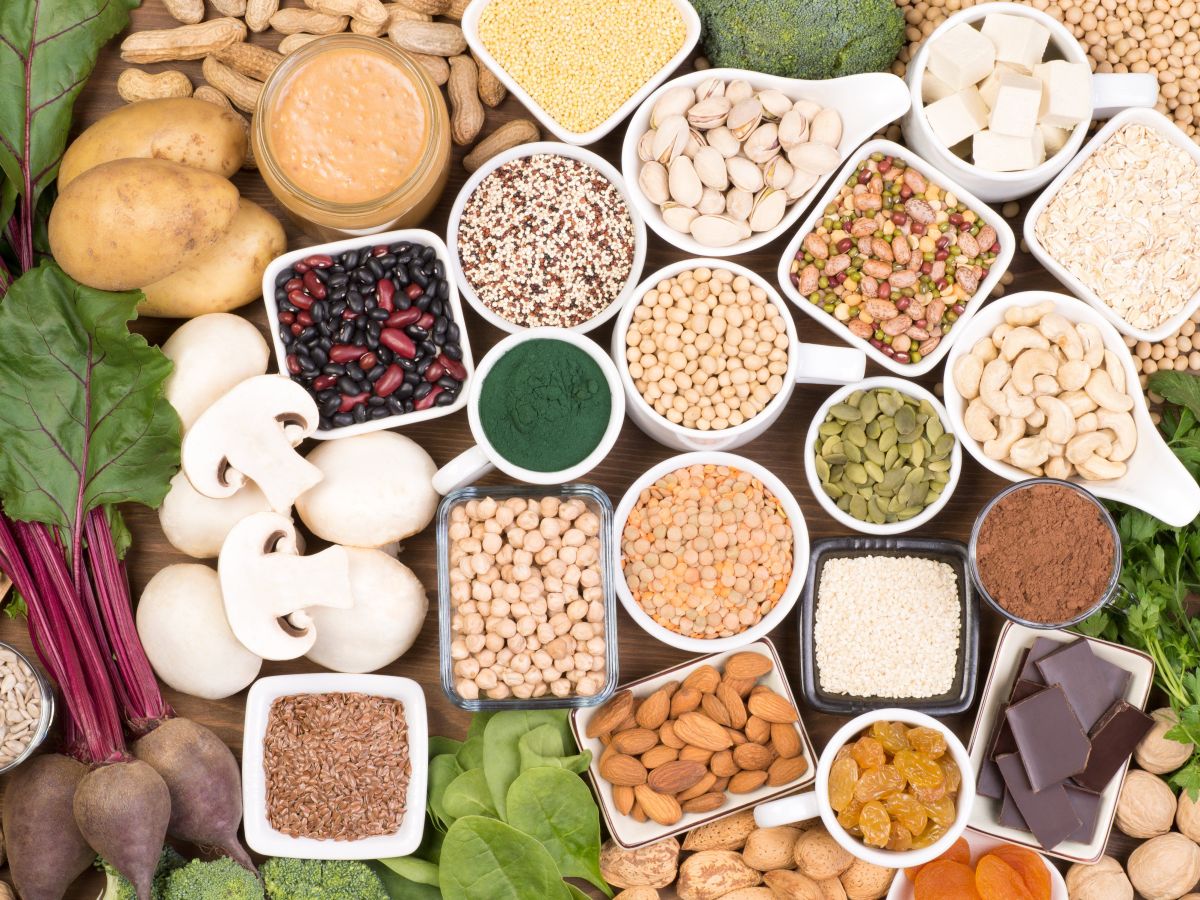
Some excellent sources of dietary fiber are CHICKPEAS, LENTILS, SPLIT PEAS, OATS, APPLES, PEARS, ALMONDS, CHIA SEEDS, BRUSSELS SPROUTS, and AVOCADO. Recommended daily amounts for adults and adolescents are between 22 and 38 grams, depending on the number of calories consumed. Most Americans consume only about 15 grams.
Vitamin C has been linked to many impressive health benefits that include boosting antioxidant levels, lowering blood pressure, protecting against gout attacks, improving iron absorption, boosting immunity, and reducing heart disease and dementia risk.
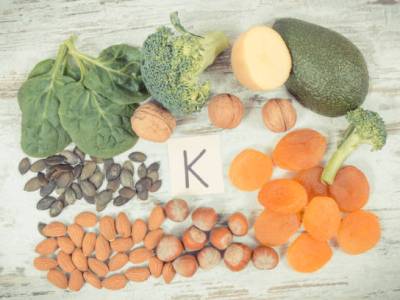
What does Vitamin K do? Vitamin K is an essential nutrient that plays a critical role in blood clotting, wound healing, and bone health. People who don’t have enough vitamin K in their system are at greater risk of increased bleeding and bone fractures. How much do I need?The recommended daily amount for adults 19…
What does iron do? Iron is an important mineral that your body needs to make hemoglobin, a protein in red blood cells. Red blood cells help carry oxygen throughout your body. How much do I need?The Recommended Daily Allowances vary for gender, age, pregnancy, and lactation. Age RDA PREGNANCY LACTATION Male 14-18 11 mg Female…
What does potassium do? Potassium is a mineral found in the foods you eat. It’s also an electrolyte. Electrolytes conduct electrical impulses throughout the body. They assist in a range of essential body functions, including blood pressure, normal water balance, muscle contractions, nerve impulses, digestion, heart rhythm, and pH balance (acidity and alkalinity). How much do…
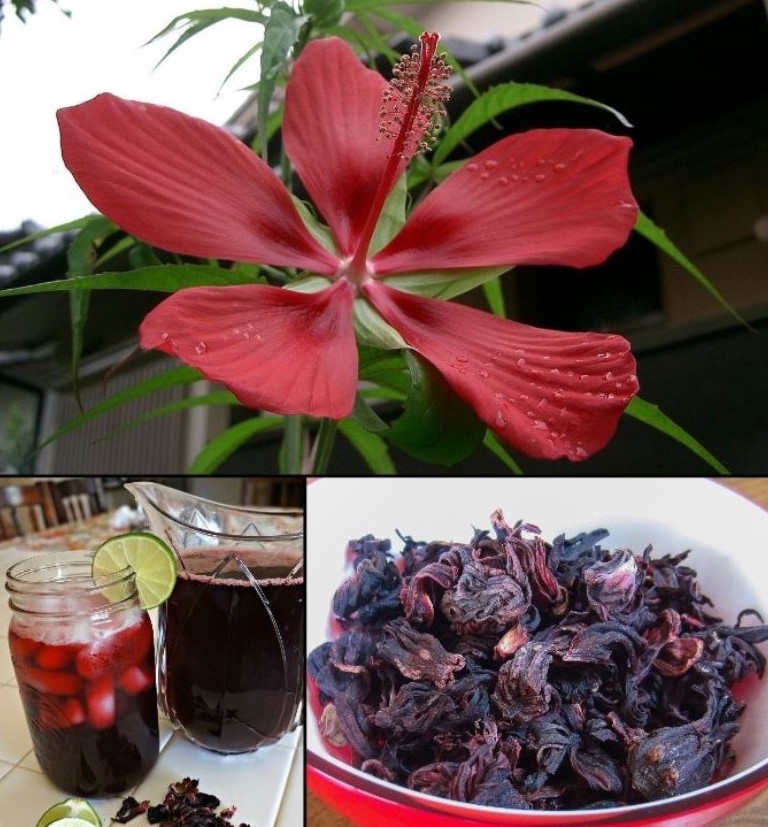
Hibiscus is a good source of vitamins B1, C, and iron.
Hibiscus has many health benefits and even medicinal uses. Egyptians used hibiscus tea to lower body temperature, treat heart and nerve diseases, and as a diuretic. Today, hibiscus is popular for its potential to reduce high blood pressure.
In Mexico I learned to love agua de jamaica, a delicious beverage that is pleasantly tart, usually sweetened and served cold. Agua dejamaica is made from dried hibiscus flowers and that after they are boiled and strained, the flowers can be used as a meat substitute in tacos and other dishes!
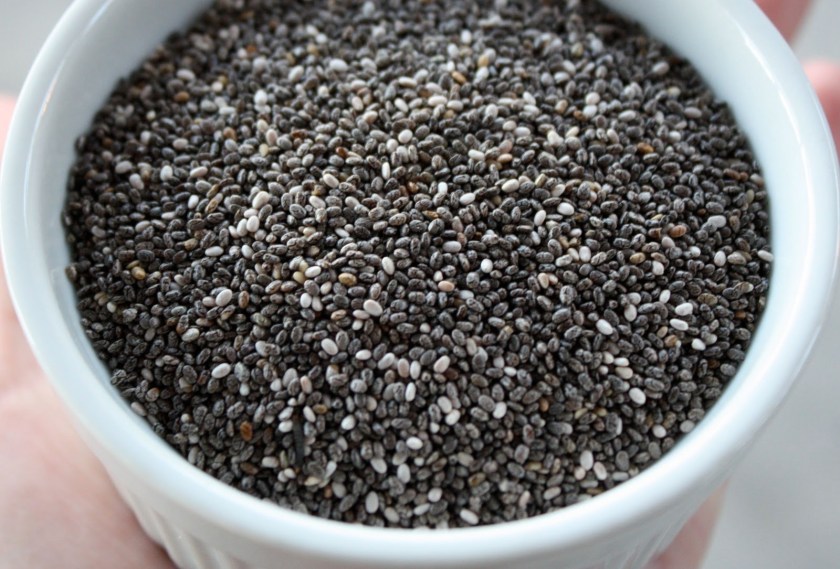
Chia seeds are rich in calcium, phosphorous, and other minerals. They may be added to other foods as a topping or put into smoothies, breakfastcereals, tortillas, and bread. The gel from ground seeds may be used to replace the egg content in cakes and is a common substitute in vegan baking.
Salvia hispanica, commonly known as chia (español: chia), is a species of flowering plant in the mint family, native to central and southern Mexico and Guatemala. It is considered a pseudocereal, cultivated for its edible, seed. The word “chia” is derived from the Nahuatl word chian, meaning oily.
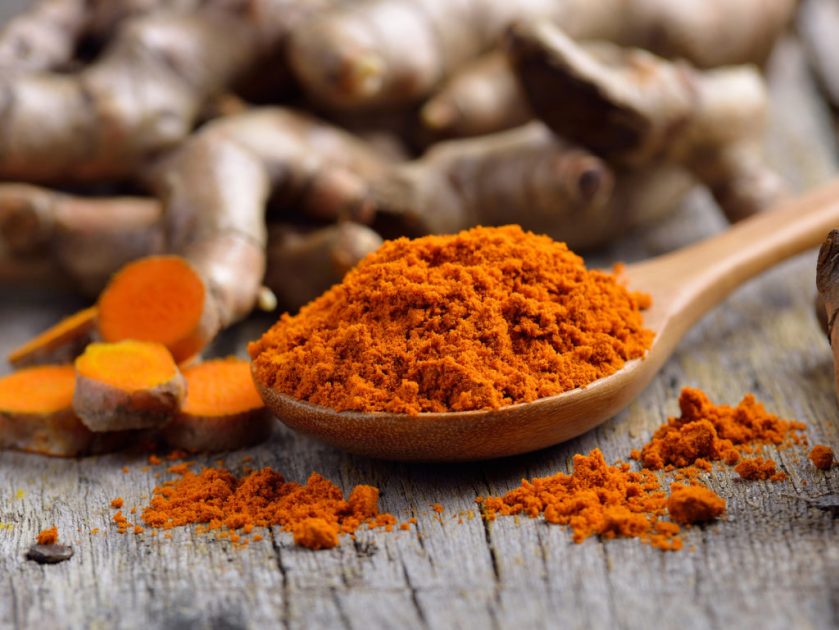
Curcumin is a bright yellow chemical produced by curcuma longa plants. It is the principal curcuminoid of turmeric, a member of the ginger family. There is some confusion in the two names because curcumin is a component of turmeric. Turmeric is better for some conditions, while curcumin alone is better for others. Turmeric, commonly used in Asian food, is the main spice in curry. Turmeric or curcumin is recommended for pain and inflammation, such as that associated with osteoarthritis. It is also used for hay fever, depression, high cholesterol, a liver disease, and itching. Some people use turmeric for heartburn, thinking and memory skills, inflammatory bowel disease, stress, and many other conditions, but there no good scientific evidence to support these uses.
WARNING: In small amounts, turmeric has few reported side effects, though there have been reports of nausea, dizziness or diarrhea. You should consult a health professional if you are taking therapeutic amounts of turmeric or curcumin.











 Fruit & Stuff
You must be logged in to post a comment.