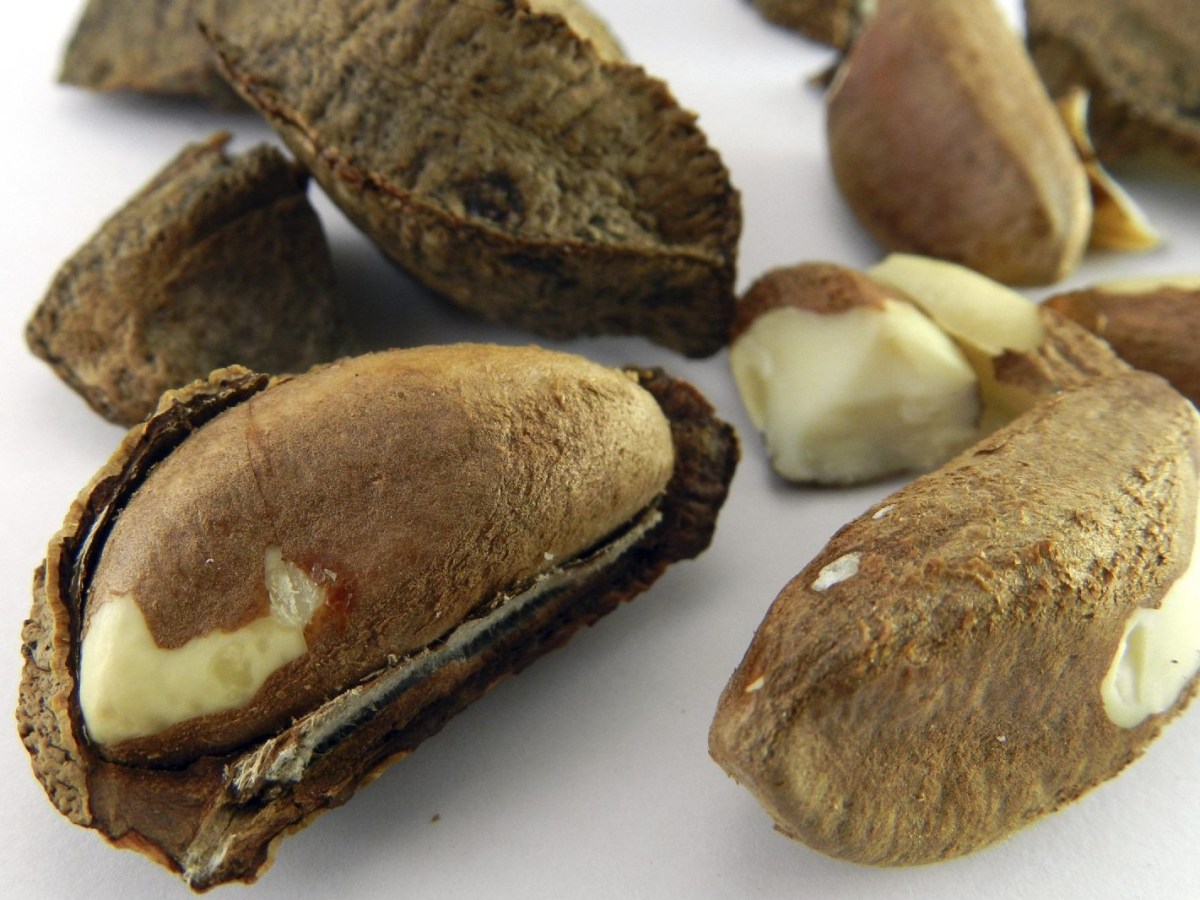
What does selenium do? Selenium is needed to fight infections and for reproductive function.
How much do I need? Adults need 55 micrograms daily. In pregnancy and lactation, 60 micrograms are recommended.
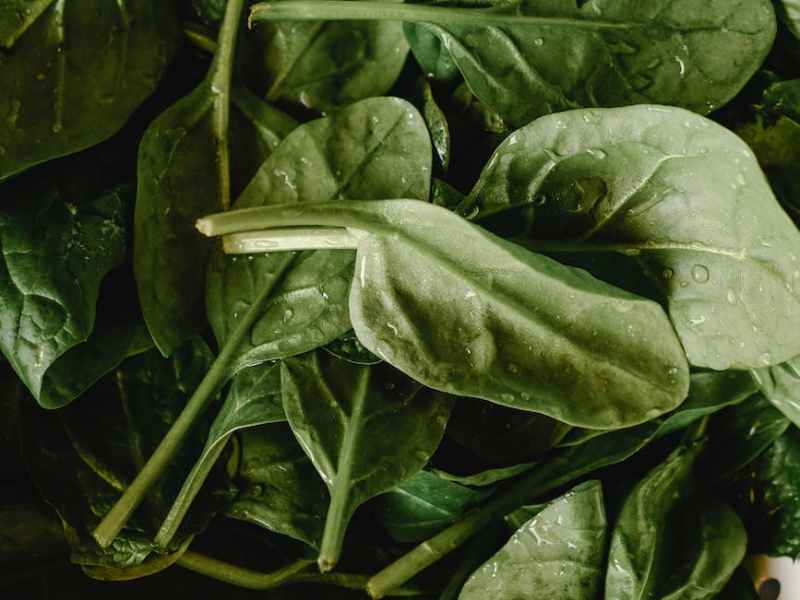
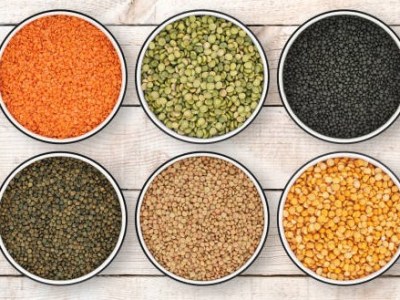
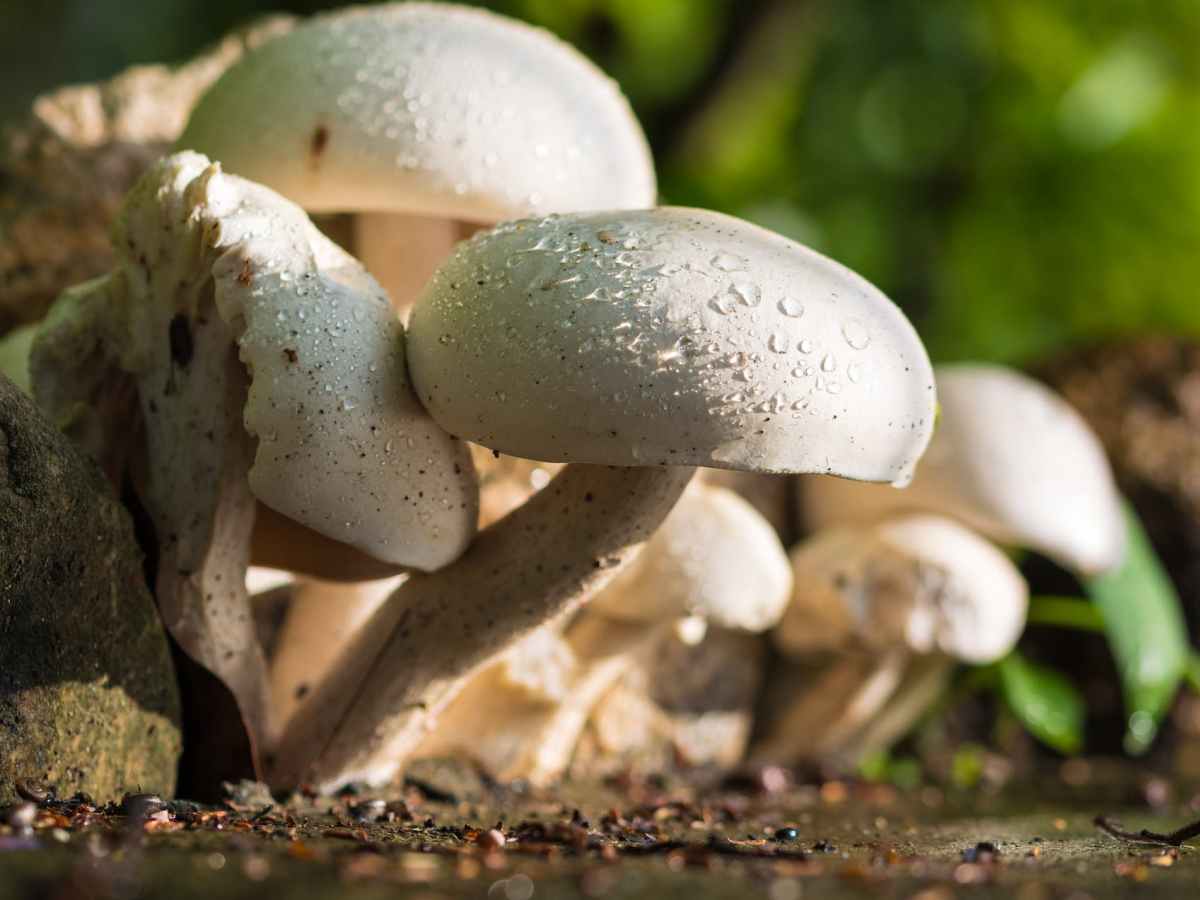
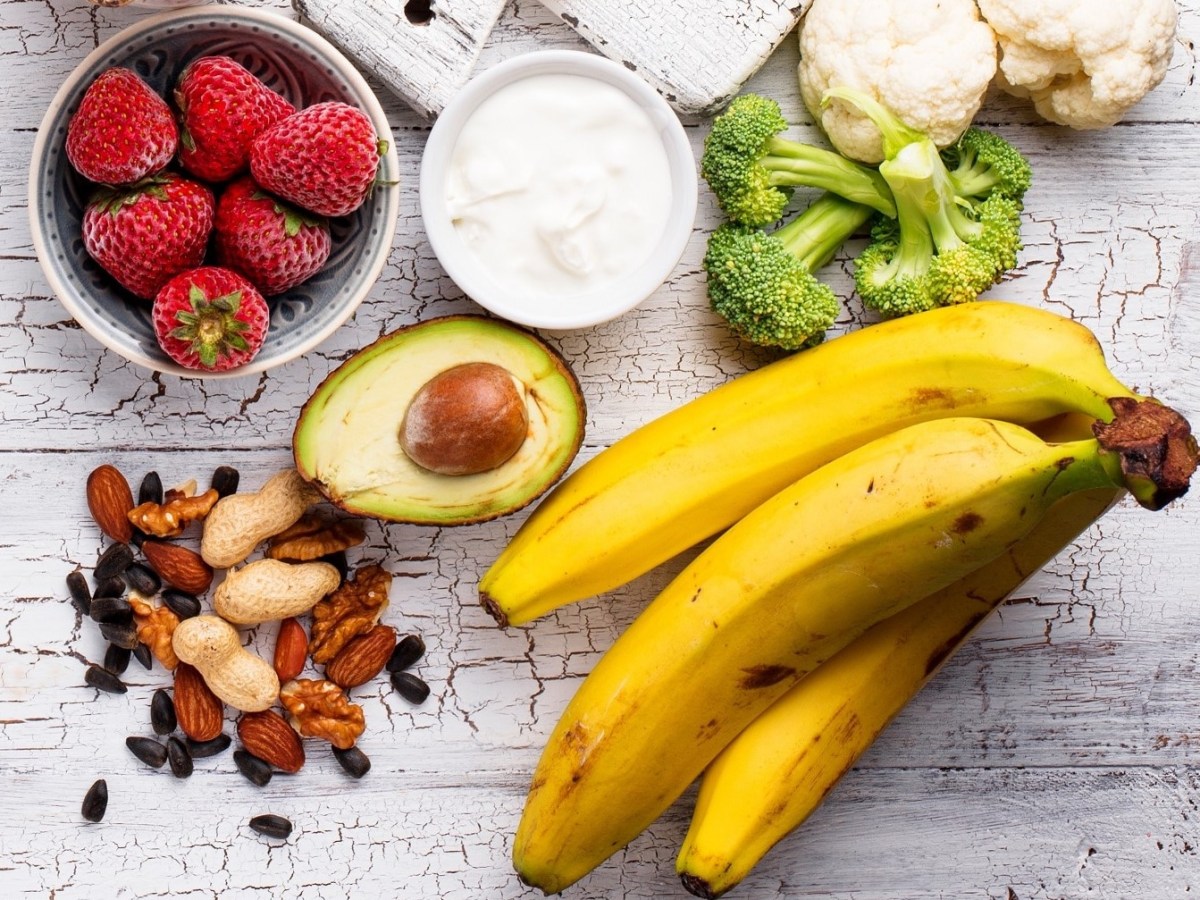
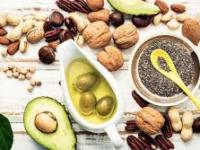
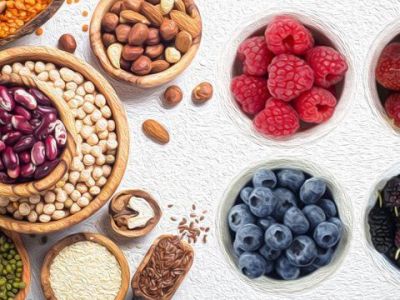
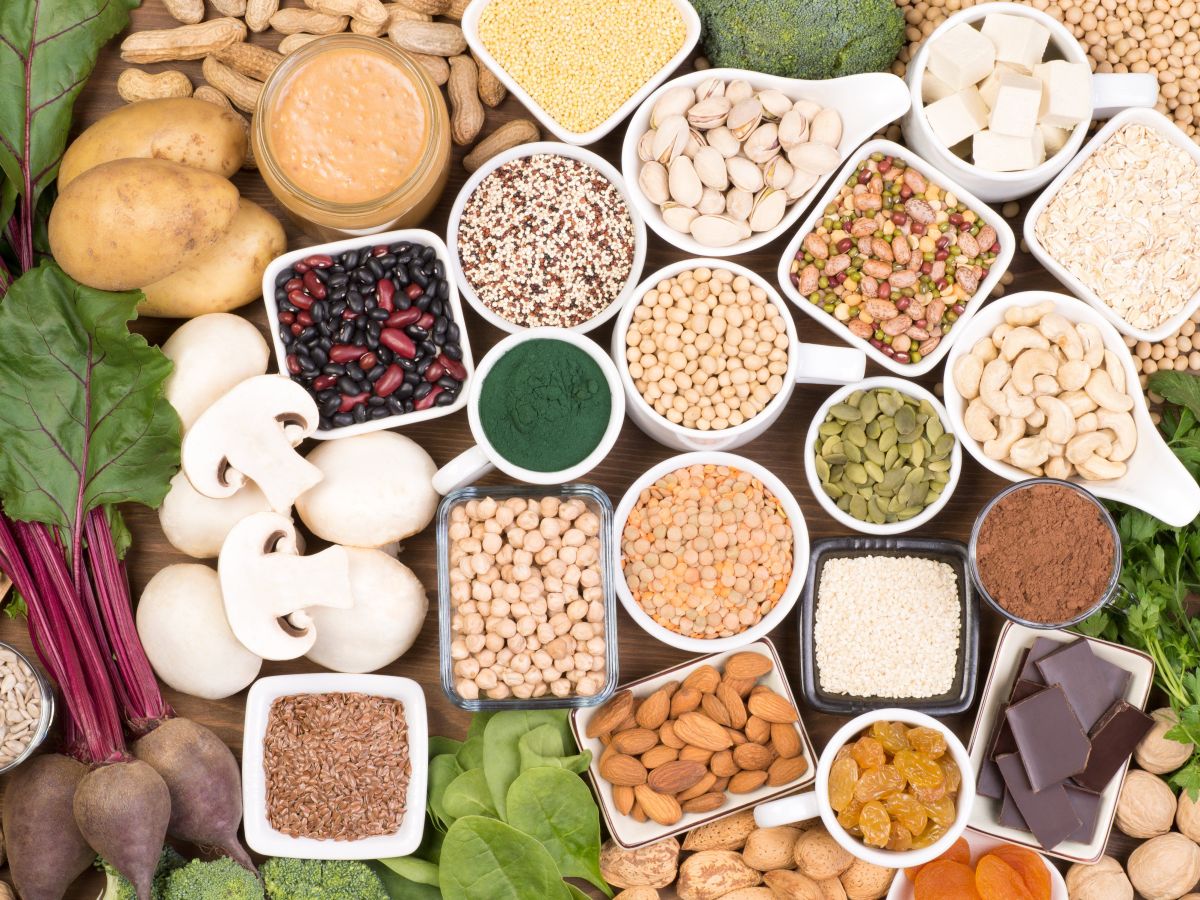
What are some good plant food sources of selenium? Brazil Nuts, Brown Rice, Sunflower Seeds, Baked Beans, Mushrooms, Oatmeal, Spinach, Lentils, Cashews, and Bananas are some good sources of selenium.
Are supplements recommended? Selenium deficiencies are rare in the United States, and too much selenium can be toxic, so supplements are not recommended. However, people suffering from HIV, Chron's disease, and hypothyroidism should consult their health care provider because these conditions can make it hard to absorb selenium.
Manganese is a trace mineral found in bones, liver, kidneys, and pancreas that helps form connective tissue, bones, blood clotting factors, and sex hormones.
PLANT FOOD SOURCES (details below)
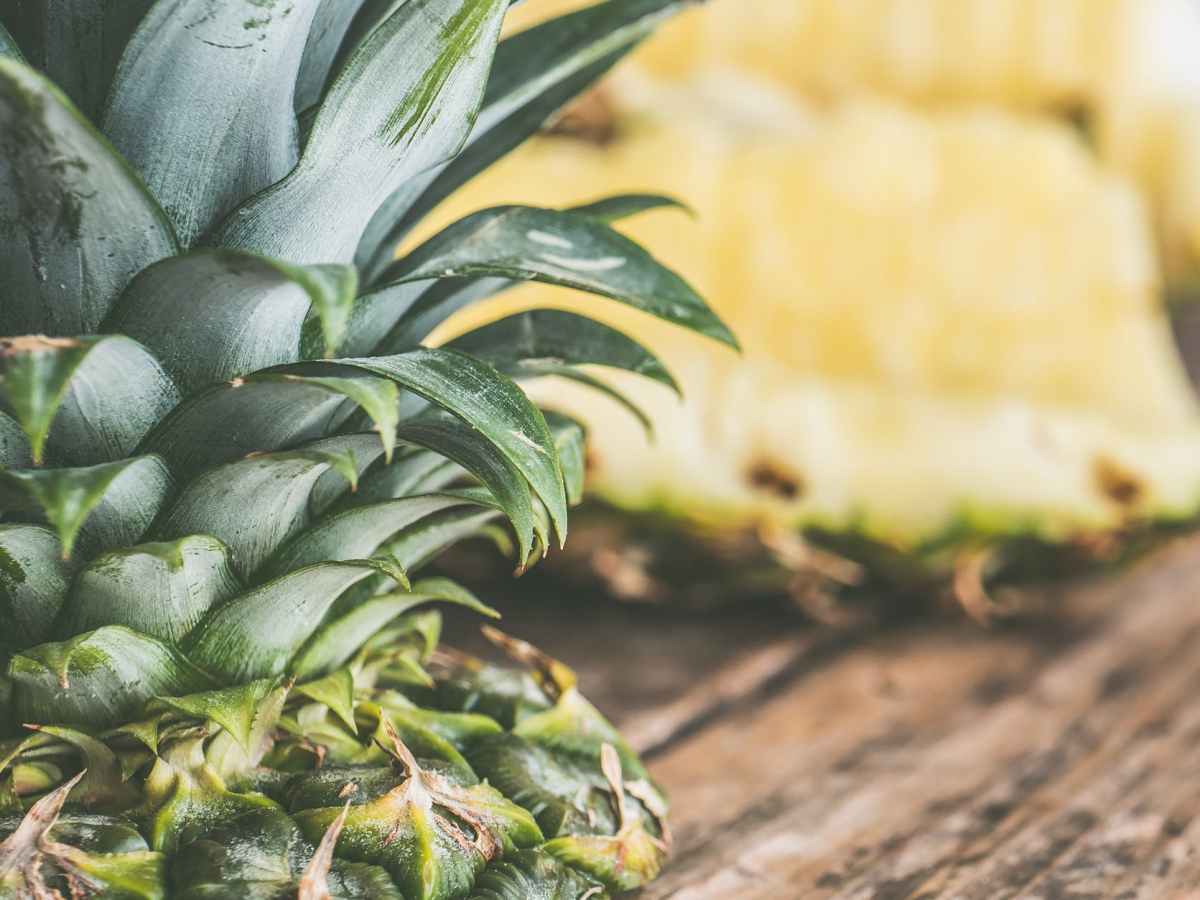
HAZELNUTS PECANS BROWN RICE CHICKPEAS SPINACH RAW PINEAPPLE SOYBEANS OATMEAL WHOLE WHEAT BREAD
DAILY REQUIREMENT (details below)
ADULT MALES 2.3 mg ADULT FEMALES 1.8 mg
SUPPLEMENTS
Deficiencies of manganese are rare. Requirements are easily met with food sources, so supplements are not usually recommended.
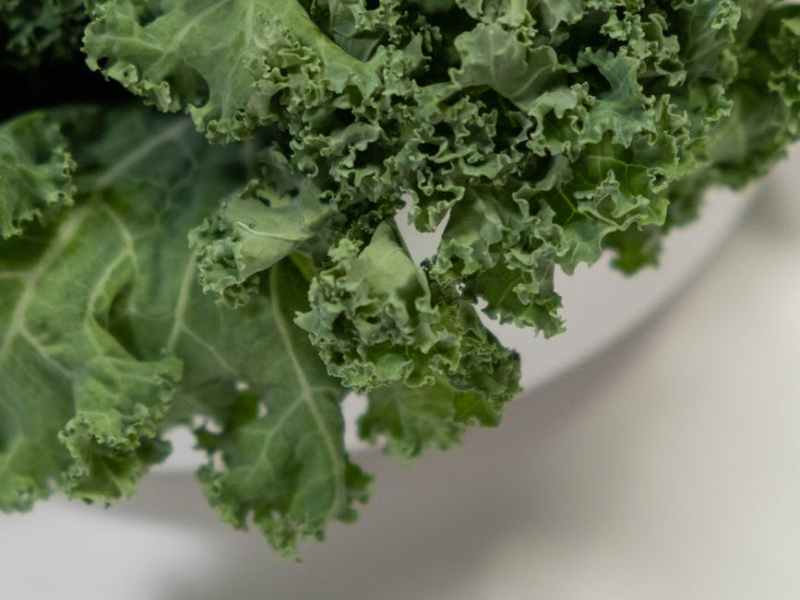
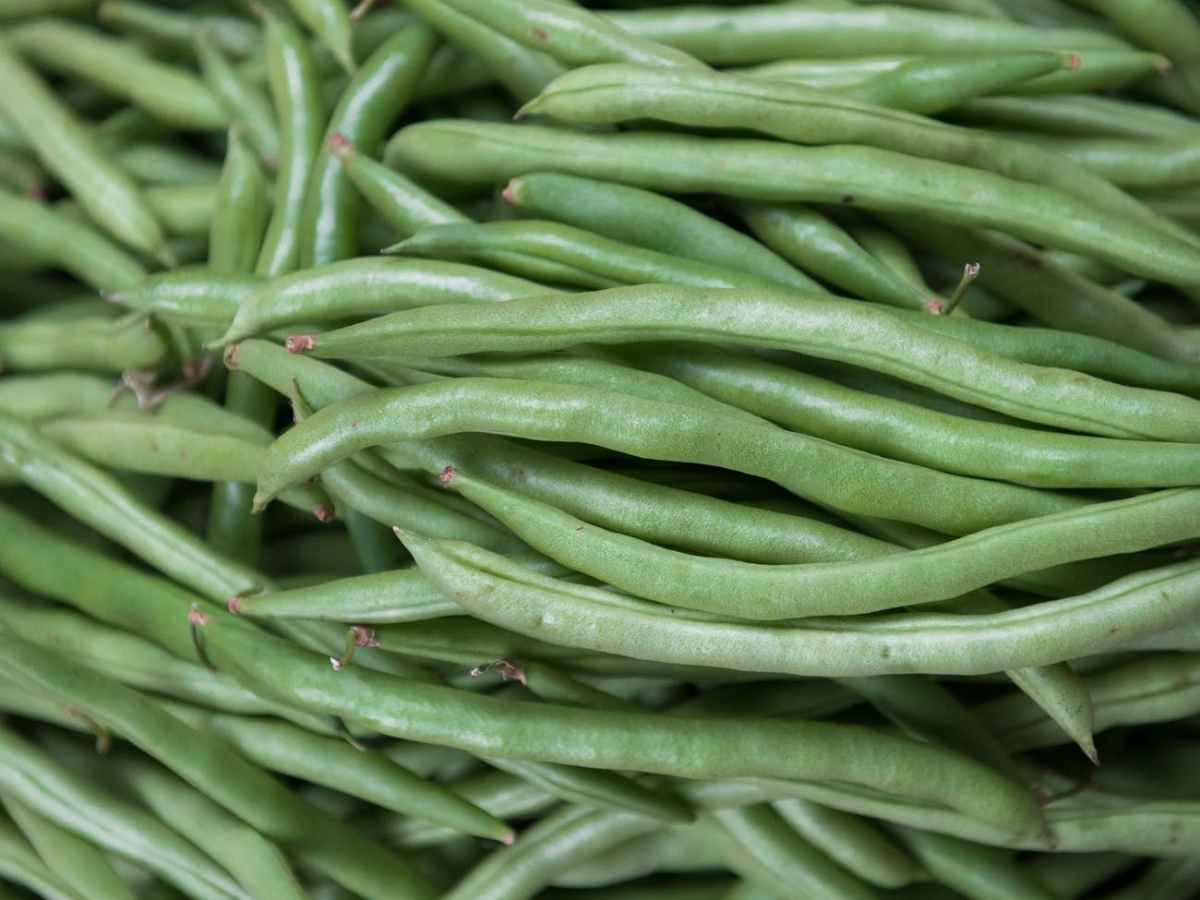
GREEN BEANS, EGGPLANT, KALE, WATERCRESS, STRAWBERRIES, and POTATOES WITH SKIN are a few plant food sources of iodine, also called iodide, a mineral naturally found in the earth’s soil and ocean waters. It’s important to get enough iodine in the diet. People with access to iodized salt, seafood, and certain vegetables are able to get enough iodine from their diet. Iodine plays a vital role in thyroid health, but too much iodine can have a negative effect. Iodine intake during pregnancy is linked to brain development in the fetus. Some symptoms of low iodine are goiter, painful thyroid gland, breathing difficulties, difficulty swallowing, fatigue, extreme feelings of coldness, hair loss, depression, brain fog, or unintentional weight gain. Consult a medical professional if you have any of these symptoms. Because of the risk of serious side effects from too much iodine, you should not use iodine supplements without medical supervision. Possible side effects from too much iodine include nausea or vomiting, diarrhea, fever, burning sensations in the throat and mouth, or stomach pain. In severe cases, iodine toxicity may lead to coma. Young children and the elderly are more prone to iodine side effects. Total iodine intake shouldn’t exceed 2 mg per day.
The National Institutes ofHealth (NIH) recommends the following daily intake based on age to avoid iodine deficiency:
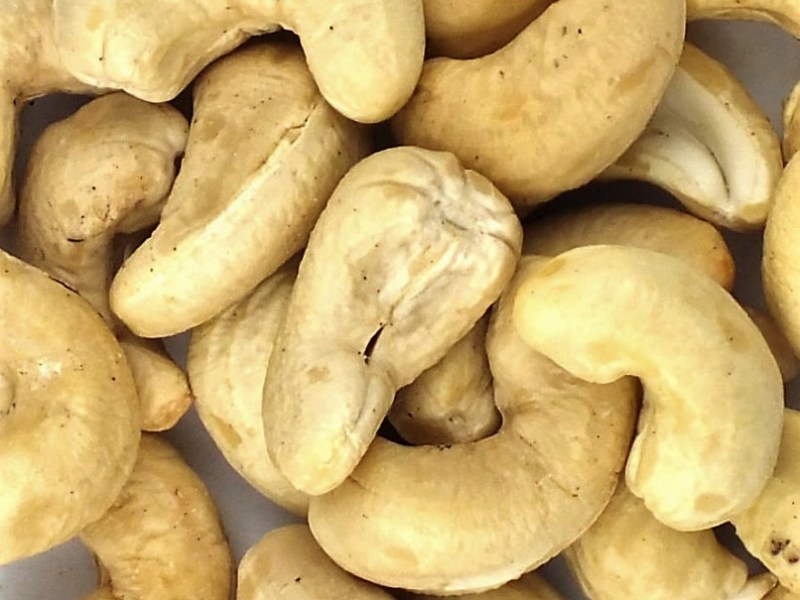
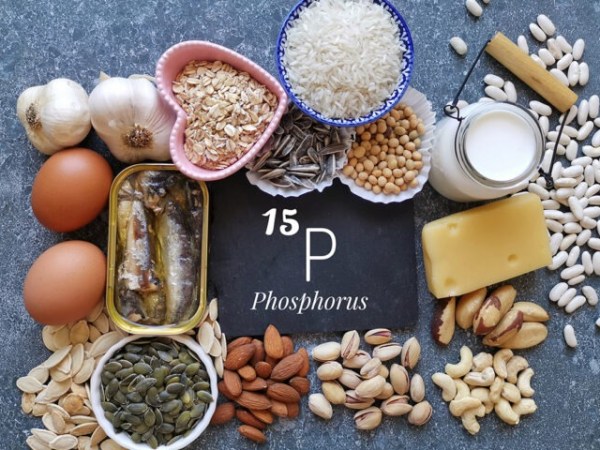
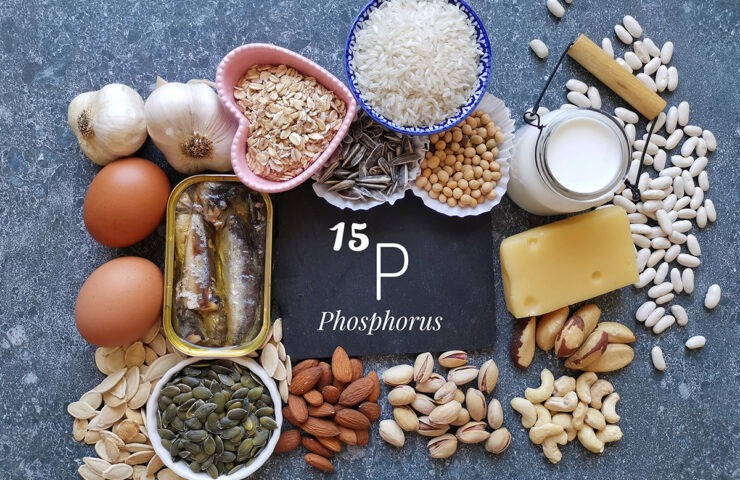
LENTILS, CASHEWS, WHOLE GRAINS, and POTATOES, are plant food sources of phosphhorous. However, phosphorus in nuts, seeds, grains, and beans is bound to phytate, making it harder to absorb. In addition, calcium can also bind and prevent phosphorus absorption. Soaking, sprouting, and fermentation can be used to reduce the phytic acid content of foods. For more information about phytic acid, click here. A balanced diet that contains enough calcium and protein will likely have enough phosphorus because many foods that are high in calcium are also high in phosphorous. Phosphorous is needed for strong and health bones and teeth. It helps manage storage and use of energy, filters out waste in the kidneys, and grows, maintains, and repairs tissue and cells. The amount of phosphorus you need in your diet depends on your age. Adults need less phosphorus than children between the ages of 9 and 18, but more than children under age 8. Most people can get the necessary amount of phosphorus through the foods they eat.
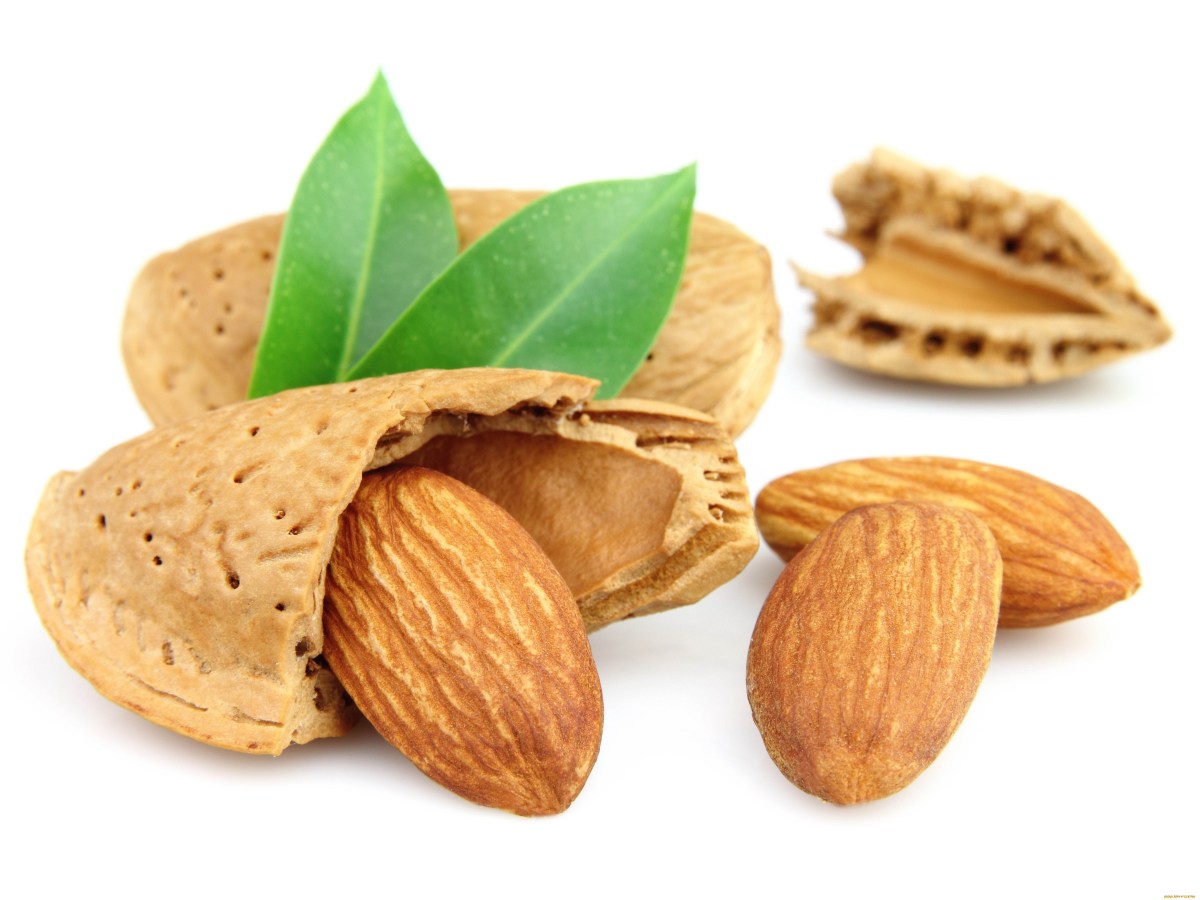
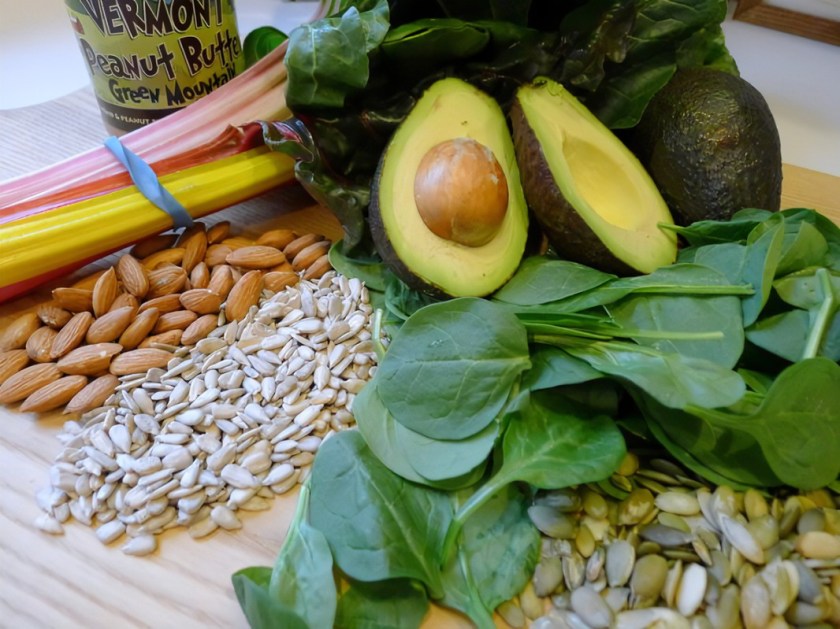
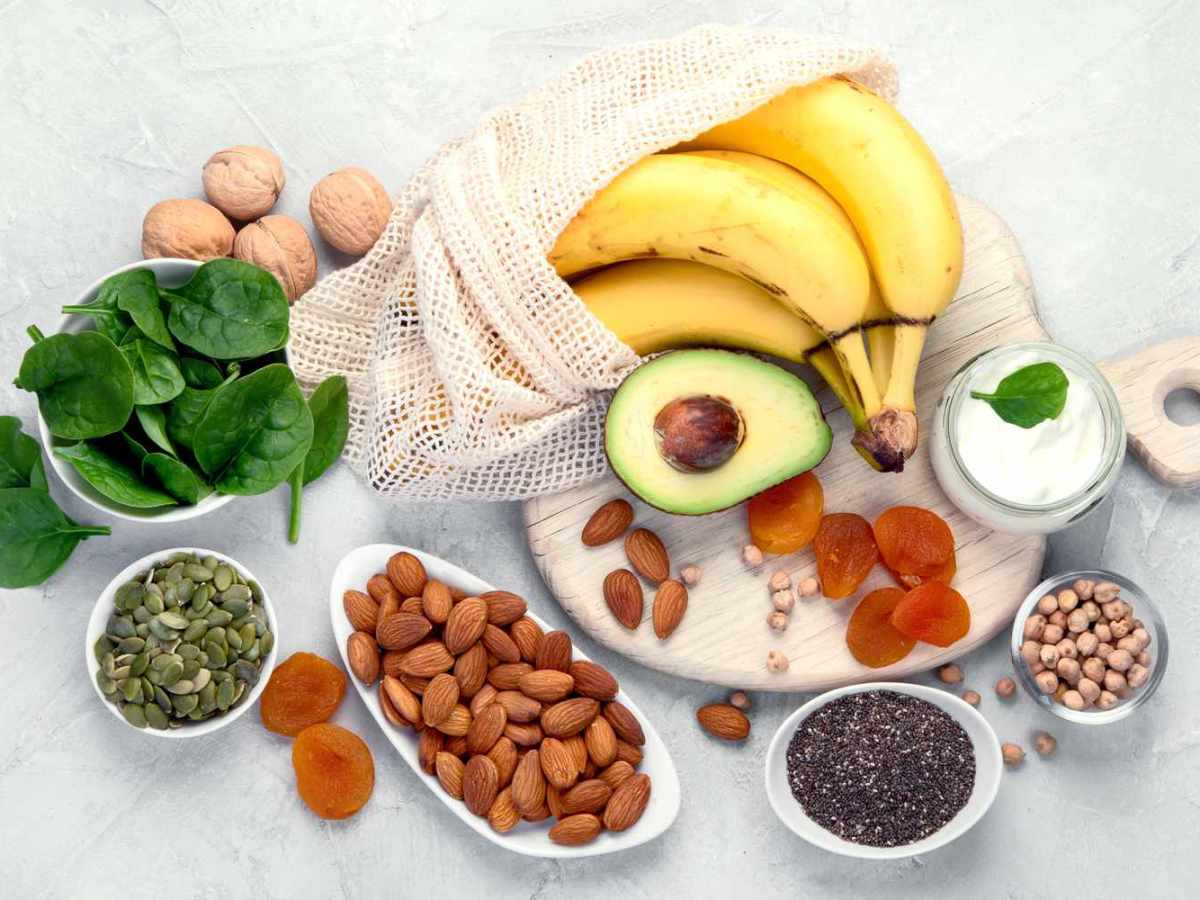
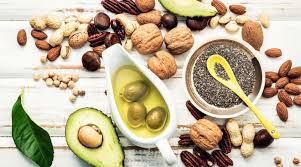
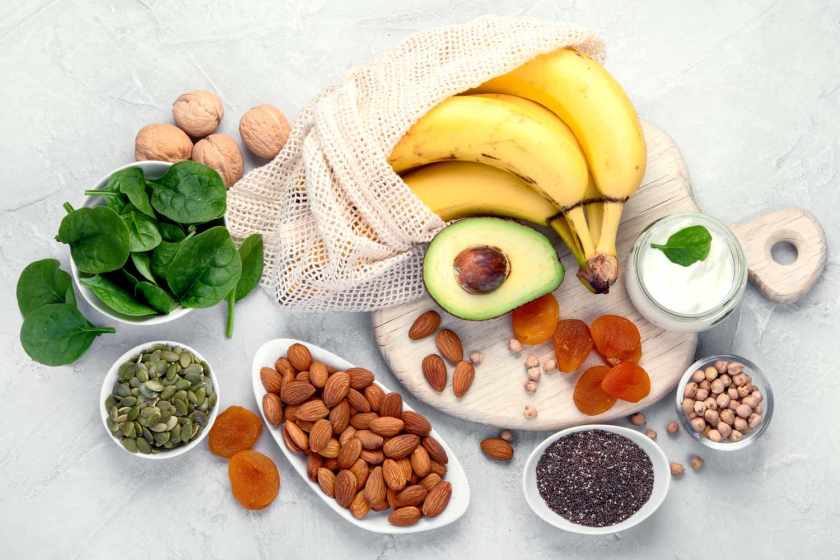
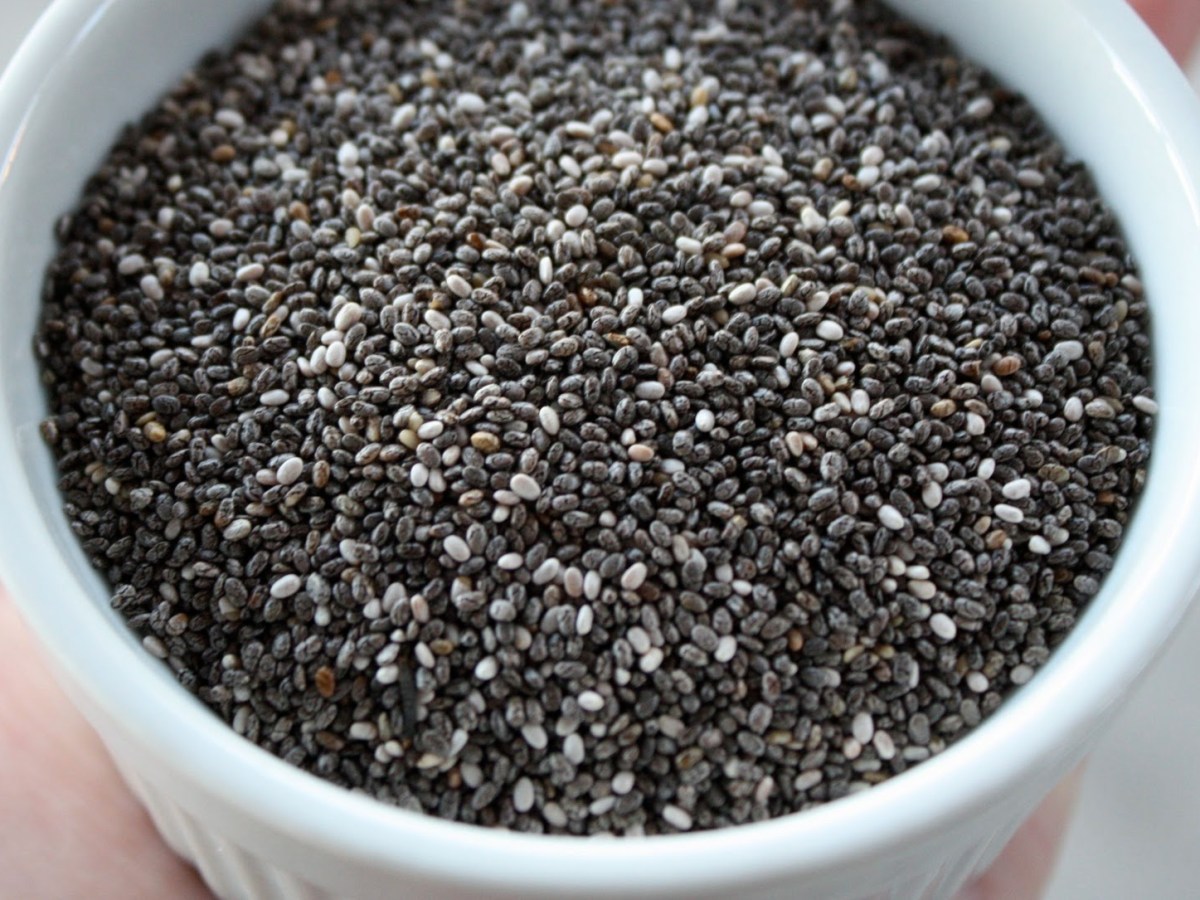
PUMPKIN SEEDS, CHIA SEEDS, SPINACH, ALMONDS, and CASHEWS are plant foods that are very rich in magnesium. Magnesium is essential for maintaining good health and plays a key role in everything from exercise performance to heart health and brain function. Eating a variety of magnesium-rich foods will likely provide enough of this nutrient. Some magnesium-rich plant foods are:
Pumpkin seeds: 37% of the DV per ounce (28 grams)
Chia seeds: 26% of the DV per ounce (28 grams)
Spinach, boiled: 19% of the DV per 1/2 cup (90 grams)
Almonds: 19% of the DV per ounce (28 grams)
Cashews: 18% of the DV per ounce (28 grams)
Black beans, cooked: 14% of the DV per 1/2 cup (86 grams)
Edamame, cooked: 12% of the DV per 1/2 cup (78 grams)
Peanut butter: 12% of the DV per 2 tablespoons (32 grams)
Brown rice, cooked: 10% of the DV per 1/2 cup (100 grams)
Avocado: 5% of the DV per 1/2 cup (75 grams)
One of its main roles is to act as a cofactor in the biochemical reactions continuously performed by enzymes. It’s involved in more than 600 reactions in your body, including:
Energy creation: converting food into energy
Protein formation: creating new proteins from amino acids
Gene maintenance: helping create and repair DNA and RNA
Muscle movements: aiding in muscle contraction and relaxation
Nervous system regulation: regulating neurotransmitters, which send messages throughout your brain and nervous system
Approximately 50% of U.S. adults get less than the recommended daily amount of magnesium, Magnesium supplements may be especially beneficial for older adults and those with a deficiency in this nutrient.
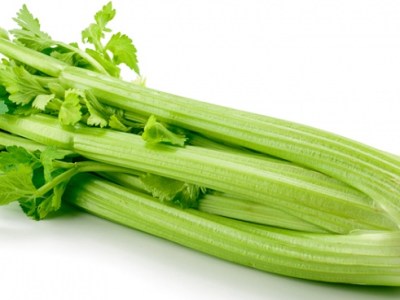
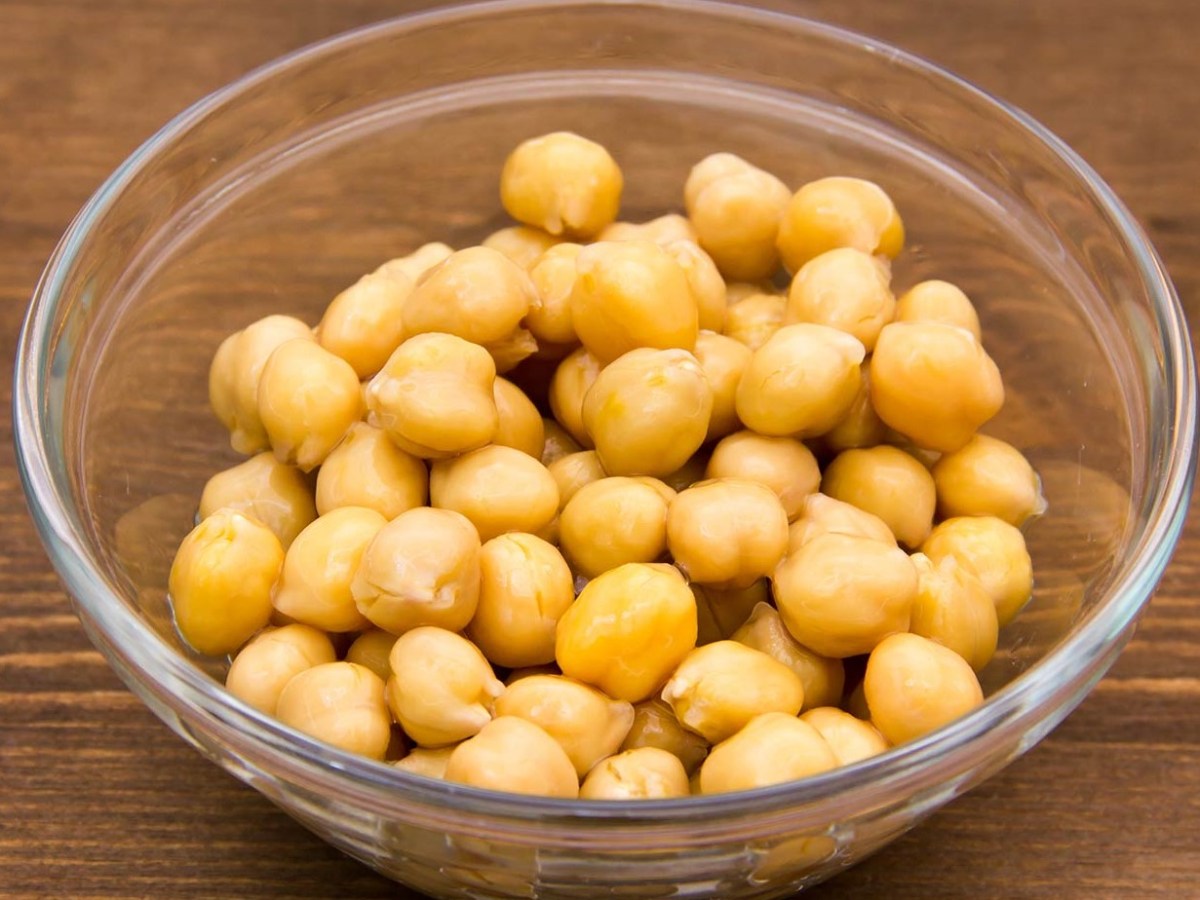
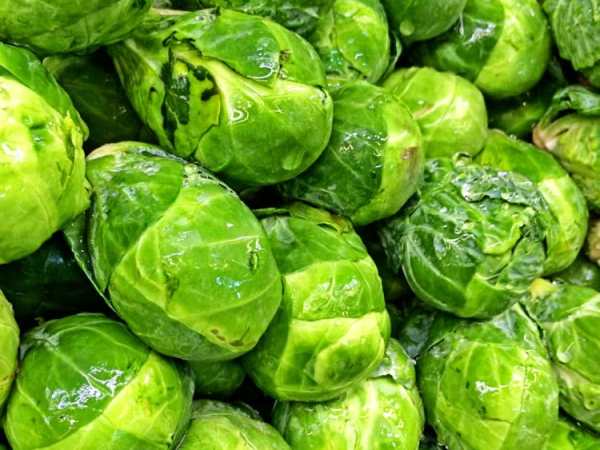
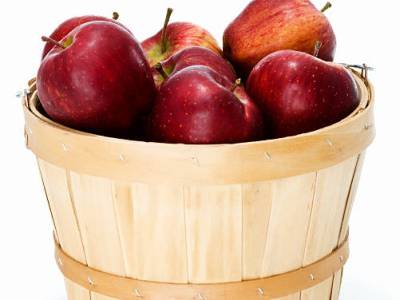
Some excellent sources of dietary fiber are CHICKPEAS, LENTILS, SPLIT PEAS, OATS, APPLES, PEARS, ALMONDS, CHIA SEEDS, BRUSSELS SPROUTS, and AVOCADO. Recommended daily amounts for adults and adolescents are between 22 and 38 grams, depending on the number of calories consumed. Most Americans consume only about 15 grams. Dietary fiber is naturally present in edible plants, either as soluble (digestible) or insoluble fiber Soluble fibers come from the insides of plants and include substances such as pectin. They are present in fruits, vegetables, oats, and barley and may help manage blood sugar and cholesterol levels. Insoluble fibers come from the outer skins of plants and pass straight through the digestive system. They can help prevent constipation. Examples include bran, celery, whole grains, and seeds.
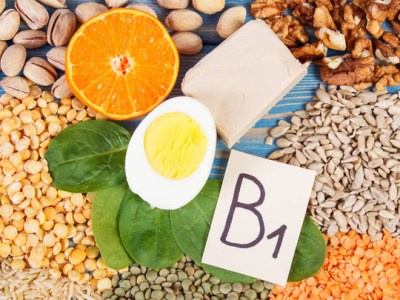
Good plant food sources of thiamin are FORTIFIED CEREALS, BLACK BEANS, ACORN SQUASH, and BROWN RICE.. Thiamin (or thiamine) is one of the water-soluble B vitamins. It is also known as vitamin B1. Thiamin is naturally present in some foods, added to some food products, and available as a dietary supplement. This vitamin plays a critical role in energy metabolism and, therefore, in the growth, development, and function of cells. The recommended dietary allowance (RDA) for adult males the RDA is 1.2 mg daily. For adult females 18 years of age, the RDA is 1 mg daily. For adult females 19 years and older, the RDA is 1.1 mg daily.
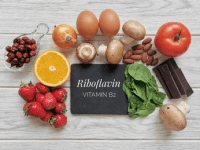
ALMONDS, WHOLE GRAINS, WHEAT GERM, WILD RICE, MUSHROOMS, SOYBEANS, BROCCOLI, BRUSSELS SPROUTS, SPINACH and BREWER’S YEAST are a few good plant food sources of Vitamin B2 (riboflavin). B complex vitamins are necessary for a healthy liver, skin, hair, eyes, and nervous system. The average recommended daily amount for adults is 1.3 milligrams. All B vitamins are water soluble, meaning the body does not store them, so they must be consumed daily in food or supplements. Riboflavin is destroyed by light, so food should be stored away from light to protect its riboflavin content. While riboflavin is not destroyed by heat, it can be lost in water when foods are boiled or soaked. Roasting and steaming foods preserves more riboflavin than frying or scalding your foods. Most healthy people who eat a well-balanced diet get enough riboflavin. However, elderly people and alcoholics may be at risk for riboflavin deficiency because of poor diet. Consult a doctor before using supplements to prevent allergic reactions and interactions with medicines.
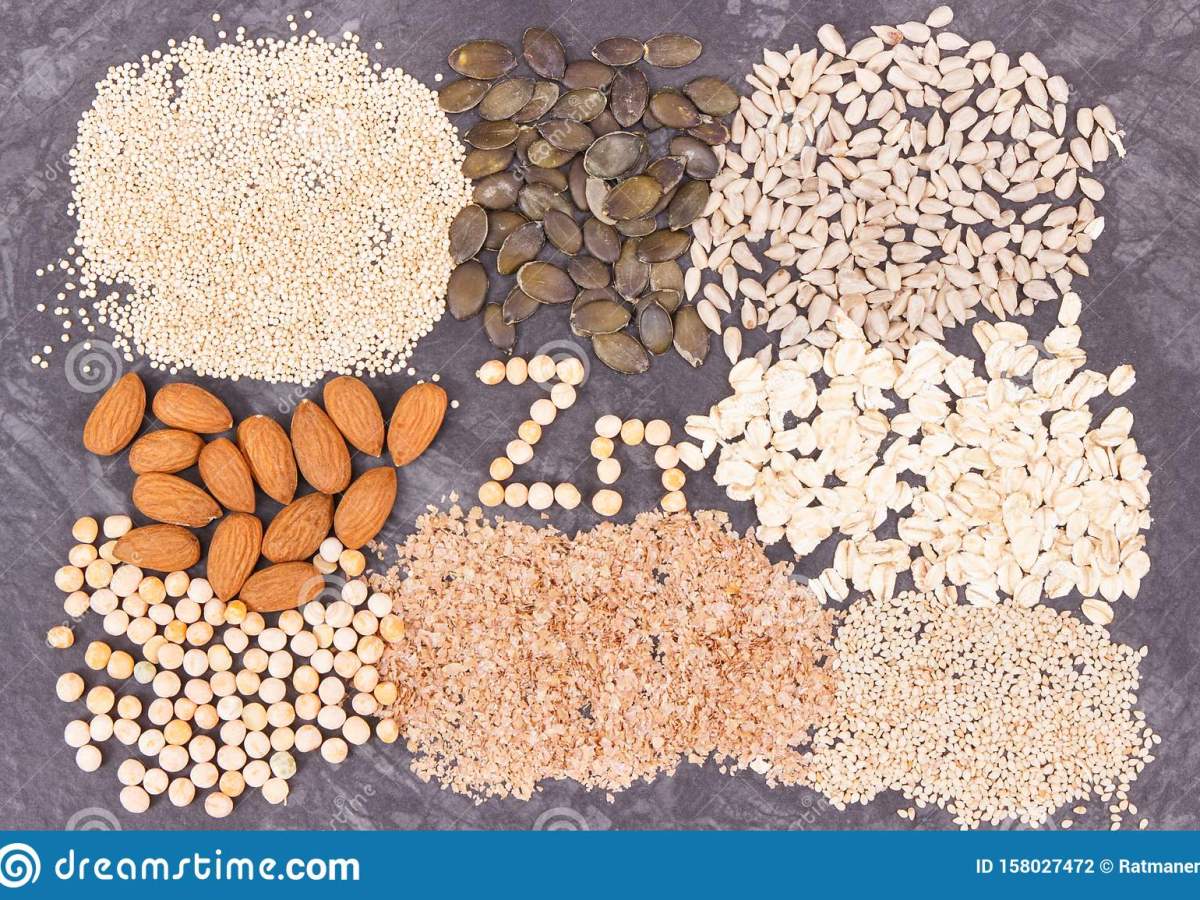
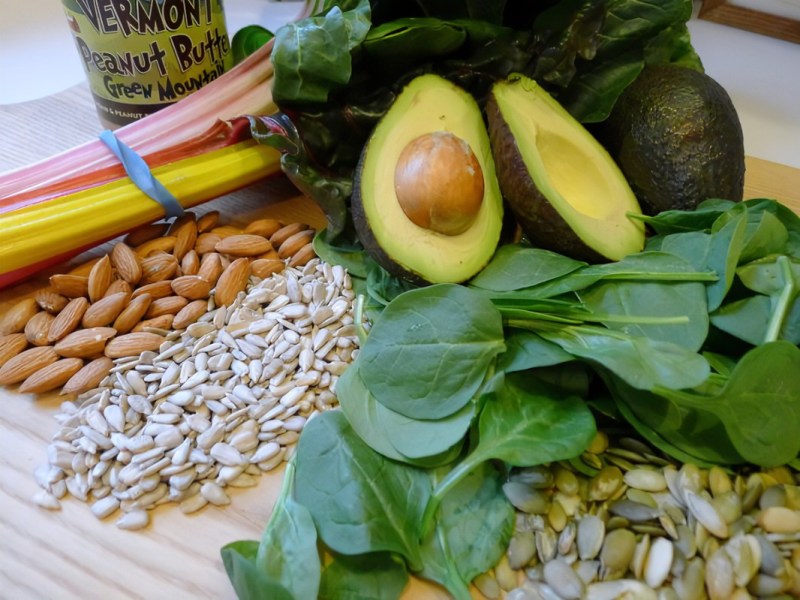
Benefits of vitamin B2 (riboflavin)
Antioxidant. Riboflavin works as an antioxidant, fighting damaging particles in the body known as free radicals, which may contribute to the aging process, as well as the development of a number of health conditions like heart disease and cancer.
Growth and red blood cell production. Riboflavin is also needed to help the body change vitamin B6 and folate into forms it can use. It is also important for growth and red blood cell production.
Good vision and cataract prevention. Vitamin B2 is important for normal vision. Early studies suggest that it might help prevent cataracts.
Migraine relief. Several studies suggest that people who get migraines may reduce how often they get migraines and how long the migraines last by taking riboflavin.
PEANUTS, AVOCADOS, BROWN RICE, MUSHROOMS, GREEN PEAS, WHOLE-WHEAT PRODUCTS, and WHITE POTATOES are good plant food sources of Vitamin B3 (niacin), a micronutrient that your body uses for proper metabolism, nervous system function and antioxidant protection. It’s an essential nutrient — meaning that you must obtain it from food, as your body cannot produce it on its own. Since niacin is water soluble, any surplus is excreted through your urine rather than stored in your body. Therefore, it’s important to regularly consume niacin-rich foods. The recommended dietary allowance (RDA) for this nutrient is 16 mg per day for men and 14 mg per day for women — enough to meet the needs of approximately 98% of adults.
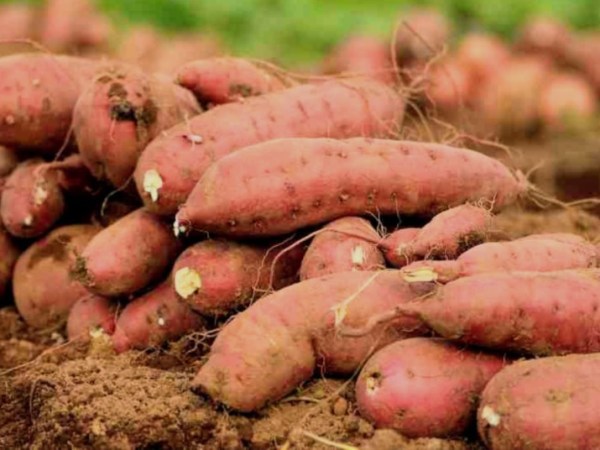
Good plant food sources of biotin include SWEET POTATOES, SUNFLOWEER SEEDS, and ALMONDS. Vitamin B7, or biotin, is a water-soluble vitamin that helps the body metabolize fats, carbohydrates, and protein and helps maintain a healthy nervous system, nails, hair and skin. Human cells cannot synthesize vitamin B7, but bacteria in the body can produce it, and the vitamin is present in numerous foods. Biotin therapy may help treat some medical conditions. For most people, a supplement will not be necessary as long as they are eating a healthy, varied diet. Some people take supplements to strengthen their nails and hair, but there is a lack of evidence supporting this use. The suggested intake for adults is 30 mcg. According to the National Institutes of Health, the average person in a western population consumes 35-70 mcg of biotin daily from foods they eat.
THE BODY MAKES VITAMIN D WHEN BARE SKIN IS EXPOSED TO THE SUN. THERE ARE VERY FEW FOOD SOURCES. Almost one out of four people have vitamin D blood levels that are too low or inadequate for bone and overall health. In children, vitamin D deficiency causes rickets, a disease in which the bones become soft, weak, deformed, and painful. In teens and adults, vitamin D deficiency causes osteomalacia, a disorder that causes bone pain and muscle weakness. Vitamin D helps the body absorb calcium, one of the main building blocks for strong bones and preventing osteoporosis. Vitamin D is also needed for muscles to move and for nerves to carry messages between the brain and the body. The immune system needs Vitamin D to fight off invading bacteria and viruses. The recommended amount of Vitamin D for adults 71 and older is 20 mcg (800 IU) daily. For all others, the amount is 15 mcg (600 IU). Vitamin D is available in dietary supplements. The two forms of vitamin D in supplements are D2 and D3. Both forms increase vitamin D in the blood, but D3 might raise it higher and for longer than D2. Because vitamin D is fat-soluble, it is best absorbed when taken with a meal or snack that includes some fat. In the United States, most people have adequate blood levels of vitamin D.
Carbohydrates are sugar molecules that are broken down down into glucose, which is the main source of energy for cells, tissues, and organs. On average, people should get 45 to 65% of their daily calories from carbohydrates, based on a 2,000-calorie diet. There are three main types of carbohydrates: sugars, starches, and fiber.
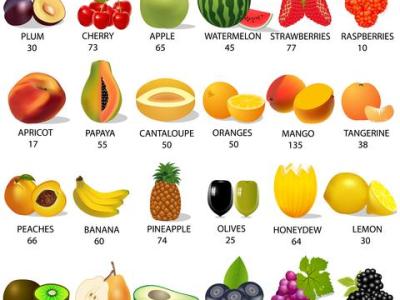
What are calories? A calorie is a unit of energy. In nutrition, calories refer to the energy people get from the food and drink they consume, and the energy they use in physical activity. Calories are the amount of energy released when your body digests and absorbs food.
How many do I need?
The average man needs 2,700 kcal per day and the average woman needs 2,200 kcal per day. The number of calories a given individual needs will depend on metabolism and activity. Calorie consumption that is too low or too high will eventually lead to health problems. When you eat more calories than you need, your body stores the extra calories as body fat. Without energy, the cells in the body would die, and the organs would not be able to carry out the basic processes needed for living.
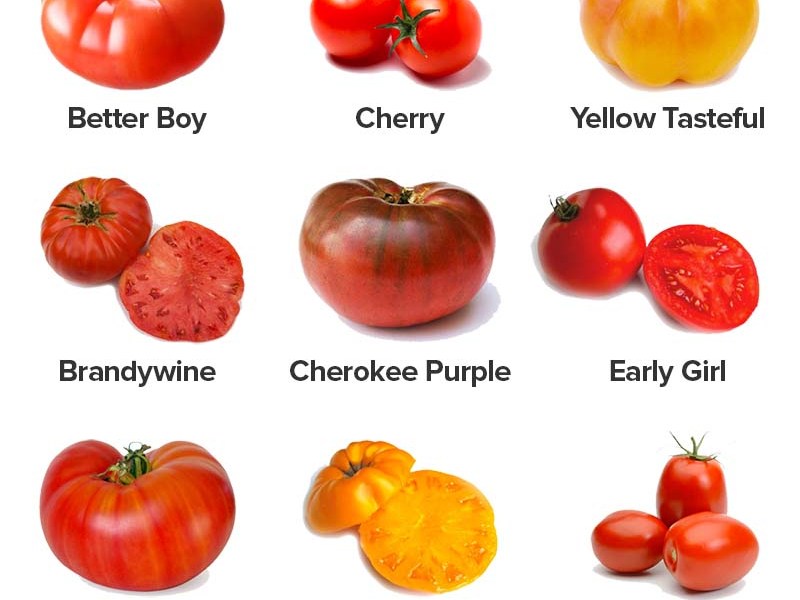
Getting enough B6 through your diet or a supplement is crucial for staying healthy. Some good food sources of Vitamin B6 are chickpeas, bananas, mamey, avocado, tomatoes, and brussels sprouts. Vitamin B6, also known as pyridoxine, is a water-soluble vitamin that is significant to protein, fat and carbohydrate metabolism and the creation of red blood cells and neurotransmitters. Your body cannot produce vitamin B6, so you must obtain it from foods or supplements. Most people get enough vitamin B6 through their diet. The current recommended daily amount (RDA) for B6 is 1.3–1.7 mg for adults over 19.
TOXICITY: Vitamin B6 toxicity is not likely to occur from food sources of B6, but taking more than 1,000 mg of supplemental B6 a day may cause nerve damage and pain or numbness in the hands or feet. Some of these side effects have even been documented after just 100–300 mg of B6 per day. For these reasons, the tolerable upper limit of vitamin B6 is 100 mg per day for adults
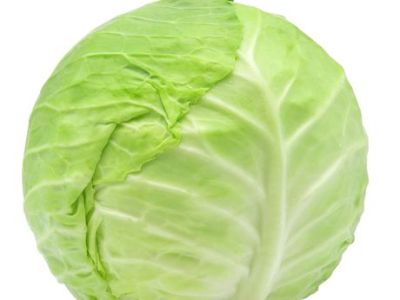
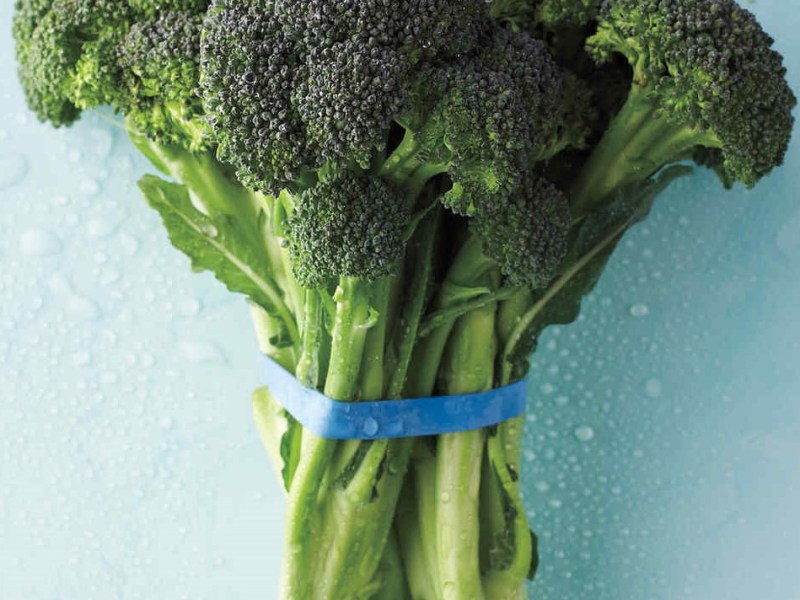
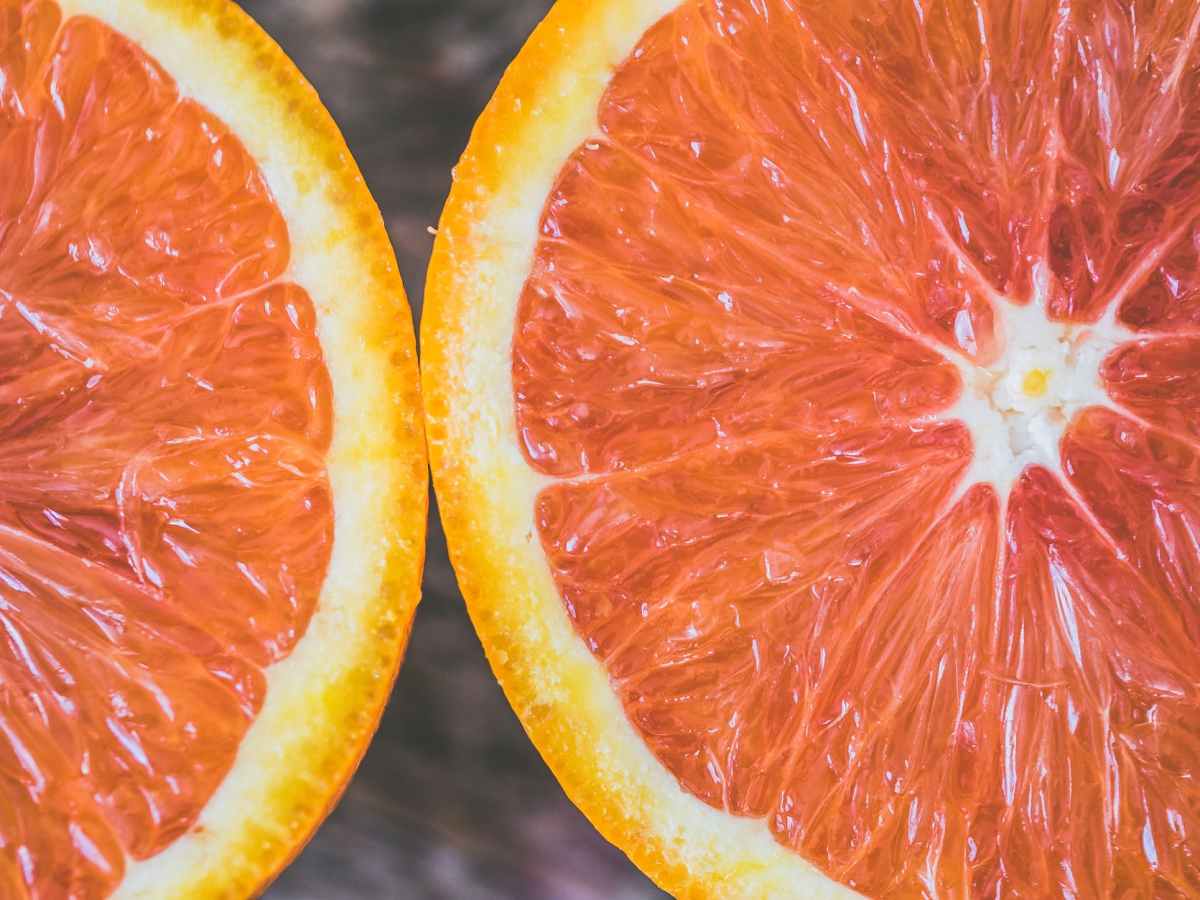
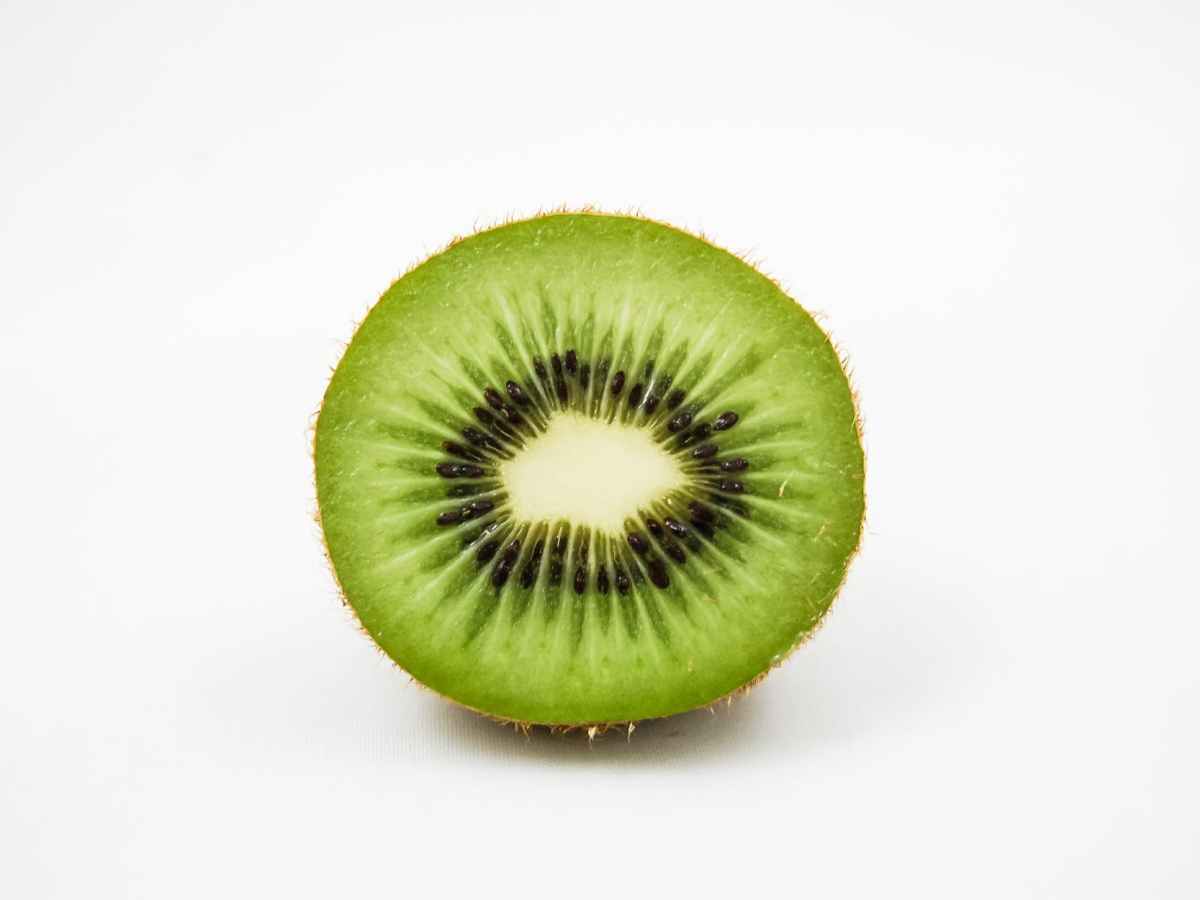
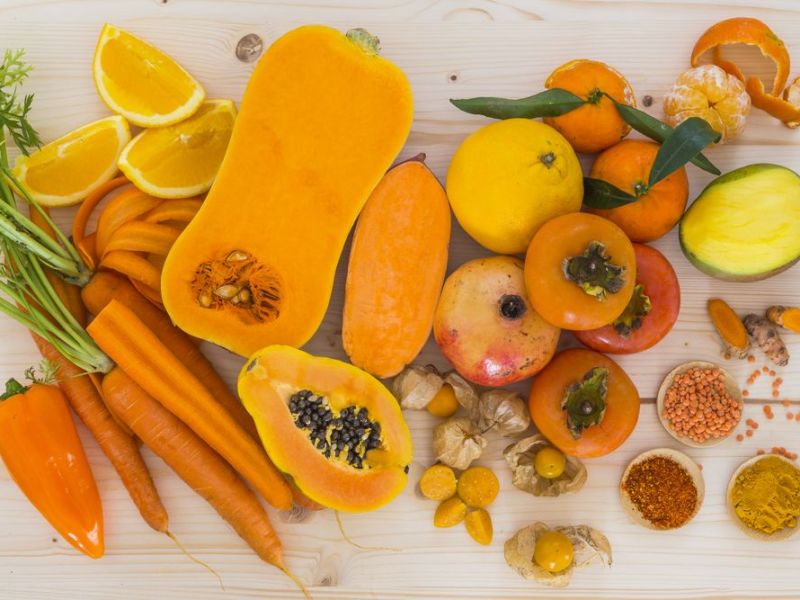
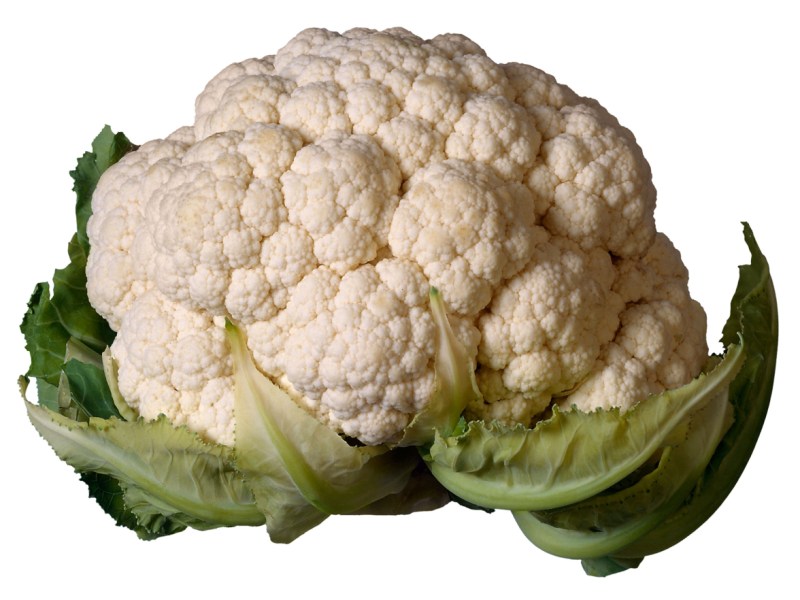
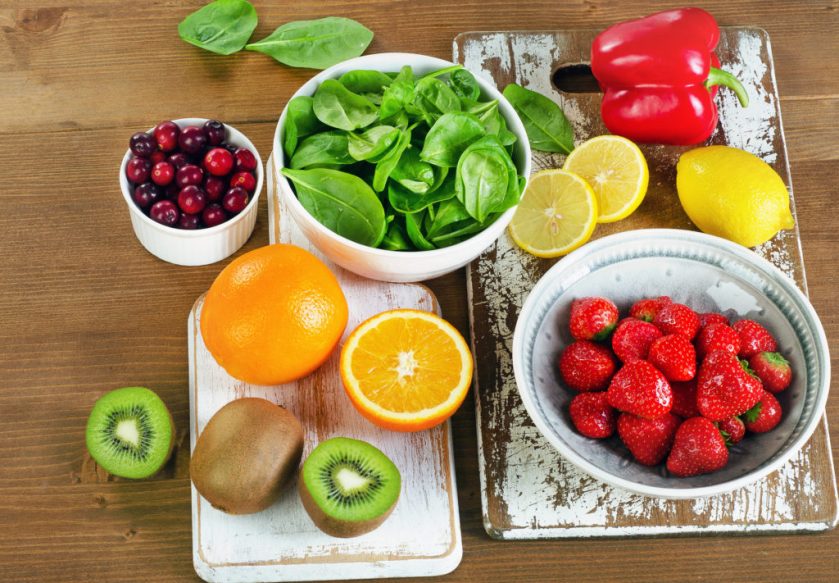
Oranges, kiwi, lemon, bell pepper, strawberries, grapefruit, broccoli, cabbage, and cauliflower are a few plant foods that are rich in Vitamin C. Vitamin C has been linked to many impressive health benefits that include boosting antioxidant levels, lowering blood pressure, protecting against gout attacks, improving iron absorption, boosting immunity, and reducing heart disease and dementia risk. Because the human body cannot produce Vitamin C, it must be obtained through food sources or manufactured supplements. Opinions vary about how much Vitamin C is needed for optimal health. The Recommended Daily Allowance (RDA)–enough to prevent deficiency syndromes such as scurvy–is 90 mg for men and 75 mg for women, but the Upper Limit (UL) is 2,000 mg. Because of the known benefits of Vitamin C for prevention and optimal health, including those that have not yet been fully proven, I prefer to take a 1,000 mg supplement and to eat foods that are rich in Vitamin C every day. High-heat cooking temperatures or prolonged cook times can break down the vitamin. Because it is water-soluble, the vitamin can also seep into cooking liquid and be lost if the liquids are not eaten. Quick heating methods or using as little water as possible when cooking, such as stir-frying or blanching, can preserve the vitamin. Foods at peak ripeness eaten raw contain the most vitamin C.
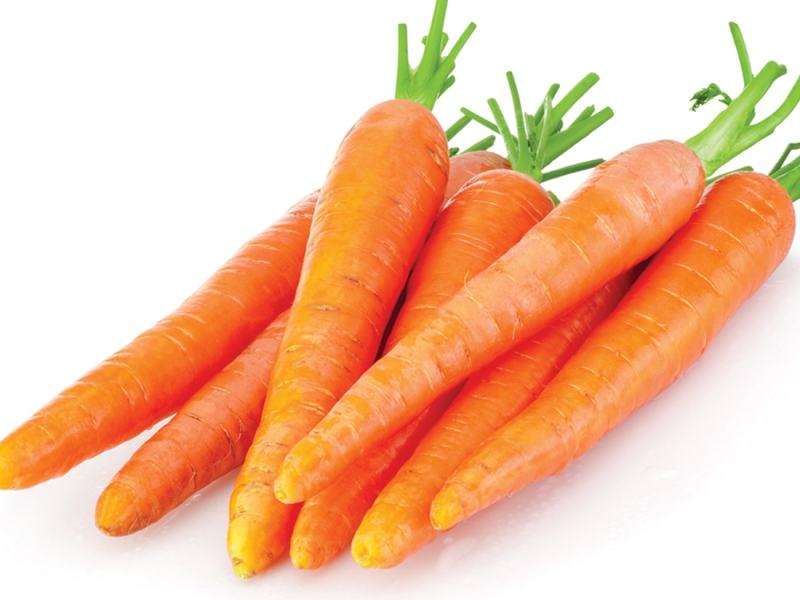
Plant foods that are rich in beta-carotene, such as green leafy vegetables, carrots and cantaloupe are a good source of Vitamin A. Your body converts beta-carotene into Vitamin A. Vitamin A (retinol, retinoic acid) is a nutrient important to vision, growth, cell division, reproduction and immunity. Vitamin A also has antioxidant properties. Antioxidants are substances that protect cells against the effects of free radicals — molecules produced when the body breaks down food or is exposed to tobacco smoke and radiation. Free radicals might play a role in heart disease, cancer and other diseases. The recommended daily allowance is 900 mcg for an adult male and 700 mcg for an adult female. A healthy and varied diet will provide most people with enough vitamin A. For the antioxidant properties of vitamin A, food sources are best. It’s not clear if vitamin A supplements offer the same benefits as naturally occurring antioxidants in food. Too much vitamin A can be harmful, and excess vitamin A during pregnancy has been linked to birth defects.
Iron is a major component of hemoglobin, a type of protein in red blood cells that carries oxygen from your lungs to all parts of the body. Without enough iron, there aren’t enough red blood cells to transport oxygen, which leads to fatigue. Iron is also part of myoglobin, a protein that carries and stores oxygen specifically in muscle tissues. Iron is important for healthy brain development and growth in children, and for the normal production and function of various cells and hormones. Some plant food sources of iron include beans, dark chocolate, lentils, spinach, potato with skin, nuts, and seeds. Vitamin C and heme iron taken at the same meal can improve the absorption of non-heme iron.
An iron deficiency is seen most commonly in children, women who are menstruating or pregnant, and those eating a diet lacking in iron. Vegetarians may develop IDA if they do not include adequate non-heme iron foods in the diet. Because non-heme iron is not well-absorbed, either greater quantities of these foods my be required or careful attention is needed in how they are eaten to improve absorption (consuming with vitamin C-rich foods while avoiding eating with calcium-rich foods, calcium supplements, or tea).
It is possible to obtain enough iron in a vegetarian/vegan diet with careful planning. Iron-deficiency anemia is the most common nutritional deficiency worldwide, causing extreme fatigue and lightheadedness. It affects all ages, with children, women who are pregnant or menstruating, and people receiving kidney dialysis among those at highest risk. Iron from food comes in two forms: heme and non-heme. Heme is found only in animal flesh like meat, poultry, and seafood. Non-heme iron is found in plant foods like whole grains, nuts, seeds, legumes, and leafy greens. Iron is stored in the body as ferritin (in the liver, spleen, muscle tissue, and bone marrow) and is delivered throughout the body by transferrin (a protein in blood that binds to iron). Heme iron is better absorbed by the body than non-heme iron. Bran fiber, large amounts of calcium particularly from supplements, and plant substances like phytates and tannins can inhibit the absorption of non-heme iron. Toxicity is rare because the body regulates iron absorption and will absorb less if iron stores are adequate. Excessive iron occurs most often from taking high-dosage supplements when not needed or from having a genetic condition that stores too much iron. The maximum daily intake unlikely to cause harmful effects is 40 mg for children 14 and under and 45 mg for all adults over 14. The Recommended Daily Allowances vary for gender, age, pregnancy, and lactation.
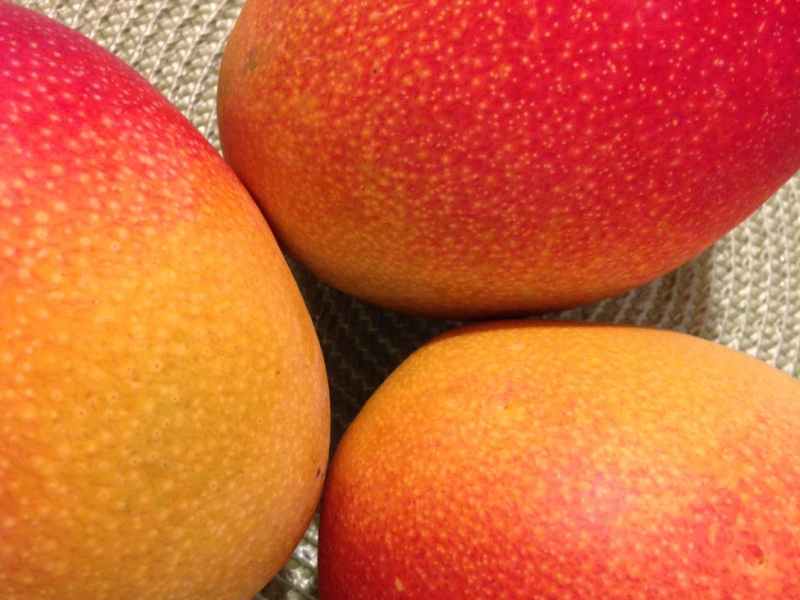
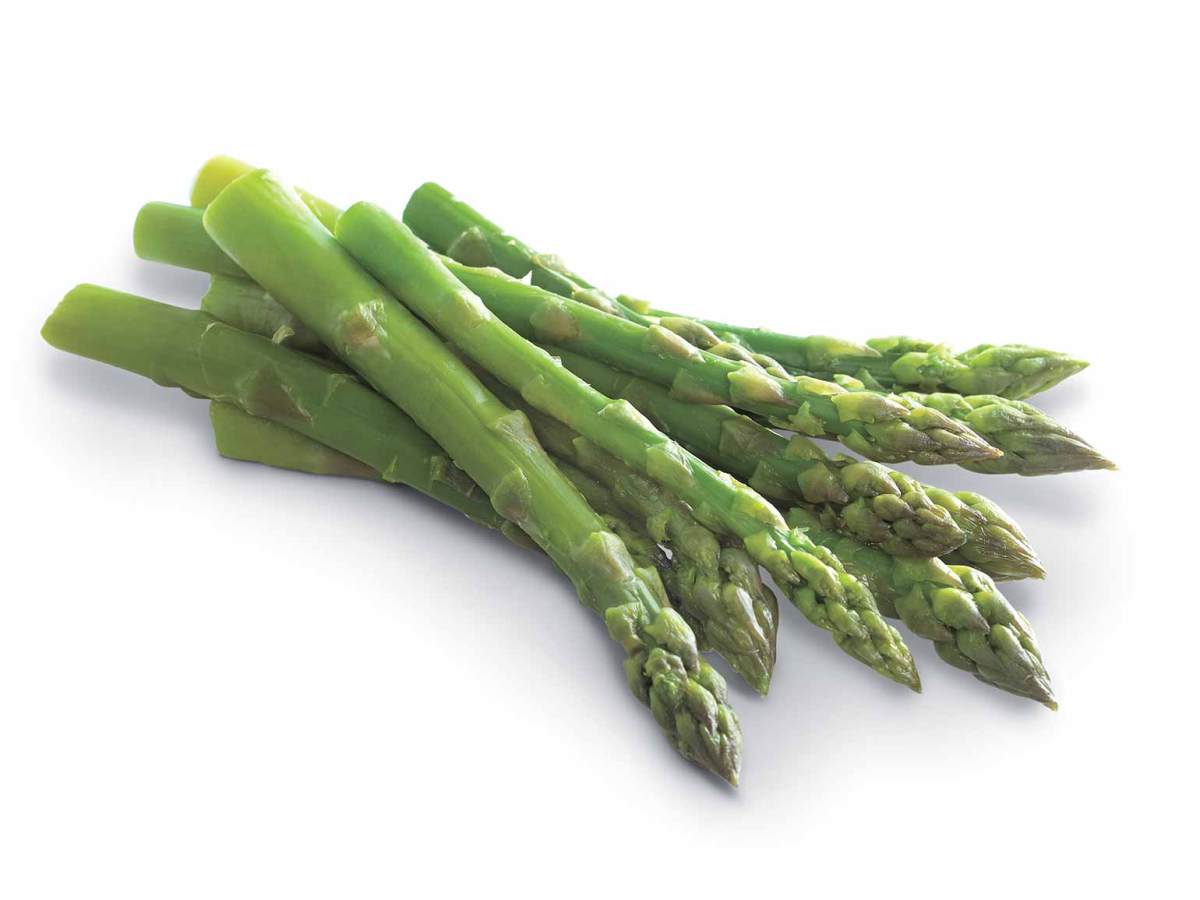
Mango, avocado, almonds, asparagus, peanuts, pumpkin, wheat germ oil, and sunflower seeds are rich in Vitamin E. Vitamin E acts as an antioxidant, scavenging loose electrons—so-called “free radicals”—that can damage cells. It also enhances immune function and prevents clots from forming in heart arteries. Antioxidant vitamins, including vitamin E, came to public attention in the 1980s when scientists began to understand that free radical damage was involved in the early stages of artery-clogging atherosclerosis, and might also contribute to cancer, vision loss, and a host of other chronic conditions. The Recommended Dietary Allowance of Vitamin E is 15 mg daily.
Vitamin B12 is the only vitamin that cannot be sourced from a whole-food plant-based diet. If you are following or considering a vegan or vegetarian eating plan, I sincerely recommend that you read the article at this link on the importance of vitamin B12. Vitamin B12: Your Key Facts (The Vegan Society)
Most people in developed countries get enough from the consumption of meat or foods with animal sources, but a high percentage of deficiency disorders have been observed in those who do not consume meat and who do not take a Vitamin B12 supplement. There are no plant-based sources of Vitamin B12. A daily or weekly supplement is the best way to avoid the very serious consequences of Vitamin B12 deficiency. Some vegan food products, such as nutritional yeast, may be fortified with Vitamin B12, but I prefer to be sure I’m covered by taking a daily supplement. Deficiency symptoms may take five years or more to develop in adults.
Vitamin B12 was discovered as a result of studies related to pernicious anemia, an autoimmune disorder in which the blood has a lower than normal number of red blood cells. The ability to absorb the vitamin declines with age, especially in people over 60 years old. The diets of vegetarians and vegans may not provide sufficient B12 unless a dietary supplement is consumed. Symptoms of vitamin B12 deficiency may include limb neuropathy, tiredness, weakness, lightheadedness, headache, breathlessness, loss of appetite, pins and needles sensations, changes in mobility, severe joint pain, muscle weakness, memory problems, decreased level of consciousness, brain fog, and others. These symptoms have been observed in individuals with B12 levels only slightly lower than normal.
Some good plant-based sources of chromium are whole grains, high-fiber bran cereals, broccoli, green beans, potatoes, apples, bananas, coffee, and brewer’s yeast.
Chromium enhances the action of insulin, and it is involved in the breakdown and absorption of carbohydrate, proteins, and fats. Chromium is an essential mineral that the body needs in trace amounts. It is naturally present in a wide variety of foods, though only in small amounts, and is also available as a supplement. Vitamin B3 (niacin) and Vitamin C and help to improve the absorption of chromium. There is not enough data to establish a Recommended Dietary Allowance for chromium. An Adequate Intake (AI) was set as an estimated safe and adequate daily dietary intake for chromium. The AI for men ages 19-50 years is 35 micrograms daily, and for women ages 19-50 years, 25 micrograms daily. Men and women older than 50 years require slightly less, at 30 and 20 micrograms daily, respectively. For pregnancy and lactation, the AI is 30 and 45 micrograms daily. A Tolerable Upper Intake Level (UL) is the maximum daily dose unlikely to cause adverse side effects in the general population. A UL has not been established for chromium, because a toxic level has not been observed from food sources or from longer-term intakes of high-dose supplements.
You must be logged in to post a comment.