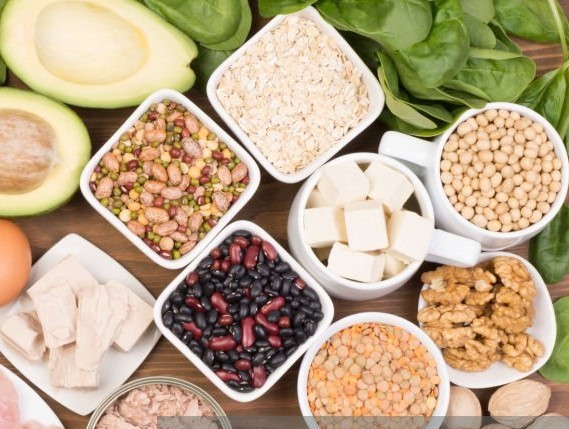
What does niacin do?
Niacin (Vitamin B3) is a micronutrient that your body uses for proper metabolism, nervous system function and antioxidant protection. It’s an essential nutrient, meaning that you must obtain it from food, as your body cannot produce it on its own. Since niacin is water soluble, any surplus is excreted through urine rather than stored in your body. Therefore, it’s important to regularly consume niacin-rich foods.
How much do I need?
The recommended dietary allowance (RDA) for this nutrient is 16 mg per day for men and 14 mg per day for women — enough to meet the needs of approximately 98% of adults.
Are supplements recommended?
Niacin is found in many fortified foods, and overconsumption may have serious side effects, so supplementation should be done only with medical supervision.
What are some good plant food sources of niacin?
PEANUTS, AVOCADOS, BROWN RICE, MUSHROOMS, GREEN PEAS, WHOLE-WHEAT PRODUCTS, WHITE POTATOES
Some Niacin-rich Foods

Avocado Facts *superfood*
Avocados improve heart health; support eye, skin, and hair health; fight cancer cell growth; promote weight loss; enhance digestive health; protect against diabetes; and decrease arthritis symptoms.
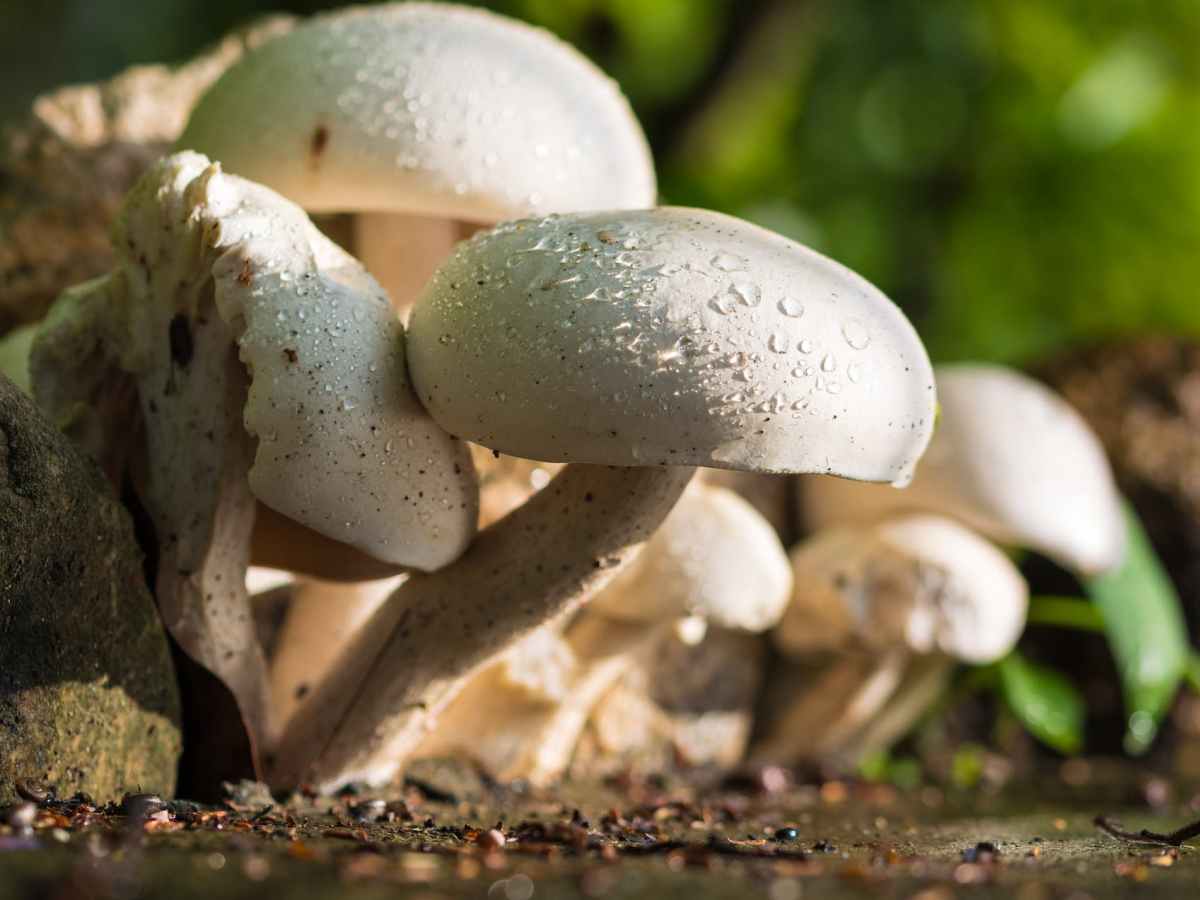
Mushroom Facts
White mushrooms are rich in many bioactive compounds that may protect against cancer and heart disease, as well as help improve blood sugar control and gut health.


 Fruit & Stuff