Posted in PLANT FOOD FACTS

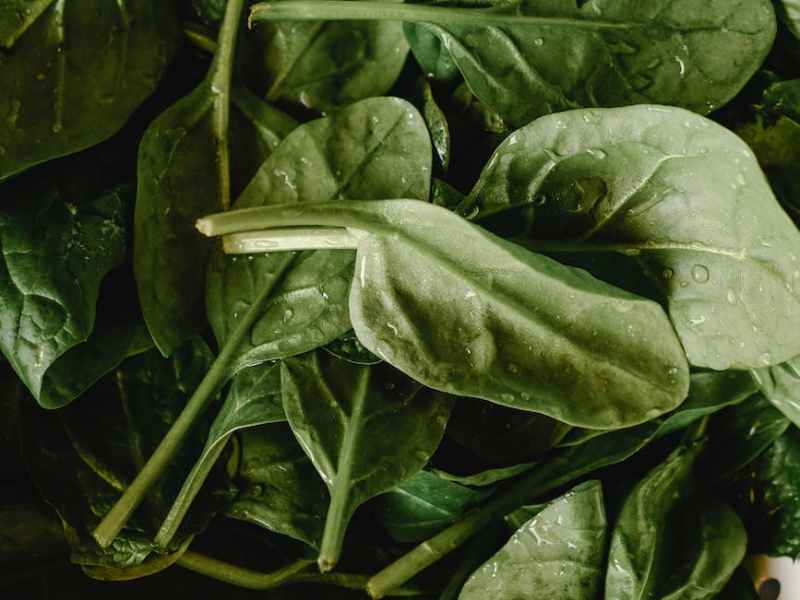
Spinach

Spinach (español: espinacas) is a leafy green flowering plant whose leaves are consumed cooked or raw. Spinach is a good source of VITAMIN C, IRON, POTASSIUM, VITAMIN E, and MAGNESIUM. The possible health benefits of consuming spinach include blood glucose control, lower risk of cancer, and improved bone health. As part of a nutritious diet, it can help support immune function, aid the digestive system, may even have anticancer properties. Spinach is typically safe to consume as part of a well-rounded, nutritious diet, but some people may benefit from limiting their intake of this vegetable. Spinach is rich in dietary oxalate, which can increase a person’s risk of kidney stones. The high oxalate content may be reduced by steaming. Spinach contains:

  • Alpha-lipoic acid
    • an antioxidant which lowers glucose levels, increases insulin sensitivity, and prevents oxidative, stress-induced changes in patients with diabetes.
  • Vitamin K
    • Scientists have found a link between low intakes of vitamin K and a higher risk of bone fracture. Vitamin K acts as a modifier of bone matrix proteins, improves calcium absorption, and may reduce the amount of calcium that leaves the body in urine.
  • Protein and carbohydrates.
    • Most of the calories from protein and carbohydrates, which play important roles in the body, from maintaining eye health to reducing inflammation.
  • Chlorophyll
    • Research suggests chlorophyll may have anticancer properties and that people who eat diets rich in green vegetables may have a lower risk of cancer.
  • Potassium
    • It can help reduce the effects of sodium in the body. A low potassium intake might be as potent a risk factor for developing high blood pressure as a high sodium intake.
  • Fiber and water
    • Both help prevent constipation and promote a healthy digestive tract.
  • Vitamin A
    • It moderates oil production in the skin pores and hair follicles to moisturize the skin and hair. A buildup of this oil can lead to acne. Vitamin A is necessary for the growth of all bodily tissues, including skin and hair.
  • Vitamin C
    • It is crucial for building and maintaining collagen, which provides structure to skin and hair.
  • Iron
    • Iron deficiency is a common cause of hairloss, which a person can help prevent with a diet of sufficient iron-rich foods, such as spinach.
1 cup of spinach contains%DV
CALORIES7
PROTEIN0.86G
CALCIUM29.7MG
IRON0.81G
MAGNESIUM24MG
POTASSIUM167MG
VITAMIN A (RETINOL)141MCG
VITAMIN B9 (FOLATE)58MCG
SOURCE: MEDICAL NEWS TODAY / WIKIPEDIA
Posted in PLANT FOOD FACTS

Cucumber

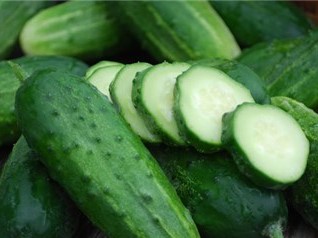
Cucumber (español: pepino) is a creeping vine plant in the Cucurbitaceae gourd family. There are three main varieties of cucumber—slicing, pickling, and burpless/seedless—within which several cultivars have been created. The cucumber originates from South Asia, but now grows on most continents, as many different types of cucumber are traded on the global market. They are low in calories but contain many important vitamins and minerals, as well as a high water content. Eating cucumbers may lead to many potential health benefits, including weight loss, balanced hydration, digestive regularity and lower blood sugar levels.

3.5 oz (100 g) unpeeeled cucumber CONTAINS
CALORIES16
CARBOHYDRATES3.63g
FAT0.11 gg
FIBER0.5g
PROTEIN0.65g
CALCIUM2%DV
IRON2%DV
MAGNESIUM4%DV
MANGANESE4%DV
PHOSPHOROUS3%DV
POTASSIUM3%DV
ZINC2%DV
VITAMIN B1 (THIAMINE)2%DV
VITAMIN B2 (RIBOFLAVIN)3%DV
VITAMIN B3 (NIACIN)1%DV
VITAMIN B5 (PANTOTHENIC ACID)5%DV
VITAMIN B63%DV
VITAMIN B9 (FOLATE)2%DV
VITAMIN C3%DV
VITAMIN K16%DV
Posted in PLANT FOOD FACTS

Lettuce

Lettuce is rich in antioxidants, folates, and Vitamins A and K.

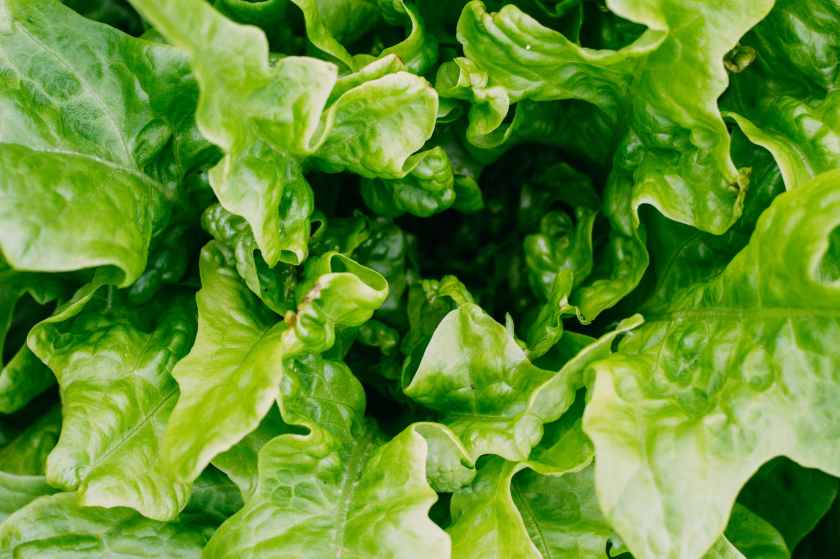
Lettuce (Lactuca sativa) (Spanish: lechuga) is a popular leafy vegetable in the daisy family. It ranges in color from yellow to dark green, and some varieties have reddish hues. Lettuce is a major ingredient in salads, and it is a healthy addition to wraps, soups, and sandwiches. Romaine and iceberg are the most common types in western cuisine, but there are many more varieties with unique flavors and nutritional properties. Most types of lettuce are rich in Vitamin K, folates, and antioxidants.

  • Crisphead lettuce, widely known as iceberg lettuce, is light, crunchy, and full of nutrients like folate and vitamin K.
  • Romaine’s long, crisp leaves are popular for Caesar salads. It’s high in folate, potassium, antioxidants, and vitamins A and K.
  • Butterhead lettuce has soft leaves and looks similar to cabbage. It’s particularly high in iron and vitamins A and K.
  • Leaf lettuce has crisp, ruffled leaves. Both green and red types are high in folate, manganese, and vitamins A and K. Red leaf lettuce is higher in antioxidants.

For information about other types of lettuce, see this link: 18 Types of Lettuce

3.5 oz (100 g)ICEBERGROMAINEbutterheadLEAF LETTUCE
CALORIES14171315
FIBER1 g2 g1 g1 g
PROTEIN1 g1 g1.5 g2 g
IRON2% DV5% DV8% DV5% DV
MANGANESE5.4 DV7% DV8% DV11% DV
POTASSIUM3% DV5% DV5% DV4% DV
VITAMIN A (RETINOL)3% DV48% DV18% DV41% DV
VITAMIN B9 (FOLATE)7% DV34% DV18% DV10% DV
VITAMIN C3% DV4% DV4% DV10% DV
VITAMIN K20% DV48% DV85% DV105% DV
DV is the percent of the total daily allowance (or requirement) of a substance that one serving of the food provides.

SOURCE: HEALTHLINE
Posted in RECIPES

Leek and Potato Soup

This tasty soup is rich in Vitamins B6, K, and C.

PREP 15 min / LOW-MEDIUM HEAT / COOK 20 min / SERVES 4

  • INGREDIENTS
    • 1 Tbsp BUTTER or vegan substitute
    • 1 large or 2 small LEEKS
    • 2 medium POTATOES
    • 2 1/4 c VEGETABLE BROTH
    • 1 Tbsp chopped CHIVES
    • 1 medium chopped CARROT
    • 1 c frozen PEAS (optional)
    • SALT and PEPPER to taste
    • DIRECTIONS
      1. Cut the roots and dark green ends off the LEEKS, keeping only the white and light green parts. Slice them lengthwise and rinse under running water, scrubbing away the dirt and sand that may have accumulated between their layers. Cut into thin slices. There should be about 2 cups of sliced LEEKS.
      2. Sauté the LEEKS in the BUTTER for about 10 minutes, until they are soft.
      3. Cut the POTATOES into small squares and cook with the LEEKS about 10 more minutes, until the potatoes are soft.
      4. Add the VEGETABLE BROTH, CARROTS and PEAS and cook over low heat until vegetables are well done.
      5. Season with SALT and PEPPER to taste, and sprinkle CHIVES on top before serving.
    Posted in PLANT FOOD FACTS

    Leeks

    Leeks are low in calories and high in provitamin A carotenoids and Vitamin K.

    Leek and Potato Soup Recipe

    Leeks belong to the same family as onions, shallots, scallions, chives, and garlic. They look like a giant green onion but have a much milder, somewhat sweet flavor and a creamier texture when cooked. They are particularly high in provitamin A carotenoids, including beta carotene, which the body converts into vitamin A, important for vision, immune function, reproduction, and cell communication. They’re also a good source of vitamin K1, which is necessary for blood clotting and heart health. Leeks are also a good source of manganese, which may help reduce premenstrual syndrome symptoms and promote thyroid health. What’s more, they provide small amounts of copper, vitamin B6, iron, and folate. Leeks are rich in antioxidants and sulfur compounds, especially kaempferol and allicin. These are thought to protect your body from disease. The fiber and water in leeks can promote fullness, prevent hunger, and promote digestive health.

    To prepare them, cut the roots and dark green ends off, keeping only the white and light green parts. Slice them lengthwise and rinse under running water, scrubbing away the dirt and sand that may have accumulated between their layers. Leeks can be eaten raw, but you can also poach, fry, roast, braise, boil, or pickle them. They make a great addition to soups, dips, stews, taco fillings, salads, quiches, stir-fries, and potato dishes. You can refrigerate raw leeks for about a week and cooked ones for around two days.

    3.5 oz (100 g) leek provides
    CARBOHYDRATE14.15 g
    CALORIES61
    FAT0.3 g
    FIBER1.8 g
    PROTEIN1.5 g
    CALCIUM6% DV
    IRON16% DV
    MAGNESIUM8% DV
    MANGANESE23% DV
    PHOSPHOROUS5% DV
    POTASSIUM4% DV
    VITAMIN A (RETINOL)10% DV
    VITAMIN B1 (THIAMINE)5% DV
    VITAMIN B2 (RIBOFLAVIN)3% DV
    VITAMIN B3 (NIACIN)3% DV
    VITAMIN B5 (PANTOTHENIC ACID)3% DV
    VITAMIN B618% DV
    VITAMIN B9 (FOLATE)16% DV
    VITAMIN C14% DV
    VITAMIN E6% DV
    VITAMIN K45% DV
    SOURCE: healthline
    Posted in PLANT FOOD FACTS

    Arugula

    This delicious green is nutrient-dense, high in fiber and phytochemicals.

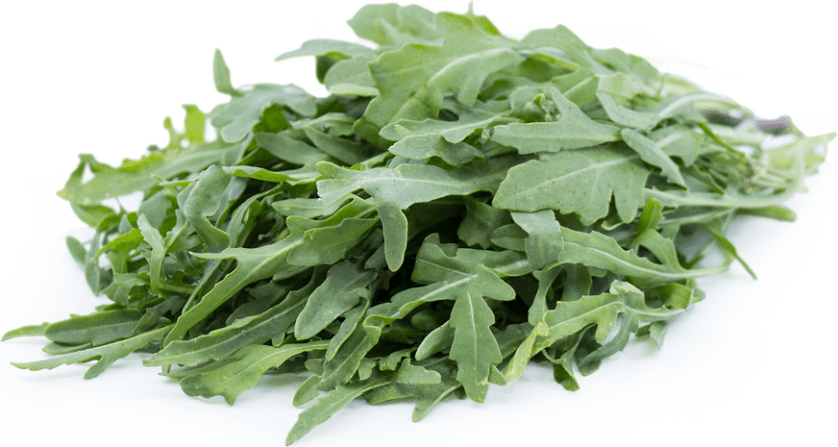
    Arugula is a peppery, distinctive-tasting green also known as rucola, salad rocket, and Italian cress. Arugula is low in sugar, calories, carbohydrates, and fat while high in calcium, potassium, folate, Vitamin C and Vitamin K. Arugula is a member of the Brassica, or Cruciferous, family, which includes Brussels sprouts, kale, cauliflower, and broccoli. Arugula’s distinctive peppery crunch adds flair to salads and other cold dishes. Arugula can be used in addition to of in the place of most types of lettuce and herbs. It also boasts a distinctive leaf shape. Its flowers, seeds, and leaves are all edible. Cruciferous vegetables like arugula have been linked to lower incidence of cancer, bone health, heart health, and diabetes prevention.

    Arugula, Avocado, Fig and Walnut Salad
    1 cup (20 g) arugula PROVIDES
    calories 5
    fat.55 g
    0.516 g0.516 g
    calcium 3.2% DV
    vitamin C 2.5% DV
    vitamin K 27.7% DV
    Sources: Medical News Today
    Posted in PLANT FOOD FACTS

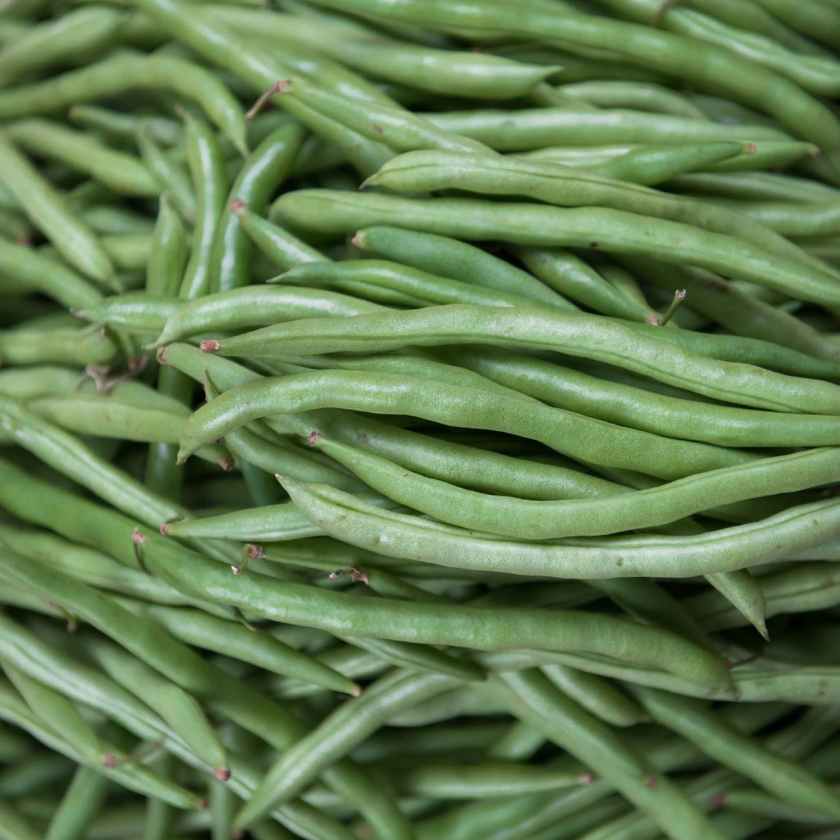
    Green Beans

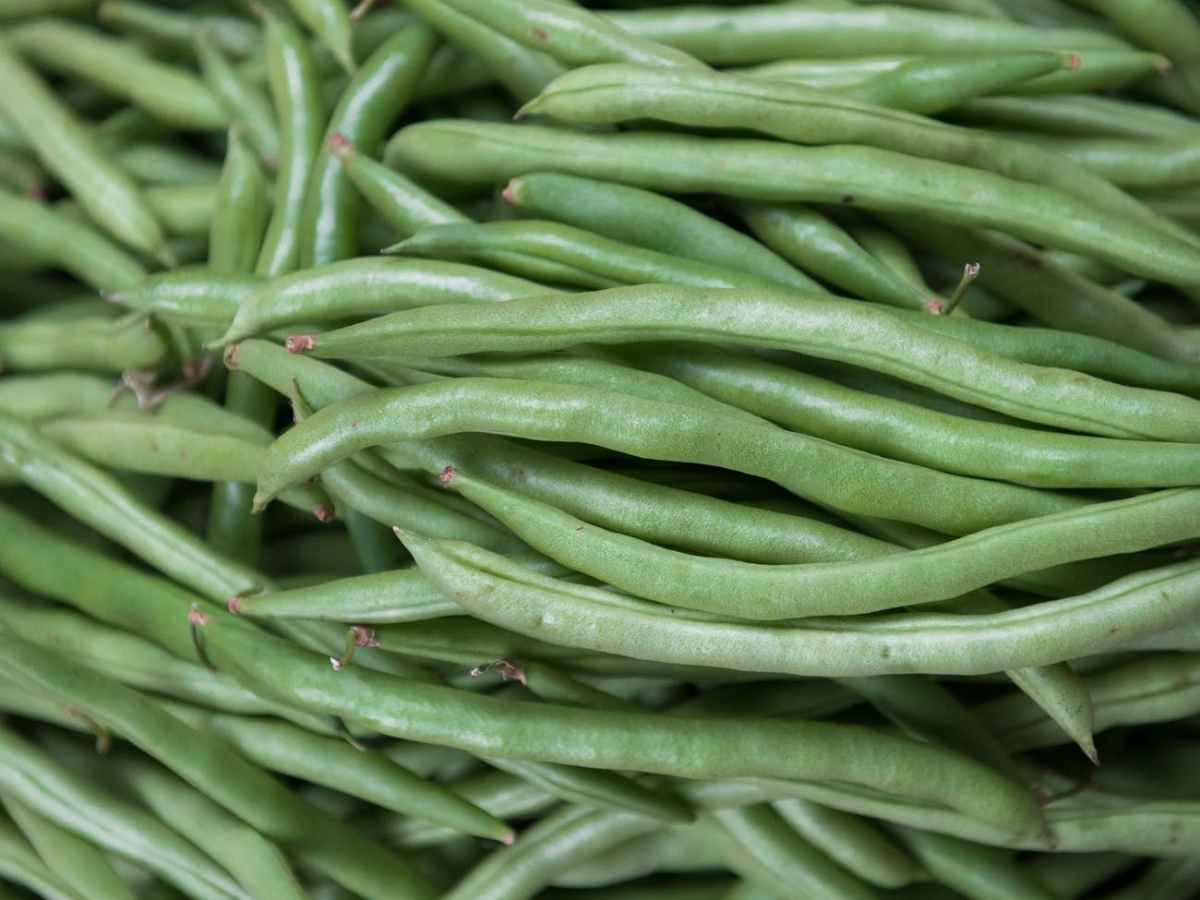
    Green beans, string beans, or snap beans are a rich source of vitamins A, C, K, folate, and fiber.

    Recipe: Green Bean and Toasted Garlic

    They have nutritional benefits similar to snap peas and okra. There are more than 130 varieties of green beans. Fresh green beans are a better choice than canned, which contain large amounts of sodium. Before eating the canned variety, you should rinse them thoroughly.

    1 cup (150 g) snap beans
    calories 28
    carbohydrate 5.66 g
    fat .55 g
    protein 1.42 g
    fiber 2.6 g
    sugar 1.94 g
    calcium 17 mg
    folate 32 mcg
    iron 1.2 mg
    magnesium 18 mg
    phosphorous 30 mg
    potassium 130 mg
    vitamin A 24 mcg
    vitamin K 52.5 mcg
    Sources: Medical News Today
    Posted in NUTRIENTS

    Vitamin K

    Leafy green vegetables are among the plant foods rich in Vitamin K. Vitamin K helps make proteins needed for blood clotting and building bones. Prothrombin is a vitamin K-dependent protein directly involved with blood clotting. Osteocalcin is another protein that requires vitamin K to produce healthy bone tissue. Vitamin K is found throughout the body including the liver, brain, heart, pancreas, and bone. It is broken down very quickly and excreted in urine or stool. Because of this, it rarely reaches toxic levels in the body even with high intakes, as may sometimes occur with other fat-soluble vitamins. Because vitamin K is fat-soluble, it is best to eat vitamin K foods with some fat to improve absorption. So, drizzle some olive oil or add diced avocado to your favorite leafy green salad!

    Antibiotics may decrease vitamin K levels, especially if taken for more than a few weeks. People who have a poor appetite while using long-term antibiotics may be at greater risk for a deficiency, and may benefit from a vitamin K supplement. People who are taking blood-thinners, such as warfarin (Coumadin), should avoid suddenly beginning to eat more or fewer foods containing vitamin K, as this vitamin plays a vital role in blood clotting.

    Vitamin K deficiency in adults is rare, but may occur in people taking medications. Newborns are sometimes deficient because vitamin K does not cross the placenta, and breast milk contains a low amount. The limited amount of blood clotting proteins at birth increases the risk of bleeding in infants if they are not given vitamin K supplements.

    AI: An “adequate intake” (AI) is used when there is not enough evidence to establish a Recommended Dietary Allowance (RDA). The AI amount is estimated to ensure nutritional adequacy. For adults 19 years and older, the AI for vitamin K is 120 micrograms (mcg) daily for men and 90 mcg for women and for those who are pregnant or lactating.

    Some Plant-based Food Sources of Vitamin K

    PHYLLIQUINONEMENAQUINONE
    collard greensnatto: fermented soybeans
    turnip greens
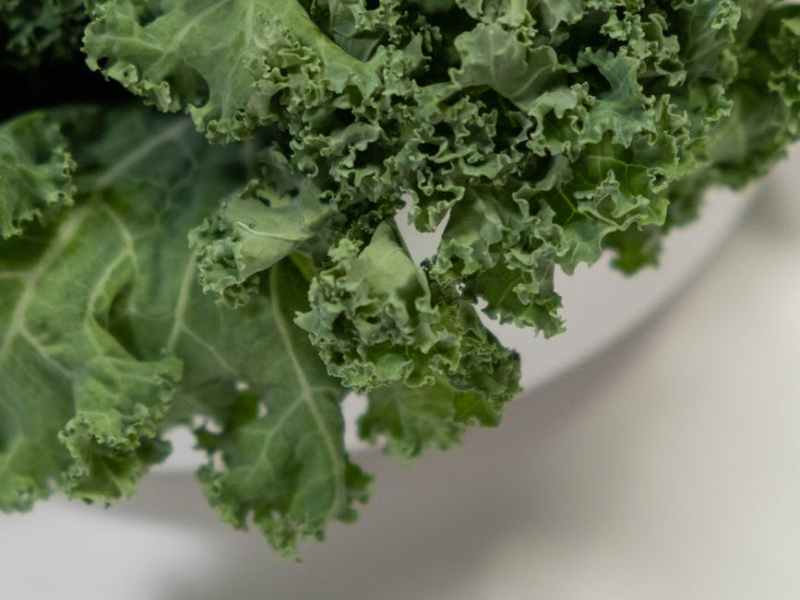
    kale
    spinach
    broccoli
    brussels sprouts
    cabbage
    lettuce
    soybean oil
    canola oil
    Source: Harvard University Nutrition Source

    Posted in PLANT FOOD FACTS

    Grapes

    Grapes offer a wealth of health benefits due to their high nutrient and antioxidant contents.

    Grapes have been cultivated for thousands of years and have been revered by several ancient civilizations for their use in winemaking. There are many types of grapes including green, red, black, yellow and pink. They grow in clusters and come in seeded and seedless varieties.

    1 CUP (151 G) GRAPES
    calories 104
    carbohydrates 27.3 g
    fiber 1.4 g
    copper 10% RDI
    manganese 5 % RDI
    potassium8% RDI
    riboflavin6% RDI
    thiamine7% RDI
    vitamin B66% RDI
    vitamin C27% RDI
    vitamin K28% RDI
    Sources: healthline
    Posted in PLANT FOOD FACTS

    Endive

    Endive is a good source of fiber and is rich in antioxidants and Vitamin K.

    Endive (pronounced in-dive or ahn-deev) is a leafy vegetable in the chicory root family. It has a crisp, crunchy texture and a slightly bitter taste. It can be used raw or cooked. There are three main types:

    • Curly endive (Cichorium endivia var. crispum) has a bitter flavor and curly leaves. It is also known as frisée or chicory.
    • Belgian endive (Cichorium intybus var. foliosum Endivehas pale yellow leaves and is moderately bitter. Red endive, or radicchio, has more of a reddish hue.
    • Broad-leafed endive (Cichorium endivia var. latifolium) belongs to the same genus and species as curly endive, but it’s slightly less bitter than the other two varieties. It’s also sometimes referred to as escarole.

    It contains 72 per cent of the RDI of vitamin K in a 1/2 cup serving. Vitamin K is important for bone health and bone metabolism, reducing the risk of fractures and bone loss.

    1/2 cup (25 g) chopped raw endive
    calories 4
    carbohydrates 0.8 g
    protein 0.3 g
    fiber 0.8 g
    folate 9% DV
    manganese 5% DV
    vitamin A 11% DV
    vitamin K 72% DV
    Sources: Dr. Axe
    Posted in PLANT FOOD FACTS

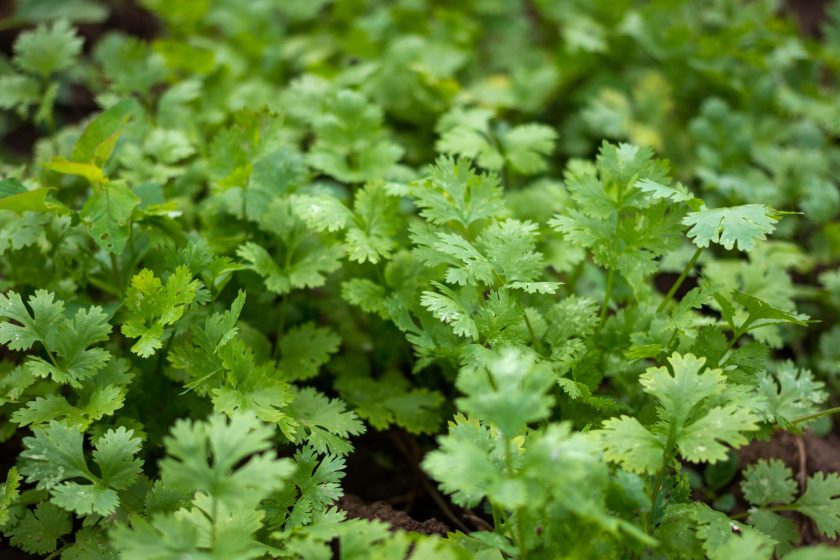
    Cilantro (Coriander)

    Cilantro is especially rich in Vitamin K, which aids in healthy blood clotting.

    Coriander (español: cilantro) (Coriandrum sativum), also known as Chinese parsley or cilantro, is related to parsley, carrots, and celery. All parts of the plant are edible, but the fresh leaves and the dried seeds are the parts most used in cooking. It may help lower blood sugar, fight infections, and promote heart, brain, skin, and digestive health. In the United States, Coriandrum sativum seeds are called coriander, while its leaves are called cilantro. Coriander seeds, extract, and oils may all help lower blood sugar. Animal studies suggest that coriander seeds reduce blood sugar by promoting enzyme activity that helps remove sugar from the blood. Coriander offers several antioxidants, which prevent cellular damage caused by free radicals. Some animal and test-tube studies suggest that coriander may lower heart disease risk factors, such as high blood pressure and LDL (bad) cholesterol levels. Many brain ailments, including Parkinson’s, Alzheimer’s, and multiple sclerosis, are associated with inflammation. Coriander contains antimicrobial compounds that may help fight certain infections and foodborne illnesses. Dodecenal, a compound in coriander, may fight bacteria like Salmonella, which can cause life-threatening food poisoning.

    Cilantro can grow roots if the stems are placed in a glass of water. Once the roots are long enough, plant them in a pot. In a few weeks new sprigs will be starting, and in a few months you’ll have a full plant. How to grow plants with cuttings from the kitchen.

    Nutrition: 3.5 oz cilantro (100 g)
    calories 23
    calcium 7% DV
    carbohydrates 3.67 g
    fat 0.52 g
    fiber 2.8 g
    folate 16% DV
    iron 14% DV
    magnesium 7% DV
    manganese 20% DV
    niacin 7% DV
    pantothenic acid 11% DV
    phosphorous 7% DV
    potassium 11% DV
    protein 2.13 g
    riboflavin 14% DV
    sodium 3% DV
    sugar 0.87 g
    thiamine 6% DV
    zinc 5% DV
    vitamin A 42% DV
    vitamin B6 11% DV
    vitamin C 33% DV
    vitamin E 17% DV
    vitamin K 295% DV
    SOURCES: HEALTHLINE / WIKIPEDIA

    Posted in PLANT FOOD FACTS

    Celery

    Celery provides 37% of the daily requirement of Vitamin K, which plays a role in blood clotting, bone metabolism, and regulating blood calcium levels.

    Celery (español: apio) has the scientific name Apium graveolens. is a vegetable in the plant family called Apiaceae. Celery stalks are the best-known part of this plant, but the green leaves and seeds are edible and beneficial too. Celery seeds are known to help lower inflammation and fight bacterial infections. Celery is high in antioxidants, beneficial enzymes, fiber, vitamins, minerals, flavonoids and polyphenols. Celery supports liver, skin, eye and digestive health. Parts of this vegetable were administered in folk medicine as natural anti-hypertensive agents. Recent pharmacological studies have demonstrated antioxidant and anti-inflammatory activities. Celery acts as a natural detox tonic that may prevent sickness because of its hydrating qualities and high nutritional content.

    Nutrition Facts: 1 cup chopped raw celery (100 g)
    calories 16.2
    carbohydrates 3.5 g
    calcium 4% DV
    fat 0.2 g
    fiber 1.6 g
    folate 9% DV
    magnesium 3% DV
    manganese 5% DV
    potassium 8% DV
    protein 0.7 g
    riboflavin 3% DV
    vitamin A 9% DV
    vitamin B6 4% DV
    vitamin C 5% DV
    vitamin K 37% DV
    SOURCES: DR. AXE

    Posted in PLANT FOOD FACTS

    Cashews

    Cashews pack 67% of the daily copper requirement, needed to form red blood cells.

    Cashews (español: marañón) are commonly referred to as nuts, but they are really seeds, native to Brazil but grown in many other warm climates nowadays. They are rich in nutrients and are reported to help with weight loss, blood sugar control, and a healthy heart.

    Nutrition: 1 ounce (28 g) raw unsalted cashews
    calories 157
    carbohydrates 9 g
    copper 67% DV
    fat 12 g
    fiber 1 g
    iron 11% DV
    magnesium 20% DV
    manganese 20% DV
    phosphorous 13% DV
    protein 5 g
    selenium 10% DV
    thiamine 10% DV
    zinc 15% DV
    vitamin B6 7% DV
    vitamin K 8% DV
    SOURCES: HEALTHLINE
    Posted in PLANT FOOD FACTS

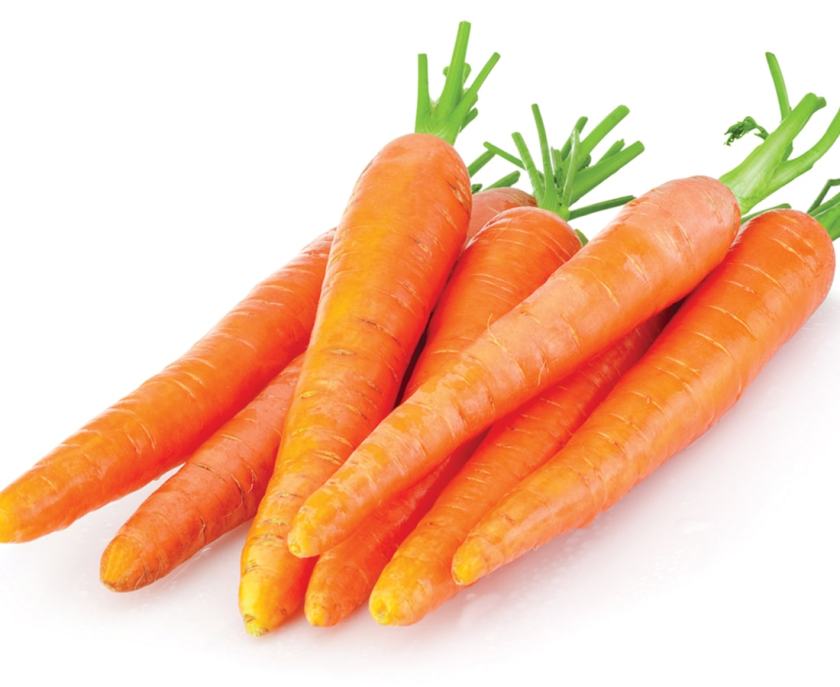
    Carrots

    Carrots get their bright orange color from beta carotene, an antioxidant that your body converts into vitamin A.

    The carrot (español: zanahoria) is an humble root vegetable favored by Bugs Bunny and generations of parents. You can eat carrots raw or cooked. They are weight-loss-friendly and have been linked to lower cholesterol levels and improved eye health. Carotene antioxidants have been linked to a reduced risk of cancer.

    Recipe: Carrot Ginger Soup

    1 medium raw carrot (60 g)
    alpha carotene 2,120 mcg
    beta carotene 5,055 mcg
    calcium 20.1 mg
    calories 25
    carbohydrates 5.8 g
    copper 18% DV
    fiber 1.7 g
    folate 11.6 mcg
    iron 15% DV
    magnesium 30% DV
    vitamin A 509 mcg
    vitamin E 0.4 mg
    vitamin K 8.1 mcg
    Sources: Healthline / Medical News Today
    Posted in PLANT FOOD FACTS

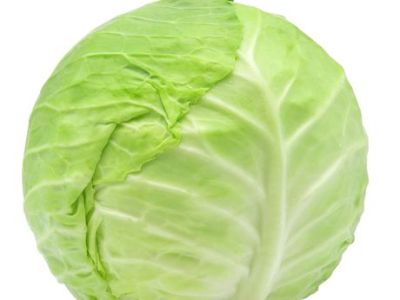
    Cabbage

    Cabbage is low in calories and rich in Vitamins K and C

    Cabbage is a leafy green, red (purple), or white (pale green) biennial plant grown as an annual vegetable crop for its dense-leaved heads. It is closely related to broccoli and cauliflower; Brussels sprouts; and Savoy cabbage. Cabbage can be eaten raw, steamed, or pickled, as in sauerkraut or kimchi.

    Recipe for Fried Cabbage

    100 g (3.5 oz) cabbage
    calcium 4% DV
    calories 25
    carbohydrates 5.8 g
    fiber 2.2 g
    folate 43 µg (11% DV)
    iron 4% DV
    manganese 8% DV
    protein 1.28 g
    vitamin B6 0.124 mg (10% DV)
    vitamin C 36.6 mg (44% DV)
    vitamin K 76 µg (72% DV)
    SOURCE: Wikipedia
    Posted in PLANT FOOD FACTS

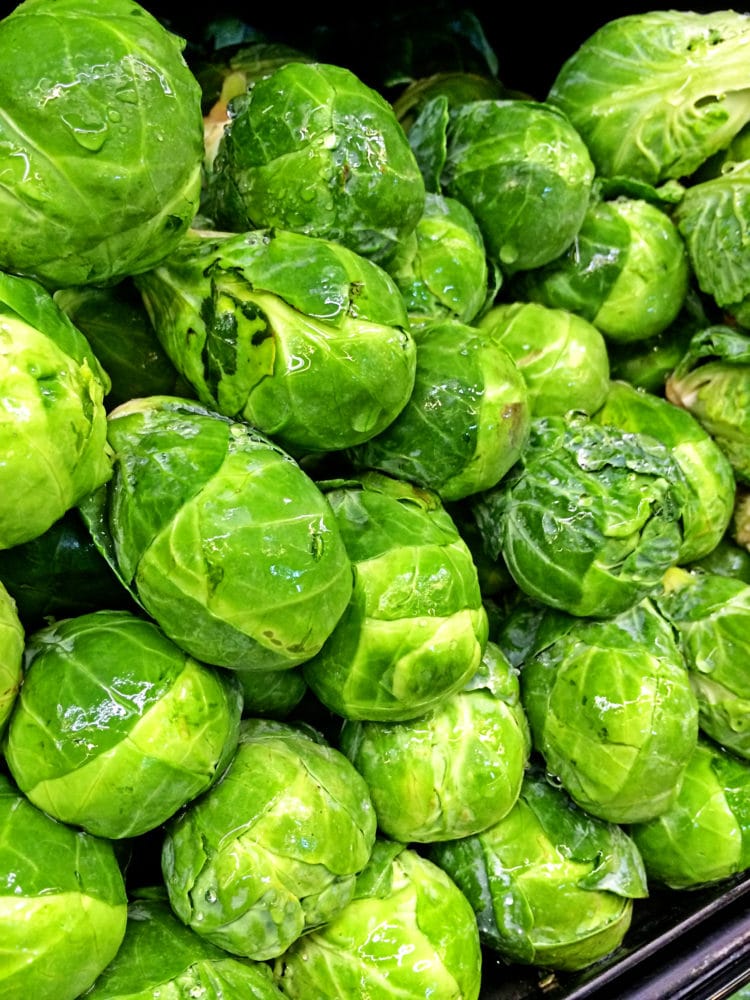
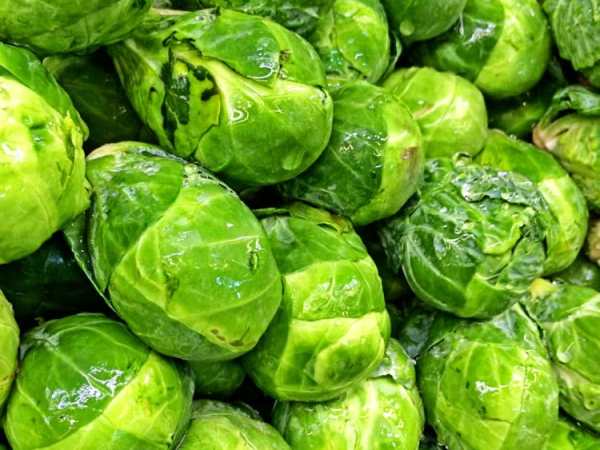
    Brussels Sprouts

    Brussels sprouts are low in calories but high in many nutrients, especially fiber, vitamin K and vitamin C.

    The brussels sprout (español: coles de bruselas) is a member of the Gemmifera Group of cabbages (Brassica oleracea), grown for its edible buds. The leaf vegetables are typically half and inch to one-and-a-half inches in diameter and look like miniature cabbages. They have long been popular in Brussels, Belgium, and may have gained their name there. They contain kaempferol, an antioxidant that may reduce cancer growth, decrease inflammation and promote heart health. Because of their high fiber content, they promote regularity, support digestive health and reduce the risk of heart disease and diabetes. They are very high in Vitamin K, which is important for blood clotting and bone metabolism. The fiber and antioxidants in Brussels sprouts may help keep your blood sugar levels stable. They are a good source of ALA omega-3 fatty acids, which can reduce inflammation, insulin resistance, cognitive decline and blood triglycerides. Brussels sprouts can be roasted, boiled, sautéed or baked. They are a good addition to pasta or stir-fries. Recipe: Brussels Sprouts in Balsamic Dijon Sauce.

    1/2 cup (50 g) cooked brussels sprouts
    calories 28
    carbohydrates 6 g
    fat 4 g
    fiber 2 g
    folate 12% DV
    maganese 58% DV
    protein 2 g
    vitamin A 12% DV
    vitamin C 81% DV
    vitamin K 137% DV
    Sources: Healthline / Wikipedia
    Posted in PLANT FOOD FACTS

    Blackberries

    Blackberries are rich in fiber, manganese and Vitamins C and K. They are credited with improving brain and oral health.

    The blackberry (español: zarzamora) is an edible fruit produced by many species in the genus Rubus in the Rosaceae family. The taxonomy of the blackberries has historically been confused because of hybridization and apomixis, so that species have often been grouped together and called species aggregates. Blackberries are delicious just as they are with no more preparation than washing. They make a delicious and healthy addition to smoothies, fruit salads, or green salads.

    With a Glycemic Index (GI) of 25 and a Glycemic Load (GL) of 4, blackberries are an excellent food for weight loss and diabetes control. There is promising ongoing research that indicates blackberries fight cancer and help prevent heart disease. The leaves are rich in tannin and have antibacterial properties. They have been used medicinally since at least the time of the ancient Greeks. They are made into an astringent tea which is used to relieve sore throats, mouth ulcers, diarrhea and thrush.

    3.5 ounces (100 g) of blackberries
    calcium 29 mg
    calories 43
    carbohydrates 9.61 g
    fat 0.49 g
    fiber 5.3 g
    folate 25 µg
    iron 0.62 mg
    magnesium 20 mg
    mangnese 0.9 mg
    niacin 0.646 mg
    phosphorous 22 mg
    potassium 162 mg
    protein 1.39 g
    riboflavin 0.026 mg
    thiamine 002 mg
    zinc 0.53 mg
    vitamin A 214 IU
    vitamin B6 0.03 mg
    vitamin C 21.0 mg
    vitamin E 1.17 mg
    vitamin K 19.8 µg
    Sources: Wikipedia / healthline
    Posted in PLANT FOOD FACTS

    Asparagus

    Asparagus is anti-inflammatory and antioxidant. It is a good source of Vitamin K, Vitamin B1, Thiamine, and Fiber.

    Asparagus is a perennial flowering plant species in the genus Asparagus. Its young shoots are used as a spring vegetable. It is widely cultivated as a vegetable crop. It serves as a natural diuretic, nourishes the digestive tract. It helps with a healthy pregnancy, helps fight cancer, and supports skin health. Asparagus can be eaten raw and makes a good addition to salads. Lightly steamed, blanched, or roasted asparagus is a delicious side dish with almost any meal. Recipe for Sauteed Asparagus.

    1 cup asparagus
    calories 27
    copper 13% DV
    fiber 1.7 g
    folate 17% DV
    iron 16% DV
    niacin (B3) 7% DV
    potassium 8% DV
    protein 3 g
    riboflavin (B2) 11% DV
    thiamine (B1) 13% DV
    vitamin A 20% DV
    vitamin B6 6% DV
    vitamin C 13% DV
    vitamin K 70% DV
    Sources: Wikipedia / healthline /Dr. Axe
    Posted in PLANT FOOD FACTS

    Cauliflower

    Cauliflower is high in Vitamins C and K and several mineral. It improves digestion and detoxification, fighting inflammation and reducing cancer risk. It can be eaten raw, but its nutrients are more absorbable when it is lightly sauteed with a bit of water and a healthy source of fat. For flavor, add broth or lemon juice to the mix.

    Cauliflower is an annual plant that reproduces by seed. Typically, only the white head, called the curd, is consumed. It is one of several vegetables in the species Brassica oleracea, which includes broccoli, brussels sprouts, cabbage, collard greens, and kale.

    1 cup (100 g) raw cauliflower%DV
    calories25
    carbohydrates5.3 g
    fat0.1 g
    fiber2.5 g
    folate14%
    magnesium4%
    manganese8%
    pantothenic acid7%
    phosphorous4%
    potassium9%
    protein2 g
    riboflavin4%
    thiamine4%
    vitamin B611%
    vitamin C77%
    vitamin K20%
    Sources: Wikipedia / Dr. Axe

    Posted in PLANT FOOD FACTS

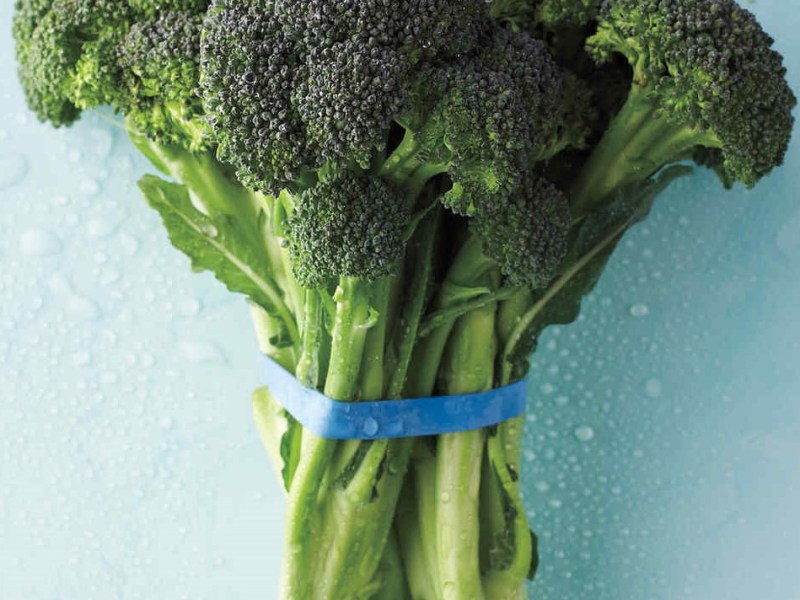
    Broccoli

    Broccoli, which has more protein than most other vegetables, is also high in fiber, vitamin C, vitamin K, iron, and potassium.
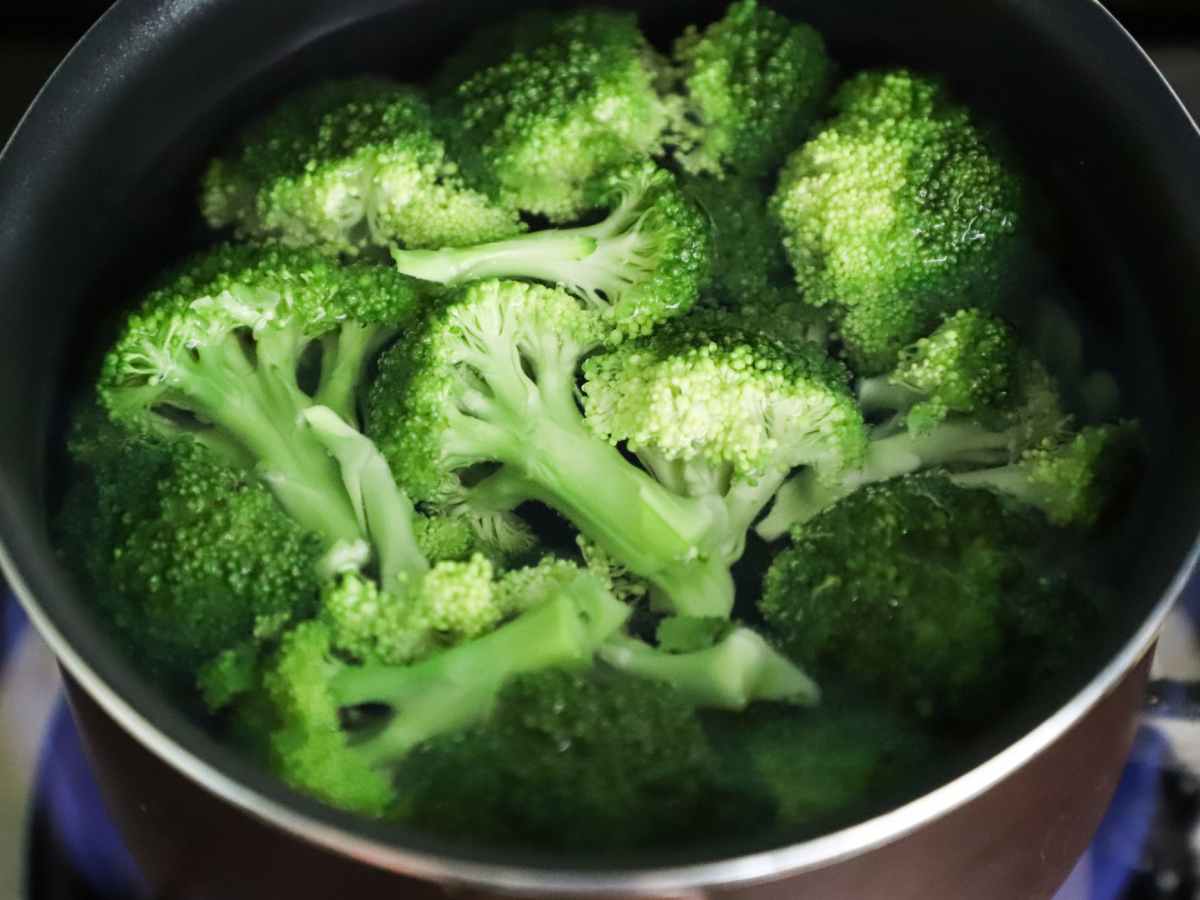
    Broccoli is a cruciferous vegetable related to cabbage, kale, cauliflower, and Brussels sprouts. Broccoli may be eaten raw, but recent research suggests that gentle steaming is best for maximum health benefits. Steaming also eliminates the risk of contaminaton. Broccoli is low in calories and high in fiber, protein and Vitamin C. It also contains numerous other vitamins and minerals in smaller amounts. In fact, it provides a little bit of almost every nutrient you need.

    1 cup (91 g) raw broccoli provides

    calories 31
    carbohydrates6g
    calcium10mg
    copper10%DV
    fat0.4g
    fiber2.4g
    protein2.5g
    vitamin C140%DV
    SOURCE: HEALTHLINE