Posted in PLANT FOOD FACTS

Spinach

Spinach (español: espinacas) is a leafy green flowering plant whose leaves are consumed cooked or raw. Spinach is a good source of VITAMIN C, IRON, POTASSIUM, VITAMIN E, and MAGNESIUM. The possible health benefits of consuming spinach include blood glucose control, lower risk of cancer, and improved bone health. As part of a nutritious diet, it can help support immune function, aid the digestive system, may even have anticancer properties. Spinach is typically safe to consume as part of a well-rounded, nutritious diet, but some people may benefit from limiting their intake of this vegetable. Spinach is rich in dietary oxalate, which can increase a person’s risk of kidney stones. The high oxalate content may be reduced by steaming. Spinach contains:

  • Alpha-lipoic acid
    • an antioxidant which lowers glucose levels, increases insulin sensitivity, and prevents oxidative, stress-induced changes in patients with diabetes.
  • Vitamin K
    • Scientists have found a link between low intakes of vitamin K and a higher risk of bone fracture. Vitamin K acts as a modifier of bone matrix proteins, improves calcium absorption, and may reduce the amount of calcium that leaves the body in urine.
  • Protein and carbohydrates.
    • Most of the calories from protein and carbohydrates, which play important roles in the body, from maintaining eye health to reducing inflammation.
  • Chlorophyll
    • Research suggests chlorophyll may have anticancer properties and that people who eat diets rich in green vegetables may have a lower risk of cancer.
  • Potassium
    • It can help reduce the effects of sodium in the body. A low potassium intake might be as potent a risk factor for developing high blood pressure as a high sodium intake.
  • Fiber and water
    • Both help prevent constipation and promote a healthy digestive tract.
  • Vitamin A
    • It moderates oil production in the skin pores and hair follicles to moisturize the skin and hair. A buildup of this oil can lead to acne. Vitamin A is necessary for the growth of all bodily tissues, including skin and hair.
  • Vitamin C
    • It is crucial for building and maintaining collagen, which provides structure to skin and hair.
  • Iron
    • Iron deficiency is a common cause of hairloss, which a person can help prevent with a diet of sufficient iron-rich foods, such as spinach.
1 cup of spinach contains%DV
CALORIES7
PROTEIN0.86G
CALCIUM29.7MG
IRON0.81G
MAGNESIUM24MG
POTASSIUM167MG
VITAMIN A (RETINOL)141MCG
VITAMIN B9 (FOLATE)58MCG
SOURCE: MEDICAL NEWS TODAY / WIKIPEDIA
Posted in MEXICAN SPECIALS, PLANT FOOD FACTS

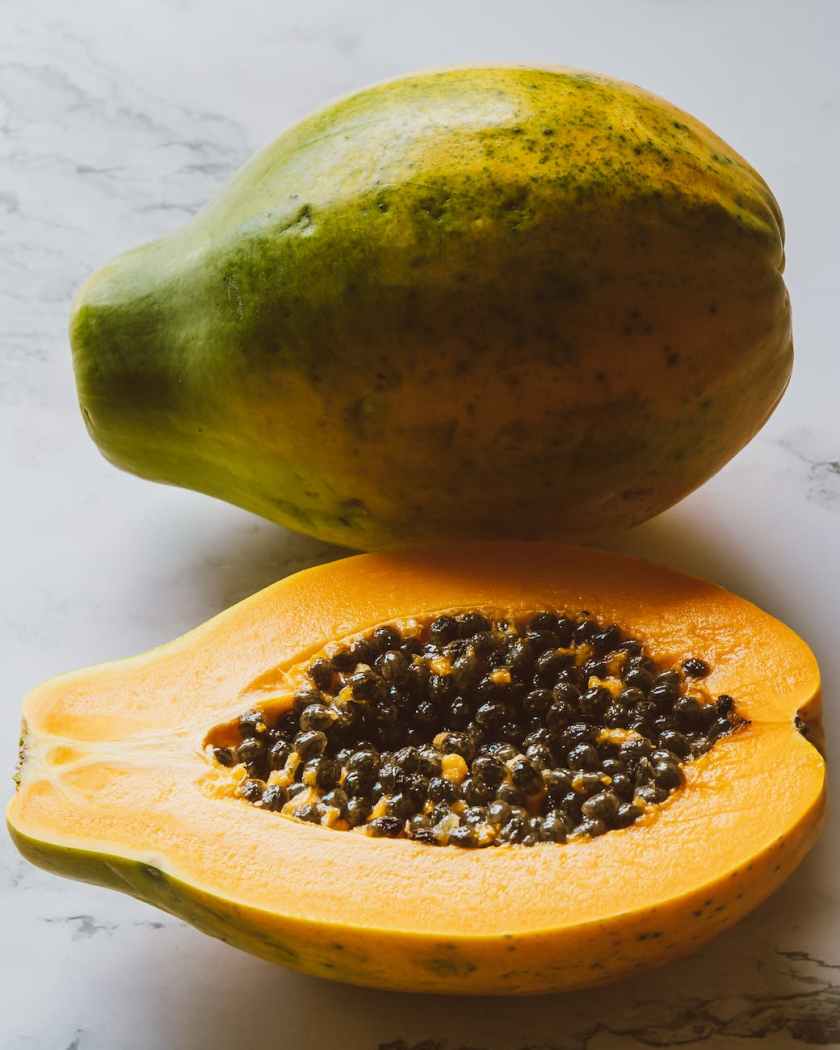
Papaya

Rich in VITAMIN A, VITAMIN C, POTASSIUM, VITAMIN B9, LYCOPENE (antioxidant) and PAPAIN (enzyme).

Papaya is the fruit of the Carica papaya plant, which originated in Central America and Southern Mexico. Papaya contains papain, an enzyme which can break down the tough protein chains found in muscle meat. Because of this, people have used papaya to tenderize meat for thousands of years. If the papaya is ripe, it can be eaten raw. However, unripe papaya should always be cooked before eating — especially during pregnancy, as the unripe fruit is high in latex, which can stimulate contractions.

  • Some benefits of papaya:
    • Neutralizes free radicals. Papayas contain healthy antioxidants known as carotenoids — particularly one type called lycopene. The body absorbs these beneficial antioxidants better from papayas than other fruits and vegetables Free radicals are reactive molecules created during your body’s metabolism. They can promote oxidative stress, which can lead to disease. Antioxidants like the carotenoids found in papayas, can neutralize free radicals.
    • Helps prevent diabetes, hypothyroidism, liver disease, and Alzheimer’s. Some studies have noted that fermented papaya can reduce oxidative stress in older adults and people with prediabetes, mild hypothyroidism and liver disease.. Many researchers believe that excessive free radicals in the brain are an important factor in Alzheimer’s disease. In one study, people with Alzheimer’s given a fermented papaya extract for six months experienced a 40% drop in a biomarker which indicates oxidative damage to DNA — and is also linked to aging and cancer. The reduction in oxidative stress is attributed to papaya’s lycopene content and ability to remove excess iron, which is known to produce free radicals.
    • Reduces cancer risk. Research suggests that the lycopene in papaya can reduce cancer risk.. It may also be beneficial for people who are being treated for cancer. Papaya may work by reducing free radicals that contribute to cancer. Among 14 fruits and vegetables with known antioxidant properties, only papaya demonstrated anticancer activity in breast cancer cells.
    • Helps prevent heart disease. Studies show that fruits high in lycopene and vitamin C may help prevent heart disease. The antioxidants in papaya may protect your heart and enhance the protective effects of “good” HDL cholesterol.
    • Improves digestion. The papain enzyme in papaya can make protein easier to digest. People in the tropics consider papaya to be a remedy for constipation and other symptoms of irritable bowel syndrome (IBS). In one study, people who took a papaya-based formula for 40 days had significant improvement in constipation and bloating.
1 small papaya (152 g) containsamt
CARBOHYDRATE15GRAMS
CALORIES59
FIBER3GRAMS
PROTEIN1GRAM
CALCIUMTRACE
MAGNESIUMTRACE
POTASSIUM11%RDI
VITAMIN A (RETINOL)33%RDI
VITAMIN B1 (THIAMINE)TRACE
VITAMIN B3 (NIACIN)TRACE
VITAMIN B5 (PANTOTHENIC ACID)TRACE
VITAMIN B9 (FOLATE)14%RDI
VITAMIN C157%RDI
VITAMIN ETRACE
VITAMIN KTRACE
SOURCE: HEALTHLINE
Posted in MEXICAN SPECIALS, PLANT FOOD FACTS

Passion Fruit (Maracuyá)

Passion fruit is rich in antioxidants and dietary fiber, which have been linked to a lower risk of conditions like heart disease and diabetes.

Passion fruit (español: maracuyá) is the fruit of the Passiflora vine. It has a tough outer rind and juicy center full of edible seeds. There are several types that vary in size and color. Purple and yellow varieties are the most commonly available ones, including Passiflora edulis, small round or oval-shaped fruits with purple skin, and Passiflora flavicarpa, round or oval with yellow skin and usually slightly larger than the purple variety.

Passion fruit is rich in antioxidants and dietary fiber. Diets high in these nutrients have been linked to a lower risk of conditions like heart disease and diabetes. Passion fruit is a good source of fiber, vitamin C, and vitamin A. It is also rich in beneficial plant compounds, including carotenoids and polyphenols. It has a small amount of iron, and even though the body doesn’t usually absorb iron from plants very well, passion fruit comes with a lot of vitamin C, which is known to enhance iron absorption.

Passion fruit allergy is rare, but some cases occur. People with a latex allergy are at greater risk.

1 small purple passion fruit contains
CALORIES17
FIBER2 g
IRON2% DV
POTASSIUM2% DV
VITAMIN A (RETINOL)8% DV
VITAMIN C9% DV
SOURCE: HEALTHLINE

Posted in NUTRIENTS

Vitamin C

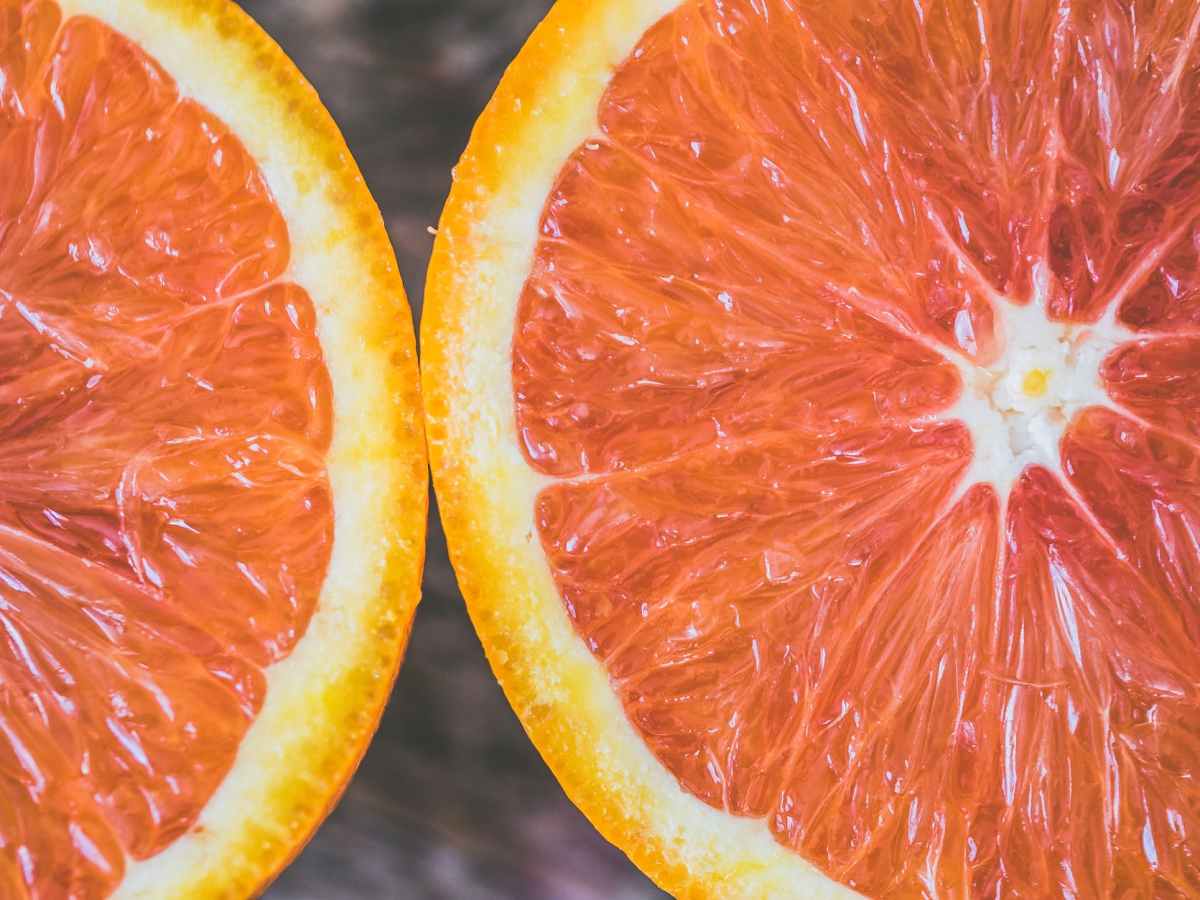
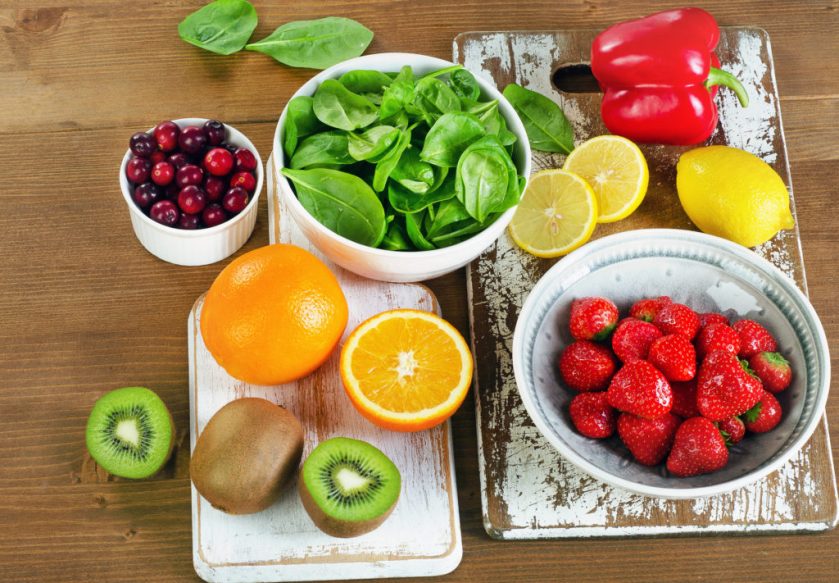
Oranges, kiwi, lemon, bell pepper, strawberries, grapefruit, broccoli, cabbage, and cauliflower are a few plant foods that are rich in Vitamin C. Vitamin C has been linked to many impressive health benefits that include boosting antioxidant levels, lowering blood pressure, protecting against gout attacks, improving iron absorption, boosting immunity, and reducing heart disease and dementia risk. Because the human body cannot produce Vitamin C, it must be obtained through food sources or manufactured supplements. Opinions vary about how much Vitamin C is needed for optimal health. The Recommended Daily Allowance (RDA)–enough to prevent deficiency syndromes such as scurvy–is 90 mg for men and 75 mg for women, but the Upper Limit (UL) is 2,000 mg. Because of the known benefits of Vitamin C for prevention and optimal health, including those that have not yet been fully proven, I prefer to take a 1,000 mg supplement and to eat foods that are rich in Vitamin C every day. High-heat cooking temperatures or prolonged cook times can break down the vitamin. Because it is water-soluble, the vitamin can also seep into cooking liquid and be lost if the liquids are not eaten. Quick heating methods or using as little water as possible when cooking, such as stir-frying or blanching, can preserve the vitamin. Foods at peak ripeness eaten raw contain the most vitamin C.

Source: Harvard School of Public Health

Posted in PLANT FOOD FACTS

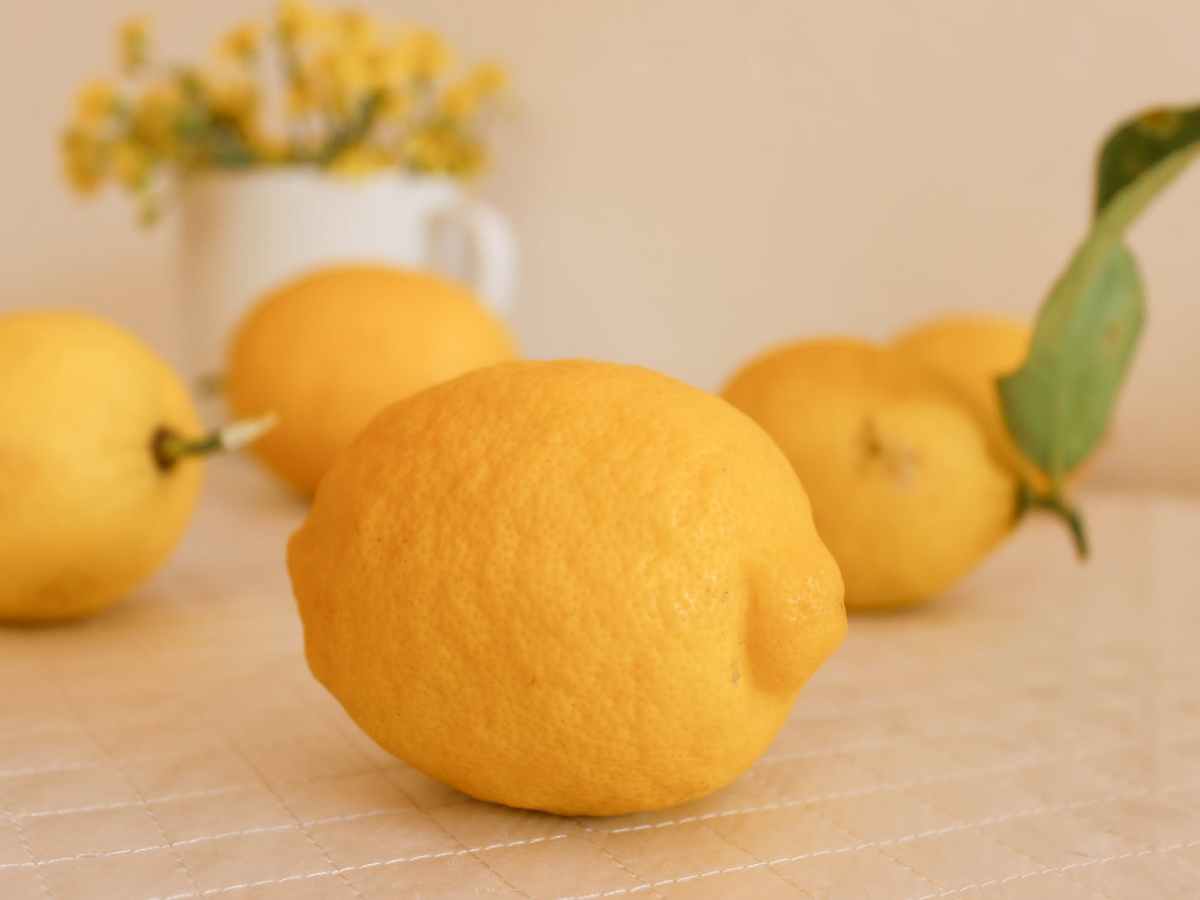
Lemon

Lemons, which are high in Vitamin C, may reduce risks of heart disease and cancer.

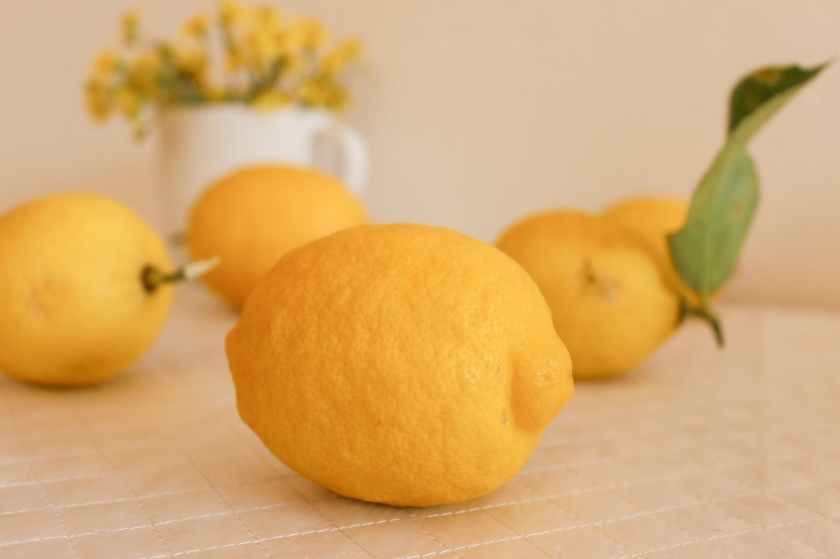
Lemons (limones) are among the world’s most popular citrus fruits. They are a hybrid of the original citron and lime. Lemons contain a high amount of vitamin C, soluble fiber, and plant compounds that give them a number of health benefits. Lemons may aid weight loss and reduce your risk of heart disease, anemia, kidney stones, digestive issues, and cancer. Lemons are a very healthy fruit, with a distinct, pleasant taste and smell that make them a great addition to foods and drinks.

Lemons are high in heart-healthy vitamin C and several beneficial plant compounds that may lower cholesterol. Vitamin C and citric acid help in the absorption of non-heme iron from plants. This may prevent anemia. Their main fiber is pectin, which may help lower blood sugar levels. Drinking lemon water may decrease stress, enhance immune function, help prevent anemia, reduce your risk of kidney stones, and protect against several diseases.

Lemons are usually well tolerated but may cause allergies or skin irritation in some people. Large amounts may be harmful to dental health.

1/2 cup of raw peeled LEMON
CALORIES29
CARBOHYDRATE9.3g
FAT0.3g
FIBER2.8g
PROTEIN1.1g
POTASSIUM138mg
VITAMIN B60.1mg
VITAMIN C53mg
SOURCE: HEALTHLINE
Posted in PLANT FOOD FACTS

Pineapple

Pineapple is delicious, versatile, and loaded with nutrients and antioxidants. One cup of fresh pineapple proides 88% of the DV for Vitamin C.

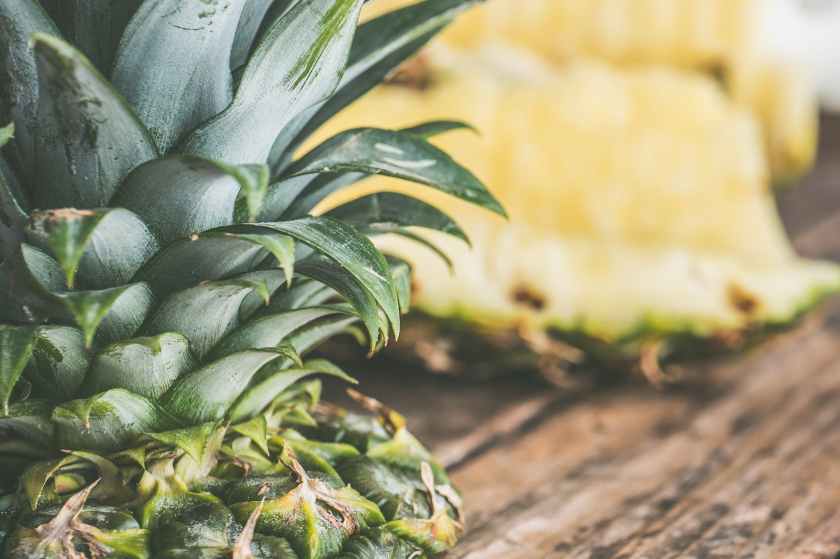
Pinapple (Ananas comosus) is an incredibly delicious, healthy tropical fruit. It’s packed with nutrients, antioxidants, and other helpful compounds, such as enzymes that can protect against inflammation and disease. Originating in South America, it was named by early European colonizers for its resemblance to a pine cone. Pineapple and its compounds are linked to several health benefits, including improvements in digestion, immunity, and recovery from surgery. The impressive health benefits include improved digestion, a lower risk of cancer, and osteoarthritis relief.

Pineapple is widely considered safe, though a small percentage of people may have an allergy to it. People who have diabetes or take blood thinners should be mindful of portion sizes when eating pineapple.

1 CUP OF FRESH PINEAPPLE PROVIDES
CALORIES83
CARBOHYDRATE21.6g
FAT1.7g
FIBER2.3g
PROTEIN1g
IRON 3%DV
COPPER20%DV
MAGNESIUM5%DV
MANGANESE10%DV
PANTOTHENIC ACID7%DV
VITAMIN B1 (THIAMINE)11%DV
VITAMIN B2 (RIBOFLAVIN)4%DV
VITAMIN B3 (NIACIN)5%DV
VITAMIN B5 (PANTOTHENIC ACID)7%DV
VITAMIN B611%DV
VITAMIN B9 (FOLATE)7%DV
VITAMIN C88%DV
Sources: Wikipedia / healthline
Posted in MEXICAN SPECIALS, PLANT FOOD FACTS

Mango

I used to think that “healthy” and “low calorie” meant “less than delicious.” I thought that “sweet” was a synonym of “fattening.” Then I met The Mango. One cup of fresh mango contains fewer than 100 calories, but packs 67% of the daily requirement for vitamin C.

Recipe: Mango Banana Frozen Treat

mango, an edible stone fruit produced by the tropical tree Mangifera indica, is believed to have originated from the region between northwestern MyanmarBangladesh, and northeastern India. Mango fruit varies in size, shape, sweetness, skin color, and flesh color which may be pale yellow, gold, green, or orange. It is the national fruit of IndiaPakistan and the Philippines. The mango tree is the national tree of Bangladesh.

Mango reduces the risk of developing diabetes, boosts immunity, supports healthy heart fuction, aids digestive health, and may help prevent several kids of cancer. One cup of fresh mango contains fewer than 100 calories, but it packs 67% of the daily requirement for vitamin C. In moderate amounts, it reduce the risk of diabetes. Mango has over a dozen different types of polyphenols, which function as antioxidants. Several B vitamins, along with vitamins A, C, K, and E boost the immune system. Magnesium, potassium, and the antioxidant mangiferin support healthy heart function. Digestive enzymes, water, dietary fiber, and other compounds aid various aspects of digestive health. Lutein, zeaxanthin, and vitamin A support eye health. Lutein and zeaxanthin may protect your eyes from the sun, while a lack of vitamin A can create vision problems. Mango polyphenols fight oxidative stress, which is linked to many health conditions, including colon, lung, prostate, breast, and bone cancers.

1 cup of fresh mango provides
CALORIES100
CARBOHYDRATE24.7g
FAT0.6g
FIBER2.6g
PROTEIN1.4g
SUGAR22.5g
COPPER20%DV
MAGNESIUM4%DV
POTASSIUM6%DV
VITAMIN A (RETINOL)10%DV
VITAMIN B1 (THIAMINE)4%DV
VITAMIN B2 (RIBOFLAVIN)5%DV
VITAMIN B3 (NIACIN)7%DV
VITAMIN B612%DV
VITAMIN B9 (FOLATE)18%DV
VITAMIN C67%DV
VITAMIN E10%DV
VITAMIN K6%DV
Sources: Wikipedia / healthline
Posted in PLANT FOOD FACTS

Kiwi

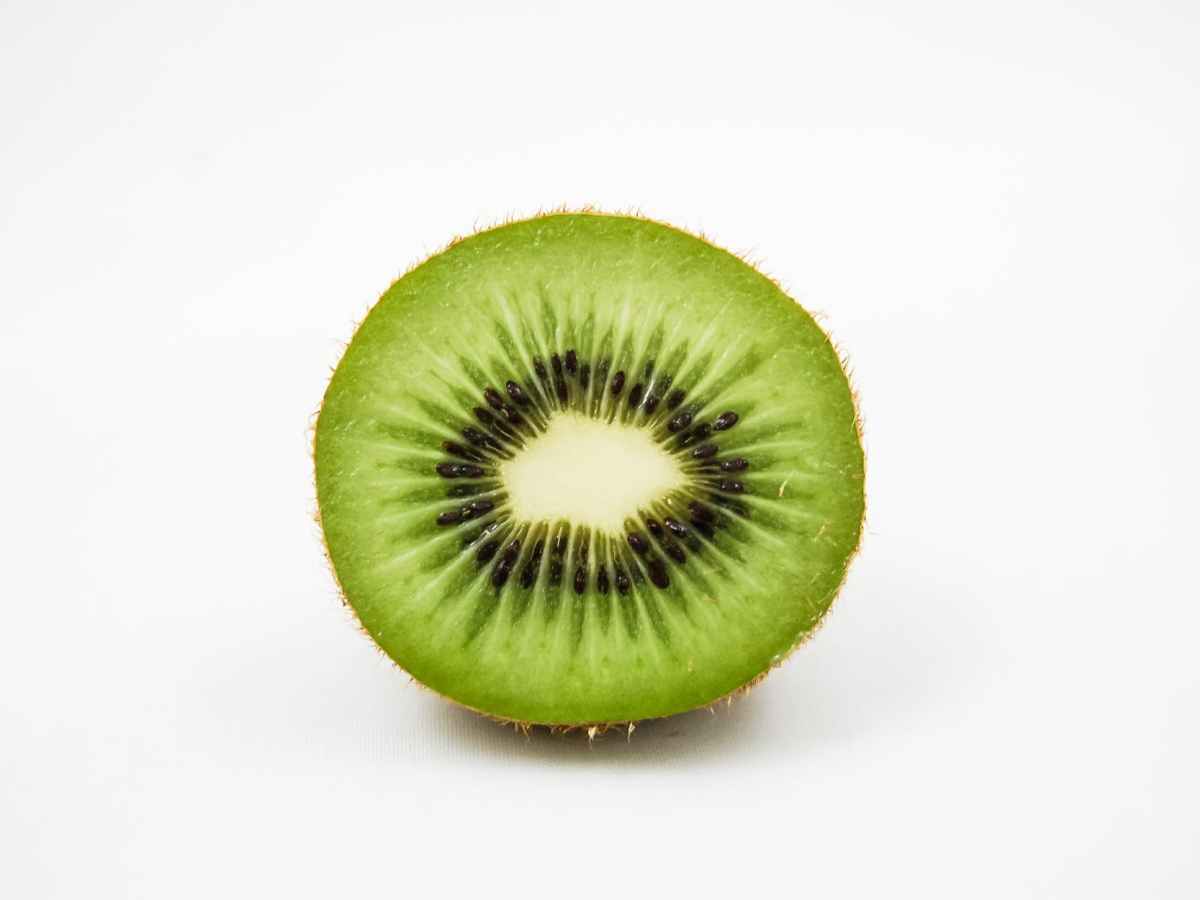
A 3.5-ounce kiwi provides more than 80% of the daily vitamin C requirement.
Kiwis are a type of fruit native to the mountains and hillsides of Southwest China. They are classified as berries. The most popular type of kiwi is the Hayward kiwi, named after Hayward Wright, who popularized kiwis in New Zealand in the 1920s. Hayward kiwis are oval shaped. They have fuzzy brown skin, green flesh, and tiny black seeds. Kiwis are exceptionally high in vitamin C.

3.5 oz (100 g) of raw kiwiamount
CARBOHYDRATE14 g
CALORIES64
FAT0.44 g
FIBER3 g
PROTEIN1 g
COPPER15% DV
MAGNESIUM4% DV
POTASSIUM4% DV
VITAMIN B9 (FOLATE)7% DV
VITAMIN C83% DV
VITAMIN E9% DV
VITAMIN K34% DV
Source: healthline
Posted in MEXICAN SPECIALS, PLANT FOOD FACTS

Jicama

One cup of jicama provides 44% of the recommended daily intake of Vitamin C.

Jicama is the root of a plant that produces beans, but the beans of the jicama plant are toxic. It has a papery golden-brown skin and a starchy white interior. Its flesh is juicy and crunchy, with a slightly sweet and nutty flavor. Some think it tastes like a cross between a potato and a pear. Others compare it to a water chestnut. With its mild taste and crunchy texture, it is an excellent addition to any salad.

Jicama originated in Mexico and is still a favorite snack all over the country. Other names for jicama include yam bean, Mexican potato, Mexican water chestnut and Chinese turnip. In Mexico, it is sold from street stands or prepared at home, slathered in lime juice and salt, usually with a lot of chili powder.

1 cup (130 g) of jicamacontains
CARBOHYDRATE12 g
CALORIES49
FAT0.1 g
FIBER6.4 g
PROTEIN1 g
IRON4% RDI
MAGNESIUM4% RDI
MANGANESE4% RDI
POTASSIUM6% RDI
VITAMIN B9 (FOLATE)4% RDI
VITAMIN C44% RDI
Sources: Healthline
Posted in PLANT FOOD FACTS

Grapefruit

Grapefruit is rich in nutrients, antioxidants and fiber, making it one of the healthiest citrus fruits you can eat.
Grapefruit is a tropical citrus fruit known for its sweet and somewhat sour taste. It may have some powerful health benefits, including weight loss and a reduced risk of heart disease. In addition to the nutrients listed here, grapefruit is a rich source of some powerful antioxidant plant compounds, which are likely responsible for many of its health benefits.

1/2 MEDIUM GRAPEFRUIT
calories 52
carbohydrates 13 g
protein 1 g
fiber 2 g
folate 4% RDI
magnesium 3% RDI
potassium 5% RDI
thiamine 4 % RDI
vitamin A 28% RDI
vitamin C 64% RDI
Sources: healthline
Posted in PLANT FOOD FACTS

Grapes

Grapes offer a wealth of health benefits due to their high nutrient and antioxidant contents.

Grapes have been cultivated for thousands of years and have been revered by several ancient civilizations for their use in winemaking. There are many types of grapes including green, red, black, yellow and pink. They grow in clusters and come in seeded and seedless varieties.

1 CUP (151 G) GRAPES
calories 104
carbohydrates 27.3 g
fiber 1.4 g
copper 10% RDI
manganese 5 % RDI
potassium8% RDI
riboflavin6% RDI
thiamine7% RDI
vitamin B66% RDI
vitamin C27% RDI
vitamin K28% RDI
Sources: healthline
Posted in PLANT FOOD FACTS

Fennel

Fennel and fennel seeds provide antioxidant, anti-inflammatory, and antibacterial effects

Zucchini Fennel Saute Recipe

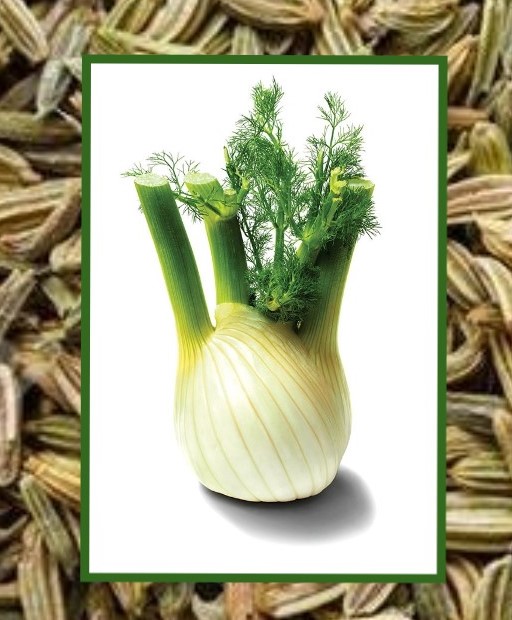
Fennel is a flavorful herb. The plants are green and white, with feathery leaves and yellow flowers. Both the crunchy bulb and the seeds of the fennel plant have a mild, licorice-like flavor. The flavor of the seeds is stronger because of their essential oils.

Nutrient1 cup (87 g) raw fennel bulb
calories27
fiber3 grams
calcium3% RDI
iron4% RDI
magnesium4% RDI
manganese 7% RDI
potassium8% RDI
vitamin C12% RDI
1 Tbsp (6 g) dried fennel seed
calories 20
fiber 2 grams
calcium 5% RDI
iron 6% RDI
magnesium 5% RDI
manganese 17% RDI
potassium 2% RDI
vitamin C 1% RDI
Sources: healthline
Posted in PLANT FOOD FACTS

Cherries

Cherries contain antioxidants, phytochemicals, vitamins, nutrients, and fiber.

Cherry (español: cereza) is the fruit of many plants of the genus Prunus, and is a fleshy drupe (stone fruit). Commercial cherries are obtained from cultivars of several species, such as the sweet Prunus avium and the sour Prunus cerasus. Cherries contain antioxidants, phytochemicals, vitamins, nutrients, and fiber. These support a healthy system and may reduce the risk of certain types of cancers.

Phytochemicals protect against certain enzymes that can lead to inflammation. This can help reduce arthritis pain. Cherries are a good source of vitamin C and potassium. Potassium can reduce the risk of hypertension and stroke, and cherries have more per serving than strawberries or apples. Compared to sweet cherries, raw sour cherries contain 50% more vitamin C per 100 g (12% DV) and about 20 times more vitamin A (8% DV). Recipe for Cherry Jam

3.5 oz (100 G) raw sour cherries contains
calories 50
calcium2% DV
carbohydrates12.2 g
choline1% DV
fat0.3 g
fiber1.6 g
folate2% DV
iron2% DV
magnesium3% DV
manganese5% DV
niacin3% DV
pantothenic acid3% DV
phosphorous2% DV
potassium4% DV
protein1 g
riboflavin3% DV
sugar8.5 g
thiamine3% DV
zinc1% DV
vitamin A8% DV
vitamin B63% DV
vitamin C12% DV
vitamin K2% DV
SOURCES: WIKIPEDIA / HEALTHLINE
Posted in MEXICAN SPECIALS, PLANT FOOD FACTS

Chayote

One cup of chayote provides 31% of daily folate requirements and 17% of Vitamin C.

Chayote (español: chayote) (Sechium edule) is a type of squash that belongs to the gourd family. Chayote is green and pear-shaped with a white inner flesh that is mild, sweet, juicy and crisp. The chayote plant is perennial and native to the tropics of the Western Hemisphere. Chayote is available year-round but its peak season is fall.

It is loaded with B vitamins, potassium and vitamin C. Chayote is rich in folate, a B vitamin essential to cell division and DNA formation. Extracts of chayote leaf, stem and seed have antimicrobial benefits against strains of bacteria, even some that are antibiotic-resistant.

A folate deficiency can lead to lack of energy, poor immune function and impaired digestion. Folate is especially important nutrient for pregnant women to prevent birth defects like spina bifida.

Nutrition: 1 cup chayote
calories 25
carbohydrates 6 g
fat 0 g
fiber 2.2 g
folate 31% DV
magnesium 4% DV
manganese 12% DV
niacin 3% DV
potassium 5% DV
protein 1.1 g
sugar 2.2 g
zinc 7% DV
vitamin B6 5% DV
vitamin C 17% DV
vitamin K 7% DV
SOURCES: DR. AXE
Posted in PLANT FOOD FACTS

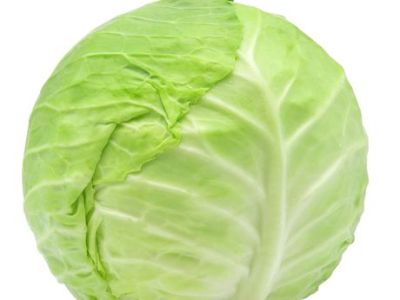
Cabbage

Cabbage is low in calories and rich in Vitamins K and C

Cabbage is a leafy green, red (purple), or white (pale green) biennial plant grown as an annual vegetable crop for its dense-leaved heads. It is closely related to broccoli and cauliflower; Brussels sprouts; and Savoy cabbage. Cabbage can be eaten raw, steamed, or pickled, as in sauerkraut or kimchi.

Recipe for Fried Cabbage

100 g (3.5 oz) cabbage
calcium 4% DV
calories 25
carbohydrates 5.8 g
fiber 2.2 g
folate 43 µg (11% DV)
iron 4% DV
manganese 8% DV
protein 1.28 g
vitamin B6 0.124 mg (10% DV)
vitamin C 36.6 mg (44% DV)
vitamin K 76 µg (72% DV)
SOURCE: Wikipedia
Posted in MEXICAN SPECIALS, PLANT FOOD FACTS

Guava (Guayaba)

Among the claims for guavas are that they improve heart health, blood sugar levels, painful menstruation, digestion, and skin.

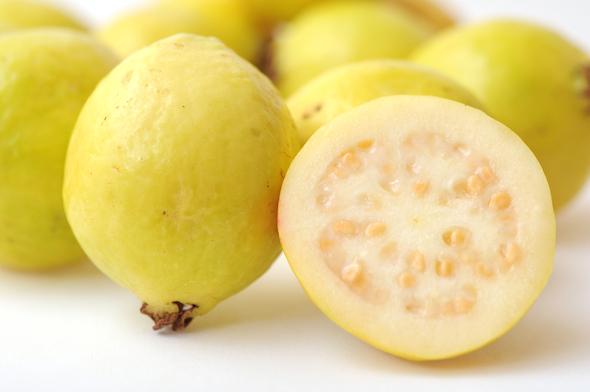
Guava (español: guayaba) is a tropical fruit cultivated in many tropical and subtropical regions. Psidium guajava is a small tree in the myrtle family, native to Mexico, Central America. Guavas are typical Myrtoideae, with tough dark leaves and white flowers with five petals and numerous stamens. The fruits are many-seeded berries. I had just moved to Guadalajara, Mexico, when I tasted my first guayaba. I was hooked. When ripe, the guayaba, or guava, is very sweet and delicious, peeling, seeds and all. Just wash and eat it like an apple. They are also made into a popular candy called ate. (pronounced ah-tay). Guayabate is one of my favorite sweets.

1 raw guava (100 g)
calories 63
carbohydrates 14.32 g
fat 0.95 g
fiber 5.4 g
sugars 8.92 g
vitamin A 624 IU
vitamin C 228.3 mg
Sources: Wikipedia / healthline / MedicalNewsToday
Posted in PLANT FOOD FACTS

Blackberries

Blackberries are rich in fiber, manganese and Vitamins C and K. They are credited with improving brain and oral health.

The blackberry (español: zarzamora) is an edible fruit produced by many species in the genus Rubus in the Rosaceae family. The taxonomy of the blackberries has historically been confused because of hybridization and apomixis, so that species have often been grouped together and called species aggregates. Blackberries are delicious just as they are with no more preparation than washing. They make a delicious and healthy addition to smoothies, fruit salads, or green salads.

With a Glycemic Index (GI) of 25 and a Glycemic Load (GL) of 4, blackberries are an excellent food for weight loss and diabetes control. There is promising ongoing research that indicates blackberries fight cancer and help prevent heart disease. The leaves are rich in tannin and have antibacterial properties. They have been used medicinally since at least the time of the ancient Greeks. They are made into an astringent tea which is used to relieve sore throats, mouth ulcers, diarrhea and thrush.

3.5 ounces (100 g) of blackberries
calcium 29 mg
calories 43
carbohydrates 9.61 g
fat 0.49 g
fiber 5.3 g
folate 25 µg
iron 0.62 mg
magnesium 20 mg
mangnese 0.9 mg
niacin 0.646 mg
phosphorous 22 mg
potassium 162 mg
protein 1.39 g
riboflavin 0.026 mg
thiamine 002 mg
zinc 0.53 mg
vitamin A 214 IU
vitamin B6 0.03 mg
vitamin C 21.0 mg
vitamin E 1.17 mg
vitamin K 19.8 µg
Sources: Wikipedia / healthline
Posted in PLANT FOOD FACTS

Cauliflower

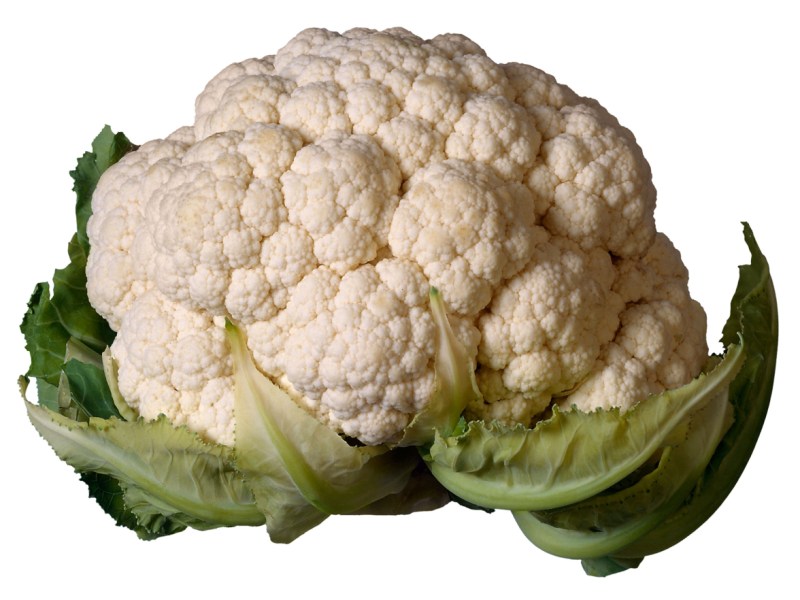
Cauliflower is high in Vitamins C and K and several mineral. It improves digestion and detoxification, fighting inflammation and reducing cancer risk. It can be eaten raw, but its nutrients are more absorbable when it is lightly sauteed with a bit of water and a healthy source of fat. For flavor, add broth or lemon juice to the mix.

Cauliflower is an annual plant that reproduces by seed. Typically, only the white head, called the curd, is consumed. It is one of several vegetables in the species Brassica oleracea, which includes broccoli, brussels sprouts, cabbage, collard greens, and kale.

1 cup (100 g) raw cauliflower%DV
calories25
carbohydrates5.3 g
fat0.1 g
fiber2.5 g
folate14%
magnesium4%
manganese8%
pantothenic acid7%
phosphorous4%
potassium9%
protein2 g
riboflavin4%
thiamine4%
vitamin B611%
vitamin C77%
vitamin K20%
Sources: Wikipedia / Dr. Axe

Posted in PLANT FOOD FACTS

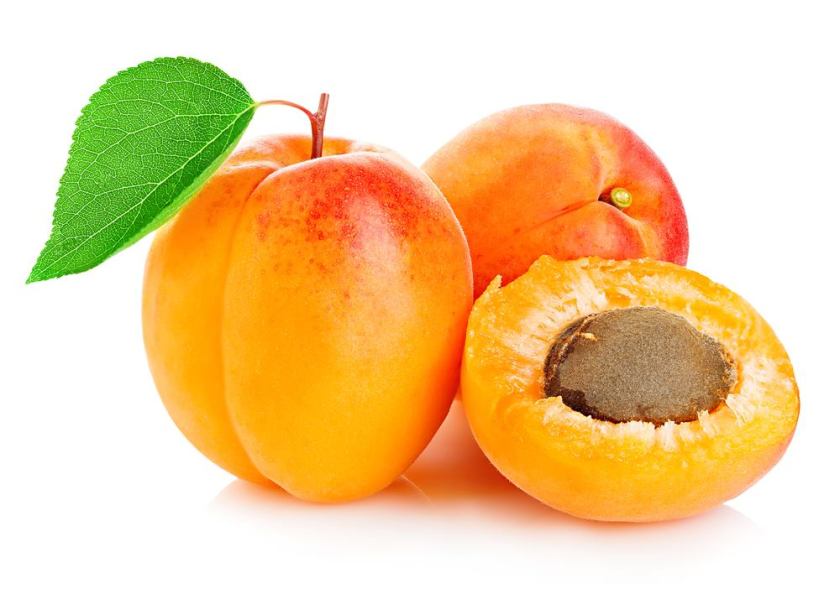
Apricot

Apricots are extremely nutritious and have many health benefits, such as improved digestion and eye health.

Apricots (español: chabacano) are stone fruits also known as Armenian plums. Round and yellow, they look like a smaller version of a peach but share the tartness of purple plums. It’s best to enjoy apricots whole and unpeeled, as the skin boasts large amounts of fiber and nutrients, including significant amounts of beta carotene, lutein, and zeaxanthin.

2 fresh apricots (70 g)
calories 34
carbohydrates 8 g
fat 0.27 g
fiber 1.5 g
potassium 4% DV
protein 1 g
vitamin A 8% DV
vitamin C 8% DV
vitamin E 4% DV
Posted in PLANT FOOD FACTS

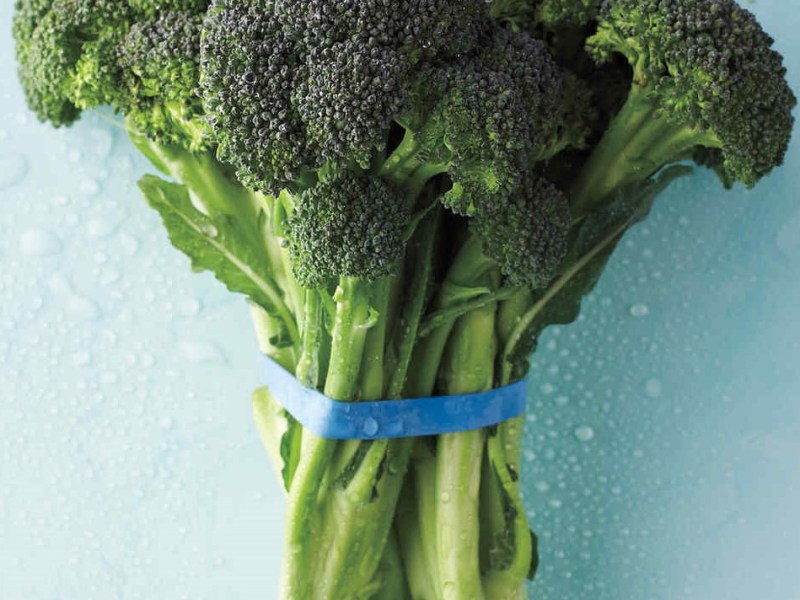
Broccoli

Broccoli, which has more protein than most other vegetables, is also high in fiber, vitamin C, vitamin K, iron, and potassium.
Broccoli is a cruciferous vegetable related to cabbage, kale, cauliflower, and Brussels sprouts. Broccoli may be eaten raw, but recent research suggests that gentle steaming is best for maximum health benefits. Steaming also eliminates the risk of contaminaton. Broccoli is low in calories and high in fiber, protein and Vitamin C. It also contains numerous other vitamins and minerals in smaller amounts. In fact, it provides a little bit of almost every nutrient you need.

1 cup (91 g) raw broccoli provides

calories 31
carbohydrates6g
calcium10mg
copper10%DV
fat0.4g
fiber2.4g
protein2.5g
vitamin C140%DV
SOURCE: HEALTHLINE