Posted in PLANT FOOD FACTS

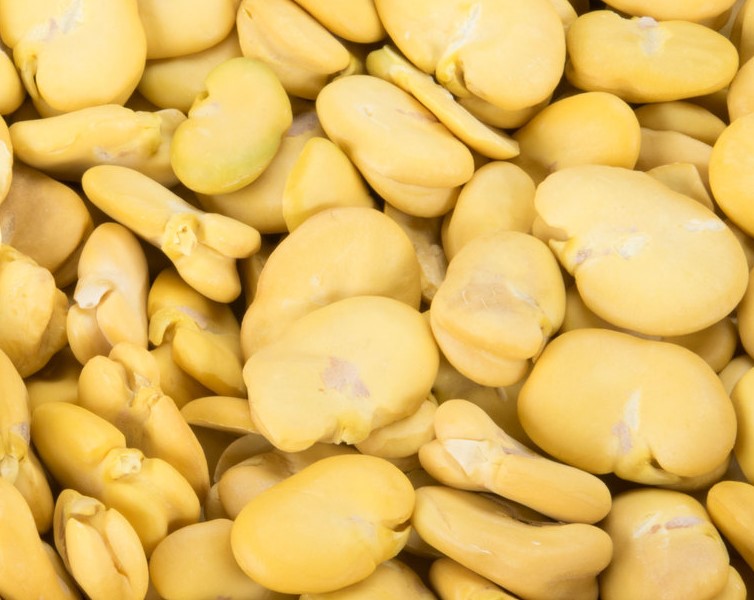
Fava Bean (Habas)

Fava beans are rich in iron, phosphorous, magnesium, and manganese. One serving packs 106% of the daily requirement of folates, important for preventing birth defects.

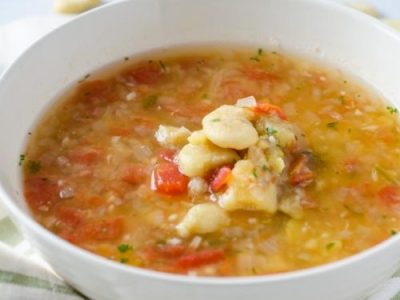
Fava beans, sometimes called horse beans or broad beans (español: habas) come from a species of flowering plant in the Fabaceae pea and bean family. It is widely cultivated as a crop for human consumption. Eating these beans regularly may have benefits for symptoms of Parkinson’s disease, help prevent birth defects, boost immunity, aid weight loss and lower cholesterol levels and blood pressure. Recipe for Mexican Sopa de Habas

Nutrition: 3.5 oz (100 g) fava beans
calories341
calcium10% DV
carbohydrates58.29 g
copper41% DV
fat1.53 g
fiber25 g
folate106% DV
iron52% DV
magnesium54% DV
manganese77% DV
niacin19% DV
phosphorous60% DV
potassium23% DV
protein26.12 g
riboflavin28% DV
selenium12% DV
thiamine48% DV
zinc33% DV
vitamin B628% DV
SOURCES: WIKIPEDIA / HEALTHLINE
Posted in NUTRIENTS

Vitamin B6 (Pyridoxine)

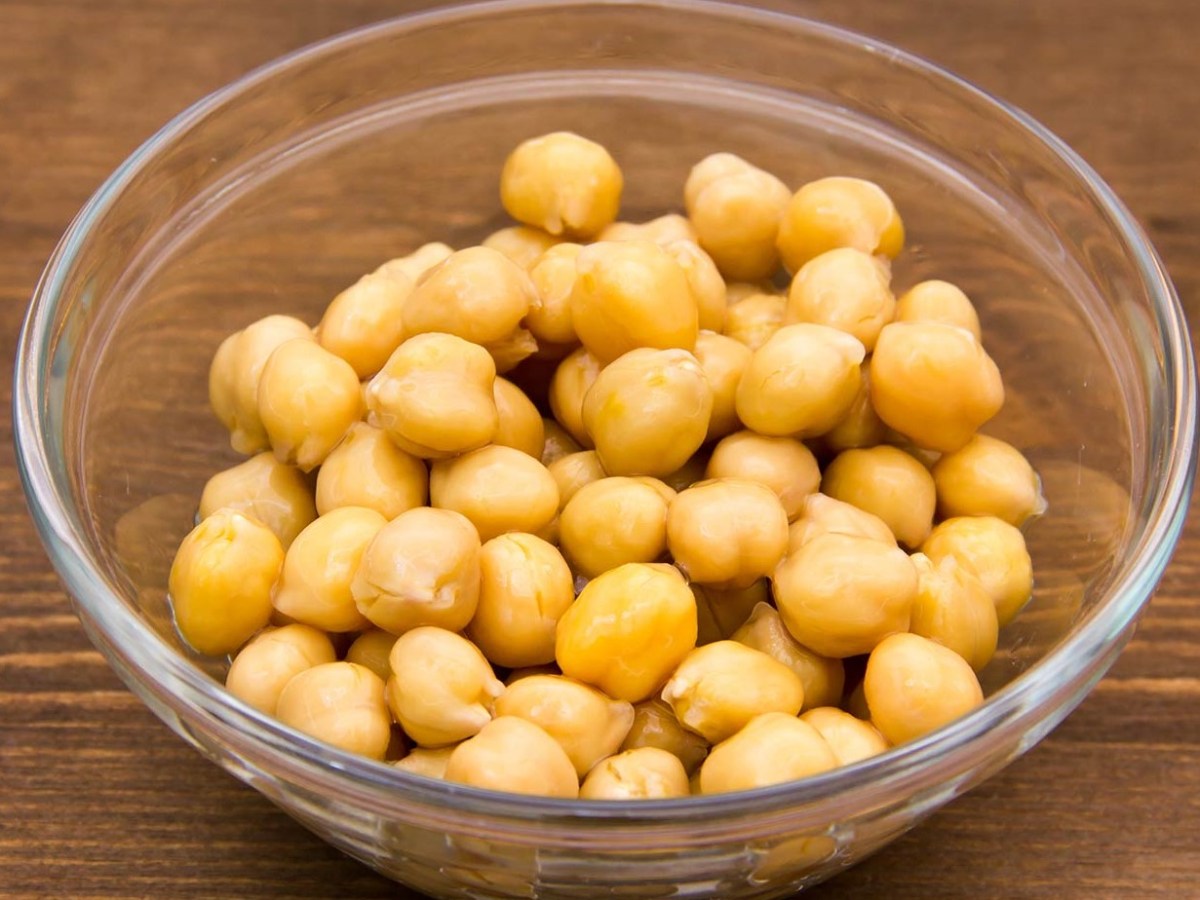
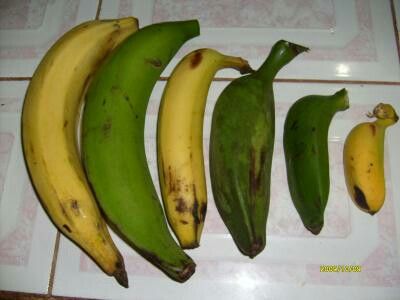
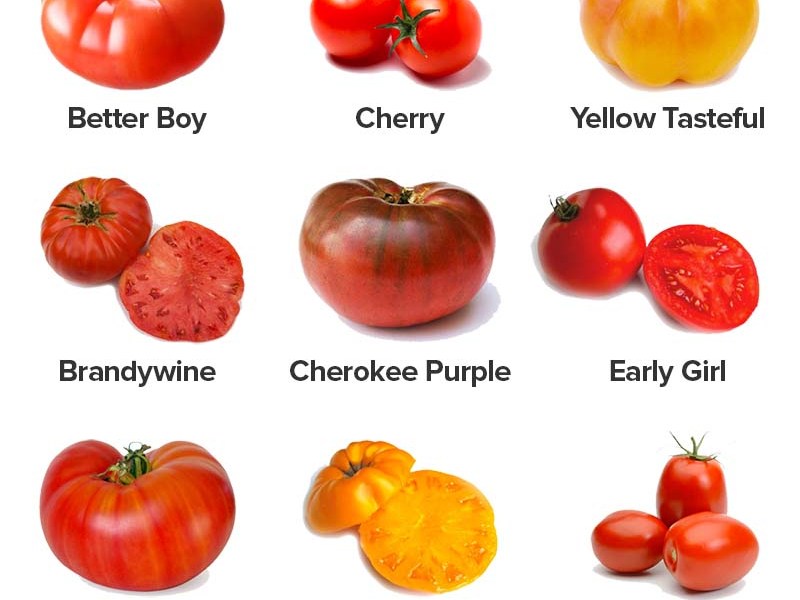
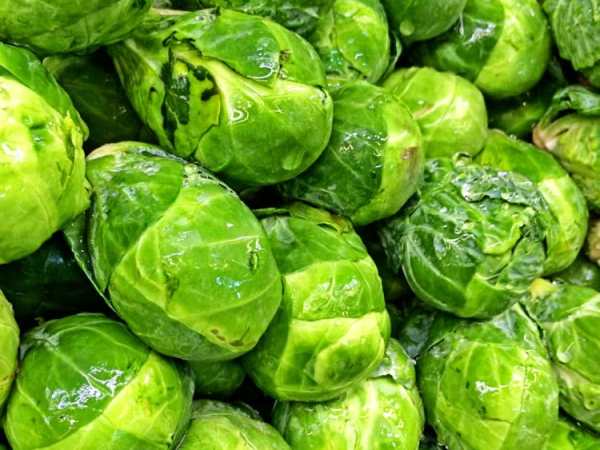
Getting enough B6 through your diet or a supplement is crucial for staying healthy. Some good food sources of Vitamin B6 are chickpeas, bananas, mamey, avocado, tomatoes, and brussels sprouts. Vitamin B6, also known as pyridoxine, is a water-soluble vitamin that is significant to protein, fat and carbohydrate metabolism and the creation of red blood cells and neurotransmitters. Your body cannot produce vitamin B6, so you must obtain it from foods or supplements. Most people get enough vitamin B6 through their diet. The current recommended daily amount (RDA) for B6 is 1.3–1.7 mg for adults over 19.

TOXICITY: Vitamin B6 toxicity is not likely to occur from food sources of B6, but taking more than 1,000 mg of supplemental B6 a day may cause nerve damage and pain or numbness in the hands or feet. Some of these side effects have even been documented after just 100–300 mg of B6 per day. For these reasons, the tolerable upper limit of vitamin B6 is 100 mg per day for adults

Posted in MEXICAN SPECIALS, PLANT FOOD FACTS

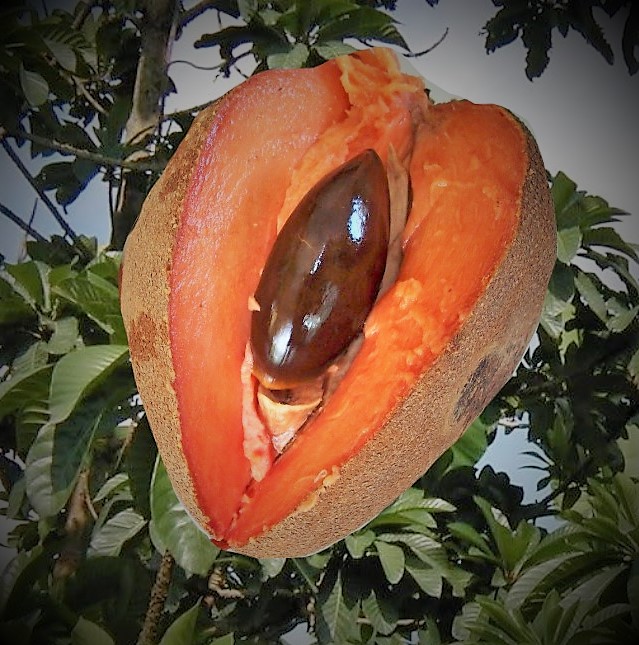
Mamey

One cup of raw mamey fruit provides 74% of the Daily Value of Vitamin B6.

Mamey is the fruit of the Mamey Sapote tree, which grows throughout Mexico and Central America. The mamey has a soft, creamy texture and orange color. Its unique flavor is sometimes compared to sweet potatoes. Mamey supplies a hearty dose of fiber, copper, and vitamins B6 and C. Mamey enhances immune function, promotes regularity, prevents anemia, and supports heart and skin health.

1 CUP (175 g) of raw mamey fruit provides
CALORIES217
CARBOHYDRATE56g
FAT1g
FIBER9.5g
PROTEIN2.5g
COPPER41%DV
IRON8%DV
MANGANESE16%DV
POTASSIUM17%DV
VITAMIN B2 (RIBOFLAVIN)16% DV
VITAMIN B3 (NIACIN)16%DV
VITAMIN B5 (PANTOTHENIC ACID)14%DV
VITAMIN B674%DV
VITAMIN C45%DV
VITAMIN E25%DV
SOURCE: HEALTHLINE
Posted in PLANT FOOD FACTS

Grapes

Grapes offer a wealth of health benefits due to their high nutrient and antioxidant contents.

Grapes have been cultivated for thousands of years and have been revered by several ancient civilizations for their use in winemaking. There are many types of grapes including green, red, black, yellow and pink. They grow in clusters and come in seeded and seedless varieties.

1 CUP (151 G) GRAPES
calories 104
carbohydrates 27.3 g
fiber 1.4 g
copper 10% RDI
manganese 5 % RDI
potassium8% RDI
riboflavin6% RDI
thiamine7% RDI
vitamin B66% RDI
vitamin C27% RDI
vitamin K28% RDI
Sources: healthline
Posted in PLANT FOOD FACTS

Figs

Figs are rich in copper and Vitamin B6.

Recipe: Fig and Walnut Salad

The fig–ficus carica–is a unique fruit with pink flesh full of tiny seeds and an edible purple or green peel. Figs may promote healthy digestion, decrease your risk of heart disease, and help manage blood sugar levels. Fresh figs are low in calories and contain a variety of vitamins and minerals. However, dried figs are high in sugar and calories. Figs are particularly rich in copper, a vital mineral that is involved in metabolism and energy production, and vitamin B6, which plays an important role in brain health .

1 SMALL (40 G) fresh fig
calories 30
carbohydrates 8 g
fiber 1 g
copper 3% DV
magnesium 2% DV
potassium 2% DV
riboflavin 2% DV
thiamine 2% DV
vitamin B6 3% DV
vitamin K 2% DV
Sources: healthline
Posted in PLANT FOOD FACTS

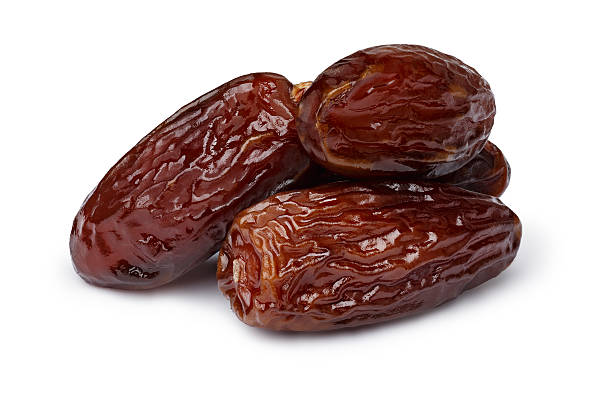
Dates

Dates (español: dátiles) are an ancient food, mentioned 50 times in the Bible and 20 times in the Qu’aran. They have been a staple food of the Middle East and the Indus Valley for thousands of years. There is archaeological evidence of date cultivation in Arabia from the 6th millennium BCE, and fossil records show that the date palm has existed for at least 50 million years. Although they are high in calories, they are an excellent substitute for the empty calories of refined sugar because of their nutritional benefits. Deglet Noor dates are the most common variety seen in the West, but Medjool dates, which are sweeter and softer, are frequently recommended in recipes. They are more expensive and may be harder to find. They are similar in nutritional content.

Nutrition: 3.5 oz (100 g) dried pitted dates
calories 277
carbohydrates 75 g
copper 18% RDI

fiber 7 g
iron 5% DV
magnesium 14% RDI
manganese 15% RDI
potassium 20% RDI
protein 2 g
vitamin B6 12% RDI
SOURCES: HEALTHLINE
Posted in PLANT FOOD FACTS

Cashews

Cashews pack 67% of the daily copper requirement, needed to form red blood cells.

Cashews (español: marañón) are commonly referred to as nuts, but they are really seeds, native to Brazil but grown in many other warm climates nowadays. They are rich in nutrients and are reported to help with weight loss, blood sugar control, and a healthy heart.

Nutrition: 1 ounce (28 g) raw unsalted cashews
calories 157
carbohydrates 9 g
copper 67% DV
fat 12 g
fiber 1 g
iron 11% DV
magnesium 20% DV
manganese 20% DV
phosphorous 13% DV
protein 5 g
selenium 10% DV
thiamine 10% DV
zinc 15% DV
vitamin B6 7% DV
vitamin K 8% DV
SOURCES: HEALTHLINE