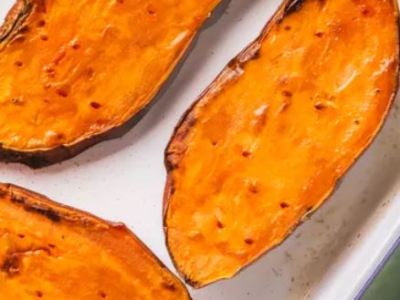
Sweet potatoes are rich in vitamin A, vitamin C, manganese, minerals, antioxidants, and fiber. Sweet potato health benefits include antioxidant, anti-inflammatory and liver-protecting activity, cardiovascular protection, anticancer properties and improvement in neurological and memory capacity, metabolic disorders, and intestinal barrier function.
The sweet potato is a dicotyledonous plant in the morning glory family, They come in a variety of sizes and colors, including orange, white, and purple. They can be baked, boiled, or roasted.
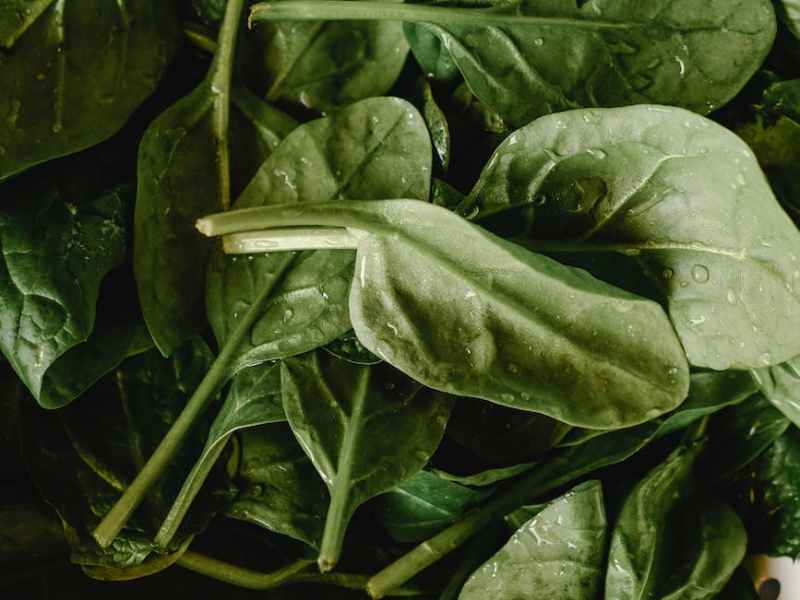
Spinach (español: espinacas) is a leafy green flowering plant whose leaves are consumed cooked or raw. Spinach is a good source of VITAMIN C, IRON, POTASSIUM, VITAMIN E, and MAGNESIUM. The possible health benefits of consuming spinach include blood glucose control, lower risk of cancer, and improved bone health. As part of a nutritious diet, it can help support immune function, aid the digestive system, may even have anticancer properties. Spinach is typically safe to consume as part of a well-rounded, nutritious diet, but some people may benefit from limiting their intake of this vegetable. Spinach is rich in dietary oxalate, which can increase a person’s risk of kidney stones. The high oxalate content may be reduced by steaming. Spinach contains:
Alpha-lipoic acid
an antioxidant which lowers glucose levels, increases insulin sensitivity, and prevents oxidative, stress-induced changes in patients with diabetes.
Vitamin K
Scientists have found a link between low intakes of vitamin K and a higher risk of bonefracture. Vitamin K acts as a modifier of bone matrix proteins, improves calcium absorption, and may reduce the amount of calcium that leaves the body in urine.
Protein and carbohydrates.
Most of the calories from protein and carbohydrates, which play important roles in the body, from maintaining eye health to reducing inflammation.
Chlorophyll
Research suggests chlorophyll may have anticancer properties and that people who eat diets rich in green vegetables may have a lower riskof cancer.
Potassium
It can help reduce the effects of sodium in the body. A low potassium intake might be as potent a risk factor for developing high blood pressure as a high sodium intake.
Fiber and water
Both help prevent constipation and promote a healthy digestive tract.
Vitamin A
It moderates oil production in the skin pores and hair follicles to moisturize the skin and hair. A buildup of this oil can lead to acne. Vitamin A is necessary for the growth of all bodily tissues, including skin and hair.
Vitamin C
It is crucial for building and maintaining collagen, which provides structure to skin and hair.
Iron
Iron deficiency is a common cause of hairloss, which a person can help prevent with a diet of sufficient iron-rich foods, such as spinach.
What does Vitamin A do? Vitamin A (retinol, retinoic acid) is important to vision, growth, cell division, reproduction and immunity. Vitamin A also has antioxidant properties.
How much do I need? The recommended daily allowance is 900 mcg for an adult male and 700 mcg for an adult female.
Are supplements recommended? A healthy and varied diet will provide most people with enough vitamin A. For the antioxidant properties of vitamin A, food sources are best. It’s not clear if vitamin A supplements offer the same benefits as naturally occurring antioxidants in food. Too much vitamin A can be harmful, and excess vitamin A during pregnancy has been linked to birth defects.
What are some good plant food sources of Vitamin A? GREEN LEAFY VEGETABLES, CARROTS, CANTALOUPE
Spinach (español: espinacas) is a leafy green flowering plant whose leaves are consumed cooked or raw. Spinach is a good source of VITAMIN C, IRON, POTASSIUM, VITAMIN E, and MAGNESIUM. The possible health benefits of consuming spinach include blood glucose control, lower risk of cancer, and improved bone health. As part of a nutritious diet, it can help support immune function,…
Cherries contain antioxidants, phytochemicals, vitamins, nutrients, and fiber.
Cherry (español: cereza) is the fruit of many plants of the genus Prunus, and is a fleshy drupe (stone fruit). Commercial cherries are obtained from cultivars of several species, such as the sweet Prunus avium and the sour Prunus cerasus. Cherries contain antioxidants, phytochemicals, vitamins, nutrients, and fiber. These support a healthy system and may reduce the risk of certain types of cancers.
Phytochemicals protect against certain enzymes that can lead to inflammation. This can help reduce arthritis pain. Cherries are a good source of vitamin C and potassium. Potassium can reduce the risk of hypertension and stroke, and cherries have more per serving than strawberries or apples. Compared to sweet cherries, raw sour cherries contain 50% more vitamin C per 100 g (12% DV) and about 20 times more vitamin A (8% DV). Recipe for Cherry Jam
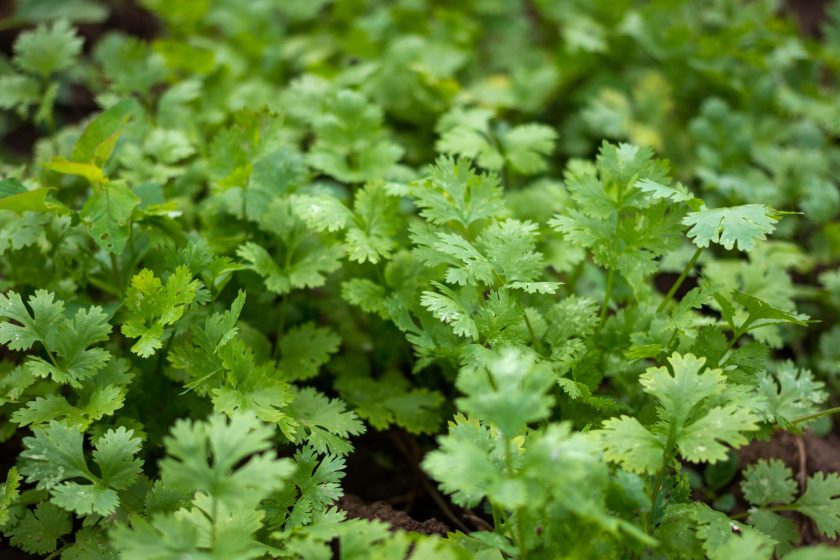
Cilantro is especially rich in Vitamin K, which aids in healthy blood clotting.
Coriander (español: cilantro) (Coriandrum sativum), also known as Chinese parsley or cilantro, is related to parsley, carrots, and celery. All parts of the plant are edible, but the fresh leaves and the dried seeds are the parts most used in cooking. It may help lower blood sugar, fight infections, and promote heart, brain, skin, and digestive health. In the United States, Coriandrum sativum seeds are called coriander, while its leaves are called cilantro. Coriander seeds, extract, and oils may all help lower blood sugar. Animal studies suggest that coriander seeds reduce blood sugar by promoting enzyme activity that helps remove sugar from the blood. Coriander offers several antioxidants, which prevent cellular damage caused by free radicals. Some animal and test-tube studies suggest that coriander may lower heart disease risk factors, such as high blood pressure and LDL (bad) cholesterol levels. Many brain ailments, including Parkinson’s, Alzheimer’s, and multiple sclerosis, are associated with inflammation. Coriander contains antimicrobial compounds that may help fight certain infections and foodborneillnesses. Dodecenal, a compound in coriander, may fight bacteria like Salmonella, which can cause life-threatening food poisoning.
Cilantro can grow roots if the stems are placed in a glass of water. Once the roots are long enough, plant them in a pot. In a few weeks new sprigs will be starting, and in a few months you’ll have a full plant. How to grow plants with cuttings from the kitchen.
Nutrition: 3.5 oz cilantro (100 g)
calories 23 calcium 7% DV carbohydrates 3.67 g fat 0.52 g fiber 2.8 g folate 16% DV iron 14% DV magnesium 7% DV manganese 20% DV niacin 7% DV pantothenic acid 11% DV phosphorous 7% DV potassium 11% DV protein 2.13 g riboflavin 14% DV sodium 3% DV sugar 0.87 g thiamine 6% DV zinc 5% DV vitamin A 42% DV vitamin B6 11% DV vitamin C 33% DV vitamin E 17% DV vitamin K 295% DV
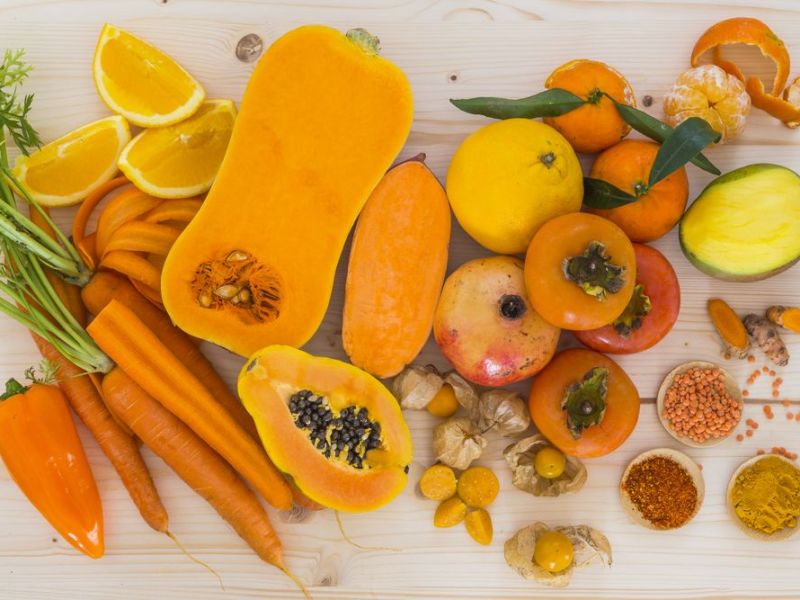
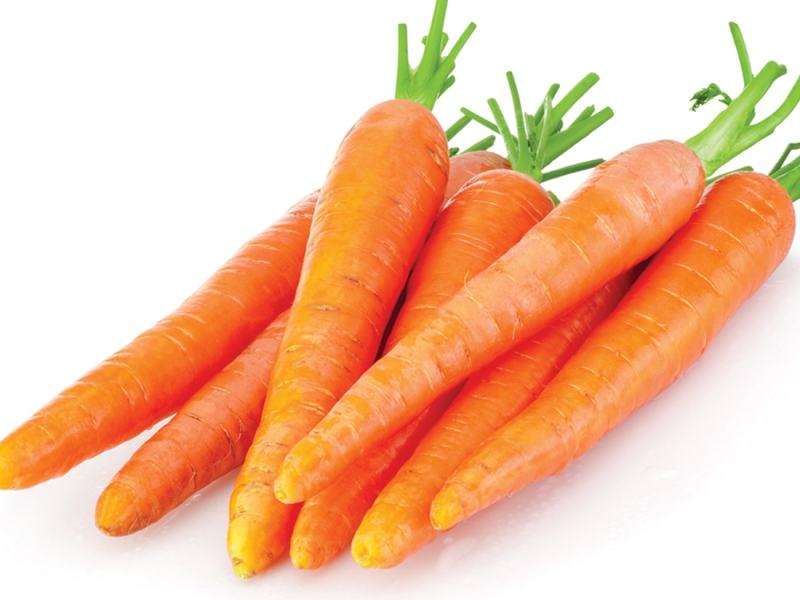
Carrots get their bright orange color from beta carotene, an antioxidant that your body converts into vitamin A.
The carrot (español: zanahoria) is an humble root vegetable favored by Bugs Bunny and generations of parents. You can eat carrots raw or cooked. They are weight-loss-friendly and have been linked to lower cholesterol levels and improved eye health. Carotene antioxidants have been linked to a reduced risk of cancer.
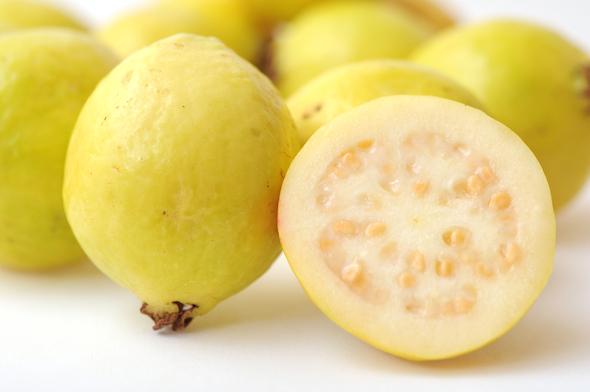
Among the claims for guavas are that they improve heart health, blood sugar levels, painful menstruation, digestion, and skin.
Guava (español: guayaba) is a tropical fruit cultivated in many tropical and subtropical regions. Psidium guajava is a small tree in the myrtle family, native to Mexico, Central America. Guavas are typical Myrtoideae, with tough dark leaves and white flowers with five petals and numerous stamens. The fruits are many-seeded berries. I had just moved to Guadalajara, Mexico, when I tasted my first guayaba. I was hooked. When ripe, the guayaba, or guava, is very sweet and delicious, peeling, seeds and all. Just wash and eat it like an apple. They are also made into a popular candy called ate. (pronounced ah-tay). Guayabate is one of my favorite sweets.
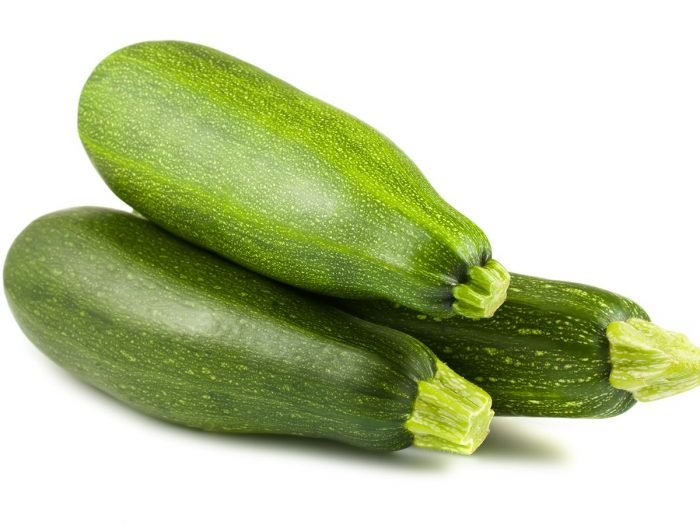
Zucchini (español: calabacita), also known as courgette, is a summer squash in the Cucurbitaceae plant family, which includes melons, spaghetti squash, and cucumbers. It can grow to more than 3.2 feet (1 meter) in length but is usually harvested when still immature. Although often considered a vegetable, it is botanically classified as a fruit.
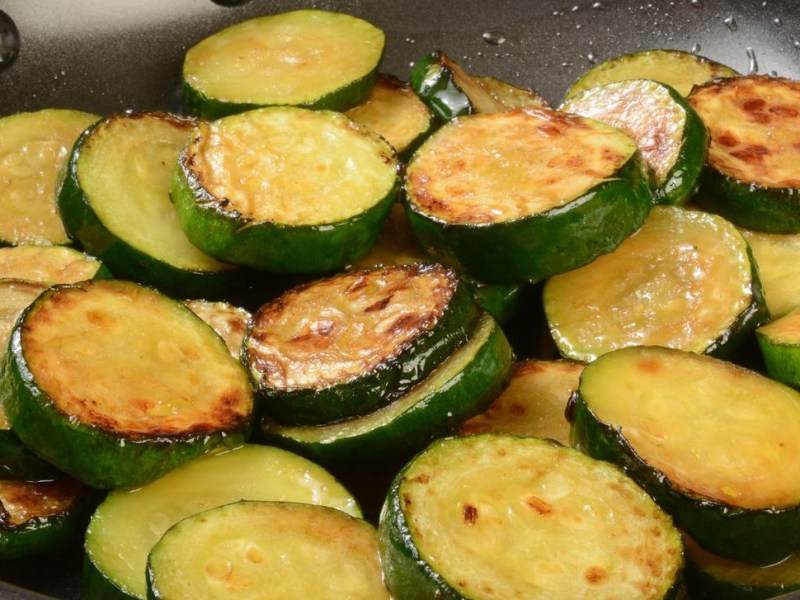
What nutrients does zucchini provide? Zucchini contains a variety of vitamins, minerals, and antioxidants. Cooked zucchini is particularly high in vitamin A. It is rich in water and fiber, promoting healthy digestion. Zucchini’s fiber may increase insulin sensitivity and stabilize blood sugar levels, potentially reducing risk of type 2 diabetes. Zucchini may lower blood pressure, cholesterol, and other risk factors for heart disease. It contributes to healthy vision and may lower risk of age-related eye conditions. Since the skin of the plant contains high levels of antioxidants, it is best served unpeeled. Zucchini can be grated, sliced, or stuffed. It is delicious boiled, steamed, grilled, baked, broiled, or breaded and fried. It is a healthy ingredient in salads, soups, and breads, and a tasty addition to many favorite dishes.
What is the best time of day to consume zucchini? Zucchini is a highly versatile, nutrient-dense, and low-calorie vegetable that can be enjoyed throughout the day. While it is safe and healthy to eat at any time, certain times of the day offer specific benefits:
Morning (for Sustained Energy): Adding zucchini to breakfast (e.g., in smoothies, muffins, or savory skillet dishes) provides a nutrient-rich, fiber-packed start to the day that promotes steady energy levels.
Lunch (for Satiety): Due to its high water and fiber content, eating zucchini at lunch helps with portion control and promotes feelings of fullness.
Dinner (for Digestion): Zucchini is easy on the digestive system and makes for a perfect light, nutrient-dense, and hydrating addition to an evening meal.
As a Snack (for Hydration/Nutrients): Raw zucchini is a great, crunchy, low-calorie snack option, especially when paired with dips.
Zucchini is a tasty addition to any meal. Crushed fennel seeds, red onion, garlic, and balsamic vinegar add nutritional value and taste to this simple dish..
Asparagus is anti-inflammatory and antioxidant. It is a good source of Vitamin K, Vitamin B1, Thiamine, and Fiber.
Asparagus is a perennial flowering plant species in the genus Asparagus. Its young shoots are used as a spring vegetable. It is widely cultivated as a vegetable crop. It serves as a natural diuretic, nourishes the digestive tract. It helps with a healthy pregnancy, helps fight cancer, and supports skin health. Asparagus can be eaten raw and makes a good addition to salads. Lightly steamed, blanched, or roasted asparagus is a delicious side dish with almost any meal. Recipe for Sauteed Asparagus.
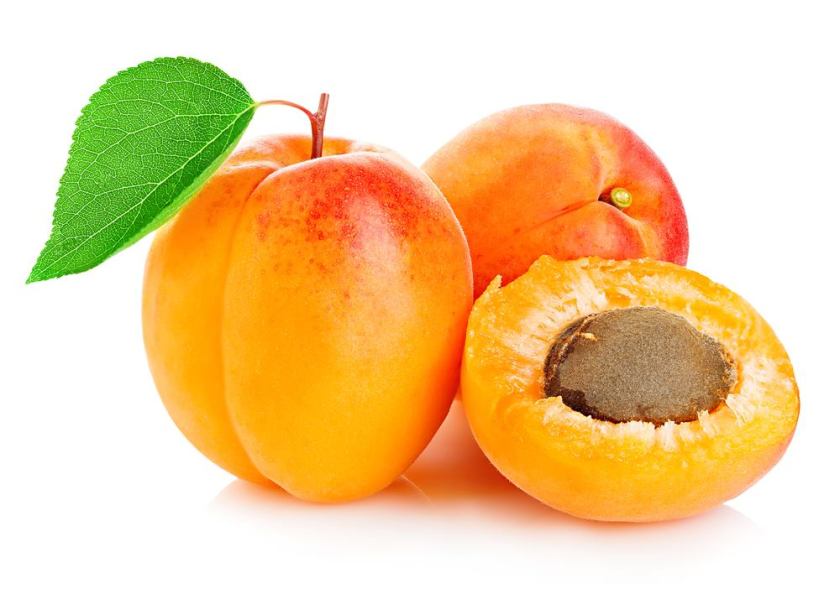
Apricots are extremely nutritious and have many health benefits, such as improved digestion and eye health.
Apricots (español: chabacano) are stone fruits also known as Armenian plums. Round and yellow, they look like a smaller version of a peach but share the tartness of purple plums. It’s best to enjoy apricots whole and unpeeled, as the skin boasts large amounts of fiber and nutrients, including significant amounts of beta carotene, lutein, and zeaxanthin.








 Fruit & Stuff