Posted in FEATURED, NUTRIENTS

Manganese

What does manganese do?
Manganese is a trace mineral found in bones, liver, kidneys, and pancreas that helps form connective tissue, bones, blood clotting factors, and sex hormones.

How much do I need?
Adult males need 2.3 mg; adult females, 1.8 mg

What are some good plant food sources of manganese?
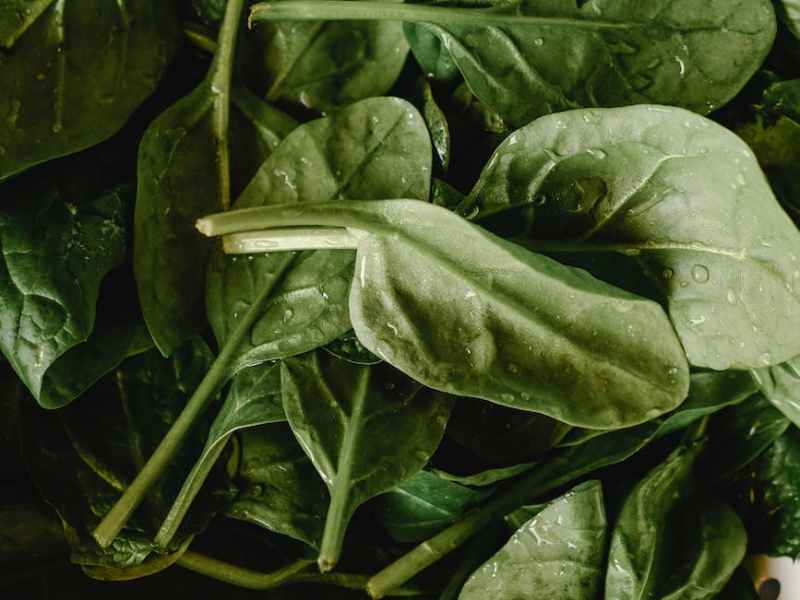
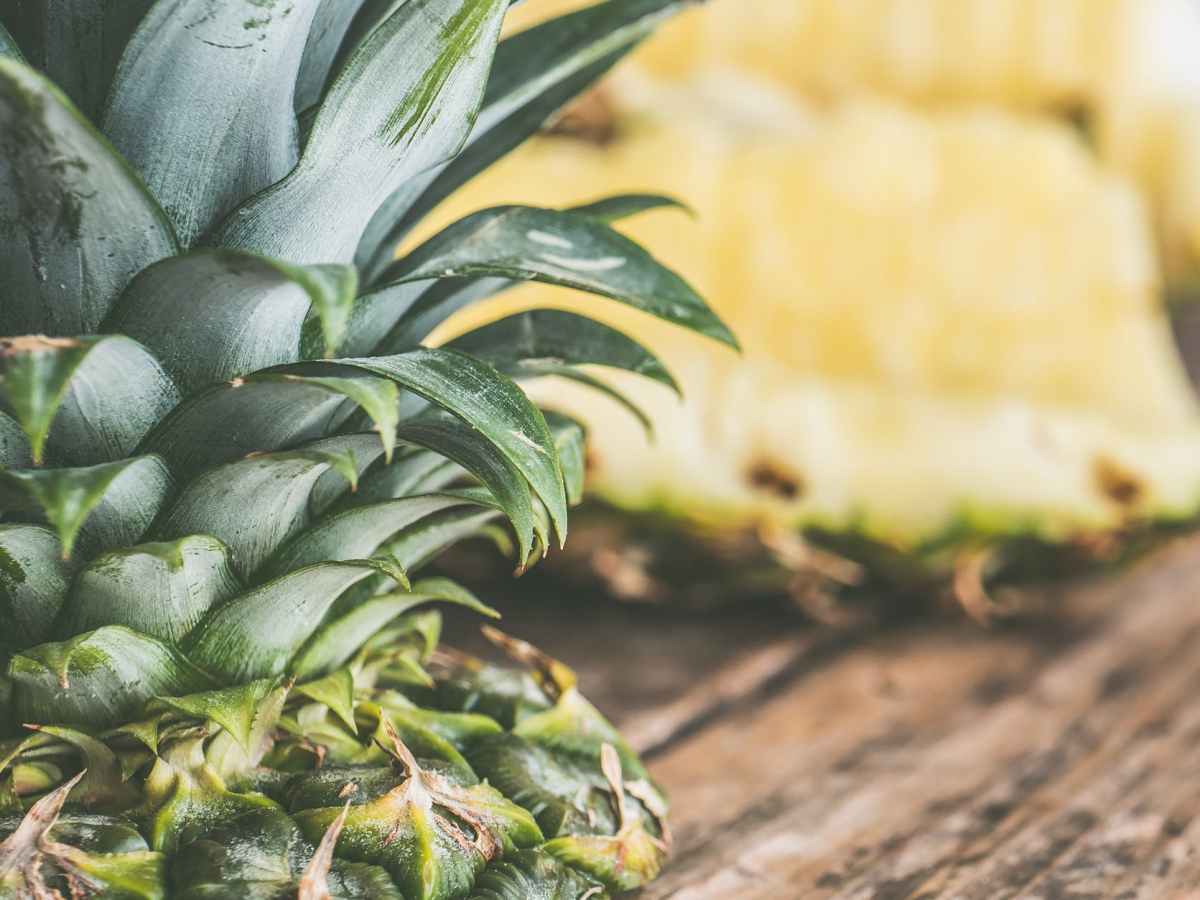
Hazelnuts, Pecans, Brown Rice, Chickpeas, Spinach, Raw Pineapple, Soybeans, Oatmeal, and Whole Wheat Bread are good plant food sources of manganese.

plant food SourcemG of manganese%DV
1 oz dry roasted hazelnuts1.670
1 oz dry roasted pecans1.148
1.2 cup cooked brown rice1.148
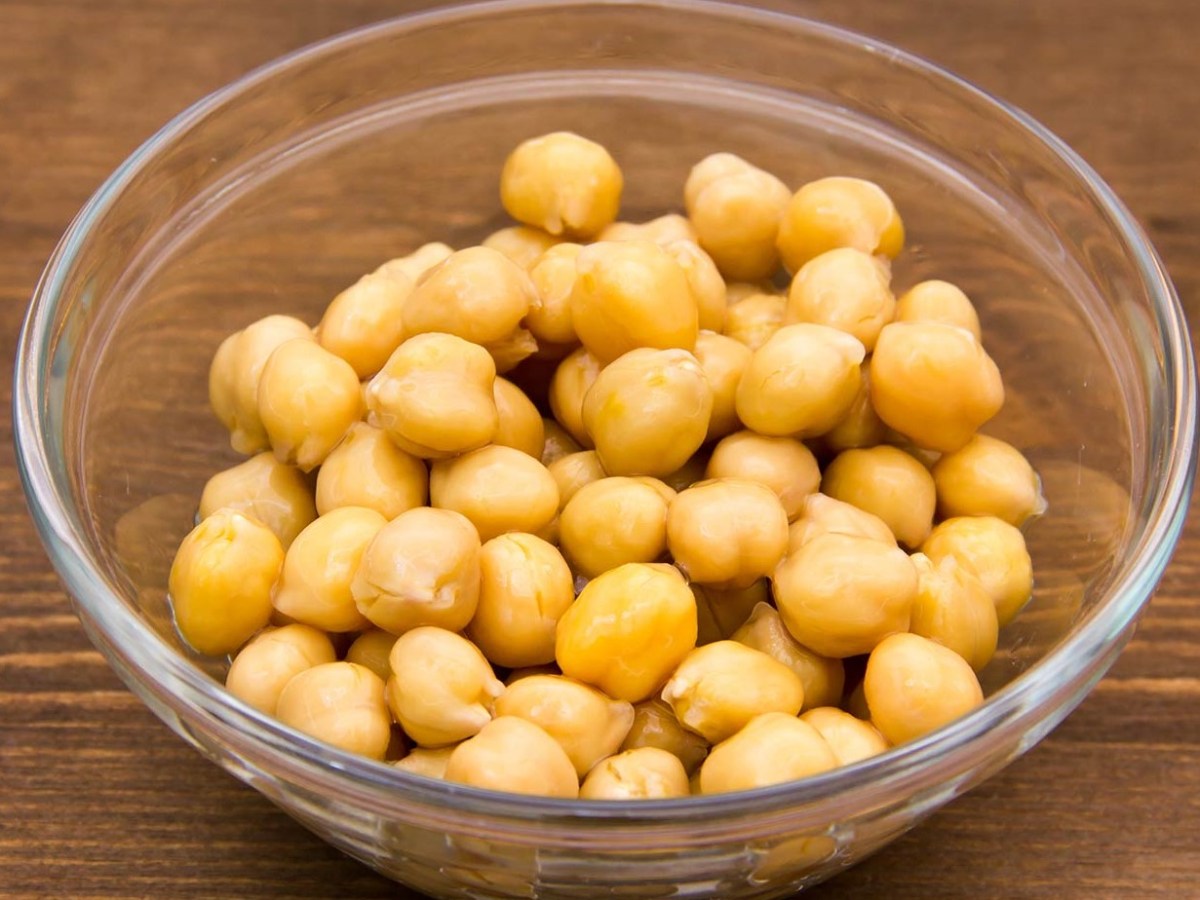
1/2 cup cooked chickpeas0.939
1/2 cup boiled spinach0.835
1/2 cup raw pineapple chunks0.835
1/2 cup boiled soybeans0.730
1 slice whole-wheat bread0.730
1/2 cup cooked oatmeal0.730

Are supplements recommended?
Manganese supplements are generally not needed for most people because a balanced diet rich in whole grains, nuts, leafy greens, and legumes usually provides sufficient amounts. Severe PMS, osteopenia, or type 2 diabetes can cause a deficiency. However, manganese supplements can be toxic. Anyone who is at risk of deficiency should consult a healthcare provider before taking them.

Posted in FEATURED, PLANT FOOD FACTS

Sweet Potato Facts

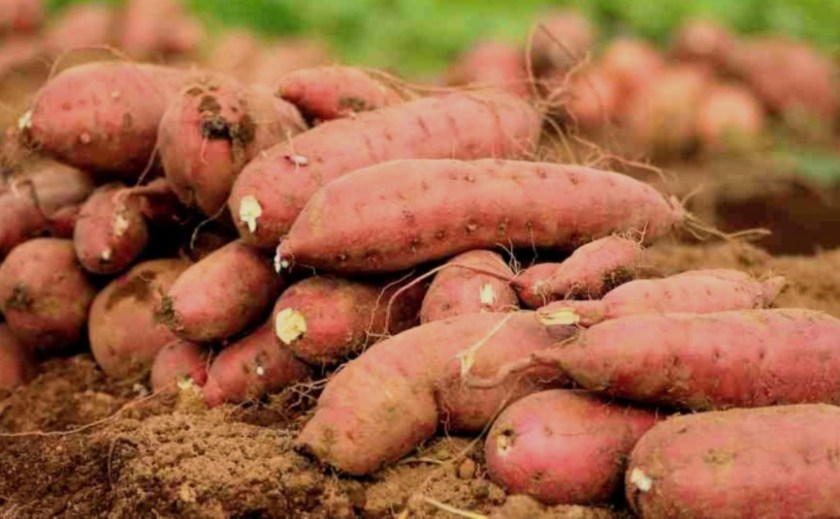
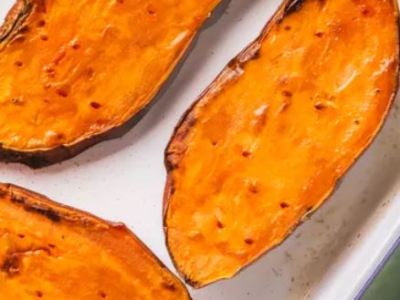
Sweet potatoes are rich in vitamin A, vitamin C, manganese, minerals, antioxidants, and fiber. Sweet potato health benefits include antioxidant, anti-inflammatory and liver-protecting activity, cardiovascular protection, anticancer properties and improvement in neurological and memory capacity, metabolic disorders, and intestinal barrier function.

The sweet potato is a dicotyledonous plant in the morning glory family, They come in a variety of sizes and colors, including orange, white, and purple. They can be baked, boiled, or roasted.

1 cup or 200 g of sweet potato with skin contains%DV
CARBOHYDRATE41 G
CALORIES180
FAT0.3 G
FIBER6.6 G
PROTEIN4 G
COPPER36%
MANGANESE43%
POTASSIUM20%
VITAMIN A (RETINOL)213%
VITAMIN B3 (NIACIN)19%
VITAMIN B5 (PANTOTHENIC ACID)35%
VITAMIN B634%
VITAMIN C44%
SOURCE: HEALTHHLINEs
Posted in FEATURED, NUTRIENTS

Vitamin C

What does Vitamin C do? Vitamin C has been linked to many impressive health benefits that include boosting antioxidant levels, lowering blood pressure, protecting against gout attacks, improving iron absorption, boosting immunity, and reducing heart disease and dementia risk.

How much do I need? The Recommended Daily Allowance (RDA)–enough to prevent deficiency syndromes such as scurvy–is 90 mg for men and 75 mg for women, but the Upper Limit (UL) is 2,000 mg.

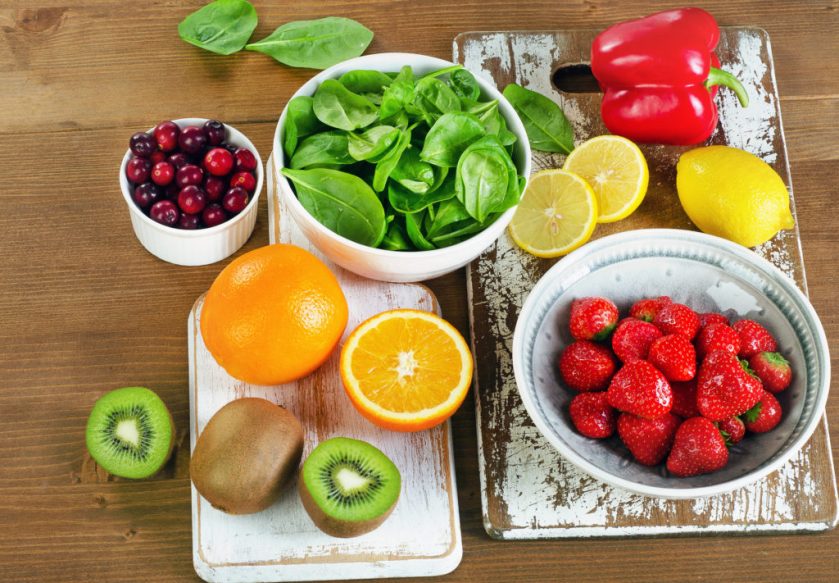
What are some good plant food sources of Vitamin C? ORANGES, KIWI, LEMON, BELL PEPPER, STRAWBERRIES, GRAPEFRUIT, BROCCOLI, CABBAGE, and CAULIFLOWER are a few plant foods that are rich in Vitamin C. High-heat cooking temperatures or prolonged cook times can break down the vitamin. Because it is water-soluble, the vitamin can also seep into cooking liquid and be lost if the liquids are not eaten. Quick heating methods or using as little water as possible when cooking, such as stir-frying or blanching, can preserve the vitamin. Foods at peak ripeness eaten raw contain the most vitamin C.

Are supplements recommended? Because the human body cannot produce Vitamin C, it must be obtained through food sources or manufactured supplements. Opinions vary about how much Vitamin C is needed for optimal health. Because of the known benefits of Vitamin C for prevention and optimal health, including those that have not yet been fully proven, I prefer to take a 1,000 mg supplement and to eat foods that are rich in Vitamin C every day.

Source: Harvard School of Public Health

Vitamin C-Rich Foods and Recipes
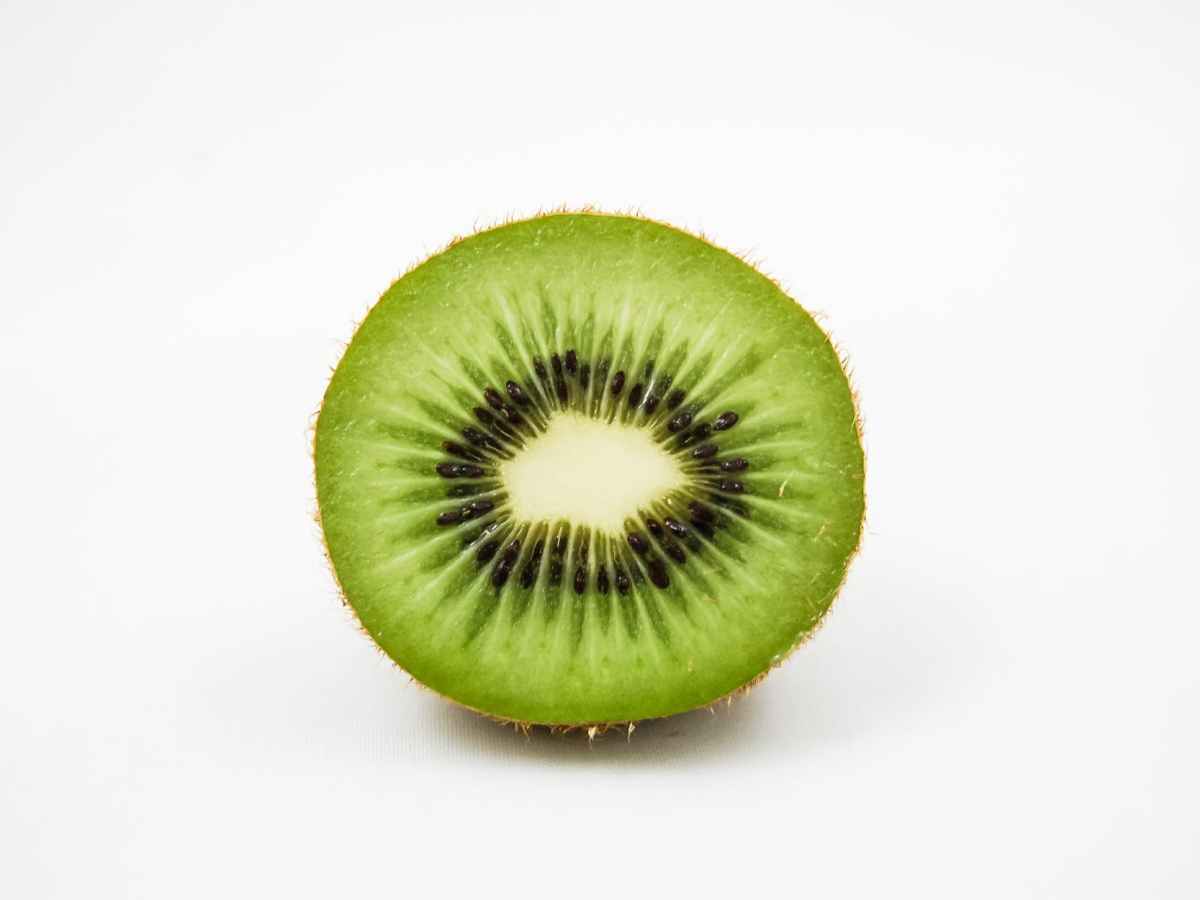
Kiwi Facts

A 3.5-ounce kiwi provides more than 80% of the daily vitamin C requirement.
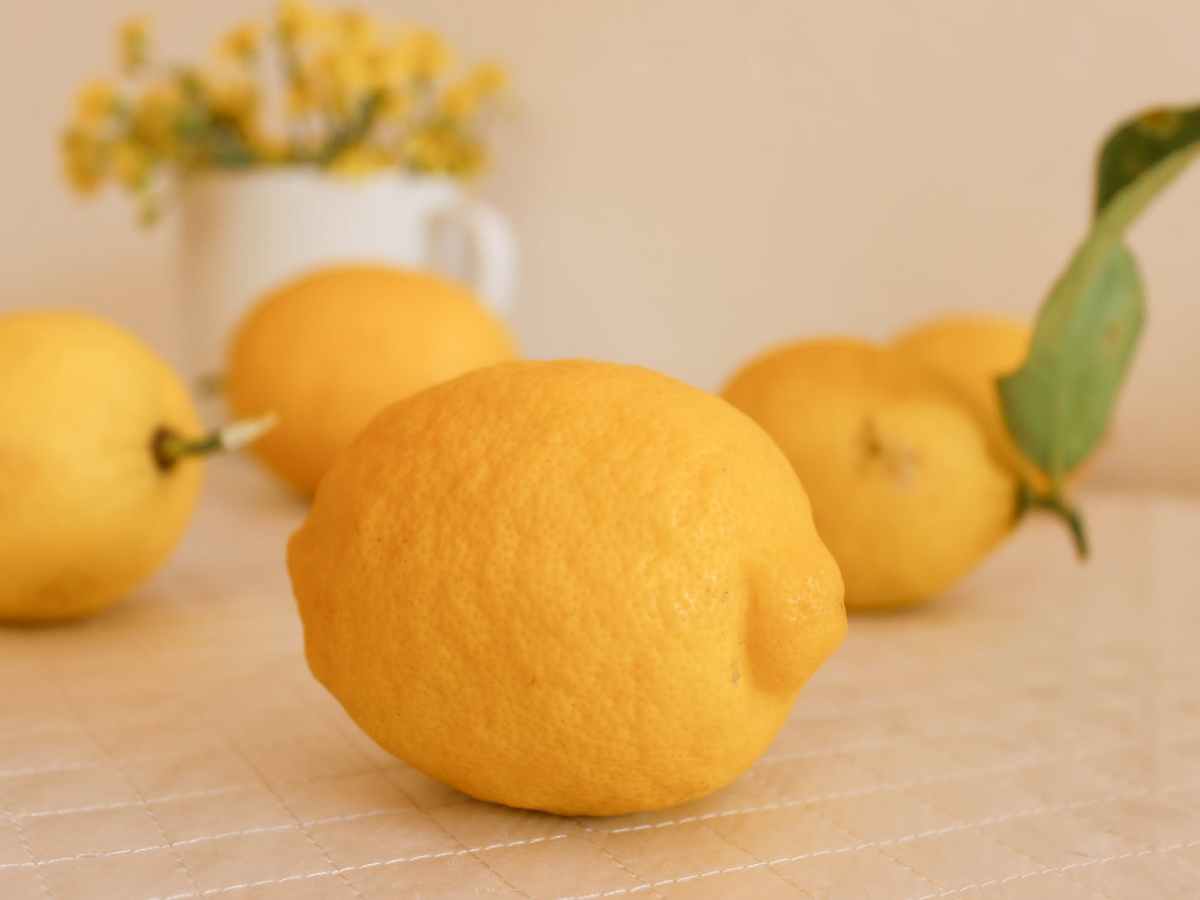
Lemon Facts

High in Vitamin C, lemons may reduce risks of heart disease and cancer.
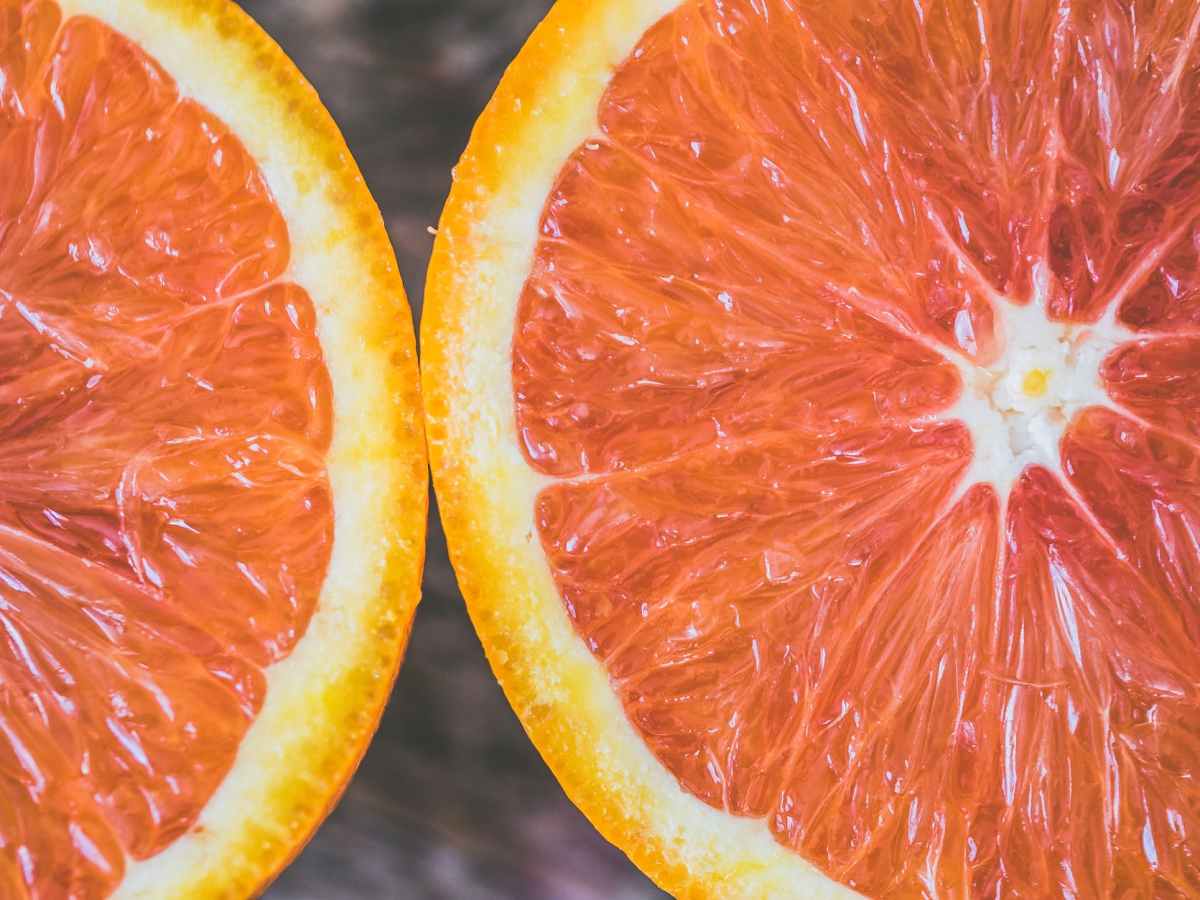
Grapefruit Facts

Grapefruit is rich in nutrients, antioxidants and fiber, making it one of the healthiest citrus fruits you can eat.
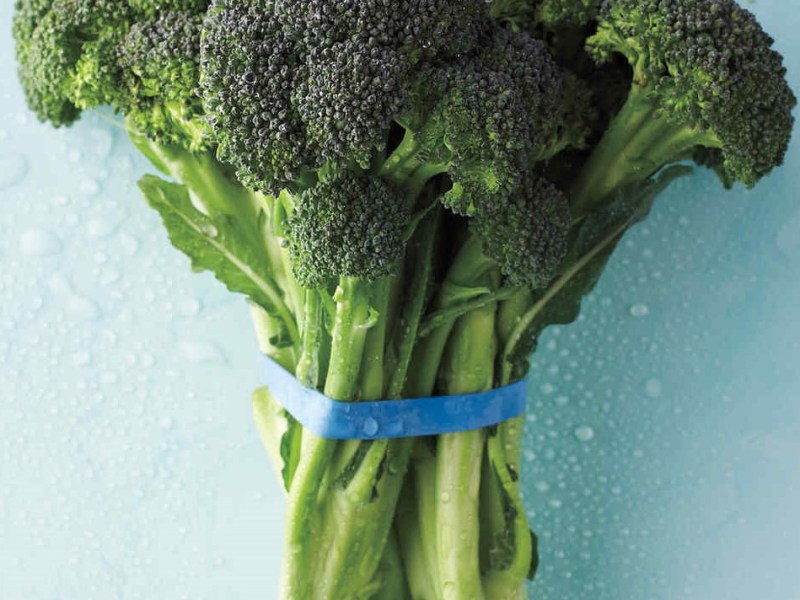
Broccoli Facts

Broccoli, which has more protein than most other vegetables, is also high in fiber, vitamin C, vitamin K, iron, and potassium.
Cabbage Facts

Cabbage is low in calories and rich in Vitamins K and C
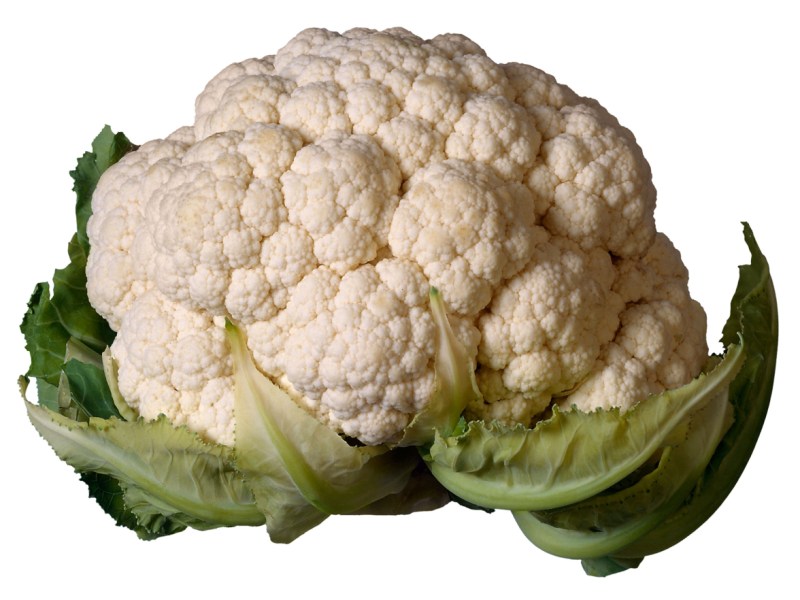
Cauliflower Facts

Cauliflower reduces cancer risk; fights inflammation; decreases risk for heart disease and brain disorders; provides high levels of vitamins C, K, and other vitamins and minerals; improves digestion and detoxification; aids in weight loss; helps balance hormones; and preserves eye health.

Posted in FEATURED, NUTRIENTS

Vitamin A (Retinol, Retinoic Acid)

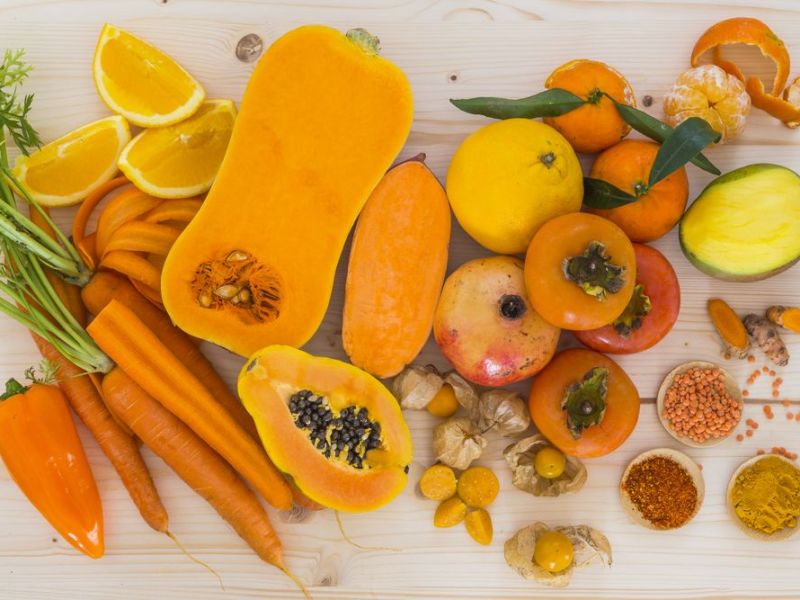
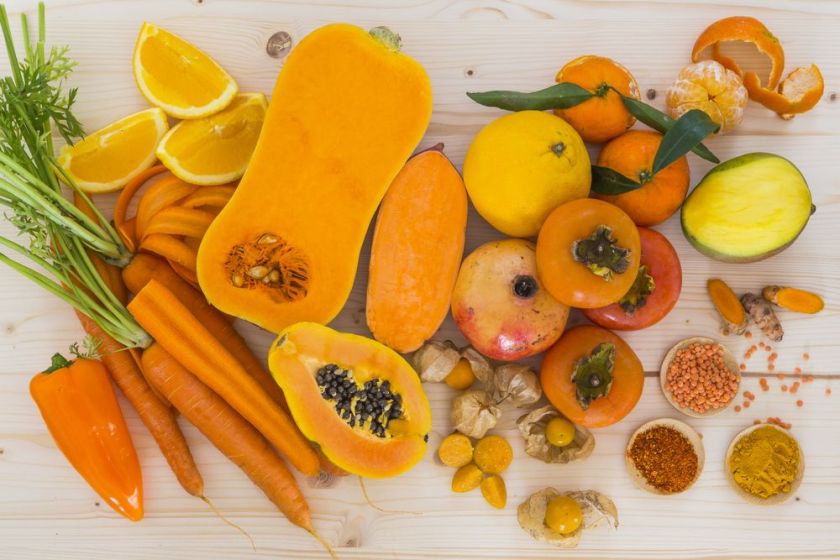
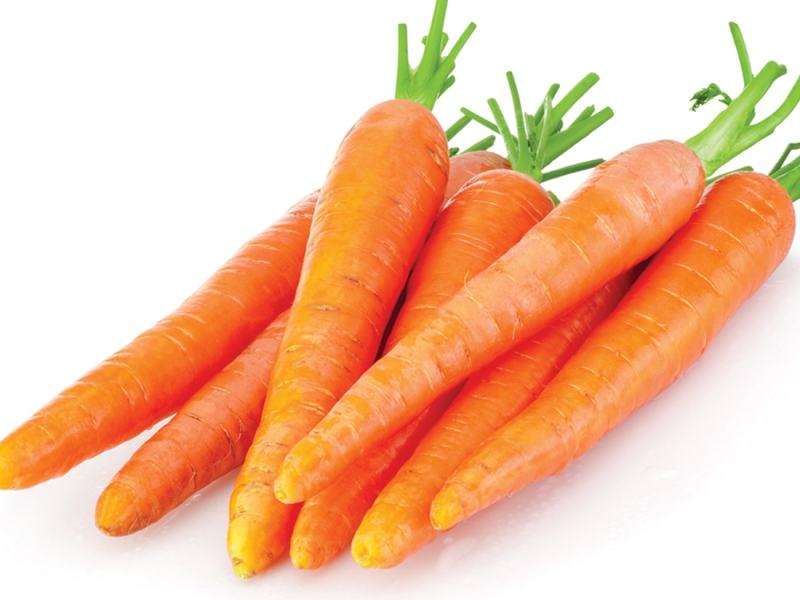
Plant foods that are rich in beta-carotene, such as green leafy vegetables, carrots and cantaloupe are a good source of Vitamin A. Your body converts beta-carotene into Vitamin A. Vitamin A (retinol, retinoic acid) is important to vision, growth, cell division, reproduction and immunity. Vitamin A also has antioxidant properties. Antioxidants are substances that protect cells against the effects of free radicals — molecules produced when the body breaks down food or is exposed to tobacco smoke and radiation. Free radicals might play a role in heart disease, cancer and other diseases. The recommended daily allowance is 900 mcg for an adult male and 700 mcg for an adult female. A healthy and varied diet will provide most people with enough vitamin A. For the antioxidant properties of vitamin A, food sources are best. It’s not clear if vitamin A supplements offer the same benefits as naturally occurring antioxidants in food. Too much vitamin A can be harmful, and excess vitamin A during pregnancy has been linked to birth defects.

Source: Mayo Clinic