Posted in PLANT FOOD FACTS

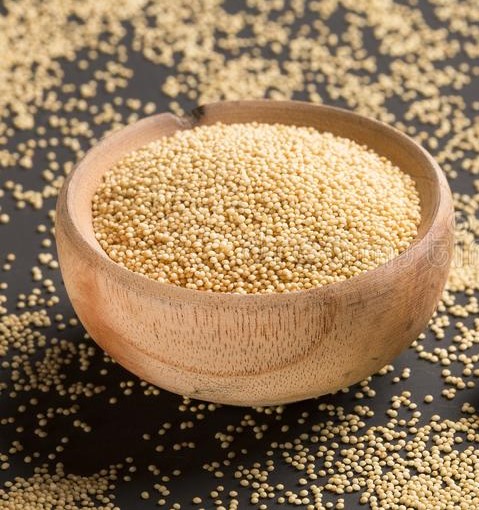
Amaranth

Amaranth is a gluten-free source of fiber, protein, manganese, magnesium, phosphorus and iron. It must be cooked in order to be digested. It can be boiled or toasted and eaten as a cereal. It is a healthy addition to granola and other dishes. 

Amaranth (español: amaranto) is a pseudocereal grown for its edible starchy seeds. It is not in the same botanical family as true cereals such as wheat and rice. Most of the Amaranthus species are summer annual weeds, commonly referred to as pigweeds. There are approximately 75 species, 10 of which are native to North America.

1 CUP (246 G) OF COOKED AMARANTH PROVIDES%DV
CALORIES250
CARBOHYDRATES46 G
FAT5.2 G
PROTEIN9.3 G
COPPER 18%
IRON29%
MAGNESIUM40%
MANGANESE105%
PHOSPHOROUS 36%
SELENIUM 19%
SOURCES: WIKIPEDIA / HEALTHLINE
Posted in PLANT FOOD FACTS

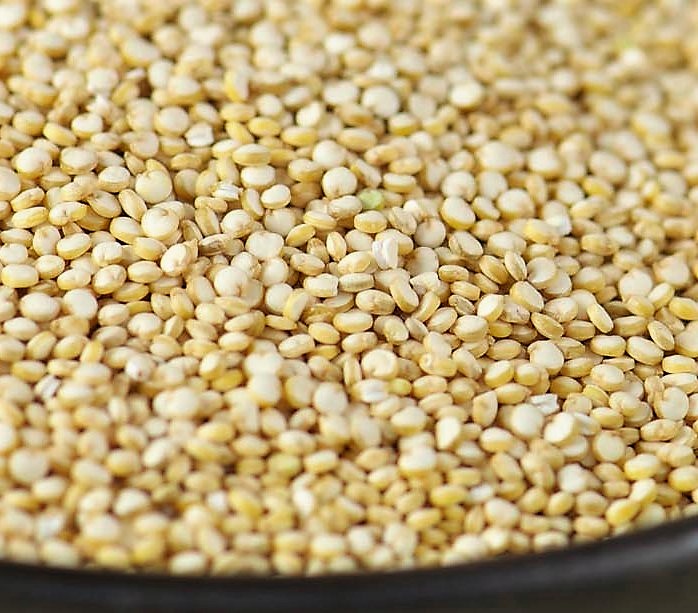
Quinoa

Quinoa’s gluten-free seeds are rich in protein, fiber, B vitamins, and minerals in amounts greater than in many grains.

Quinoa (/ˈkiːnwɑː/ from Quechua kinwa or kinuwa) Chenopodium quinoa is a pseudocereal, a flowering plant related to spinach and amaranth. It originated in the Andean region of northwestern South America and was first eaten by human beings in the regions known today as Peru and Bolivia around three thousand years ago. The United Nations declared 2013 The International Year of Quinoa because of its nutrient value and potential to contribute to food security worldwide. Quinoa can be sprinkled on salads, added to soups and stir fries, eaten alone or combined with oatmeal and other grains as a cereal. Recipe for Fluffy Quinoa.

1 cup cooked quinoa (185 g)
calories 222
carbohydrates 39 g
copper 18% DV
fat 4 g
fiber 5 g
folate 19% DV
iron 15% DV
manganese 58% DV
magnesium 30% DV
phosphorous 28% DV
potassium 9% DV
protein 8 g
zinc 13% DV
Sources: Wikipedia / Healthline