Limting beverages with meals is a small change you can make that will be beneficial to your health. Having a beverage with a meal is a tradition, an unuestioned habit for most of us, but eating without an accompanying drink can improve digestion, and prevent some bothersome effects, such as bloating and acid reflux.
You will do well to give up sugary soft drinks altogether, but especially during meals. If you feel thirsty, take just small sips of water between bites. For the sake of tradition, you might want to have a glass of water beside your plate, but your body will thank you if you abstain from drinking it as you eat. Excessive liquid intake can cause bloating, stomach pain, and dilute stomach acid and digestive enzymes. It may also lead to eating too much at once or washing food down before it is properly chewed.
It is better to drink water thirty minutes before or ater a meal rather than while you are eating or immediately before or after.
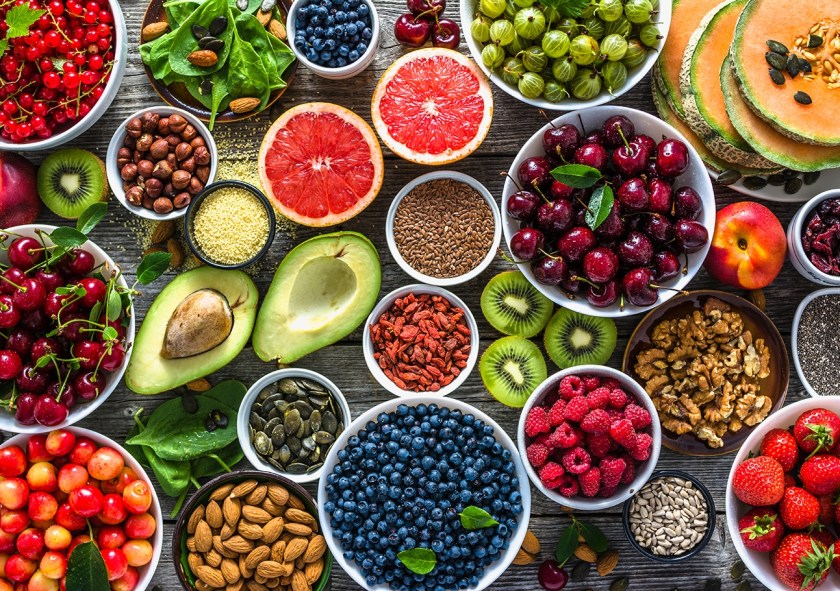
You probably include some superfoods in your meals already, but there may be room for improvement. Superfoods are nutrient-dense, whole foods packed with vitamins, minerals, fiber, and antioxidants that support overall health, reduce disease risk, and boost energy. While technically a marketing term rather than a medical definition, incorporating foods like berries, leafy greens, nuts, and salmon provides significant health benefits. Here are 10 superfoods identified in a 2022 article on the Harvard Medical School Health Publishing website:
Berries. High in fiber, berries are naturally sweet, and their rich colors mean they are high in antioxidants and disease-fighting nutrients.
Fish. Fish can be a good source of protein and omega-3 fatty acids, which help prevent heart disease.
Leafy greens. Dark, leafy greens are a good source of vitamin A, vitamin C, and calcium, as well as several phytochemicals (chemicals made by plants that have a positive effect on your health). They also add fiber into the diet.
Nuts. Hazelnuts, walnuts, almonds, pecans — nuts are a good source of plant protein. They also contain monounsaturated fats, which may be a factor in reducing the risk of heart disease.
Olive oil. Olive oil is a good source of vitamin E, polyphenols, and monounsaturated fatty acids, all which help reduce the risk of heart disease.
Whole grains. A good source of both soluble and insoluble fiber, whole grains also contain several B vitamins, minerals, and phytonutrients. They have been shown to lower cholesterol and protect against heart disease and diabetes.
Yogurt. A good source of calcium and protein, yogurt also contains live cultures called probiotics. These “good bacteria” can protect the body from other, more harmful bacteria.
Cruciferous vegetables. These include broccoli, Brussels sprouts, cabbage, cauliflower, collard greens, kale, kohlrabi, mustard greens, radishes, and turnips. They are an excellent source of fiber, vitamins, and phytochemicals including indoles, thiocyanates, and nitriles, which may prevent against some types of cancer.
Legumes. This broad category includes kidney, black, red, and garbanzo beans, as well as soybeans and peas. Legumes are an excellent source of fiber, folate, and plant-based protein. Studies show they can help reduce the risk of heart disease.
Tomatoes. These are high in vitamin C and lycopene, which has been shown to reduce the risk of prostate cancer.
No time for breakfast? Start your day with a delicious nutrient-loaded smoothie. If your mornings are rushed, make it the night before. You’re off to a good start, no matter what happens during the rest of the day. No recipe needed. You can throw in what you like, what you need, what you want, what you have on hand. Here are a few ideas to start you thinking.
Suggested Ingredients
Leafy Greens: Spinach and kale are common, providing vitamins with a mild taste that is easy to hide.
Berries & Fruits: Blueberries (high in antioxidants), acai, mango, banana (for creaminess), and lemon (for cleansing).
Seeds & Nuts: Chia seeds, flaxseeds, and hemp seeds add Omega-3 fatty acids and fiber.
What does Vitamin D do?
Vitamin D helps the body absorb calcium, one of the main building blocks for strong bones and preventing osteoporosis. Vitamin D is also needed for muscles to move and for nerves to carry messages between the brain and the body. The immune system needs Vitamin D to fight off invading bacteria and viruses.
How much do I need?
The recommended amount of Vitamin D for adults 71 and older is 20 mcg (800 IU) daily. For all others, the amount is 15 mcg (600 IU). Vitamin D is available in dietary supplements. The two forms of vitamin D in supplements are D2 and D3. Both forms increase vitamin D in the blood, but D3 might raise it higher and for longer than D2. Because vitamin D is fat-soluble, it is best absorbed when taken with a meal or snack that includes some fat.
Are supplements recommended?
Almost one out of four people have vitamin D blood levels that are too low or inadequate for bone and overall health. In children, vitamin D deficiency causes rickets, a disease in which the bones become soft, weak, deformed, and painful. In teens and adults, vitamin D deficiency causes osteomalacia, a disorder that causes bone pain and muscle weakness. Many people of all ages need Vitamin D supplements.
What are some good plant food sources of Vitamin D?
There are very few food sources. The body makes Vitamin D when bare skin is exposed to the sun.
What does selenium do? Selenium is needed to fight infections and for reproductive function.
How much do I need? Adults need 55 micrograms daily. In pregnancy and lactation, 60 micrograms are recommended.
Are supplements recommended? Selenium deficiencies are rare in the United States, and too much selenium can be toxic, so supplements are not recommended. However, people suffering from HIV, Chron’s disease, and hypothyroidism should consult their health care provider because these conditions can make it hard to absorb selenium.
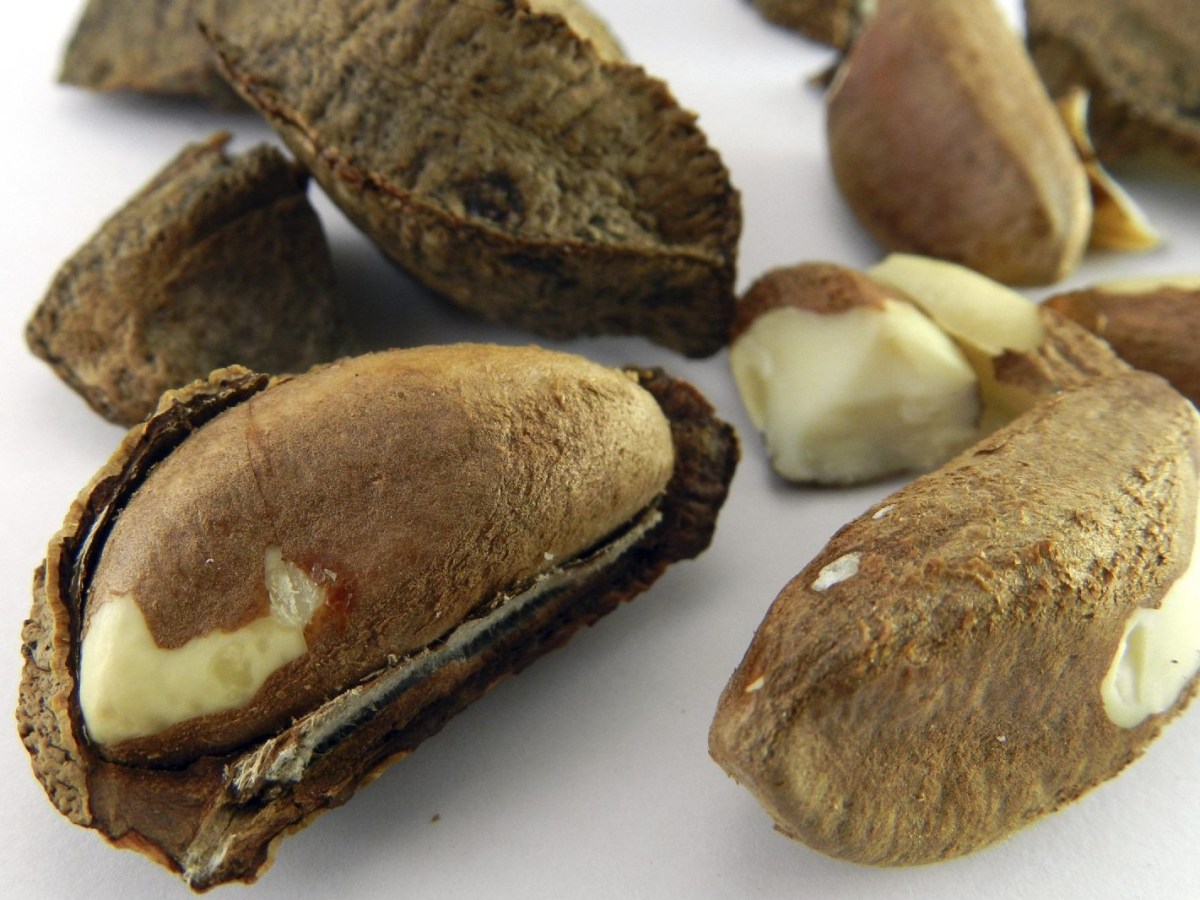
What are some good plant food sources of selenium? BRAZIL NUTS, BROWN RICE, SUNFLOWER SEEDS,BAKED BEANS, MUSHROOMS, OATMEAL, SPINACH, LENTILS, CASHEWS, BANANAS.
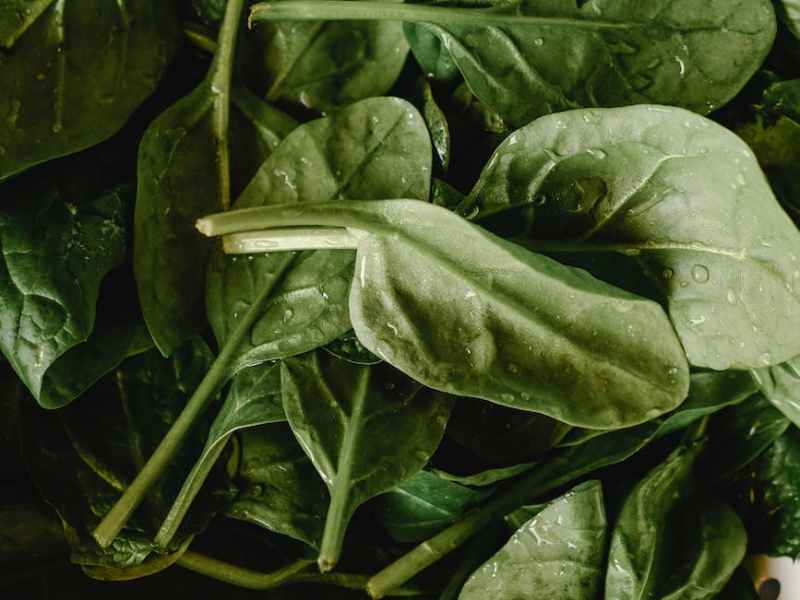
Spinach (español: espinacas) is a leafy green flowering plant whose leaves are consumed cooked or raw. Spinach is a good source of VITAMIN C, IRON, POTASSIUM, VITAMIN E, and MAGNESIUM. The possible health benefits of consuming spinach include blood glucose control, lower risk of cancer, and improved bone health. As part of a nutritious diet, it can help support immune function,…
White mushrooms are rich in many bioactive compounds that may protect against cancer and heart disease, as well as help improve blood sugar control and gut health.
What does fat do? Fat is an important nutrient your body needs for energy, cell growth, and absorbing certain vitamins. While some dietary fat is necessary, limiting total fat and saturated fat may improve your overall health. Dietary fat is a calorie dense nutrient, and including too much in your diet may contribute to excess body weight. Saturated fats raise your LDL (“bad”) cholesterol and increase your risk of cardiovascular disease. Replacing them with unsaturated fats as part of a healthy diet can help you lower your cholesterol and maintain a moderate weight.
How much do I need? For most adults, the Dietary Guidelines for Americans recommends that total fat not exceed 20% to 35% of daily calories. Saturated fat should not be more thhan 10% of daily calories. Unsaturated fats are typically liquid at room temperature. They come from plant sources and fatty fish, like salmon. Including unsaturated fats in your diet may lower your LDL cholesterol levels. They also provide essentialfatty acids your body needs but can’t produce, like omega-6s and omega-3s. Trans fats are created artificially and also occur naturally in small amounts in some animal products. Trans fats raise your LDL cholesterol and lower your HDL (“good”) cholesterol. The main source of artificial trans fats in processed foods is partially hydrogenated vegetable oils. These fats are solid at room temperature and can improve the taste and shelf life of foods. The Food and Drug Administration no longer recognizes partially hydrogenated vegetable oils as safe. As of July 2018, manufacturers can no longer add them to foods in the United States.
Are supplements recommended? Vegans or individuals with severe dietary restrictions may need Omega-3 (EPA/DHA) supplements if they are not consuming enough from plant-based
What are some good plant food sources of fat? OLIVE OIL, CANOLA OIL, SOYBEAN OIL, WALNUTS, FLAXSEEDS, SUNFLOWER SEEDS, AVOCADOS, PEANUT BUTTER
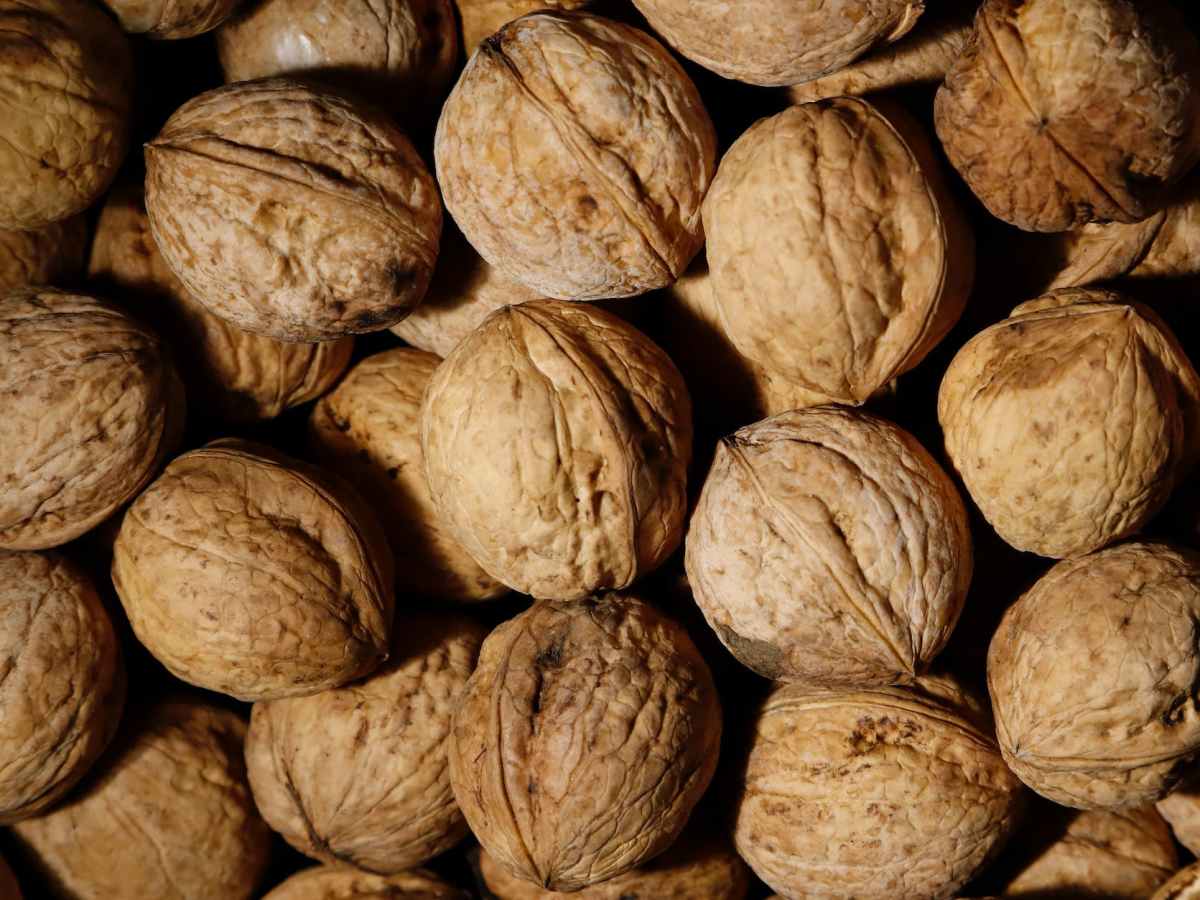
Some benefits of eating walnuts are heart health, prevention of cancer, bone health, immune system function, nerve health, and regulation of body clock.
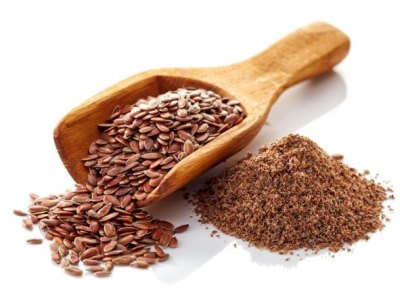
Among the claims made for it are that it may reduce cancer risk, improve cholesterol, lower blood pressure, help control blood sugar, and aid in weight control. The health benefits were observed with just 1 tablespoon (10 grams) of ground flax seeds per day. However
What time of day is better for taking supplements? For many, there are no hard and fast rules, but for a few the time of day makes a difference. Most are best absorbed with a meal, but there are some exceptions.
Vitamin B12 was discovered as a result of studies related to pernicious anemia, an autoimmune disorder in which the blood has a lower than normal number of red blood cells. The ability to absorb the vitamin declines with age, especially in people over 60 years old. The diets of vegetarians and vegans may not provide sufficient B12 unless a dietary supplement is consumed. Symptoms of vitamin B12 deficiency may include limb neuropathy, tiredness, weakness, lightheadedness, headache, breathlessness, loss of appetite, pins and needles sensations, changes in mobility, severe joint pain, muscle weakness, memory problems, decreased level of consciousness, brain fog, and others. These symptoms have been observed in individuals with B12 levels only slightly lower than normal.
Vitamin D helps the body absorb calcium, one of the main building blocks for strong bones and preventing osteoporosis. Vitamin D is also needed for muscles to move and for nerves to carry messages between the brain and the body. The immune system needs Vitamin D to fight off invading bacteria and viruses. The two forms of vitamin D in supplements are D2 and D3. Both forms increase vitamin D in the blood, but D3 might raise it higher and for longer than D2. Because vitamin D is fat-soluble, it is best absorbed when taken with a meal or snack that includes some fat.
For sleep: Take magnesium supplements 30 minutes before bed to help you relax and sleep better. Magnesium can help regulate your sleep-wake cycle and reduce muscle tension. Magnesium is essential for maintaining good health and plays a key role in everything from exercise performance to heart health and brain function.
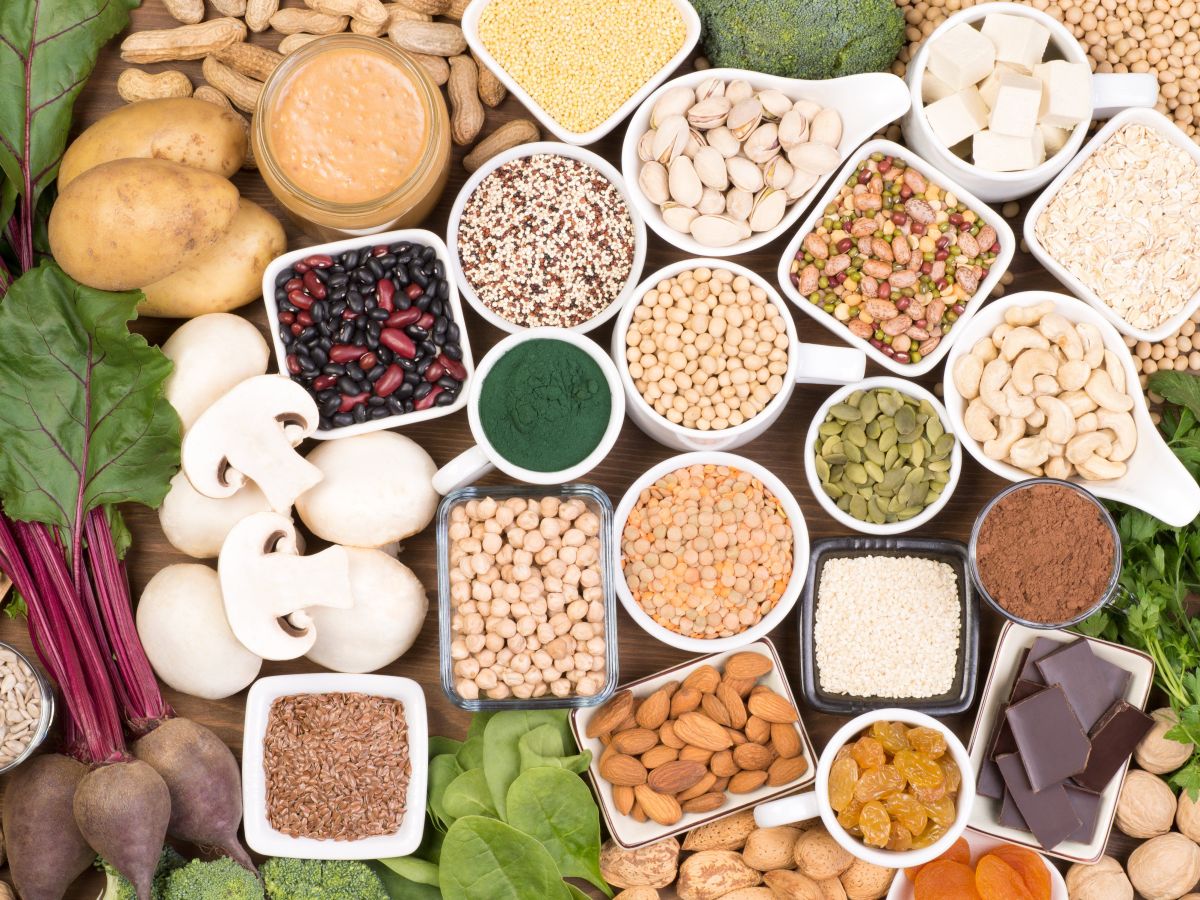
Zinc aids growth, DNA synthesis, and immune function. Zinc may effectively reduce inflammation, boost immune health, reduce risk of age-related diseases, speed wound healing, and improve acne symptoms. Beans, seeds, and nuts are rich in zinc.
When I decided to look for ways to enjoy life without meat, I found myself in a world of strange ingredients, passionate opinions, and confusing factions. I didn’t know the difference between vegan and vegetarian, and I wondered if I could use nutritional yeast to make my bread rise. I had known for a long time that raw fruits and vegetables are more beneficial than cooked, but I was unaware that raw veganism is actually a thing. I believe it’s better to avoid processed foods, but I hadn’t heard of whole food plant based eating (wfpb) nor did I suspect that there were strong opinions about all kinds of non-animal but nevertheless forbidden (depending on which practice you follow) foods. It was insensitive of me, but I had not even considered the implications, contradictions, and possible immorality of wearing leather shoes while vegan. I keep my mind open to information that might result in better health outcomes, end cruelty to animals, and save the planet from climate disaster, but I don’t attach labels to myself or my choices, and I am the only person who decides what I may and may not eat. When it comes to food, informed common sense is my only rule. The benefits of going vegan may be cancelled by the stress of worrying whether some particular culinary fault disqualifies one from membership in a given community of orthodox meat abstainers. I am not a vegan. I am a person who chooses not to eat meat. I am attentive to facts and opinions that may have a significant effect on my health and the health of people I care about. Fruit and Stuff is where I collect, sort, and interpret confusing and contradictory information and opinions related to health, especially on life without meat and on becoming as healthy as I can from eating mostly fruit and stuff!
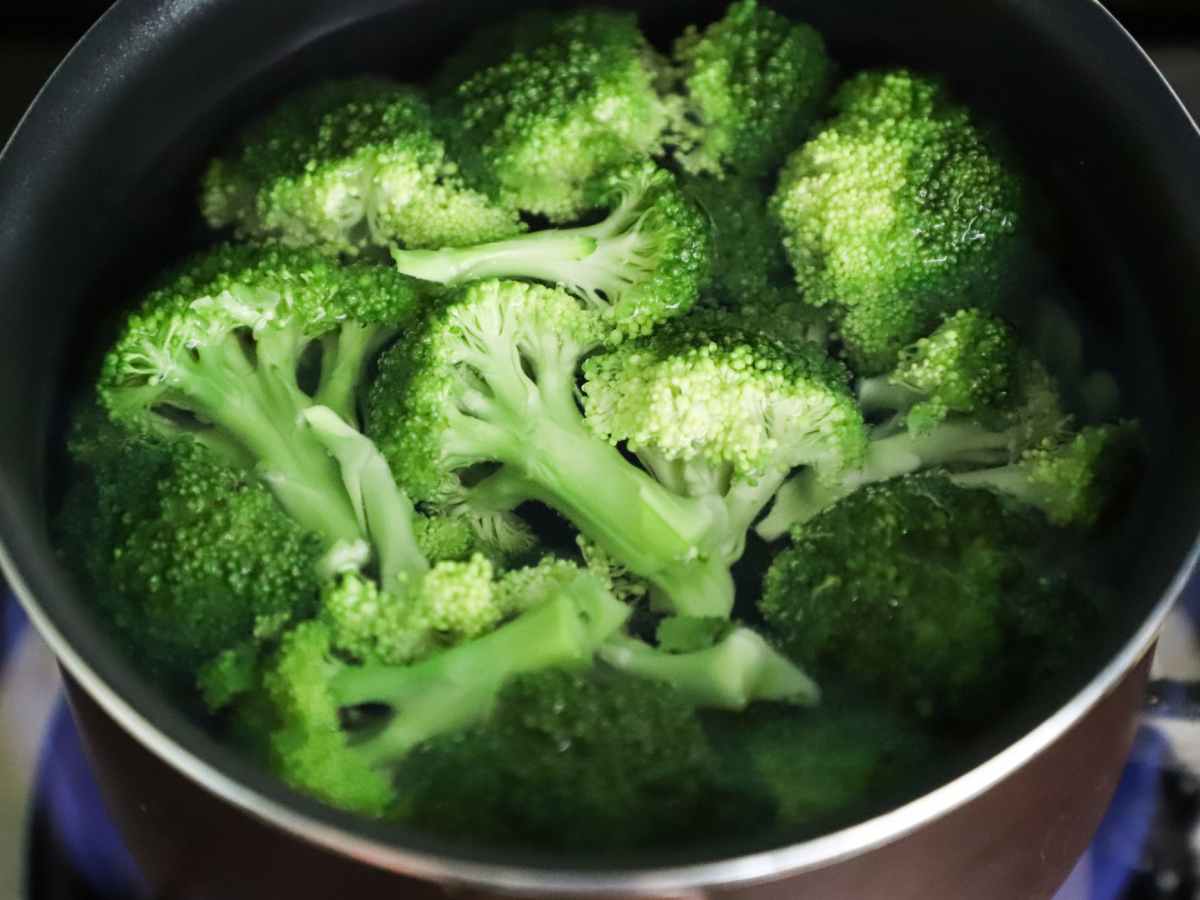
Broccoli, which has more protein than most other vegetables, is also high in fiber, vitamin C, vitamin K, iron, and potassium.
Broccoli is a cruciferous vegetable related to cabbage, kale, cauliflower, and Brussels sprouts. Broccoli may be eaten raw, but recent research suggests that gentle steaming is best for maximum health benefits. Steaming also eliminates the risk of contaminaton. Broccoli is low in calories and high in fiber, protein and Vitamin C. It also contains numerous other vitamins and minerals in smaller amounts. In fact, it provides a little bit of almost every nutrient you need.
What does protein do? Proteins are the main building blocks of your body. They’re used to make muscles, tendons, organs, and skin, as well as enzymes, hormones, neurotransmitters, and various molecules that serve many important functions. How much do I need?U.S. adults should typically consume around 50-175 grams of protein daily in a typical 2000…
What does copper do? Copper plays a role in making red blood cells and maintaining nerve cells and the immune system. Copper also helps the body form collagen and absorb iron, and plays a role in energy production. How much do I need?The recommended daily allowance (RDA) is around 900 micrograms a day for adolescents and adults.…
Some excellent sources of dietary fiber are CHICKPEAS, LENTILS, SPLIT PEAS, OATS, APPLES, PEARS, ALMONDS, CHIA SEEDS, BRUSSELS SPROUTS, and AVOCADO. Recommended daily amounts for adults and adolescents are between 22 and 38 grams, depending on the number of calories consumed. Most Americans consume only about 15 grams.
Vitamin C has been linked to many impressive health benefits that include boosting antioxidant levels, lowering blood pressure, protecting against gout attacks, improving iron absorption, boosting immunity, and reducing heart disease and dementia risk.
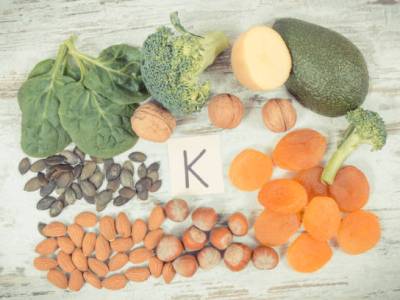
What does Vitamin K do? Vitamin K is an essential nutrient that plays a critical role in blood clotting, wound healing, and bone health. People who don’t have enough vitamin K in their system are at greater risk of increased bleeding and bone fractures. How much do I need?The recommended daily amount for adults 19…
What does iron do? Iron is an important mineral that your body needs to make hemoglobin, a protein in red blood cells. Red blood cells help carry oxygen throughout your body. How much do I need?The Recommended Daily Allowances vary for gender, age, pregnancy, and lactation. Age RDA PREGNANCY LACTATION Male 14-18 11 mg Female…
What does potassium do? Potassium is a mineral found in the foods you eat. It’s also an electrolyte. Electrolytes conduct electrical impulses throughout the body. They assist in a range of essential body functions, including blood pressure, normal water balance, muscle contractions, nerve impulses, digestion, heart rhythm, and pH balance (acidity and alkalinity). How much do…













 Fruit & Stuff