Posted in NUTRIENTS

Vitamin E

What does Vitamin E do?
Vitamin E acts as an antioxidant, scavenging loose electrons—so-called “free radicals”—that can damage cells. It also enhances immune function and prevents clots from forming in heart arteries. Antioxidant vitamins, including vitamin E, came to public attention in the 1980s when scientists began to understand that free radical damage was involved in the early stages of artery-clogging atherosclerosis, and might also contribute to cancer, vision loss, and a host of other chronic conditions.

How much do I need?
The Recommended Dietary Allowance of Vitamin E is 15 mg daily.

Are supplements recommended?
Most people do not need to take Vitamin E supplements if they eat a balanced diet, as it is easily obtained from nuts, seeds, and vegetable oils. Supplements are generally only recommended for people with specific absorption issues, such as Crohn’s disease, cystic fibrosis, or certain dietary restrictions. 

What are some good plant food sources of Vitamin E?
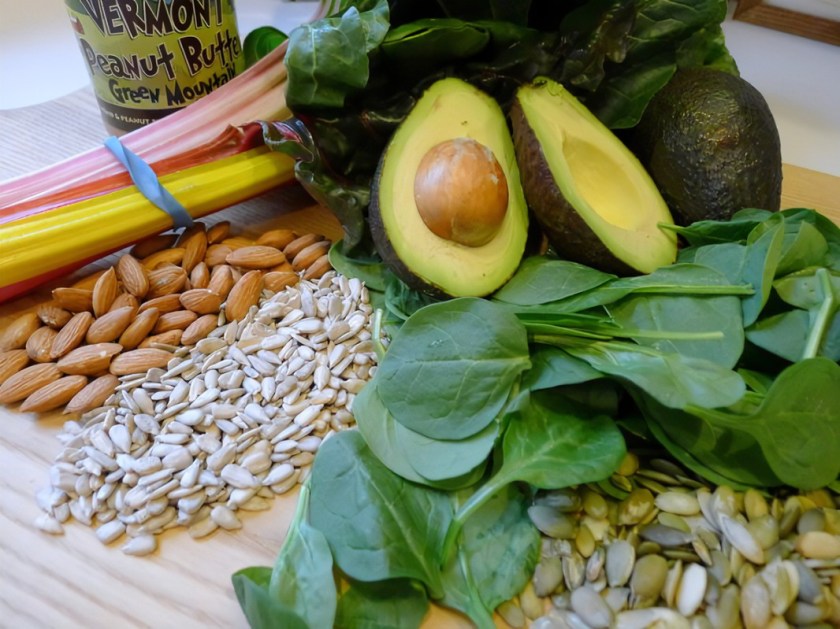
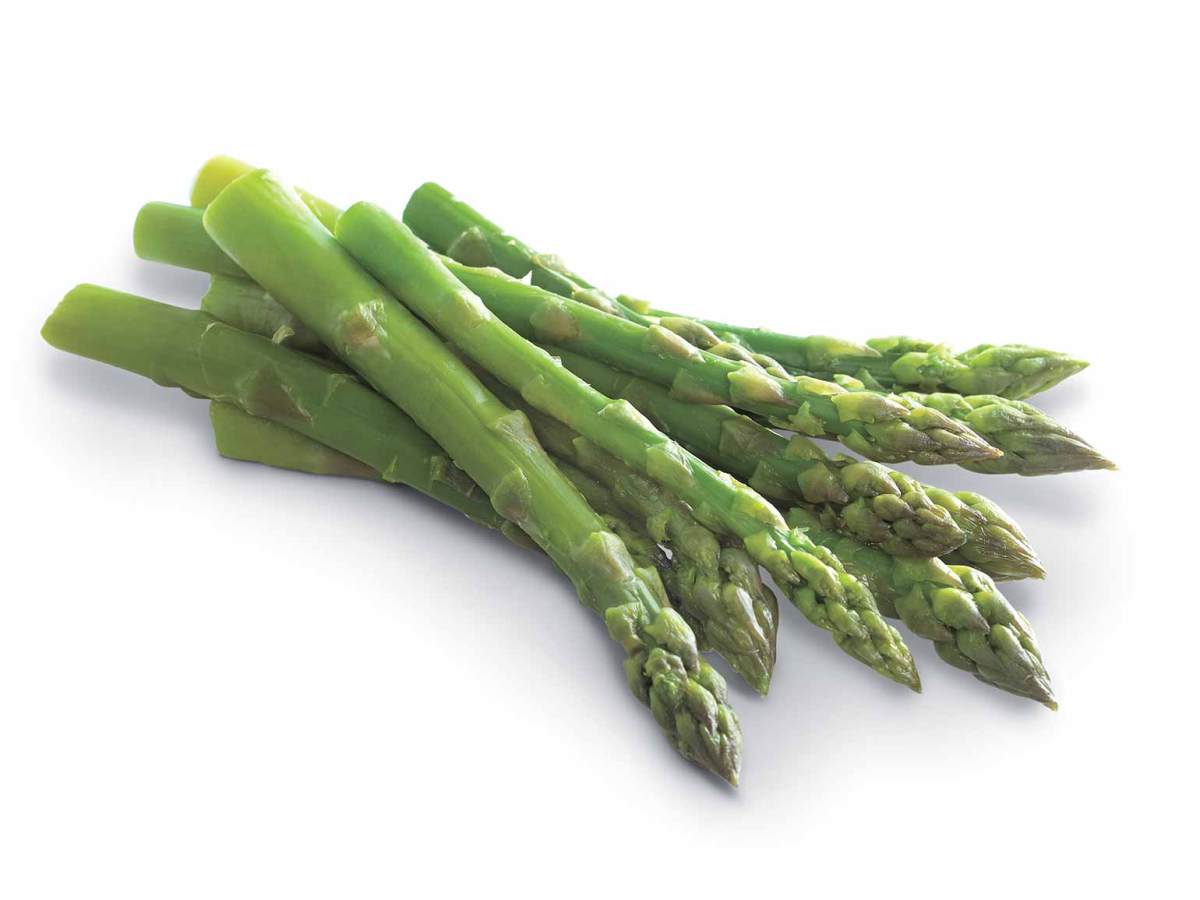
Mango, avocado, almonds, asparagus, peanuts, pumpkin, wheat germ oil, and sunflower seeds are rich in Vitamin E.

Source: Harvard School of Public Health

Foods Rich in Vitamin E

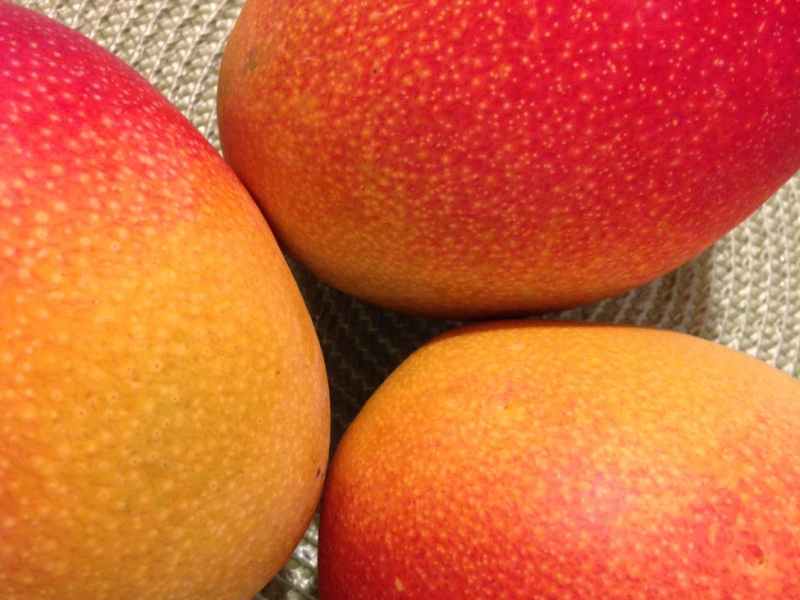
Mango Facts

One cup of fresh mango contains fewer than 100 calories, but packs 67% of the daily requirement for vitamin C.

Avocado Facts *superfood*

Avocados improve heart health; support eye, skin, and hair health; fight cancer cell growth; promote weight loss; enhance digestive health; protect against diabetes; and decrease arthritis symptoms.
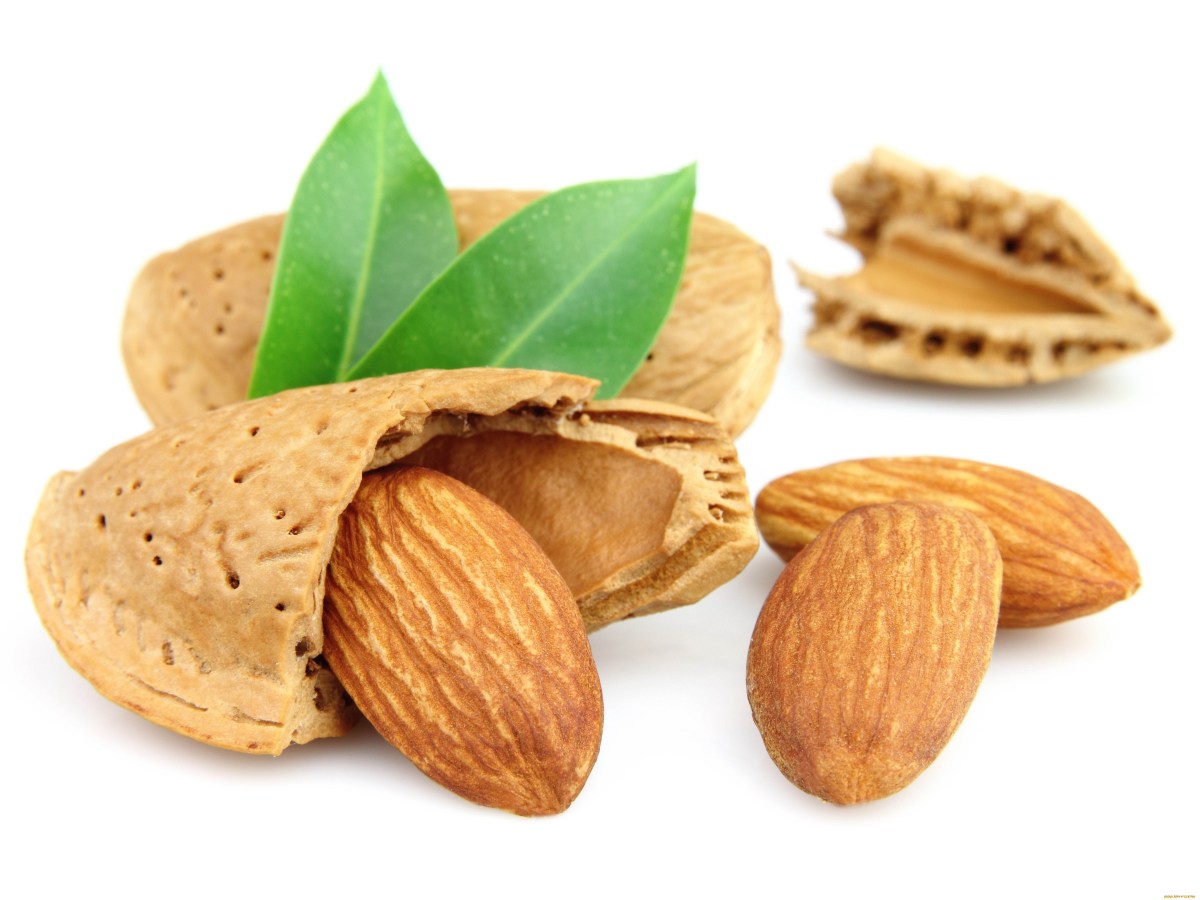
Almond Facts

Almonds are rich in Vitamin E, magnesium, and manganese Almond is the edible seed of Prunus dulcis, a species of tree native to Iran but widely cultivated elsewhere. It is classified with the peach in the subgenus Amygdalus, distinguished from the other subgenera by corrugations on the shell surrounding the seed. Almonds are sold shelled…
Posted in RECIPES

Mango Banana Frozen Treat

Three ingredients and a blender are all you need to make this delicious vegan treat, also known as “nice cream.” This recipe can be adapted with different fruits and flavors in addition to the banana.

PREP 20 min / SERVES 4

  • INGREDIENTS
    • 1 MEDIUM BANANA, peeled, frozen, and cut into 1-inch slices
    • 2-3 MANGOS, pitted, peeled, frozen, and cut into small pieces
    • 2/3 c ALMOND MILK (or the plant milk that you prefer)
    • Pinch of SALT (about 1/8 tsp)
  • INSTRUCTIONS
    1. Blend BANANA and MANGO in food processor until well mixed.
    2. Add pinch of SALT and plant-based MILK and blend until desired consistency is achieved
    3. Serve as is or store in freezer for a harder freeze
Posted in PLANT FOOD FACTS

Mango Facts

I used to think that “healthy” and “low calorie” meant “less than delicious.” I thought that “sweet” was a synonym of “fattening.” Then I met The Mango. One cup of fresh mango contains fewer than 100 calories, but packs 67% of the daily requirement for vitamin C.

Recipe: Mango Banana Frozen Treat

mango, an edible stone fruit produced by the tropical tree Mangifera indica, is believed to have originated from the region between northwestern MyanmarBangladesh, and northeastern India. Mango fruit varies in size, shape, sweetness, skin color, and flesh color which may be pale yellow, gold, green, or orange. It is the national fruit of IndiaPakistan and the Philippines. The mango tree is the national tree of Bangladesh.

Mango reduces the risk of developing diabetes, boosts immunity, supports healthy heart fuction, aids digestive health, and may help prevent several kids of cancer. One cup of fresh mango contains fewer than 100 calories, but it packs 67% of the daily requirement for vitamin C. In moderate amounts, it reduce the risk of diabetes. Mango has over a dozen different types of polyphenols, which function as antioxidants. Several B vitamins, along with vitamins A, C, K, and E boost the immune system. Magnesium, potassium, and the antioxidant mangiferin support healthy heart function. Digestive enzymes, water, dietary fiber, and other compounds aid various aspects of digestive health. Lutein, zeaxanthin, and vitamin A support eye health. Lutein and zeaxanthin may protect your eyes from the sun, while a lack of vitamin A can create vision problems. Mango polyphenols fight oxidative stress, which is linked to many health conditions, including colon, lung, prostate, breast, and bone cancers.

1 cup of fresh mango provides
CALORIES100
CARBOHYDRATE24.7g
FAT0.6g
FIBER2.6g
PROTEIN1.4g
SUGAR22.5g
COPPER20%DV
MAGNESIUM4%DV
POTASSIUM6%DV
VITAMIN A (RETINOL)10%DV
VITAMIN B1 (THIAMINE)4%DV
VITAMIN B2 (RIBOFLAVIN)5%DV
VITAMIN B3 (NIACIN)7%DV
VITAMIN B612%DV
VITAMIN B9 (FOLATE)18%DV
VITAMIN C67%DV
VITAMIN E10%DV
VITAMIN K6%DV
Sources: Wikipedia / healthline