What does magnesium do?
Magnesium is essential for maintaining good health and plays a key role in everything from exercise performance to heart health and brain function. One of its main roles is to act as a cofactor in the biochemical reactions continuously performed by enzymes. It’s involved in more than 600 reactions in your body, including:
- Energy creation: converting food into energy
- Protein formation: creating new proteins from amino acids
- Gene maintenance: helping create and repair DNA and RNA
- Muscle movements: aiding in muscle contraction and relaxation
- Nervous system regulation: regulating neurotransmitters, which send messages throughout your brain and nervous system
How much do I need?
| AGE | MALE | FEMALE | PREGNANCY | LACTATION |
|---|---|---|---|---|
| Birth to 6 months | 30 mg* | 30 mg* | ||
| 7 to 12 months | 75 mg* | 75 mg* | ||
| 1 to 3 years | 80 mg | 80 mg | ||
| 4 to 8 years | 130 mg | 130 mg | ||
| 9 to 13 years | 240 mg | 240 mg | ||
| 14 to 18 years | 410 mg | 360 mg | 400 mg | 360 mg |
| 19 to 30 years | 400 mg | 310 mg | 350 mg | 310 mg |
| 31 to 50 years | 420 mg | 320 mg | 360 mg | 320 mg |
| 51+ years | 420 mg | 320 mg |
Are supplements recommended?
Approximately 50% of U.S. adults get less than the recommended daily amount of magnesium, Magnesium supplements may be especially beneficial for older adults and those with a deficiency in this nutrient. There are several types of magnesium supplements. Here is a guide to the different types to help choose the most effective magnesium supplement. Consult a healthcare professional to find the best form and dosage for your specific needs.
- For Sleep/Anxiety: Magnesium Glycinate or Taurate.
- For Constipation: Magnesium Citrate or Oxide (use oxide cautiously).
- For Brain Health: Magnesium L-Threonate.
- For Energy/Pain: Magnesium Malate.
- For General Deficiency: Magnesium Citrate, Glycinate, or Malate.
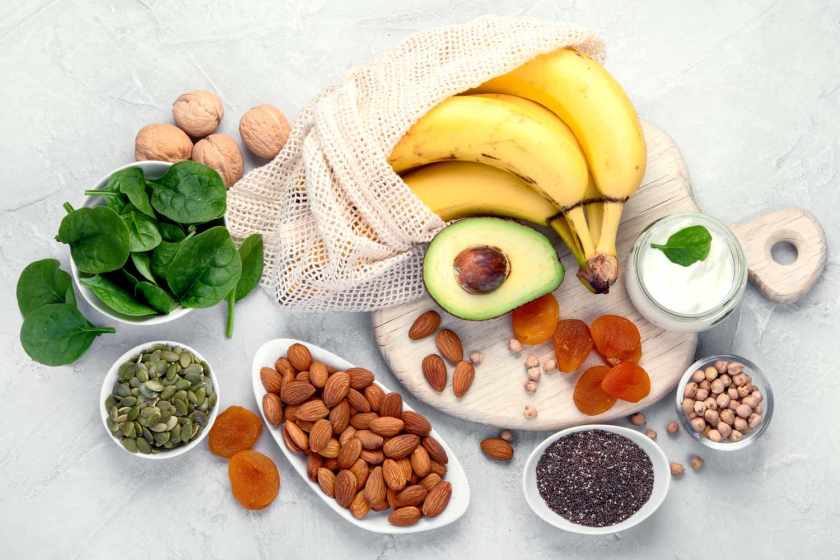
What are some good plant food sources of magnesium?
PUMPKIN SEEDS, CHIA SEEDS, SPINACH, ALMONDS, CASHEWS
- Pumpkin seeds: 37% of the DV per ounce (28 grams)
- Chia seeds: 26% of the DV per ounce (28 grams)
- Spinach, boiled: 19% of the DV per 1/2 cup (90 grams)
- Almonds: 19% of the DV per ounce (28 grams)
- Cashews: 18% of the DV per ounce (28 grams)
- Black beans, cooked: 14% of the DV per 1/2 cup (86 grams)
- Edamame, cooked: 12% of the DV per 1/2 cup (78 grams)
- Peanut butter: 12% of the DV per 2 tablespoons (32 grams)
- Brown rice, cooked: 10% of the DV per 1/2 cup (100 grams)
- Avocado: 5% of the DV per 1/2 cup (75 grams)
Source: Healthline
Some Magnesium-Rich Foods
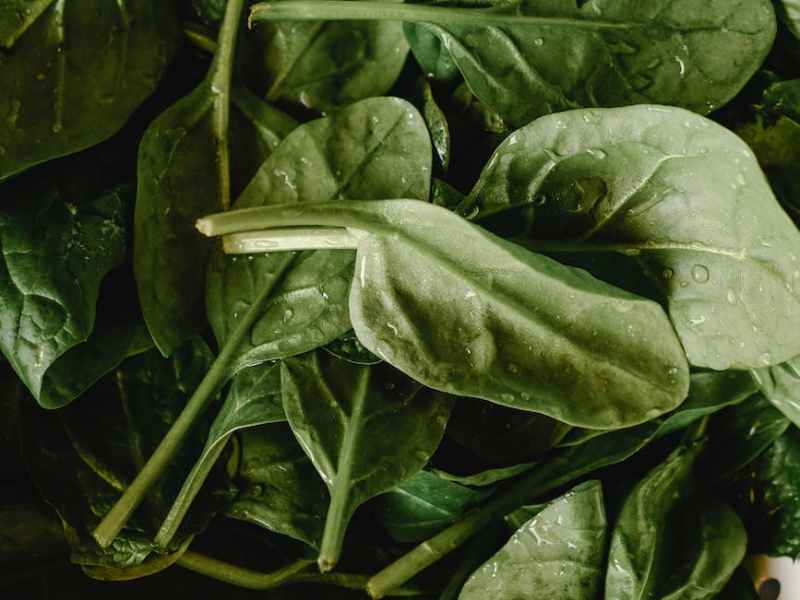
Spinach Facts
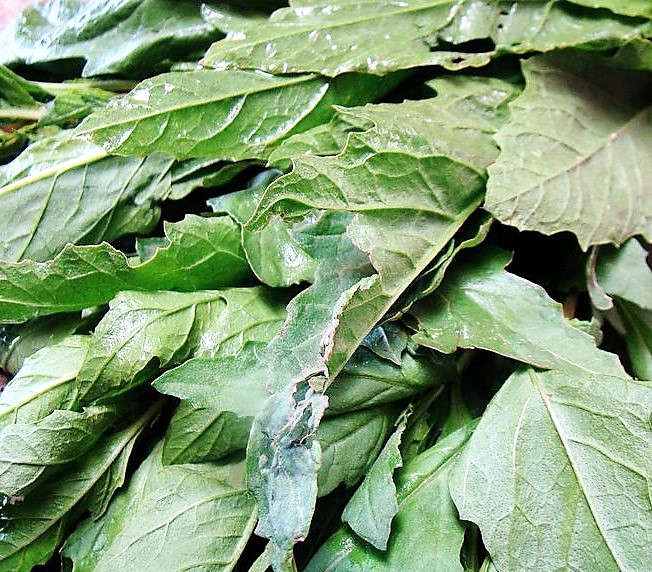
Spinach (español: espinacas) is a leafy green flowering plant whose leaves are consumed cooked or raw. Spinach is a good source of VITAMIN C, IRON, POTASSIUM, VITAMIN E, and MAGNESIUM. The possible health benefits of consuming spinach include blood glucose control, lower risk of cancer, and improved bone health. As part of a nutritious diet, it can help support immune function,…
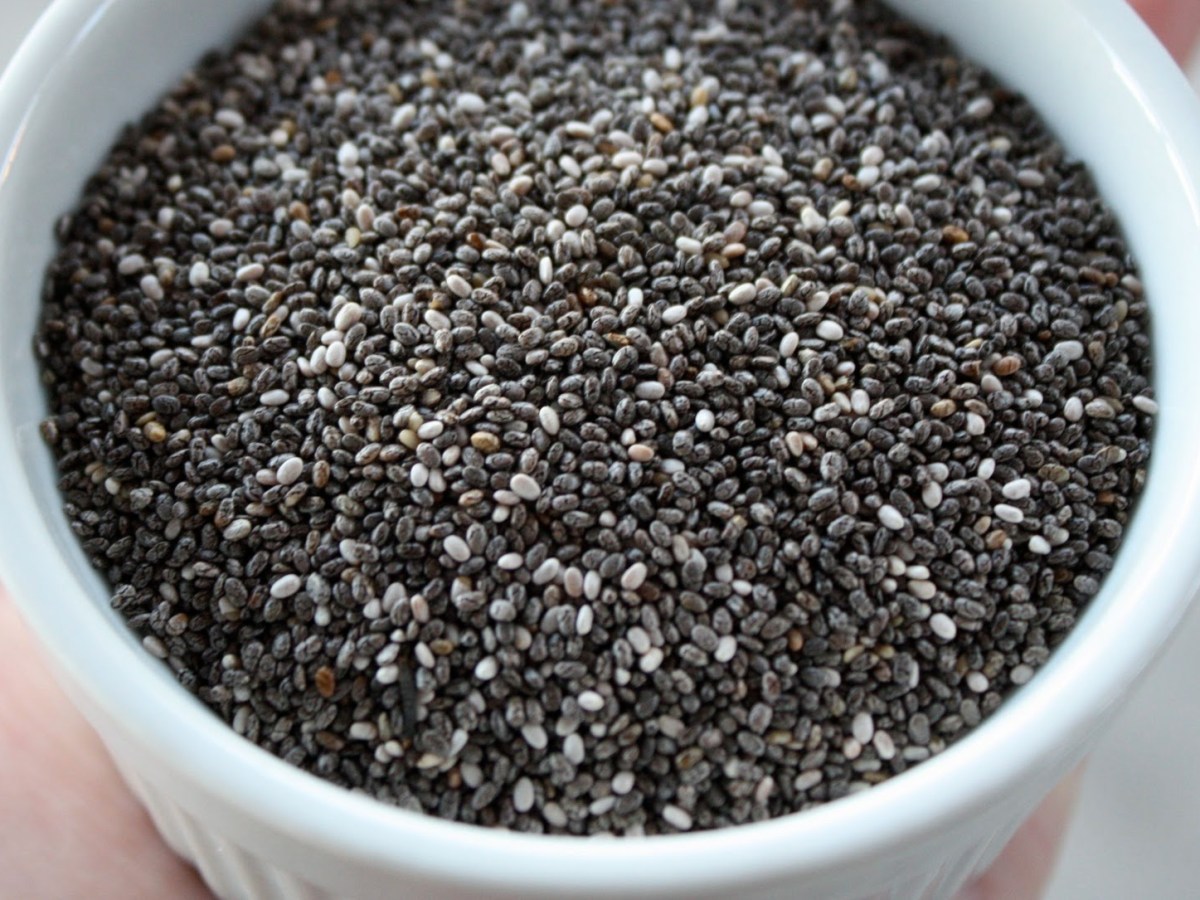
Chia Seed Facts
Chia is a flowering plant in the mint family, native to central and southern Mexico and Guatemala. It is rich in calcium, phosphorous, and other minerals.
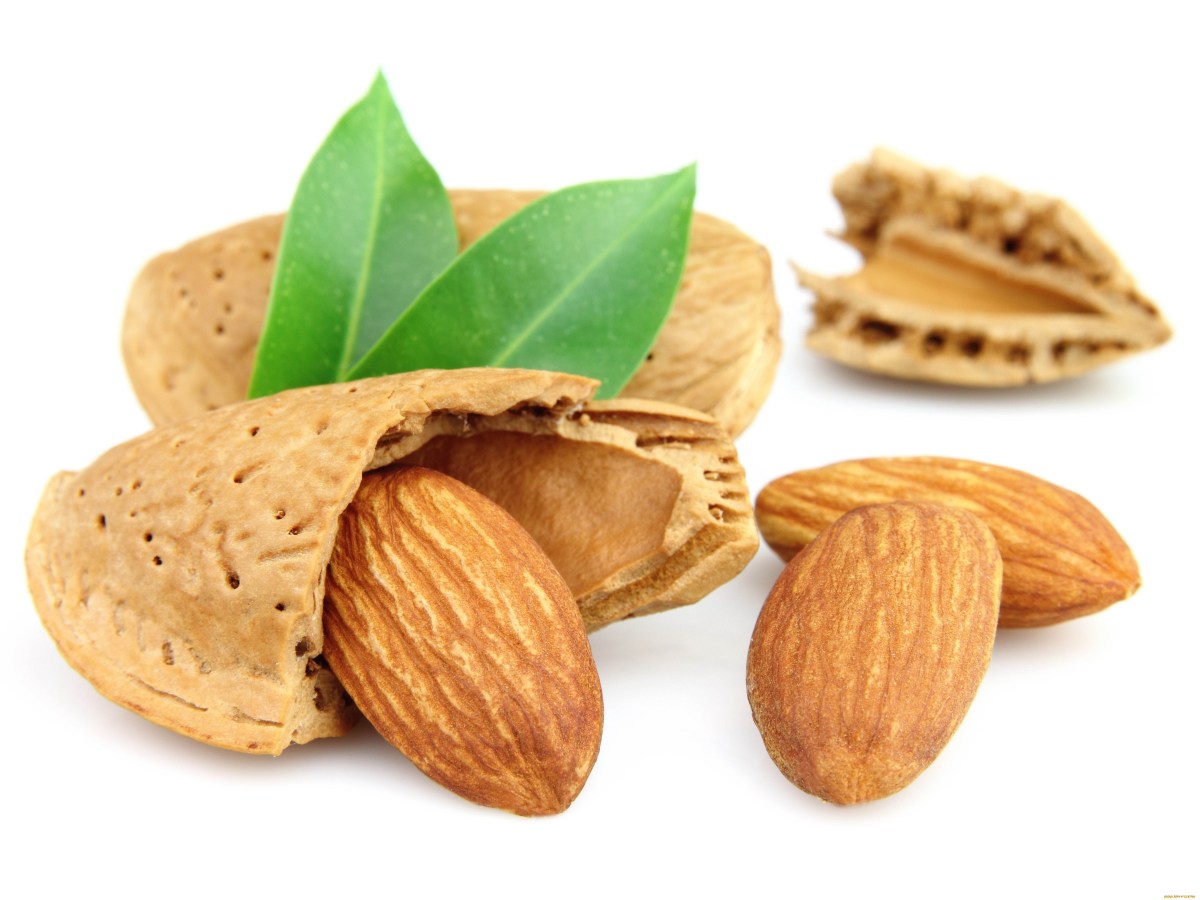
Almond Facts
Almonds are rich in Vitamin E, magnesium, and manganese Almond is the edible seed of Prunus dulcis, a species of tree native to Iran but widely cultivated elsewhere. It is classified with the peach in the subgenus Amygdalus, distinguished from the other subgenera by corrugations on the shell surrounding the seed. Almonds are sold shelled…
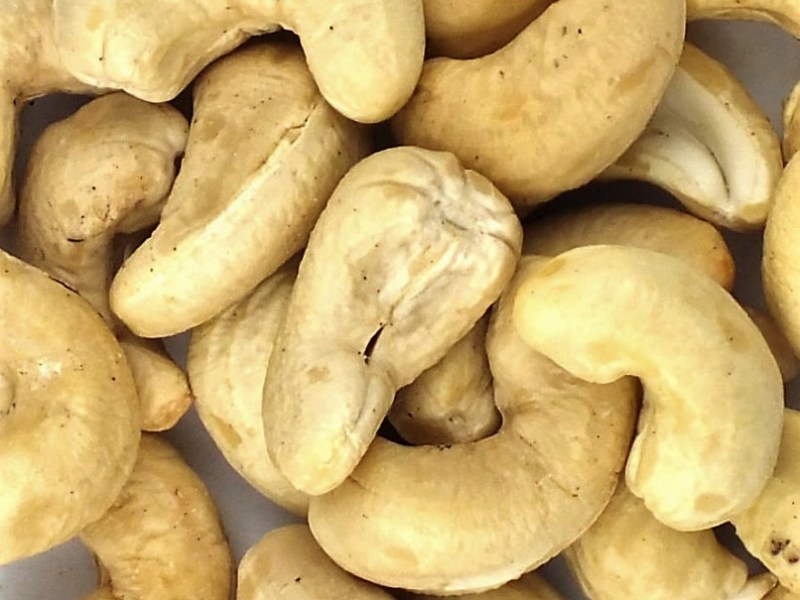
Cashew Facts
Cashews pack 67% of the daily copper requirement, needed to form red blood cells.

Avocado Facts *superfood*
Avocados improve heart health; support eye, skin, and hair health; fight cancer cell growth; promote weight loss; enhance digestive health; protect against diabetes; and decrease arthritis symptoms.
 Fruit & Stuff