Posted in NUTRIENTS

Vitamin D

What does Vitamin D do? 
Vitamin D helps the body absorb calcium, one of the main building blocks for strong bones and preventing osteoporosis. Vitamin D is also needed for muscles to move and for nerves to carry messages between the brain and the body. The immune system needs Vitamin D to fight off invading bacteria and viruses.
How much do I need?
The recommended amount of Vitamin D for adults 71 and older is 20 mcg (800 IU) daily. For all others, the amount is 15 mcg (600 IU). Vitamin D is available in dietary supplements. The two forms of vitamin D in supplements are D2 and D3. Both forms increase vitamin D in the blood, but D3 might raise it higher and for longer than D2. Because vitamin D is fat-soluble, it is best absorbed when taken with a meal or snack that includes some fat.
What are some good plant food sources of Vitamin D?
There are very few food sources. The body makes Vitamin D when bare skin is exposed to the sun.
Are supplements recommended? 
Almost one out of four people have vitamin D blood levels that are too low or inadequate for bone and overall health. In children, vitamin D deficiency causes rickets, a disease in which the bones become soft, weak, deformed, and painful. In teens and adults, vitamin D deficiency causes osteomalacia, a disorder that causes bone pain and muscle weakness. Many people of all ages need Vitamin D supplements.

Source: National Institutes of Health

This video has an informative discussion about Vitamin D
Posted in NUTRIENTS

Selenium

What does selenium do? 
Selenium is needed to fight infections and for reproductive function.
How much do I need?
Adults need 55 micrograms daily. In pregnancy and lactation, 60 micrograms are recommended.
What are some good plant food sources of selenium?
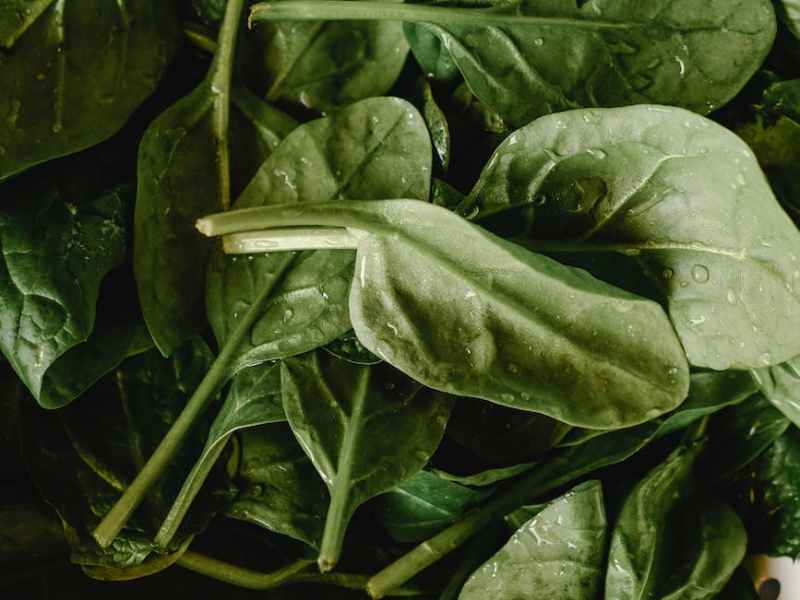
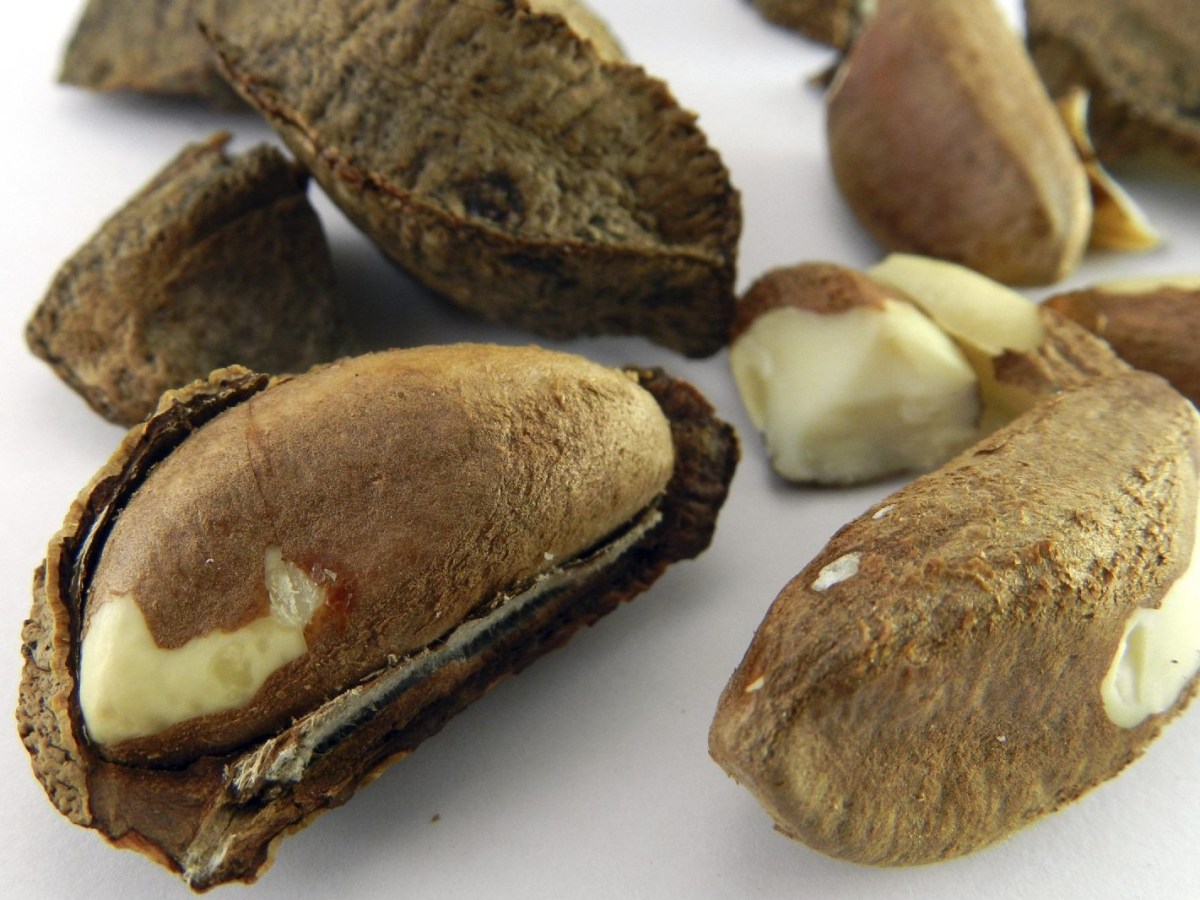
Brazil Nuts, Brown Rice, Sunflower Seeds, Baked Beans, Mushrooms, Oatmeal, Spinach, Lentils, Cashews, and Bananas are some good sources of selenium.
Are supplements recommended? 
Selenium deficiencies are rare in the United States, and too much selenium can be toxic, so supplements are not recommended. However, people suffering from HIV, Chron's disease, and hypothyroidism should consult their health care provider because these conditions can make it hard to absorb selenium.

Selenium-Rich Foods and Recipes

How to Cook Brown Rice

The secret of fluffy brown rice is rinse before cooking and boil uncovered for a full 30 minutes. Brown rice can help prevent or improve several health conditions, including diabetes and heart disease.

Lentil and Apricot Salad Recipe

Combining foods rich in Vitamin C, like apricots, tomatoes, and lemon juice, with iron-rich foods such as lentils, can improve the absorption of non-heme iron.

Lentil Facts

Low in calories, high in protein, fiber, B Vitamins, iron, folate, magnesium, zinc, and potassium.

Brazil Nuts Facts

Brazil nuts are rich in healthy fats, selenium, magnesium, copper, phosphorus, manganese, thiamine, and vitamin E.

Posted in PLANT FOOD FACTS

Walnut Facts

Walnuts are an excellent source of OMEGA-3 and OMEGA-6 FATTY ACIDS, COPPER, PHOSPHOROUS, VITAMIN B6, MANGANESE, ELLAGIC ACID, CATECHIN, MELATONIN, and PHYTIC ACID. Some benefits of eating walnuts are heart health, prevention of cancer, bone health, immune system function, nerve health, regulation of body clock. Walnuts (Juglans regia) are a tree nut belonging to the walnut family. They originated in the Mediterranean region and Central Asia and have been part of the human diet for thousands of years. Even though walnuts are rich in fat and calories, studies indicate that they don’t increase obesity risk when replacing other foods in your diet. Walnuts are richer in polyunsaturated fats than most other nuts. The most abundant one is an omega-6 fatty acid called linoleic acid. They are the only nuts that contain a relatively high percentage of the healthy omega-3 fat alpha-linolenic acid (ALA), which is beneficial for heart health and helps reduce inflammation and improve the composition of blood fats. Walnuts are very healthy, but some people are allergic and must avoid them. Phytic acid may impair mineral absorption, though this is usually of no concern to people who eat a balanced diet.