Spinach (español: espinacas) is a leafy green flowering plant whose leaves are consumed cooked or raw. Spinach is a good source of VITAMIN C, IRON, POTASSIUM, VITAMIN E, and MAGNESIUM. The possible health benefits of consuming spinach include blood glucose control, lower risk of cancer, and improved bone health. As part of a nutritious diet, it can help support immune function, aid the digestive system, may even have anticancer properties. Spinach is typically safe to consume as part of a well-rounded, nutritious diet, but some people may benefit from limiting their intake of this vegetable. Spinach is rich in dietary oxalate, which can increase a person’s risk of kidney stones. The high oxalate content may be reduced by steaming. Spinach contains:
Alpha-lipoic acid
an antioxidant which lowers glucose levels, increases insulin sensitivity, and prevents oxidative, stress-induced changes in patients with diabetes.
Vitamin K
Scientists have found a link between low intakes of vitamin K and a higher risk of bonefracture. Vitamin K acts as a modifier of bone matrix proteins, improves calcium absorption, and may reduce the amount of calcium that leaves the body in urine.
Protein and carbohydrates.
Most of the calories from protein and carbohydrates, which play important roles in the body, from maintaining eye health to reducing inflammation.
Chlorophyll
Research suggests chlorophyll may have anticancer properties and that people who eat diets rich in green vegetables may have a lower riskof cancer.
Potassium
It can help reduce the effects of sodium in the body. A low potassium intake might be as potent a risk factor for developing high blood pressure as a high sodium intake.
Fiber and water
Both help prevent constipation and promote a healthy digestive tract.
Vitamin A
It moderates oil production in the skin pores and hair follicles to moisturize the skin and hair. A buildup of this oil can lead to acne. Vitamin A is necessary for the growth of all bodily tissues, including skin and hair.
Vitamin C
It is crucial for building and maintaining collagen, which provides structure to skin and hair.
Iron
Iron deficiency is a common cause of hairloss, which a person can help prevent with a diet of sufficient iron-rich foods, such as spinach.
Carbohydrates are sugar molecules that are broken down down into glucose, which is the main source of energy for cells, tissues, and organs. On average, people should get 45 to 65% of their daily calories from carbohydrates, based on a 2,000-calorie diet. There are three main types of carbohydrates: sugars, starches, and fiber.
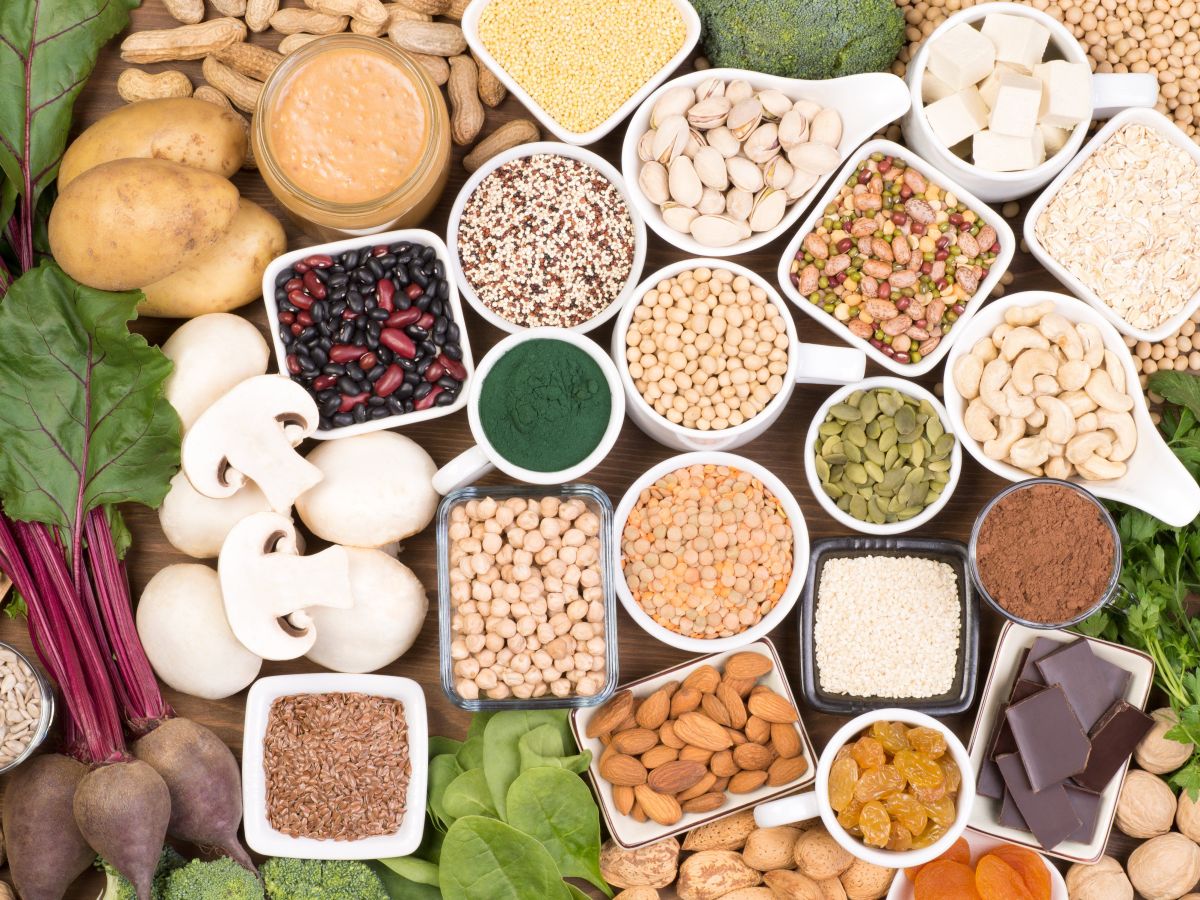
Lentils (lentejas) are edible seeds from the legume family. They are a food staple in Turkey, Syria, Jordan, Morocco, and Tunisia. Some of the most common types of lentils are brown, puy, green, yellow and red, and beluga. Brown lentils are the most widely known type. They’re easily cooked in 5–30 minutes and do not require soaking. Lentils are an excellent source of plant-based protein and fiber, B vitamins, iron, magnesium, potassium, and zinc. They also provide polyphenols, which have antioxidant and anti-inflammatory properties with potential cancer cell-inhibiting effects. Furthermore, lentils contain a broad range of beneficial phytochemicals, which protect against chronic diseases. Eating lentils has positive effects on several risk factors for heart disease and type 2 diabetes. It helps lower blood pressure and levels of homocysteine. Lentils are very filling and appear to keep blood sugar levels steady. and eating lentils may help decrease your overall food intake, which could contribute to weight loss.
It should be noted that lentils contain antinutrients such as trypsin inhibitors and phytic acid, which reduce the absorption of some nutrients. However, the amounts are small, and cooking lentils will minimize these.
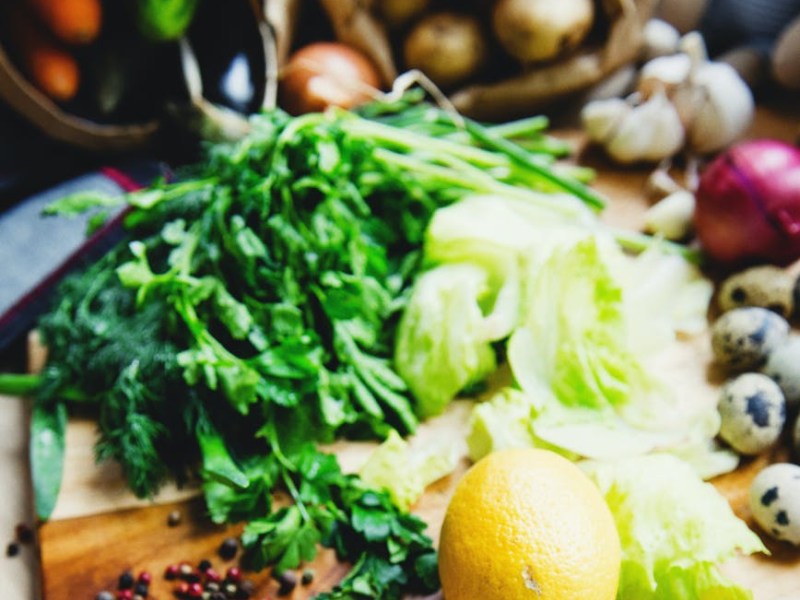
Endive is a good source of fiber and is rich in antioxidants and Vitamin K.
Endive (pronounced in-dive or ahn-deev) is a leafy vegetable in the chicory root family. It has a crisp, crunchy texture and a slightly bitter taste. It can be used raw or cooked. There are three main types:
Curly endive (Cichorium endivia var. crispum) has a bitter flavor and curly leaves. It is also known as frisée or chicory.
Belgian endive (Cichorium intybus var. foliosum Endive) has pale yellow leaves and is moderately bitter. Red endive, or radicchio, has more of a reddish hue.
Broad-leafed endive (Cichorium endivia var. latifolium) belongs to the same genus and species as curly endive, but it’s slightly less bitter than the other two varieties. It’s also sometimes referred to as escarole.
It contains 72 per cent of the RDI of vitamin K in a 1/2 cup serving. Vitamin K is important for bone health and bone metabolism, reducing the risk of fractures and bone loss.
One cup of chayote provides 31% of daily folate requirements and 17% of Vitamin C.
Chayote (español: chayote) (Sechium edule) is a type of squash that belongs to the gourd family. Chayote is green and pear-shaped with a white inner flesh that is mild, sweet, juicy and crisp. The chayote plant is perennial and native to the tropics of the Western Hemisphere. Chayote is available year-round but its peak season is fall.
It is loaded with B vitamins, potassium and vitamin C. Chayote is rich in folate, a B vitamin essential to cell division and DNA formation. Extracts of chayote leaf, stem and seed have antimicrobial benefits against strains of bacteria, even some that are antibiotic-resistant.
A folate deficiency can lead to lack of energy, poor immune function and impaired digestion. Folate is especially important nutrient for pregnant women to prevent birth defects like spina bifida.
Nutrition: 1 cup chayote
calories 25 carbohydrates 6 g fat 0 g fiber 2.2 g folate 31% DV magnesium 4% DV manganese 12% DV niacin 3% DV potassium 5% DV protein 1.1 g sugar 2.2 g zinc 7% DV vitamin B6 5% DV vitamin C 17% DV vitamin K 7% DV
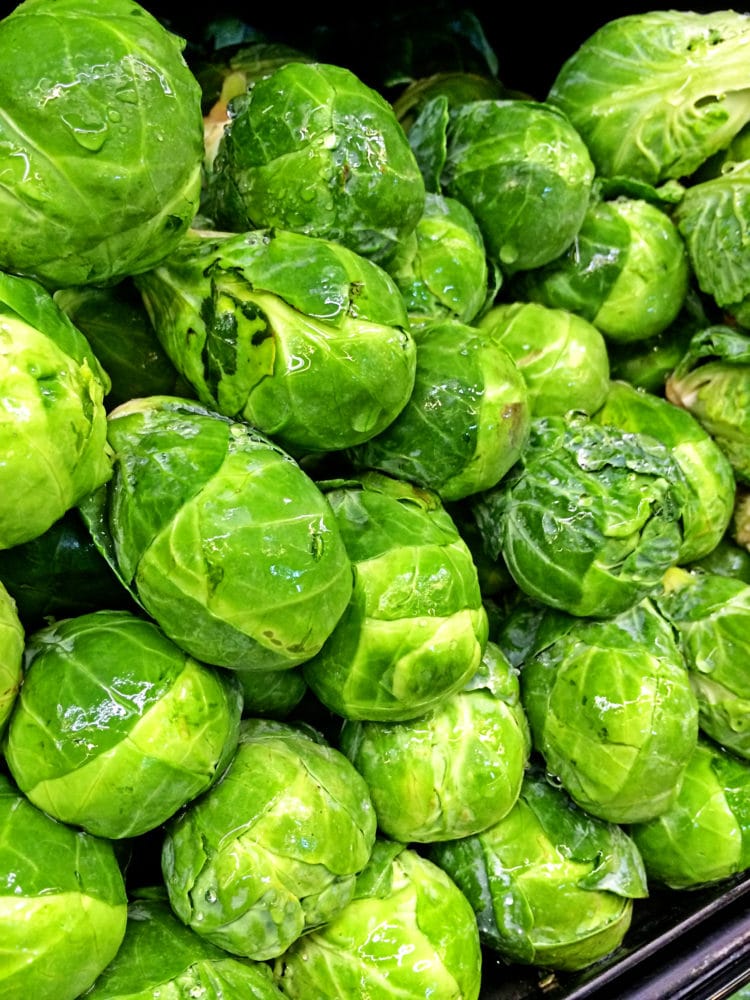
Brussels sprouts are low in calories but high in many nutrients, especially fiber, vitamin K and vitamin C.
The brussels sprout (español: coles de bruselas) is a member of the Gemmifera Group of cabbages (Brassica oleracea), grown for its edible buds. The leaf vegetables are typically half and inch to one-and-a-half inches in diameter and look like miniature cabbages. They have long been popular in Brussels, Belgium, and may have gained their name there. They contain kaempferol, an antioxidant that may reduce cancer growth, decrease inflammation and promote heart health. Because of their high fiber content, they promote regularity, support digestive health and reduce the risk of heart disease and diabetes. They are very high in Vitamin K, which is important for blood clotting and bone metabolism. The fiber and antioxidants in Brussels sprouts may help keep your blood sugar levels stable. They are a good source of ALA omega-3 fatty acids, which can reduce inflammation, insulin resistance, cognitive decline and blood triglycerides. Brussels sprouts can be roasted, boiled, sautéed or baked. They are a good addition to pasta or stir-fries. Recipe: Brussels Sprouts in Balsamic Dijon Sauce.
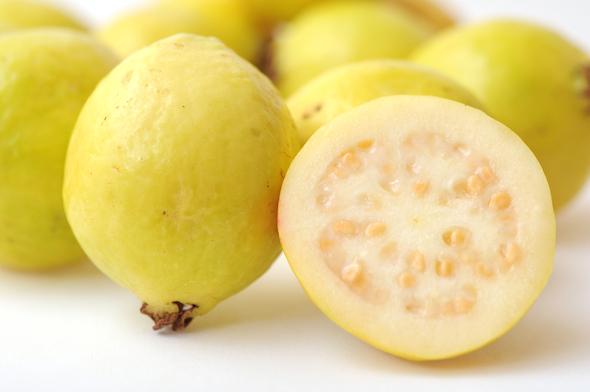
Among the claims for guavas are that they improve heart health, blood sugar levels, painful menstruation, digestion, and skin.
Guava (español: guayaba) is a tropical fruit cultivated in many tropical and subtropical regions. Psidium guajava is a small tree in the myrtle family, native to Mexico, Central America. Guavas are typical Myrtoideae, with tough dark leaves and white flowers with five petals and numerous stamens. The fruits are many-seeded berries. I had just moved to Guadalajara, Mexico, when I tasted my first guayaba. I was hooked. When ripe, the guayaba, or guava, is very sweet and delicious, peeling, seeds and all. Just wash and eat it like an apple. They are also made into a popular candy called ate. (pronounced ah-tay). Guayabate is one of my favorite sweets.
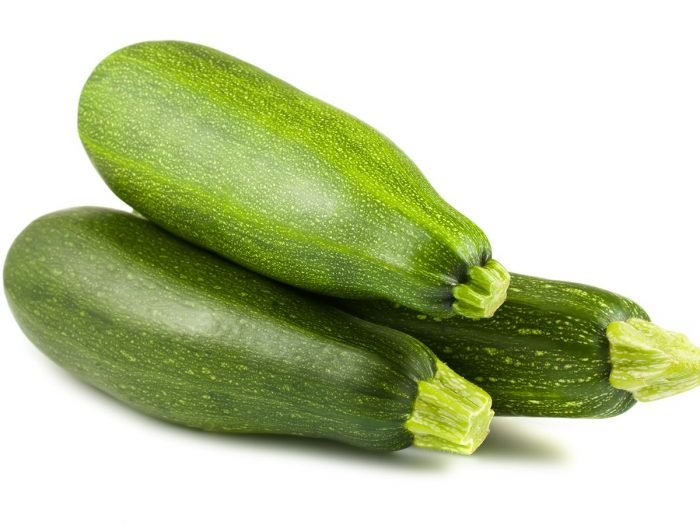
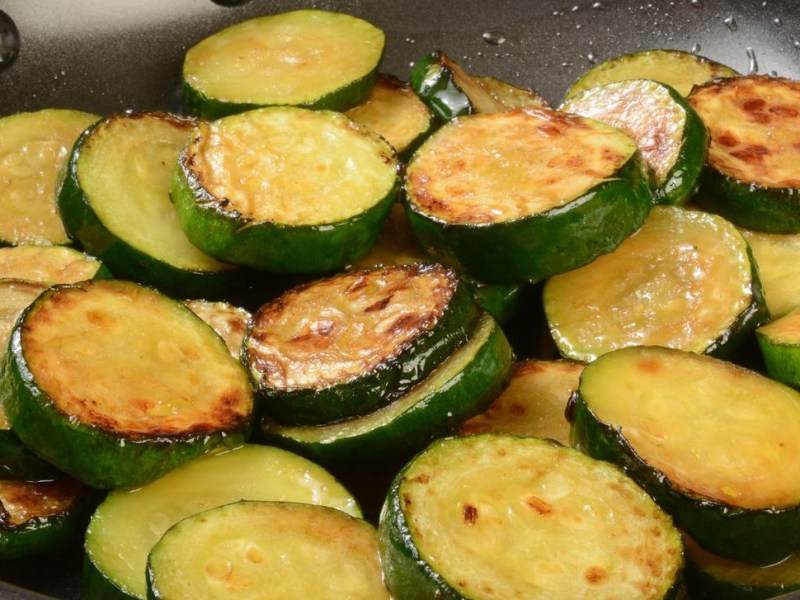
Zucchini (español: calabacita), also known as courgette, is a summer squash in the Cucurbitaceae plant family, which includes melons, spaghetti squash, and cucumbers. It can grow to more than 3.2 feet (1 meter) in length but is usually harvested when still immature — typically measuring under 8 inches (20 cm). Although zucchini is often considered a vegetable, it is botanically classified as a fruit. It occurs in several varieties, which range in color from deep yellow to dark green. Zucchini is delicious raw or cooked. Since the skin of the plant contains high levels of antioxidants, it is best served unpeeled. Zucchini can be grated, sliced, or stuffed. It is delicious boiled, steamed, grilled, baked, broiled, or breaded and fried. It is a healthy ingredient in salads, soups, and breads, and a tasty addition to many favorite dishes. Zucchini contains a variety of vitamins, minerals, and antioxidants. Cooked zucchini is particularly high in vitamin A. It is rich in water and fiber, promoting healthy digestion. Zucchini’s fiber may increase insulin sensitivity and stabilize blood sugar levels, potentially reducing risk of type 2 diabetes. Zucchini may lower blood pressure, cholesterol, and other risk factors for heart disease. It contributes to healthy vision and may lower risk of age-related eye conditions.
Blackberries are rich in fiber, manganese and Vitamins C and K. They are credited with improving brain and oral health.
The blackberry (español: zarzamora) is an edible fruit produced by many species in the genus Rubus in the Rosaceae family. The taxonomy of the blackberries has historically been confused because of hybridization and apomixis, so that species have often been grouped together and called species aggregates. Blackberries are delicious just as they are with no more preparation than washing. They make a delicious and healthy addition to smoothies, fruit salads, or green salads.
With a Glycemic Index (GI) of 25 and a Glycemic Load (GL) of 4, blackberries are an excellent food for weight loss and diabetes control. There is promising ongoing research that indicates blackberries fight cancer and help prevent heart disease. The leaves are rich in tannin and have antibacterial properties. They have been used medicinally since at least the time of the ancient Greeks. They are made into an astringent tea which is used to relieve sore throats, mouth ulcers, diarrhea and thrush.
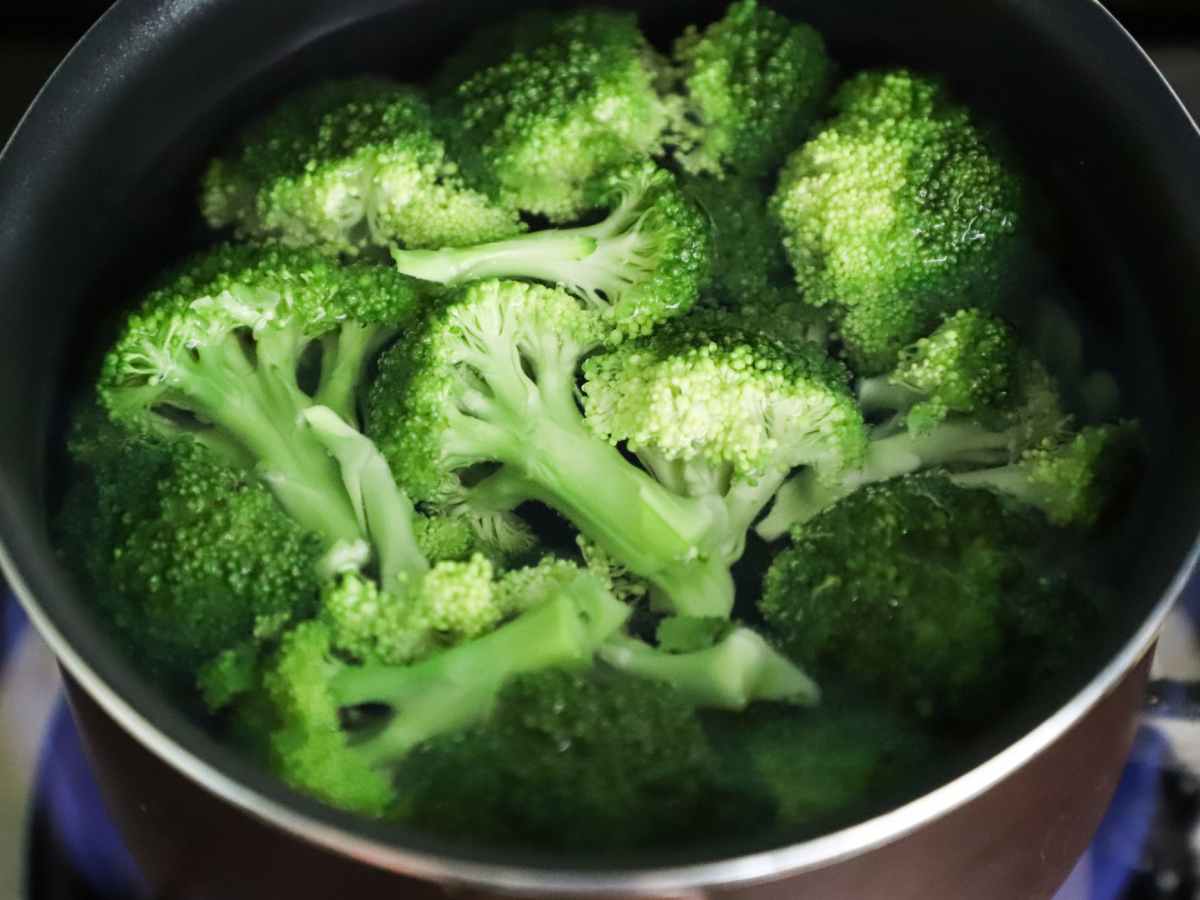
Broccoli, which has more protein than most other vegetables, is also high in fiber, vitamin C, vitamin K, iron, and potassium.
Broccoli is a cruciferous vegetable related to cabbage, kale, cauliflower, and Brussels sprouts. Broccoli may be eaten raw, but recent research suggests that gentle steaming is best for maximum health benefits. Steaming also eliminates the risk of contaminaton. Broccoli is low in calories and high in fiber, protein and Vitamin C. It also contains numerous other vitamins and minerals in smaller amounts. In fact, it provides a little bit of almost every nutrient you need.