Posted in NUTRIENTS

Vitamin D

What does Vitamin D do? 
Vitamin D helps the body absorb calcium, one of the main building blocks for strong bones and preventing osteoporosis. Vitamin D is also needed for muscles to move and for nerves to carry messages between the brain and the body. The immune system needs Vitamin D to fight off invading bacteria and viruses.
How much do I need?
The recommended amount of Vitamin D for adults 71 and older is 20 mcg (800 IU) daily. For all others, the amount is 15 mcg (600 IU). Vitamin D is available in dietary supplements. The two forms of vitamin D in supplements are D2 and D3. Both forms increase vitamin D in the blood, but D3 might raise it higher and for longer than D2. Because vitamin D is fat-soluble, it is best absorbed when taken with a meal or snack that includes some fat.
What are some good plant food sources of Vitamin D?
There are very few food sources. The body makes Vitamin D when bare skin is exposed to the sun.
Are supplements recommended? 
Almost one out of four people have vitamin D blood levels that are too low or inadequate for bone and overall health. In children, vitamin D deficiency causes rickets, a disease in which the bones become soft, weak, deformed, and painful. In teens and adults, vitamin D deficiency causes osteomalacia, a disorder that causes bone pain and muscle weakness. Many people of all ages need Vitamin D supplements.

Source: National Institutes of Health

This video has an informative discussion about Vitamin D
Posted in FEATURED, NUTRIENTS

Magnesium

What does magnesium do? Magnesium is essential for maintaining good health and plays a key role in everything from exercise performance to heart health and brain function. One of its main roles is to act as a cofactor in the biochemical reactions continuously performed by enzymes. It’s involved in more than 600 reactions in your body, including:

  • Energy creation: converting food into energy
  • Protein formation: creating new proteins from amino acids
  • Gene maintenance: helping create and repair DNA and RNA
  • Muscle movements: aiding in muscle contraction and relaxation
  • Nervous system regulation: regulating neurotransmitters, which send messages throughout your brain and nervous system

How much do I need?

AGEMALEFEMALEPREGNANCYLACTATION
Birth to 6 months30 mg*30 mg*
7 to 12 months75 mg*75 mg*
1 to 3 years80 mg80 mg
4 to 8 years130 mg130 mg
9 to 13 years240 mg240 mg
14 to 18 years410 mg360 mg400 mg360 mg
19 to 30 years400 mg310 mg350 mg310 mg
31 to 50 years420 mg320 mg360 mg320 mg
51+ years420 mg320 mg

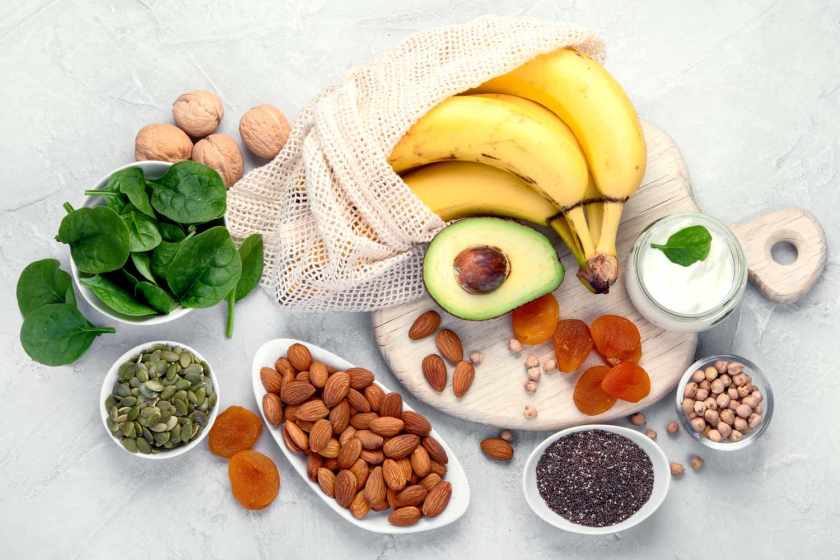
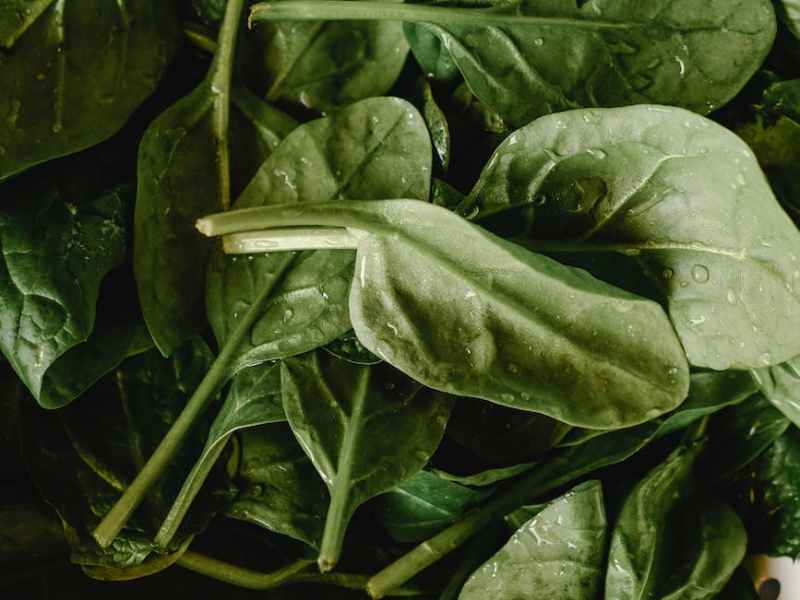
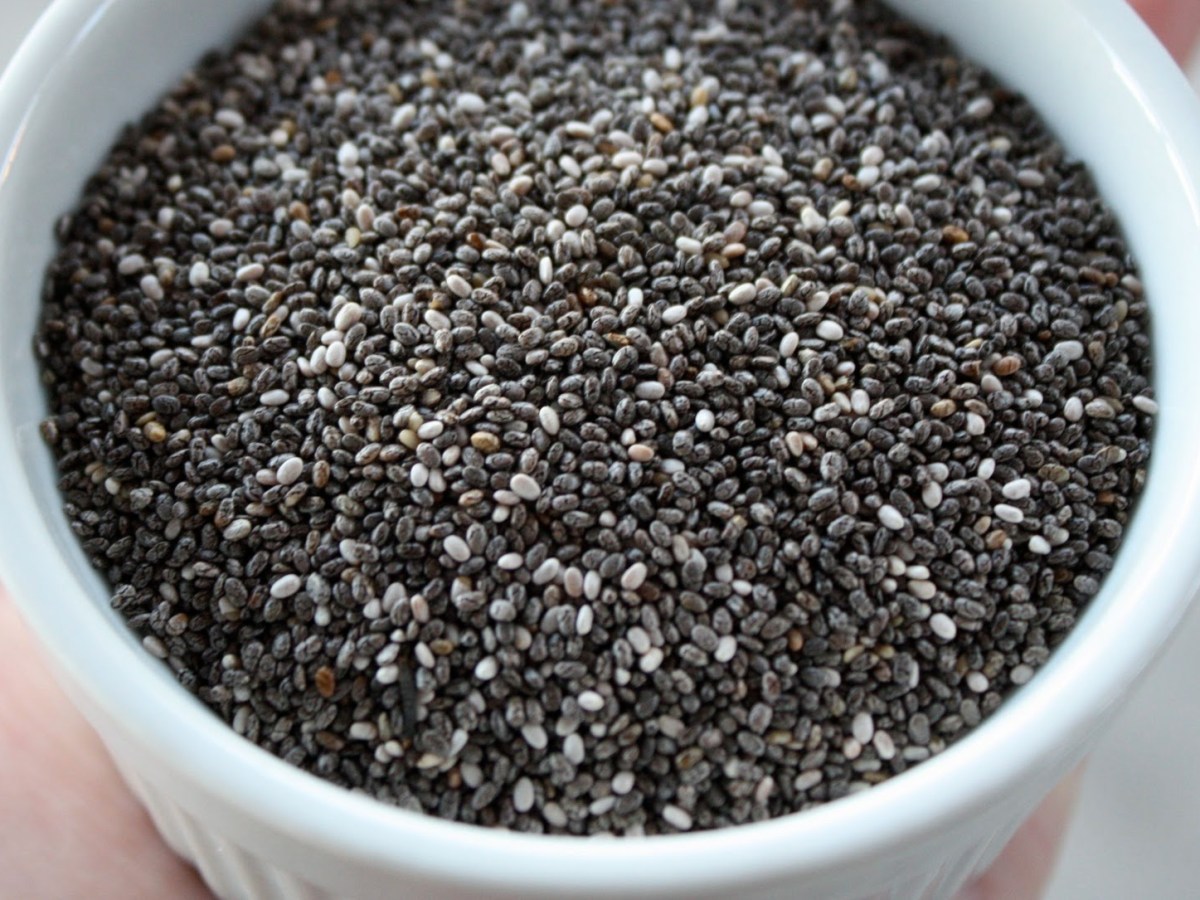
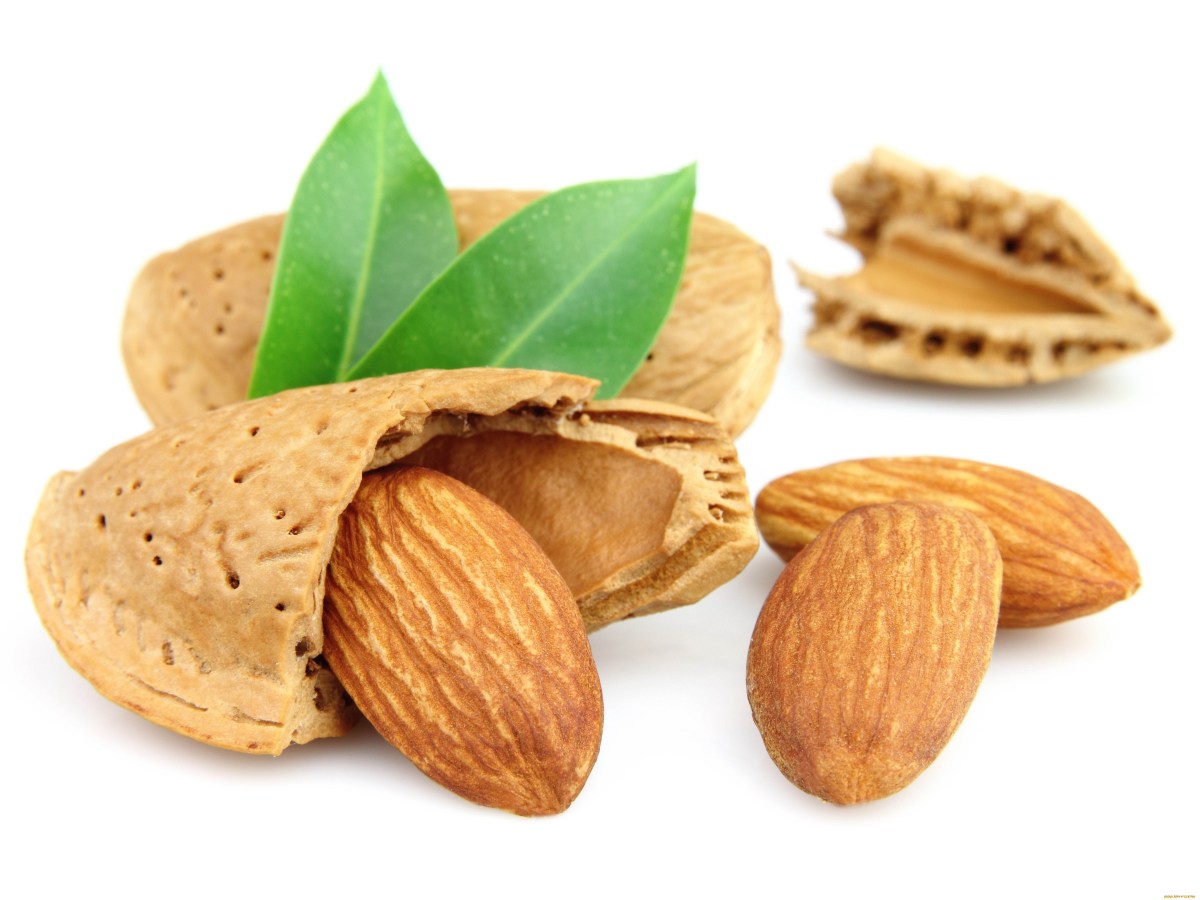
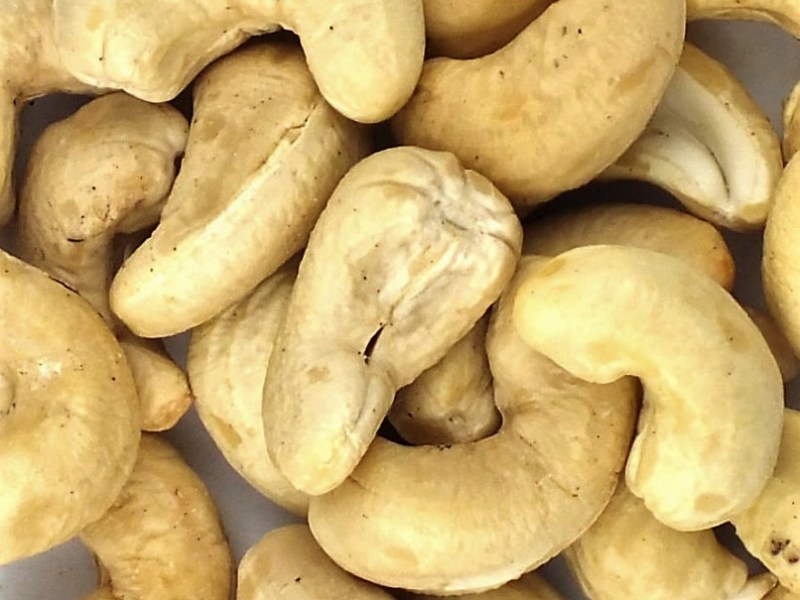
What are some good plant food sources of magnesium? PUMPKIN SEEDS, CHIA SEEDS, SPINACH, ALMONDS, and CASHEWS are rich in magnesium. Eating a variety of magnesium-rich foods will likely provide enough of this nutrient. Some magnesium-rich plant foods are:

  • Pumpkin seeds: 37% of the DV per ounce (28 grams)
  • Chia seeds: 26% of the DV per ounce (28 grams)
  • Spinach, boiled: 19% of the DV per 1/2 cup (90 grams)
  • Almonds: 19% of the DV per ounce (28 grams)
  • Cashews: 18% of the DV per ounce (28 grams)
  • Black beans, cooked: 14% of the DV per 1/2 cup (86 grams)
  • Edamame, cooked: 12% of the DV per 1/2 cup (78 grams)
  • Peanut butter: 12% of the DV per 2 tablespoons (32 grams)
  • Brown rice, cooked: 10% of the DV per 1/2 cup (100 grams)
  • Avocado: 5% of the DV per 1/2 cup (75 grams)

Are supplements recommended? Approximately 50% of U.S. adults get less than the recommended daily amount of magnesium, Magnesium supplements may be especially beneficial for older adults and those with a deficiency in this nutrient. There are several types of magnesium supplements. Here is a guide to the different types to help choose the most effective magnesium supplement. Consult a healthcare professional to find the best form and dosage for your specific needs.

  • For Sleep/Anxiety: Magnesium Glycinate or Taurate.
  • For Constipation: Magnesium Citrate or Oxide (use oxide cautiously).
  • For Brain Health: Magnesium L-Threonate.
  • For Energy/Pain: Magnesium Malate.
  • For General Deficiency: Magnesium Citrate, Glycinate, or Malate.

Source: Healthline

Magnesium-Rich Foods and Recipes

How to Cook Brown Rice

The secret of fluffy brown rice is rinse before cooking and boil uncovered for a full 30 minutes. Brown rice can help prevent or improve several health conditions, including diabetes and heart disease.

Spinach Facts

Spinach (español: espinacas) is a leafy green flowering plant whose leaves are consumed cooked or raw. Spinach is a good source of VITAMIN C, IRON, POTASSIUM, VITAMIN E, and MAGNESIUM. The possible health benefits of consuming spinach include blood glucose control, lower risk of cancer, and improved bone health. As part of a nutritious diet, it can help support immune function,…

Chia Seed Facts

Chia is a flowering plant in the mint family, native to central and southern Mexico and Guatemala. It is rich in calcium, phosphorous, and other minerals.

Chia and Fruit Jam Recipe

Chia is a healthful and effective thickening agent. Use 1 cup of your favorite fruit and adjust the sweetener to your taste for tasty jam of any flavor.

Almond Facts

Almonds are rich in Vitamin E, magnesium, and manganese Almond is the edible seed of Prunus dulcis, a species of tree native to Iran but widely cultivated elsewhere. It is classified with the peach in the subgenus Amygdalus, distinguished from the other subgenera by corrugations on the shell surrounding the seed. Almonds are sold shelled…

Cashew Facts

Cashews pack 67% of the daily copper requirement, needed to form red blood cells.

Avocado Facts

Avocados have become very popular in the last fifty years, but I still consider them relative newcomers to the United States. Avocados improve heart health; support eye, skin, and hair health; fight cancer cell growth; promote weight loss; enhance digestive health; protect against diabetes; and decrease arthritis symptoms.

Posted in PLANT FOOD FACTS

Spinach Facts

Spinach (español: espinacas) is a leafy green flowering plant whose leaves are consumed cooked or raw. Spinach is a good source of VITAMIN C, IRON, POTASSIUM, VITAMIN E, and MAGNESIUM. The possible health benefits of consuming spinach include blood glucose control, lower risk of cancer, and improved bone health. As part of a nutritious diet, it can help support immune function, aid the digestive system, may even have anticancer properties. Spinach is typically safe to consume as part of a well-rounded, nutritious diet, but some people may benefit from limiting their intake of this vegetable. Spinach is rich in dietary oxalate, which can increase a person’s risk of kidney stones. The high oxalate content may be reduced by steaming. Spinach contains:

  • Alpha-lipoic acid
    • an antioxidant which lowers glucose levels, increases insulin sensitivity, and prevents oxidative, stress-induced changes in patients with diabetes.
  • Vitamin K
    • Scientists have found a link between low intakes of vitamin K and a higher risk of bone fracture. Vitamin K acts as a modifier of bone matrix proteins, improves calcium absorption, and may reduce the amount of calcium that leaves the body in urine.
  • Protein and carbohydrates.
    • Most of the calories from protein and carbohydrates, which play important roles in the body, from maintaining eye health to reducing inflammation.
  • Chlorophyll
    • Research suggests chlorophyll may have anticancer properties and that people who eat diets rich in green vegetables may have a lower risk of cancer.
  • Potassium
    • It can help reduce the effects of sodium in the body. A low potassium intake might be as potent a risk factor for developing high blood pressure as a high sodium intake.
  • Fiber and water
    • Both help prevent constipation and promote a healthy digestive tract.
  • Vitamin A
    • It moderates oil production in the skin pores and hair follicles to moisturize the skin and hair. A buildup of this oil can lead to acne. Vitamin A is necessary for the growth of all bodily tissues, including skin and hair.
  • Vitamin C
    • It is crucial for building and maintaining collagen, which provides structure to skin and hair.
  • Iron
    • Iron deficiency is a common cause of hairloss, which a person can help prevent with a diet of sufficient iron-rich foods, such as spinach.
1 cup of spinach contains%DV
CALORIES7
PROTEIN0.86G
CALCIUM29.7MG
IRON0.81G
MAGNESIUM24MG
POTASSIUM167MG
VITAMIN A (RETINOL)141MCG
VITAMIN B9 (FOLATE)58MCG
SOURCE: MEDICAL NEWS TODAY / WIKIPEDIA
Posted in NUTRIENTS

Vitamin B2 (Riboflavin)

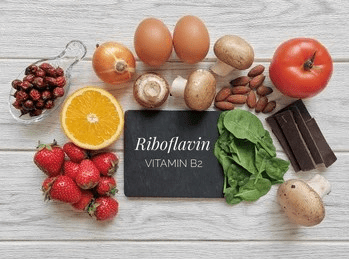
What does riboflavin do? B complex vitamins are necessary for a healthy liver, skin, hair, eyes, and nervous system. Riboflavin (B2) in particular has these benefits:

  • Antioxidant. Riboflavin works as an antioxidant, fighting damaging particles in the body known as free radicals, which may contribute to the aging process, as well as the development of a number of health conditions like heart disease and cancer.
  • Growth and red blood cell production. Riboflavin is also needed to help the body change vitamin B6 and folate into forms it can use. It is also important for growth and red blood cell production.
  • Good vision and cataract prevention. Vitamin B2 is important for normal vision. Early studies suggest that it might help prevent cataracts.
  • Migraine relief. Several studies suggest that people who get migraines may reduce how often they get migraines and how long the migraines last by taking riboflavin.

How much do I need? The average recommended daily amount for adults is 1.3 milligrams. All B vitamins are water soluble, meaning the body does not store them, so they must be consumed daily in food or supplements. Riboflavin is destroyed by light, so food should be stored away from light to protect its riboflavin content. While riboflavin is not destroyed by heat, it can be lost in water when foods are boiled or soaked. Roasting and steaming foods preserves more riboflavin than frying or scalding your foods.

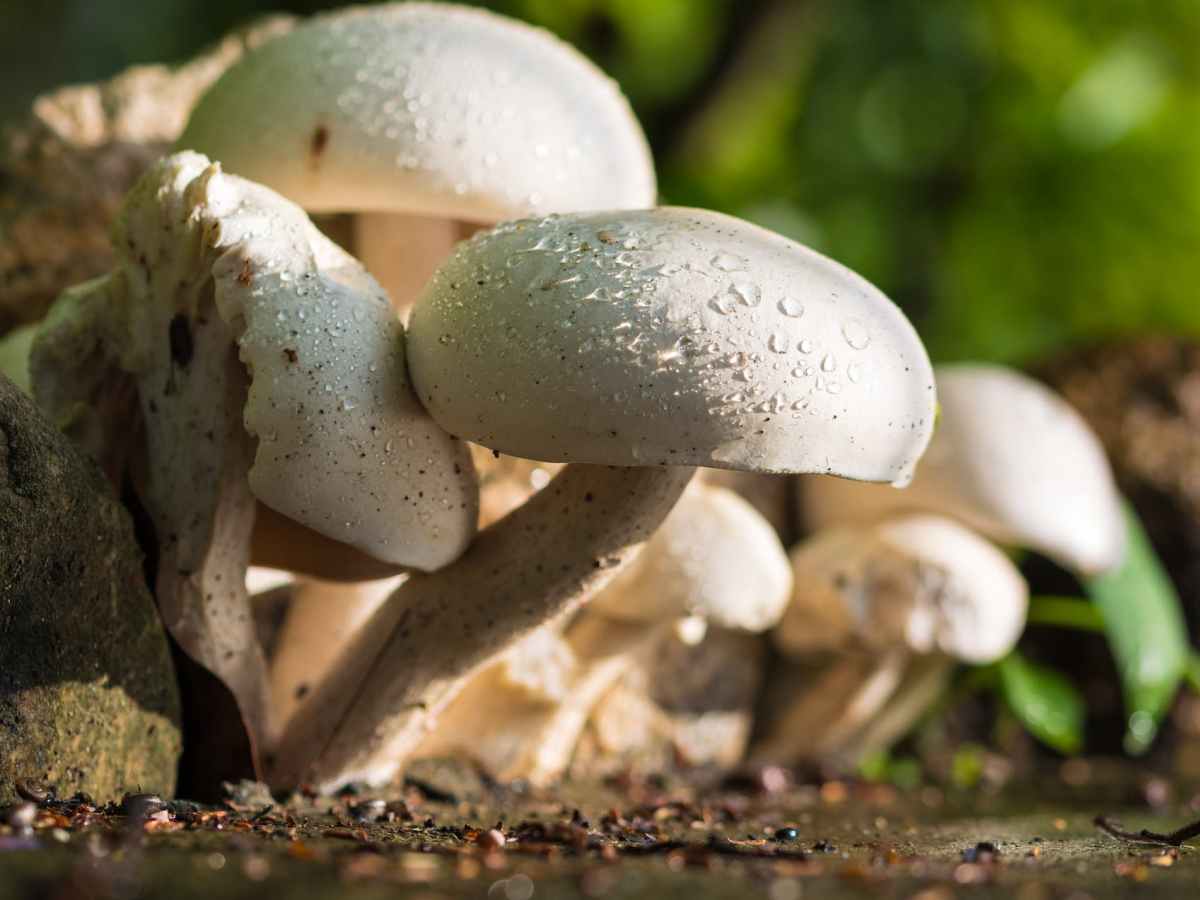
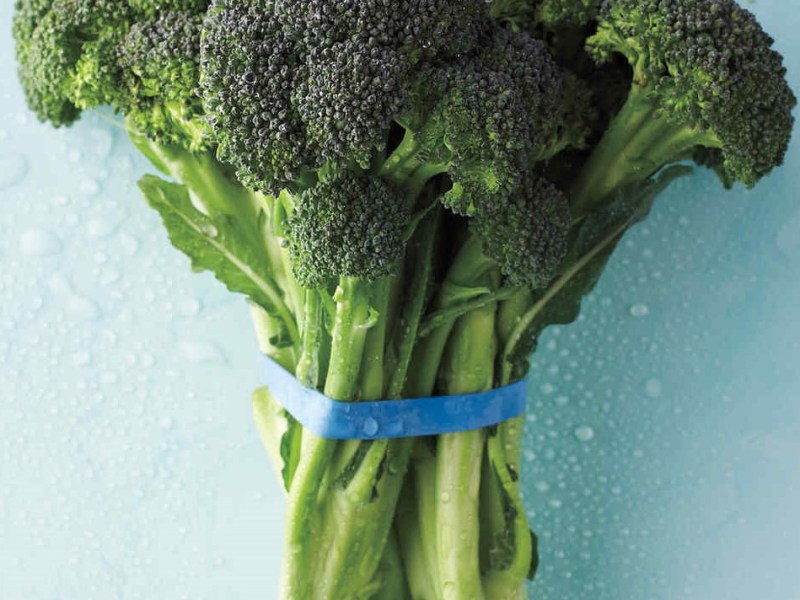
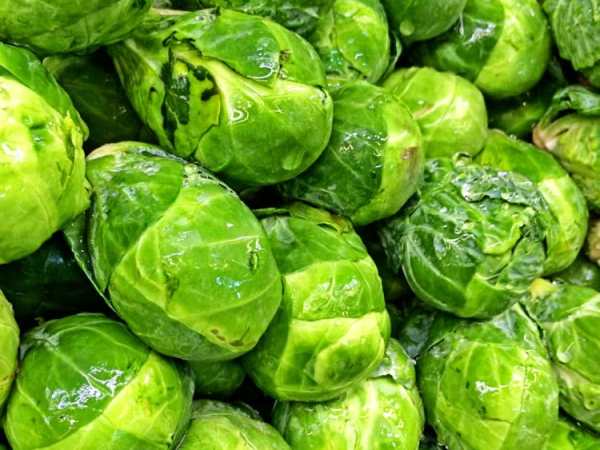
What are some good plant food sources of riboflavin? ALMONDS, WHOLE GRAINS, WHEAT GERM, WILD RICE, MUSHROOMS, SOYBEANS, BROCCOLI, BRUSSELS SPROUTS, SPINACH and BREWER’S YEAST are a few good plant food sources of Vitamin B2 (riboflavin).

Are supplements recommended? Most healthy people who eat a well-balanced diet get enough riboflavin. However, elderly people and alcoholics may be at risk for riboflavin deficiency because of poor diet. Consult a doctor before using supplements to prevent allergic reactions and interactions with medicines.

Source: Mount Sinai

Riboflavin-Rich Foods and Recipes

Spinach Facts

Spinach (español: espinacas) is a leafy green flowering plant whose leaves are consumed cooked or raw. Spinach is a good source of VITAMIN C, IRON, POTASSIUM, VITAMIN E, and MAGNESIUM. The possible health benefits of consuming spinach include blood glucose control, lower risk of cancer, and improved bone health. As part of a nutritious diet, it can help support immune function,…

Mushroom Facts

White mushrooms are rich in many bioactive compounds that may protect against cancer and heart disease, as well as help improve blood sugar control and gut health.

Almond Facts

Almonds are rich in Vitamin E, magnesium, and manganese Almond is the edible seed of Prunus dulcis, a species of tree native to Iran but widely cultivated elsewhere. It is classified with the peach in the subgenus Amygdalus, distinguished from the other subgenera by corrugations on the shell surrounding the seed. Almonds are sold shelled…

Broccoli Facts

Broccoli, which has more protein than most other vegetables, is also high in fiber, vitamin C, vitamin K, iron, and potassium.

Brussels Sprouts Facts

Brussels sprouts are low in calories but high in many nutrients, especially fiber, vitamin K and vitamin C.

Posted in PLANT FOOD FACTS

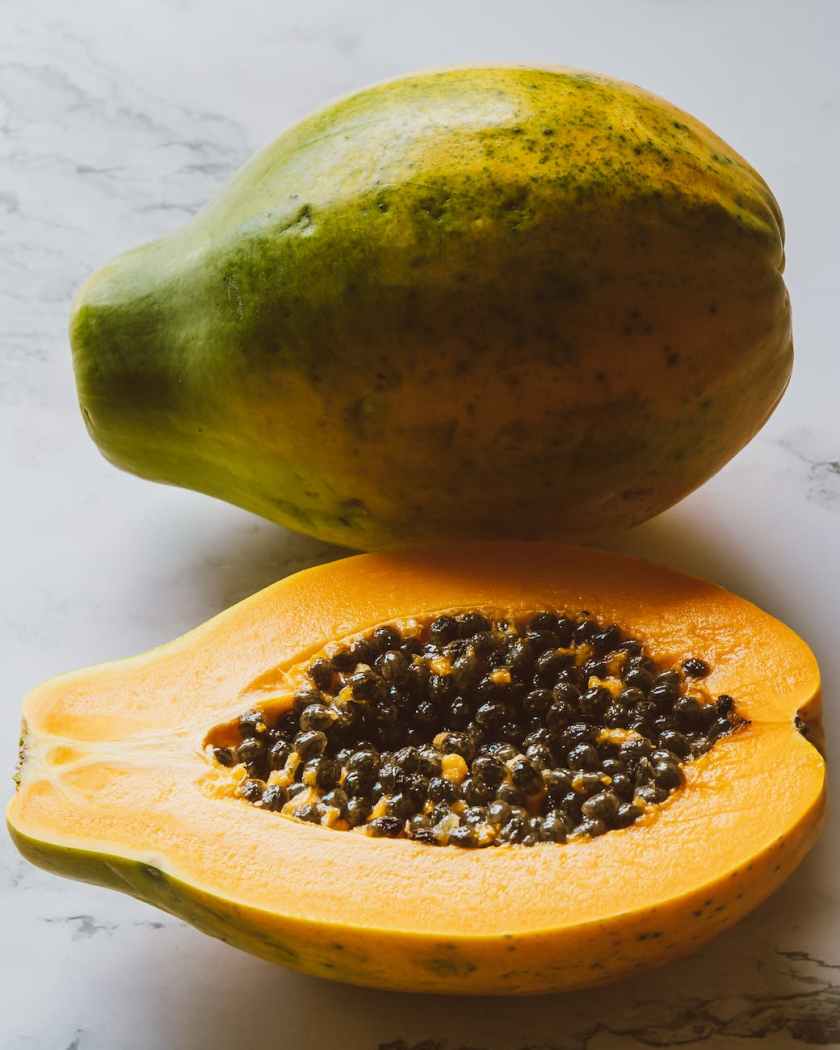
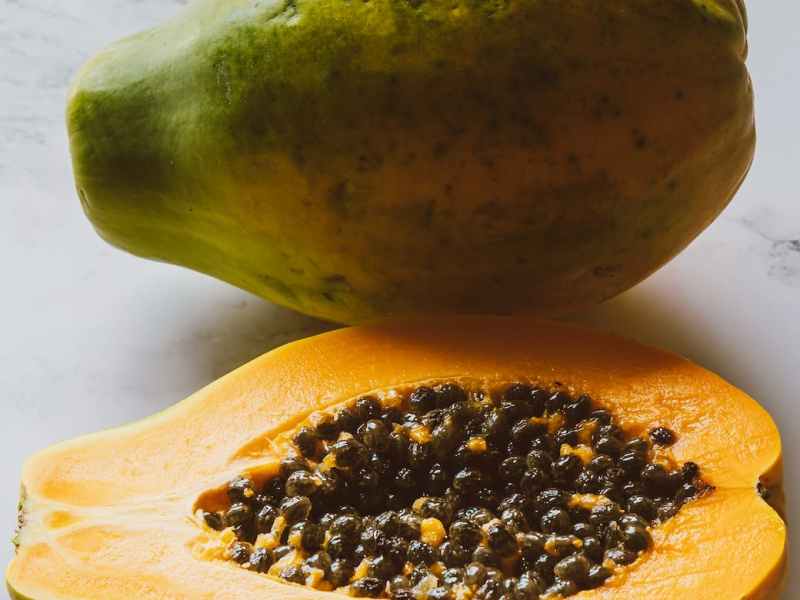
Papaya Facts

Rich in VITAMIN A, VITAMIN C, POTASSIUM, VITAMIN B9, LYCOPENE (antioxidant) and PAPAIN (enzyme).

Papaya is the fruit of the Carica papaya plant, which originated in Central America and Southern Mexico. Papaya contains papain, an enzyme which can break down the tough protein chains found in muscle meat. Because of this, people have used papaya to tenderize meat for thousands of years. If the papaya is ripe, it can be eaten raw. However, unripe papaya should always be cooked before eating — especially during pregnancy, as the unripe fruit is high in latex, which can stimulate contractions.

  • Some benefits of papaya:
    • Neutralizes free radicals. Papayas contain healthy antioxidants known as carotenoids — particularly one type called lycopene. The body absorbs these beneficial antioxidants better from papayas than other fruits and vegetables Free radicals are reactive molecules created during your body’s metabolism. They can promote oxidative stress, which can lead to disease. Antioxidants like the carotenoids found in papayas, can neutralize free radicals.
    • Helps prevent diabetes, hypothyroidism, liver disease, and Alzheimer’s. Some studies have noted that fermented papaya can reduce oxidative stress in older adults and people with prediabetes, mild hypothyroidism and liver disease.. Many researchers believe that excessive free radicals in the brain are an important factor in Alzheimer’s disease. In one study, people with Alzheimer’s given a fermented papaya extract for six months experienced a 40% drop in a biomarker which indicates oxidative damage to DNA — and is also linked to aging and cancer. The reduction in oxidative stress is attributed to papaya’s lycopene content and ability to remove excess iron, which is known to produce free radicals.
    • Reduces cancer risk. Research suggests that the lycopene in papaya can reduce cancer risk.. It may also be beneficial for people who are being treated for cancer. Papaya may work by reducing free radicals that contribute to cancer. Among 14 fruits and vegetables with known antioxidant properties, only papaya demonstrated anticancer activity in breast cancer cells.
    • Helps prevent heart disease. Studies show that fruits high in lycopene and vitamin C may help prevent heart disease. The antioxidants in papaya may protect your heart and enhance the protective effects of “good” HDL cholesterol.
    • Improves digestion. The papain enzyme in papaya can make protein easier to digest. People in the tropics consider papaya to be a remedy for constipation and other symptoms of irritable bowel syndrome (IBS). In one study, people who took a papaya-based formula for 40 days had significant improvement in constipation and bloating.
1 small papaya (152 g) containsamt
CARBOHYDRATE15GRAMS
CALORIES59
FIBER3GRAMS
PROTEIN1GRAM
CALCIUMTRACE
MAGNESIUMTRACE
POTASSIUM11%RDI
VITAMIN A (RETINOL)33%RDI
VITAMIN B1 (THIAMINE)TRACE
VITAMIN B3 (NIACIN)TRACE
VITAMIN B5 (PANTOTHENIC ACID)TRACE
VITAMIN B9 (FOLATE)14%RDI
VITAMIN C157%RDI
VITAMIN ETRACE
VITAMIN KTRACE
SOURCE: HEALTHLINE
Posted in NUTRIENTS

Vitamin B3 (Niacin)

PEANUTS, AVOCADOS, BROWN RICE, MUSHROOMS, GREEN PEAS, WHOLE-WHEAT PRODUCTS, and WHITE POTATOES are good plant food sources of Vitamin B3 (niacin), a micronutrient that your body uses for proper metabolism, nervous system function and antioxidant protection. It’s an essential nutrient — meaning that you must obtain it from food, as your body cannot produce it on its own. Since niacin is water soluble, any surplus is excreted through your urine rather than stored in your body. Therefore, it’s important to regularly consume niacin-rich foods. The recommended dietary allowance (RDA) for this nutrient is 16 mg per day for men and 14 mg per day for women — enough to meet the needs of approximately 98% of adults.

plant food SourcemG of NIACIN%DV
2 tablespoons peanut butter4.325
1 large baked potato4.225
1 medium avocado3.521
1 cup cooked brown rice3.521
1 cup mushrooms2.515
1 cup green peas3.020
Recommended daily allowance for adults: 14-16 mg

Source: Healthline

Posted in PLANT FOOD FACTS

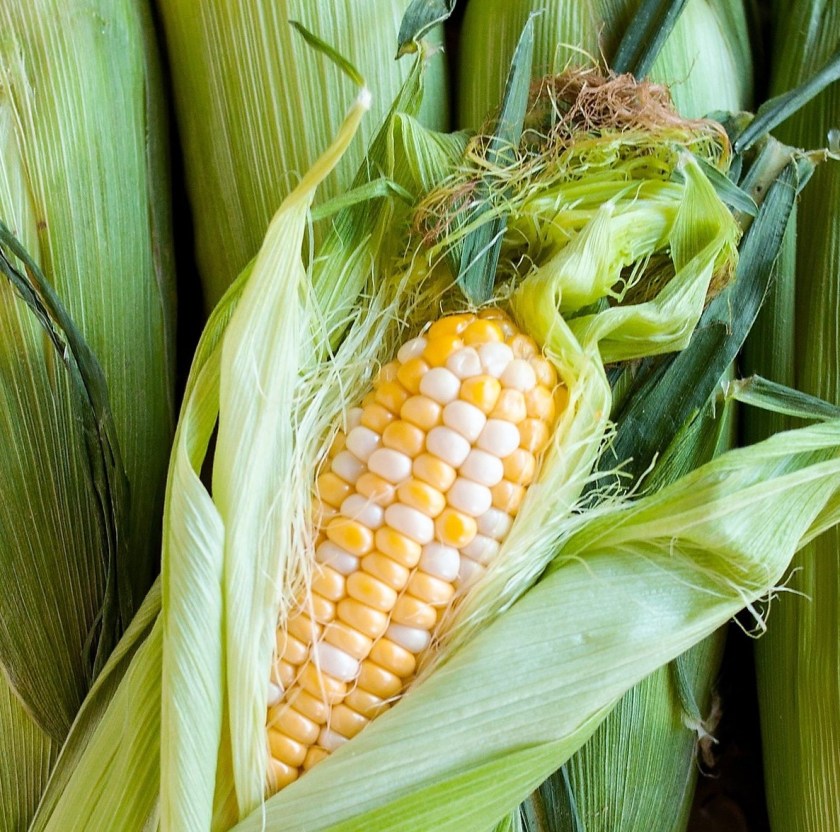
Corn Facts

Corn is a significant source of COMPLEX CARBOHYDRATES, VITAMIN B1, VITAMIN B3, VITAMIN B5, VITAMIN B9, PHOSPHOROUS, and MAGNESIUM. Corn, or maize, (español: maíz) was domesticated by indigenous peoples in southern Mexico about 10,000 years ago. It has become a staple food in many parts of the world, with the total production surpassing that of wheat or rice. Sugar-rich varieties called sweet corn are usually grown for human consumption as kernels, while field corn varieties are ground into corn meal or masa.

1 3 OZ (100 G) OF SWEET CORN contains
CALORIES86
CARBOHYDRATE18.7G
FAT1.35G
FIBER2G
PROTEIN3.27G
IRON4%DV
MAGNESIUM10%DV
MANGANESE8%DV
PHOSPHOROUS13%DV
POTASSIUM6%DV
ZINC5%DV
VITAMIN A (RETINOL)1%DV
VITAMIN B1 (THIAMINE)13%DV
VITAMIN B2 (RIBOFLAVIN)5%DV
VITAMIN B3 (NIACIN)12%DV
VITAMIN B5 (PANTOTHENIC ACID)14%DV
VITAMIN B67%DV
VITAMIN B9 (FOLATE)11%DV
VITAMIN C8%DV
SOURCE:
Posted in NUTRIENTS

Carbohydrates

Carbohydrates are sugar molecules that are broken down down into glucose, which is the main source of energy for cells, tissues, and organs. On average, people should get 45 to 65% of their daily calories from carbohydrates, based on a 2,000-calorie diet. There are three main types of carbohydrates: sugars, starches, and fiber.

Source: MedlinePlus

Posted in RESOURCES

Beyond Burritos and Margaritas

Tortillas, beans, rice, and chiles are staples in Mexican households and Mexican restaurants all over the world, but people south of the border enjoy many other foods you may not have heard about. Here are a few of them.

Posted in PLANT FOOD FACTS

Agar-Agar Facts

Agar is used as a laxative, an appetite suppressant, a gelatin substitute, a thickener for soups, in fruit preserves, ice cream, and other desserts, and as a clarifying agent in brewing.

Agar or agar-agar (español: agar) is a jelly-like substance, obtained from red algae. It is used as a plant-based substitute for animal-derived gelatin. Agar has been used as an ingredient in desserts throughout Asia.

Source: Wikipedia