Posted in PLANT FOOD FACTS

Walnuts

Walnuts are an excellent source of OMEGA-3 and OMEGA-6 FATTY ACIDS, COPPER, PHOSPHOROUS, VITAMIN B6, MANGANESE, ELLAGIC ACID, CATECHIN, MELATONIN, and PHYTIC ACID. Some benefits of eating walnuts are heart health, prevention of cancer, bone health, immune system function, nerve health, regulation of body clock. Walnuts (Juglans regia) are a tree nut belonging to the walnut family. They originated in the Mediterranean region and Central Asia and have been part of the human diet for thousands of years. Even though walnuts are rich in fat and calories, studies indicate that they don’t increase obesity risk when replacing other foods in your diet. Walnuts are richer in polyunsaturated fats than most other nuts. The most abundant one is an omega-6 fatty acid called linoleic acid. They are the only nuts that contain a relatively high percentage of the healthy omega-3 fat alpha-linolenic acid (ALA), which is beneficial for heart health and helps reduce inflammation and improve the composition of blood fats. Walnuts are very healthy, but some people are allergic and must avoid them. Phytic acid may impair mineral absorption, though this is usually of no concern to people who eat a balanced diet.
Posted in PLANT FOOD FACTS

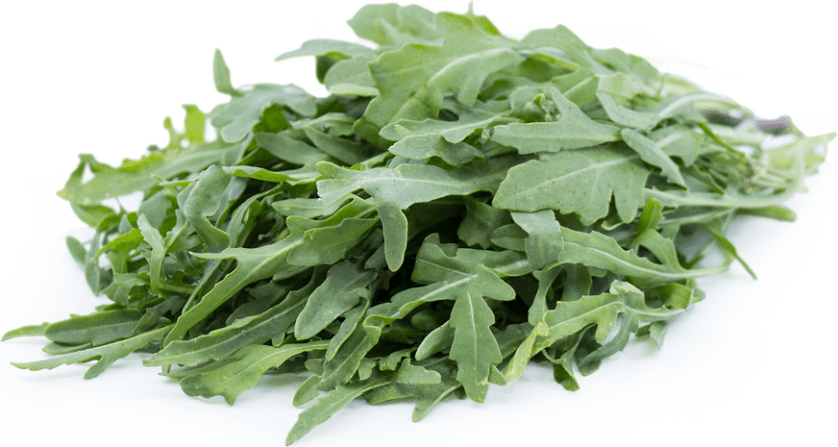
Arugula

This delicious green is nutrient-dense, high in fiber and phytochemicals.

Arugula is a peppery, distinctive-tasting green also known as rucola, salad rocket, and Italian cress. Arugula is low in sugar, calories, carbohydrates, and fat while high in calcium, potassium, folate, Vitamin C and Vitamin K. Arugula is a member of the Brassica, or Cruciferous, family, which includes Brussels sprouts, kale, cauliflower, and broccoli. Arugula’s distinctive peppery crunch adds flair to salads and other cold dishes. Arugula can be used in addition to of in the place of most types of lettuce and herbs. It also boasts a distinctive leaf shape. Its flowers, seeds, and leaves are all edible. Cruciferous vegetables like arugula have been linked to lower incidence of cancer, bone health, heart health, and diabetes prevention.

Arugula, Avocado, Fig and Walnut Salad
1 cup (20 g) arugula PROVIDES
calories 5
fat.55 g
0.516 g0.516 g
calcium 3.2% DV
vitamin C 2.5% DV
vitamin K 27.7% DV
Sources: Medical News Today
Posted in PLANT FOOD FACTS

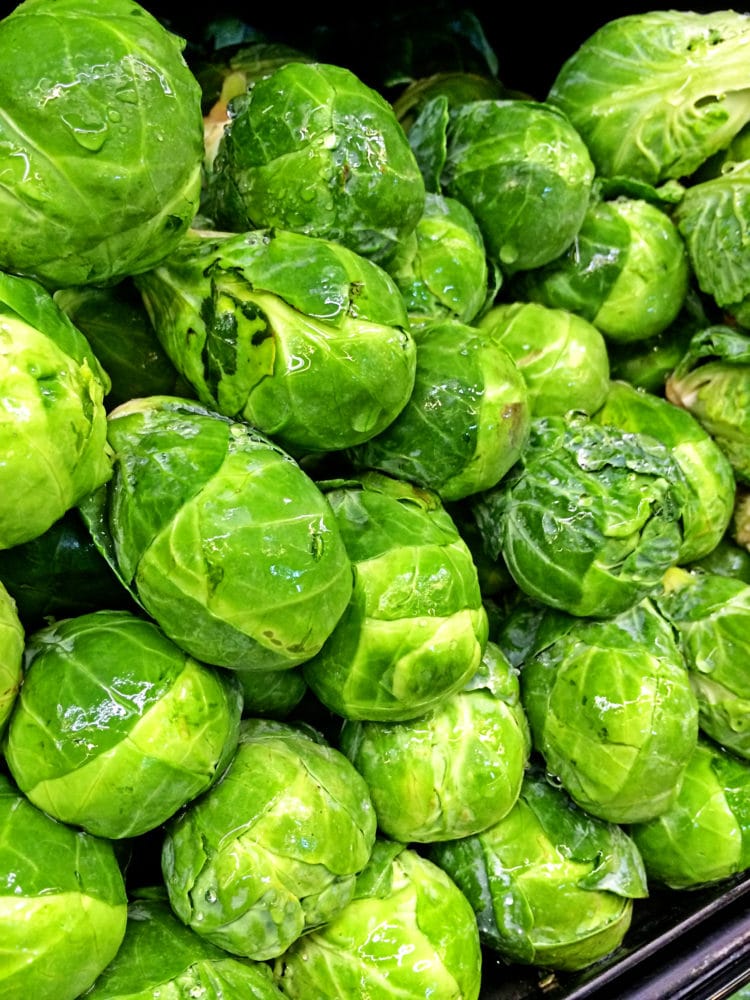
Brussels Sprouts

Brussels sprouts are low in calories but high in many nutrients, especially fiber, vitamin K and vitamin C.

The brussels sprout (español: coles de bruselas) is a member of the Gemmifera Group of cabbages (Brassica oleracea), grown for its edible buds. The leaf vegetables are typically half and inch to one-and-a-half inches in diameter and look like miniature cabbages. They have long been popular in Brussels, Belgium, and may have gained their name there. They contain kaempferol, an antioxidant that may reduce cancer growth, decrease inflammation and promote heart health. Because of their high fiber content, they promote regularity, support digestive health and reduce the risk of heart disease and diabetes. They are very high in Vitamin K, which is important for blood clotting and bone metabolism. The fiber and antioxidants in Brussels sprouts may help keep your blood sugar levels stable. They are a good source of ALA omega-3 fatty acids, which can reduce inflammation, insulin resistance, cognitive decline and blood triglycerides. Brussels sprouts can be roasted, boiled, sautéed or baked. They are a good addition to pasta or stir-fries. Recipe: Brussels Sprouts in Balsamic Dijon Sauce.

1/2 cup (50 g) cooked brussels sprouts
calories 28
carbohydrates 6 g
fat 4 g
fiber 2 g
folate 12% DV
maganese 58% DV
protein 2 g
vitamin A 12% DV
vitamin C 81% DV
vitamin K 137% DV
Sources: Healthline / Wikipedia