
What does Vitamin K do?
Vitamin K is an essential nutrient that plays a critical role in blood clotting, wound healing, and bone health. People who don’t have enough vitamin K in their system are at greater risk of increased bleeding and bone fractures.
How much do I need?
The recommended daily amount for adults 19 years or older is 120 mcg for males and 90 mcg for females.
Are supplements recommended?
Most people can get enough vitamin K through a balanced diet, making vitamin K supplements unnecessary. Also, the liver stores extra vitamin K, which can eliminate the need for daily consumption. Vitamin K deficiency in adults is rare, but may occur in people taking medications. Newborns are sometimes deficient because vitamin K does not cross the placenta, and breast milk contains a low amount. The limited amount of blood clotting proteins at birth increases the risk of bleeding in infants if they are not given vitamin K supplements. Antibiotics may decrease vitamin K levels, especially if taken for more than a few weeks. People who have a poor appetite while using long-term antibiotics may be at greater risk for a deficiency, and may benefit from a vitamin K supplement. People who are taking blood-thinners, such as warfarin (Coumadin), should avoid suddenly beginning to eat more or fewer foods containing vitamin K, as this vitamin plays a vital role in blood clotting.
What are some good plant food sources of Vitamin K?
Mustard Greens, Beet Greens, Collard Greens, Swiss Chard, Kale, Spinach, Broccoli, Brussels Sprouts, Cabbage, and Green Beans are among the many good sources of Vitamin K. Because vitamin K is fat-soluble, it is best to eat vitamin K foods with some fat to improve absorption. So, drizzle some olive oil or add diced avocado to your favorite leafy green salad!
Plant Food Sources of Vitamin K
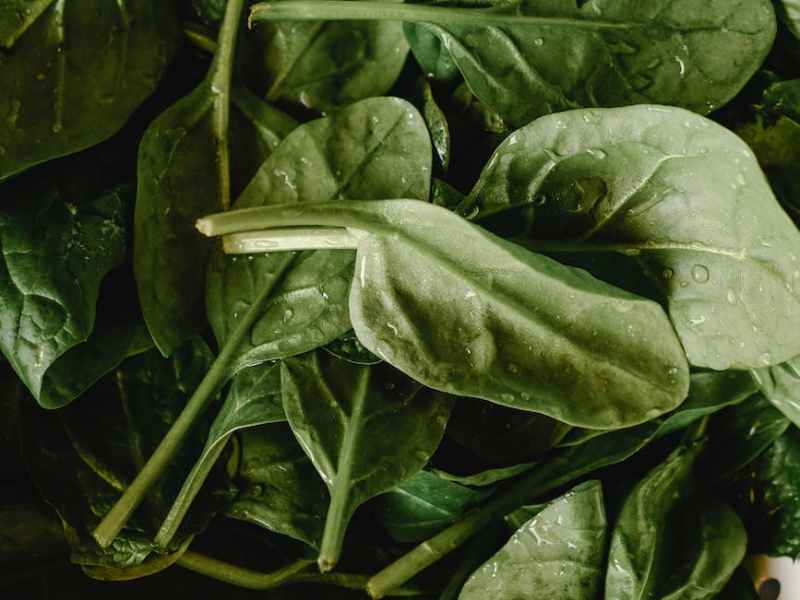
Spinach Facts
Spinach (español: espinacas) is a leafy green flowering plant whose leaves are consumed cooked or raw. Spinach is a good source of VITAMIN C, IRON, POTASSIUM, VITAMIN E, and MAGNESIUM. The possible health benefits of consuming spinach include blood glucose control, lower risk of cancer, and improved bone health. As part of a nutritious diet, it can help support immune function,…
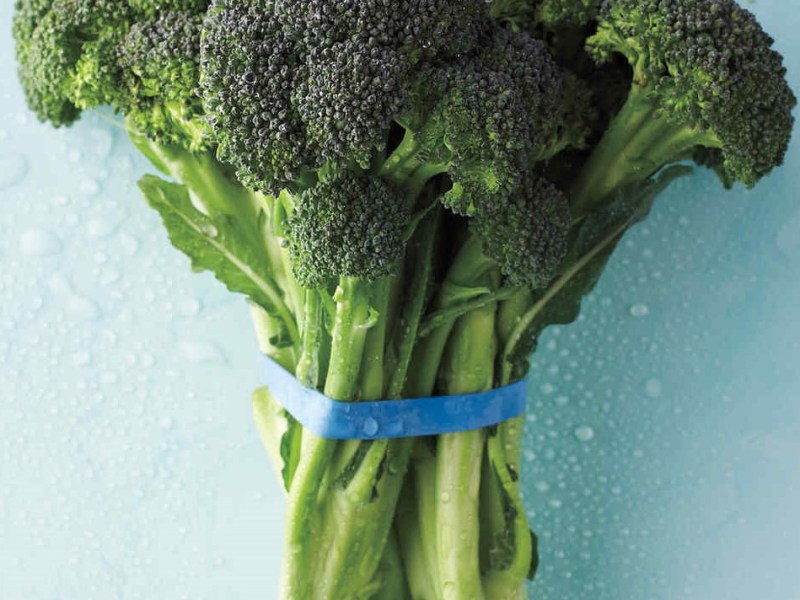
Broccoli Facts
Broccoli, which has more protein than most other vegetables, is also high in fiber, vitamin C, vitamin K, iron, and potassium.
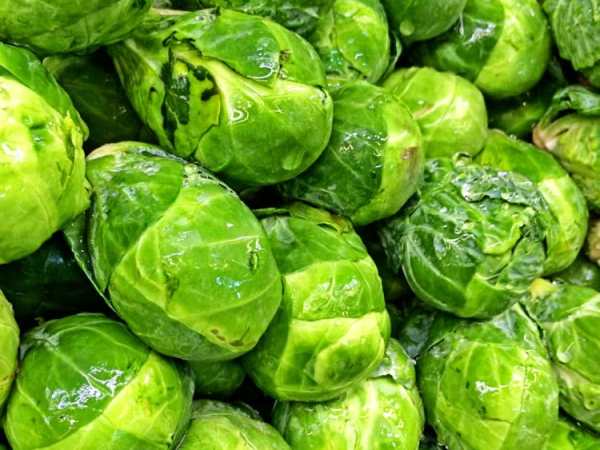
Brussels Sprouts Facts
Brussels sprouts are low in calories but high in many nutrients, especially fiber, vitamin K and vitamin C.
Kale Facts
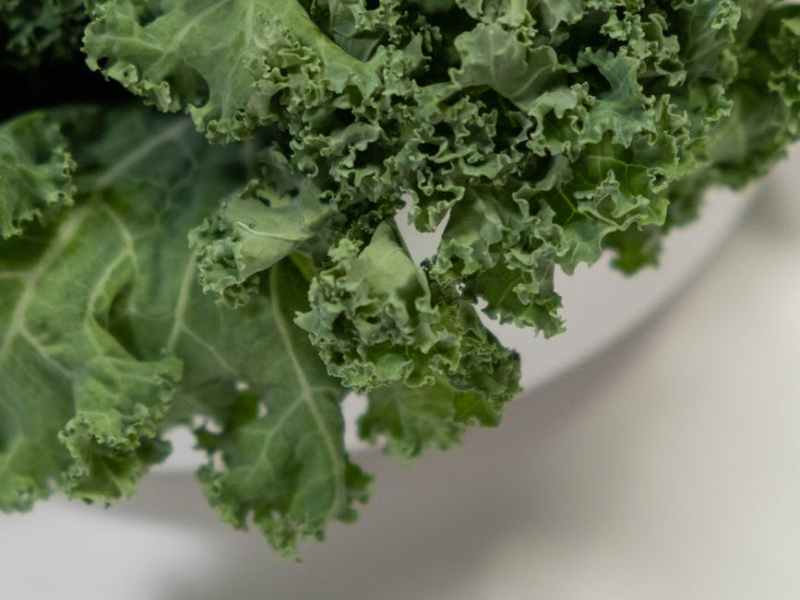
A cup of cooked kale provides almost five times an adult’s daily need for vitamin K.
Green Bean Facts
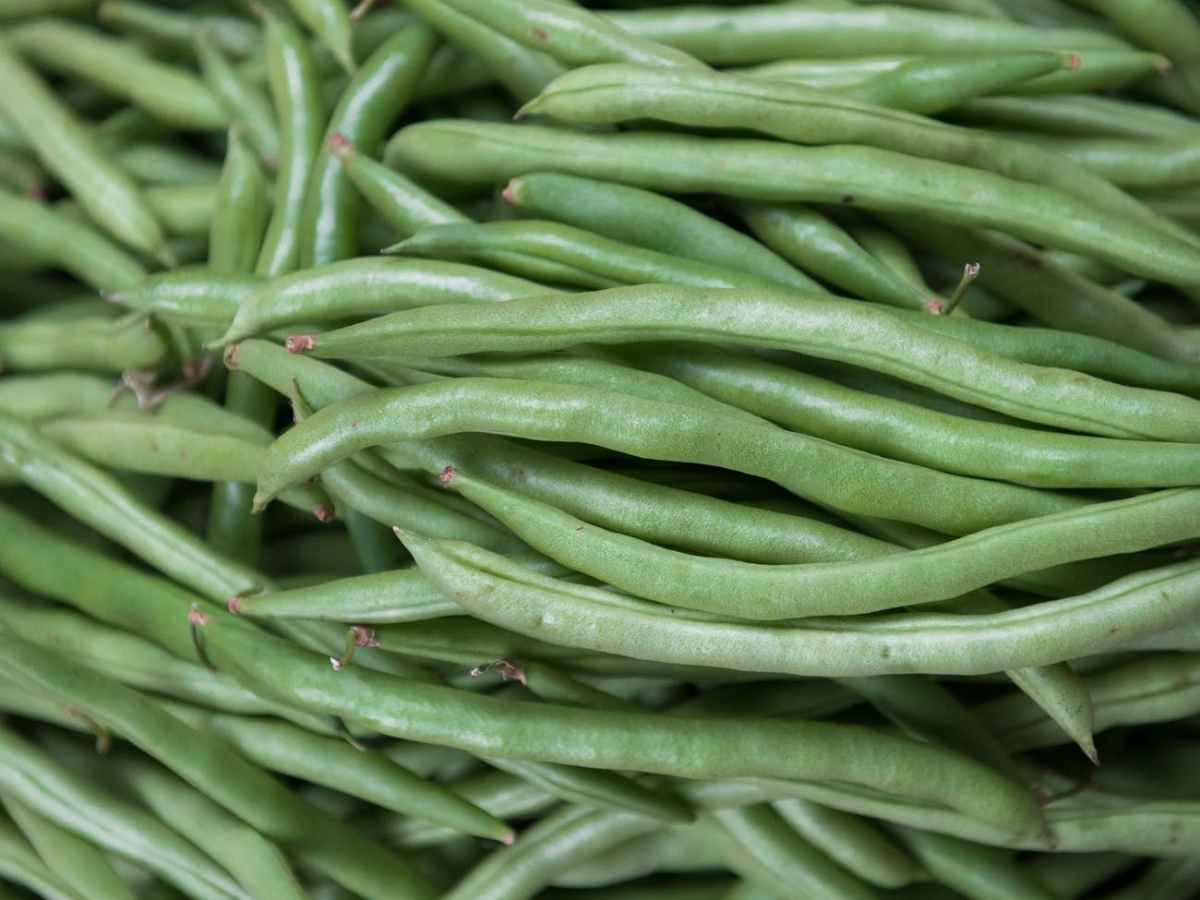
Green beans, string beans, or snap beans are a rich source of vitamins A, C, K, folate, and fiber.


 Fruit & Stuff