Posted in PLANT FOOD FACTS

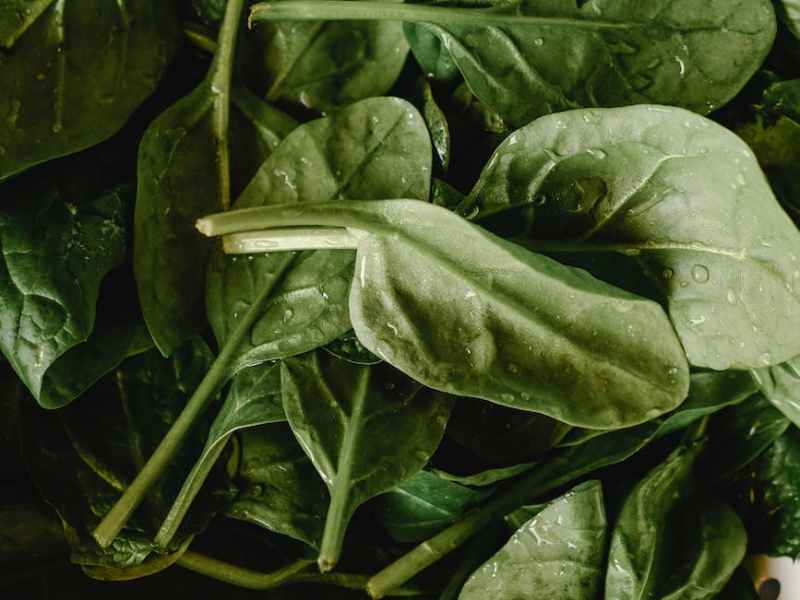
Spinach

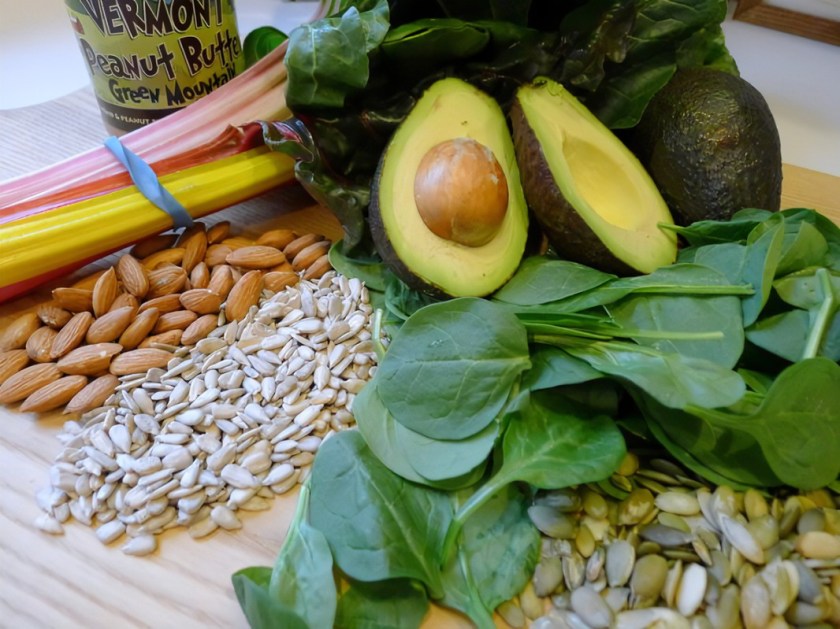
Spinach (español: espinacas) is a leafy green flowering plant whose leaves are consumed cooked or raw. Spinach is a good source of VITAMIN C, IRON, POTASSIUM, VITAMIN E, and MAGNESIUM. The possible health benefits of consuming spinach include blood glucose control, lower risk of cancer, and improved bone health. As part of a nutritious diet, it can help support immune function, aid the digestive system, may even have anticancer properties. Spinach is typically safe to consume as part of a well-rounded, nutritious diet, but some people may benefit from limiting their intake of this vegetable. Spinach is rich in dietary oxalate, which can increase a person’s risk of kidney stones. The high oxalate content may be reduced by steaming. Spinach contains:

  • Alpha-lipoic acid
    • an antioxidant which lowers glucose levels, increases insulin sensitivity, and prevents oxidative, stress-induced changes in patients with diabetes.
  • Vitamin K
    • Scientists have found a link between low intakes of vitamin K and a higher risk of bone fracture. Vitamin K acts as a modifier of bone matrix proteins, improves calcium absorption, and may reduce the amount of calcium that leaves the body in urine.
  • Protein and carbohydrates.
    • Most of the calories from protein and carbohydrates, which play important roles in the body, from maintaining eye health to reducing inflammation.
  • Chlorophyll
    • Research suggests chlorophyll may have anticancer properties and that people who eat diets rich in green vegetables may have a lower risk of cancer.
  • Potassium
    • It can help reduce the effects of sodium in the body. A low potassium intake might be as potent a risk factor for developing high blood pressure as a high sodium intake.
  • Fiber and water
    • Both help prevent constipation and promote a healthy digestive tract.
  • Vitamin A
    • It moderates oil production in the skin pores and hair follicles to moisturize the skin and hair. A buildup of this oil can lead to acne. Vitamin A is necessary for the growth of all bodily tissues, including skin and hair.
  • Vitamin C
    • It is crucial for building and maintaining collagen, which provides structure to skin and hair.
  • Iron
    • Iron deficiency is a common cause of hairloss, which a person can help prevent with a diet of sufficient iron-rich foods, such as spinach.
1 cup of spinach contains%DV
CALORIES7
PROTEIN0.86G
CALCIUM29.7MG
IRON0.81G
MAGNESIUM24MG
POTASSIUM167MG
VITAMIN A (RETINOL)141MCG
VITAMIN B9 (FOLATE)58MCG
SOURCE: MEDICAL NEWS TODAY / WIKIPEDIA
Posted in NUTRIENTS

Vitamin B2 (Riboflavin)

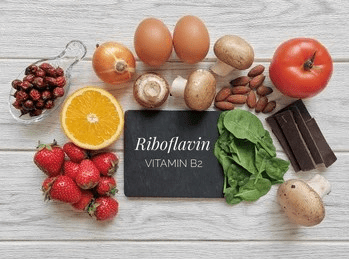
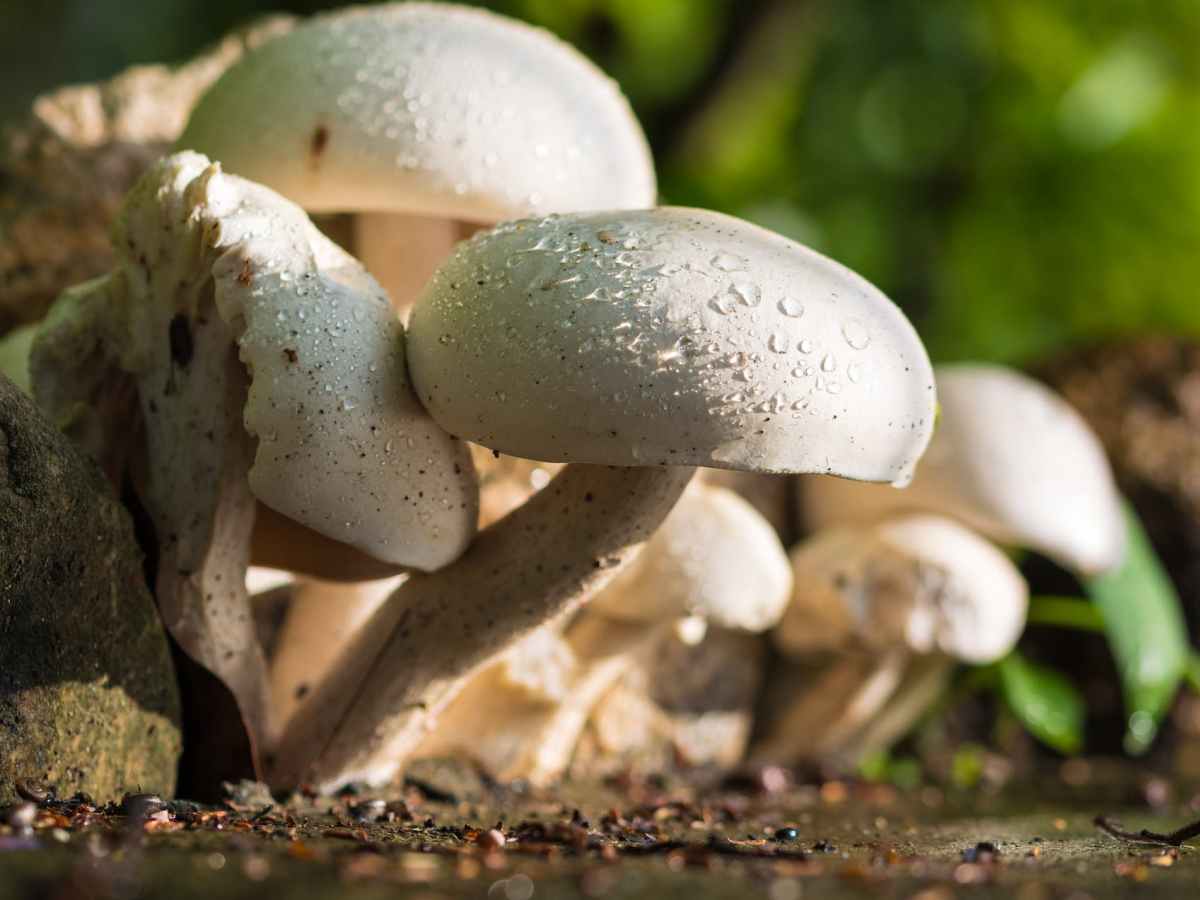
ALMONDS, WHOLE GRAINS, WHEAT GERM, WILD RICE, MUSHROOMS, SOYBEANS, BROCCOLI, BRUSSELS SPROUTS, SPINACH and BREWER’S YEAST are a few good plant food sources of Vitamin B2 (riboflavin). B complex vitamins are necessary for a healthy liver, skin, hair, eyes, and nervous system. The average recommended daily amount for adults is 1.3 milligrams. All B vitamins are water soluble, meaning the body does not store them, so they must be consumed daily in food or supplements. Riboflavin is destroyed by light, so food should be stored away from light to protect its riboflavin content. While riboflavin is not destroyed by heat, it can be lost in water when foods are boiled or soaked. Roasting and steaming foods preserves more riboflavin than frying or scalding your foods. Most healthy people who eat a well-balanced diet get enough riboflavin. However, elderly people and alcoholics may be at risk for riboflavin deficiency because of poor diet. Consult a doctor before using supplements to prevent allergic reactions and interactions with medicines.

  • Benefits of vitamin B2 (riboflavin)
    • Antioxidant. Riboflavin works as an antioxidant, fighting damaging particles in the body known as free radicals, which may contribute to the aging process, as well as the development of a number of health conditions like heart disease and cancer.
    • Growth and red blood cell production. Riboflavin is also needed to help the body change vitamin B6 and folate into forms it can use. It is also important for growth and red blood cell production.
    • Good vision and cataract prevention. Vitamin B2 is important for normal vision. Early studies suggest that it might help prevent cataracts.
    • Migraine relief. Several studies suggest that people who get migraines may reduce how often they get migraines and how long the migraines last by taking riboflavin.

Source: Mount Sinai

Posted in NUTRIENTS

Vitamin B3 (Niacin)

PEANUTS, AVOCADOS, BROWN RICE, MUSHROOMS, GREEN PEAS, WHOLE-WHEAT PRODUCTS, and WHITE POTATOES are good plant food sources of Vitamin B3 (niacin), a micronutrient that your body uses for proper metabolism, nervous system function and antioxidant protection. It’s an essential nutrient — meaning that you must obtain it from food, as your body cannot produce it on its own. Since niacin is water soluble, any surplus is excreted through your urine rather than stored in your body. Therefore, it’s important to regularly consume niacin-rich foods. The recommended dietary allowance (RDA) for this nutrient is 16 mg per day for men and 14 mg per day for women — enough to meet the needs of approximately 98% of adults.

plant food SourcemG of NIACIN%DV
2 tablespoons peanut butter4.325
1 large baked potato4.225
1 medium avocado3.521
1 cup cooked brown rice3.521
1 cup mushrooms2.515
1 cup green peas3.020
Recommended daily allowance for adults: 14-16 mg

Source: Healthline

Posted in RECIPES

Thai Peanut Salad

A fresh and crunchy salad with the flavor of Thailand.

PREP 20 minCOOK 0 SERVES 4

INGREDIENTS

INSTRUCTIONS

  1. Combine QUINOA, CABBAGE, CARROT, SNOW PEAS, CILANTRO and GREEN ONION
  2. Toss and pour in PEANUT SAUCE
  3. Toss again until everything is lightly coated with sauce
  4. Garnish with PEANUTS
Posted in NUTRIENTS

Vitamin C

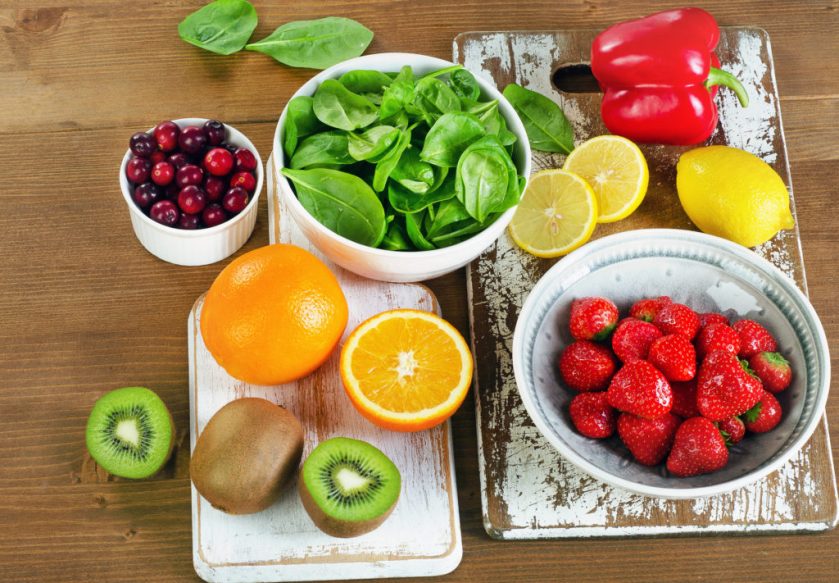
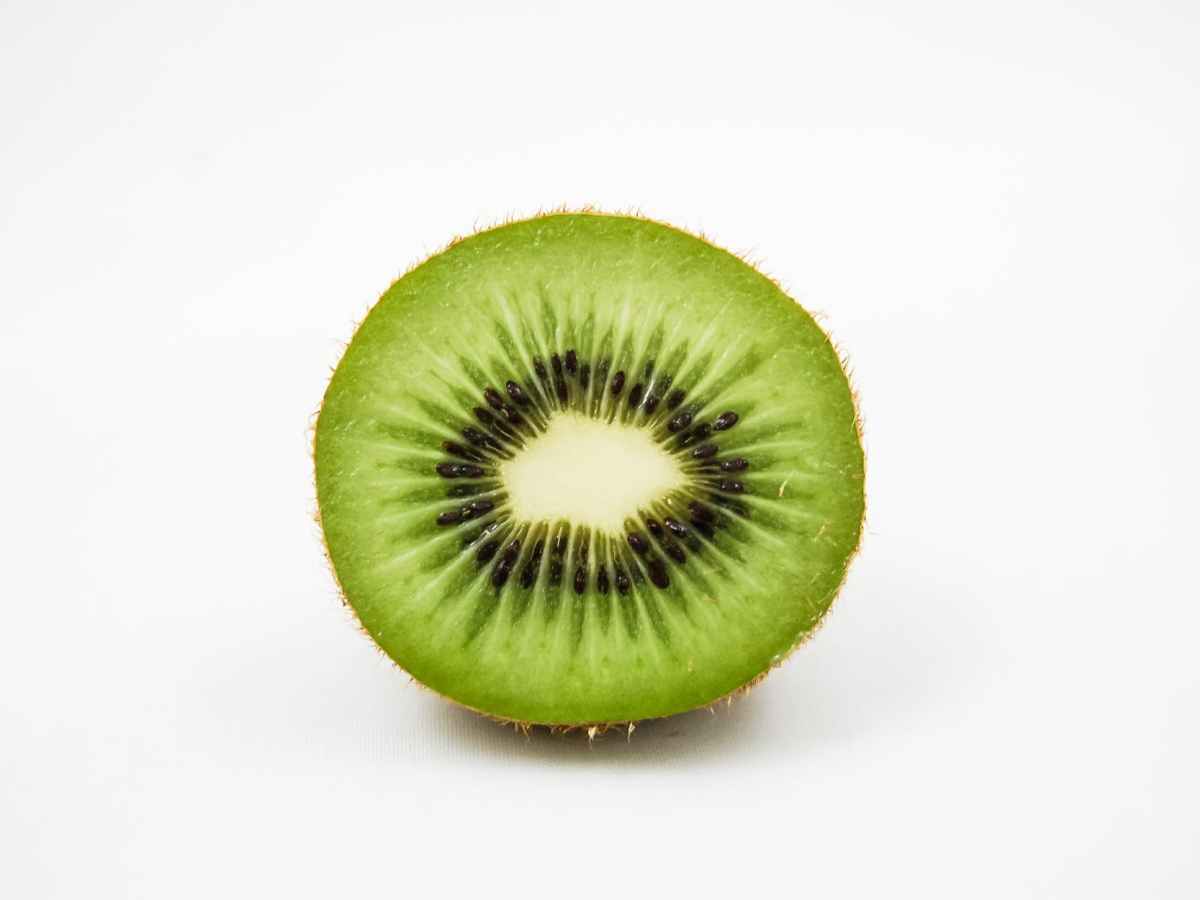
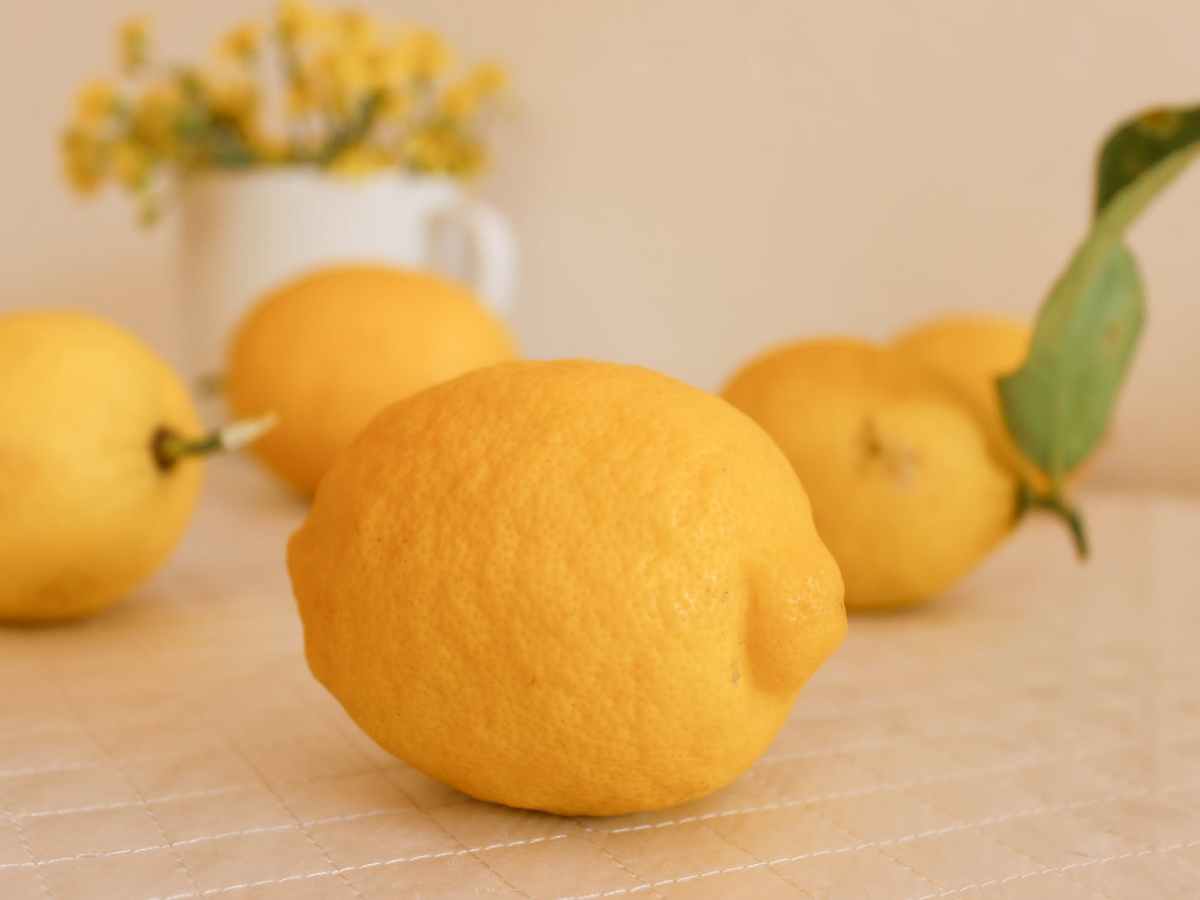
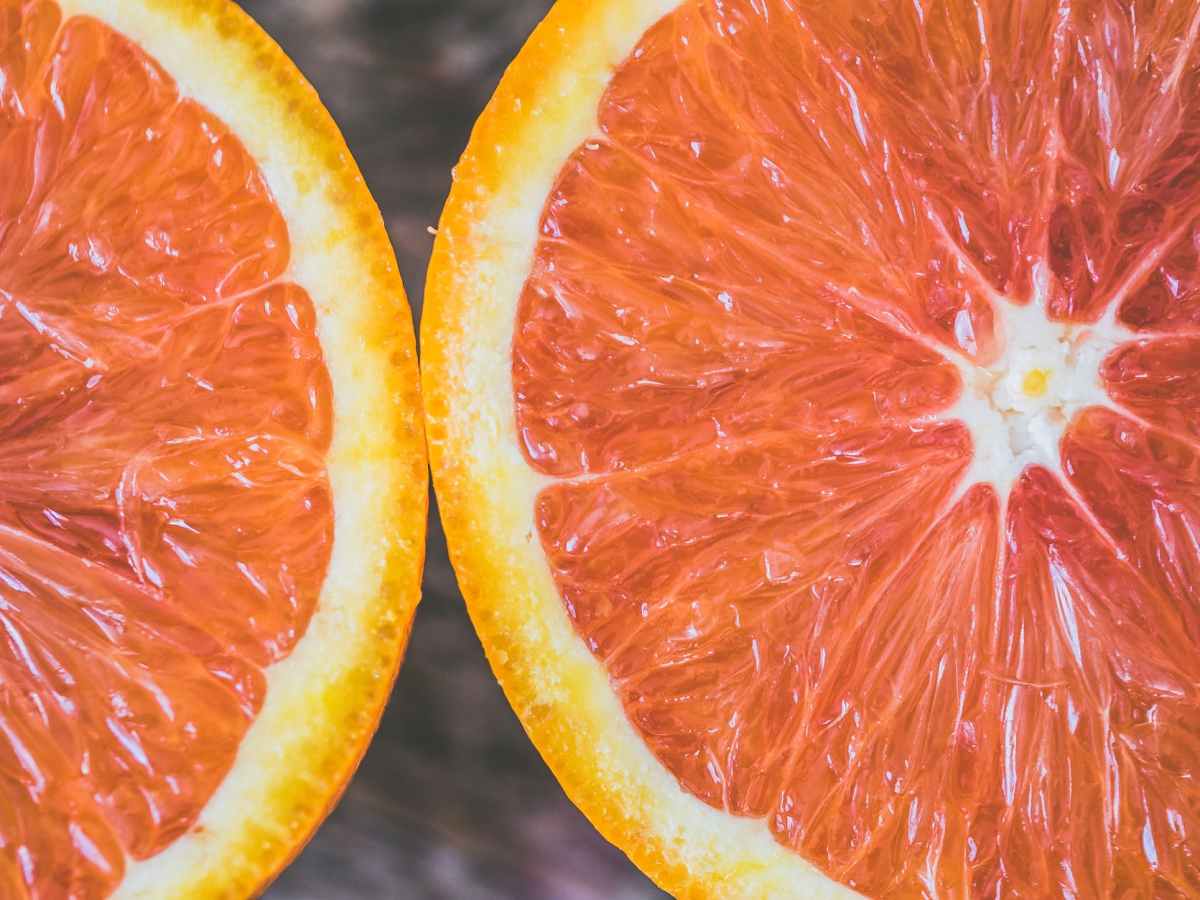
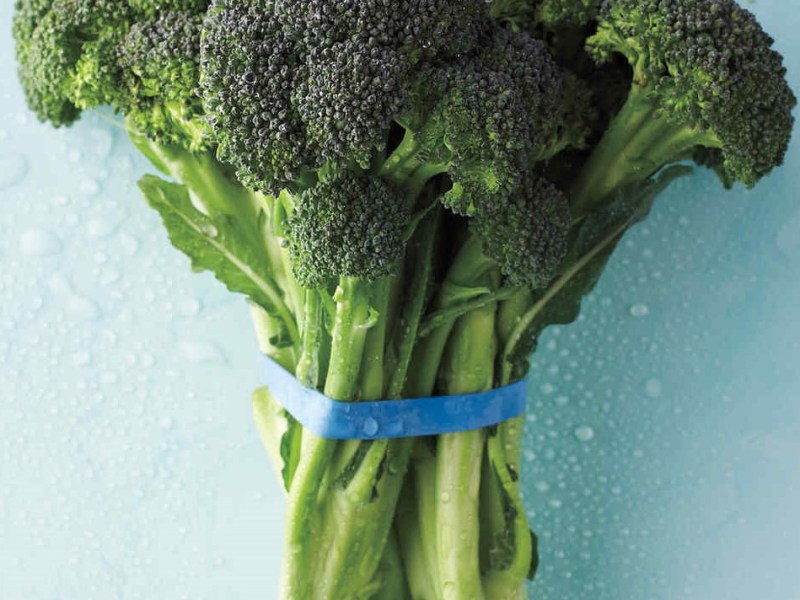
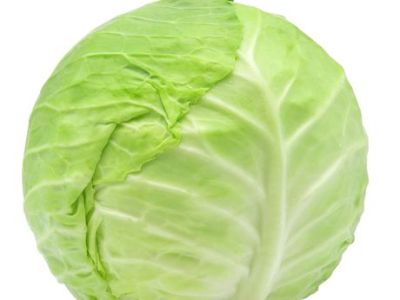
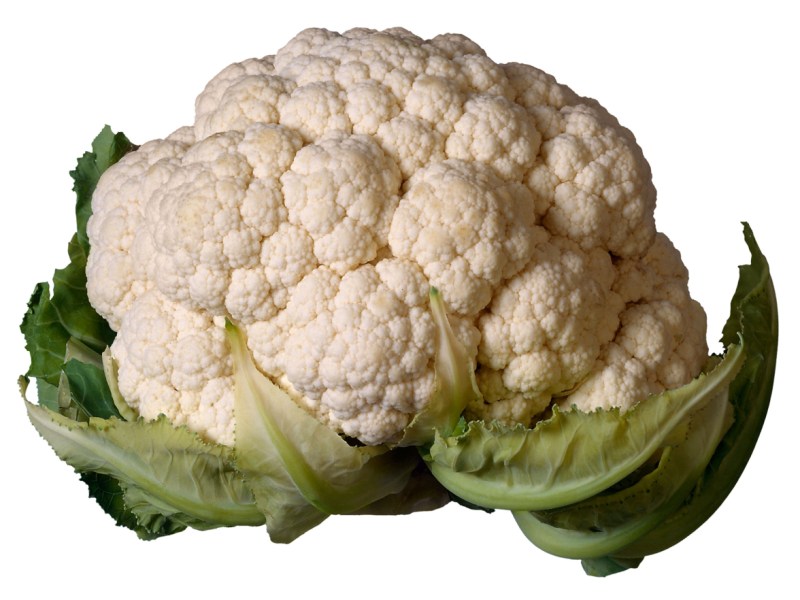
Oranges, kiwi, lemon, bell pepper, strawberries, grapefruit, broccoli, cabbage, and cauliflower are a few plant foods that are rich in Vitamin C. Vitamin C has been linked to many impressive health benefits that include boosting antioxidant levels, lowering blood pressure, protecting against gout attacks, improving iron absorption, boosting immunity, and reducing heart disease and dementia risk. Because the human body cannot produce Vitamin C, it must be obtained through food sources or manufactured supplements. Opinions vary about how much Vitamin C is needed for optimal health. The Recommended Daily Allowance (RDA)–enough to prevent deficiency syndromes such as scurvy–is 90 mg for men and 75 mg for women, but the Upper Limit (UL) is 2,000 mg. Because of the known benefits of Vitamin C for prevention and optimal health, including those that have not yet been fully proven, I prefer to take a 1,000 mg supplement and to eat foods that are rich in Vitamin C every day. High-heat cooking temperatures or prolonged cook times can break down the vitamin. Because it is water-soluble, the vitamin can also seep into cooking liquid and be lost if the liquids are not eaten. Quick heating methods or using as little water as possible when cooking, such as stir-frying or blanching, can preserve the vitamin. Foods at peak ripeness eaten raw contain the most vitamin C.

Source: Harvard School of Public Health

Posted in PLANT FOOD FACTS

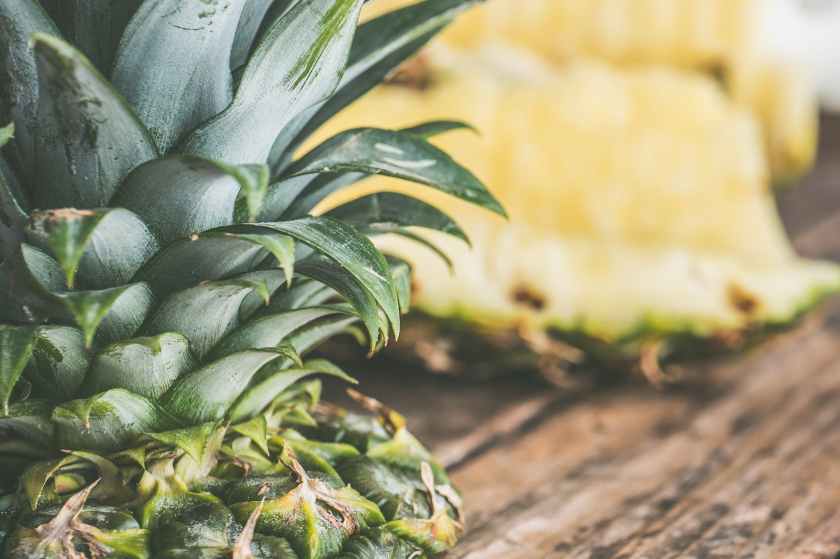
Pineapple

Pineapple is delicious, versatile, and loaded with nutrients and antioxidants. One cup of fresh pineapple proides 88% of the DV for Vitamin C.

Pinapple (Ananas comosus) is an incredibly delicious, healthy tropical fruit. It’s packed with nutrients, antioxidants, and other helpful compounds, such as enzymes that can protect against inflammation and disease. Originating in South America, it was named by early European colonizers for its resemblance to a pine cone. Pineapple and its compounds are linked to several health benefits, including improvements in digestion, immunity, and recovery from surgery. The impressive health benefits include improved digestion, a lower risk of cancer, and osteoarthritis relief.

Pineapple is widely considered safe, though a small percentage of people may have an allergy to it. People who have diabetes or take blood thinners should be mindful of portion sizes when eating pineapple.

1 CUP OF FRESH PINEAPPLE PROVIDES
CALORIES83
CARBOHYDRATE21.6g
FAT1.7g
FIBER2.3g
PROTEIN1g
IRON 3%DV
COPPER20%DV
MAGNESIUM5%DV
MANGANESE10%DV
PANTOTHENIC ACID7%DV
VITAMIN B1 (THIAMINE)11%DV
VITAMIN B2 (RIBOFLAVIN)4%DV
VITAMIN B3 (NIACIN)5%DV
VITAMIN B5 (PANTOTHENIC ACID)7%DV
VITAMIN B611%DV
VITAMIN B9 (FOLATE)7%DV
VITAMIN C88%DV
Sources: Wikipedia / healthline
Posted in NUTRIENTS

Vitamin E

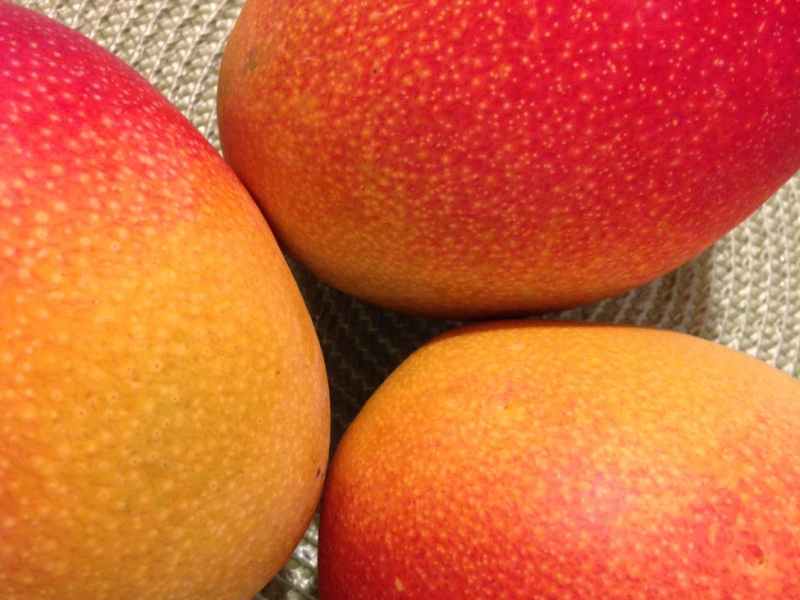
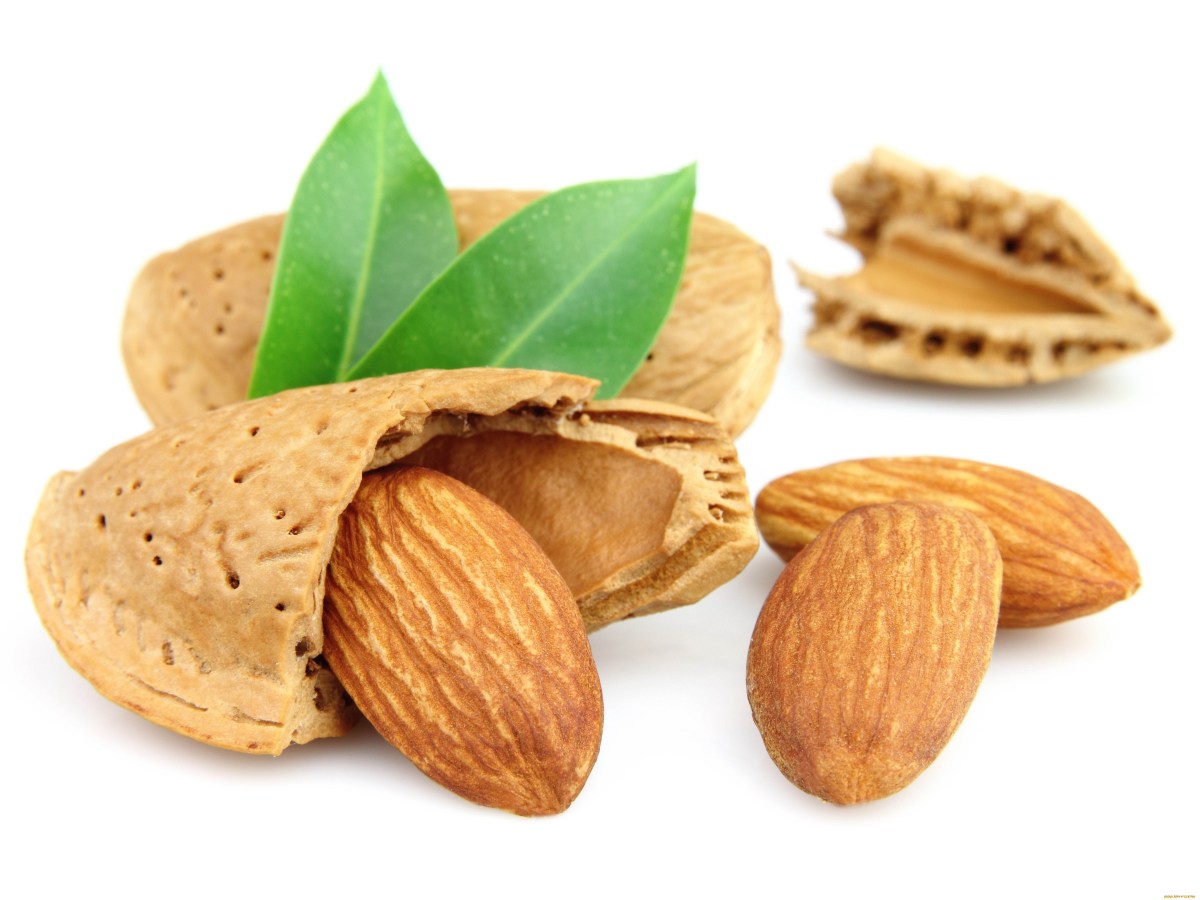
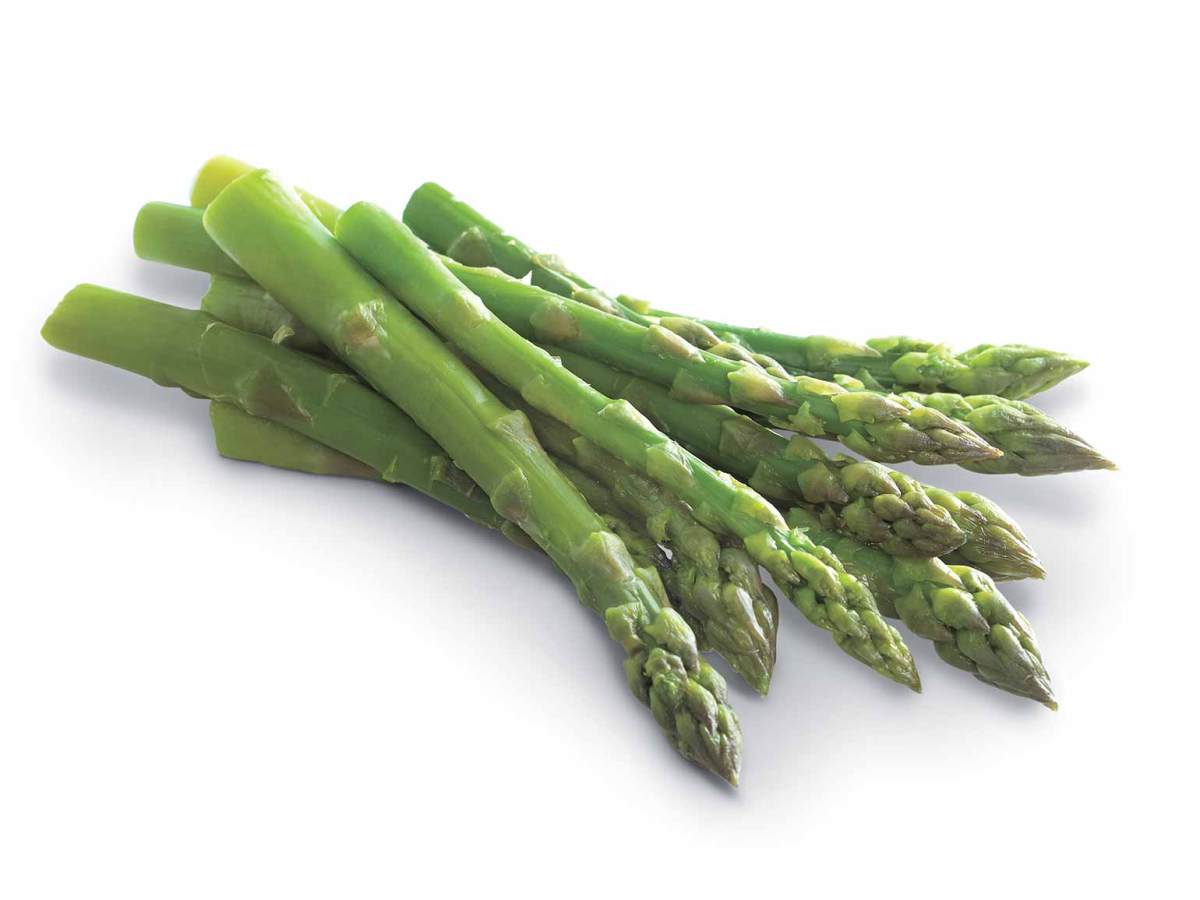
Mango, avocado, almonds, asparagus, peanuts, pumpkin, wheat germ oil, and sunflower seeds are rich in Vitamin E. Vitamin E acts as an antioxidant, scavenging loose electrons—so-called “free radicals”—that can damage cells. It also enhances immune function and prevents clots from forming in heart arteries. Antioxidant vitamins, including vitamin E, came to public attention in the 1980s when scientists began to understand that free radical damage was involved in the early stages of artery-clogging atherosclerosis, and might also contribute to cancer, vision loss, and a host of other chronic conditions. The Recommended Dietary Allowance of Vitamin E is 15 mg daily.

Source: Harvard School of Public Health
Posted in PLANT FOOD FACTS

Grapefruit

Grapefruit is rich in nutrients, antioxidants and fiber, making it one of the healthiest citrus fruits you can eat.

Grapefruit is a tropical citrus fruit known for its sweet and somewhat sour taste. It may have some powerful health benefits, including weight loss and a reduced risk of heart disease. In addition to the nutrients listed here, grapefruit is a rich source of some powerful antioxidant plant compounds, which are likely responsible for many of its health benefits.

1/2 MEDIUM GRAPEFRUIT
calories 52
carbohydrates 13 g
protein 1 g
fiber 2 g
folate 4% RDI
magnesium 3% RDI
potassium 5% RDI
thiamine 4 % RDI
vitamin A 28% RDI
vitamin C 64% RDI
Sources: healthline
Posted in PLANT FOOD FACTS

Ginger

Ginger, a delicious spicy addition to many favorite dishes, has also been widely used in traditional medicine.

Ginger is the spicy root of the flowering plant Zingiber officinale. It is used to season many kinds of food, and it also has a long history as a folk medicine treatment for multiple ailments. The edible portion of the thick root, called a rhizome, is available in the produce section of most grocery stores. Dried and ground ginger can also commonly be found in the herbs and spices aisle.

Research suggests that eating ginger provides multiple health benefits, inculding nausea relief, pain relief, and blood sugar management. The health benefits of ginger are mainly attributed to its phenolic compounds, such as gingerols and shogaols. Ginger possesses multiple biological activities, including antioxidant, anti-inflammatory, antimicrobial, anticancer, neuroprotective, cardiovascular protective, respiratory protective, antiobesity, antidiabetic, antinausea, and antiemetic activities.

Source: NIH

Posted in PLANT FOOD FACTS

Celery

Celery provides 37% of the daily requirement of Vitamin K, which plays a role in blood clotting, bone metabolism, and regulating blood calcium levels.

Celery (español: apio) has the scientific name Apium graveolens. is a vegetable in the plant family called Apiaceae. Celery stalks are the best-known part of this plant, but the green leaves and seeds are edible and beneficial too. Celery seeds are known to help lower inflammation and fight bacterial infections. Celery is high in antioxidants, beneficial enzymes, fiber, vitamins, minerals, flavonoids and polyphenols. Celery supports liver, skin, eye and digestive health. Parts of this vegetable were administered in folk medicine as natural anti-hypertensive agents. Recent pharmacological studies have demonstrated antioxidant and anti-inflammatory activities. Celery acts as a natural detox tonic that may prevent sickness because of its hydrating qualities and high nutritional content.

Nutrition Facts: 1 cup chopped raw celery (100 g)
calories 16.2
carbohydrates 3.5 g
calcium 4% DV
fat 0.2 g
fiber 1.6 g
folate 9% DV
magnesium 3% DV
manganese 5% DV
potassium 8% DV
protein 0.7 g
riboflavin 3% DV
vitamin A 9% DV
vitamin B6 4% DV
vitamin C 5% DV
vitamin K 37% DV
SOURCES: DR. AXE

Posted in MEXICAN SPECIALS, PLANT FOOD FACTS

Nopal (Prickly Pear) Cactus

The nopal is known for high antioxidant, vitamin, and mineral content.

The nopal cactus, native to Mexico, is commonly known in English as the prickly pear cactus (español: nopal ).

Nopales are the pads of the nopal cactus. Sauteed nopales can be added to many dishes, such as salads, quesadillas or scrambled eggs. The sweet and colorful prickly pears, called tunas in Spanish, are delicious just as they are. Just peel and eat. The prickly pear fruit contains the flavonoids kaempferol and quercetin, which are antioxidant and anti-inflammatory.

Recipe: Sauteed Nopales

1 cup raw nopal
calcium 141 mg
calories 13.8
carbohydrates 2.86 g
fat 0.8 g
fiber 1.89 g
protein 1.14 g
sugar 0.99 g
vitamin A 198 mcg
vitamin C 8 mg
vitamin K 4.56 mcg
SOURCE: Medical News Today
Posted in PLANT FOOD FACTS

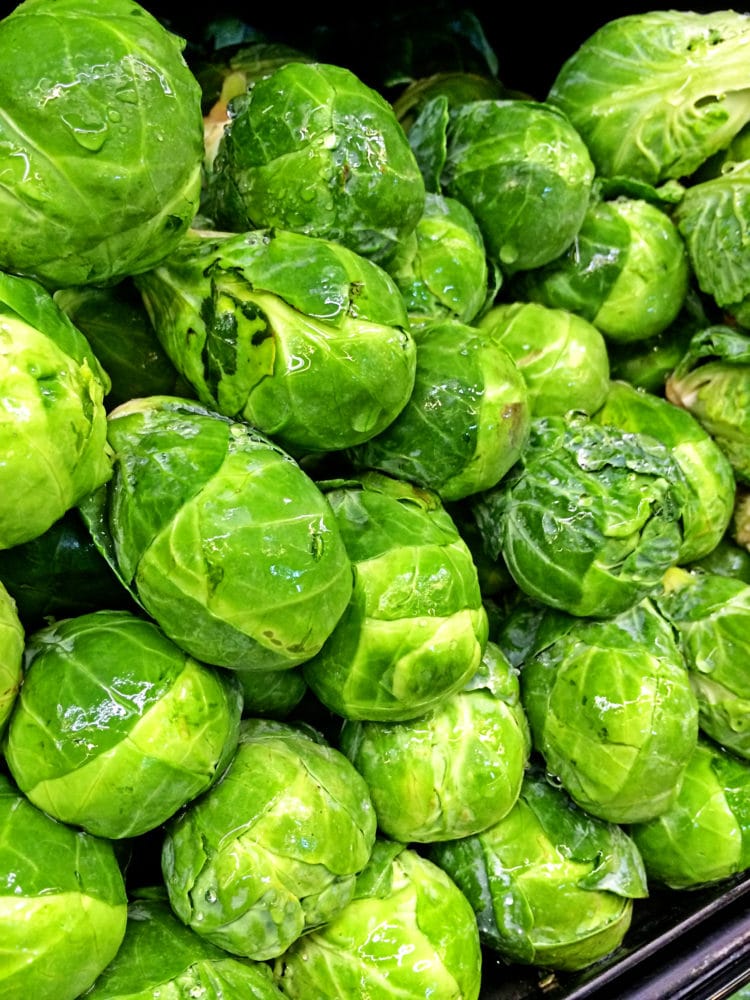
Brussels Sprouts

Brussels sprouts are low in calories but high in many nutrients, especially fiber, vitamin K and vitamin C.

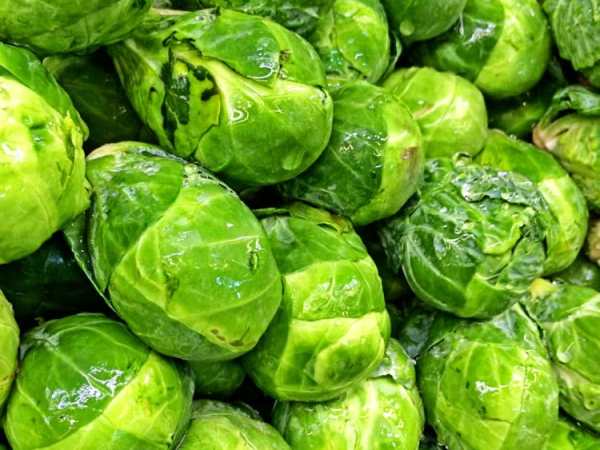
The brussels sprout (español: coles de bruselas) is a member of the Gemmifera Group of cabbages (Brassica oleracea), grown for its edible buds. The leaf vegetables are typically half and inch to one-and-a-half inches in diameter and look like miniature cabbages. They have long been popular in Brussels, Belgium, and may have gained their name there. They contain kaempferol, an antioxidant that may reduce cancer growth, decrease inflammation and promote heart health. Because of their high fiber content, they promote regularity, support digestive health and reduce the risk of heart disease and diabetes. They are very high in Vitamin K, which is important for blood clotting and bone metabolism. The fiber and antioxidants in Brussels sprouts may help keep your blood sugar levels stable. They are a good source of ALA omega-3 fatty acids, which can reduce inflammation, insulin resistance, cognitive decline and blood triglycerides. Brussels sprouts can be roasted, boiled, sautéed or baked. They are a good addition to pasta or stir-fries. Recipe: Brussels Sprouts in Balsamic Dijon Sauce.

1/2 cup (50 g) cooked brussels sprouts
calories 28
carbohydrates 6 g
fat 4 g
fiber 2 g
folate 12% DV
maganese 58% DV
protein 2 g
vitamin A 12% DV
vitamin C 81% DV
vitamin K 137% DV
Sources: Healthline / Wikipedia
Posted in PLANT FOOD FACTS

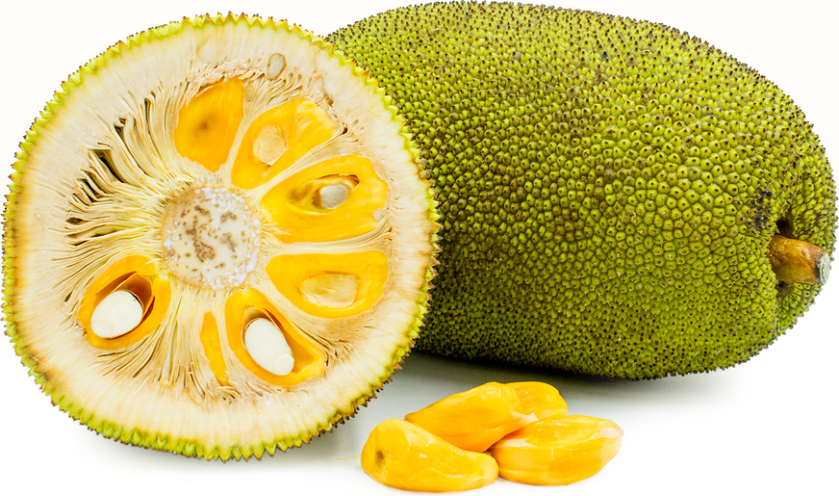
Jackfruit

Claims for jackfruit are that it may help regulate blood sugar, protect against disease with antioxidants, prevent skin problems, and promote heart health.

The jackfruit (español: yaca) (Artocarpus heterophyllus), also known as jack tree, is a species of tree in the fig, mulberry, and breadfruit family. Its origin is in the region between the Western Ghats of southern India and the rainforests of Malaysia. Jackfruit is a common ingredient in South and Southeast Asian cuisines. It is available internationally canned or frozen and in chilled meals as are various products derived from the fruit such as noodles and chips.

1 cup sliced jackfruit
calories 155
carbohydrates 40 g
copper 15% DV
fiber 3 g
magnesium 15% DV
manganese 16% DV
potassium 14% DV
protein 3 g
riboflavin 11% DV
vitamin A 10% DV
vitamin C 18% DV
Sources: Wikipedia / healthline
Posted in PLANT FOOD FACTS

Basil

Basil is anti-bacterial, anti-inflammatory, and antioxidant. It helps prevent diabetes. It is used to reduce pain and fever, combat stress, and boost the immune system. It fights cancer and protects blood vessels and liver.

Basil is a culinary herb of the family Lamiaceae (mints). Basil is used in cuisines all over the world. Depending on the species and cultivar, the leaves may taste somewhat like anise, with a strong, pungent, often sweet smell. Basil is used as a fresh herb in recipes all over the world. It is an essential ingredient in many Italian dishes. Basil is also used to create perfumes, household cleaners and in dental-care products.

1 cup of fresh basil
calories 2
manganese .24 mg (12% DV)
vitamin A 56 mg (24% DV)
vitamin C 4 mg (8% DV)
Vitamin K 88 mg (108% DV)
Sources: Wikipedia / Dr. Axe
Posted in PLANT FOOD FACTS

Barley

Barley is rich in fiber, antioxidants, vitamins and minerals. It improves digestion, and can help with weight loss and blood sugar levels. It lowers cholesterol and helps prevent heart disease and cancer.

Barley, a member of the grass family, is a major cereal grain grown in temperate climates all over the world. It was one of the first cultivated grains, going back as much as 10,000 years. Barley has been used as animal fodder, a source of fermentable material for beer and certain distilled beverages, and a component of various health foods. It is used in soups and stews, and in barley bread. Barley grains are commonly made into malt in a traditional and ancient method of preparation.

1/4 cup uncooked dry hulled barley
calories 160
carbohydrates 34 g
copper .025 mg (11% DV)
fat 1 g
fiber 8 g
magnesium 61 mg (15% DV)
manganese .9 mg (45% DV)
niacin 2 mg (10% DV)
phosphorous 121 mg (12% DV)
potassium 250 mg (6% DV)
protein 6 g
selenium 17 mg (25% DV)
thiamine .2 mg (20% DV)
Sources: Wikipedia / Dr. Axe
Posted in PLANT FOOD FACTS

Banana

Bananas are high in fiber and antioxidants and relatively low in calories; they moderate blood sugar levels and improve digestive and kidney health.

A banana is an edible fruit–botanically a berry–produced by several kinds of large herbaceous flowering plants in the genus Musa. In some countries, bananas used for cooking may be called plantains, distinguishing them from dessert bananas. The fruit is variable in size, color, and firmness, but is usually elongated and curved, with soft flesh rich in starch covered with a rind, which may be green, yellow, red, purple, or brown when ripe. The fruits grow in clusters hanging from the top of the plant.

Bananas are good as they are–just peel and eat. They are a delicious addition to a smoothie, and very ripe bananas make exquisite banana bread. Cooking bananas, known as plantains, can be fried, baked, or sliced and added to a stew. In southern Mexico, tamales are wrapped in banana leaves instead of corn husks.

1 medium banana (118 g)
calories 105
carbohydrates 24 g
copper 10% DV
fat 0.4 g
fiber 3.1 g
magnesium 8% DV
manganese 14% DV
potassium 9% DV
protein 1.3 g
vitamin B6 33% DV
vitamin C 11% DV
Sources: Wikipedia / healthline