Posted in MEXICAN SPECIALS, PLANT FOOD FACTS

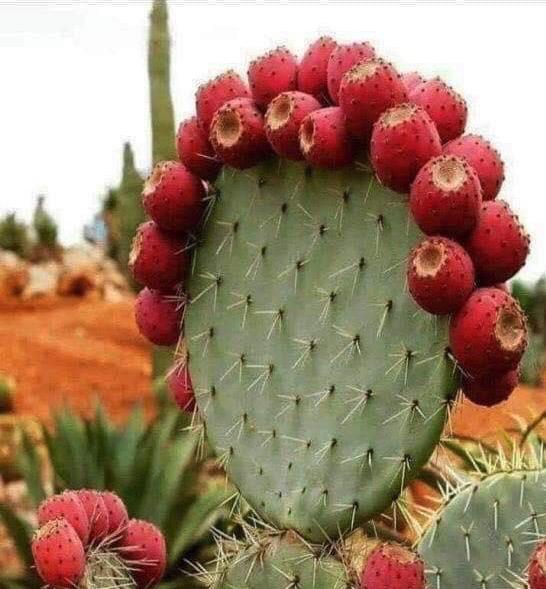
Nopal (Prickly Pear) Cactus

The nopal is known for high antioxidant, vitamin, and mineral content.

The nopal cactus, native to Mexico, is commonly known in English as the prickly pear cactus (español: nopal ).

Nopales are the pads of the nopal cactus. Sauteed nopales can be added to many dishes, such as salads, quesadillas or scrambled eggs. The sweet and colorful prickly pears, called tunas in Spanish, are delicious just as they are. Just peel and eat. The prickly pear fruit contains the flavonoids kaempferol and quercetin, which are antioxidant and anti-inflammatory.

Recipe: Sauteed Nopales

1 cup raw nopal
calcium 141 mg
calories 13.8
carbohydrates 2.86 g
fat 0.8 g
fiber 1.89 g
protein 1.14 g
sugar 0.99 g
vitamin A 198 mcg
vitamin C 8 mg
vitamin K 4.56 mcg
SOURCE: Medical News Today
Posted in PLANT FOOD FACTS

Basil

Basil is anti-bacterial, anti-inflammatory, and antioxidant. It helps prevent diabetes. It is used to reduce pain and fever, combat stress, and boost the immune system. It fights cancer and protects blood vessels and liver.

Basil is a culinary herb of the family Lamiaceae (mints). Basil is used in cuisines all over the world. Depending on the species and cultivar, the leaves may taste somewhat like anise, with a strong, pungent, often sweet smell. Basil is used as a fresh herb in recipes all over the world. It is an essential ingredient in many Italian dishes. Basil is also used to create perfumes, household cleaners and in dental-care products.

1 cup of fresh basil
calories 2
manganese .24 mg (12% DV)
vitamin A 56 mg (24% DV)
vitamin C 4 mg (8% DV)
Vitamin K 88 mg (108% DV)
Sources: Wikipedia / Dr. Axe