A 3.5-ounce kiwi provides more than 80% of the daily vitamin C requirement.
Kiwis are a type of fruit native to the mountains and hillsides of Southwest China. They are classified as berries. The most popular type of kiwi is the Hayward kiwi, named after Hayward Wright, who popularized kiwis in New Zealand in the 1920s. Hayward kiwis are oval shaped. They have fuzzy brown skin, green flesh, and tiny black seeds. Kiwis are exceptionally high in vitamin C.
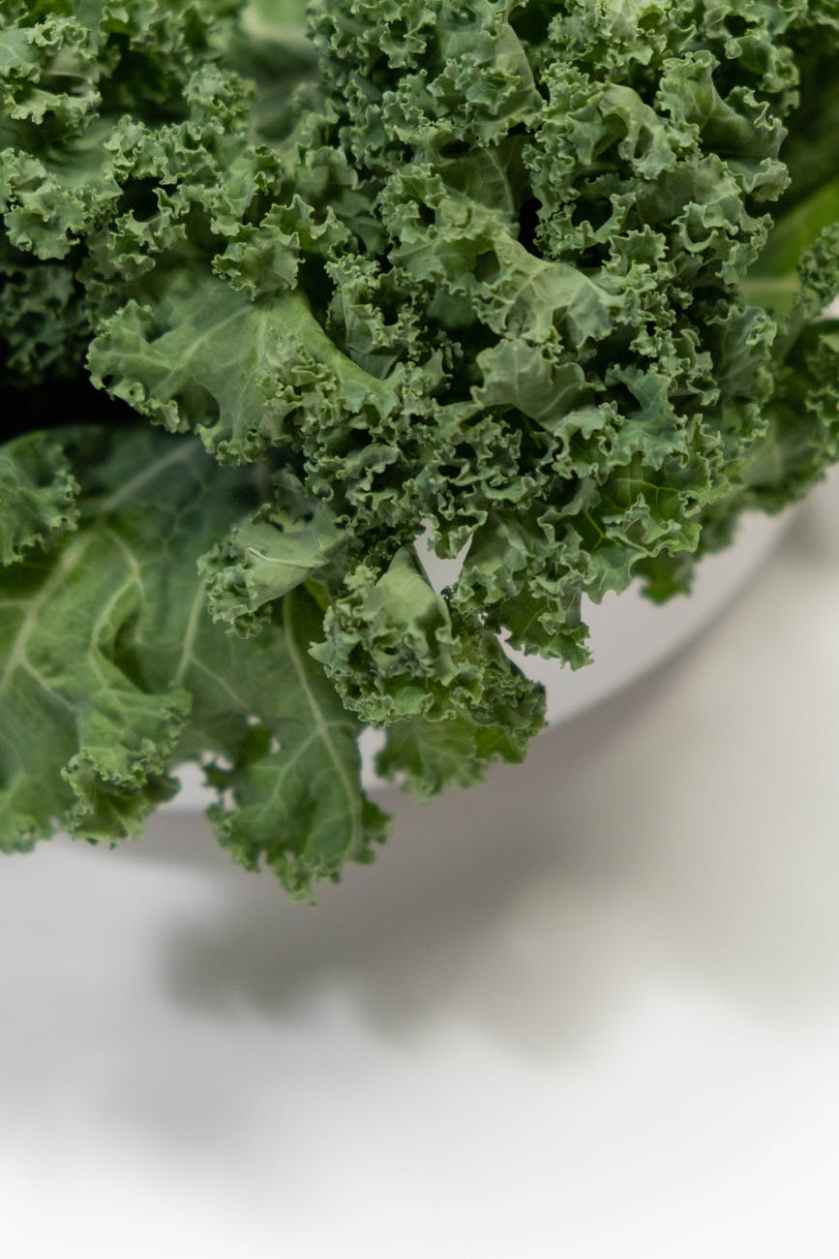
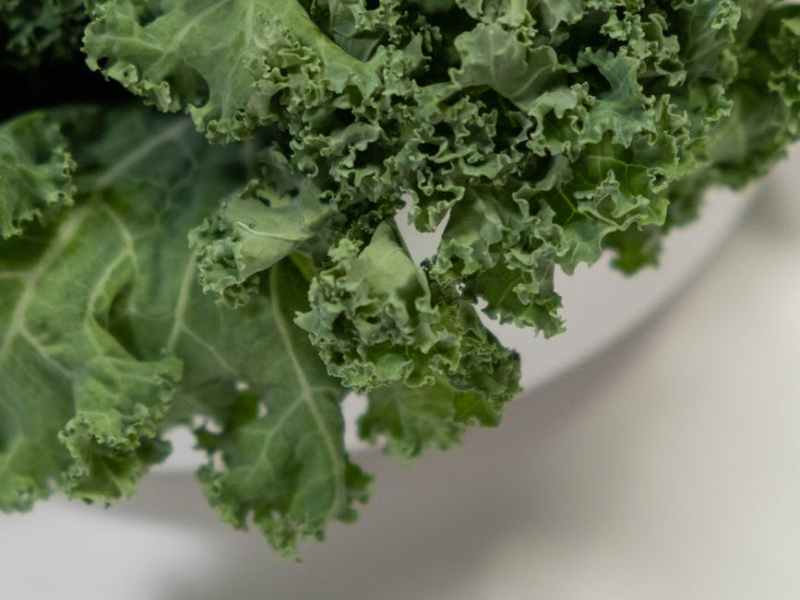
A cup of cooked kale provides almost five times an adult’s daily need for vitamin K.
Kale (Spanish: col rizada) is a green, leafy, cruciferous vegetable that is rich in nutrients. A cup of cooked kale provides almost five times an adult’s daily need for vitamin K, around 15–18% of their calcium need, and about 7% of the daily phosphorus requirement. Possible benefits include helping manage blood pressure, boosting digestive health, and protecting against cancer and type 2 diabetes. Kale contains fiber, antioxidants, calcium, vitamins C and K, iron, and a wide range of other nutrients.
What does Vitamin B 12 do? Vitamin B12 supports the function of your nerve cells and is needed for red blood cell formation and DNA synthesis. It may benefit health in various ways, such as preventing major birth defects, supporting bone and eye health, and maintaining healthy skin and hair.
How much do I need? For most adults, the recommended dietary allowance (RDA) is 2.4 micrograms (mcg), though it’s higher for people who are pregnant or nursing.
Are supplements recommended? Most people in developed countries get enough from the consumption of meat or foods with animal sources, but a high percentage of deficiency disorders have been observed in those who do not consume meat and who do not take a Vitamin B12 supplement. There are no plant-based sources of Vitamin B12. A daily or weekly supplement is the best way to avoid the very serious consequences of Vitamin B12 deficiency. Some vegan food products, such as nutritional yeast, may be fortified with Vitamin B12, but I prefer to be sure I’m covered by taking a daily supplement. Deficiency symptoms may take five years or more to develop in adults. Vitamin B12 is the only vitamin that cannot be sourced from a whole-food plant-based diet. If you are following or considering a vegan or vegetarian eating plan, I sincerely recommend that you read the article at this link on the importance of vitamin B12. Vitamin B12: Your Key Facts (The Vegan Society)
What are some good plant food sources of Vitamin B 12? There are no plant-based sources of Vitamin B12.
One cup of jicama provides 44% of the recommended daily intake of Vitamin C.
Jicama is the root of a plant that produces beans, but the beans of the jicama plant are toxic. It has a papery golden-brown skin and a starchy white interior. Its flesh is juicy and crunchy, with a slightly sweet and nutty flavor. Some think it tastes like a cross between a potato and a pear. Others compare it to a water chestnut. With its mild taste and crunchy texture, it is an excellent addition to any salad.
Jicama originated in Mexico and is still a favorite snack all over the country. Other names for jicama include yam bean, Mexican potato, Mexican water chestnut and Chinese turnip. In Mexico, it is sold from street stands or prepared at home, slathered in lime juice and salt, usually with a lot of chili powder.
These basic oatmeal cookies are delicious plain or you can spice them up with any or all of the optional ingredients. *For information on healthy options for oil, sugar, and flour, see VeganOptions.
PREP 20 min / TEMP 375 F (190 C) / MAKES 12
INGREDIENTS
1/2 c OIL
1 c SUGAR*
1 EGG*
1/2 tsp VANILLA
3/4 c FLOUR*
1/2 tsp BAKING SODA
1 1/2 c UNCOOKED OATMEAL
OPTIONAL: 1/2 c RAISINS, 1/2 c PECANS, 1/4 tsp CLOVES, 1/4 tsp GINGER, 1/4 tsp ALLSPICE, 1/4 tsp NUTMEG
DIRECTIONS
Cream OIL and SUGAR, add EGG and VANILLA; mix well
Whisk FLOUR, BAKING SODA, SALT and optional spices together; add one-third at a time to the oil mixture; mix well
Fold in OATMEAL and mix thoroughly
Stir in RAISINS and PECANS
Form the dough into balls, about 2 Tbsp each, and place 2 inches apart on cookie sheet. Bake for 8-10 minutes in preheated oven at 375 F
What does chromium do? Chromium enhances the action of insulin, and it is involved in the breakdown and absorption of carbohydrate, proteins, and fats.
How much do I need? Adequate Intake is 35 micrograms for men and 25 for women. There is not enough data to establish a Recommended Dietary Allowance for chromium.
Are supplements recommended? It is naturally present in a wide variety of foods, though only in small amounts. Vitamin B3 (niacin) and Vitamin C help to improve the absorption of chromium. Most people do not need a chromium supplement, as deficiencies are rare and adequate amounts are obtained through a balanced diet. Supplements are primarily used for blood sugar management in diabetics. Consult a doctor, especially if you have diabetes or kidney disease.
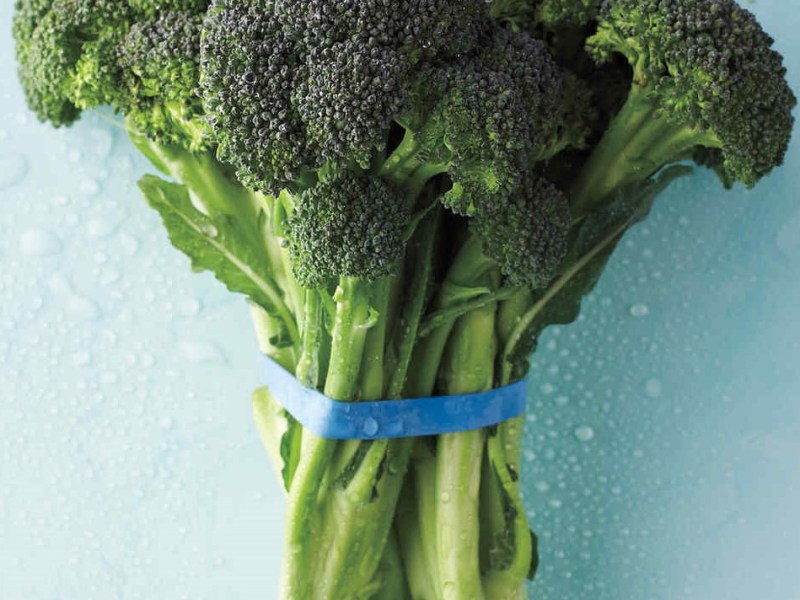
What are some good plant food sources of chromium? WHOLE GRAINS, HIGH-FIBER BRAN CEREALS, BROCCOLI, GREEN BEANS, POTATOES, APPLES, BANANAS, COFFEE, BREWER’S YEAST
Garlic has been used as a traditional medicine as well as a food flavoring. It is a healthy and delicious addition to many dishes around the world. Its medicinal benefits for both cure and prevention require larger doses, which should be taken with the supervision and advice of a knowledgeable medical practitioner.
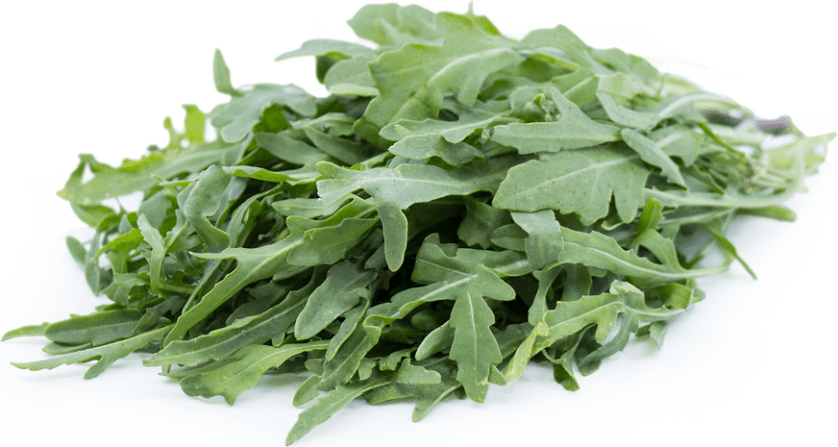
This delicious green is nutrient-dense, high in fiber and phytochemicals.
Arugula is a peppery, distinctive-tasting green also known as rucola, salad rocket, and Italian cress. Arugula is low in sugar, calories, carbohydrates, and fat while high in calcium, potassium, folate, Vitamin C and Vitamin K. Arugula is a member of the Brassica, or Cruciferous, family, which includes Brussels sprouts, kale, cauliflower, and broccoli. Arugula’s distinctive peppery crunch adds flair to salads and other cold dishes. Arugula can be used in addition to of in the place of most types of lettuce and herbs. It also boasts a distinctive leaf shape. Its flowers, seeds, and leaves are all edible. Cruciferous vegetables like arugula have been linked to lower incidence of cancer, bone health, heart health, and diabetes prevention.
What does protein do? Proteins are the main building blocks of your body. They’re used to make muscles, tendons, organs, and skin, as well as enzymes, hormones, neurotransmitters, and various molecules that serve many important functions.
How much do I need? U.S. adults should typically consume around 50-175 grams of protein daily in a typical 2000 calorie diet. Older adults have significantly increased protein needs. Since there’s no evidence of harm and significant evidence of benefit, it’s likely better for most people to err on the side of consuming more protein rather than less.
Are supplements recommended? Most people can get enough protein through a balanced, whole-food diet. Supplements are only necessary if you struggle to meet daily protein needs or have specific needs like high-intensity training recovery, or restricted diet.
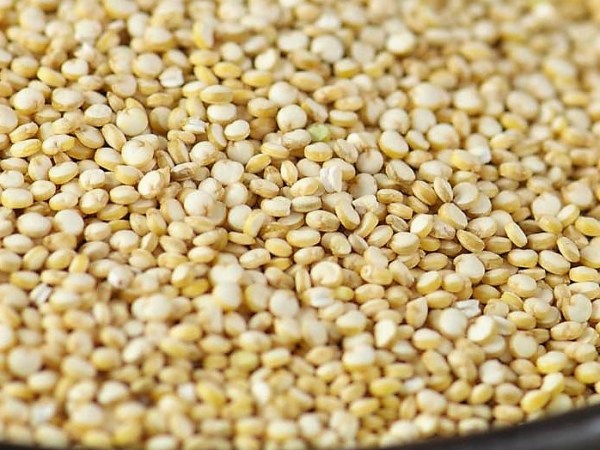
What are some good plant food sources of protein? PEANUTS, ALMONDS, LENTILS CHICKPEAS, QUINOA, BEANS WITH RICE
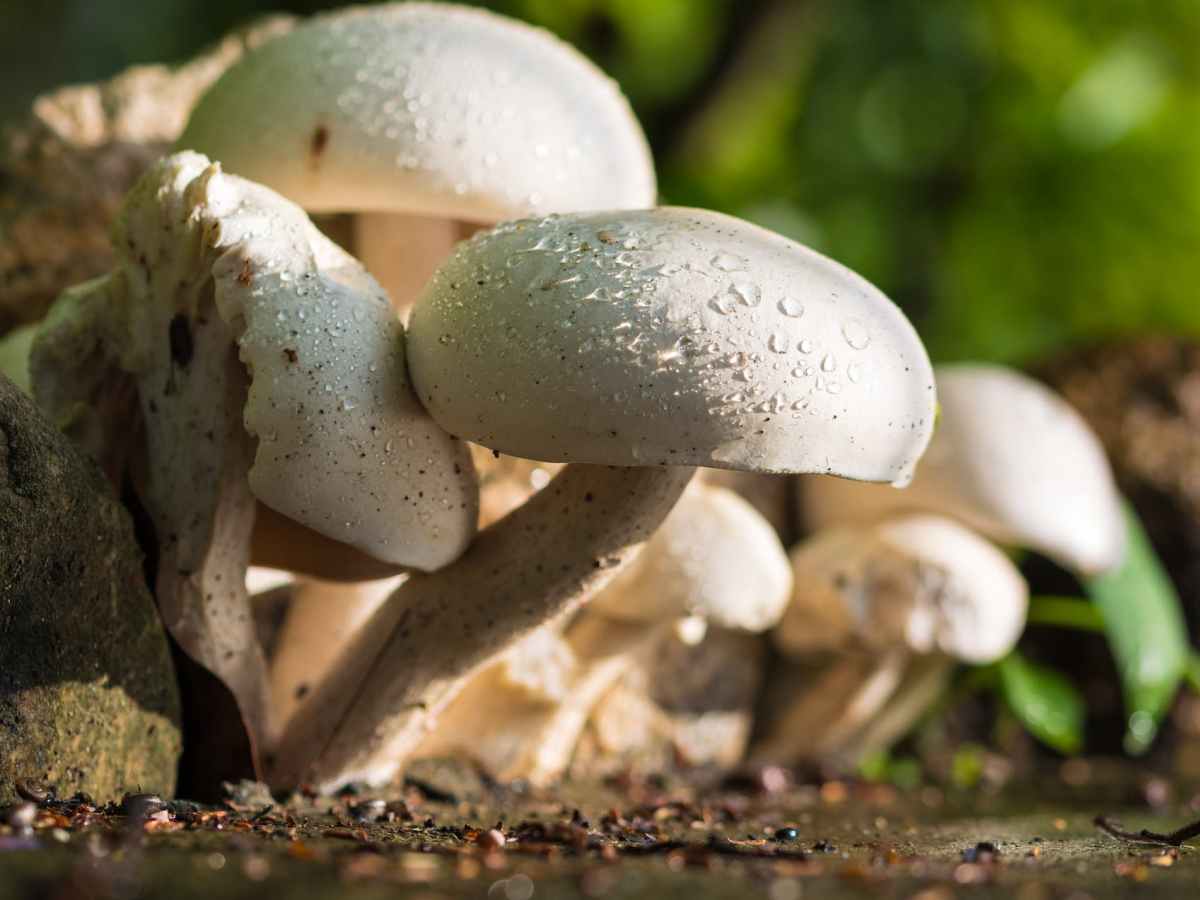
White mushrooms are rich in many bioactive compounds that may protect against cancer and heart disease, as well as help improve blood sugar control and gut health.
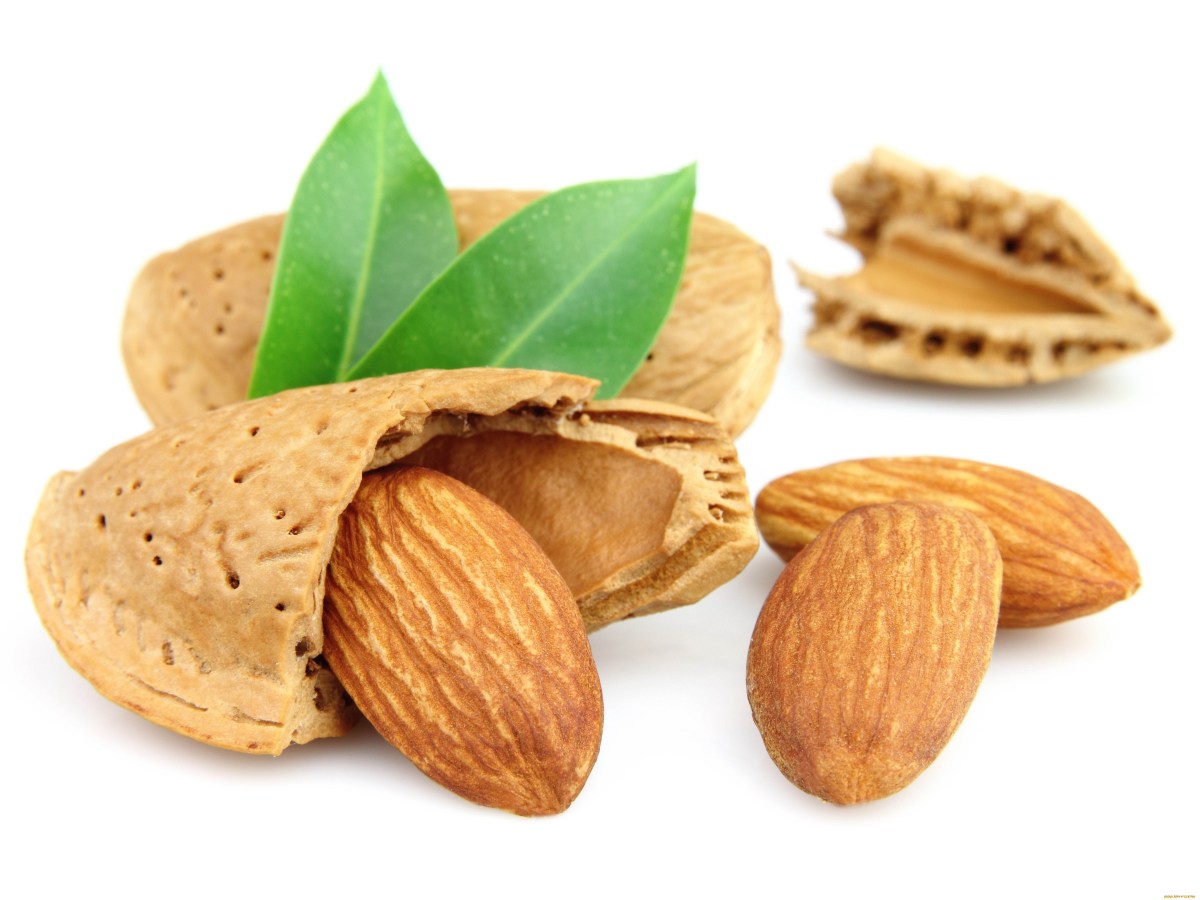
Almonds are rich in Vitamin E, magnesium, and manganese Almond is the edible seed of Prunus dulcis, a species of tree native to Iran but widely cultivated elsewhere. It is classified with the peach in the subgenus Amygdalus, distinguished from the other subgenera by corrugations on the shell surrounding the seed. Almonds are sold shelled…
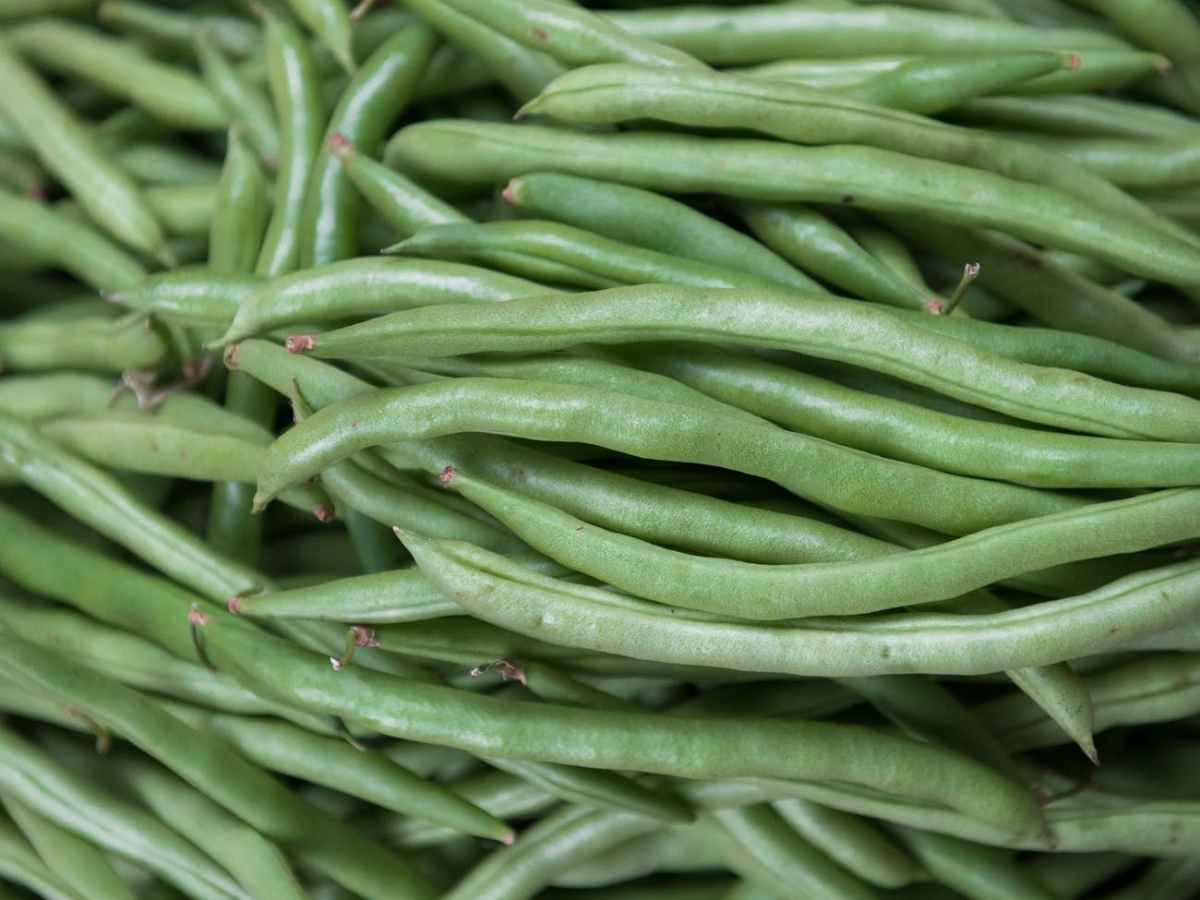
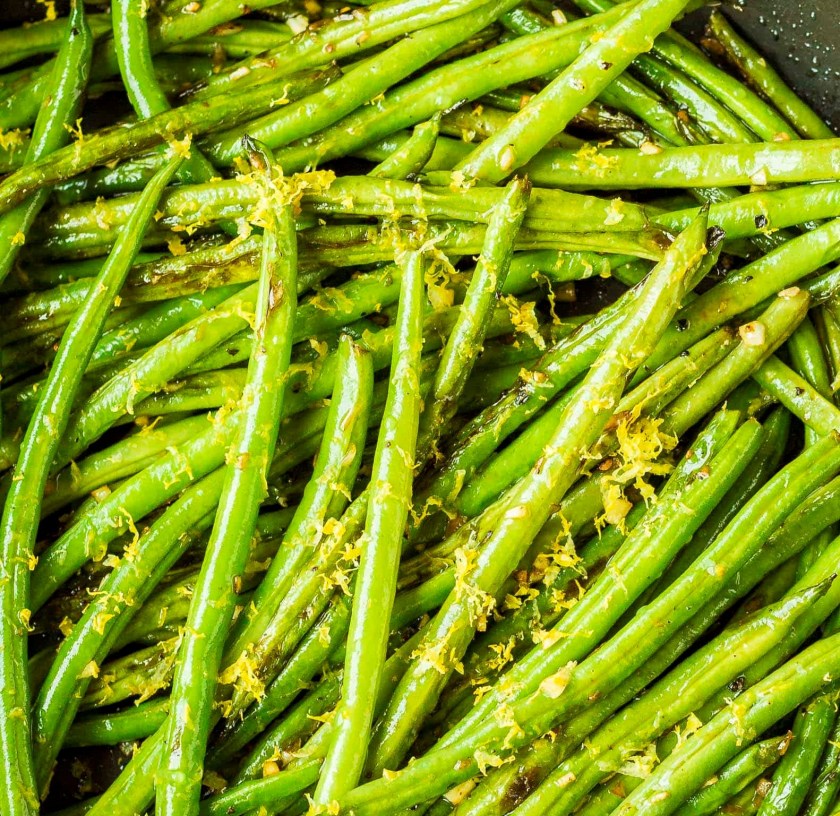
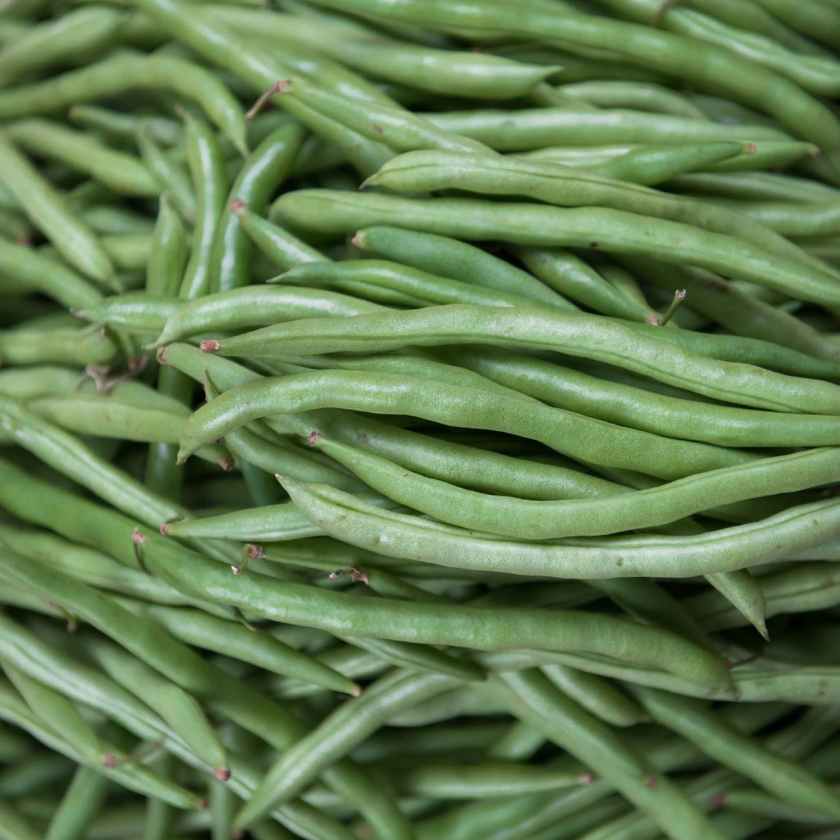
They have nutritional benefits similar to snap peas and okra. There are more than 130 varieties of green beans. Fresh green beans are a better choice than canned, which contain large amounts of sodium. Before eating the canned variety, you should rinse them thoroughly.
Grapefruit is rich in nutrients, antioxidants and fiber, making it one of the healthiest citrus fruits you can eat.
Grapefruit is a tropical citrus fruit known for its sweet and somewhat sour taste. It may have some powerful health benefits, including weight loss and a reduced risk of heart disease. In addition to the nutrients listed here, grapefruit is a rich source of some powerful antioxidant plant compounds, which are likely responsible for many of its health benefits.
Grapes offer a wealth of health benefits due to their high nutrient and antioxidant contents.
Grapes have been cultivated for thousands of years and have been revered by several ancient civilizations for their use in winemaking. There are many types of grapes including green, red, black, yellow and pink. They grow in clusters and come in seeded and seedless varieties.
Ginger, a delicious spicy addition to many favorite dishes, has also been widely used in traditional medicine.
Ginger is the spicy root of the flowering plant Zingiber officinale. It is used to season many kinds of food, and it also has a long history as a folk medicine treatment for multiple ailments. The edible portion of the thick root, called a rhizome, is available in the produce section of most grocery stores. Dried and ground ginger can also commonly be found in the herbs and spices aisle.
Research suggests that eating ginger provides multiple health benefits, inculding nausea relief, pain relief, and blood sugar management. The health benefits of ginger are mainly attributed to its phenolic compounds, such as gingerols and shogaols. Ginger possesses multiple biological activities, including antioxidant, anti-inflammatory, antimicrobial, anticancer, neuroprotective, cardiovascular protective, respiratory protective, antiobesity, antidiabetic, antinausea, and antiemetic activities.
What does copper do? Copper plays a role in making red blood cells and maintaining nerve cells and the immune system. Copper also helps the body form collagen and absorb iron, and plays a role in energy production.
How much do I need? The recommended daily allowance (RDA) is around 900 micrograms a day for adolescents and adults. The upper limit for adults aged 19 years and above is 10 milligrams (mg) a day. An intake above this level could be toxic.
Are supplements recommended? Most people do not need to take a copper supplement, as a balanced diet usually provides enough of this mineral, and excessive intake can cause toxicity. Supplements are generally recommended only if you have a diagnosed deficiency, which is rare, or specific conditions like celiac disease or high-zinc intake. Do not start a copper supplement without first consulting a healthcare professional to confirm a deficiency through blood tests. Both copper deficiency and copper toxicity are rare in the United States (U.S).
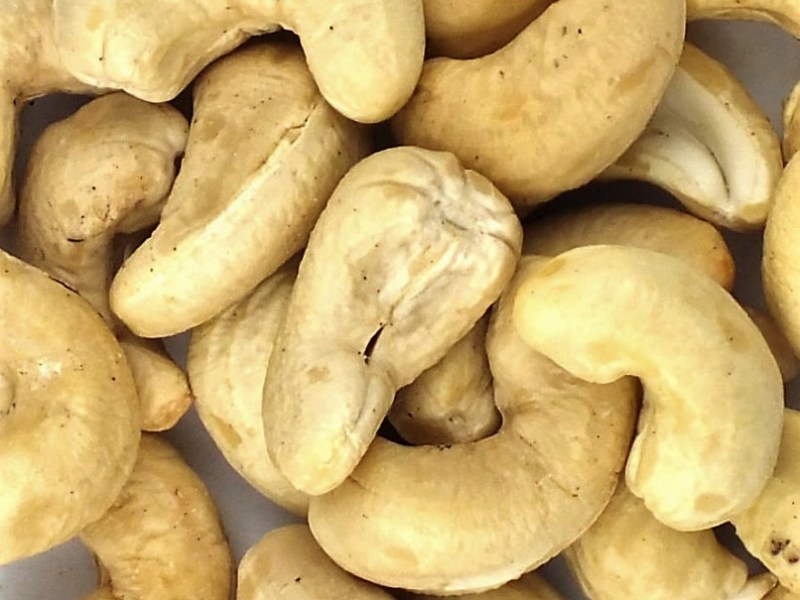
What are some good plant food sources of copper? WHOLE GRAINS, BEANS, YEAST, DARK LEAFY GREENS, DRIED FRUITS, BLACK PEPPER, ALMONDS, POTATOES, COCOA, CASHEWS
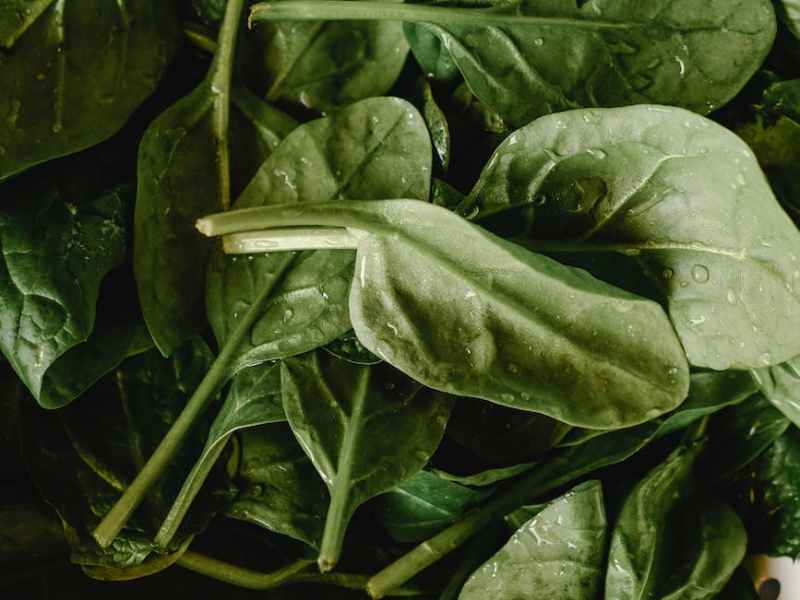
Spinach (español: espinacas) is a leafy green flowering plant whose leaves are consumed cooked or raw. Spinach is a good source of VITAMIN C, IRON, POTASSIUM, VITAMIN E, and MAGNESIUM. The possible health benefits of consuming spinach include blood glucose control, lower risk of cancer, and improved bone health. As part of a nutritious diet, it can help support immune function,…
Almonds are rich in Vitamin E, magnesium, and manganese Almond is the edible seed of Prunus dulcis, a species of tree native to Iran but widely cultivated elsewhere. It is classified with the peach in the subgenus Amygdalus, distinguished from the other subgenera by corrugations on the shell surrounding the seed. Almonds are sold shelled…
Cocoa appears to reduce risk factors for heart disease. Flavanols in cocoa beans have antioxidant effects that reduce cell damage. Flavanols — more prevalent in dark chocolate than in milk chocolate — may also help lower blood pressure and improve vascular function. In addition, some research has linked chocolate consumption to reduced risks of diabetes,…
The fig–ficus carica–is a unique fruit with pink flesh full of tiny seeds and an edible purple or green peel. Figs may promote healthy digestion, decrease your risk of heart disease, and help manage blood sugar levels. Fresh figs are low in calories and contain a variety of vitamins and minerals. However, dried figs are high in sugar and calories. Figs are particularly rich in copper, a vital mineral that is involved in metabolism and energy production, and vitamin B6, which plays an important role in brain health .
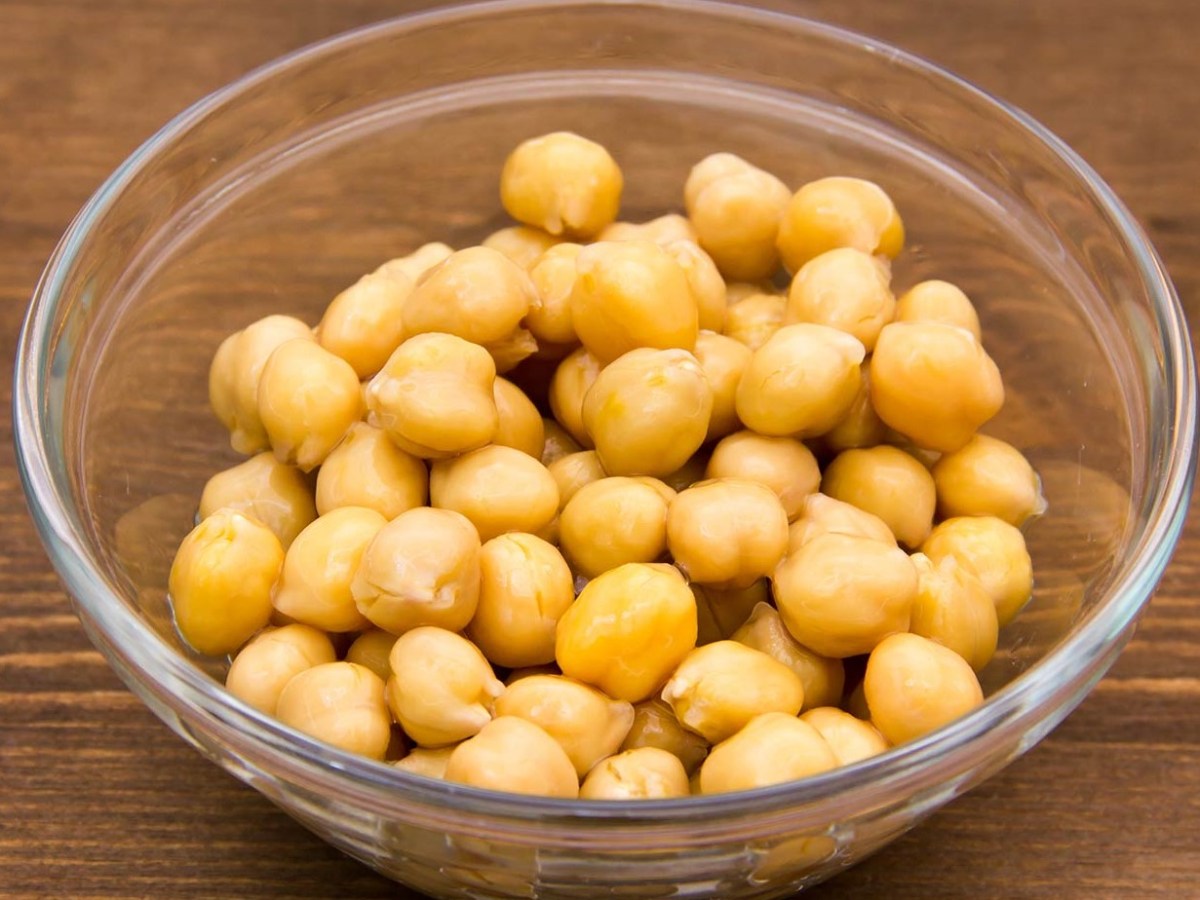
The chickpea, an annual legume, is high in protein.
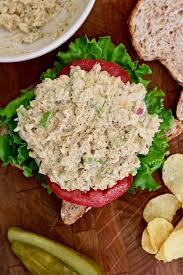
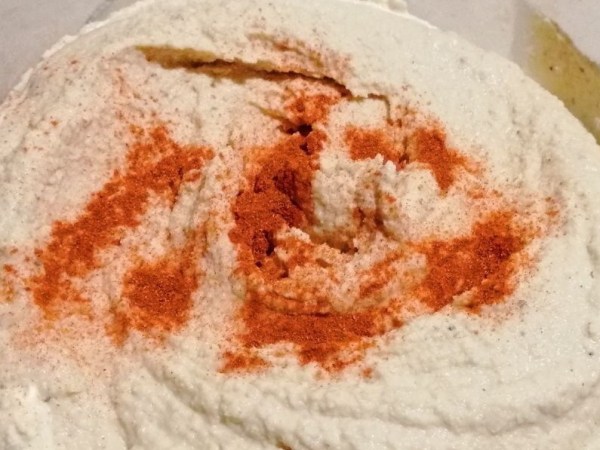
(Spanish: garbanzo) The different types or chickpea are known as gram or Bengal gram, garbanzo or garbanzo bean, Egyptian pea, chana, and chole. Chickpeas are tasty when cooked and seasoned simply, but they can also be used in a variety of combinations and in substitutes for meat and cheese. They are the base of hummus and felafel.
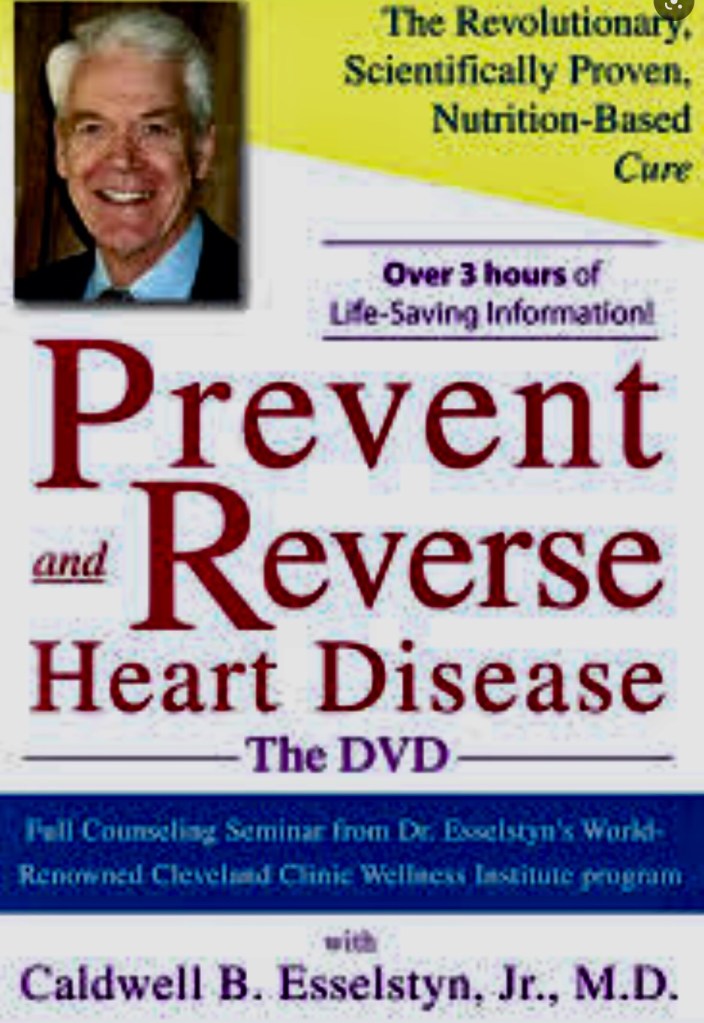
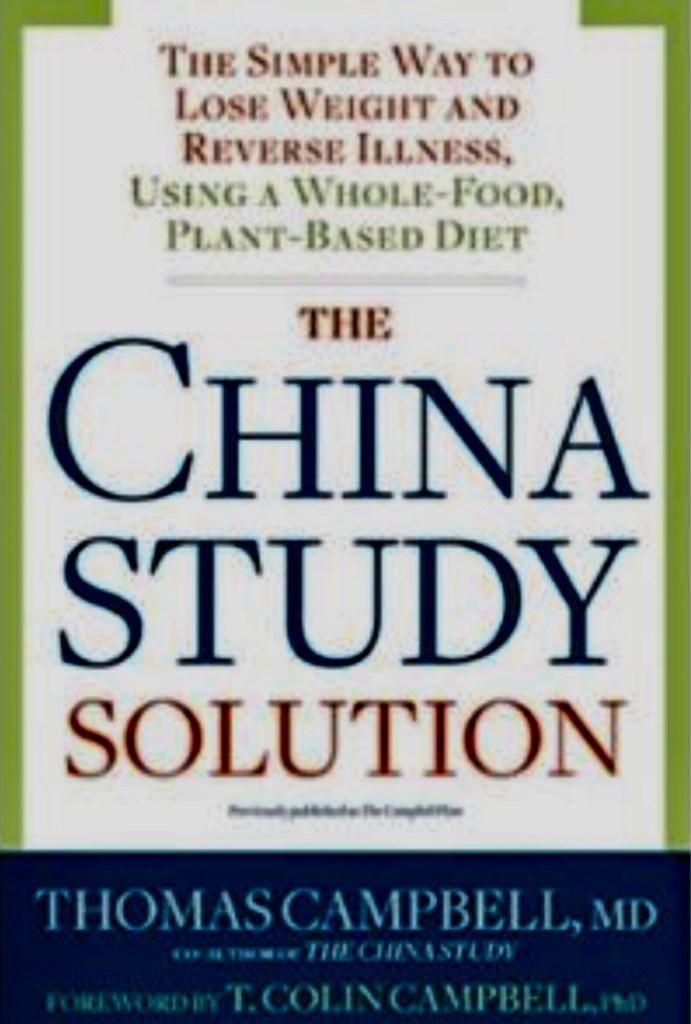
Books, videos, magazines, and blogs about plant-based living are so plentiful that they can be overwhelming and confusing. Here are a few that I have found helpful.













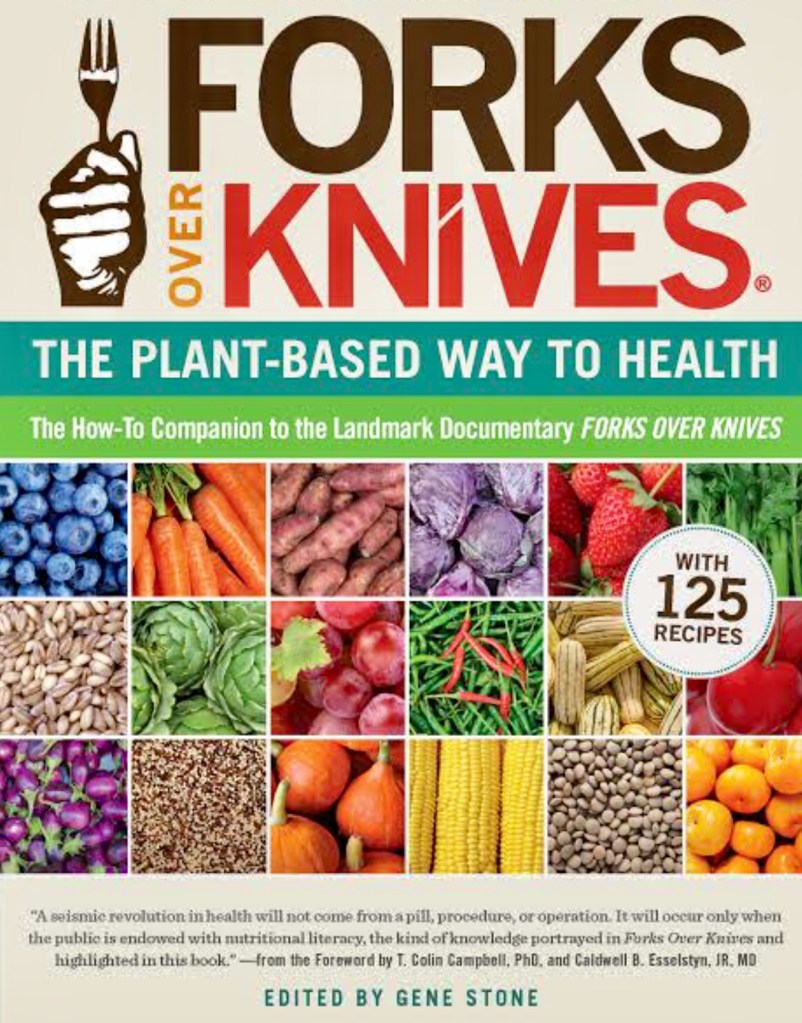
 Fruit & Stuff
You must be logged in to post a comment.