Posted in PLANT FOOD FACTS

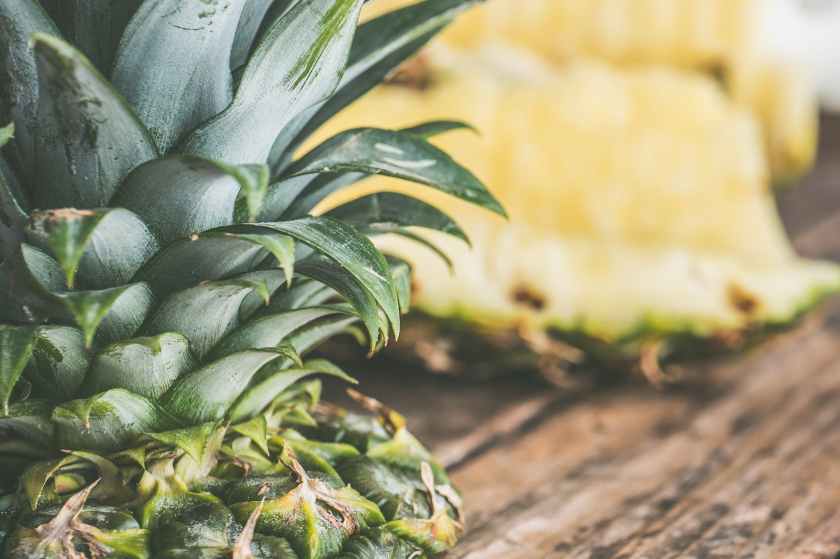
Pineapple Facts

Pineapple is delicious, versatile, and loaded with nutrients and antioxidants. One cup of fresh pineapple proides 88% of the DV for Vitamin C.

Pinapple (Ananas comosus) is an incredibly delicious, healthy tropical fruit. It’s packed with nutrients, antioxidants, and other helpful compounds, such as enzymes that can protect against inflammation and disease. Originating in South America, it was named by early European colonizers for its resemblance to a pine cone. Pineapple and its compounds are linked to several health benefits, including improvements in digestion, immunity, and recovery from surgery. The impressive health benefits include improved digestion, a lower risk of cancer, and osteoarthritis relief.

Pineapple is widely considered safe, though a small percentage of people may have an allergy to it. People who have diabetes or take blood thinners should be mindful of portion sizes when eating pineapple.

1 CUP OF FRESH PINEAPPLE PROVIDES
CALORIES83
CARBOHYDRATE21.6g
FAT1.7g
FIBER2.3g
PROTEIN1g
IRON 3%DV
COPPER20%DV
MAGNESIUM5%DV
MANGANESE10%DV
PANTOTHENIC ACID7%DV
VITAMIN B1 (THIAMINE)11%DV
VITAMIN B2 (RIBOFLAVIN)4%DV
VITAMIN B3 (NIACIN)5%DV
VITAMIN B5 (PANTOTHENIC ACID)7%DV
VITAMIN B611%DV
VITAMIN B9 (FOLATE)7%DV
VITAMIN C88%DV
Sources: Wikipedia / healthline
Posted in PLANT FOOD FACTS

Mango Facts

I used to think that “healthy” and “low calorie” meant “less than delicious.” I thought that “sweet” was a synonym of “fattening.” Then I met The Mango. One cup of fresh mango contains fewer than 100 calories, but packs 67% of the daily requirement for vitamin C.

Recipe: Mango Banana Frozen Treat

mango, an edible stone fruit produced by the tropical tree Mangifera indica, is believed to have originated from the region between northwestern MyanmarBangladesh, and northeastern India. Mango fruit varies in size, shape, sweetness, skin color, and flesh color which may be pale yellow, gold, green, or orange. It is the national fruit of IndiaPakistan and the Philippines. The mango tree is the national tree of Bangladesh.

Mango reduces the risk of developing diabetes, boosts immunity, supports healthy heart fuction, aids digestive health, and may help prevent several kids of cancer. One cup of fresh mango contains fewer than 100 calories, but it packs 67% of the daily requirement for vitamin C. In moderate amounts, it reduce the risk of diabetes. Mango has over a dozen different types of polyphenols, which function as antioxidants. Several B vitamins, along with vitamins A, C, K, and E boost the immune system. Magnesium, potassium, and the antioxidant mangiferin support healthy heart function. Digestive enzymes, water, dietary fiber, and other compounds aid various aspects of digestive health. Lutein, zeaxanthin, and vitamin A support eye health. Lutein and zeaxanthin may protect your eyes from the sun, while a lack of vitamin A can create vision problems. Mango polyphenols fight oxidative stress, which is linked to many health conditions, including colon, lung, prostate, breast, and bone cancers.

1 cup of fresh mango provides
CALORIES100
CARBOHYDRATE24.7g
FAT0.6g
FIBER2.6g
PROTEIN1.4g
SUGAR22.5g
COPPER20%DV
MAGNESIUM4%DV
POTASSIUM6%DV
VITAMIN A (RETINOL)10%DV
VITAMIN B1 (THIAMINE)4%DV
VITAMIN B2 (RIBOFLAVIN)5%DV
VITAMIN B3 (NIACIN)7%DV
VITAMIN B612%DV
VITAMIN B9 (FOLATE)18%DV
VITAMIN C67%DV
VITAMIN E10%DV
VITAMIN K6%DV
Sources: Wikipedia / healthline
Posted in PLANT FOOD FACTS

Oat Facts

Oats are a powerhouse of vitamins, minerals, and antioxidants.

Oatmeal Cookie recipe

The oat (Avena sativa) is a species of cereal grain grown for its seed. They are very high in many vitamins and minerals. Oats contain many powerful antioxidants, including avenanthramides, which help reduce blood pressure. They are high in the soluble fiber beta-glucan, which helps reduce cholesterol and blood sugar levels, promotes healthy gut bacteria, and increases feelings of fullness. They may lower the risk of heart disease by reducing both total and LDL (bad) cholesterol, as well as by protecting LDL from oxidation. Due to the soluble fiber beta-glucan, oats may improve insulin sensitivity and help lower blood sugar levels.

Oatmeal may help you lose weight by making you feel more full. It does this by slowing down the emptying of the stomach and increasing the production of the satiety hormone PYY. Some research suggests that oats may help prevent asthma in children when fed to young infants. Studies indicate that oat bran can help reduce constipation in older adults, significantly reducing the need to use laxatives.

1/2 CUP OF OATMEAL PROVIDES
COPPER17.6%DV
IRON9.4%DV
MAGNESIUM13.3%DV
MANGANESE63.91%DV
PHOSPHOROUS13.3%DV
ZINC13.4%DV
VITAMIN B1 (THIAMIN)15.5%DV
VITAMIN B5 (PANTOTHENIC ACID)9.07%DV
Source: healthline
Posted in PLANT FOOD FACTS

Kiwi Facts

A 3.5-ounce kiwi provides more than 80% of the daily vitamin C requirement.

Kiwis are a type of fruit native to the mountains and hillsides of Southwest China. They are classified as berries. The most popular type of kiwi is the Hayward kiwi, named after Hayward Wright, who popularized kiwis in New Zealand in the 1920s. Hayward kiwis are oval shaped. They have fuzzy brown skin, green flesh, and tiny black seeds. Kiwis are exceptionally high in vitamin C.

3.5 oz (100 g) of raw kiwiamount
CARBOHYDRATE14 g
CALORIES64
FAT0.44 g
FIBER3 g
PROTEIN1 g
COPPER15% DV
MAGNESIUM4% DV
POTASSIUM4% DV
VITAMIN B9 (FOLATE)7% DV
VITAMIN C83% DV
VITAMIN E9% DV
VITAMIN K34% DV
Source: healthline
Posted in PLANT FOOD FACTS

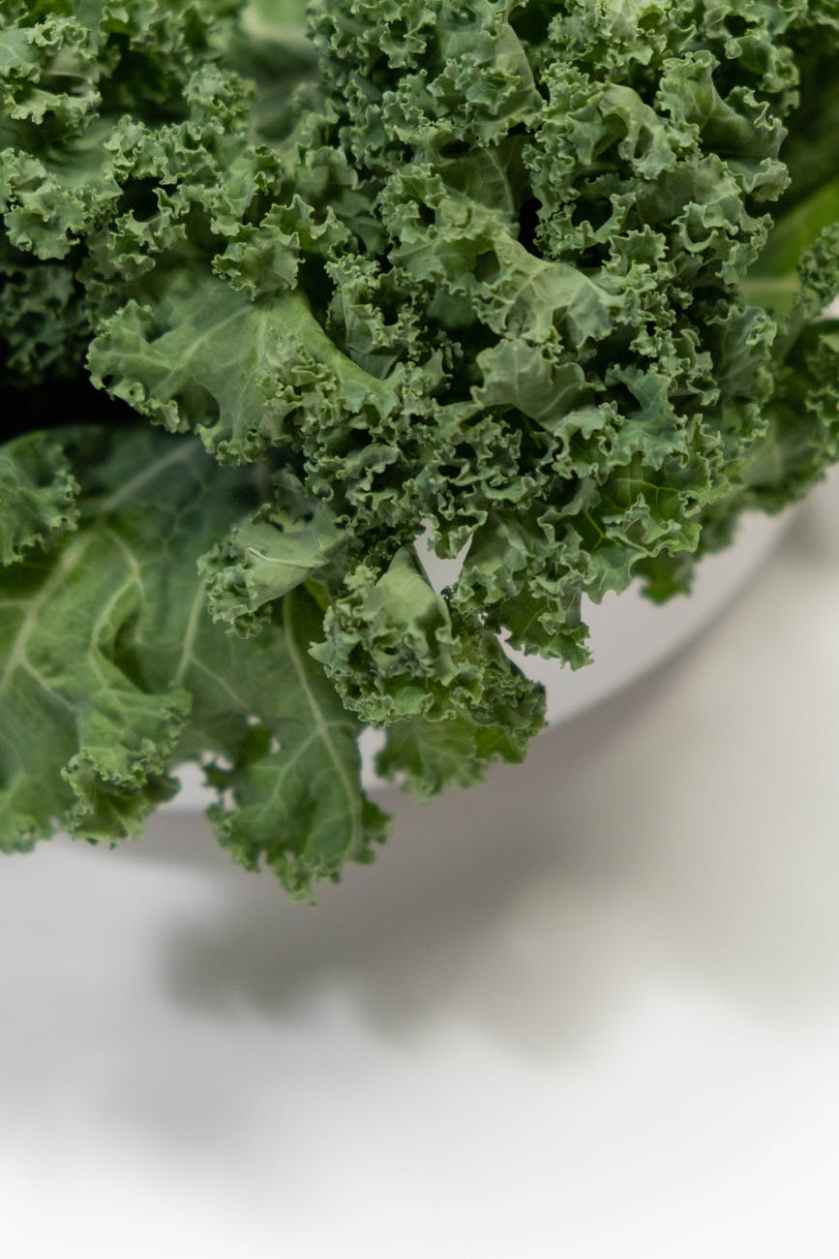
Kale Facts

A cup of cooked kale provides almost five times an adult’s daily need for vitamin K.

Kale (Spanish: col rizada) is a green, leafy, cruciferous vegetable that is rich in nutrients. A cup of cooked kale provides almost five times an adult’s daily need for vitamin K, around 15–18% of their calcium need, and about 7% of the daily phosphorus requirement. Possible benefits include helping manage blood pressure, boosting digestive health, and protecting against cancer and type 2 diabetes. Kale contains fiber, antioxidants, calcium, vitamins C and K, iron, and a wide range of other nutrients.

1 cup of boiled unsalted kaleamountADULT DAILY REQUIREMENT
CARBOHYDRATE6.3 g130 g
CALORIES42.51,800-3,000
FIBER4.7 g22.4-33.6 g
PROTEIN3.5 g46-56 g
CALCIUM177 mg1,000-1,200 mg
COPPER0.8 mg900 mg
IRON1.0 mg8-18 mg
MAGNESIUM29.5 mg320-420 mg
MANGANESE0.6 mg18-2,3
PHOSPHOROUS49.6 mg700 mg
POTASSIUM170 mg4,700 mg
SELENIUM1.1 mcg55 mcg
SODIUM18.9 mg2,300 mg
ZINC0.3 mg8-11 mg
VITAMIN A (RETINOL)172 mcg700-900 mcg
VITAMIN B9 (FOLATE)76.7 mcg400 mcg
VITAMIN C21 mg75-90 mg
VITAMIN E1.9 mg15 mg
VITAMIN K494 mcg90-120 mcg
Sources: Medical News Today
Posted in PLANT FOOD FACTS

Jicama Facts

One cup of jicama provides 44% of the recommended daily intake of Vitamin C.

Jicama is the root of a plant that produces beans, but the beans of the jicama plant are toxic. It has a papery golden-brown skin and a starchy white interior. Its flesh is juicy and crunchy, with a slightly sweet and nutty flavor. Some think it tastes like a cross between a potato and a pear. Others compare it to a water chestnut. With its mild taste and crunchy texture, it is an excellent addition to any salad.

Jicama originated in Mexico and is still a favorite snack all over the country. Other names for jicama include yam bean, Mexican potato, Mexican water chestnut and Chinese turnip. In Mexico, it is sold from street stands or prepared at home, slathered in lime juice and salt, usually with a lot of chili powder.

1 cup (130 g) of jicamacontains
CARBOHYDRATE12 g
CALORIES49
FAT0.1 g
FIBER6.4 g
PROTEIN1 g
IRON4% RDI
MAGNESIUM4% RDI
MANGANESE4% RDI
POTASSIUM6% RDI
VITAMIN B9 (FOLATE)4% RDI
VITAMIN C44% RDI
Sources: Healthline
Posted in PLANT FOOD FACTS

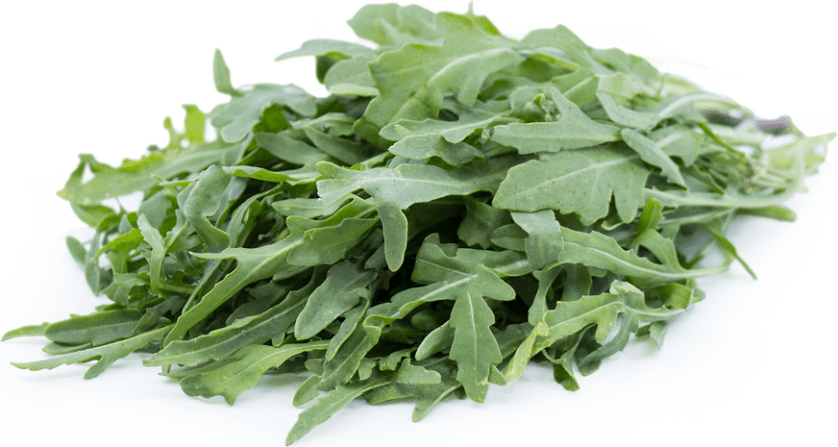
Arugula Facts

This delicious green is nutrient-dense, high in fiber and phytochemicals.

Arugula is a peppery, distinctive-tasting green also known as rucola, salad rocket, and Italian cress. Arugula is low in sugar, calories, carbohydrates, and fat while high in calcium, potassium, folate, Vitamin C and Vitamin K. Arugula is a member of the Brassica, or Cruciferous, family, which includes Brussels sprouts, kale, cauliflower, and broccoli. Arugula’s distinctive peppery crunch adds flair to salads and other cold dishes. Arugula can be used in addition to of in the place of most types of lettuce and herbs. It also boasts a distinctive leaf shape. Its flowers, seeds, and leaves are all edible. Cruciferous vegetables like arugula have been linked to lower incidence of cancer, bone health, heart health, and diabetes prevention.

Arugula, Avocado, Fig and Walnut Salad
1 cup (20 g) arugula PROVIDES
calories 5
fat.55 g
0.516 g0.516 g
calcium 3.2% DV
vitamin C 2.5% DV
vitamin K 27.7% DV
Sources: Medical News Today
Posted in PLANT FOOD FACTS

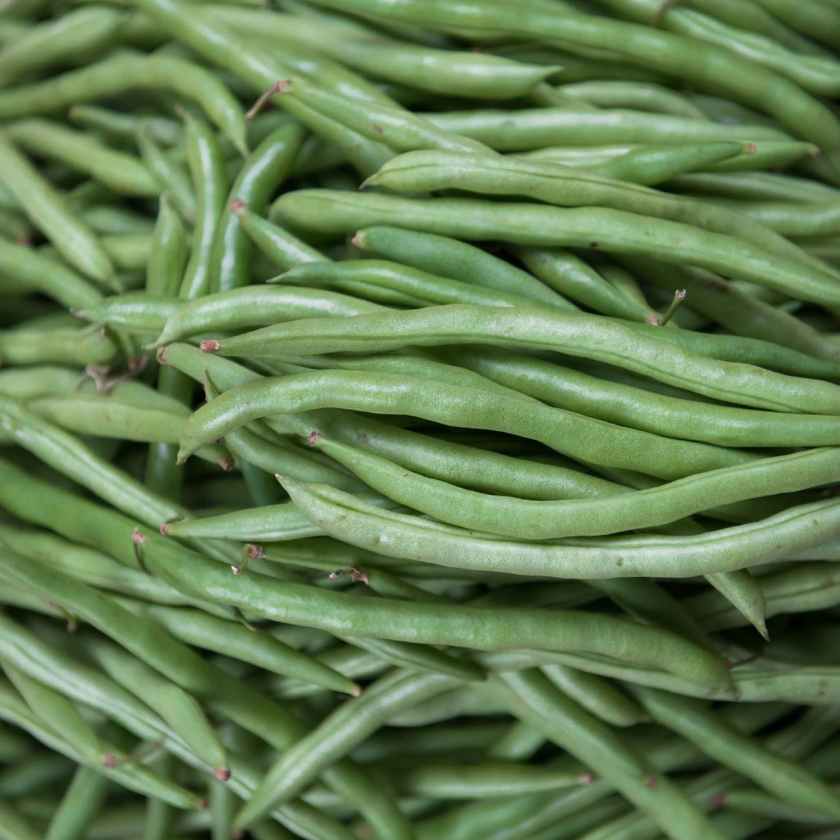
Green Bean Facts

Green beans, string beans, or snap beans are a rich source of vitamins A, C, K, folate, and fiber.

Recipe: Green Bean and Toasted Garlic

They have nutritional benefits similar to snap peas and okra. There are more than 130 varieties of green beans. Fresh green beans are a better choice than canned, which contain large amounts of sodium. Before eating the canned variety, you should rinse them thoroughly.

1 cup (150 g) snap beans
calories 28
carbohydrate 5.66 g
fat .55 g
protein 1.42 g
fiber 2.6 g
sugar 1.94 g
calcium 17 mg
folate 32 mcg
iron 1.2 mg
magnesium 18 mg
phosphorous 30 mg
potassium 130 mg
vitamin A 24 mcg
vitamin K 52.5 mcg
Sources: Medical News Today
Posted in PLANT FOOD FACTS

Grapefruit Facts

Grapefruit is rich in nutrients, antioxidants and fiber, making it one of the healthiest citrus fruits you can eat.

Grapefruit is a tropical citrus fruit known for its sweet and somewhat sour taste. It may have some powerful health benefits, including weight loss and a reduced risk of heart disease. In addition to the nutrients listed here, grapefruit is a rich source of some powerful antioxidant plant compounds, which are likely responsible for many of its health benefits.

1/2 MEDIUM GRAPEFRUIT
calories 52
carbohydrates 13 g
protein 1 g
fiber 2 g
folate 4% RDI
magnesium 3% RDI
potassium 5% RDI
thiamine 4 % RDI
vitamin A 28% RDI
vitamin C 64% RDI
Sources: healthline
Posted in PLANT FOOD FACTS

Grape Facts

Grapes offer a wealth of health benefits due to their high nutrient and antioxidant contents.

Grapes have been cultivated for thousands of years and have been revered by several ancient civilizations for their use in winemaking. There are many types of grapes including green, red, black, yellow and pink. They grow in clusters and come in seeded and seedless varieties.

1 CUP (151 G) GRAPES
calories 104
carbohydrates 27.3 g
fiber 1.4 g
copper 10% RDI
manganese 5 % RDI
potassium8% RDI
riboflavin6% RDI
thiamine7% RDI
vitamin B66% RDI
vitamin C27% RDI
vitamin K28% RDI
Sources: healthline
Posted in PLANT FOOD FACTS

Ginger Facts

Ginger, a delicious spicy addition to many favorite dishes, has also been widely used in traditional medicine.

Ginger is the spicy root of the flowering plant Zingiber officinale. It is used to season many kinds of food, and it also has a long history as a folk medicine treatment for multiple ailments. The edible portion of the thick root, called a rhizome, is available in the produce section of most grocery stores. Dried and ground ginger can also commonly be found in the herbs and spices aisle.

Research suggests that eating ginger provides multiple health benefits, inculding nausea relief, pain relief, and blood sugar management. The health benefits of ginger are mainly attributed to its phenolic compounds, such as gingerols and shogaols. Ginger possesses multiple biological activities, including antioxidant, anti-inflammatory, antimicrobial, anticancer, neuroprotective, cardiovascular protective, respiratory protective, antiobesity, antidiabetic, antinausea, and antiemetic activities.

Source: NIH

Posted in PLANT FOOD FACTS

Fig Facts

Figs are rich in copper and Vitamin B6.

Recipe: Fig and Walnut Salad

The fig–ficus carica–is a unique fruit with pink flesh full of tiny seeds and an edible purple or green peel. Figs may promote healthy digestion, decrease your risk of heart disease, and help manage blood sugar levels. Fresh figs are low in calories and contain a variety of vitamins and minerals. However, dried figs are high in sugar and calories. Figs are particularly rich in copper, a vital mineral that is involved in metabolism and energy production, and vitamin B6, which plays an important role in brain health .

1 SMALL (40 G) fresh fig
calories 30
carbohydrates 8 g
fiber 1 g
copper 3% DV
magnesium 2% DV
potassium 2% DV
riboflavin 2% DV
thiamine 2% DV
vitamin B6 3% DV
vitamin K 2% DV
Sources: healthline
Posted in PLANT FOOD FACTS

Chickpea (Garbanzo) Facts

The chickpea, an annual legume, is high in protein.

(Spanish: garbanzo) The different types or chickpea are known as gram or Bengal gram, garbanzo or garbanzo bean, Egyptian pea, chana, and chole. Chickpeas are tasty when cooked and seasoned simply, but they can also be used in a variety of combinations and in substitutes for meat and cheese. They are the base of hummus and felafel.

Chickpea Croquettes

Hummus Recipe

Nutrition: 1 ounce (28 g) cooked chickpeas
calories 46
carbohydrates 8 g
copper 5% DV
fat 8 g
fiber 2 g
folate 12% DV
iron 4% DV
manganese 14% DV
phosphorous 5% DV
Sources: Wikipedia / healthline
Posted in PLANT FOOD FACTS

Garlic Facts

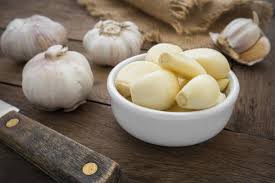
Garlic, which has been used as medicine as well as food flavoring, has been consumed for thousands of years

(Spanish: ajo) Garlic is a bulbous flowering plant in the genus Allium. Its close relatives include the onion, shallot, leek, chive, Welsh onion and Chinese onion. It is native to Central Asia and northeastern Iran and has long been a common seasoning all over the world. It has been consumed for several thousand years. It was known in ancient Egypt. It has been used as a traditional medicine as well as a food flavoring. It is a healthy and delicious addition to many dishes around the world. Its medicinal benefits for both cure and prevention require larger doses, which should be taken with the supervision and advice of a knowledgeable medical practitioner.

1 clove (3 g) garlic
calories 4.5
carbohydrates 1 g
protein 0.2 g
fiber 0.06 g
vitamin B6 2% DV
mangnese 2% DV
selenium 1% DV
vitamin C 1% DV
Sources: Wikipedia / healthline
Posted in PLANT FOOD FACTS

Fennel Facts

Fennel and fennel seeds provide antioxidant, anti-inflammatory, and antibacterial effects

Zucchini Fennel Saute Recipe

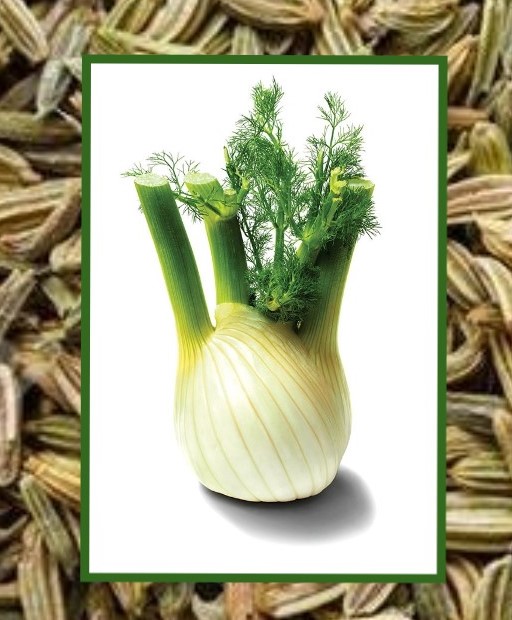
Fennel is a flavorful herb. The plants are green and white, with feathery leaves and yellow flowers. Both the crunchy bulb and the seeds of the fennel plant have a mild, licorice-like flavor. The flavor of the seeds is stronger because of their essential oils.

Nutrient1 cup (87 g) raw fennel bulb
calories27
fiber3 grams
calcium3% RDI
iron4% RDI
magnesium4% RDI
manganese 7% RDI
potassium8% RDI
vitamin C12% RDI
1 Tbsp (6 g) dried fennel seed
calories 20
fiber 2 grams
calcium 5% RDI
iron 6% RDI
magnesium 5% RDI
manganese 17% RDI
potassium 2% RDI
vitamin C 1% RDI
Sources: healthline
Posted in PLANT FOOD FACTS

Epazote Facts

Epazote is rich in folates, calcium, copper, manganese, iron, and magnesium.

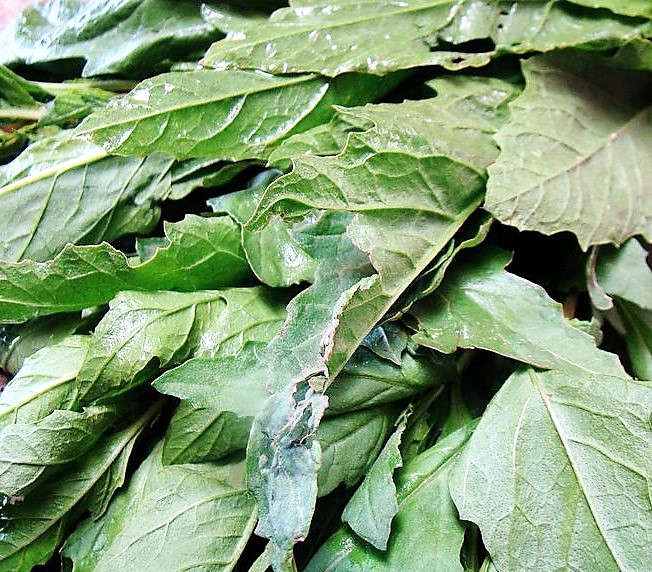
Epazote is a herb used in Mesoamerican cooking since long before the Spanish conquest. Its strong musky flavor is appealing, but it also has a number of nutritional and medicinal benefits. It should be used in small quantities and is not recommended for pregnant women and nursing mothers. It aids in digestion and contains anti-oxidants. It is often added to beans and corn dishes. It belongs to the Amaranthaceae family of herbs and vegetables, which includes amaranth, spinach, quinoa, and beets. The scientific name is Chenopodium ambrosioides. It is sometimes called wormseed or Mexican tea.

3.5 oz (100 g) epazote
calories 32
carbohydrates 7.44 g
fiber 3.8 g
calcium 27.5% RDA
copper 21% RDA
folates 54% RDA
iron 24.5% RDA
magnesium 30% RDA
manganese 135% RDA
phosphorous 12% RDA
potassium 10% RDA
riboflavin 27% RDA
vitamin C 6% RDA
zinc 12% RDA
Sources: nutrition and you
Posted in PLANT FOOD FACTS

Endive Facts

Endive is a good source of fiber and is rich in antioxidants and Vitamin K.

Endive (pronounced in-dive or ahn-deev) is a leafy vegetable in the chicory root family. It has a crisp, crunchy texture and a slightly bitter taste. It can be used raw or cooked. There are three main types:

  • Curly endive (Cichorium endivia var. crispum) has a bitter flavor and curly leaves. It is also known as frisée or chicory.
  • Belgian endive (Cichorium intybus var. foliosum Endivehas pale yellow leaves and is moderately bitter. Red endive, or radicchio, has more of a reddish hue.
  • Broad-leafed endive (Cichorium endivia var. latifolium) belongs to the same genus and species as curly endive, but it’s slightly less bitter than the other two varieties. It’s also sometimes referred to as escarole.

It contains 72 per cent of the RDI of vitamin K in a 1/2 cup serving. Vitamin K is important for bone health and bone metabolism, reducing the risk of fractures and bone loss.

1/2 cup (25 g) chopped raw endive
calories 4
carbohydrates 0.8 g
protein 0.3 g
fiber 0.8 g
folate 9% DV
manganese 5% DV
vitamin A 11% DV
vitamin K 72% DV
Sources: Dr. Axe
Posted in PLANT FOOD FACTS

Eggplant Facts

Eggplant is a high-fiber, low-calorie food that reduces the risk of heart disease and helps with blood sugar control and weight loss.

Eggplant Strips Recipe

Eggplants, also known as aubergines, belong to the nightshade family of plants and are used in many different dishes around the world. They are usually considered a vegetable but because they contain seeds and grow from a flowering plant, they are actually a fruit. There are many varieties. Eggplants with a deep purple skin are most common, but they can be red, green or even black.

1 cup (82 g) eggplant
calories 20
carbohydrates 5 g
protein 1 g
fiber 3 g
manganese 10% RDI
folate 5% RDI
potassium 5% RDI
vitamin C 3% RDI
vitamin K 4% RDI
Sources: healthline
Posted in PLANT FOOD FACTS

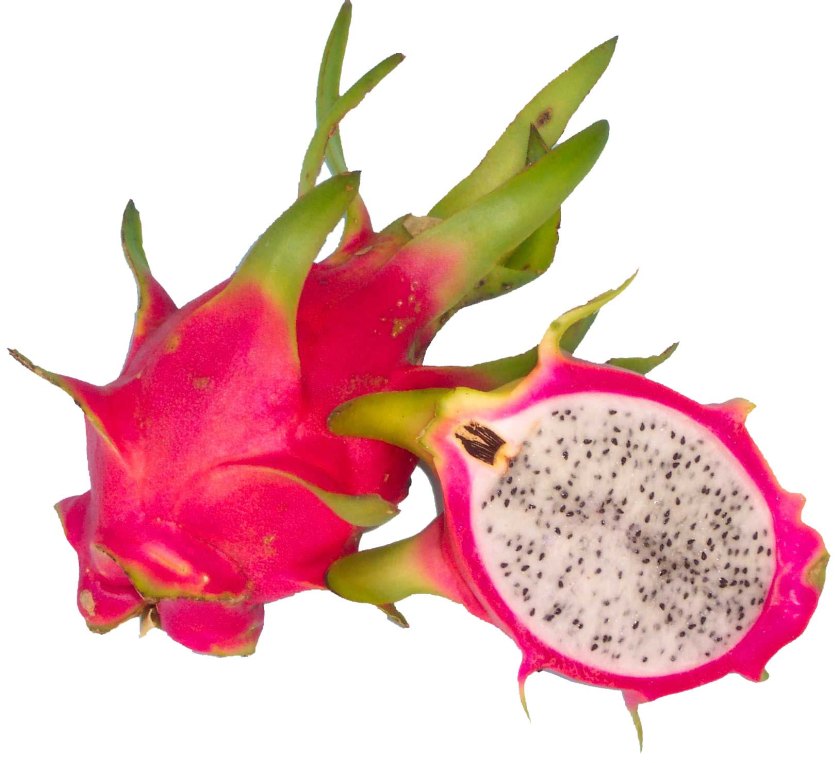
Dragon Fruit (Pitahaya) Facts

Dragon Fruit looks exotic, but its flavors are similar to other fruits, like kiwi and pear.

Dragon fruit, native to southern Mexico and Central America, grows on the Hylocereus cactus, whose flowers open only at night. The two most common types have bright red skin with green scales that resemble a dragon. The most widely available variety has white pulp with black seeds, though a less common type with red pulp and black seeds exists as well. Another variety — referred to as yellow dragon fruit — has yellow skin and white pulp with black seeds.

3.5 oz (100 g) dragon fruit
calories 161
carbohydrates 13 g
protein 1.2 g
fiber 3 g
iron 4% RDI
magnesium 10% RDI
vitamin C 3% RDI
Sources: healthline
Posted in PLANT FOOD FACTS

Clove Facts

Even in small amounts, cloves are a good source of manganese.

Cloves are the flower buds of the clove tree, an evergreen also known as Syzygium aromaticum. Found in both whole and ground forms. Cloves are best known as a sweet and aromatic spice in baked goods and in Indian cuisine. Even in small amounts, they are a good source of manganese. Animal studies have found that the compounds in cloves may support liver health and help stabilize blood sugar levels. However, for medicinal purposes, cloves are used in larger amounts, which can cause undesirable side effects. You should consult a medical professional before using cloves in large doses.

1 tsp (2 g) cloves
calories 6
carbohydrates 1 g
fiber 1 g
manganese 55% DV
vitamin K 2% DV
Source: healthline