Posted in PLANT FOOD FACTS

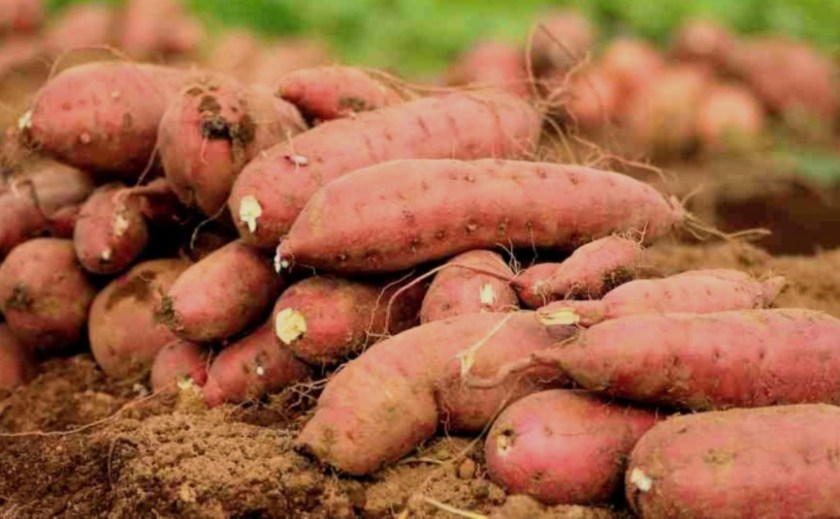
Sweet Potato

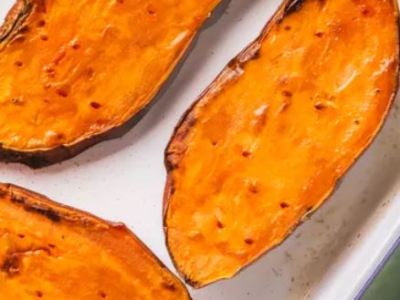
Sweet potatoes are rich in vitamin A, vitamin C, manganese, minerals, antioxidants, and fiber. They come in a variety of sizes and colors — including orange, white, and purple. They can be baked, boiled, or roasted. Spiced sweet potatoes were a favorite at our holiday dinners in Texas. In Guadalajara, vendors with food carts would go through the neighborhood streets announcing their arrival with the cart’s characteristic whistle. People buy chunks of steamed sweet potato (camote) served with a generous sprinkling of cinnamon and sweetened condensed milk. If there’s no camotero in your neighborhood, here’s a recipe for making them at home.

1 cup or 200 g of sweet potato with skin contains%DV
CARBOHYDRATE41 G
CALORIES180
FAT0.3 G
FIBER6.6 G
PROTEIN4 G
COPPER36%
MANGANESE43%
POTASSIUM20%
VITAMIN A (RETINOL)213%
VITAMIN B3 (NIACIN)19%
VITAMIN B5 (PANTOTHENIC ACID)35%
VITAMIN B634%
VITAMIN C44%
SOURCE: HEALTHHLINEs
Posted in PLANT FOOD FACTS

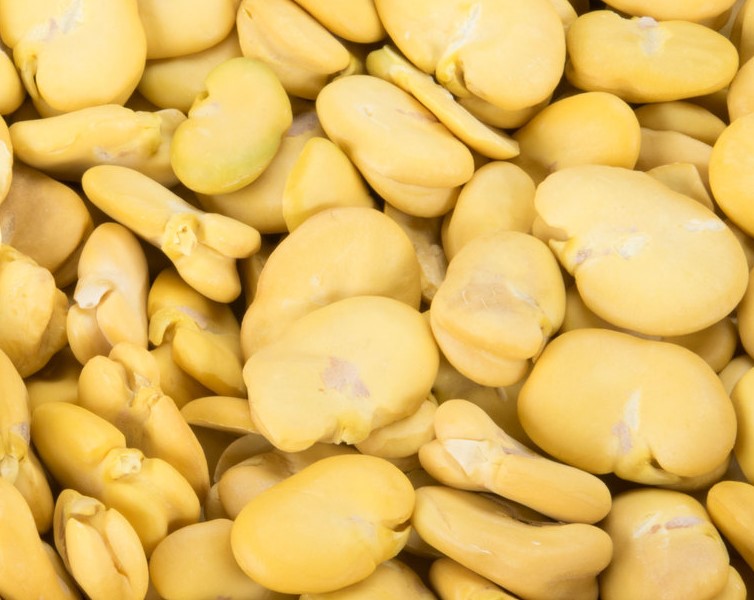
Fava Bean (Habas)

Fava beans are rich in iron, phosphorous, magnesium, and manganese. One serving packs 106% of the daily requirement of folates, important for preventing birth defects.

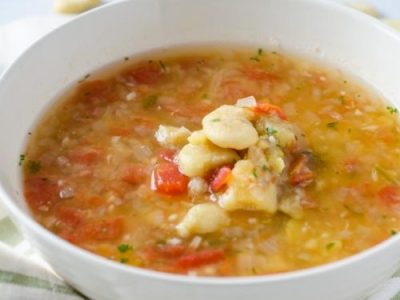
Fava beans, sometimes called horse beans or broad beans (español: habas) come from a species of flowering plant in the Fabaceae pea and bean family. It is widely cultivated as a crop for human consumption. Eating these beans regularly may have benefits for symptoms of Parkinson’s disease, help prevent birth defects, boost immunity, aid weight loss and lower cholesterol levels and blood pressure. Recipe for Mexican Sopa de Habas

Nutrition: 3.5 oz (100 g) fava beans
calories341
calcium10% DV
carbohydrates58.29 g
copper41% DV
fat1.53 g
fiber25 g
folate106% DV
iron52% DV
magnesium54% DV
manganese77% DV
niacin19% DV
phosphorous60% DV
potassium23% DV
protein26.12 g
riboflavin28% DV
selenium12% DV
thiamine48% DV
zinc33% DV
vitamin B628% DV
SOURCES: WIKIPEDIA / HEALTHLINE
Posted in PLANT FOOD FACTS

Walnuts

Walnuts are an excellent source of OMEGA-3 and OMEGA-6 FATTY ACIDS, COPPER, PHOSPHOROUS, VITAMIN B6, MANGANESE, ELLAGIC ACID, CATECHIN, MELATONIN, and PHYTIC ACID. Some benefits of eating walnuts are heart health, prevention of cancer, bone health, immune system function, nerve health, regulation of body clock. Walnuts (Juglans regia) are a tree nut belonging to the walnut family. They originated in the Mediterranean region and Central Asia and have been part of the human diet for thousands of years. Even though walnuts are rich in fat and calories, studies indicate that they don’t increase obesity risk when replacing other foods in your diet. Walnuts are richer in polyunsaturated fats than most other nuts. The most abundant one is an omega-6 fatty acid called linoleic acid. They are the only nuts that contain a relatively high percentage of the healthy omega-3 fat alpha-linolenic acid (ALA), which is beneficial for heart health and helps reduce inflammation and improve the composition of blood fats. Walnuts are very healthy, but some people are allergic and must avoid them. Phytic acid may impair mineral absorption, though this is usually of no concern to people who eat a balanced diet.

Posted in PLANT FOOD FACTS

Spinach

Spinach (español: espinacas) is a leafy green flowering plant whose leaves are consumed cooked or raw. Spinach is a good source of VITAMIN C, IRON, POTASSIUM, VITAMIN E, and MAGNESIUM. The possible health benefits of consuming spinach include blood glucose control, lower risk of cancer, and improved bone health. As part of a nutritious diet, it can help support immune function, aid the digestive system, may even have anticancer properties. Spinach is typically safe to consume as part of a well-rounded, nutritious diet, but some people may benefit from limiting their intake of this vegetable. Spinach is rich in dietary oxalate, which can increase a person’s risk of kidney stones. The high oxalate content may be reduced by steaming. Spinach contains:

  • Alpha-lipoic acid
    • an antioxidant which lowers glucose levels, increases insulin sensitivity, and prevents oxidative, stress-induced changes in patients with diabetes.
  • Vitamin K
    • Scientists have found a link between low intakes of vitamin K and a higher risk of bone fracture. Vitamin K acts as a modifier of bone matrix proteins, improves calcium absorption, and may reduce the amount of calcium that leaves the body in urine.
  • Protein and carbohydrates.
    • Most of the calories from protein and carbohydrates, which play important roles in the body, from maintaining eye health to reducing inflammation.
  • Chlorophyll
    • Research suggests chlorophyll may have anticancer properties and that people who eat diets rich in green vegetables may have a lower risk of cancer.
  • Potassium
    • It can help reduce the effects of sodium in the body. A low potassium intake might be as potent a risk factor for developing high blood pressure as a high sodium intake.
  • Fiber and water
    • Both help prevent constipation and promote a healthy digestive tract.
  • Vitamin A
    • It moderates oil production in the skin pores and hair follicles to moisturize the skin and hair. A buildup of this oil can lead to acne. Vitamin A is necessary for the growth of all bodily tissues, including skin and hair.
  • Vitamin C
    • It is crucial for building and maintaining collagen, which provides structure to skin and hair.
  • Iron
    • Iron deficiency is a common cause of hairloss, which a person can help prevent with a diet of sufficient iron-rich foods, such as spinach.
1 cup of spinach contains%DV
CALORIES7
PROTEIN0.86G
CALCIUM29.7MG
IRON0.81G
MAGNESIUM24MG
POTASSIUM167MG
VITAMIN A (RETINOL)141MCG
VITAMIN B9 (FOLATE)58MCG
SOURCE: MEDICAL NEWS TODAY / WIKIPEDIA
Posted in PLANT FOOD FACTS

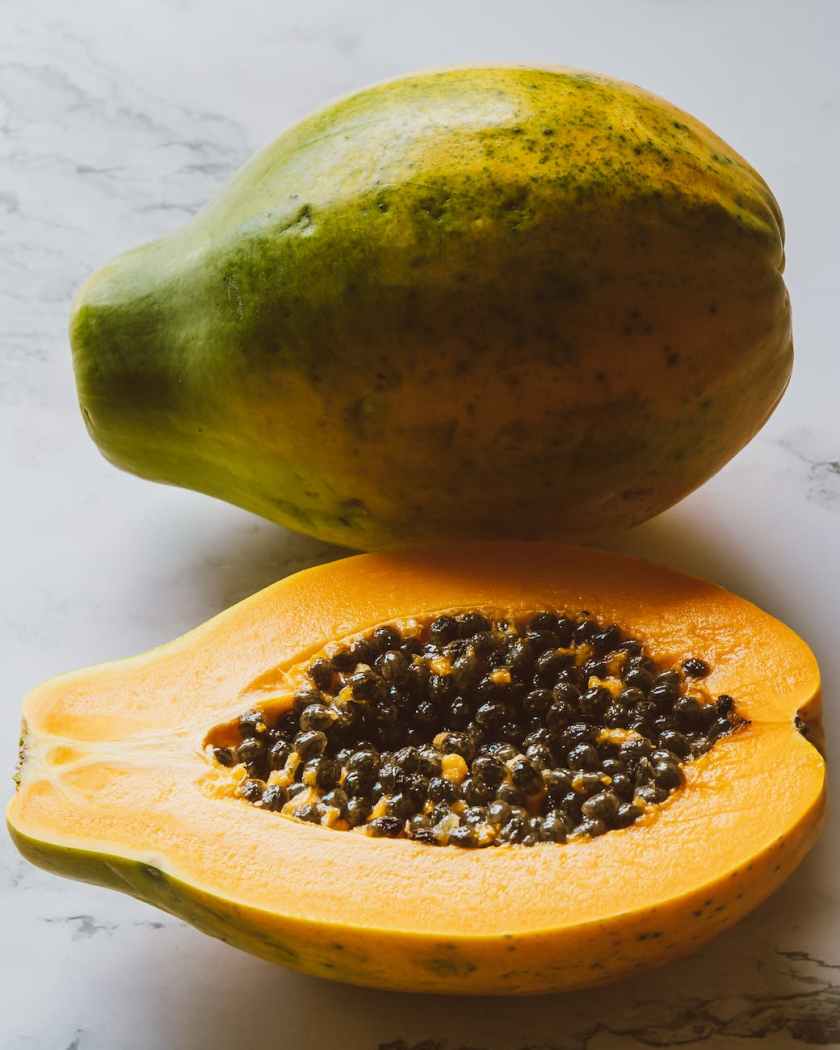
Papaya

Rich in VITAMIN A, VITAMIN C, POTASSIUM, VITAMIN B9, LYCOPENE (antioxidant) and PAPAIN (enzyme).

Papaya is the fruit of the Carica papaya plant, which originated in Central America and Southern Mexico. Papaya contains papain, an enzyme which can break down the tough protein chains found in muscle meat. Because of this, people have used papaya to tenderize meat for thousands of years. If the papaya is ripe, it can be eaten raw. However, unripe papaya should always be cooked before eating — especially during pregnancy, as the unripe fruit is high in latex, which can stimulate contractions.

  • Some benefits of papaya:
    • Neutralizes free radicals. Papayas contain healthy antioxidants known as carotenoids — particularly one type called lycopene. The body absorbs these beneficial antioxidants better from papayas than other fruits and vegetables Free radicals are reactive molecules created during your body’s metabolism. They can promote oxidative stress, which can lead to disease. Antioxidants like the carotenoids found in papayas, can neutralize free radicals.
    • Helps prevent diabetes, hypothyroidism, liver disease, and Alzheimer’s. Some studies have noted that fermented papaya can reduce oxidative stress in older adults and people with prediabetes, mild hypothyroidism and liver disease.. Many researchers believe that excessive free radicals in the brain are an important factor in Alzheimer’s disease. In one study, people with Alzheimer’s given a fermented papaya extract for six months experienced a 40% drop in a biomarker which indicates oxidative damage to DNA — and is also linked to aging and cancer. The reduction in oxidative stress is attributed to papaya’s lycopene content and ability to remove excess iron, which is known to produce free radicals.
    • Reduces cancer risk. Research suggests that the lycopene in papaya can reduce cancer risk.. It may also be beneficial for people who are being treated for cancer. Papaya may work by reducing free radicals that contribute to cancer. Among 14 fruits and vegetables with known antioxidant properties, only papaya demonstrated anticancer activity in breast cancer cells.
    • Helps prevent heart disease. Studies show that fruits high in lycopene and vitamin C may help prevent heart disease. The antioxidants in papaya may protect your heart and enhance the protective effects of “good” HDL cholesterol.
    • Improves digestion. The papain enzyme in papaya can make protein easier to digest. People in the tropics consider papaya to be a remedy for constipation and other symptoms of irritable bowel syndrome (IBS). In one study, people who took a papaya-based formula for 40 days had significant improvement in constipation and bloating.
1 small papaya (152 g) containsamt
CARBOHYDRATE15GRAMS
CALORIES59
FIBER3GRAMS
PROTEIN1GRAM
CALCIUMTRACE
MAGNESIUMTRACE
POTASSIUM11%RDI
VITAMIN A (RETINOL)33%RDI
VITAMIN B1 (THIAMINE)TRACE
VITAMIN B3 (NIACIN)TRACE
VITAMIN B5 (PANTOTHENIC ACID)TRACE
VITAMIN B9 (FOLATE)14%RDI
VITAMIN C157%RDI
VITAMIN ETRACE
VITAMIN KTRACE
SOURCE: HEALTHLINE
Posted in PLANT FOOD FACTS

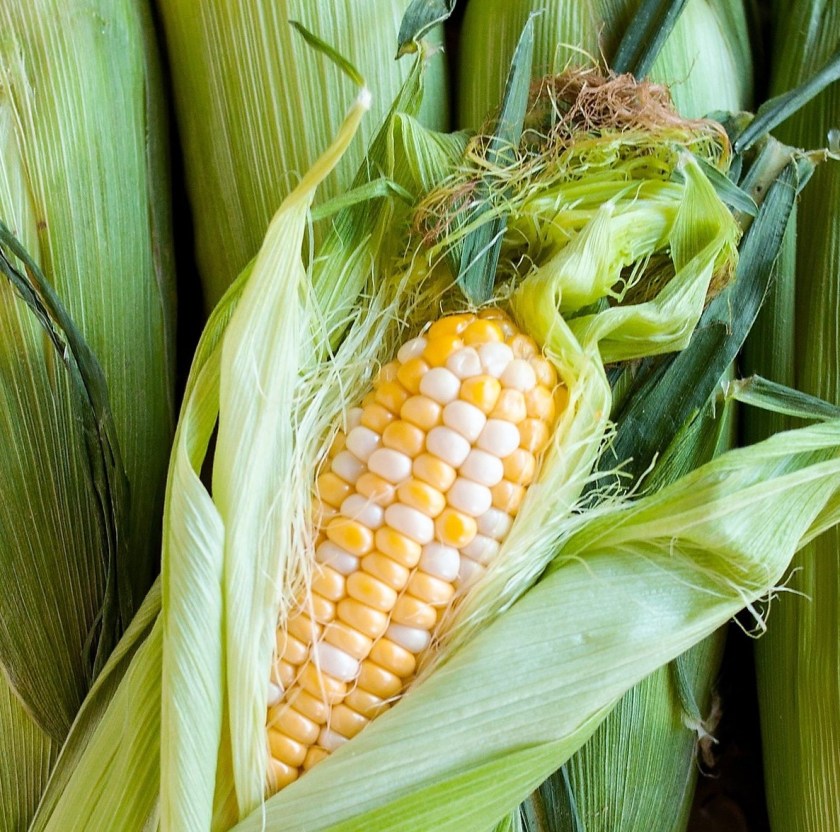
Corn

Corn is a significant source of COMPLEX CARBOHYDRATES, VITAMIN B1, VITAMIN B3, VITAMIN B5, VITAMIN B9, PHOSPHOROUS, and MAGNESIUM. Corn, or maize, (español: maíz) was domesticated by indigenous peoples in southern Mexico about 10,000 years ago. It has become a staple food in many parts of the world, with the total production surpassing that of wheat or rice. Sugar-rich varieties called sweet corn are usually grown for human consumption as kernels, while field corn varieties are ground into corn meal or masa.

1 3 OZ (100 G) OF SWEET CORN contains
CALORIES86
CARBOHYDRATE18.7G
FAT1.35G
FIBER2G
PROTEIN3.27G
IRON4%DV
MAGNESIUM10%DV
MANGANESE8%DV
PHOSPHOROUS13%DV
POTASSIUM6%DV
ZINC5%DV
VITAMIN A (RETINOL)1%DV
VITAMIN B1 (THIAMINE)13%DV
VITAMIN B2 (RIBOFLAVIN)5%DV
VITAMIN B3 (NIACIN)12%DV
VITAMIN B5 (PANTOTHENIC ACID)14%DV
VITAMIN B67%DV
VITAMIN B9 (FOLATE)11%DV
VITAMIN C8%DV
SOURCE:
Posted in PLANT FOOD FACTS

Clementines

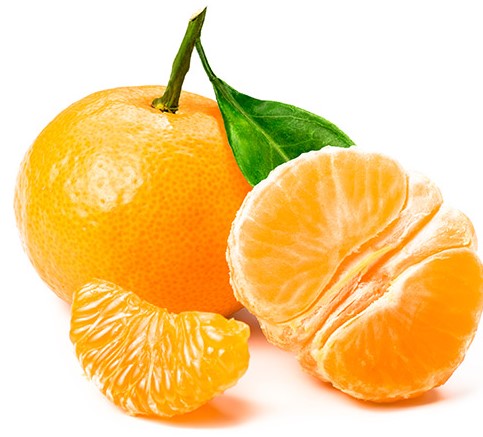
ONE SMALL CLEMENTINE PROVIES 40% OF THE RECOMMENDED DAILY AMOUNT OF VITAMIN C. Clementine (español: clementina) is a citrus fruit hybrid between a willowleaf mandarin orange and a sweet orange named for its late 19th-century discoverer, French Missionary Brother Clément Rodier. Clementines are said to have appeared spontaneously in an Algerian orphanage garden tended by Brother Clément. The exterior is a deep orange colour with a smooth, glossy appearance. Clementines can be separated into 7 to 14 segments. Like tangerines, they are easy to peel. They are typically juicy and sweet, with less acid than oranges.

1 clementine (100 Grams) contains
CARBOHYDRATE9g
CALORIES35
FIBER1g
PROTEIN1g
VITAMIN B1 (THIAMINE)5%DV
VITAMIN B9 (FOLATE)5%DV
VITAMIN C40%DV
SOURCE: WIKIPEDIA / HEALTHLINE
Posted in PLANT FOOD FACTS

Cucumber

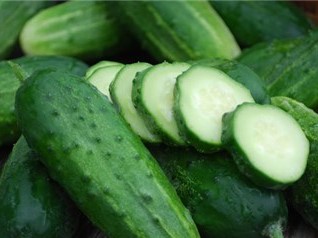
Cucumber (español: pepino) is a creeping vine plant in the Cucurbitaceae gourd family. There are three main varieties of cucumber—slicing, pickling, and burpless/seedless—within which several cultivars have been created. The cucumber originates from South Asia, but now grows on most continents, as many different types of cucumber are traded on the global market. They are low in calories but contain many important vitamins and minerals, as well as a high water content. Eating cucumbers may lead to many potential health benefits, including weight loss, balanced hydration, digestive regularity and lower blood sugar levels.

3.5 oz (100 g) unpeeeled cucumber CONTAINS
CALORIES16
CARBOHYDRATES3.63g
FAT0.11 gg
FIBER0.5g
PROTEIN0.65g
CALCIUM2%DV
IRON2%DV
MAGNESIUM4%DV
MANGANESE4%DV
PHOSPHOROUS3%DV
POTASSIUM3%DV
ZINC2%DV
VITAMIN B1 (THIAMINE)2%DV
VITAMIN B2 (RIBOFLAVIN)3%DV
VITAMIN B3 (NIACIN)1%DV
VITAMIN B5 (PANTOTHENIC ACID)5%DV
VITAMIN B63%DV
VITAMIN B9 (FOLATE)2%DV
VITAMIN C3%DV
VITAMIN K16%DV
Posted in PLANT FOOD FACTS

Corn Smut (Huitlacoche)

Corn smut (español: huitlacoche) is an edible fungus known in Mexico as the delicacy huitlacoche. It is served in soups or as a filling in tacos and other tortilla-based foods. It has been called Mexican truffle and Aztec caviar. It is a plant disease caused by the pathogenic fungus Ustilago maydis that causes smut on maize and teosinte. The fungus forms galls on all above-ground parts of corn species. Huitlacoche is rich in potassium, which reduces blood pressure and protects against stroke, osteoporosis, and kidney stones.

100 g of corn smut contains
CARBOHYDRATE7.88 g
CALORIES40
FIBER4.4 g
POTASSIUM334 mg
SOURCES: WIKIPEDIA / FATSECRET
Posted in PLANT FOOD FACTS

Nutritional Yeast

Even in small amounts, nutritional yeast is a significant source of some B-complex vitamins.

Nutritional yeast (español: levadura nutricional) is a deactivated yeast, often a strain of Saccharomyces cerevisiae sold in the form of flakes or yellow powder. Its strong flavor is often described as nutty, cheesy, or creamy. Nutritional Yeast can be used as a flavor enhancer in cheese substitutes, mashed or fried potatoes, scrambled tofu, and popcorn. Some brands are fortified with additional B12.

It has approximately 9 grams of protein in 2 tablespoons. It provides 9 amino acids that the human body cannot produce and 5% (unfortified) to 20% (fortified with B12) of recommended daily iron.

Sources: Wikipedia / healthline

WARNING: In large amounts, the high fiber content may cause digestive discomfort, and high niacin content can cause facial flushing. Some brands may contain tyramine, which can trigger migraines in certain individuals.

Posted in PLANT FOOD FACTS

Chocolate

Chocolate may have some health benefits, but beware of the fat and sugar in commercial products, which can contribute to high blood pressure, heart disease, and diabetes.

Plain cocoa in moderation is the best choice for adding chocolate flavor to food. It is low in sugar and fat but offers potential health benefits. Cocoa appears to reduce risk factors for heart disease. Flavanols in cocoa beans have antioxidant effects that reduce cell damage. Flavanols — more prevalent in dark chocolate than in milk chocolate — may also help lower blood pressure and improve vascular function. In addition, some research has linked chocolate consumption to reduced risks of diabetes, stroke and heart attack. But more research is needed to confirm these results.

100 grams of chocolate containlightdark
calories531556
calcium 251 mg30 mg
carbohydrates58 g60.49 g
cholesterol24 mg5 mg
fat30.57 g32,4 g
iron0.91 mg2.13 mg
phosphorous 206 mg51 mg
potassium438 mg502 mg
protein 8.51 g5.54 g
sodium101 mg6 mg
sugars54 g47.56 g
Posted in PLANT FOOD FACTS

Mushrooms

White mushrooms are rich in many bioactive compounds that may protect against cancer and heart disease, as well as help improve blood sugar control and gut health.

mushroom or toadstool is the fleshy, spore-bearing fruiting body of a fungus, typically produced above ground, on soil, or on its food source. Toadstool generally denotes one poisonous to humans. The standard for the name “mushroom” is the cultivated white button mushroom, Agaricus bisporus; hence the word “mushroom” is most often applied to those fungi (Basidiomycota, Agaricomycetes) that have a stem, a cap, and gills.

Most mushrooms sold in supermarkets have been commercially grown on mushroom farms and are considered safe to eat because they are grown in controlled, sterilized environments. Agaricus bisporus can be harvested at varying stages of maturity. When young and immature, they are known as white mushrooms if they have a white color, or crimini mushrooms if they have slight brown shade. When fully grown, they’re known as portobello mushrooms, which are bigger and darker. White mushrooms are also known as table, common, button, or champignon mushrooms. They have a small stem, smooth cap, and mild flavor that pairs well with many dishes.

White mushrooms are low in calories and sugar. They are also high in protein and vitamin D, and they’re a source of vitamin B12, so they are beneficial for those following plant-based diets. They are rich in many bioactive compounds that protect against cancer and heart disease, and help improve blood sugar control and gut health.

One cup (96 g) of whole white mushrooms provides
Calories: 21
Carbs: 3 grams
Fiber: 1 gram
Protein: 3 grams
Fat: 0 grams
Vitamin D: 33% of the Daily Value (DV)
Selenium: 16% of the DV
Phosphorus: 12% of the DV
Folate: 4% of the DV
Due t
CARBOHYDRATE3 g
CALORIES21
FIBER1 g
PROTEIN3 g
PHOSPHOROUS12% DV
SELENIUM16% DV
VITAMIN B9 (FOLATE)4% DV
VITAMIN D33% DV
SOURCE: WIKIPEDIA / HEALTHLINE
Posted in PLANT FOOD FACTS

Passion Fruit (Maracuyá)

Passion fruit is rich in antioxidants and dietary fiber, which have been linked to a lower risk of conditions like heart disease and diabetes.

Passion fruit (español: maracuyá) is the fruit of the Passiflora vine. It has a tough outer rind and juicy center full of edible seeds. There are several types that vary in size and color. Purple and yellow varieties are the most commonly available ones, including Passiflora edulis, small round or oval-shaped fruits with purple skin, and Passiflora flavicarpa, round or oval with yellow skin and usually slightly larger than the purple variety.

Passion fruit is rich in antioxidants and dietary fiber. Diets high in these nutrients have been linked to a lower risk of conditions like heart disease and diabetes. Passion fruit is a good source of fiber, vitamin C, and vitamin A. It is also rich in beneficial plant compounds, including carotenoids and polyphenols. It has a small amount of iron, and even though the body doesn’t usually absorb iron from plants very well, passion fruit comes with a lot of vitamin C, which is known to enhance iron absorption.

Passion fruit allergy is rare, but some cases occur. People with a latex allergy are at greater risk.

1 small purple passion fruit contains
CALORIES17
FIBER2 g
IRON2% DV
POTASSIUM2% DV
VITAMIN A (RETINOL)8% DV
VITAMIN C9% DV
SOURCE: HEALTHLINE

Posted in PLANT FOOD FACTS

Soursop (Guanábana)

More studies are needed on this amazing plant’s medicinal possibilities, but the delicious fruit is safe to eat, nutritious, and low in calories…but don’t eat the seeds.

Soursop (español: guanábana) is the fruit of Annona muricata, a broadleaf, flowering, evergreen tree native to the tropical regions of the Americas and the Caribbean. It is in the same genus, Annona, as cherimoya and is in the Annonaceae family. The soursop is adapted to areas of high humidity and relatively warm winters. With an aroma similar to pineapple, the flavor of the fruit has been described as a combination of strawberries and apple with sour citrus flavor notes, contrasting with an underlying thick creamy texture reminiscent of banana.

The delicious fruit is safe to eat and nutritious, but the seeds are toxic and should not be consumed. Soursop is typically eaten raw by cutting the fruit in half and scooping out the flesh. Fruits range in size and can be quite large, so it may be best to divide it into a few portions. Some studies have shown that the plant’s active ingredients possess antioxidant, anticancer, anticonvulsant, anti-arthritic, anti-parasitic, anti-malarial, liver protective and anti-diabetic effects. The uses of guanábana in herbal medicine and research into its potential for cancer treatment are of interest, but medicinal uses of the fruit or its parts should be done only with the supervision of a reliable health professional.

In traditional herbal medicine, the fruit and leaves of the tree are used to relieve digestive ailments (including diarrhea), pain, hypertension, inflammation, fever, coughs, and asthma, among many other medical afflictions. The leaves and fruits contain natural compounds that could potentially be beneficial for prostate as well as other cancers, although more scientific studies are needed. Graviola / Soursop extracts have a promising potential for treating gastric ulcers. A study showed that an alcohol-based extract of soursop possessed antiviral activity.

3.5 oz (100 g) provides
CARBOHYDRATE16.8 g
CALORIES66
FIBER3.3 g
MAGNESIUM5% RDI
POTASSIUM8% RDI
VITAMIN B1 (THIAMINE)5% RDI
VITAMIN C34% RDI
SOURCE: HEALTHLINE / Wikipedia
Posted in PLANT FOOD FACTS

Mamey

One cup of raw mamey fruit provides 74% of the Daily Value of Vitamin B6.

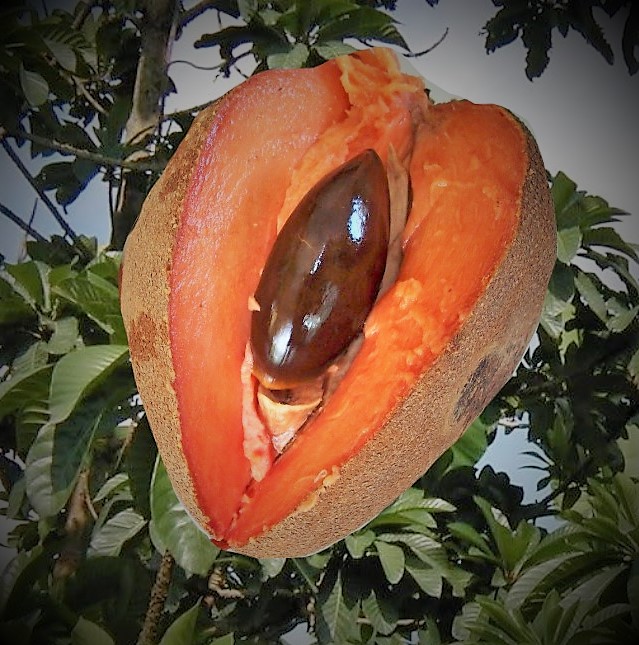
Mamey is the fruit of the Mamey Sapote tree, which grows throughout Mexico and Central America. The mamey has a soft, creamy texture and orange color. Its unique flavor is sometimes compared to sweet potatoes. Mamey supplies a hearty dose of fiber, copper, and vitamins B6 and C. Mamey enhances immune function, promotes regularity, prevents anemia, and supports heart and skin health.

1 CUP (175 g) of raw mamey fruit provides
CALORIES217
CARBOHYDRATE56g
FAT1g
FIBER9.5g
PROTEIN2.5g
COPPER41%DV
IRON8%DV
MANGANESE16%DV
POTASSIUM17%DV
VITAMIN B2 (RIBOFLAVIN)16% DV
VITAMIN B3 (NIACIN)16%DV
VITAMIN B5 (PANTOTHENIC ACID)14%DV
VITAMIN B674%DV
VITAMIN C45%DV
VITAMIN E25%DV
SOURCE: HEALTHLINE
Posted in PLANT FOOD FACTS

Amaranth

Amaranth is a gluten-free source of fiber, protein, manganese, magnesium, phosphorus and iron. It must be cooked in order to be digested. It can be boiled or toasted and eaten as a cereal. It is a healthy addition to granola and other dishes. 

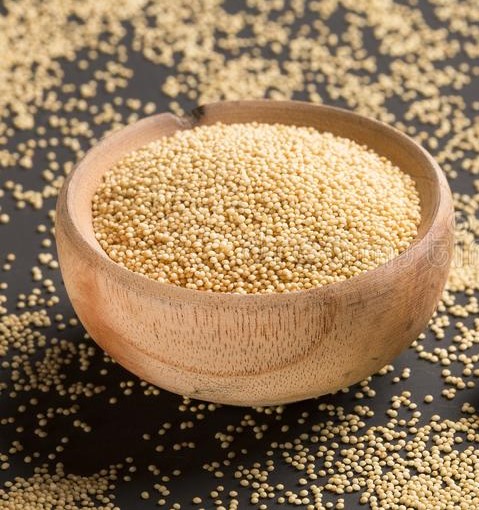
Amaranth (español: amaranto) is a pseudocereal grown for its edible starchy seeds. It is not in the same botanical family as true cereals such as wheat and rice. Most of the Amaranthus species are summer annual weeds, commonly referred to as pigweeds. There are approximately 75 species, 10 of which are native to North America.

1 CUP (246 G) OF COOKED AMARANTH PROVIDES%DV
CALORIES250
CARBOHYDRATES46 G
FAT5.2 G
PROTEIN9.3 G
COPPER 18%
IRON29%
MAGNESIUM40%
MANGANESE105%
PHOSPHOROUS 36%
SELENIUM 19%
SOURCES: WIKIPEDIA / HEALTHLINE
Posted in PLANT FOOD FACTS

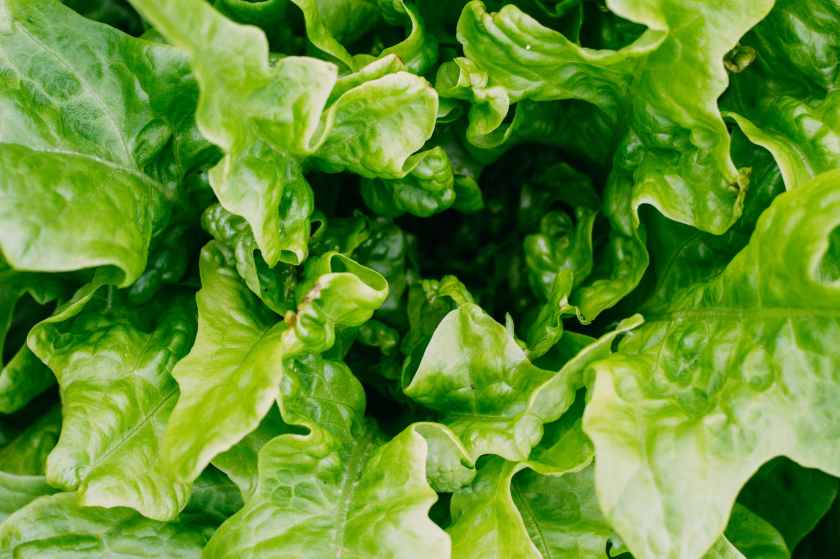
Lettuce

Lettuce is rich in antioxidants, folates, and Vitamins A and K.

Lettuce (Lactuca sativa) (Spanish: lechuga) is a popular leafy vegetable in the daisy family. It ranges in color from yellow to dark green, and some varieties have reddish hues. Lettuce is a major ingredient in salads, and it is a healthy addition to wraps, soups, and sandwiches. Romaine and iceberg are the most common types in western cuisine, but there are many more varieties with unique flavors and nutritional properties. Most types of lettuce are rich in Vitamin K, folates, and antioxidants.

  • Crisphead lettuce, widely known as iceberg lettuce, is light, crunchy, and full of nutrients like folate and vitamin K.
  • Romaine’s long, crisp leaves are popular for Caesar salads. It’s high in folate, potassium, antioxidants, and vitamins A and K.
  • Butterhead lettuce has soft leaves and looks similar to cabbage. It’s particularly high in iron and vitamins A and K.
  • Leaf lettuce has crisp, ruffled leaves. Both green and red types are high in folate, manganese, and vitamins A and K. Red leaf lettuce is higher in antioxidants.

For information about other types of lettuce, see this link: 18 Types of Lettuce

3.5 oz (100 g)ICEBERGROMAINEbutterheadLEAF LETTUCE
CALORIES14171315
FIBER1 g2 g1 g1 g
PROTEIN1 g1 g1.5 g2 g
IRON2% DV5% DV8% DV5% DV
MANGANESE5.4 DV7% DV8% DV11% DV
POTASSIUM3% DV5% DV5% DV4% DV
VITAMIN A (RETINOL)3% DV48% DV18% DV41% DV
VITAMIN B9 (FOLATE)7% DV34% DV18% DV10% DV
VITAMIN C3% DV4% DV4% DV10% DV
VITAMIN K20% DV48% DV85% DV105% DV
DV is the percent of the total daily allowance (or requirement) of a substance that one serving of the food provides.

SOURCE: HEALTHLINE
Posted in PLANT FOOD FACTS

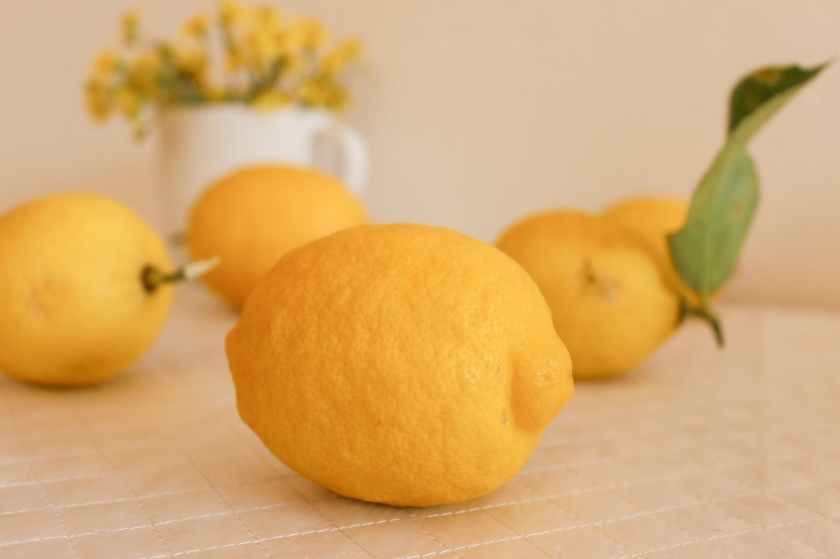
Lemon

Lemons, which are high in Vitamin C, may reduce risks of heart disease and cancer.

Lemons (limones) are among the world’s most popular citrus fruits. They are a hybrid of the original citron and lime. Lemons contain a high amount of vitamin C, soluble fiber, and plant compounds that give them a number of health benefits. Lemons may aid weight loss and reduce your risk of heart disease, anemia, kidney stones, digestive issues, and cancer. Lemons are a very healthy fruit, with a distinct, pleasant taste and smell that make them a great addition to foods and drinks.

Lemons are high in heart-healthy vitamin C and several beneficial plant compounds that may lower cholesterol. Vitamin C and citric acid help in the absorption of non-heme iron from plants. This may prevent anemia. Their main fiber is pectin, which may help lower blood sugar levels. Drinking lemon water may decrease stress, enhance immune function, help prevent anemia, reduce your risk of kidney stones, and protect against several diseases.

Lemons are usually well tolerated but may cause allergies or skin irritation in some people. Large amounts may be harmful to dental health.

1/2 cup of raw peeled LEMON
CALORIES29
CARBOHYDRATE9.3g
FAT0.3g
FIBER2.8g
PROTEIN1.1g
POTASSIUM138mg
VITAMIN B60.1mg
VITAMIN C53mg
SOURCE: HEALTHLINE
Posted in PLANT FOOD FACTS

Leeks

Leeks are low in calories and high in provitamin A carotenoids and Vitamin K.

Leek and Potato Soup Recipe

Leeks belong to the same family as onions, shallots, scallions, chives, and garlic. They look like a giant green onion but have a much milder, somewhat sweet flavor and a creamier texture when cooked. They are particularly high in provitamin A carotenoids, including beta carotene, which the body converts into vitamin A, important for vision, immune function, reproduction, and cell communication. They’re also a good source of vitamin K1, which is necessary for blood clotting and heart health. Leeks are also a good source of manganese, which may help reduce premenstrual syndrome symptoms and promote thyroid health. What’s more, they provide small amounts of copper, vitamin B6, iron, and folate. Leeks are rich in antioxidants and sulfur compounds, especially kaempferol and allicin. These are thought to protect your body from disease. The fiber and water in leeks can promote fullness, prevent hunger, and promote digestive health.

To prepare them, cut the roots and dark green ends off, keeping only the white and light green parts. Slice them lengthwise and rinse under running water, scrubbing away the dirt and sand that may have accumulated between their layers. Leeks can be eaten raw, but you can also poach, fry, roast, braise, boil, or pickle them. They make a great addition to soups, dips, stews, taco fillings, salads, quiches, stir-fries, and potato dishes. You can refrigerate raw leeks for about a week and cooked ones for around two days.

3.5 oz (100 g) leek provides
CARBOHYDRATE14.15 g
CALORIES61
FAT0.3 g
FIBER1.8 g
PROTEIN1.5 g
CALCIUM6% DV
IRON16% DV
MAGNESIUM8% DV
MANGANESE23% DV
PHOSPHOROUS5% DV
POTASSIUM4% DV
VITAMIN A (RETINOL)10% DV
VITAMIN B1 (THIAMINE)5% DV
VITAMIN B2 (RIBOFLAVIN)3% DV
VITAMIN B3 (NIACIN)3% DV
VITAMIN B5 (PANTOTHENIC ACID)3% DV
VITAMIN B618% DV
VITAMIN B9 (FOLATE)16% DV
VITAMIN C14% DV
VITAMIN E6% DV
VITAMIN K45% DV
SOURCE: healthline
Posted in PLANT FOOD FACTS

Lentils

Lentils are low in calories but high in protein, fiber, B Vitamins, iron, folate, magnesium, zinc, and potassium.

Lentil and Spinach Salad Recipe

Lentils (lentejas) are edible seeds from the legume family. They are a food staple in Turkey, Syria, Jordan, Morocco, and Tunisia. Some of the most common types of lentils are brown, puy, green, yellow and red, and beluga. Brown lentils are the most widely known type. They’re easily cooked in 5–30 minutes and do not require soaking. Lentils are an excellent source of plant-based protein and fiber, B vitamins, iron, magnesium, potassium, and zinc. They also provide polyphenols, which have antioxidant and anti-inflammatory properties with potential cancer cell-inhibiting effects. Furthermore, lentils contain a broad range of beneficial phytochemicals, which protect against chronic diseases. Eating lentils has positive effects on several risk factors for heart disease and type 2 diabetes. It helps lower blood pressure and levels of homocysteine. Lentils are very filling and appear to keep blood sugar levels steady. and eating lentils may help decrease your overall food intake, which could contribute to weight loss.

It should be noted that lentils contain antinutrients such as trypsin inhibitors and phytic acid, which reduce the absorption of some nutrients. However, the amounts are small, and cooking lentils will minimize these.

1 cup of cooked lentils provides
39.9 gCARBOHYDRATE
230CALORIES
0.8 gFAT
15.6 gFIBER
17.9 gPROTEIN
55% DVCOPPER
37% DVIRON
17% DVMAGNESIUM
43% DVMANGANESE
28% DVPHOSPHOROUS
16% DVPOTASSIUM
23% DVZINC
28% DVVITAMIN B1 (THIAMINE)
13% DVVITAMIN B3 (NIACIN)
25% DVVITAMIN B5 (PANTOTHENIC ACID)
21% DVVITAMIN B6
90% DVVITAMIN B9 (FOLATE)
Sources: healthline