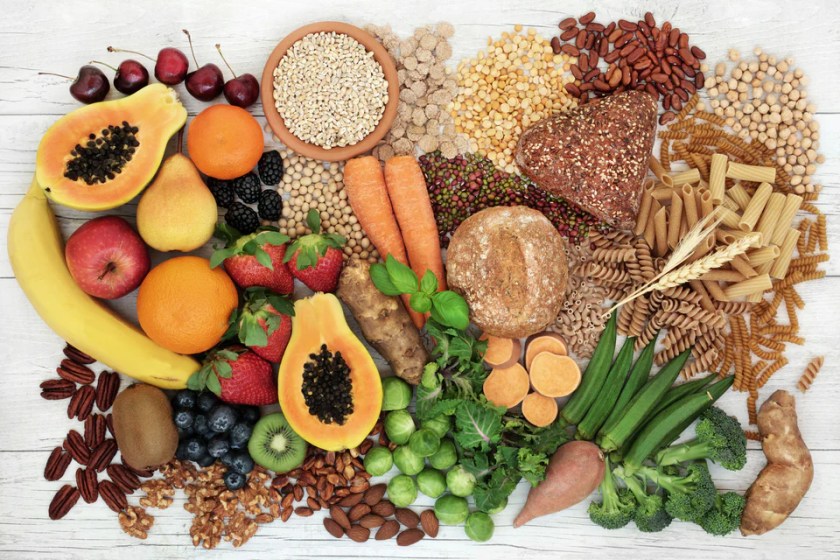
Posted in NUTRIENTS

Zinc

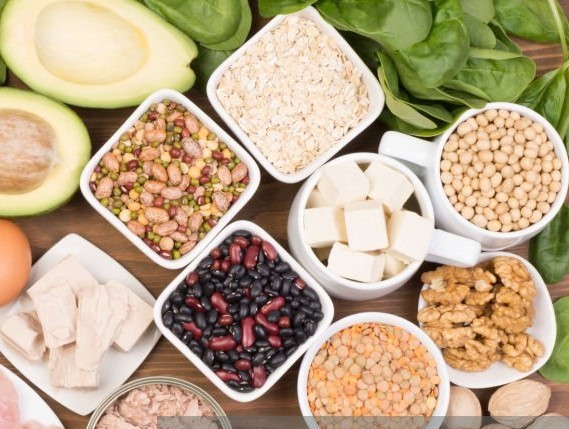
Zinc aids growth, DNA synthesis, and immune function. Zinc is an essential nutrient, meaning that your body can’t produce or store it. Zinc may effectively reduce inflammation, boost immune health, reduce risk of age-related diseases, speed wound healing, and improve acne symptoms. Beans, seeds, and nuts are rich in zinc.

Plant-based food souruces of zincserving%DV OF ZINC
baked beans1/2 cup26
dried pumpkin seeds1 oz20
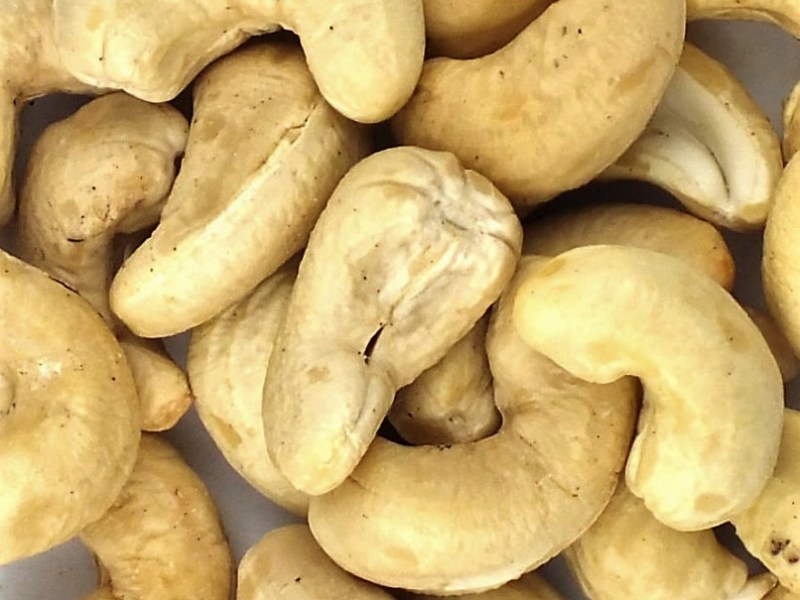
dry roasted cashews1 oz15
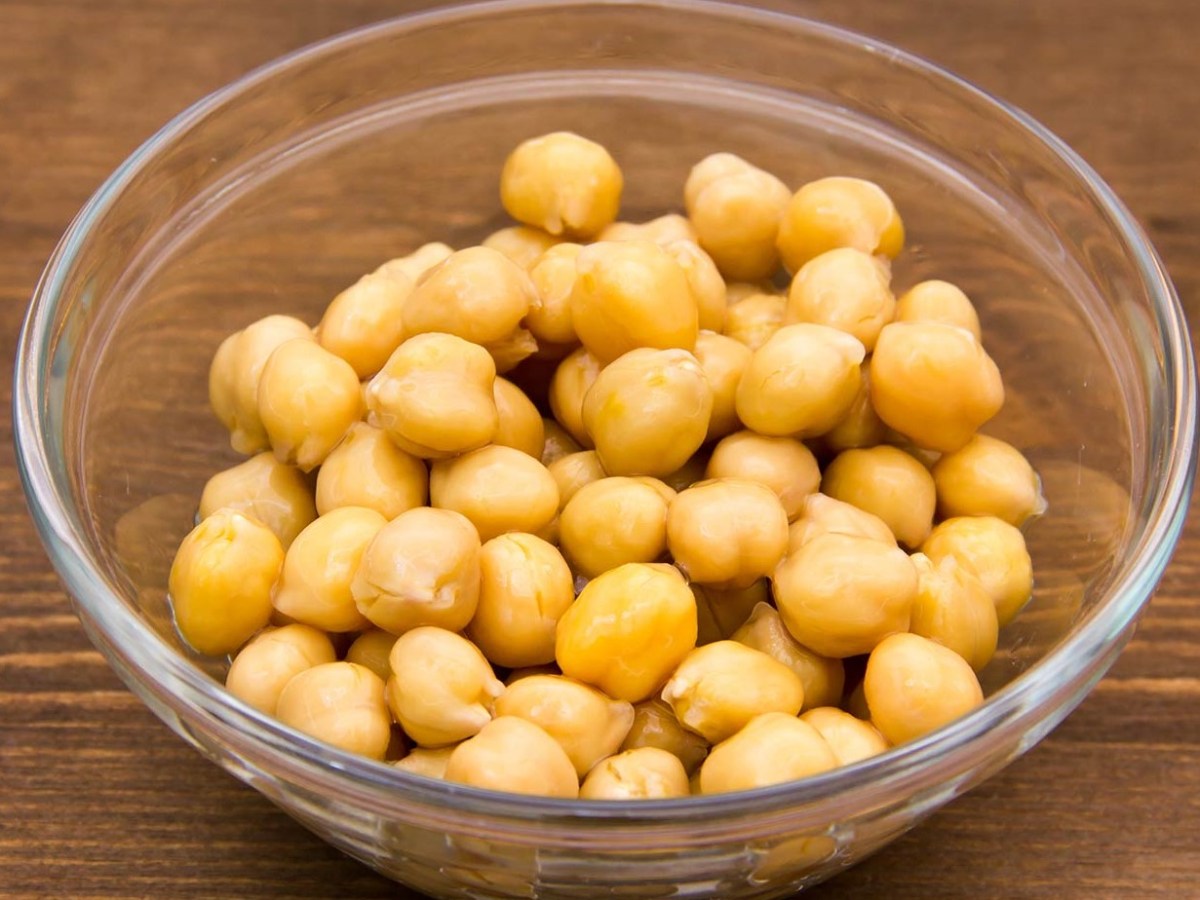
cooked chickpeas1/2 cup12
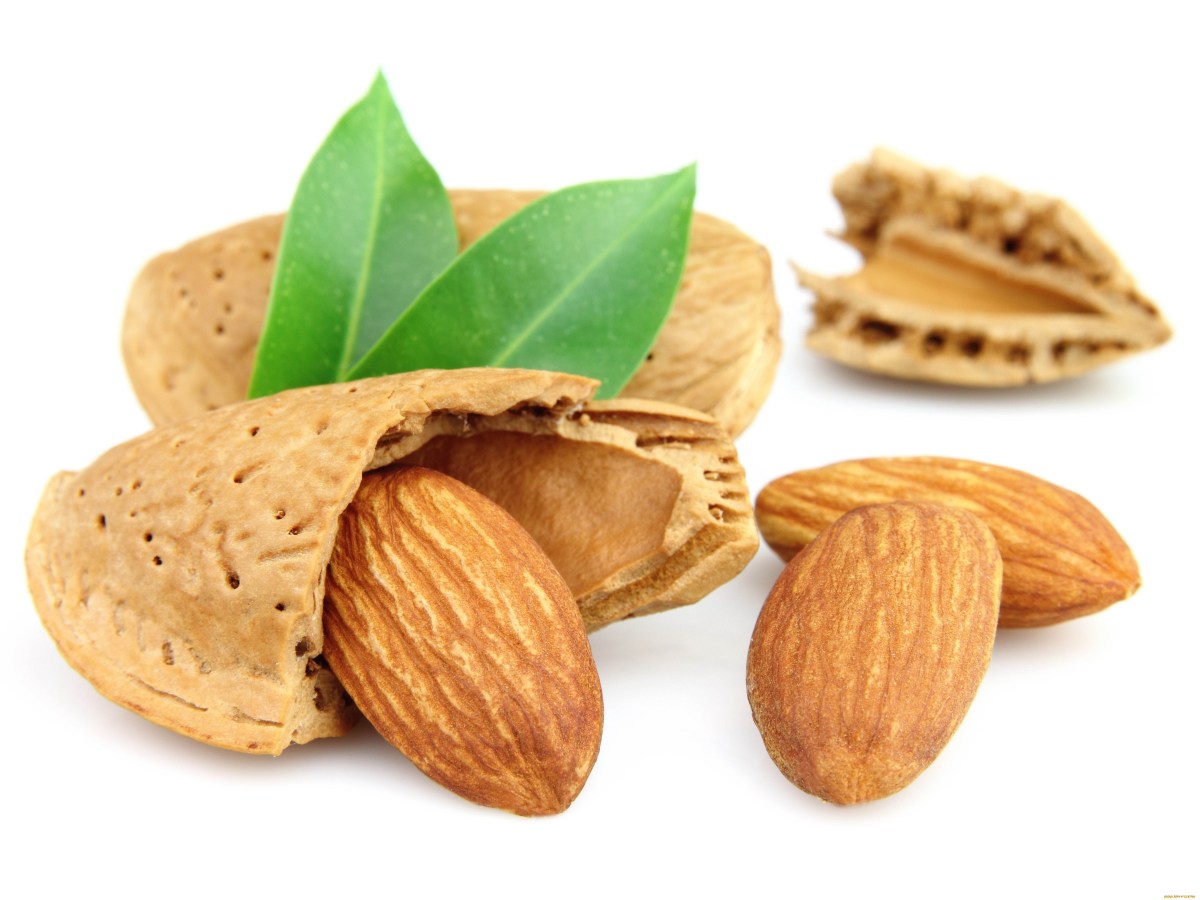
dry roasted almonds1 oz8
cooked kidney beans1/2 cup8
cooked green peas1/2 cup5
Source: NIH
Posted in NUTRIENTS

Protein

Proteins are a macronutrient that the cells in the body use for structure. Proteins are made from smaller monomers called amino acids. There are twenty amino acids that make up all the kinds of protein your body needs. Your body can make some of the amino acids you need, but there are nine that you must consume in your diet. These are called essential amino acids. Protein is very important for building tissues, such as muscle.

PLANT FOOD SOURCES OF PROTEINgrams of proteinserving
seitan301/2 cup
peanuts20.51/2 cup
almonds16.51/2 cup
tempeh151/2 cup
mycoprotein131/2 cup
firm tofu101/2 cup
edamame8.51/2 cup
lentils (cooked)8.841/2 cup
edamame8.51/2 cup
chickpeas (cooked)7.251/2 cup
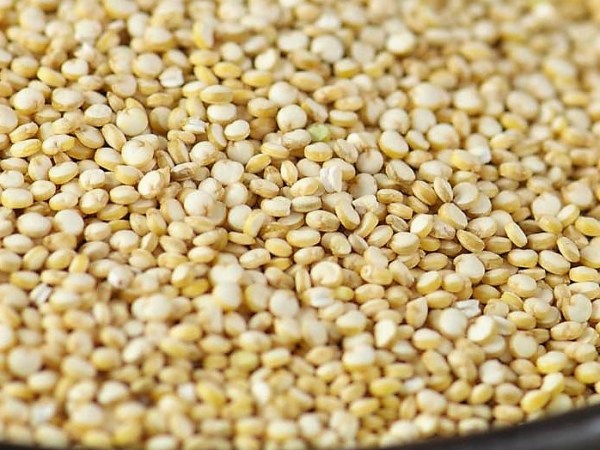
quinoa (cooked)41/2 cup
beans with rice3.51/2 cup
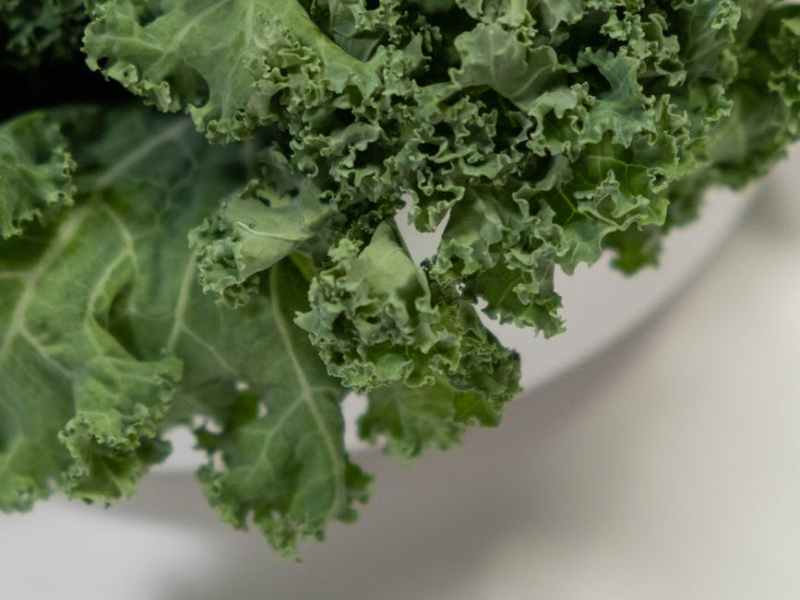
kale21/2 cup
potato (baked)81 large
Ezekiel bread41 slice
mushroom35 medium
hemp seeds5Tablespoon
spirulina4Tablespoon
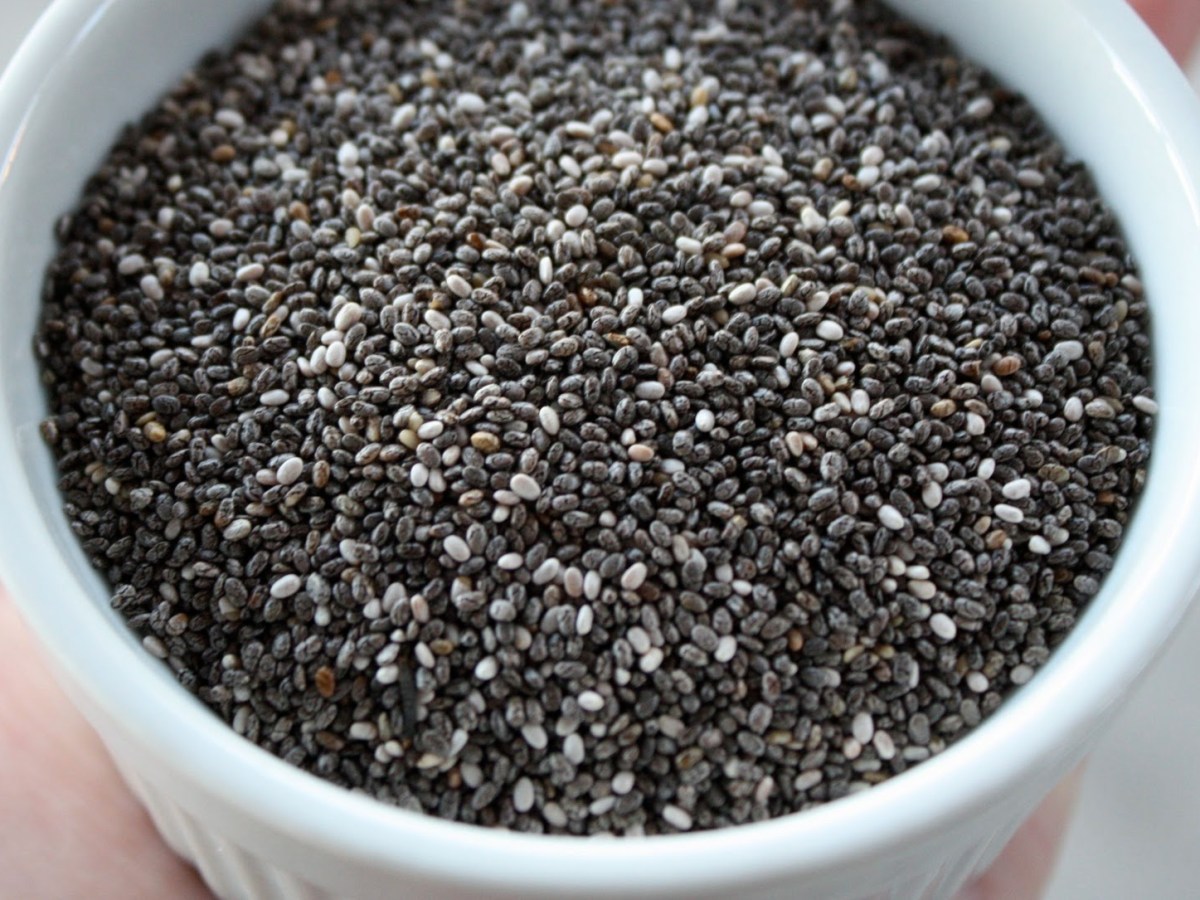
chia seeds2Tablespoon
Source: Medical News Today
Posted in NUTRIENTS

Vitamin B9 (Folate)

Some plant-based food sources of folate are asparagus, avocado, banana, beans, beets, broccoli, Brussels sprouts, citrus fruits, lentils, lettuce, nuts and seeds, papaya, peas, spinach, and wheat germ. Vitamin B9 (Folate) is essential for producing red and white blood cells in bone marrow and transforming carbohydrates into energy. Folate is especially important during periods of rapid growth, such as pregnancy, infancy, and adolescence. It’s best to get folate from whole foods. Folic acid, often confused with folate, is a synthetic form of vitamin B9 used in supplements and added to processed food products, such as flour and breakfast cereals. Several studies indicate that chronically elevated levels of unmetabolized folic acid may have adverse health effects. High levels of unmetabolized folic acid have been associated with increased cancer risk. Among elderly people, high folic acid levels can mask vitamin B12 deficiency which, if untreated, may increase the risk of dementia and impaired nerve function. A folate deficiency can lead to lack of energy, poor immune function and impaired digestion. Folate is especially important nutrient for pregnant women to prevent birth defects like spina bifida.

Source: Healthline

The recommended daily intake (RDI) of folate varies with age and gestation or lactation:

AGE OR CONDITION0-6 mos7-12 mos1-3 yrs4-8 yrs9-13 yrs14+ yrspregnancylactation
RDI65 mcg80 mcg150 mcg200 mcg300 mcg400 mcg600 mcg500 mcg
Source: Medical News Today


Posted in NUTRIENTS

Vitamin B5

Broccoli, cabbage, potatoes, mushrooms, nuts, beans, peas, and lentils are rich in Vitamin B5. Vitamin B5 (Pantothenic Acid) is needed for making blood cells, and it helps convert food into energy. B vitamins are also needed for healthy skin, hair, and eyes; proper functioning of the nervous system and liver; healthy digestive tract; making red blood cells, which carry oxygen throughout the body; and making sex and stress-related hormones in the adrenal glands.

Posted in NUTRIENTS

Vitamin K

Leafy green vegetables are among the plant foods rich in Vitamin K. Vitamin K helps make proteins needed for blood clotting and building bones. Prothrombin is a vitamin K-dependent protein directly involved with blood clotting. Osteocalcin is another protein that requires vitamin K to produce healthy bone tissue. Vitamin K is found throughout the body including the liver, brain, heart, pancreas, and bone. It is broken down very quickly and excreted in urine or stool. Because of this, it rarely reaches toxic levels in the body even with high intakes, as may sometimes occur with other fat-soluble vitamins. Because vitamin K is fat-soluble, it is best to eat vitamin K foods with some fat to improve absorption. So, drizzle some olive oil or add diced avocado to your favorite leafy green salad!

Antibiotics may decrease vitamin K levels, especially if taken for more than a few weeks. People who have a poor appetite while using long-term antibiotics may be at greater risk for a deficiency, and may benefit from a vitamin K supplement. People who are taking blood-thinners, such as warfarin (Coumadin), should avoid suddenly beginning to eat more or fewer foods containing vitamin K, as this vitamin plays a vital role in blood clotting.

Vitamin K deficiency in adults is rare, but may occur in people taking medications. Newborns are sometimes deficient because vitamin K does not cross the placenta, and breast milk contains a low amount. The limited amount of blood clotting proteins at birth increases the risk of bleeding in infants if they are not given vitamin K supplements.

AI: An “adequate intake” (AI) is used when there is not enough evidence to establish a Recommended Dietary Allowance (RDA). The AI amount is estimated to ensure nutritional adequacy. For adults 19 years and older, the AI for vitamin K is 120 micrograms (mcg) daily for men and 90 mcg for women and for those who are pregnant or lactating.

Some Plant-based Food Sources of Vitamin K

PHYLLIQUINONEMENAQUINONE
collard greensnatto: fermented soybeans
turnip greens
kale
spinach
broccoli
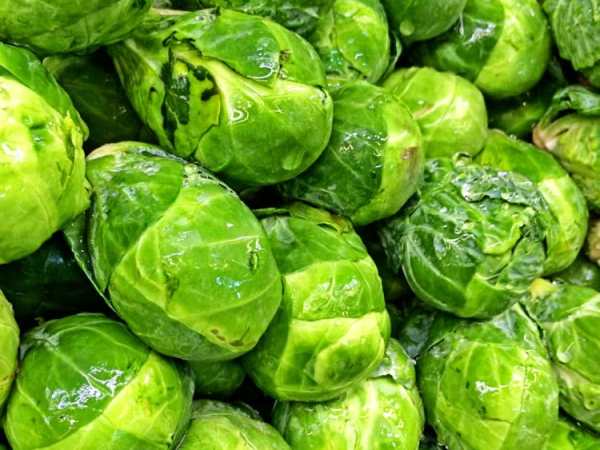
brussels sprouts
cabbage
lettuce
soybean oil
canola oil
Source: Harvard University Nutrition Source

Posted in NUTRIENTS

Copper

Some plant food sources of copper are whole grains, beans, yeast, dark leafy greens, dried fruits, black pepper, almonds, potatoes, cocoa, cashews. Copper plays a role in making red blood cells and maintaining nerve cells and the immune system. Copper also helps the body form collagen and absorb iron, and plays a role in energy production. Most copper in the body is found in the liver, brain, heart, kidneys, and skeletal muscle. Both too much and too little copper can affect how the brain works. The recommended daily allowance (RDA) is around 900 micrograms a day for adolescents and adults. The upper limit for adults aged 19 years and above is 10 milligrams (mg) a day. An intake above this level could be toxic. Both copper deficiency and copper toxicity are rare in the United States (U.S).

Posted in NUTRIENTS

Potassium

Beet greens, lima beans, bake potato and yams are rich in potassium. Potassium is an essential mineral that is needed in the body for electrolyte and water balance, in addition to the daily functioning of cells. Certain types of cooking, such as boiling, can destroy the potassium in some foods so it is often better to steam, bake or stir-fry vegetables. Food processing reduces the amount of potassium in many foods and a diet high in processed foods and low in fresh fruits and vegetables is often lacking in potassium. The recommended daily amount of potassium for an adut is 4,700 milligrams, so it is important to include potassium-rich foods in daily meals.

Plant food sources of potassiummg of potassium
1/2 cup beet greens, cooked655
1/2 cup lima beans, cooked485
1/2 medium baked potato with skin463
1/2 cup yam, cooked456
1/2 cup acorn squash, cooked448
1/2 cup spinach, cooked420
1/2 cup portabella mushrooms, cooked265
1/2 cup prune juice354
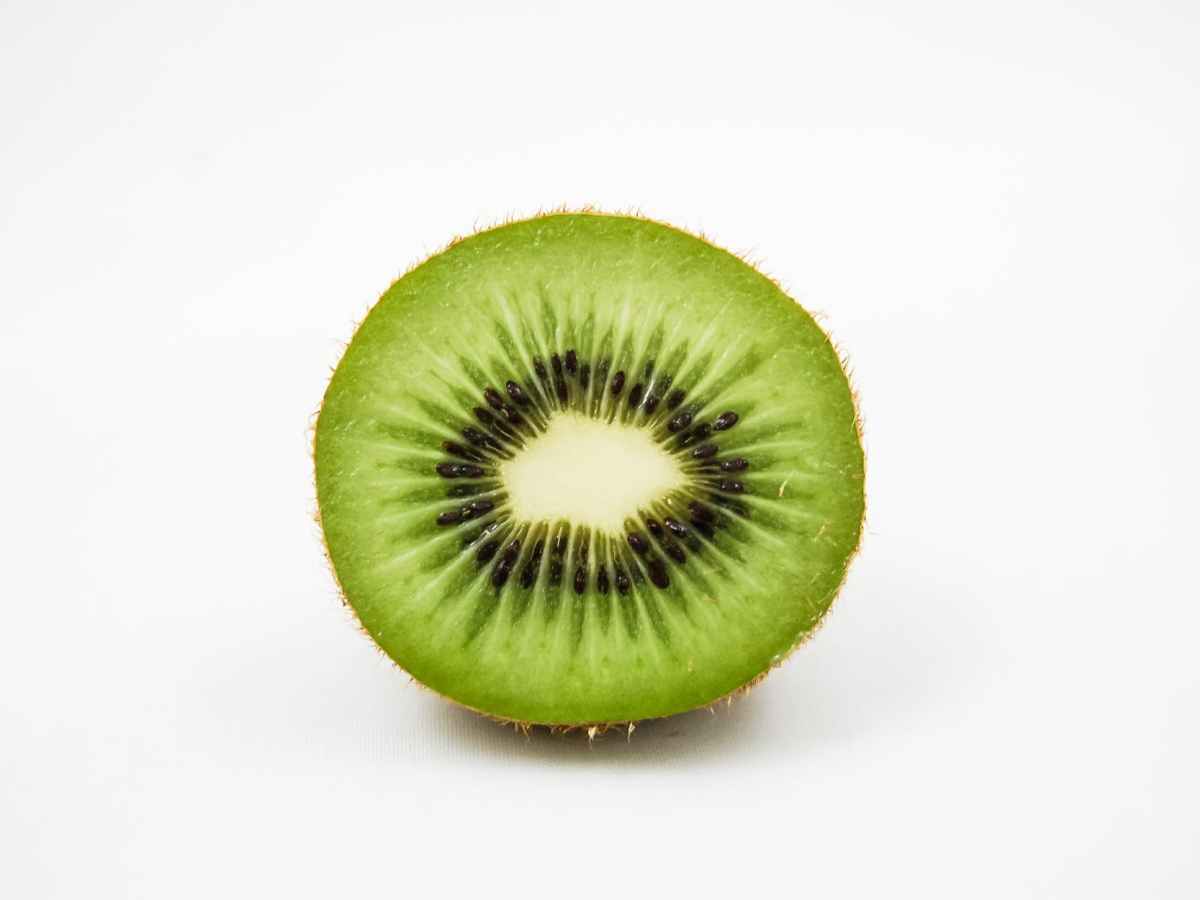
1/2 cup kiwi281
1/2 cup orange juice258
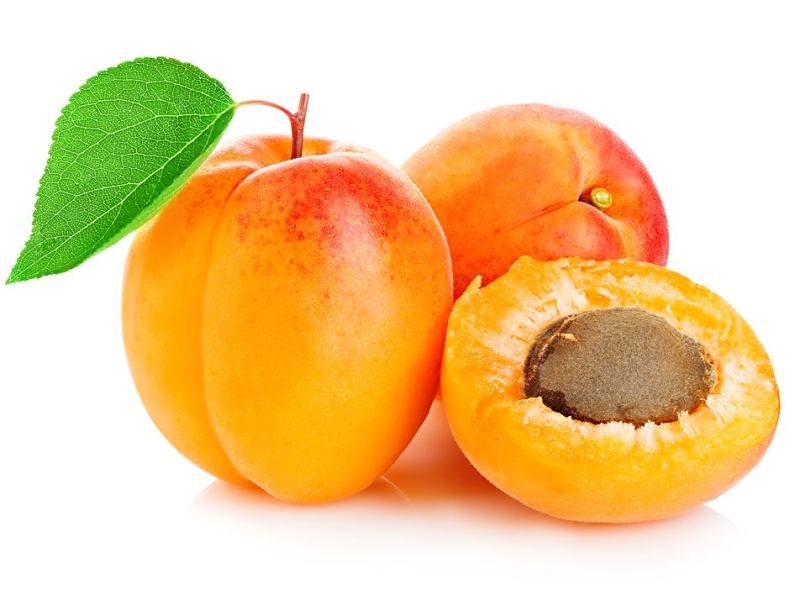
1/2 cup apricots201
1/2 ounce pistachios143
1/2 cup unsweetened coconut water198
Source: Dietary Guidelines for Americans
Posted in NUTRIENTS

Calcium

What does calcium do? 
Calcium is needed to build and maintain strong bones.es. The heart, muscles and nerves also need calcium to function properly. Some studies suggest that calcium, along with vitamin D, protects against cancer, diabetes and high blood pressure.
How much do I need?
Adults need at least 1000 milligrams a day of calcium. For women over 50 and all adults over 70, 1200 milligrams are recommended.
Are supplements recommended?
Food is the best source of any nutrient, and some plant foods are rich in calcium. Include a variety of calcium-rich foods in your daily meals. Talk to your health care provider if you have doubts about whether you need a supplement in addition to the food sources.
What are some good plant food sources of calcium?
Sourcemilligrams of calcium
1 cup enriched soy milk290
100 g tofu250
1 cup soy beans175
1 cup white beans160
1 cup spinach145
1 Tbsp tahini120
1 cup edamame100
1 cup chickpeas80
1 Tbsp chia seeds75
1 orange65
1 cup red mung beans65
1 cup broccoli60
1 cup okra60
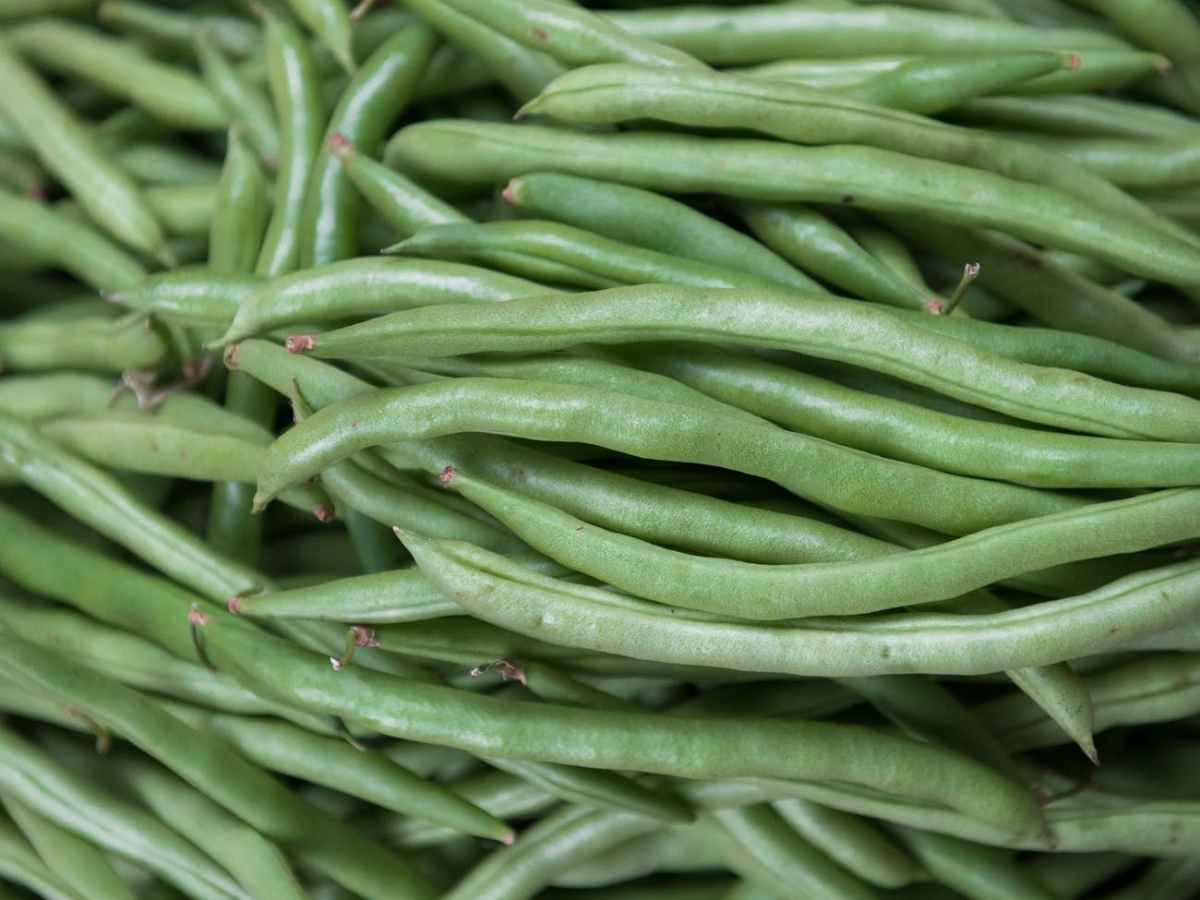
1 cup snap beans65
2 figs40
1 medium sweet potato40
1 cup parsley40
1 medium carrot40
1 cup mashed pumpkin40
1 cup cabbage35
9 almonds30
1 cup quinoa30
2 medium tomatoes30
1 cup arugula30
3 brazil nuts25