Posted in FEATURED, NEW, NUTRIENTS

Zinc

What does zinc do?
Zinc aids growth, DNA synthesis, and immune function. Zinc is an essential nutrient, meaning that your body can’t produce or store it. Zinc may effectively reduce inflammation, boost immune health, reduce risk of age-related diseases, speed wound healing, and improve acne symptoms.

How much do I need?
Th RDA is 11 mg for males and 8 mg for females (11 mg in pregnancy and 12mg in lactation).

What are some good plant food sources of zinc?
Beans, seeds, and nuts are rich in zinc.

Plant-based food souruces of zincserving%DV OF ZINC
baked beans1/2 cup26
dried pumpkin seeds1 oz20
dry roasted cashews1 oz15
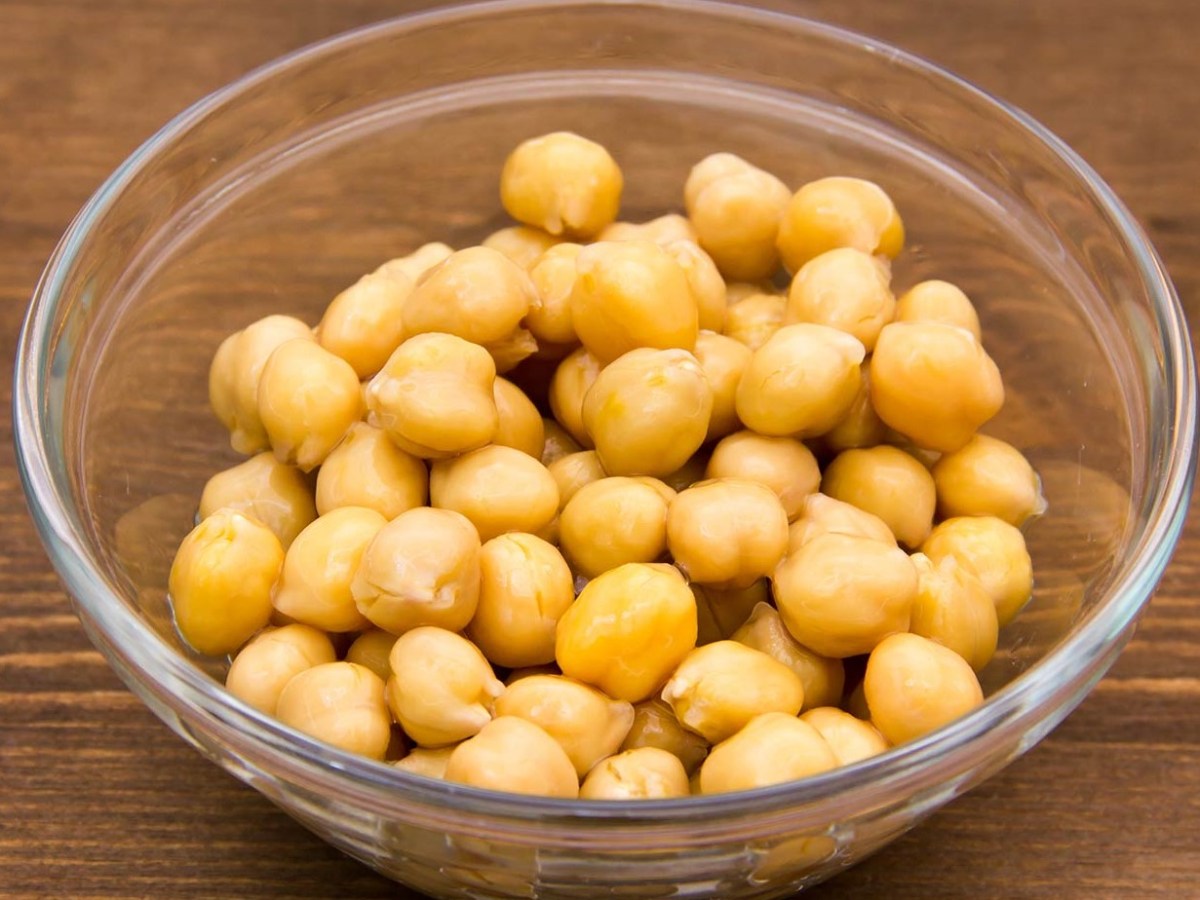
cooked chickpeas1/2 cup12
dry roasted almonds1 oz8
cooked kidney beans1/2 cup8
cooked green peas1/2 cup5
Source: NIH

Are supplements recommended?
Most people meet the RDA of 11 mg for males and 8 mg for females through diet, but older adults, those following restrictive diets, and people with conditions that inhibit zinc absorption may need to supplement. Because high dose zinc supplements can lead to dangerous side effects, it’s important to stick to recommendations and only take supplements when necessary.

Zinc-Rich Foods and Recipes

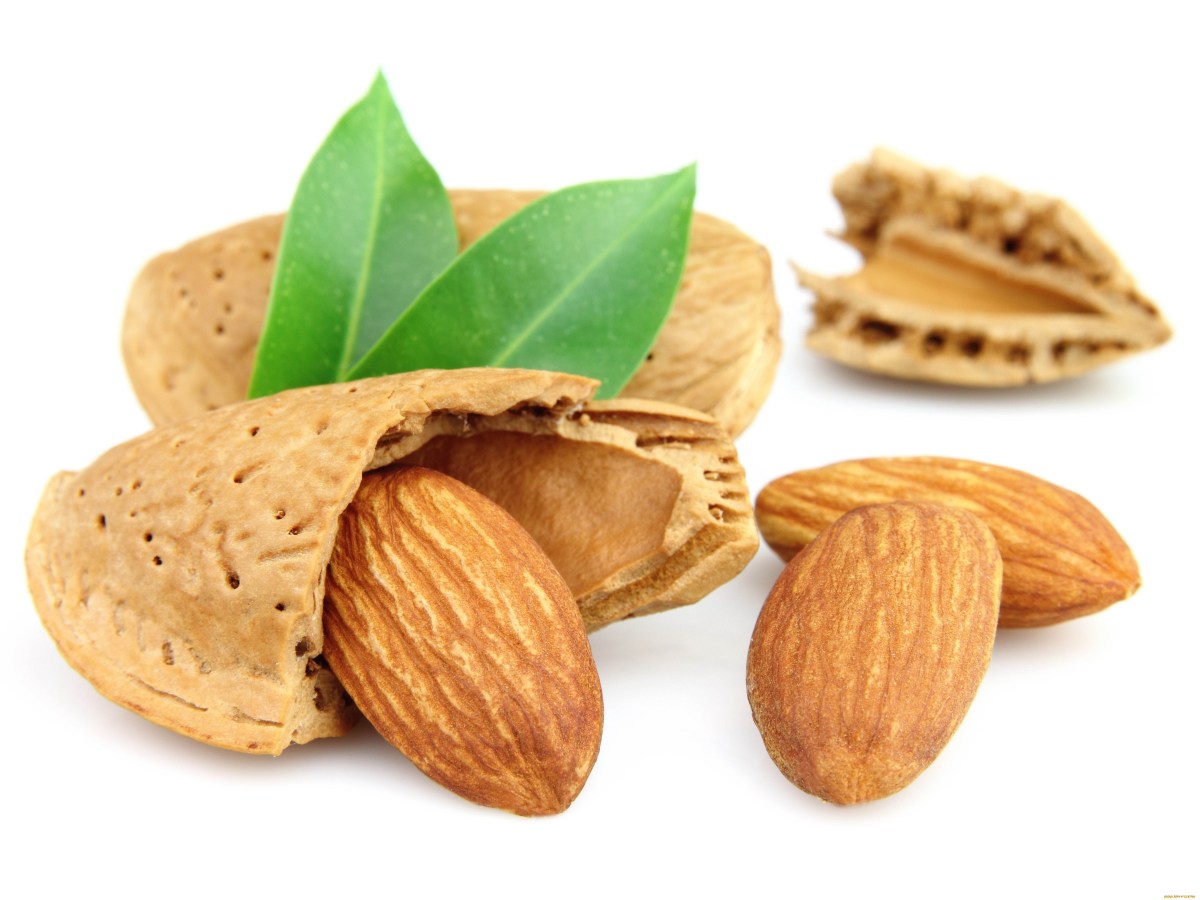
Almond Facts

Almonds are rich in Vitamin E, magnesium, and manganese Almond is the edible seed of Prunus dulcis, a species of tree native to Iran but widely cultivated elsewhere. It is classified with the peach in the subgenus Amygdalus, distinguished from the other subgenera by corrugations on the shell surrounding the seed. Almonds are sold shelled…

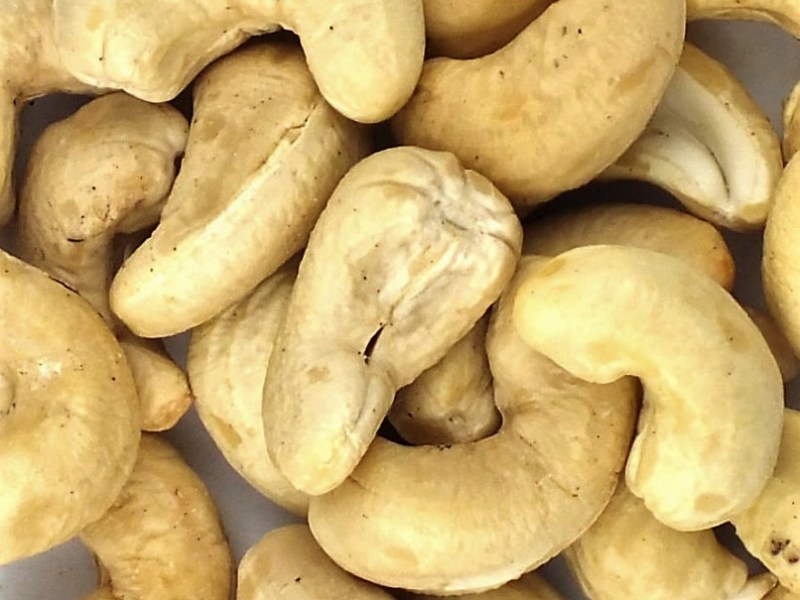
Cashew Facts

Cashews pack 67% of the daily copper requirement, needed to form red blood cells.

Posted in FEATURED, MICRO HABITS, NEW, RECIPES, RESOURCES

Start the day with a smoothie

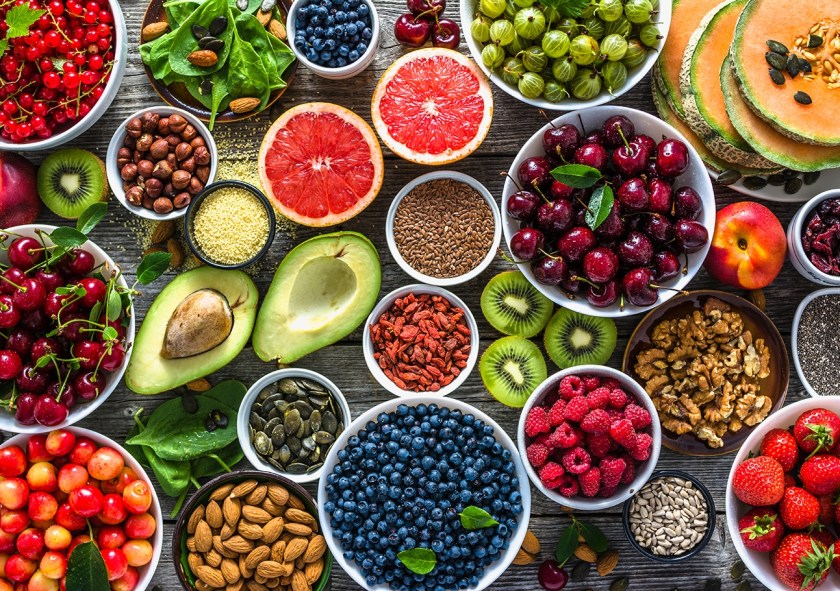
No time for breakfast? Start your day with a delicious nutrient-loaded smoothie. If your mornings are rushed, make it the night before. You’re off to a good start, no matter what happens during the rest of the day. No recipe needed. You can throw in what you like, what you need, what you want, what you have on hand. Here are a few ideas to start you thinking.

  • Suggested Ingredients
    • Leafy Greens: Spinach and kale are common, providing vitamins with a mild taste that is easy to hide.
    • Berries & Fruits: Blueberries (high in antioxidants), acai, mango, banana (for creaminess), and lemon (for cleansing).
    • Seeds & Nuts: Chia seeds, flaxseeds, and hemp seeds add Omega-3 fatty acids and fiber.
    • Healthy Fats & Boosters: Avocado (creamy texture), turmeric (anti-inflammatory), ginger (digestion), cacao, and spirulina.
    • Protein: Greek yogurt, protein powder, or silken tofu. 
  • A Few Superfood Smoothie Recipes
    • Green Detox Smoothie: Blend 1 cup spinach/kale, 1/2 cup coconut water, 1/4 avocado, 1 tbsp chia seeds, 1/2 cucumber, and ginger.
    • Antioxidant Mixed Berry & Cocoa: Blend 1 cup mixed berries, 1/2 cup almond milk, 2 tbsp hemp hearts, 1 tbsp flax seeds, and 1 tbsp raw cocoa powder.
    • Tropical Turmeric Mango: Blend 1 cup frozen pineapple, 1/2 cup mango, 1/2 cup coconut water, 1 tsp turmeric, and 2 tbsp hemp hearts.
    • Blueberry Avocado Powerhouse: Combine 1 cup frozen blueberries, 1/2 cup Greek yogurt, 1/2 cup avocado, and 1 tbsp chia seeds.
    • Chocolate Peanut Butter Powerhouse: Mix 1 cup coconut milk, 1 scoop chocolate protein, 1/2 cup blueberries, 1 cup spinach, 1 banana, and 1 tbsp almond butter. 
  • Some Tips for Superfood Smoothies
    • Use Frozen Fruit: Using frozen berries or bananas creates a thicker, creamier texture without needing extra ice.
    • Balance the Nutrients: Follow a 50/50 rule, aiming for 50% vegetables (like spinach) and 50% fruit to lower sugar content.
    • Boost Fiber and Protein: Add 1 tablespoon of chia or flax seeds to boost satiety (fullness) and fiber intake.
    • Avoid Added Sugars: Rely on the natural sweetness of fruit rather than honey or syrup, and use unsweetened milk alternatives.
    • Make it a Bowl: Increase the thickness and top with nuts, seeds, or berries for a smoothie bowl. 
Posted in FEATURED, NEW, NUTRIENTS

Fat

What does fat do?
Fat is an important nutrient your body needs for energy, cell growth, and absorbing certain vitamins. While some dietary fat is necessary, limiting total fat and saturated fat may improve your overall health. Dietary fat is a calorie dense nutrient, and including too much in your diet may contribute to excess body weight. Saturated fats raise your LDL (“bad”) cholesterol and increase your risk of cardiovascular disease. Replacing them with unsaturated fats as part of a healthy diet can help you lower your cholesterol and maintain a moderate weight.

How much do I need?
For most adults, the Dietary Guidelines for Americans recommends that total fat not exceed 20% to 35% of daily calories. Saturated fat should not be more thhan 10% of daily calories. Unsaturated fats are typically liquid at room temperature. They come from plant sources and fatty fish, like salmon. Including unsaturated fats in your diet may lower your LDL cholesterol levels. They also provide essential fatty acids your body needs but can’t produce, like omega-6s and omega-3s. Trans fats are created artificially and also occur naturally in small amounts in some animal products. Trans fats raise your LDL cholesterol and lower your HDL (“good”) cholesterol. The main source of artificial trans fats in processed foods is partially hydrogenated vegetable oils. These fats are solid at room temperature and can improve the taste and shelf life of foods. The Food and Drug Administration no longer recognizes partially hydrogenated vegetable oils as safe. As of July 2018, manufacturers can no longer add them to foods in the United States.

Are supplements recommended?
Vegans or individuals with severe dietary restrictions may need Omega-3 (EPA/DHA) supplements if they are not consuming enough from plant-based

What are some good plant food sources of fat?
OLIVE OIL, CANOLA OIL, SOYBEAN OIL, WALNUTS, FLAXSEEDS, SUNFLOWER SEEDS, AVOCADOS, PEANUT BUTTER

Plant Foods Rich in Healthy Fats

*Avocado* Facts

Avocados improve heart health; support eye, skin, and hair health; fight cancer cell growth; promote weight loss; enhance digestive health; protect against diabetes; and decrease arthritis symptoms.

Walnut Facts

Some benefits of eating walnuts are heart health, prevention of cancer, bone health, immune system function, nerve health, and regulation of body clock.

Flaxseed Facts

Among the claims made for it are that it may reduce cancer risk, improve cholesterol, lower blood pressure, help control blood sugar, and aid in weight control. The health benefits were observed with just 1 tablespoon (10 grams) of ground flax seeds per day. However