Limting beverages with meals is a small change you can make that will be beneficial to your health. Having a beverage with a meal is a tradition, an unuestioned habit for most of us, but eating without an accompanying drink can improve digestion, and prevent some bothersome effects, such as bloating and acid reflux.
You will do well to give up sugary soft drinks altogether, but especially during meals. If you feel thirsty, take just small sips of water between bites. For the sake of tradition, you might want to have a glass of water beside your plate, but your body will thank you if you abstain from drinking it as you eat. Excessive liquid intake can cause bloating, stomach pain, and dilute stomach acid and digestive enzymes. It may also lead to eating too much at once or washing food down before it is properly chewed.
It is better to drink water thirty minutes before or ater a meal rather than while you are eating or immediately before or after.
What does chloride do? Chloride is an essential electrolyte that maintains body fluid balance, pH levels, and aids digestion (via hydrochloric acid in the stomach). Mainly consumed as salt (sodium chloride), it supports nerve/muscle cell function. High levels (hyperchloremia) cause dehydration or kidney issues, while low levels (hypochloremia) may cause weakness or irritability. As a major electrolyte (primarily in extracellular fluid), it works with sodium and potassium to balance fluids and maintain electric neutrality. It is critical for producing stomach acid for digestion and aids oxygen/carbon dioxide flow.
How much do I need? Adequate Intake for adults is 2.3 grams daily.
Are supplements recommended? Chloride imbalances, whether high or low levels are generally managed by addressing the underlying cause, such as rehydration, adjusting medication, or intravenous fluids,
What are some good plant food sources of chloride? Primarily found in table salt (sodium chloride), but also in SEAWEED, TOMATOES, LETTUCE, CELERY, OLIVES.
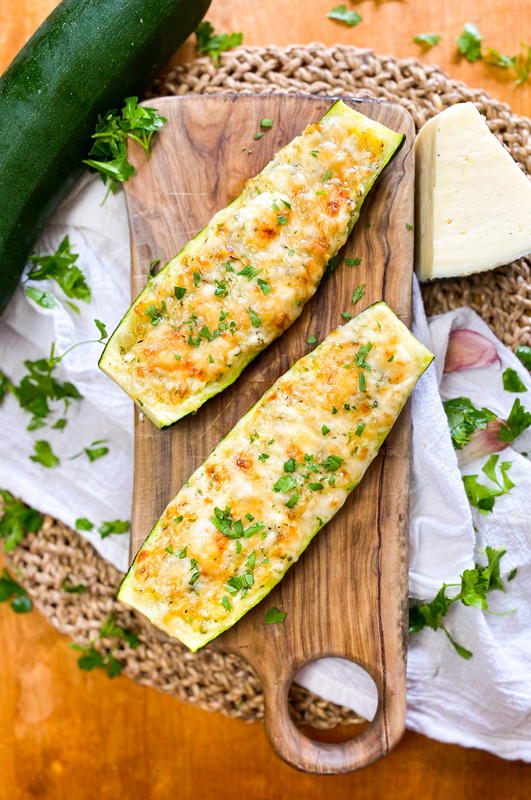
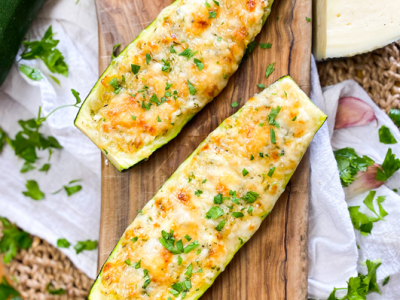
Healthy and delicious stuffed zucchini can be a main dish or a side. You can substitute non-dairy cheese for a vegan alternative.
PREP 30 min
BAKE 15 min
410° F
SERVES 4
INGREDIENTS
2 zucchini
2 tbsp extra virgin olive oil 30 ml
1/2 onion
3 cloves garlic
5 oz fresh goat cheese 150 grams
2 cups finely grated Manchego cheese 220 grams
1/2 tsp dried thyme .45 grams
2 tbsp freshly chopped parsley 8 grams
sea salt & black pepper
INSTRUCTIONS
Wash and pat dry 2 zucchinis. Cut the ends off and halve them lengthwise.
Using a spoon remove the pulp from the zucchini, leaving a border at each end of about 1/2 inch (1.25 cm), season the insides of the zucchini with sea salt and place face down on a wire rack with paper towels underneath, reserve the pulp of zucchini
Heat a fry pan with a medium heat and add 2 tbsp (30 ml) extra virgin olive oil, after 2 minutes add in 1/2 onion finely diced and 3 cloves garlic roughly minced, mix with the olive oil, after 3 minutes and the onion is translucent, add in the pulp of zucchini (add to a sieve first and using a spoon push down on it to remove any excess water), cook for another 5 to 6 minutes or until the zucchini pulp is translucent and lightly sauteed, then add in 1/2 tsp (.45 grams) dried thyme and season with sea salt & black pepper, mix together and turn off the heat
Crumble in 5 ounces (150 grams) fresh goat cheese into the vegetables, 2 cups (220 grams) finely grated Manchego cheese and 2 tbsp (8 grams) freshly chopped parsley, mix everything together until well mixed and you end up with a paste like texture, set aside
After leaving the zucchinis to rest for 30 minutes, remove from the wire rack, using paper towels pat dry the insides of the zucchini to remove any excess water and salt
Start adding the cheese mixture into the zucchinis, making sure to push down on the mixture as you add it so it´s well compacted
Transfer the stuffed zucchinis into a baking tray lined with parchment paper, sprinkle the tops of each one with some finely grated Manchego cheese
Add into a preheated oven, bake + broil option 210 C – 410 F
After 15 minutes remove from the oven and let the stuffed zucchinis rest at room temperature for 2 to 3 minutes so the stuffing can settle, then add into a serving dish and sprinkle with freshly chopped parsley
Zucchini contains a variety of vitamins, minerals, and antioxidants. Cooked zucchini is particularly high in vitamin A. It is rich in water and fiber, promoting healthy digestion. Zucchini’s fiber may increase insulin sensitivity and stabilize blood sugar levels, potentially reducing risk of type 2 diabetes. Zucchini may lower blood pressure, cholesterol, and other risk factors…
Garlic has been used as a traditional medicine as well as a food flavoring. It is a healthy and delicious addition to many dishes around the world. Its medicinal benefits for both cure and prevention require larger doses, which should be taken with the supervision and advice of a knowledgeable medical practitioner.
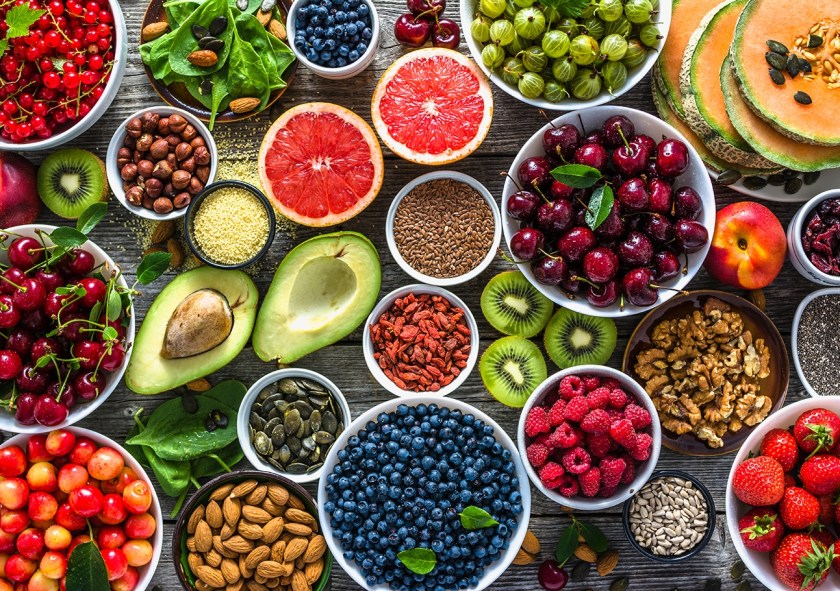
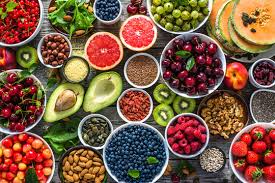
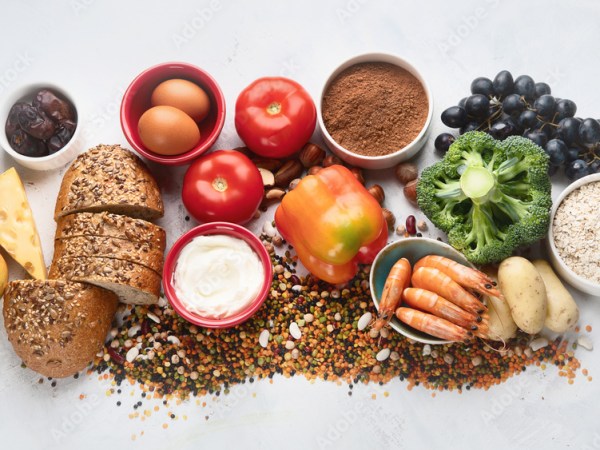
You probably include some superfoods in your meals already, but there may be room for improvement. Superfoods are nutrient-dense, whole foods packed with vitamins, minerals, fiber, and antioxidants that support overall health, reduce disease risk, and boost energy. While technically a marketing term rather than a medical definition, incorporating foods like berries, leafy greens, nuts, and salmon provides significant health benefits. Here are 10 superfoods identified in a 2022 article on the Harvard Medical School Health Publishing website:
Berries. High in fiber, berries are naturally sweet, and their rich colors mean they are high in antioxidants and disease-fighting nutrients.
Fish. Fish can be a good source of protein and omega-3 fatty acids, which help prevent heart disease.
Leafy greens. Dark, leafy greens are a good source of vitamin A, vitamin C, and calcium, as well as several phytochemicals (chemicals made by plants that have a positive effect on your health). They also add fiber into the diet.
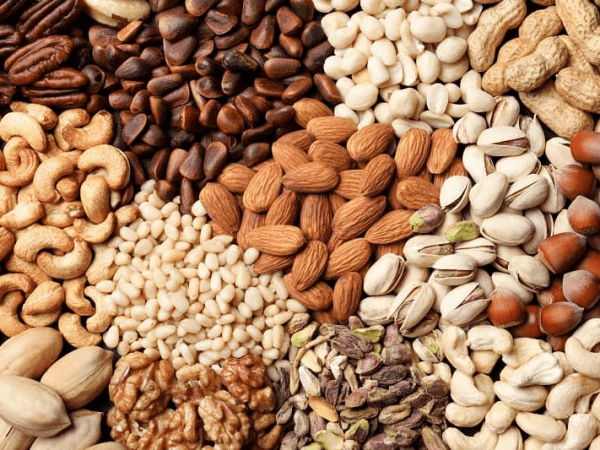
Nuts. Hazelnuts, walnuts, almonds, pecans — nuts are a good source of plant protein. They also contain monounsaturated fats, which may be a factor in reducing the risk of heart disease.
Olive oil. Olive oil is a good source of vitamin E, polyphenols, and monounsaturated fatty acids, all which help reduce the risk of heart disease.
Whole grains. A good source of both soluble and insoluble fiber, whole grains also contain several B vitamins, minerals, and phytonutrients. They have been shown to lower cholesterol and protect against heart disease and diabetes.
Yogurt. A good source of calcium and protein, yogurt also contains live cultures called probiotics. These “good bacteria” can protect the body from other, more harmful bacteria.
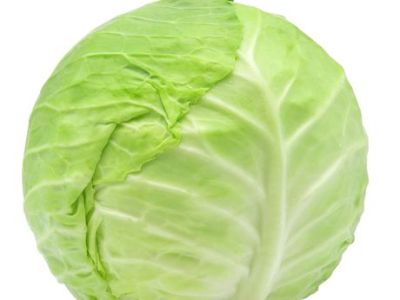
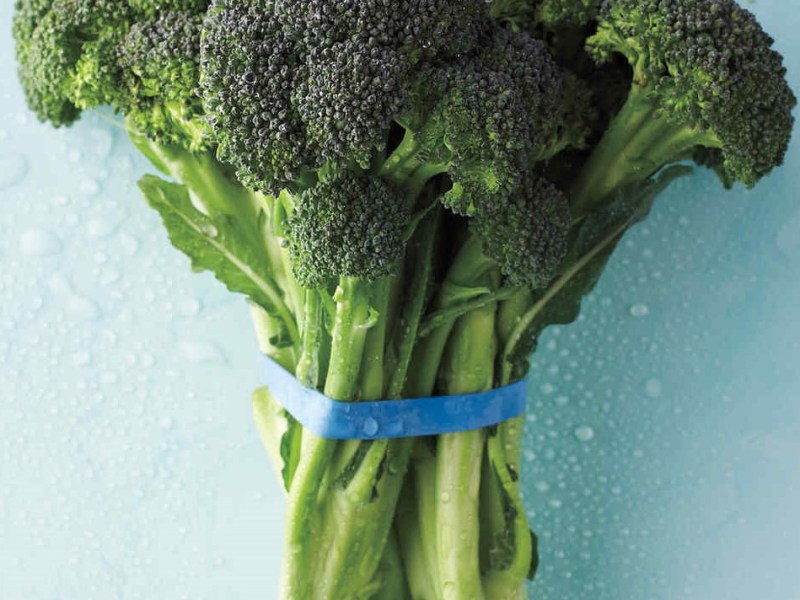
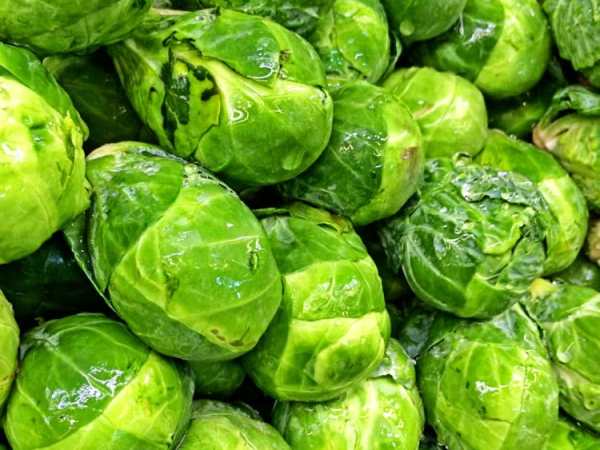
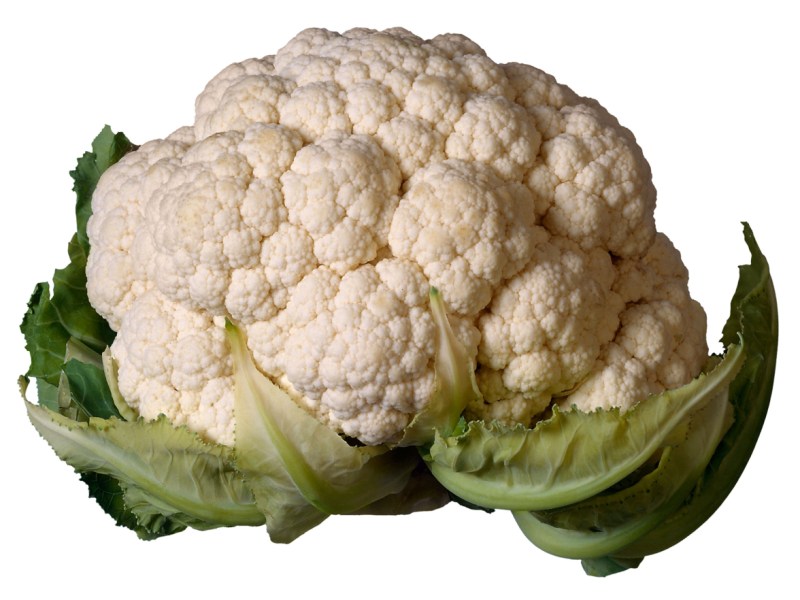
Cruciferous vegetables. These include broccoli, Brussels sprouts, cabbage, cauliflower, collard greens, kale, kohlrabi, mustard greens, radishes, and turnips. They are an excellent source of fiber, vitamins, and phytochemicals including indoles, thiocyanates, and nitriles, which may prevent against some types of cancer.
Legumes. This broad category includes kidney, black, red, and garbanzo beans, as well as soybeans and peas. Legumes are an excellent source of fiber, folate, and plant-based protein. Studies show they can help reduce the risk of heart disease.
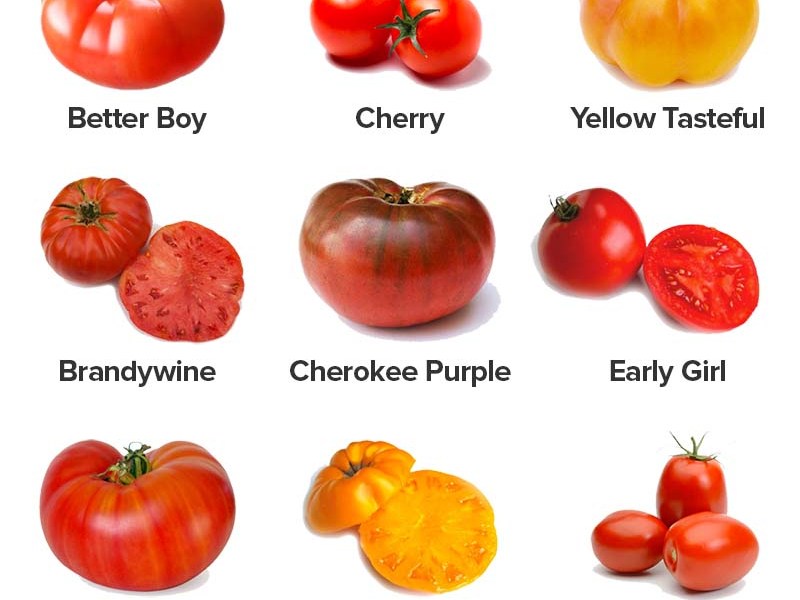
Tomatoes. These are high in vitamin C and lycopene, which has been shown to reduce the risk of prostate cancer.
What does zinc do? Zinc aids growth, DNA synthesis, and immune function. Zinc is an essential nutrient, meaning that your body can’t produce or store it. Zinc may effectively reduce inflammation, boost immune health, reduce risk of age-related diseases, speed wound healing, and improve acne symptoms.
How much do I need? Th RDA is 11 mg for males and 8 mg for females (11 mg in pregnancy and 12mg in lactation).
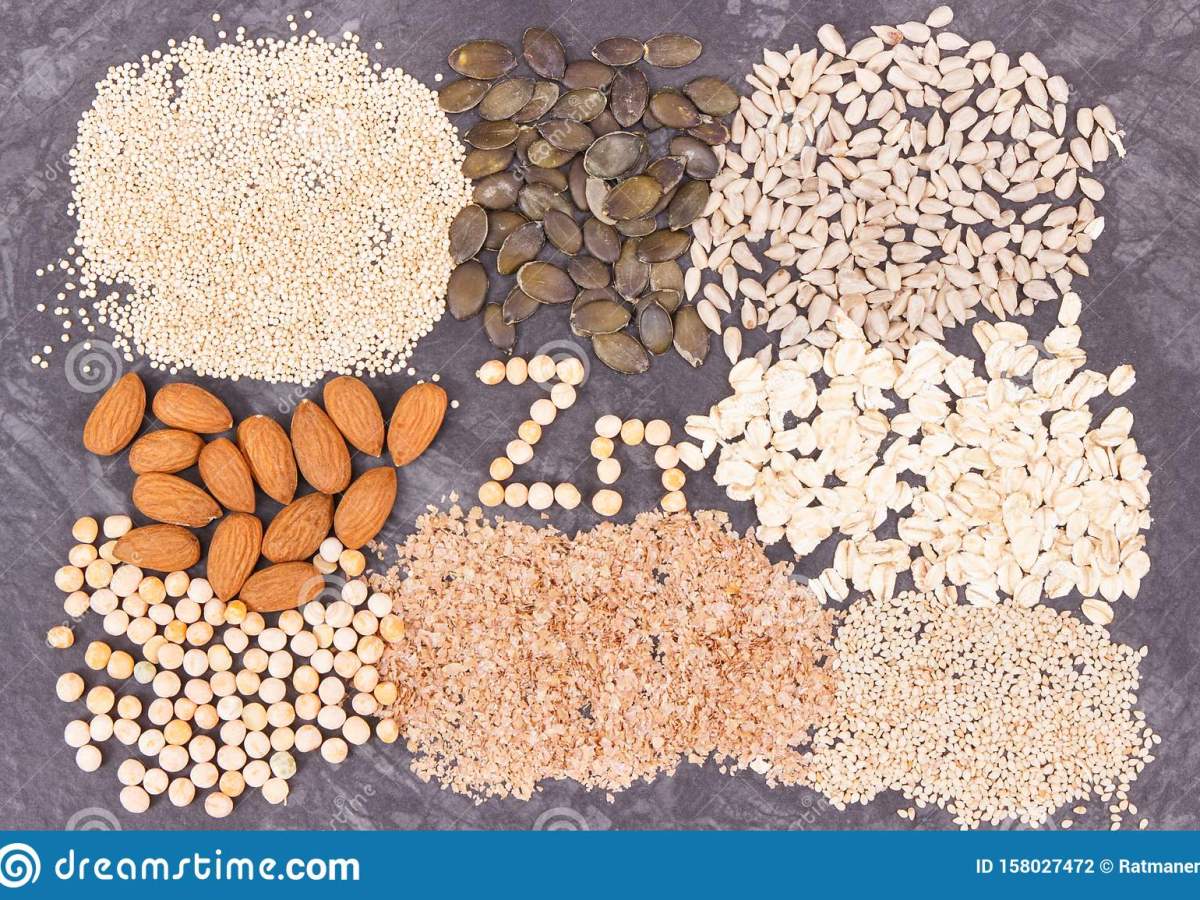
What are some good plant food sources of zinc? Beans, seeds, and nuts are rich in zinc.
Are supplements recommended? Most people meet the RDA of 11 mg for males and 8 mg for females through diet, but older adults, those following restrictive diets, and people with conditions that inhibit zinc absorption may need to supplement. Because high dose zinc supplements can lead to dangerous side effects, it’s important to stick to recommendations and only take supplements when necessary.
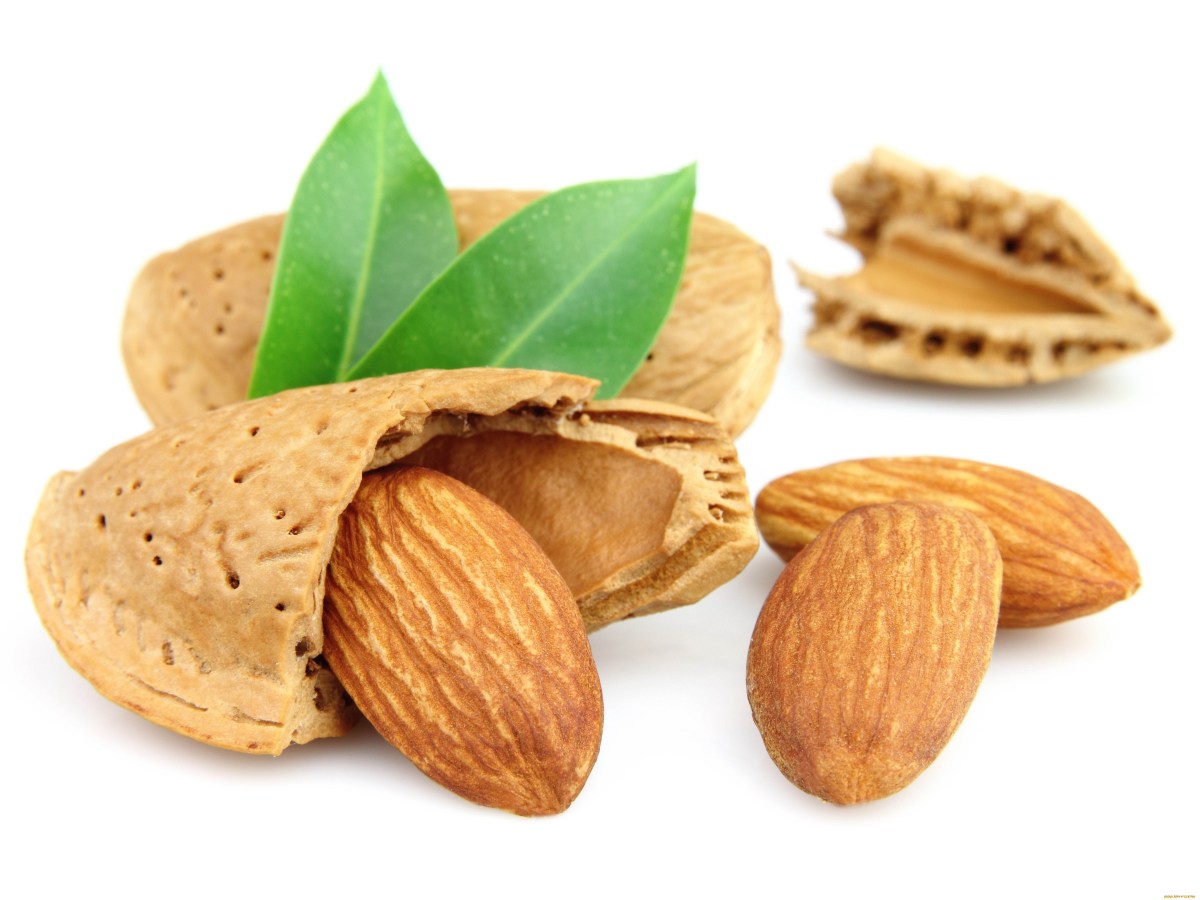
Almonds are rich in Vitamin E, magnesium, and manganese Almond is the edible seed of Prunus dulcis, a species of tree native to Iran but widely cultivated elsewhere. It is classified with the peach in the subgenus Amygdalus, distinguished from the other subgenera by corrugations on the shell surrounding the seed. Almonds are sold shelled…
What does Vitamin K do? Vitamin K is an essential nutrient that plays a critical role in blood clotting, wound healing, and bone health. People who don’t have enough vitamin K in their system are at greater risk of increased bleeding and bone fractures.
How much do I need? The recommended daily amount for adults 19 years or older is 120 mcg for males and 90 mcg for females.
Are supplements recommended? Mostpeople can get enough vitamin K through a balanced diet, making vitamin K supplements unnecessary. Also, the liver stores extra vitamin K, which can eliminate the need for daily consumption. Vitamin K deficiency in adults is rare, but may occur in people taking medications. Newborns are sometimes deficient because vitamin K does not cross the placenta, and breast milk contains a low amount. The limited amount of blood clotting proteins at birth increases the risk of bleeding in infants if they are not given vitamin K supplements. Antibiotics may decrease vitamin K levels, especially if taken for more than a few weeks. People who have a poor appetite while using long-term antibiotics may be at greater risk for a deficiency, and may benefit from a vitamin K supplement. People who are taking blood-thinners, such as warfarin (Coumadin), should avoid suddenly beginning to eat more or fewer foods containing vitamin K, as this vitamin plays a vital role in blood clotting.
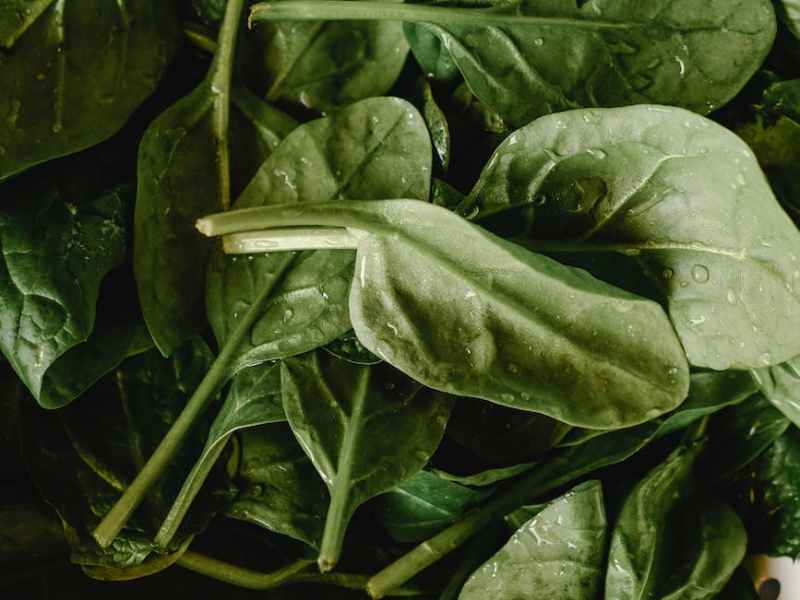
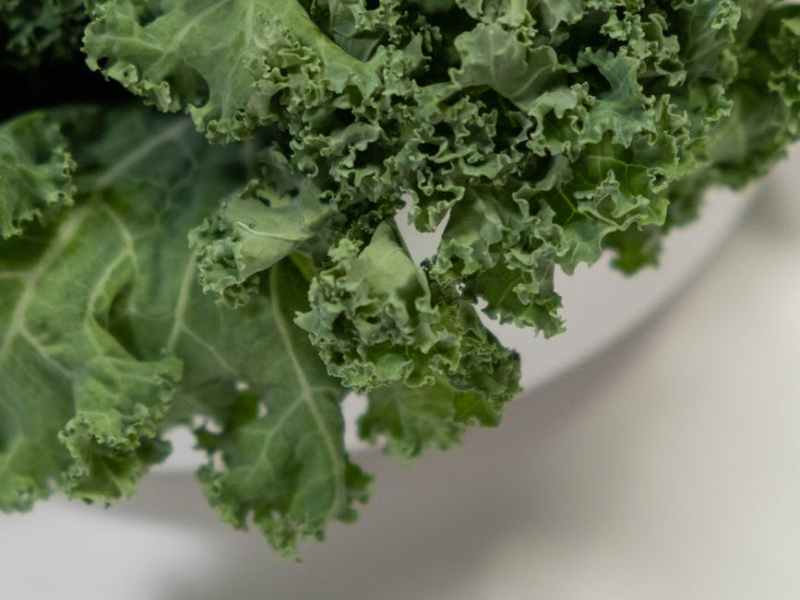
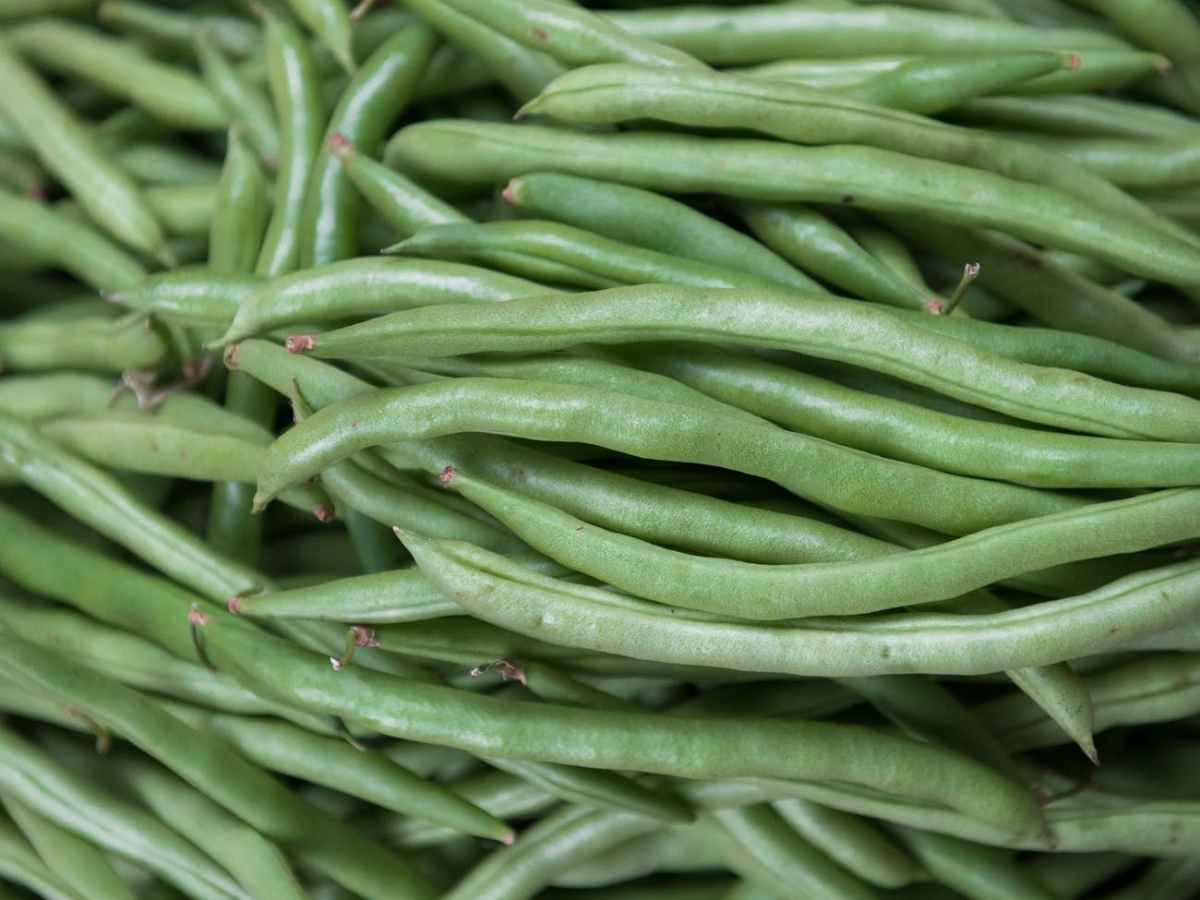
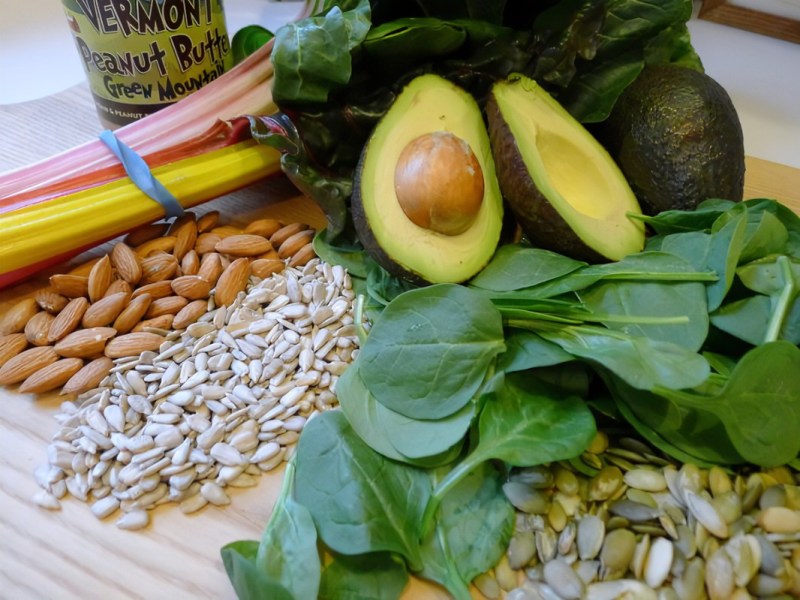
What are some good plant food sources of Vitamin K? Mustard Greens, Beet Greens, Collard Greens, Swiss Chard, Kale, Spinach, Broccoli, Brussels Sprouts, Cabbage, and Green Beans are among the many good sources of Vitamin K. Because vitamin K is fat-soluble, it is best to eat vitamin K foods with some fat to improve absorption. So, drizzle some olive oil or add diced avocado to your favorite leafy green salad!
Spinach (español: espinacas) is a leafy green flowering plant whose leaves are consumed cooked or raw. Spinach is a good source of VITAMIN C, IRON, POTASSIUM, VITAMIN E, and MAGNESIUM. The possible health benefits of consuming spinach include blood glucose control, lower risk of cancer, and improved bone health. As part of a nutritious diet, it can help support immune function,…
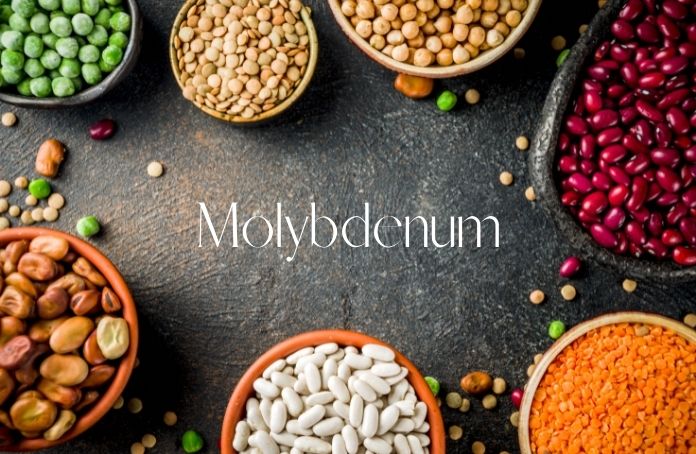
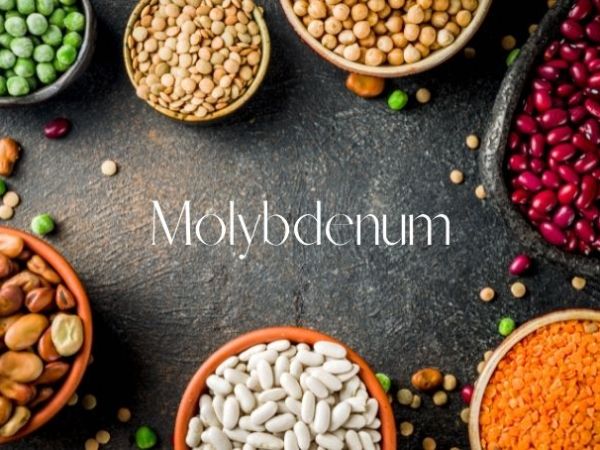
What does molybdenum do? Molybdenum is an essential trace mineral and transition metal crucial for activating enzymes that break down toxins, sulfites, and amino acids in the body. It is primarily consumed through foods like legumes, nuts, and whole grains.
How much do I need? Adults need 45 micrograms daily.
Are supplements recommended? Most people consume more than the recommended amount through their diet alone, making supplementation generally unnecessary and potentially harmful.
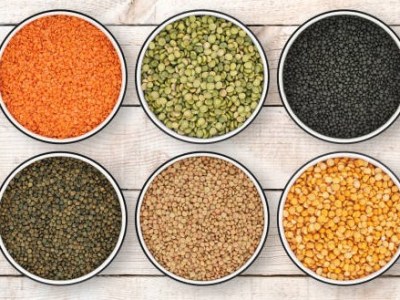
What are some good plant food sources of selenium? LENTILS, BEANS, WHOLE GRAINS, NUTS, LEAFY VEGETABLES.
Spinach (español: espinacas) is a leafy green flowering plant whose leaves are consumed cooked or raw. Spinach is a good source of VITAMIN C, IRON, POTASSIUM, VITAMIN E, and MAGNESIUM. The possible health benefits of consuming spinach include blood glucose control, lower risk of cancer, and improved bone health. As part of a nutritious diet, it can help support immune function,…
What does magnesium do? Magnesium is essential for maintaining good health and plays a key role in everything from exercise performance to heart health and brain function. One of its main roles is to act as a cofactor in the biochemical reactions continuously performed by enzymes. It’s involved in more than 600 reactions in your body, including:
Energy creation: converting food into energy
Protein formation: creating new proteins from amino acids
Gene maintenance: helping create and repair DNA and RNA
Muscle movements: aiding in muscle contraction and relaxation
Nervous system regulation: regulating neurotransmitters, which send messages throughout your brain and nervous system
How much do I need?
AGE
MALE
FEMALE
PREGNANCY
LACTATION
Birth to 6 months
30 mg*
30 mg*
7 to 12 months
75 mg*
75 mg*
1 to 3 years
80 mg
80 mg
4 to 8 years
130 mg
130 mg
9 to 13 years
240 mg
240 mg
14 to 18 years
410 mg
360 mg
400 mg
360 mg
19 to 30 years
400 mg
310 mg
350 mg
310 mg
31 to 50 years
420 mg
320 mg
360 mg
320 mg
51+ years
420 mg
320 mg
Are supplements recommended? Approximately 50% of U.S. adults get less than the recommended daily amount of magnesium, Magnesium supplements may be especially beneficial for older adults and those with a deficiency in this nutrient. There are several types of magnesium supplements. Here is a guide to the different types to help choose the most effective magnesium supplement. Consult a healthcare professional to find the best form and dosage for your specific needs.
For Sleep/Anxiety: Magnesium Glycinate or Taurate.
For Constipation: Magnesium Citrate or Oxide (use oxide cautiously).
For Brain Health: Magnesium L-Threonate.
For Energy/Pain: Magnesium Malate.
For General Deficiency: Magnesium Citrate, Glycinate, or Malate.
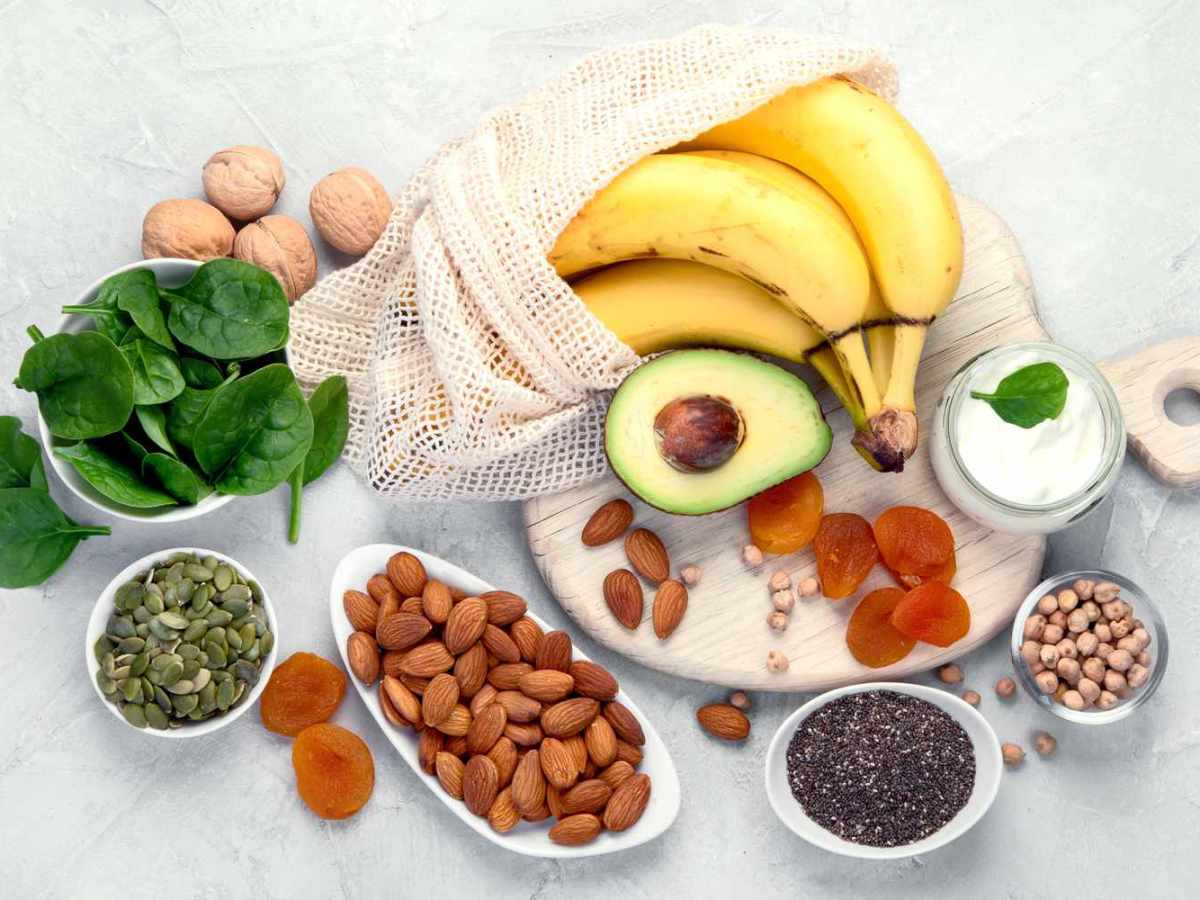
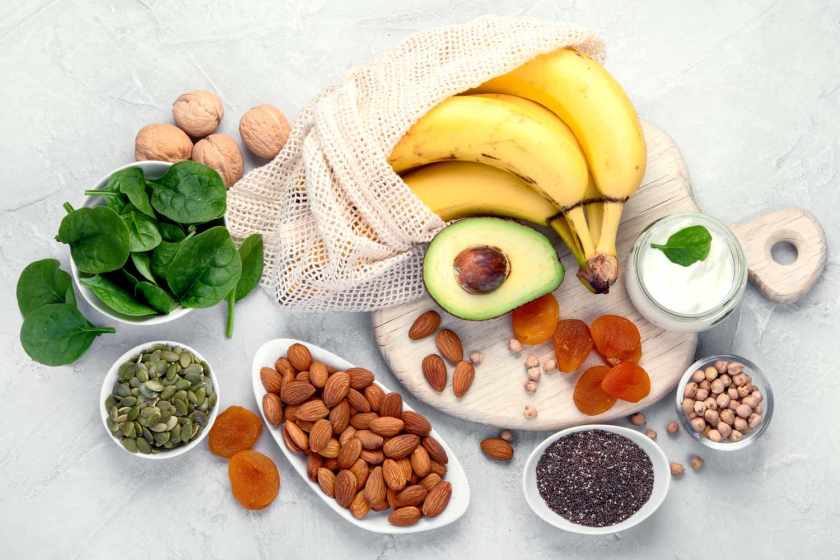
What are some good plant food sources of magnesium? PUMPKIN SEEDS, CHIA SEEDS, SPINACH, ALMONDS,CASHEWS
Pumpkin seeds: 37% of the DV per ounce (28 grams)
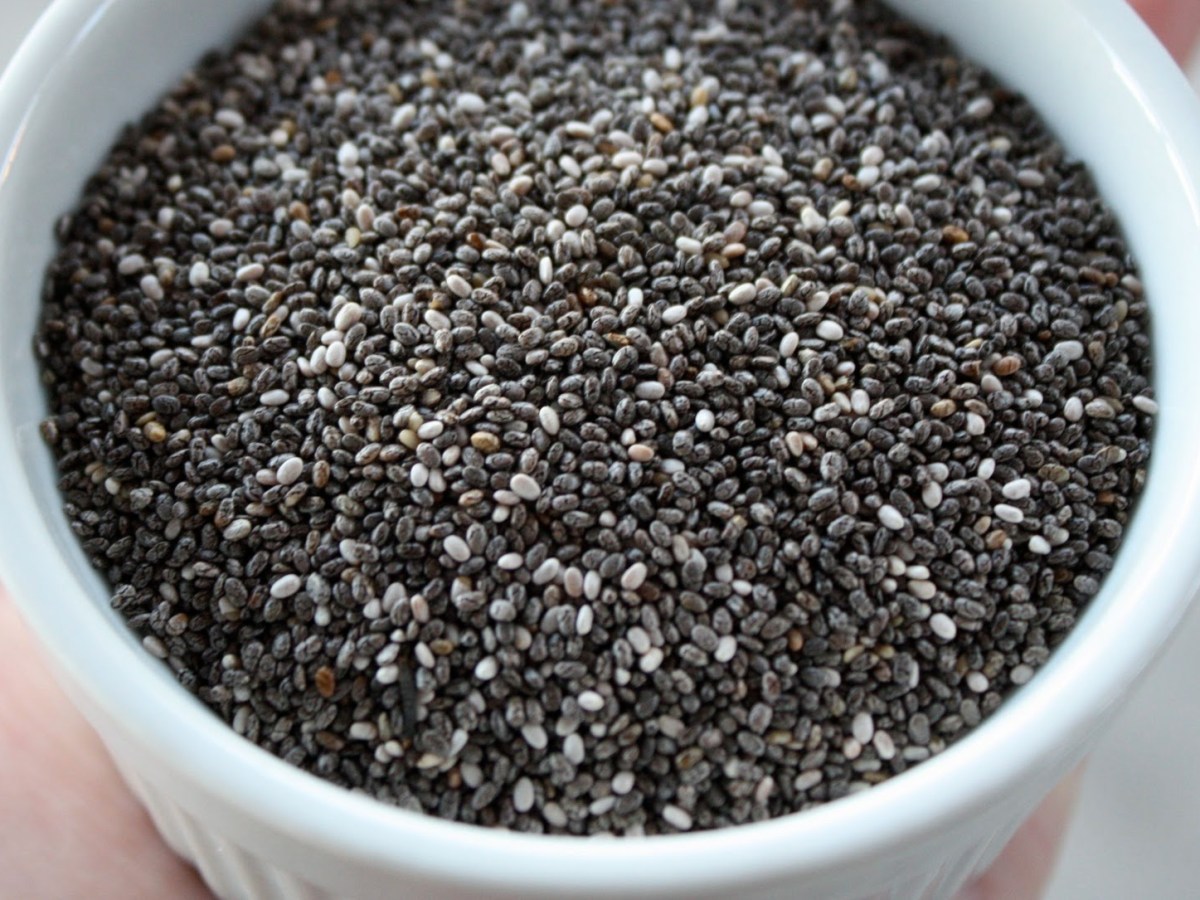
Chia seeds: 26% of the DV per ounce (28 grams)
Spinach, boiled: 19% of the DV per 1/2 cup (90 grams)
Almonds: 19% of the DV per ounce (28 grams)
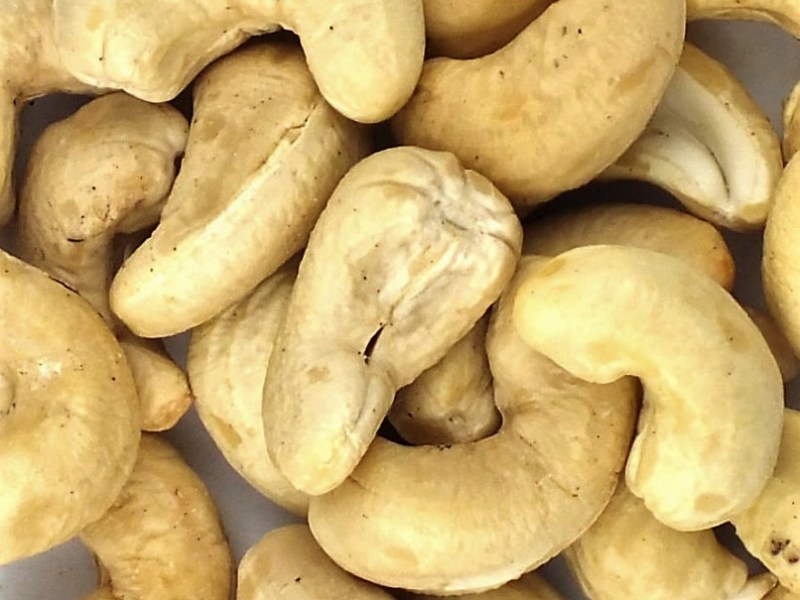
Cashews: 18% of the DV per ounce (28 grams)
Black beans, cooked: 14% of the DV per 1/2 cup (86 grams)
Edamame, cooked: 12% of the DV per 1/2 cup (78 grams)
Peanut butter: 12% of the DV per 2 tablespoons (32 grams)
Brown rice, cooked: 10% of the DV per 1/2 cup (100 grams)
Spinach (español: espinacas) is a leafy green flowering plant whose leaves are consumed cooked or raw. Spinach is a good source of VITAMIN C, IRON, POTASSIUM, VITAMIN E, and MAGNESIUM. The possible health benefits of consuming spinach include blood glucose control, lower risk of cancer, and improved bone health. As part of a nutritious diet, it can help support immune function,…
Chia is a flowering plant in the mint family, native to central and southern Mexico and Guatemala. It is rich in calcium, phosphorous, and other minerals.
Almonds are rich in Vitamin E, magnesium, and manganese Almond is the edible seed of Prunus dulcis, a species of tree native to Iran but widely cultivated elsewhere. It is classified with the peach in the subgenus Amygdalus, distinguished from the other subgenera by corrugations on the shell surrounding the seed. Almonds are sold shelled…
What does manganese do? Manganese is a trace mineral found in bones, liver, kidneys, and pancreas that helps form connective tissue, bones, blood clotting factors, and sex hormones.
How much do I need? Adult males need 2.3 mg; adult females, 1.8 mg
Are supplements recommended? Manganese supplements are generally not needed for most people because a balanced diet rich in whole grains, nuts, leafy greens, and legumes usually provides sufficient amounts. Severe PMS, osteopenia, or type 2 diabetes can cause a deficiency. However, manganesesupplementscanbetoxic. Anyone who is at risk of deficiency should consult a healthcare provider before taking them.
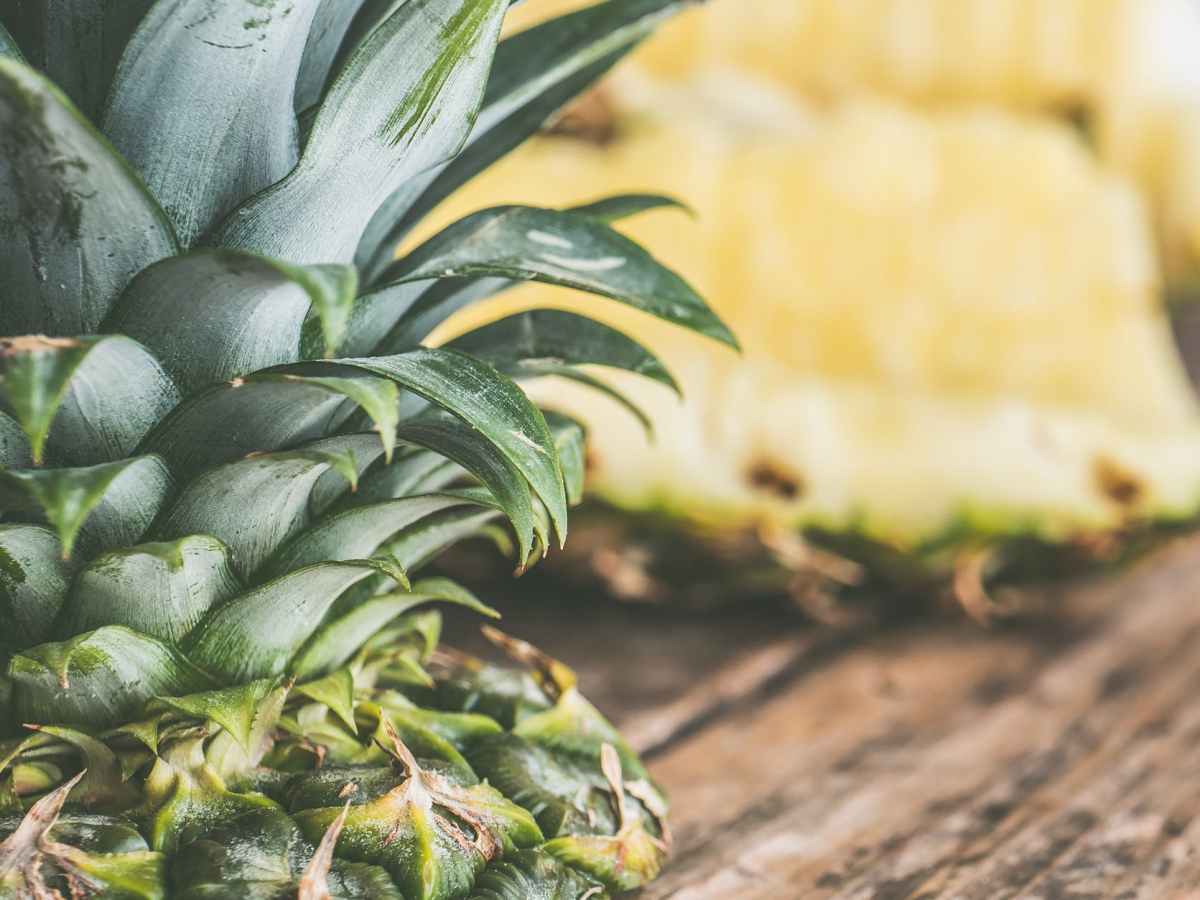
What are some good plant food sources of manganese? Hazelnuts, Pecans, BrownRice, Chickpeas, Spinach, RawPineapple, Soybeans, Oatmeal, andWholeWheatBread are good plant food sources of manganese.
Spinach (español: espinacas) is a leafy green flowering plant whose leaves are consumed cooked or raw. Spinach is a good source of VITAMIN C, IRON, POTASSIUM, VITAMIN E, and MAGNESIUM. The possible health benefits of consuming spinach include blood glucose control, lower risk of cancer, and improved bone health. As part of a nutritious diet, it can help support immune function,…
Garlic has been used as a traditional medicine as well as a food flavoring. It is a healthy and delicious addition to many dishes around the world. Its medicinal benefits for both cure and prevention require larger doses, which should be taken with the supervision and advice of a knowledgeable medical practitioner.
Walnuts are an excellent source of OMEGA-3 and OMEGA-6 FATTY ACIDS,COPPER, PHOSPHOROUS, VITAMIN B6, MANGANESE, ELLAGIC ACID, CATECHIN, MELATONIN, and PHYTIC ACID. Some benefits of eating walnuts are heart health, prevention of cancer, bone health, immune system function, nerve health, regulation of body clock. Walnuts are richer in polyunsaturated fats than most other nuts. The most abundant one is an omega-6 fatty acid called linoleic acid. They are the only nuts that contain a relatively high percentage of the healthy omega-3 fat alpha-linolenic acid (ALA), which is beneficial for heart health and helps reduce inflammation and improve the composition of blood fats. Walnuts are very healthy, but some people are allergic and must avoid them. Phytic acid may impair mineral absorption, though this is usually of no concern to people who eat a balanced diet.
Walnuts (Juglans regia) are a tree nut belonging to the walnut family. They originated in the Mediterranean region and Central Asia and have been part of the human diet for thousands of years. Even though walnuts are rich in fat and calories, studies indicate that they don’t increase obesity risk when replacing other foods in your diet.
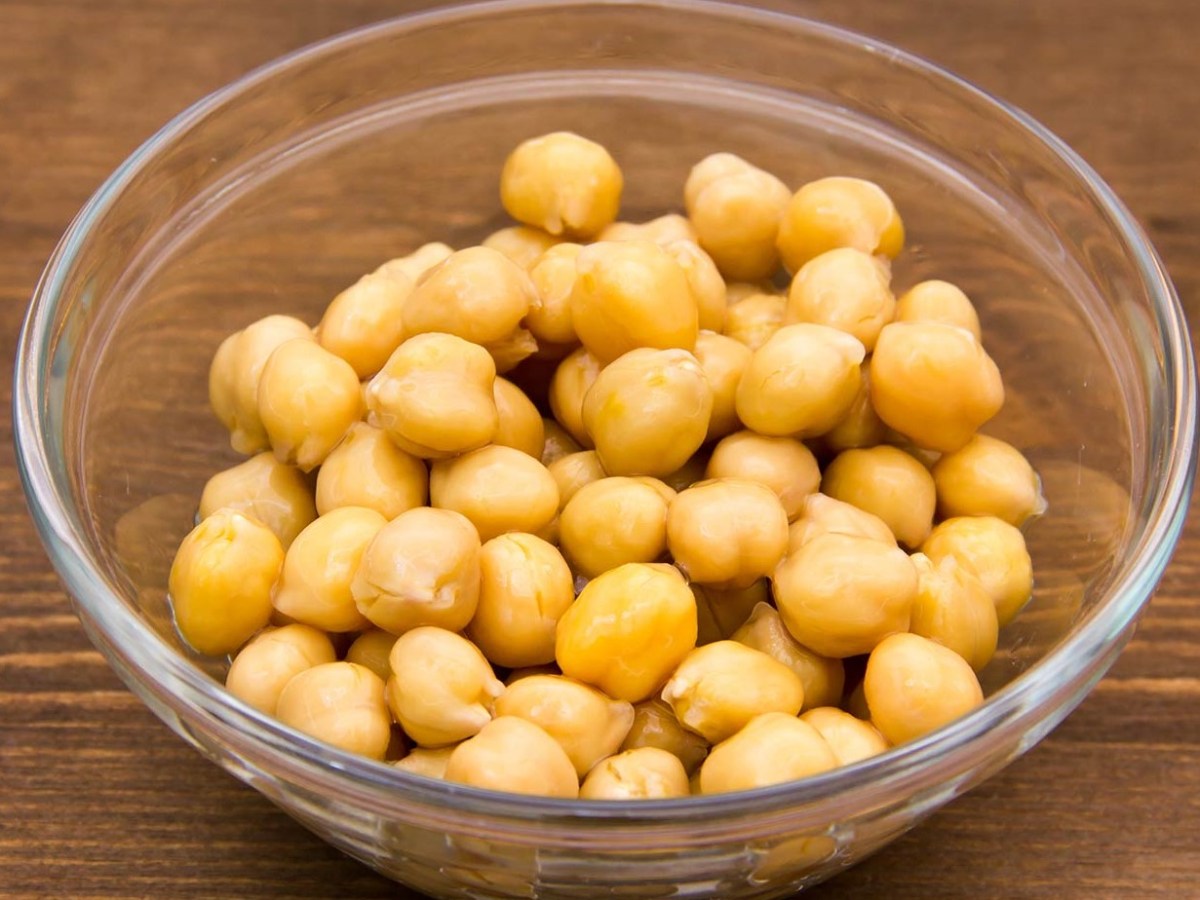
The chickpea, an annual legume, is high in protein.
(Spanish: garbanzo) The different types or chickpea are known as gram or Bengal gram, garbanzo or garbanzo bean, Egyptian pea, chana, and chole. Chickpeas are tasty when cooked and seasoned simply, but they can also be used in a variety of combinations and in substitutes for meat and cheese. They are the base of hummus and felafel.
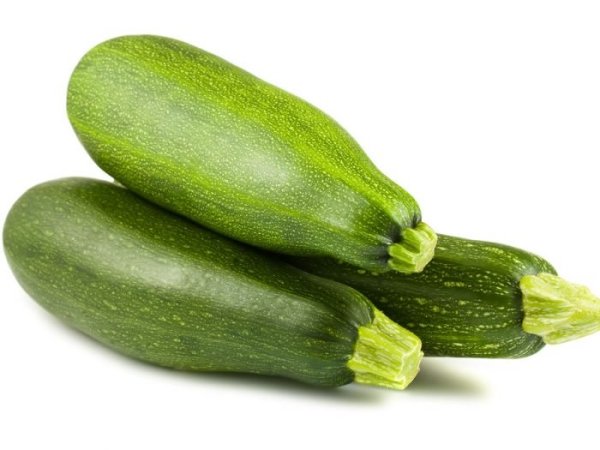
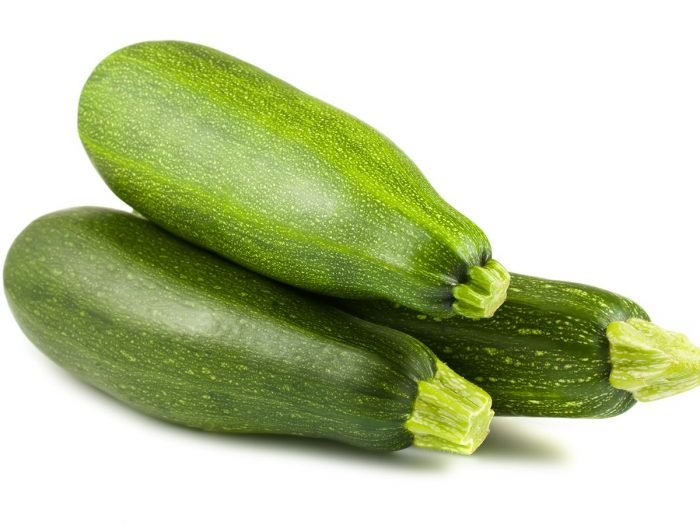
Zucchini (español: calabacita), also known as courgette, is a summer squash in the Cucurbitaceae plant family, which includes melons, spaghetti squash, and cucumbers. It can grow to more than 3.2 feet (1 meter) in length but is usually harvested when still immature. Although often considered a vegetable, it is botanically classified as a fruit.
What nutrients does zucchini provide? Zucchini contains a variety of vitamins, minerals, and antioxidants. Cooked zucchini is particularly high in vitamin A. It is rich in water and fiber, promoting healthy digestion. Zucchini’s fiber may increase insulin sensitivity and stabilize blood sugar levels, potentially reducing risk of type 2 diabetes. Zucchini may lower blood pressure, cholesterol, and other risk factors for heart disease. It contributes to healthy vision and may lower risk of age-related eye conditions. Since the skin of the plant contains high levels of antioxidants, it is best served unpeeled. Zucchini can be grated, sliced, or stuffed. It is delicious boiled, steamed, grilled, baked, broiled, or breaded and fried. It is a healthy ingredient in salads, soups, and breads, and a tasty addition to many favorite dishes.
What is the best time of day to consume zucchini? Zucchini is a highly versatile, nutrient-dense, and low-calorie vegetable that can be enjoyed throughout the day. While it is safe and healthy to eat at any time, certain times of the day offer specific benefits:
Morning (for Sustained Energy): Adding zucchini to breakfast (e.g., in smoothies, muffins, or savory skillet dishes) provides a nutrient-rich, fiber-packed start to the day that promotes steady energy levels.
Lunch (for Satiety): Due to its high water and fiber content, eating zucchini at lunch helps with portion control and promotes feelings of fullness.
Dinner (for Digestion): Zucchini is easy on the digestive system and makes for a perfect light, nutrient-dense, and hydrating addition to an evening meal.
As a Snack (for Hydration/Nutrients): Raw zucchini is a great, crunchy, low-calorie snack option, especially when paired with dips.
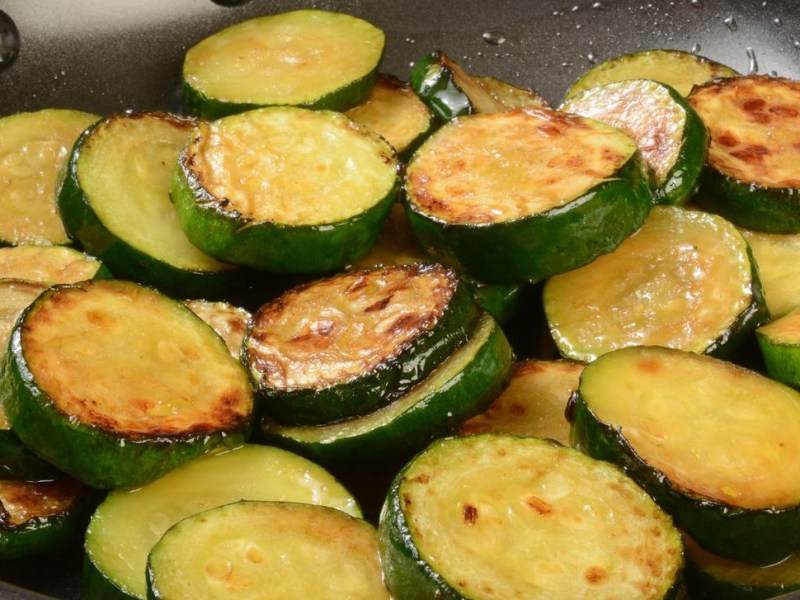
Zucchini is a tasty addition to any meal. Crushed fennel seeds, red onion, garlic, and balsamic vinegar add nutritional value and taste to this simple dish..





















 Fruit & Stuff