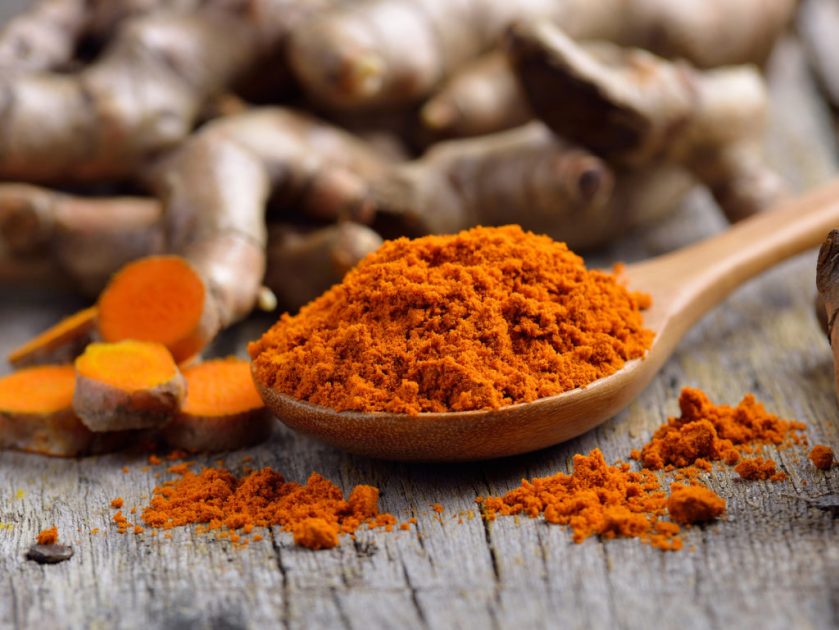
Curcumin is a component of Turmeric.
Curcumin is a bright yellow chemical produced by curcuma longa plants. It is the principal curcuminoid of turmeric, a member of the ginger family. There is some confusion in the two names because curcumin is a component of turmeric. Turmeric is better for some conditions, while curcumin alone is better for others. Turmeric, commonly used in Asian food, is the main spice in curry. Turmeric or curcumin is recommended for pain and inflammation, such as that associated with osteoarthritis. It is also used for hay fever, depression, high cholesterol, a liver disease, and itching. Some people use turmeric for heartburn, thinking and memory skills, inflammatory bowel disease, stress, and many other conditions, but there no good scientific evidence to support these uses.
WARNING: In small amounts, turmeric has few reported side effects, though there have been reports of nausea, dizziness or diarrhea. You should consult a health professional if you are taking therapeutic amounts of turmeric or curcumin.
Sources: Wikipedia / WebMD / healthline / Today

 Fruit & Stuff