Posted in NUTRIENTS

Magnesium

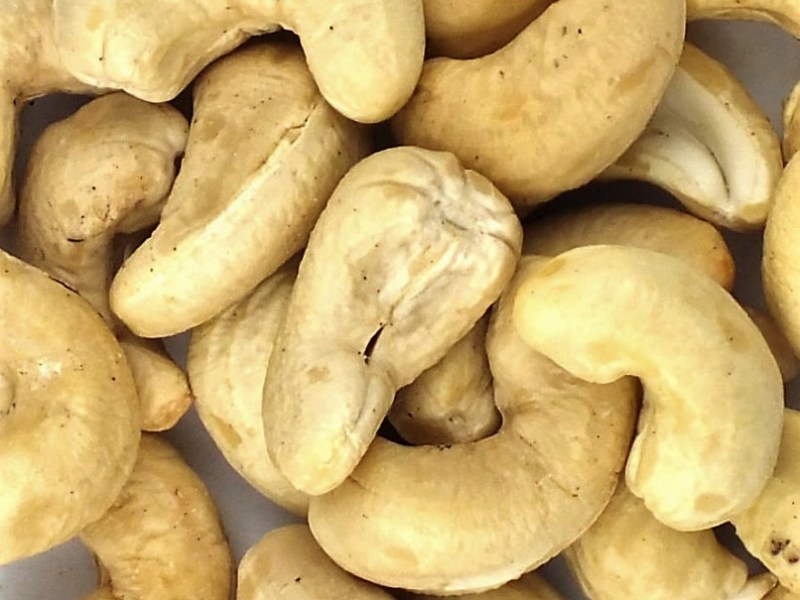
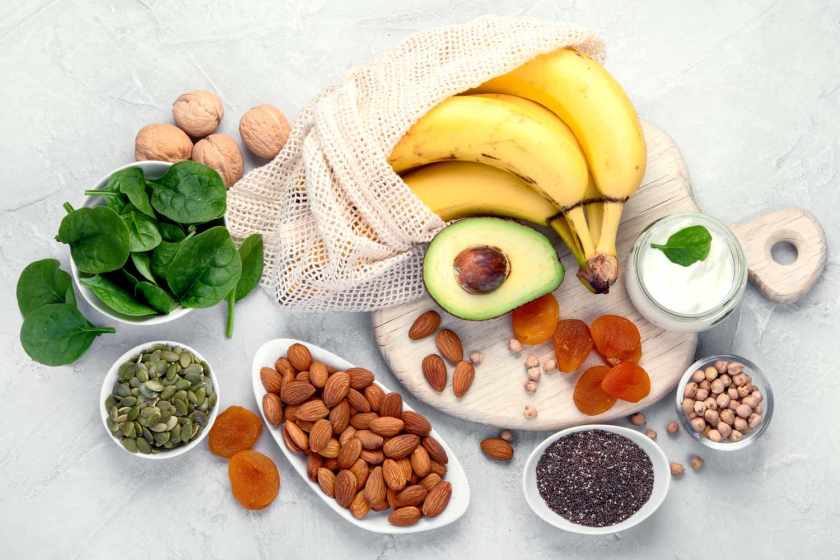
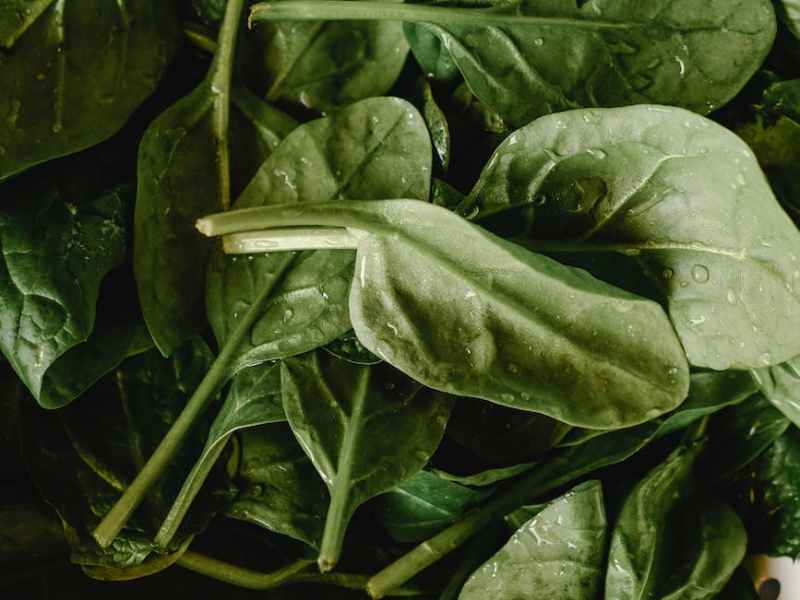
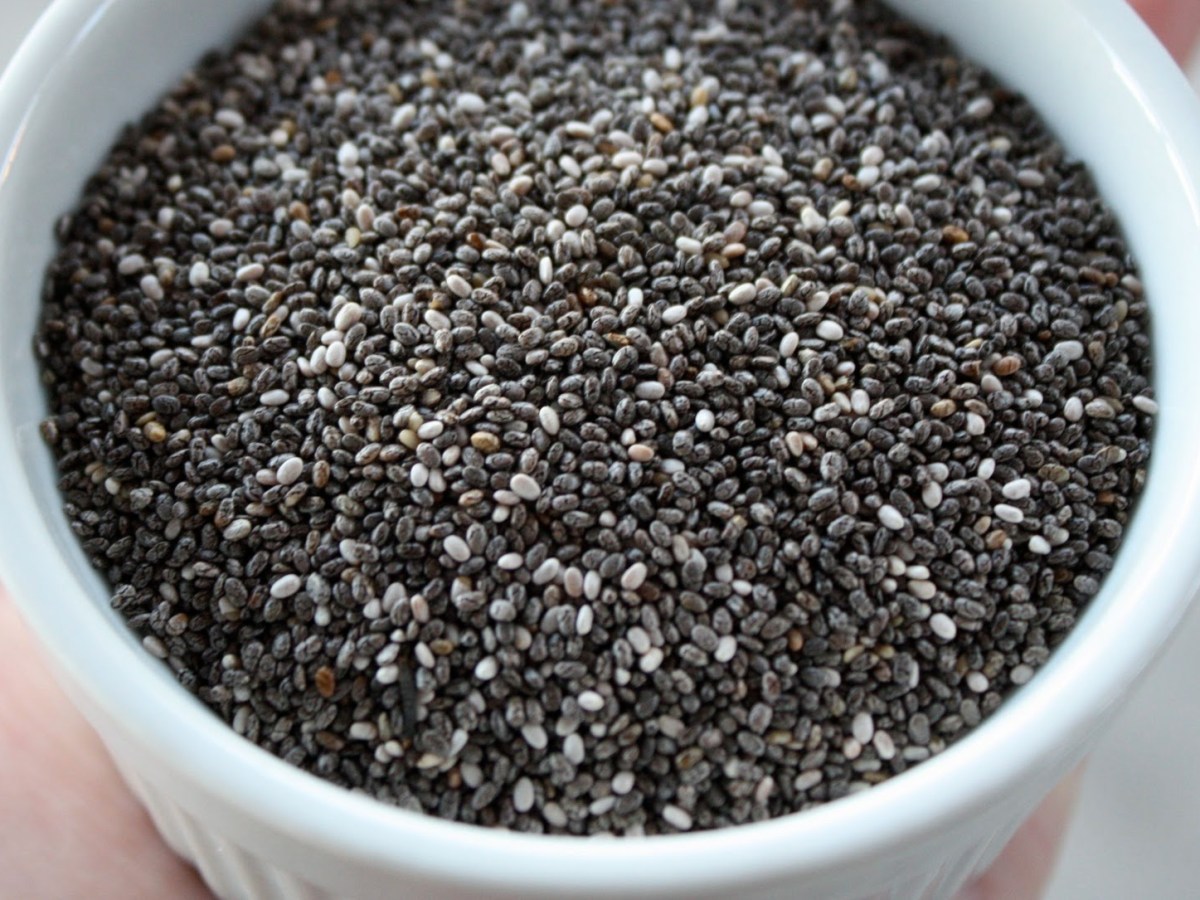
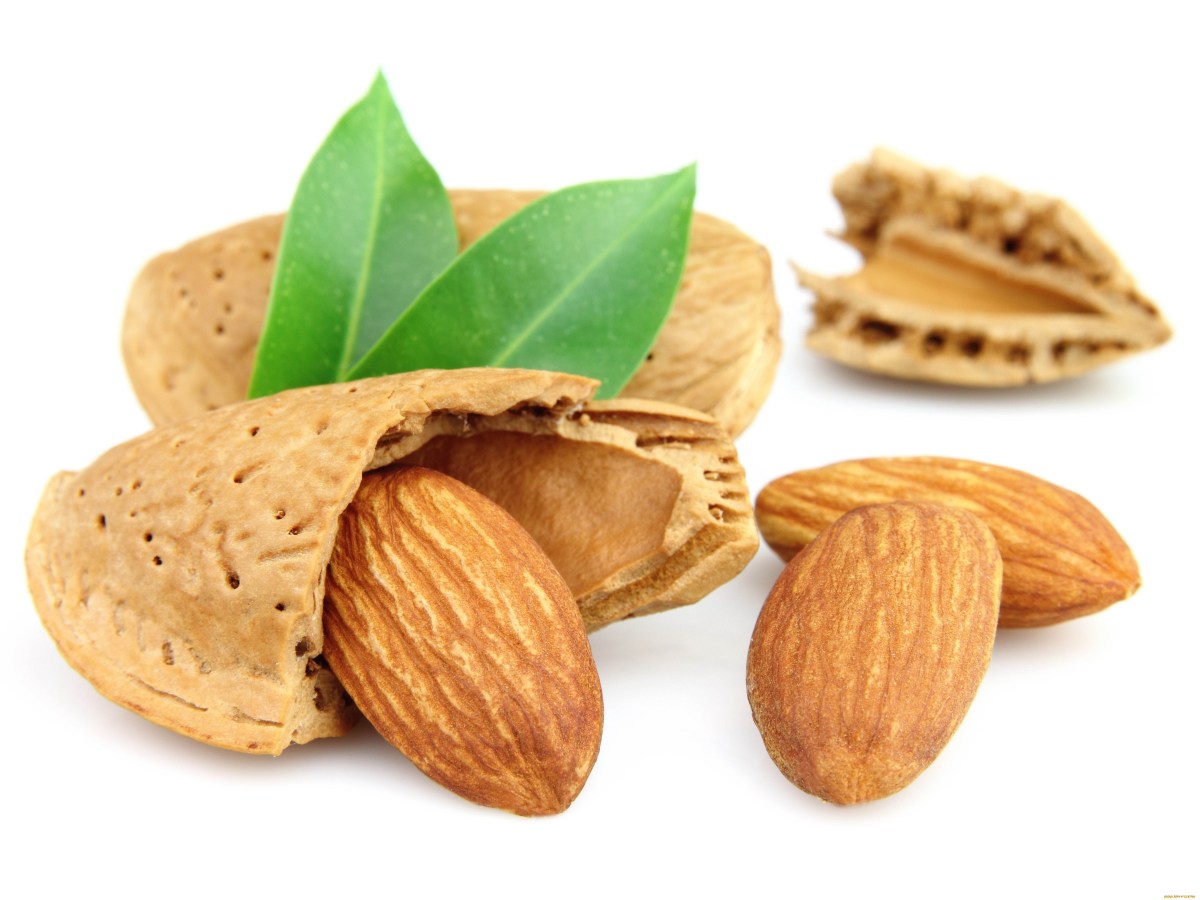
PUMPKIN SEEDS, CHIA SEEDS, SPINACH, ALMONDS, and CASHEWS are plant foods that are very rich in magnesium. Magnesium is essential for maintaining good health and plays a key role in everything from exercise performance to heart health and brain function. Eating a variety of magnesium-rich foods will likely provide enough of this nutrient. Some magnesium-rich plant foods are:

  • Pumpkin seeds: 37% of the DV per ounce (28 grams)
  • Chia seeds: 26% of the DV per ounce (28 grams)
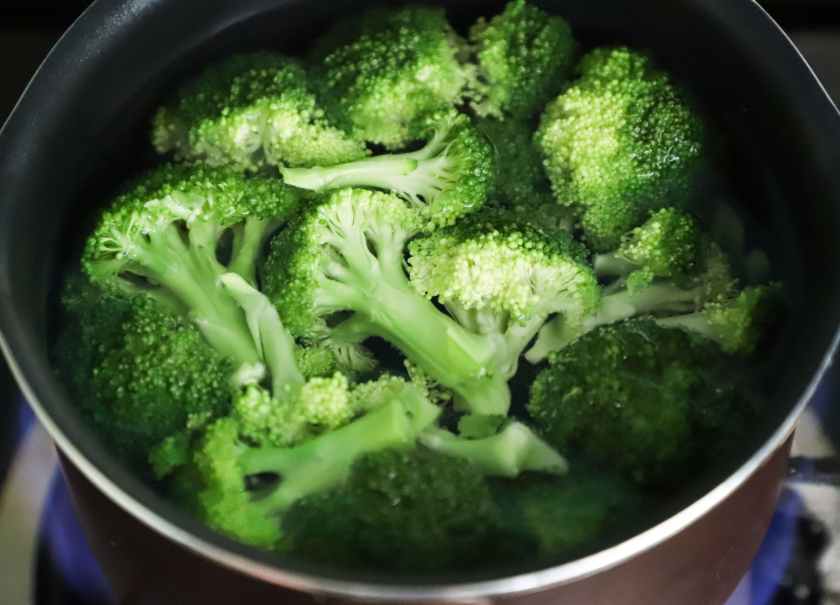
  • Spinach, boiled: 19% of the DV per 1/2 cup (90 grams)
  • Almonds: 19% of the DV per ounce (28 grams)
  • Cashews: 18% of the DV per ounce (28 grams)
  • Black beans, cooked: 14% of the DV per 1/2 cup (86 grams)
  • Edamame, cooked: 12% of the DV per 1/2 cup (78 grams)
  • Peanut butter: 12% of the DV per 2 tablespoons (32 grams)
  • Brown rice, cooked: 10% of the DV per 1/2 cup (100 grams)
  • Avocado: 5% of the DV per 1/2 cup (75 grams)

One of its main roles is to act as a cofactor in the biochemical reactions continuously performed by enzymes. It’s involved in more than 600 reactions in your body, including:

  • Energy creation: converting food into energy
  • Protein formation: creating new proteins from amino acids
  • Gene maintenance: helping create and repair DNA and RNA
  • Muscle movements: aiding in muscle contraction and relaxation
  • Nervous system regulation: regulating neurotransmitters, which send messages throughout your brain and nervous system

Approximately 50% of U.S. adults get less than the recommended daily amount of magnesium, Magnesium supplements may be especially beneficial for older adults and those with a deficiency in this nutrient.

Source: Healthline

Posted in NUTRIENTS

Fiber

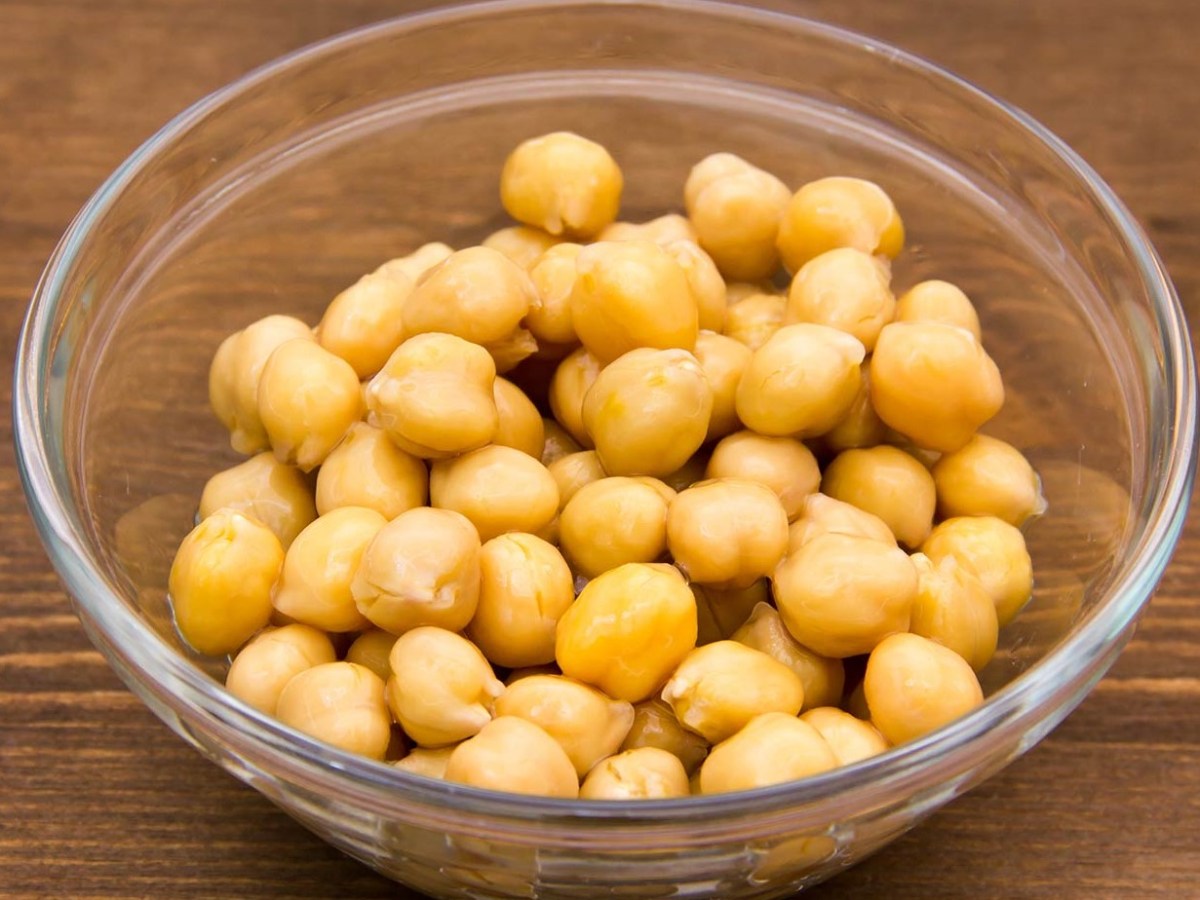
Some excellent sources of dietary fiber are CHICKPEAS, LENTILS, SPLIT PEAS, OATS, APPLES, PEARS, ALMONDS, CHIA SEEDS, BRUSSELS SPROUTS, and AVOCADO. Recommended daily amounts for adults and adolescents are between 22 and 38 grams, depending on the number of calories consumed. Most Americans consume only about 15 grams. Dietary fiber is naturally present in edible plants, either as soluble (digestible) or insoluble fiber Soluble fibers come from the insides of plants and include substances such as pectin. They are present in fruits, vegetables, oats, and barley and may help manage blood sugar and cholesterol levels. Insoluble fibers come from the outer skins of plants and pass straight through the digestive system. They can help prevent constipation. Examples include bran, celery, whole grains, and seeds.

Some of the health benefits of fiber are

  • promoting weight loss
  • lowering blood sugar
  • fighting constipation
  • boosting heart health
  • feeding friendly gut bacteria
  • reducing cancer risk

Source: Healthline

Posted in NUTRIENTS

Vitamin B1 (Thiamin)

Good plant food sources of thiamin are FORTIFIED CEREALS, BLACK BEANS, ACORN SQUASH, and BROWN RICE.. Thiamin (or thiamine) is one of the water-soluble B vitamins. It is also known as vitamin B1. Thiamin is naturally present in some foods, added to some food products, and available as a dietary supplement. This vitamin plays a critical role in energy metabolism and, therefore, in the growth, development, and function of cells. The recommended dietary allowance (RDA) for adult males the RDA is 1.2 mg daily. For adult females 18 years of age, the RDA is 1 mg daily. For adult females 19 years and older, the RDA is 1.1 mg daily.

Source: National Institutes of Health

FOODMG OF THIAMIN PER SERVINGPERCENT DV
Breakfast cereals, fortified with 100% of the DV for thiamin, 1 serving1.2100
Black beans, boiled, ½ cup0.433
Macaroni, whole wheat, cooked, 1 cup0.217
Acorn squash, cubed, baked, ½ cup0.217
Rice, brown, long grain, not enriched, cooked, ½ cup0.217
Rice, white, long grain, enriched, cooked, ½ cup0.18
Bread, whole wheat, 1 slice0.18
Orange juice, prepared from concentrate, 1 cup0.18
Sunflower seeds, toasted, 1 ounce0.18
Oatmeal, regular and quick, unenriched, cooked with water, ½ cup0.18
Corn, yellow, boiled, 1 medium ear0.18
Barley, pearled, cooked, 1 cup0.18
Posted in RECIPES, salad

Easy Salad Dressings

Salad dressings are healthy and easy to make with just a few simple ingredients. Add or subtract ingredients to your taste. If it tastes good to you, it’s a win! Here are some ideas to get you started.

Whisk, shake, or blend: Citrus Basil / Cilantro Lime / Maple Mustard / Lemon Poppy Seed / Greek Yogurt / Peanut / Vinaigrette

PREP TIME15 min or less
  • CITRUS BASIL
    • BLEND UNTIL SMOOTH
      • 1 cup BASIL LEAVES
      • 1 Tbsp DIJON MUSTARD
      • 3 Tbsp FLAVORLESS OIL (SUCH AS AVOCADO)
      • 1 ORANGE
      • 1 LIME
      • SALT TO TASTE
      • PEPPER TO TASTE
  • CILANTRO LIME
    • BLEND UNTIL SMOOTH
      • 1 small AVOCADO
      • 1 handful CILANTRO
      • 1 LIME
      • 1-2 Tbsp WATER
  • MAPLE MUSTARD
    • PLACE IN A SEALABLE JAR AND SHAKE UNTIL BLENDED
      • 1 Tbsp MAPLE SYRUP
      • 1 Tbsp DIJON MUSTARD
      • 1 Tbsp BALSAMIC VINEGAR
      • 6 Tbsp FLAVORLESS OIL (SUCH AS AVOCADO)
  • LEMON POPPY SEED
    • PLACE IN A SEALABLE JAR AND SHAKE UNTIL BLENDED
      • 6 Tbsp EXTRA VIRGIN OLIVE OIL
      • 1 Tbsp DIJON MUSTARD
      • 1 Tbsp BALSAMIC VINEGAR
      • 1 Tbsp POPPY SEEDS
      • 1 Tbsp HONEY
      • 1 LEMON
      • SALT TO TASTE
  • GREEK YOGURT
    • PLACE IN A SEALABLE JAR AND SHAKE UNTIL BLENDED
      • 2 Tbsp MAYONNAISE
      • 1 Tbsp PLAIN GREEK YOGURT
      • 1 tsp DIJON MUSTARD
      • 2 Tbsp WATER
      • SALT TO TASTE
      • PEPPER TO TASTE
      • 1/4 c FRESH HERBS (SUCH AS BASIL, PARSLEY, CILANTRO, DILL or a mix of any or all of them)
  • PEANUT
    • PLACE IN A SEALABLE JAR AND SHAKE UNTIL BLENDED
      • 2 Tbsp SMOOTH PEANUT BUTTER
      • 1 tsp GRATED GINGER
      • 1 tsp GRATED GARLIC
      • 1 Tbsp SOY SAUCE
      • 1 tsp SESAME OIL
      • 1 LIME
      • 1-2 Tbsp WATER
  • VINAIGRETTE
    • PLACE IN A SEALABLE JAR AND SHAKE UNTIL BLENDED
      • 2 Tbsp LEMON JUICE
      • 1/2 tsp DIJON MUSTARD
      • 3 Tbsp OLIVE OIL
      • 1 Tbsp HHONEY
Posted in PLANT FOOD FACTS

Walnuts

Walnuts are an excellent source of OMEGA-3 and OMEGA-6 FATTY ACIDS, COPPER, PHOSPHOROUS, VITAMIN B6, MANGANESE, ELLAGIC ACID, CATECHIN, MELATONIN, and PHYTIC ACID. Some benefits of eating walnuts are heart health, prevention of cancer, bone health, immune system function, nerve health, regulation of body clock. Walnuts (Juglans regia) are a tree nut belonging to the walnut family. They originated in the Mediterranean region and Central Asia and have been part of the human diet for thousands of years. Even though walnuts are rich in fat and calories, studies indicate that they don’t increase obesity risk when replacing other foods in your diet. Walnuts are richer in polyunsaturated fats than most other nuts. The most abundant one is an omega-6 fatty acid called linoleic acid. They are the only nuts that contain a relatively high percentage of the healthy omega-3 fat alpha-linolenic acid (ALA), which is beneficial for heart health and helps reduce inflammation and improve the composition of blood fats. Walnuts are very healthy, but some people are allergic and must avoid them. Phytic acid may impair mineral absorption, though this is usually of no concern to people who eat a balanced diet.

Posted in PLANT FOOD FACTS

Spinach

Spinach (español: espinacas) is a leafy green flowering plant whose leaves are consumed cooked or raw. Spinach is a good source of VITAMIN C, IRON, POTASSIUM, VITAMIN E, and MAGNESIUM. The possible health benefits of consuming spinach include blood glucose control, lower risk of cancer, and improved bone health. As part of a nutritious diet, it can help support immune function, aid the digestive system, may even have anticancer properties. Spinach is typically safe to consume as part of a well-rounded, nutritious diet, but some people may benefit from limiting their intake of this vegetable. Spinach is rich in dietary oxalate, which can increase a person’s risk of kidney stones. The high oxalate content may be reduced by steaming. Spinach contains:
  • Alpha-lipoic acid
    • an antioxidant which lowers glucose levels, increases insulin sensitivity, and prevents oxidative, stress-induced changes in patients with diabetes.
  • Vitamin K
    • Scientists have found a link between low intakes of vitamin K and a higher risk of bone fracture. Vitamin K acts as a modifier of bone matrix proteins, improves calcium absorption, and may reduce the amount of calcium that leaves the body in urine.
  • Protein and carbohydrates.
    • Most of the calories from protein and carbohydrates, which play important roles in the body, from maintaining eye health to reducing inflammation.
  • Chlorophyll
    • Research suggests chlorophyll may have anticancer properties and that people who eat diets rich in green vegetables may have a lower risk of cancer.
  • Potassium
    • It can help reduce the effects of sodium in the body. A low potassium intake might be as potent a risk factor for developing high blood pressure as a high sodium intake.
  • Fiber and water
    • Both help prevent constipation and promote a healthy digestive tract.
  • Vitamin A
    • It moderates oil production in the skin pores and hair follicles to moisturize the skin and hair. A buildup of this oil can lead to acne. Vitamin A is necessary for the growth of all bodily tissues, including skin and hair.
  • Vitamin C
    • It is crucial for building and maintaining collagen, which provides structure to skin and hair.
  • Iron
    • Iron deficiency is a common cause of hairloss, which a person can help prevent with a diet of sufficient iron-rich foods, such as spinach.
1 cup of spinach contains%DV
CALORIES7
PROTEIN0.86G
CALCIUM29.7MG
IRON0.81G
MAGNESIUM24MG
POTASSIUM167MG
VITAMIN A (RETINOL)141MCG
VITAMIN B9 (FOLATE)58MCG
SOURCE: MEDICAL NEWS TODAY / WIKIPEDIA
Posted in NUTRIENTS

Vitamin B2 (Riboflavin)

ALMONDS, WHOLE GRAINS, WHEAT GERM, WILD RICE, MUSHROOMS, SOYBEANS, BROCCOLI, BRUSSELS SPROUTS, SPINACH and BREWER’S YEAST are a few good plant food sources of Vitamin B2 (riboflavin). B complex vitamins are necessary for a healthy liver, skin, hair, eyes, and nervous system. The average recommended daily amount for adults is 1.3 milligrams. All B vitamins are water soluble, meaning the body does not store them, so they must be consumed daily in food or supplements. Riboflavin is destroyed by light, so food should be stored away from light to protect its riboflavin content. While riboflavin is not destroyed by heat, it can be lost in water when foods are boiled or soaked. Roasting and steaming foods preserves more riboflavin than frying or scalding your foods. Most healthy people who eat a well-balanced diet get enough riboflavin. However, elderly people and alcoholics may be at risk for riboflavin deficiency because of poor diet. Consult a doctor before using supplements to prevent allergic reactions and interactions with medicines.

  • Benefits of vitamin B2 (riboflavin)
    • Antioxidant. Riboflavin works as an antioxidant, fighting damaging particles in the body known as free radicals, which may contribute to the aging process, as well as the development of a number of health conditions like heart disease and cancer.
    • Growth and red blood cell production. Riboflavin is also needed to help the body change vitamin B6 and folate into forms it can use. It is also important for growth and red blood cell production.
    • Good vision and cataract prevention. Vitamin B2 is important for normal vision. Early studies suggest that it might help prevent cataracts.
    • Migraine relief. Several studies suggest that people who get migraines may reduce how often they get migraines and how long the migraines last by taking riboflavin.

Source: Mount Sinai

Posted in MEXICAN SPECIALS, PLANT FOOD FACTS

Papaya

Rich in VITAMIN A, VITAMIN C, POTASSIUM, VITAMIN B9, LYCOPENE (antioxidant) and PAPAIN (enzyme).

Papaya is the fruit of the Carica papaya plant, which originated in Central America and Southern Mexico. Papaya contains papain, an enzyme which can break down the tough protein chains found in muscle meat. Because of this, people have used papaya to tenderize meat for thousands of years. If the papaya is ripe, it can be eaten raw. However, unripe papaya should always be cooked before eating — especially during pregnancy, as the unripe fruit is high in latex, which can stimulate contractions.

  • Some benefits of papaya:
    • Neutralizes free radicals. Papayas contain healthy antioxidants known as carotenoids — particularly one type called lycopene. The body absorbs these beneficial antioxidants better from papayas than other fruits and vegetables Free radicals are reactive molecules created during your body’s metabolism. They can promote oxidative stress, which can lead to disease. Antioxidants like the carotenoids found in papayas, can neutralize free radicals.
    • Helps prevent diabetes, hypothyroidism, liver disease, and Alzheimer’s. Some studies have noted that fermented papaya can reduce oxidative stress in older adults and people with prediabetes, mild hypothyroidism and liver disease.. Many researchers believe that excessive free radicals in the brain are an important factor in Alzheimer’s disease. In one study, people with Alzheimer’s given a fermented papaya extract for six months experienced a 40% drop in a biomarker which indicates oxidative damage to DNA — and is also linked to aging and cancer. The reduction in oxidative stress is attributed to papaya’s lycopene content and ability to remove excess iron, which is known to produce free radicals.
    • Reduces cancer risk. Research suggests that the lycopene in papaya can reduce cancer risk.. It may also be beneficial for people who are being treated for cancer. Papaya may work by reducing free radicals that contribute to cancer. Among 14 fruits and vegetables with known antioxidant properties, only papaya demonstrated anticancer activity in breast cancer cells.
    • Helps prevent heart disease. Studies show that fruits high in lycopene and vitamin C may help prevent heart disease. The antioxidants in papaya may protect your heart and enhance the protective effects of “good” HDL cholesterol.
    • Improves digestion. The papain enzyme in papaya can make protein easier to digest. People in the tropics consider papaya to be a remedy for constipation and other symptoms of irritable bowel syndrome (IBS). In one study, people who took a papaya-based formula for 40 days had significant improvement in constipation and bloating.
1 small papaya (152 g) containsamt
CARBOHYDRATE15GRAMS
CALORIES59
FIBER3GRAMS
PROTEIN1GRAM
CALCIUMTRACE
MAGNESIUMTRACE
POTASSIUM11%RDI
VITAMIN A (RETINOL)33%RDI
VITAMIN B1 (THIAMINE)TRACE
VITAMIN B3 (NIACIN)TRACE
VITAMIN B5 (PANTOTHENIC ACID)TRACE
VITAMIN B9 (FOLATE)14%RDI
VITAMIN C157%RDI
VITAMIN ETRACE
VITAMIN KTRACE
SOURCE: HEALTHLINE
Posted in NUTRIENTS

Vitamin B3 (Niacin)

PEANUTS, AVOCADOS, BROWN RICE, MUSHROOMS, GREEN PEAS, WHOLE-WHEAT PRODUCTS, and WHITE POTATOES are good plant food sources of Vitamin B3 (niacin), a micronutrient that your body uses for proper metabolism, nervous system function and antioxidant protection. It’s an essential nutrient — meaning that you must obtain it from food, as your body cannot produce it on its own. Since niacin is water soluble, any surplus is excreted through your urine rather than stored in your body. Therefore, it’s important to regularly consume niacin-rich foods. The recommended dietary allowance (RDA) for this nutrient is 16 mg per day for men and 14 mg per day for women — enough to meet the needs of approximately 98% of adults.

plant food SourcemG of NIACIN%DV
2 tablespoons peanut butter4.325
1 large baked potato4.225
1 medium avocado3.521
1 cup cooked brown rice3.521
1 cup mushrooms2.515
1 cup green peas3.020
Recommended daily allowance for adults: 14-16 mg

Source: Healthline

Posted in PLANT FOOD FACTS

Corn

Corn is a significant source of COMPLEX CARBOHYDRATES, VITAMIN B1, VITAMIN B3, VITAMIN B5, VITAMIN B9, PHOSPHOROUS, and MAGNESIUM. Corn, or maize, (español: maíz) was domesticated by indigenous peoples in southern Mexico about 10,000 years ago. It has become a staple food in many parts of the world, with the total production surpassing that of wheat or rice. Sugar-rich varieties called sweet corn are usually grown for human consumption as kernels, while field corn varieties are ground into corn meal or masa.

1 3 OZ (100 G) OF SWEET CORN contains
CALORIES86
CARBOHYDRATE18.7G
FAT1.35G
FIBER2G
PROTEIN3.27G
IRON4%DV
MAGNESIUM10%DV
MANGANESE8%DV
PHOSPHOROUS13%DV
POTASSIUM6%DV
ZINC5%DV
VITAMIN A (RETINOL)1%DV
VITAMIN B1 (THIAMINE)13%DV
VITAMIN B2 (RIBOFLAVIN)5%DV
VITAMIN B3 (NIACIN)12%DV
VITAMIN B5 (PANTOTHENIC ACID)14%DV
VITAMIN B67%DV
VITAMIN B9 (FOLATE)11%DV
VITAMIN C8%DV
SOURCE:
Posted in NUTRIENTS

Vitamin B7 (Biotin)

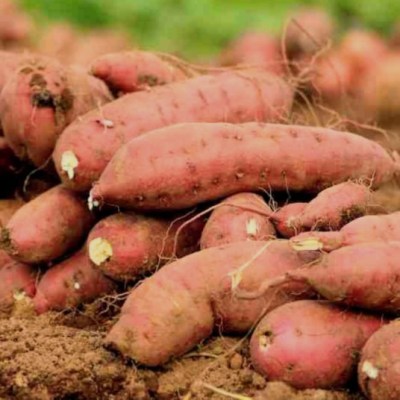
Good plant food sources of biotin include SWEET POTATOES, SUNFLOWEER SEEDS, and ALMONDS. Vitamin B7, or biotin, is a water-soluble vitamin that helps the body metabolize fats, carbohydrates, and protein and helps maintain a healthy nervous system, nails, hair and skin. Human cells cannot synthesize vitamin B7, but bacteria in the body can produce it, and the vitamin is present in numerous foods. Biotin therapy may help treat some medical conditions. For most people, a supplement will not be necessary as long as they are eating a healthy, varied diet. Some people take supplements to strengthen their nails and hair, but there is a lack of evidence supporting this use. The suggested intake for adults is 30 mcg. According to the National Institutes of Health, the average person in a western population consumes 35-70 mcg of biotin daily from foods they eat.

Source: Medical News Today

Posted in NUTRIENTS

Vitamin D

THE BODY MAKES VITAMIN D WHEN BARE SKIN IS EXPOSED TO THE SUN. THERE ARE VERY FEW FOOD SOURCES. Almost one out of four people have vitamin D blood levels that are too low or inadequate for bone and overall health. In children, vitamin D deficiency causes rickets, a disease in which the bones become soft, weak, deformed, and painful. In teens and adults, vitamin D deficiency causes osteomalacia, a disorder that causes bone pain and muscle weakness. Vitamin D helps the body absorb calcium, one of the main building blocks for strong bones and preventing osteoporosis. Vitamin D is also needed for muscles to move and for nerves to carry messages between the brain and the body. The immune system needs Vitamin D to fight off invading bacteria and viruses. The recommended amount of Vitamin D for adults 71 and older is 20 mcg (800 IU) daily. For all others, the amount is 15 mcg (600 IU). Vitamin D is available in dietary supplements. The two forms of vitamin D in supplements are D2 and D3. Both forms increase vitamin D in the blood, but D3 might raise it higher and for longer than D2. Because vitamin D is fat-soluble, it is best absorbed when taken with a meal or snack that includes some fat. In the United States, most people have adequate blood levels of vitamin D.

Source: National Institutes of Health

This video has an informative discussion about Vitamin D
Posted in NUTRIENTS

Carbohydrates

Carbohydrates are sugar molecules that are broken down down into glucose, which is the main source of energy for cells, tissues, and organs. On average, people should get 45 to 65% of their daily calories from carbohydrates, based on a 2,000-calorie diet. There are three main types of carbohydrates: sugars, starches, and fiber.

Source: MedlinePlus

Posted in NUTRIENTS

Calories

What are calories? 
A calorie is a unit of energy. In nutrition, calories refer to the energy people get from the food and drink they consume, and the energy they use in physical activity. Calories are the amount of energy released when your body digests and absorbs food.
How many do I need?
The average man needs 2,700 kcal per day and the average woman needs 2,200 kcal per day. The number of calories a given individual needs will depend on metabolism and activity. Calorie consumption that is too low or too high will eventually lead to health problems. When you eat more calories than you need, your body stores the extra calories as body fat. Without energy, the cells in the body would die, and the organs would not be able to carry out the basic processes needed for living. 

Source: Medical News Today

Posted in PLANT FOOD FACTS

Clementines

ONE SMALL CLEMENTINE PROVIES 40% OF THE RECOMMENDED DAILY AMOUNT OF VITAMIN C. Clementine (español: clementina) is a citrus fruit hybrid between a willowleaf mandarin orange and a sweet orange named for its late 19th-century discoverer, French Missionary Brother Clément Rodier. Clementines are said to have appeared spontaneously in an Algerian orphanage garden tended by Brother Clément. The exterior is a deep orange colour with a smooth, glossy appearance. Clementines can be separated into 7 to 14 segments. Like tangerines, they are easy to peel. They are typically juicy and sweet, with less acid than oranges.

1 clementine (100 Grams) contains
CARBOHYDRATE9g
CALORIES35
FIBER1g
PROTEIN1g
VITAMIN B1 (THIAMINE)5%DV
VITAMIN B9 (FOLATE)5%DV
VITAMIN C40%DV
SOURCE: WIKIPEDIA / HEALTHLINE
Posted in RECIPES

Crusty Bread

The secret of extra-crusty bread is to place a small pan of boiling water in the oven with the bread. I was skeptical about putting the dry yeast in with the flour and not proofing it in warm water first, but the results have been good every time I have tried it.

PREP 15 minLET RISE 3 hrs / then 30 minTEMP 450 FBAKE 30 minMAKES 1 loaf
  • INGREDIENTS
    • 2 1/2 c FLOUR
    • 1/4 tsp DRY YEAST
    • 1 tsp SALT
    • 1 c LUKEWARM WATER (about 110 F)
  • DIRECTIONS
    1. Whisk FLOUR to aereate
    2. Add YEAST and continue whisking
    3. Add WATER and blend to make a sticky dough
    4. Cover and let rise until double, about 3 hours
    5. On a floured surface, fold the dough 10-12 times
    6. Shape into a loaf
    7. Bake in a preheated oven at 450 F until crust is brown, about 30 minutes For extra crusty bread, place in the oven a small baking ddish containing 1 cup of boiling water
Posted in PLANT FOOD FACTS

Cucumber

Cucumber (español: pepino) is a creeping vine plant in the Cucurbitaceae gourd family. There are three main varieties of cucumber—slicing, pickling, and burpless/seedless—within which several cultivars have been created. The cucumber originates from South Asia, but now grows on most continents, as many different types of cucumber are traded on the global market. They are low in calories but contain many important vitamins and minerals, as well as a high water content. Eating cucumbers may lead to many potential health benefits, including weight loss, balanced hydration, digestive regularity and lower blood sugar levels.

3.5 oz (100 g) unpeeeled cucumber CONTAINS
CALORIES16
CARBOHYDRATES3.63g
FAT0.11 gg
FIBER0.5g
PROTEIN0.65g
CALCIUM2%DV
IRON2%DV
MAGNESIUM4%DV
MANGANESE4%DV
PHOSPHOROUS3%DV
POTASSIUM3%DV
ZINC2%DV
VITAMIN B1 (THIAMINE)2%DV
VITAMIN B2 (RIBOFLAVIN)3%DV
VITAMIN B3 (NIACIN)1%DV
VITAMIN B5 (PANTOTHENIC ACID)5%DV
VITAMIN B63%DV
VITAMIN B9 (FOLATE)2%DV
VITAMIN C3%DV
VITAMIN K16%DV
Posted in RECIPES

Huitlacoche Tacos

This basic taco mix is quick, easy, and delicious! Huitlacoche is rich in potassium, which reduces blood pressure and protects against stroke, osteoporosis, and kidney stones.

PREP20 minTEMPmediumCOOK11 minSERVES8
  • INGREDIENTS
    • 2 Tbsps OIL
    • 1 lb HUITLACOCHE, rinsed and cut into bite-sized pieces
    • 1/4 MEDIUM ONION, finely chopped
    • 2 cloves GARLIC, finely chopped
    • 4 EPAZOTE leaves (optional)
    • SALT to taste
    • 8 CORN TORTILLAS
    • SALSA to taste
  • DIRECTIONS
    1. Lightly saute the ONION until transparent
    2. Add the GARLIC and continue to saute for 1 minute
    3. Add the HUITLACOCHE and EPAZOTE. Continue to cook for 5 minutes. Do not overcook
    4. Add SALT to taste
    5. Serve the mixture in a warm TORTILLA
    6. Add your favorite SALSA
Posted in THOUGHTS

Beyond Burritos and Margaritas

Tortillas, beans, rice, and chiles are staples in Mexican households and Mexican restaurants all over the world, but people south of the border enjoy many other foods you may not have heard about. Here are a few of them.


  • Avocado
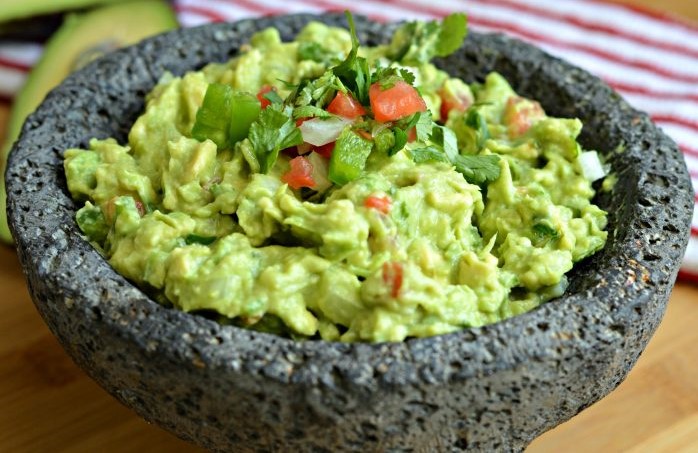
    Avocados have become very popular in the last fifty years, but I still consider them relative newcomers to the United States. Avocados improve heart health; support eye, skin, and hair health; fight cancer cell growth; promote weight loss; enhance digestive health; protect against diabetes; and decrease arthritis symptoms.
  • Chaya (Mayan Tree Spinach)
    Chaya is recommended in folk medicine for diabetes, obesity, kidney stones, hemorrhoids, acne, and eye problems. Be sure to cook it, though, because the raw leaves are toxic.
  • Chayote
    One cup of chayote provides 31% of daily folate requirements and 17% of Vitamin C.
  • Chia Seeds
    Chia is a flowering plant in the mint family, native to central and southern Mexico and Guatemala. It is rich in calcium, phosphorous, and other minerals.
  • Corn Smut (Huitlacoche)
    Corn smut (español: huitlacoche) is an edible fungus known in Mexico as the delicacy huitlacoche. It is served in soups or as a filling in tacos and other tortilla-based foods. It has been called Mexican truffle and Aztec caviar. It is a plant disease caused by the pathogenic fungus Ustilago maydis that causes smut on maize and teosinte. The fungus forms galls on all… Read more: Corn Smut (Huitlacoche)
  • Dragon Fruit (Pitahaya)
    Dragon Fruit looks exotic, but its flavors are similar to other fruits, like kiwi and pear.
  • Epazote
    Epazote, a herb used in Mesoamerican cooking since long before the Spanish conquest, is rich in folates, calcium, copper, manganese, iron, and magnesium.
  • Guava (Guayaba)
    I had just moved to Guadalajara, Mexico, when I tasted my first guayaba. I was hooked. When ripe, the guayaba, or guava, is very sweet and delicious, peeling, seeds and all. Just wash and eat it like an apple. They are also made into a popular candy called ate. (pronounced ah-tay). Guayabate is one of my favorite sweets.
  • Hibiscus (Flor de Jamaica)
    Hibiscus has many health benefits and even medicinal uses. Egyptians used hibiscus tea to lower body temperature, treat heart and nerve diseases, and as a diuretic. Today, hibiscus is popular for its potential to reduce high blood pressure. In Mexico I learned to love agua de jamaica, a delicious beverage that is pleasantly tart, usually sweetened and served cold. Agua de jamaica is made from dried hibiscus flowers and that after they are boiled and strained, the flowers can be used as a meat substitute in tacos and other dishes!
  • Hominy (Nixtamal)
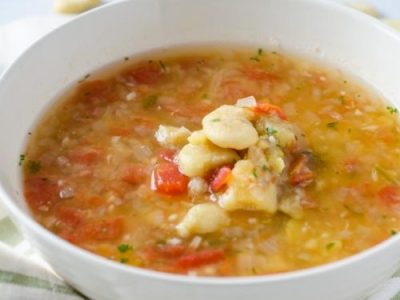
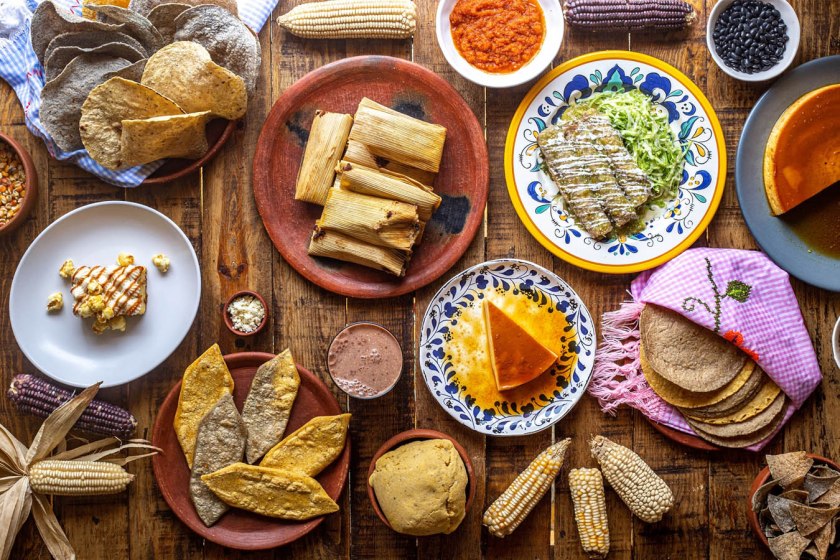
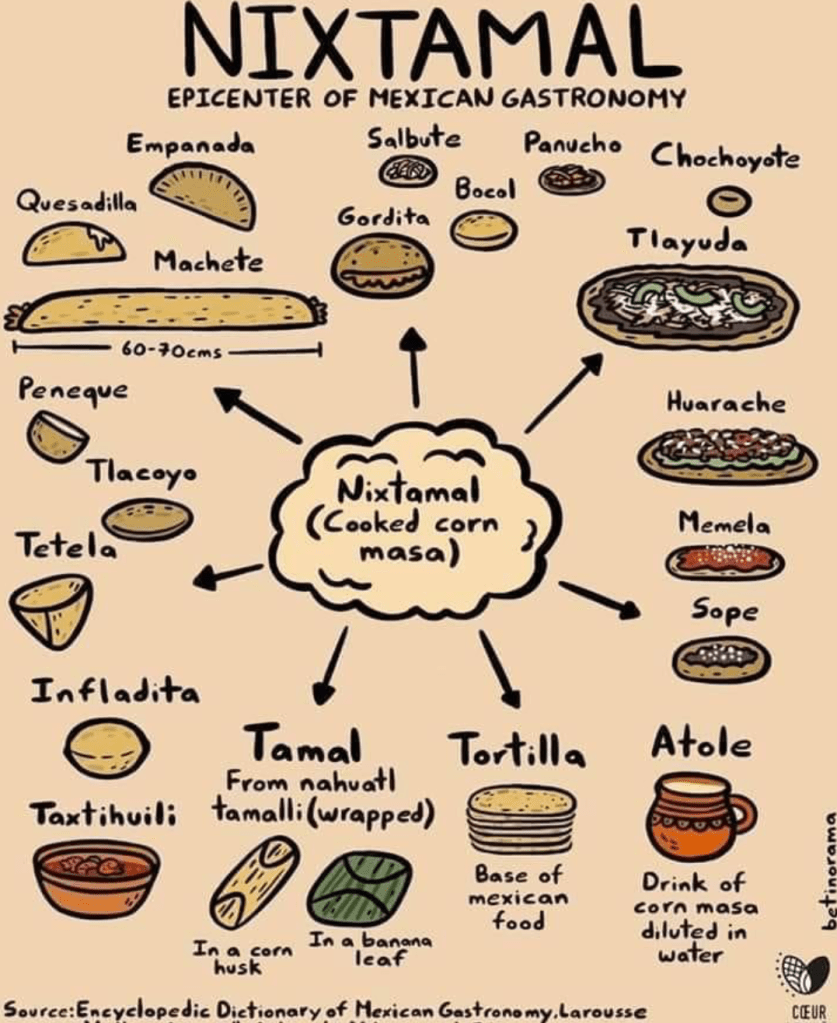
    Tortillas (and all their variations–enchiladas, gorditas, tostadas and sopes to name a few) tamales, and atole, a thick drink, are made from nixtamal masa (dough). Pozole features the nixtamal grains.
  • Jicama
    One cup of jicama provides 44% of the recommended daily intake of Vitamin C.
  • Mamey
    Mamey enhances immune function, promotes regularity, prevents anemia, and supports heart and skin health.
  • Mango
    One cup of fresh mango contains fewer than 100 calories, but packs 67% of the daily requirement for vitamin C.
  • Nopal (Prickly Pear) Cactus
    The nopal cactus and its fruit, the tuna, or prickly pear, are high in antioxidants, vitamins, and minerals. The sweet and colorful prickly pears, called tunas in Spanish, are delicious just as they are. Just peel and eat. The prickly pear fruit contains the flavonoids kaempferol and quercetin, which are antioxidant and anti-inflammatory.
  • Papaya
    Papaya is rich in Vitamins A, C, and B9, as well as potassium, the antioxidant lycopene and the papain enzyme. Unripe papaya can stimulate contractions in pregnancy, so it should always be ripened or cooked before eating if you’re pregnant.
  • Passion Fruit (Maracuyá)
    Passion fruit is rich in antioxidants and dietary fiber, which have been linked to a lower risk of conditions like heart disease and diabetes.
  • Soursop (Guanábana)
    More studies are needed on this plant’s medicinal possibilities, but the delicious fruit is safe to eat, nutritious, and low in calories.
Posted in MEXICAN SPECIALS, PLANT FOOD FACTS

Corn Smut (Huitlacoche)

Corn smut (español: huitlacoche) is an edible fungus known in Mexico as the delicacy huitlacoche. It is served in soups or as a filling in tacos and other tortilla-based foods. It has been called Mexican truffle and Aztec caviar. It is a plant disease caused by the pathogenic fungus Ustilago maydis that causes smut on maize and teosinte. The fungus forms galls on all above-ground parts of corn species. Huitlacoche is rich in potassium, which reduces blood pressure and protects against stroke, osteoporosis, and kidney stones.

100 g of corn smut contains
CARBOHYDRATE7.88 g
CALORIES40
FIBER4.4 g
POTASSIUM334 mg
SOURCES: WIKIPEDIA / FATSECRET