
What does pyridoxine do?
Vitamin B6, also known as pyridoxine, is a water-soluble vitamin that is significant to protein, fat and carbohydrate metabolism and the creation of red blood cells and neurotransmitters. Your body cannot produce vitamin B6, so you must obtain it from foods or supplements. Getting enough B6 through your diet or a supplement is crucial for staying healthy.
How much do I need?
The current recommended daily amount (RDA) for B6 is 1.3–1.7 mg for adults over 19.
Are supplements recommended?
Most people do not need to take a Vitamin B6 (pyridoxine) supplement. A balanced diet usually provides sufficient amounts. Supplements are generally only necessary for diagnosed deficiencies, specific health conditions like kidney disease or malabsorption, or under doctor advice for, for example, severe morning sickness.
Vitamin B6 toxicity is not likely to occur from food sources of B6, but taking more than 1,000 mg of supplemental B6 a day may cause nerve damage and pain or numbness in the hands or feet. Some of these side effects have even been documented after just 100–300 mg of B6 per day. For these reasons, the tolerable upper limit of vitamin B6 is 100 mg per day for adults
What are some good plant food sources of pyridoxine?
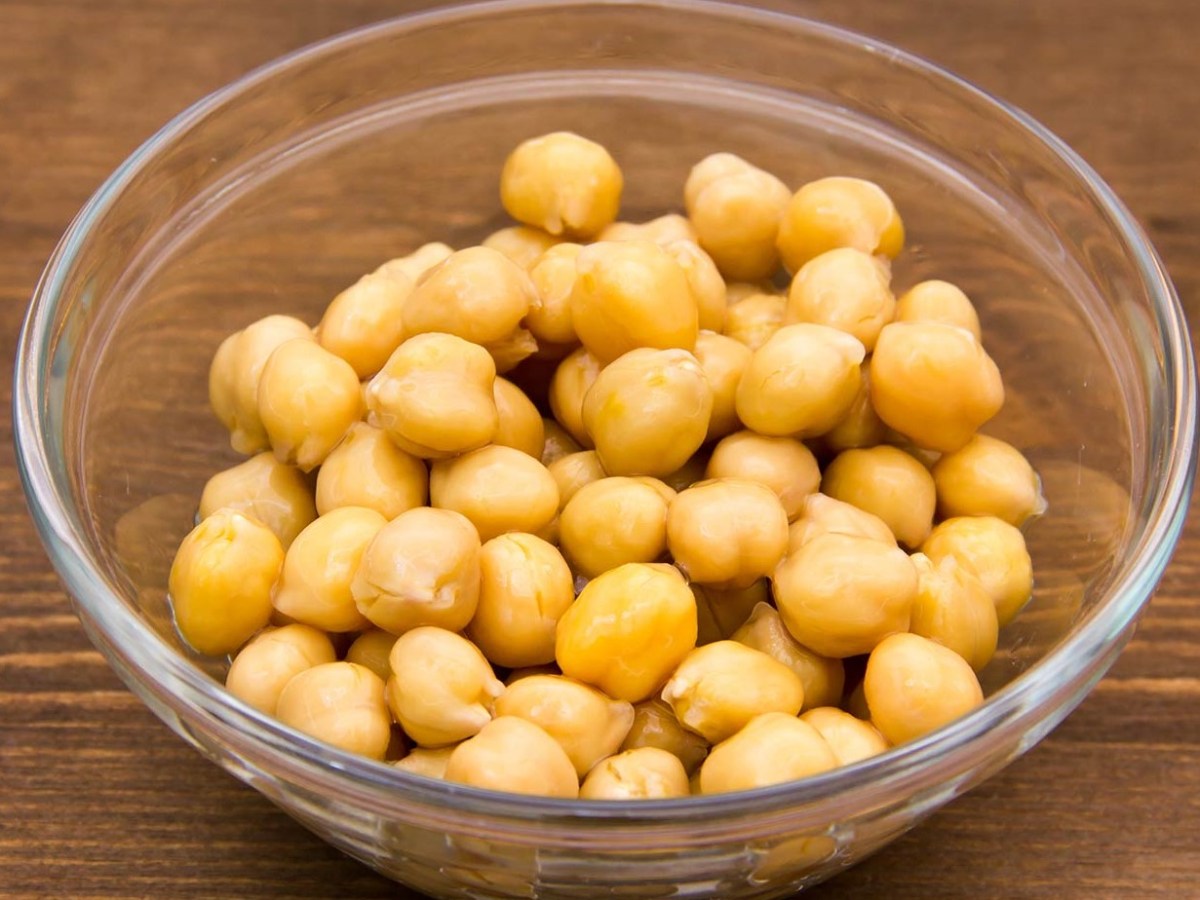
CHICKPEAS, BANANAS, MAMEY, AVOCADO, TOMATOES, BRUSSELS SPROUTS.
Vitamin B6-Rich Foods
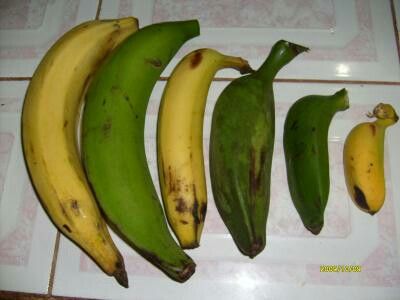
Banana Facts
Bananas are high in fiber and antioxidants and relatively low in calories; they moderate blood sugar levels and improve digestive and kidney health.

Mamey Facts
Mamey enhances immune function, promotes regularity, prevents anemia, and supports heart and skin health.

Avocado Facts *superfood*
Avocados improve heart health; support eye, skin, and hair health; fight cancer cell growth; promote weight loss; enhance digestive health; protect against diabetes; and decrease arthritis symptoms.
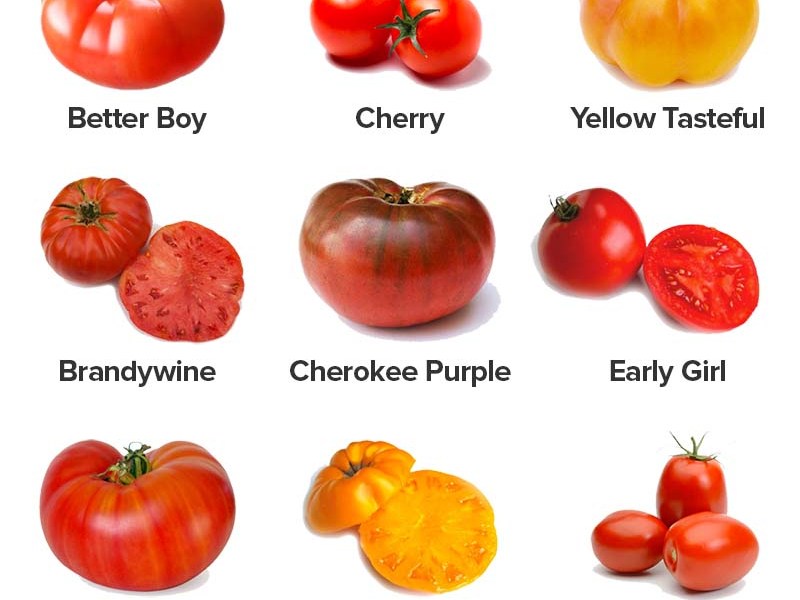
Tomato Facts
Tomatoes provide significant amounts of Vitamin C, potassium, folate, lycopene, and Vitamin K1
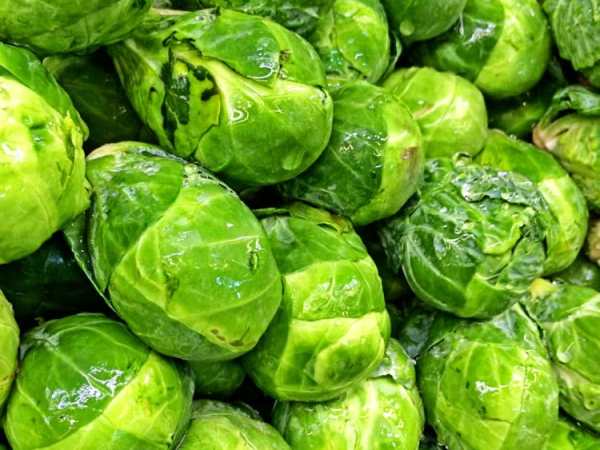
Brussels Sprouts Facts
Brussels sprouts are low in calories but high in many nutrients, especially fiber, vitamin K and vitamin C.


 Fruit & Stuff