Posted in THOUGHTS

Beyond Burritos and Margaritas

Tortillas, beans, rice, and chiles are staples in Mexican households and Mexican restaurants all over the world, but people south of the border enjoy many other foods you may not have heard about. Here are a few of them.


  • Avocado
    Avocados have become very popular in the last fifty years, but I still consider them relative newcomers to the United States. Avocados improve heart health; support eye, skin, and hair health; fight cancer cell growth; promote weight loss; enhance digestive health; protect against diabetes; and decrease arthritis symptoms.
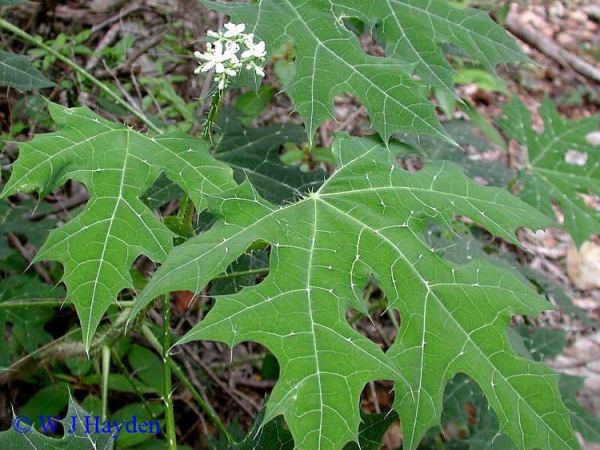
  • Chaya (Mayan Tree Spinach)
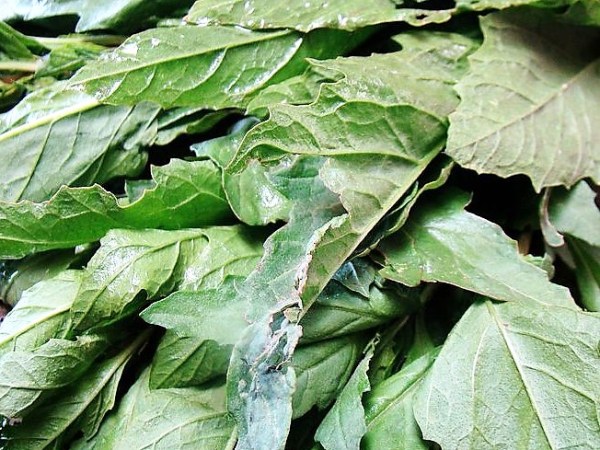
    Chaya is recommended in folk medicine for diabetes, obesity, kidney stones, hemorrhoids, acne, and eye problems. Be sure to cook it, though, because the raw leaves are toxic.
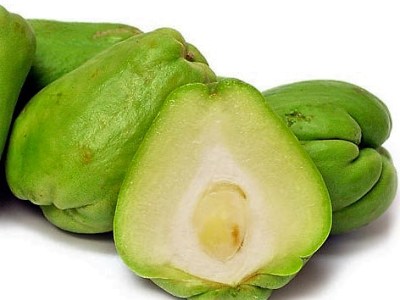
  • Chayote
    One cup of chayote provides 31% of daily folate requirements and 17% of Vitamin C.
  • Chia Seeds
    Chia is a flowering plant in the mint family, native to central and southern Mexico and Guatemala. It is rich in calcium, phosphorous, and other minerals.
  • Corn Smut (Huitlacoche)
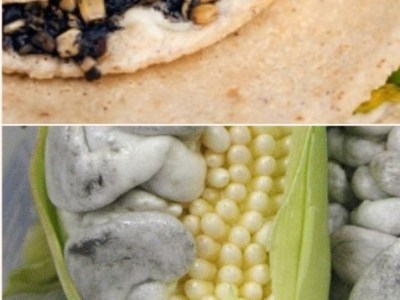
    Corn smut (español: huitlacoche) is an edible fungus known in Mexico as the delicacy huitlacoche. It is served in soups or as a filling in tacos and other tortilla-based foods. It has been called Mexican truffle and Aztec caviar. It is a plant disease caused by the pathogenic fungus Ustilago maydis that causes smut on maize and teosinte. The fungus forms galls on all… Read more: Corn Smut (Huitlacoche)
  • Dragon Fruit (Pitahaya)
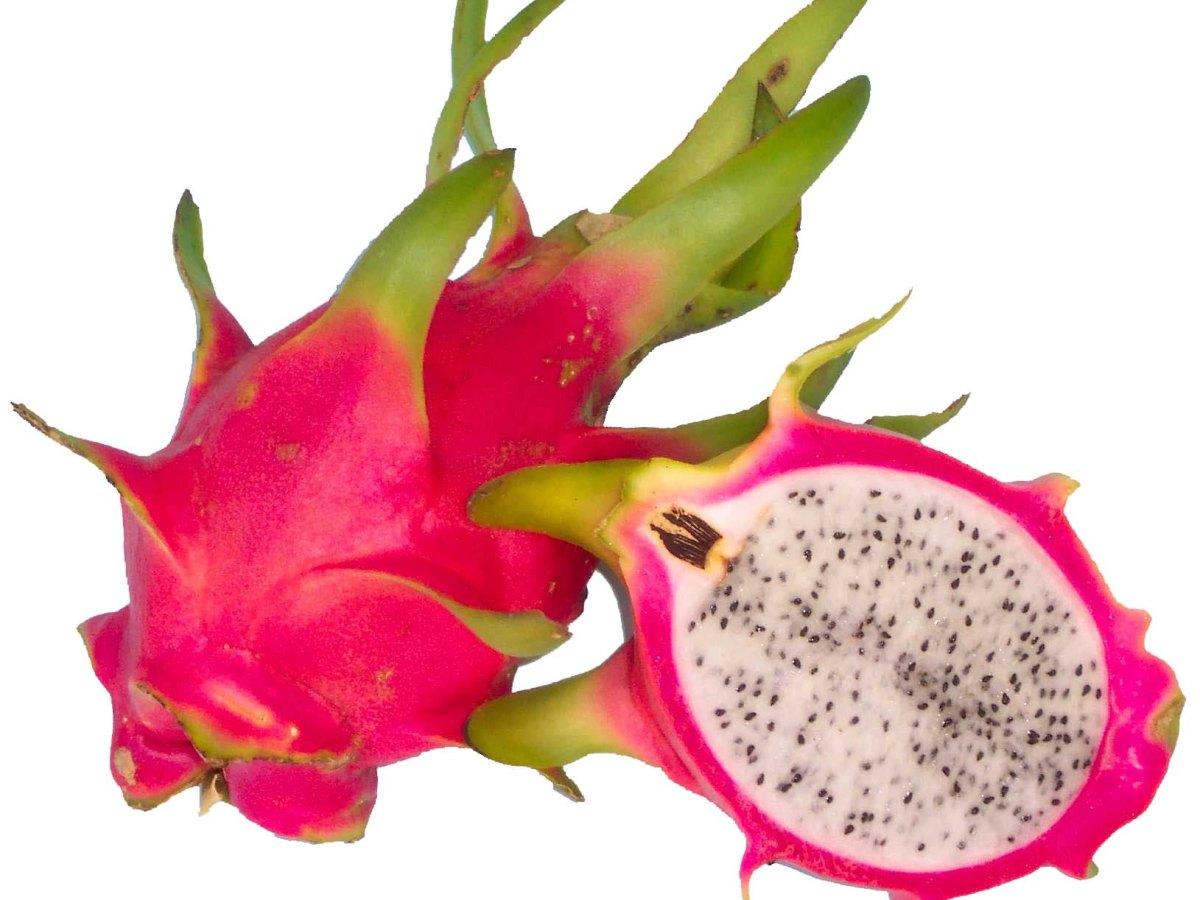
    Dragon Fruit looks exotic, but its flavors are similar to other fruits, like kiwi and pear.
  • Epazote
    Epazote, a herb used in Mesoamerican cooking since long before the Spanish conquest, is rich in folates, calcium, copper, manganese, iron, and magnesium.
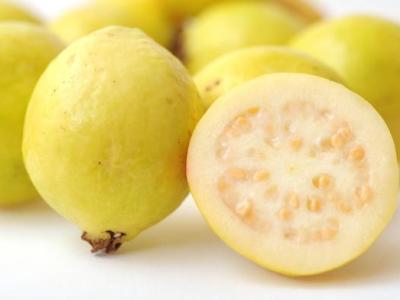
  • Guava (Guayaba)
    I had just moved to Guadalajara, Mexico, when I tasted my first guayaba. I was hooked. When ripe, the guayaba, or guava, is very sweet and delicious, peeling, seeds and all. Just wash and eat it like an apple. They are also made into a popular candy called ate. (pronounced ah-tay). Guayabate is one of my favorite sweets.
  • Hibiscus (Flor de Jamaica)
    Hibiscus has many health benefits and even medicinal uses. Egyptians used hibiscus tea to lower body temperature, treat heart and nerve diseases, and as a diuretic. Today, hibiscus is popular for its potential to reduce high blood pressure. In Mexico I learned to love agua de jamaica, a delicious beverage that is pleasantly tart, usually sweetened and served cold. Agua de jamaica is made from dried hibiscus flowers and that after they are boiled and strained, the flowers can be used as a meat substitute in tacos and other dishes!
  • Hominy (Nixtamal)
    Tortillas (and all their variations–enchiladas, gorditas, tostadas and sopes to name a few) tamales, and atole, a thick drink, are made from nixtamal masa (dough). Pozole features the nixtamal grains.
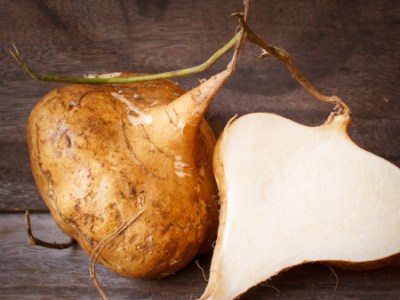
  • Jicama
    One cup of jicama provides 44% of the recommended daily intake of Vitamin C.
  • Mamey
    Mamey enhances immune function, promotes regularity, prevents anemia, and supports heart and skin health.
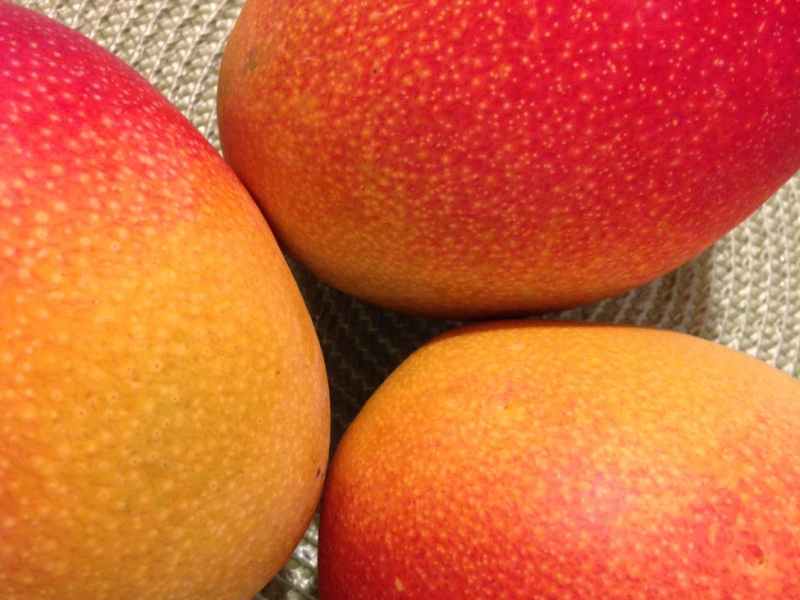
  • Mango
    One cup of fresh mango contains fewer than 100 calories, but packs 67% of the daily requirement for vitamin C.
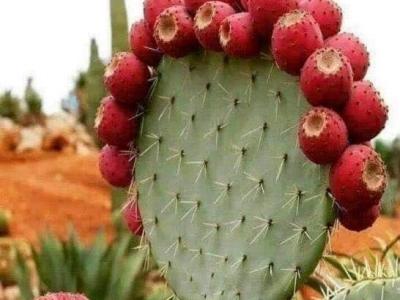
  • Nopal (Prickly Pear) Cactus
    The nopal cactus and its fruit, the tuna, or prickly pear, are high in antioxidants, vitamins, and minerals. The sweet and colorful prickly pears, called tunas in Spanish, are delicious just as they are. Just peel and eat. The prickly pear fruit contains the flavonoids kaempferol and quercetin, which are antioxidant and anti-inflammatory.
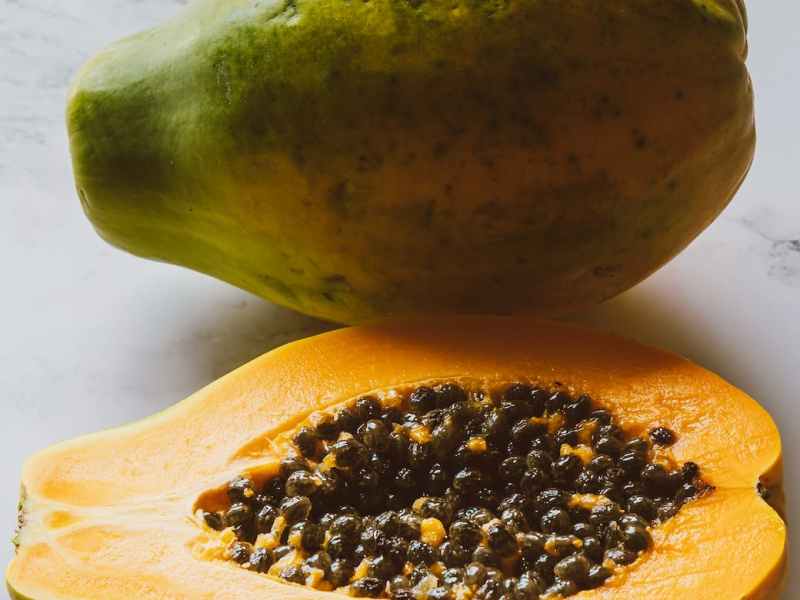
  • Papaya
    Papaya is rich in Vitamins A, C, and B9, as well as potassium, the antioxidant lycopene and the papain enzyme. Unripe papaya can stimulate contractions in pregnancy, so it should always be ripened or cooked before eating if you’re pregnant.
  • Passion Fruit (Maracuyá)
    Passion fruit is rich in antioxidants and dietary fiber, which have been linked to a lower risk of conditions like heart disease and diabetes.
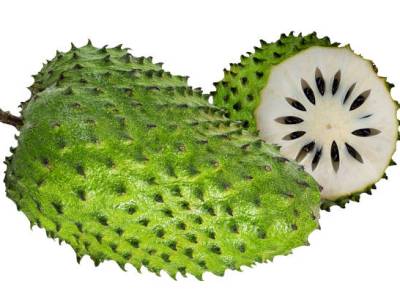
  • Soursop (Guanábana)
    More studies are needed on this plant’s medicinal possibilities, but the delicious fruit is safe to eat, nutritious, and low in calories.