What does protein do?
Proteins are the main building blocks of your body. They’re used to make muscles, tendons, organs, and skin, as well as enzymes, hormones, neurotransmitters, and various molecules that serve many important functions.
How much do I need?
U.S. adults should typically consume around 50-175 grams of protein daily in a typical 2000 calorie diet. Older adults have significantly increased protein needs. Since there’s no evidence of harm and significant evidence of benefit, it’s likely better for most people to err on the side of consuming more protein rather than less.
Are supplements recommended?
Most people can get enough protein through a balanced, whole-food diet. Supplements are only necessary if you struggle to meet daily protein needs or have specific needs like high-intensity training recovery, or restricted diet.
What are some good plant food sources of protein?
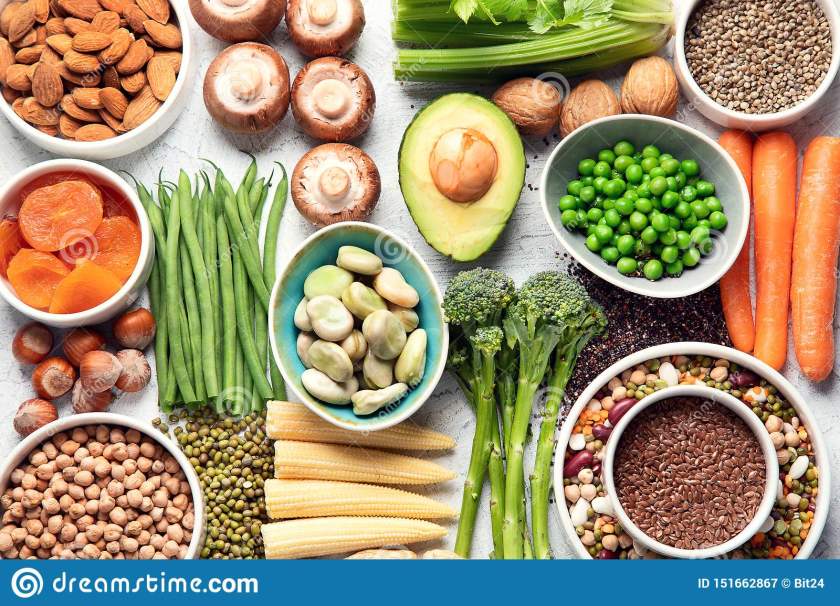
PEANUTS, ALMONDS, LENTILS CHICKPEAS, QUINOA, BEANS WITH RICE
| PLANT FOOD SOURCES OF PROTEIN | grams of protein | serving |
|---|---|---|
| seitan | 30 | 1/2 cup |
| peanuts | 20.5 | 1/2 cup |
| almonds | 16.5 | 1/2 cup |
| tempeh | 15 | 1/2 cup |
| firm tofu | 10 | 1/2 cup |
| edamame | 8.5 | 1/2 cup |
| lentils (cooked) | 8.84 | 1/2 cup |
| edamame | 8.5 | 1/2 cup |
| chickpeas (cooked) | 7.25 | 1/2 cup |
| quinoa (cooked) | 4 | 1/2 cup |
| beans with rice | 3.5 | 1/2 cup |
| kale | 2 | 1/2 cup |
| potato (baked) | 8 | 1 large |
| Ezekiel bread | 4 | 1 slice |
| mushroom | 3 | 5 medium |
| hemp seeds | 5 | Tablespoon |
| spirulina | 4 | Tablespoon |
| chia seeds | 2 | Tablespoon |
Protein-Rich Plant Foods
Mushroom Facts
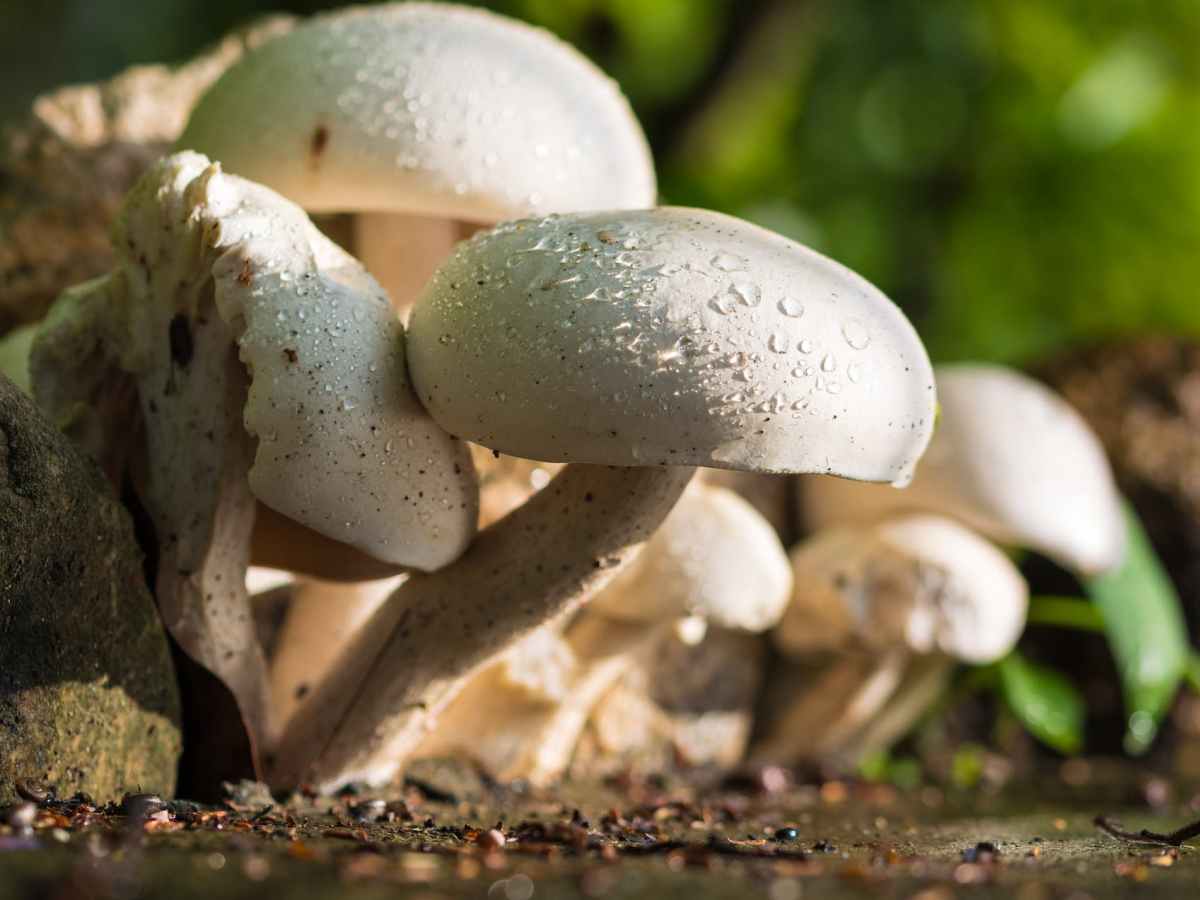
White mushrooms are rich in many bioactive compounds that may protect against cancer and heart disease, as well as help improve blood sugar control and gut health.
Almond Facts
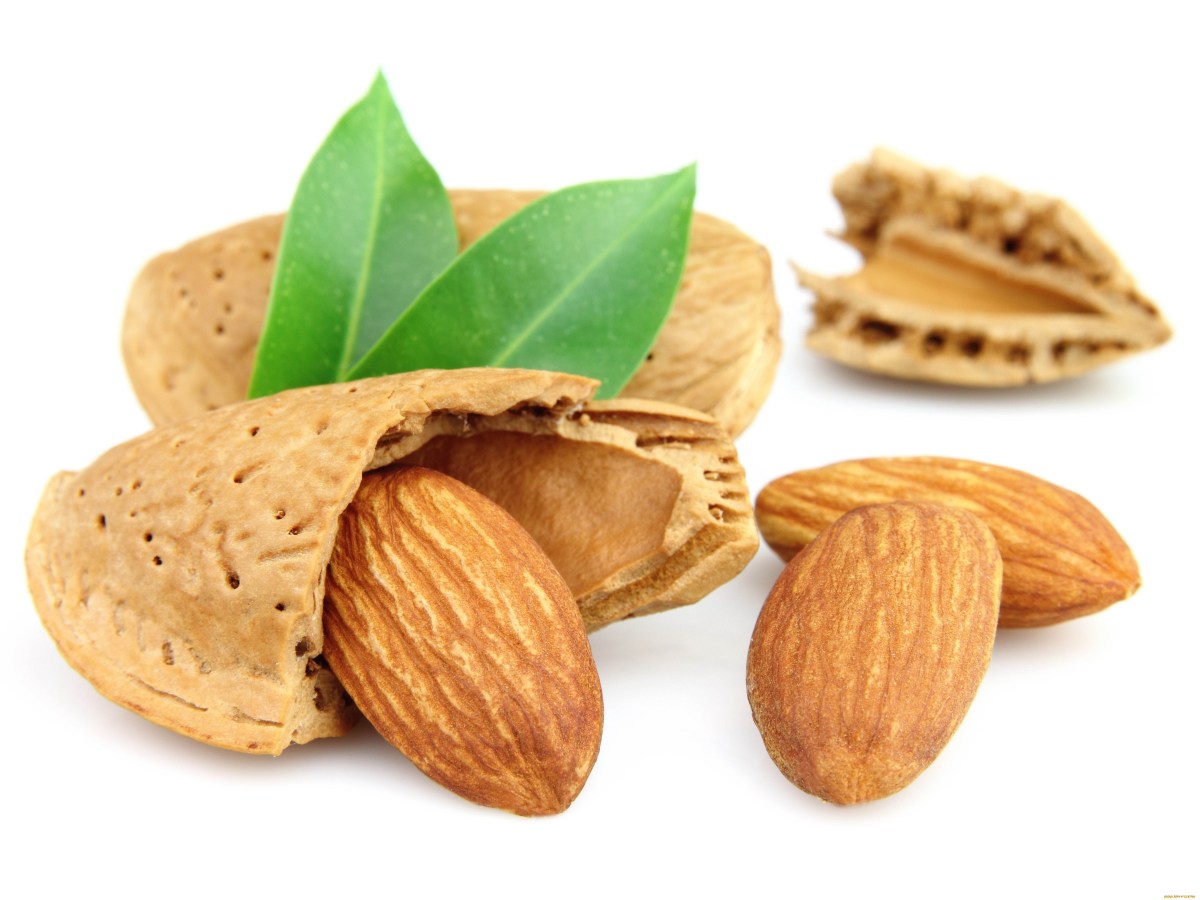
Almonds are rich in Vitamin E, magnesium, and manganese Almond is the edible seed of Prunus dulcis, a species of tree native to Iran but widely cultivated elsewhere. It is classified with the peach in the subgenus Amygdalus, distinguished from the other subgenera by corrugations on the shell surrounding the seed. Almonds are sold shelled…
Lentil Facts
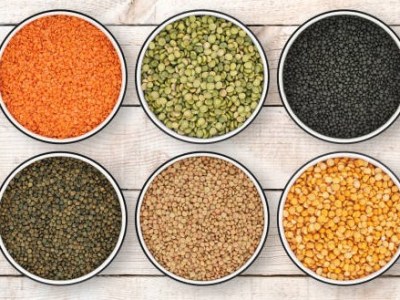
Low in calories, high in protein, fiber, B Vitamins, iron, folate, magnesium, zinc, and potassium.
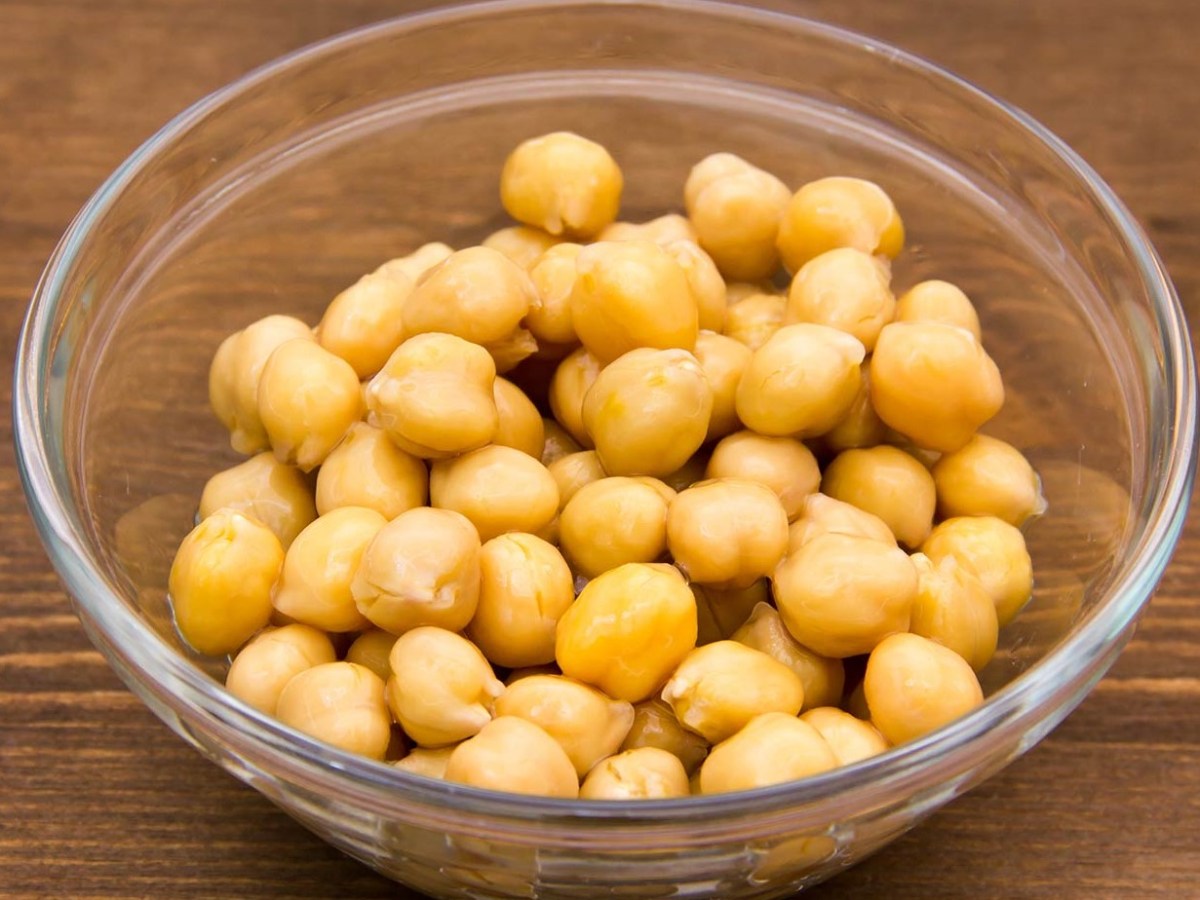
Chickpea (Garbanzo) Facts
The chickpea, an annual legume, is high in protein.
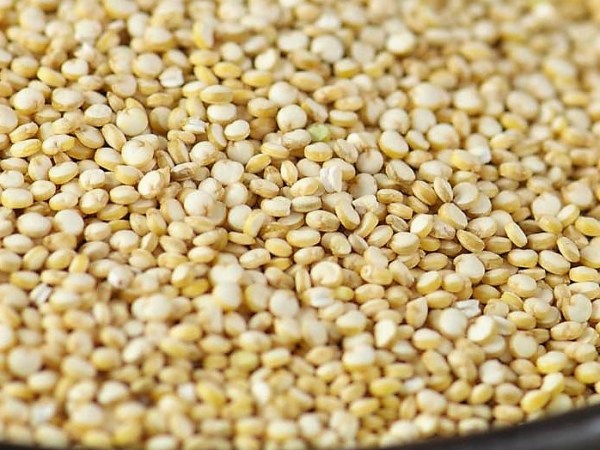
Quinoa Facts
Quinoa’s gluten-free seeds are rich in protein, fiber, B vitamins, and minerals in amounts greater than in many grains.
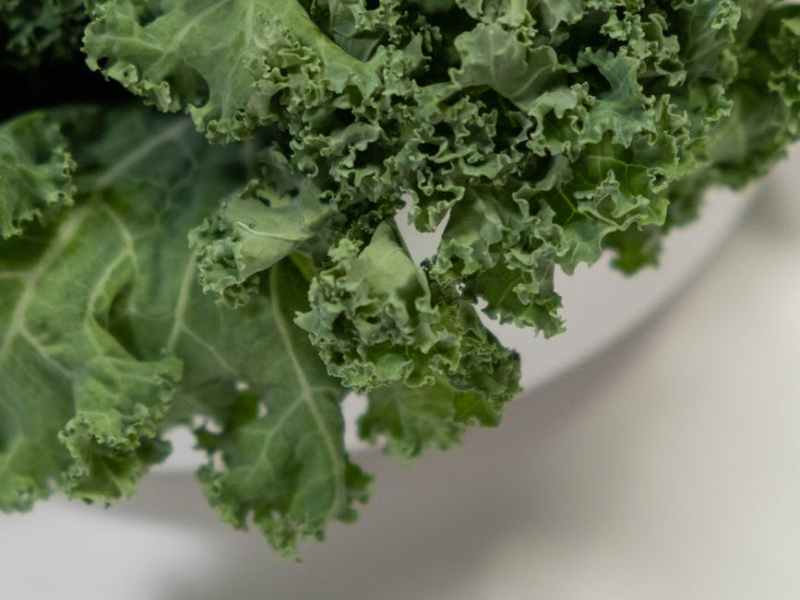
Kale Facts
A cup of cooked kale provides almost five times an adult’s daily need for vitamin K.


 Fruit & Stuff
3 thoughts on “Protein”
Comments are closed.