What does copper do?
Copper plays a role in making red blood cells and maintaining nerve cells and the immune system. Copper also helps the body form collagen and absorb iron, and plays a role in energy production.
How much do I need?
The recommended daily allowance (RDA) is around 900 micrograms a day for adolescents and adults. The upper limit for adults aged 19 years and above is 10 milligrams (mg) a day. An intake above this level could be toxic.
Are supplements recommended?
Most people do not need to take a copper supplement, as a balanced diet usually provides enough of this mineral, and excessive intake can cause toxicity. Supplements are generally recommended only if you have a diagnosed deficiency, which is rare, or specific conditions like celiac disease or high-zinc intake. Do not start a copper supplement without first consulting a healthcare professional to confirm a deficiency through blood tests. Both copper deficiency and copper toxicity are rare in the United States (U.S).
What are some good plant food sources of copper?
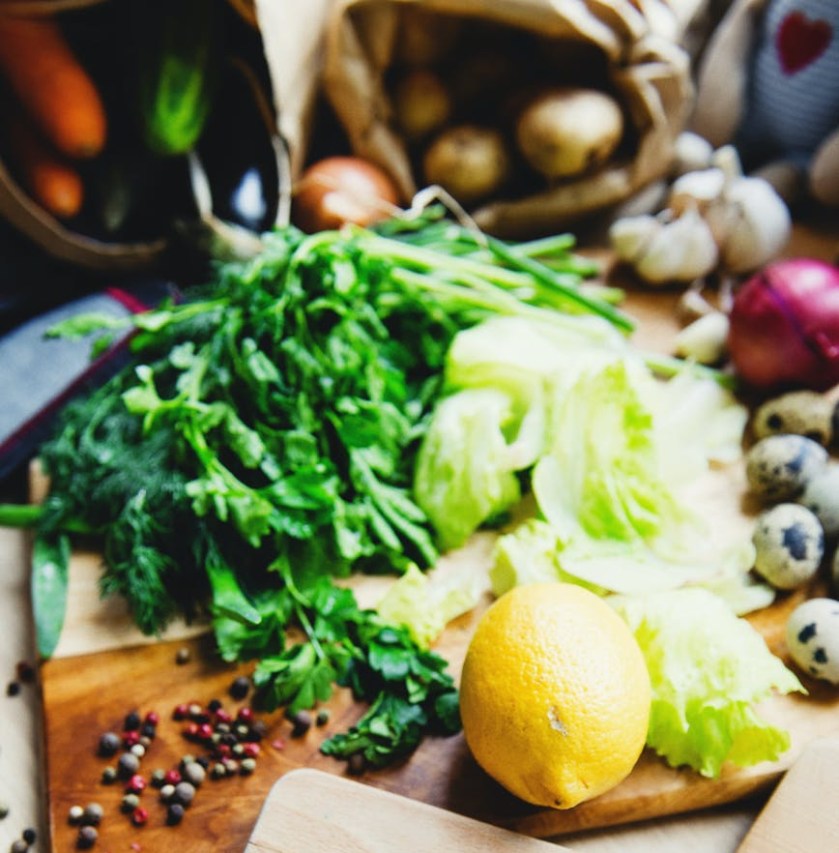
WHOLE GRAINS, BEANS, YEAST, DARK LEAFY GREENS, DRIED FRUITS, BLACK PEPPER, ALMONDS, POTATOES, COCOA, CASHEWS
Copper-Rich Plant Foods
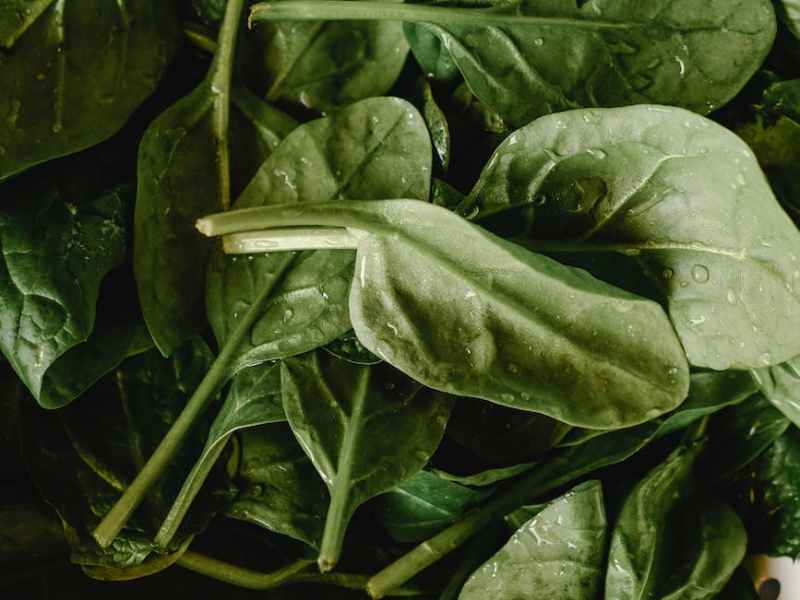
Spinach Facts
Spinach (español: espinacas) is a leafy green flowering plant whose leaves are consumed cooked or raw. Spinach is a good source of VITAMIN C, IRON, POTASSIUM, VITAMIN E, and MAGNESIUM. The possible health benefits of consuming spinach include blood glucose control, lower risk of cancer, and improved bone health. As part of a nutritious diet, it can help support immune function,…
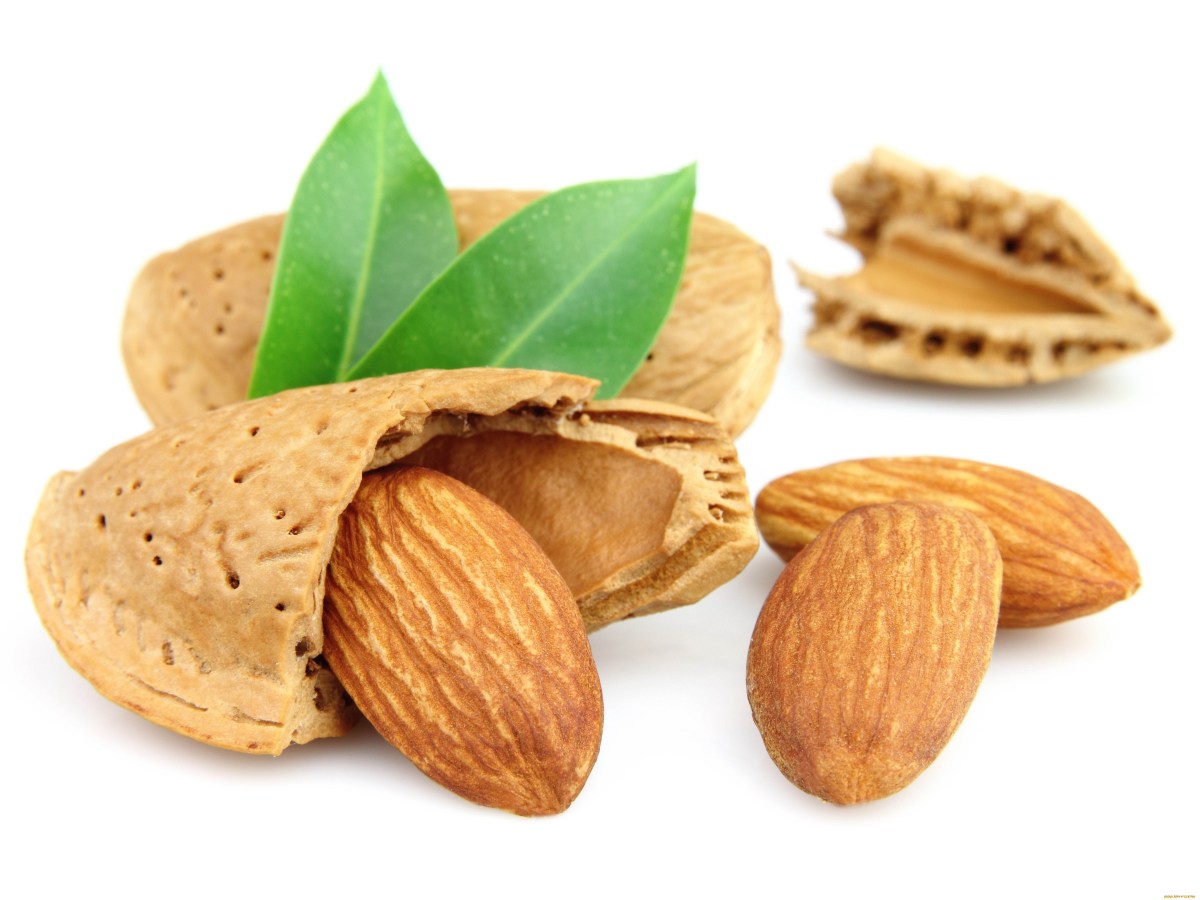
Almond Facts
Almonds are rich in Vitamin E, magnesium, and manganese Almond is the edible seed of Prunus dulcis, a species of tree native to Iran but widely cultivated elsewhere. It is classified with the peach in the subgenus Amygdalus, distinguished from the other subgenera by corrugations on the shell surrounding the seed. Almonds are sold shelled…

Chocolate Facts
Cocoa appears to reduce risk factors for heart disease. Flavanols in cocoa beans have antioxidant effects that reduce cell damage. Flavanols — more prevalent in dark chocolate than in milk chocolate — may also help lower blood pressure and improve vascular function. In addition, some research has linked chocolate consumption to reduced risks of diabetes,…
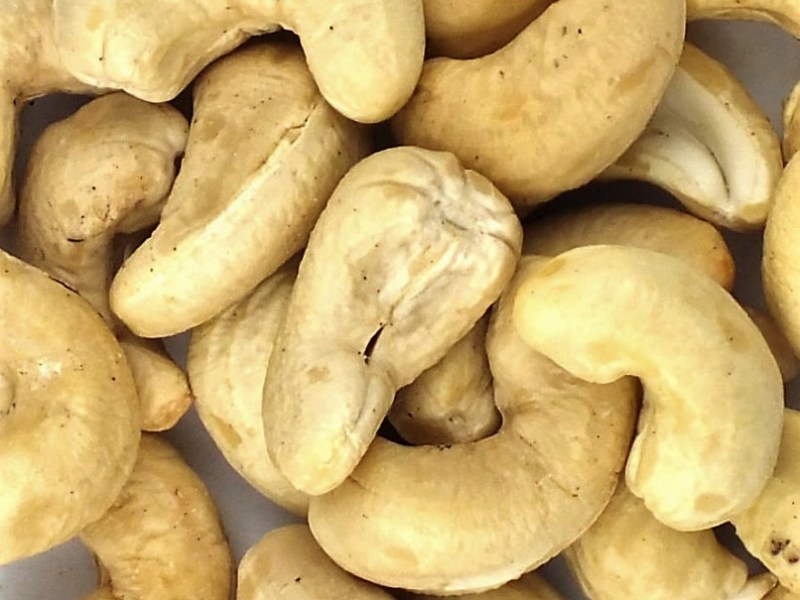
Cashew Facts
Cashews pack 67% of the daily copper requirement, needed to form red blood cells.


 Fruit & Stuff
One thought on “Copper”
Comments are closed.