
Broccoli, which has more protein than most other vegetables, is also high in fiber, vitamin C, vitamin K, iron, and potassium.
Broccoli is a cruciferous vegetable related to cabbage, kale, cauliflower, and Brussels sprouts. Broccoli may be eaten raw, but recent research suggests that gentle steaming is best for maximum health benefits. Steaming also eliminates the risk of contaminaton. Broccoli is low in calories and high in fiber, protein and Vitamin C. It also contains numerous other vitamins and minerals in smaller amounts. In fact, it provides a little bit of almost every nutrient you need.
| 1 cup (91 g) raw broccoli provides | %DV | |
|---|---|---|
| CARBOHYDRATE | 6 G | |
| CALORIES | 31 | |
| FAT | 0.4 G | |
| FIBER | 2.4 G | |
| PROTEIN | 2.5 G | |
| CALCIUM | 10 MG | |
| COPPER | 10% | |
| VITAMIN C | 140% |
RECIPES WITH BROCCOLI
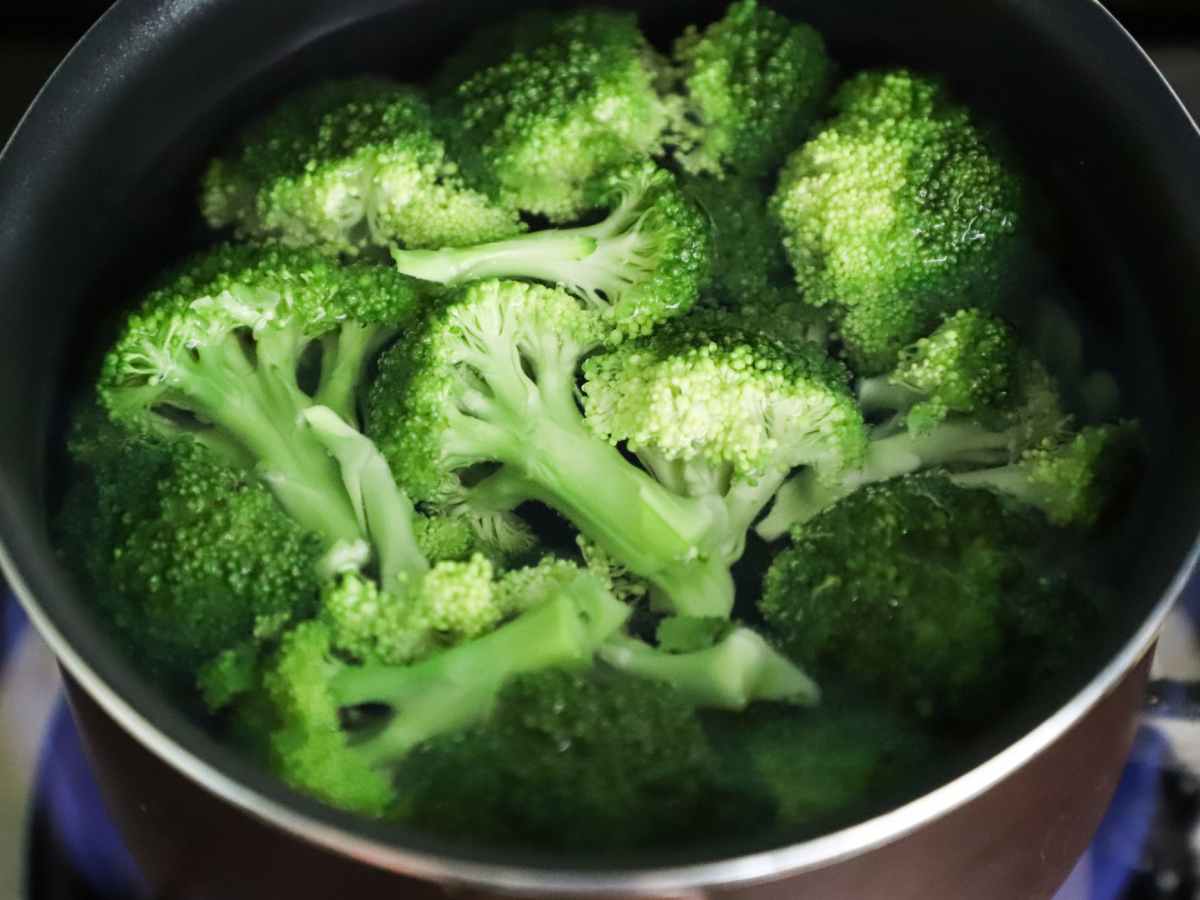
Broccoli Steamed with Garlic
All the goodness of broccoli in a tasty side dish.
SOME BROCCOLI NUTRIENTS

Protein
What does protein do? Proteins are the main building blocks of your body. They’re used to make muscles, tendons, organs, and skin, as well as enzymes, hormones, neurotransmitters, and various molecules that serve many important functions. How much do I need?U.S. adults should typically consume around 50-175 grams of protein daily in a typical 2000…
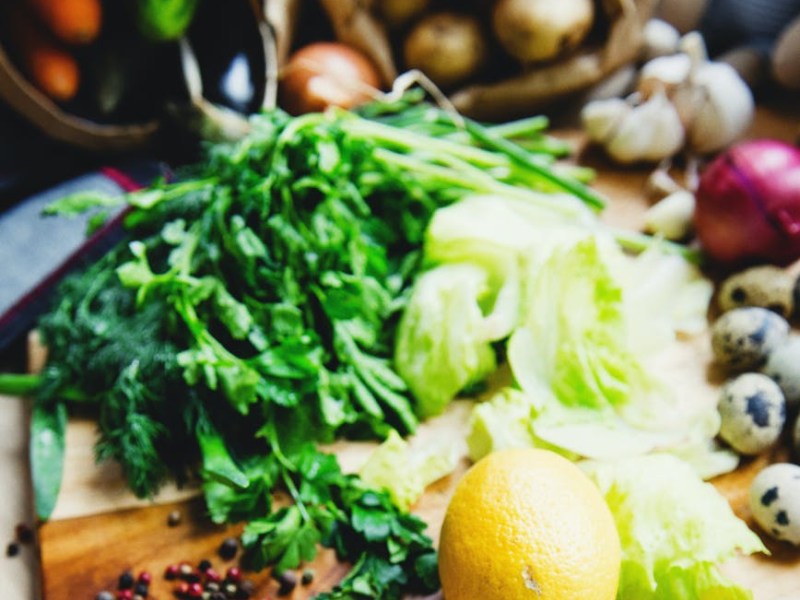
Copper
What does copper do? Copper plays a role in making red blood cells and maintaining nerve cells and the immune system. Copper also helps the body form collagen and absorb iron, and plays a role in energy production. How much do I need?The recommended daily allowance (RDA) is around 900 micrograms a day for adolescents and adults.…

Fiber
Some excellent sources of dietary fiber are CHICKPEAS, LENTILS, SPLIT PEAS, OATS, APPLES, PEARS, ALMONDS, CHIA SEEDS, BRUSSELS SPROUTS, and AVOCADO. Recommended daily amounts for adults and adolescents are between 22 and 38 grams, depending on the number of calories consumed. Most Americans consume only about 15 grams.

Vitamin C
Vitamin C has been linked to many impressive health benefits that include boosting antioxidant levels, lowering blood pressure, protecting against gout attacks, improving iron absorption, boosting immunity, and reducing heart disease and dementia risk.
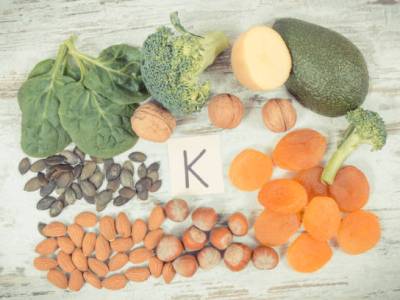
Vitamin K
What does Vitamin K do? Vitamin K is an essential nutrient that plays a critical role in blood clotting, wound healing, and bone health. People who don’t have enough vitamin K in their system are at greater risk of increased bleeding and bone fractures. How much do I need?The recommended daily amount for adults 19…
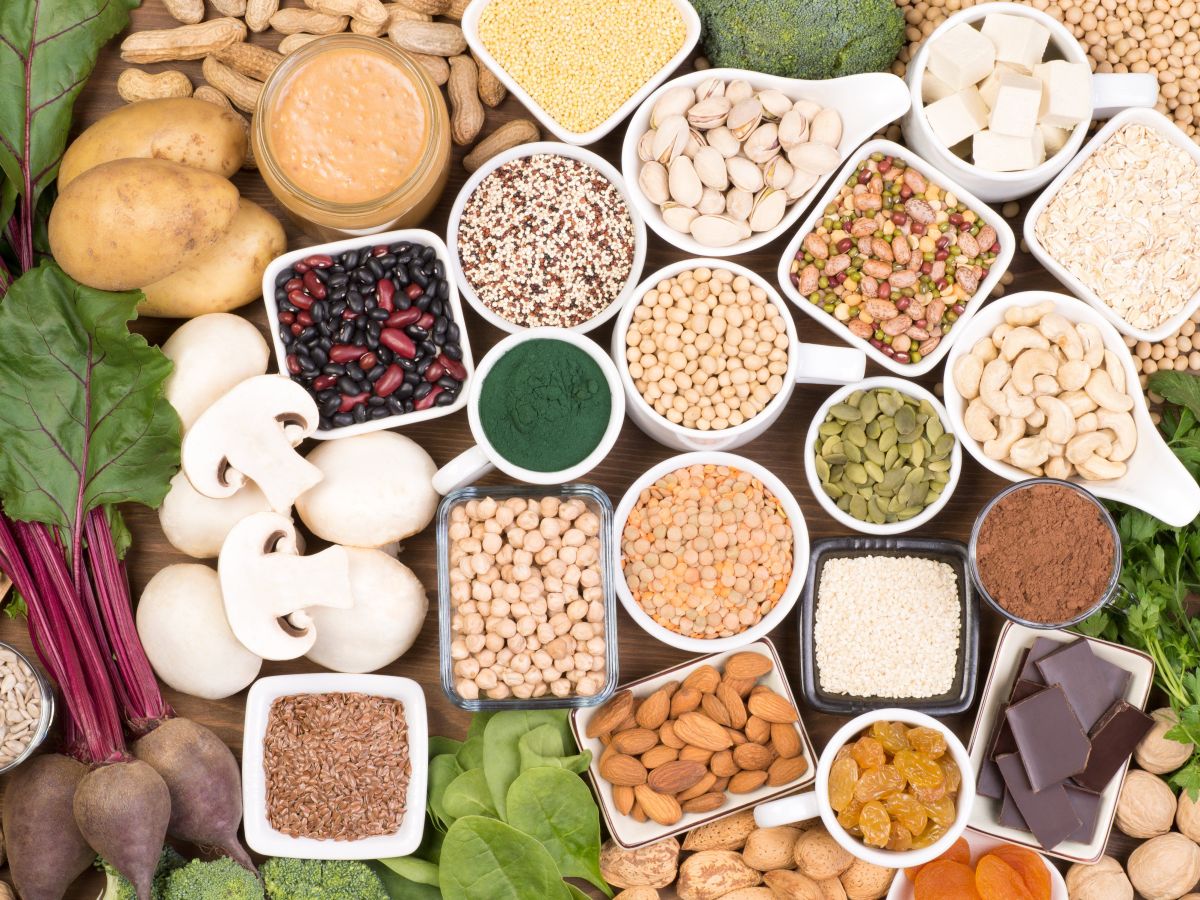
Iron
What does iron do? Iron is an important mineral that your body needs to make hemoglobin, a protein in red blood cells. Red blood cells help carry oxygen throughout your body. How much do I need?The Recommended Daily Allowances vary for gender, age, pregnancy, and lactation. Age RDA PREGNANCY LACTATION Male 14-18 11 mg Female…

Potassium
What does potassium do? Potassium is a mineral found in the foods you eat. It’s also an electrolyte. Electrolytes conduct electrical impulses throughout the body. They assist in a range of essential body functions, including blood pressure, normal water balance, muscle contractions, nerve impulses, digestion, heart rhythm, and pH balance (acidity and alkalinity). How much do…


 Fruit & Stuff