- AGAR-AGAR
Recipes sometimes call for ingredients that you may not have heard of, like nutritional yeast or agar-agar, a jelly-like substance, obtained from red algae. It is used as a plant-based substitute for animal-derived gelatin.
- ALMOND
Almonds are rich in Vitamin E, magnesium, and manganese Almond is the edible seed of Prunus dulcis, a species of tree native to Iran but widely cultivated elsewhere. It is classified with the peach in the subgenus Amygdalus, distinguished from the other subgenera by corrugations on the shell surrounding the seed. Almonds are sold shelled or unshelled. Blanched almonds are shelled almonds that have been treated with hot water to soften the seedcoat, which is then removed to reveal the white embryo. Recipe: Almond Milk 1 ounce or 28 grams of almonds provides %RDI CALORIES 161 CARBOHYDRATES 2.5…
Read more: ALMOND
- AMARANTH
Amaranth is a gluten-free source of fiber, protein, manganese, magnesium, phosphorus and iron.
- APPLE
Apples are rich in simple sugars like fructose, sucrose, and glucose, but their glycemic index (GI) is low, 29–44.
- APRICOT
Apricots are extremely nutritious and have many health benefits, such as improved digestion and eye health.
- ARTICHOKE
Artichokes have a high antioxidant content that may help prevent cancer, manage weight, and control blood sugar and diabetes.
- ARUGULA
This delicious green is nutrient-dense, high in fiber and phytochemicals.
- ASPARAGUS
Asparagus is anti-inflammatory and antioxidant. It is a good source of Vitamin K, Vitamin B1, Thiamine, and Fiber.
- AVOCADO
Avocados improve heart health; support eye, skin, and hair health; fight cancer cell growth; promote weight loss; enhance digestive health; protect against diabetes; and decrease arthritis symptoms.
- BANANA
Bananas are high in fiber and antioxidants and relatively low in calories; they moderate blood sugar levels and improve digestive and kidney health.
- BARLEY
Barley is rich in fiber, antioxidants, vitamins and minerals. It improves digestion, and can help with weight loss and blood sugar levels. It lowers cholesterol and helps prevent heart disease and cancer.
- BASIL
Basil is anti-bacterial, anti-inflammatory, and antioxidant. It helps prevent diabetes. It is used to reduce pain and fever, combat stress, and boost the immune system. It fights cancer and protects blood vessels and liver. Basil is a culinary herb of the family Lamiaceae (mints). Basil is used in cuisines all over the world. Depending on the species and cultivar, the leaves may taste somewhat like anise, with a strong, pungent, often sweet smell. Basil is used as a fresh herb in recipes all over the world. It is an essential ingredient in many Italian dishes. Basil is also…
Read more: BASIL
- BAY LEAF
Bay leaves or the essential oil derived from them have been shown to help prevent candida, heal wounds, potentially fight cancer and aid digestion.
- BEET
Beets are low in calories and a source of many nutrients, including fiber, folate and vitamin C and contain nitrates and pigments that help lower blood pressure and improve athletic performance.
- BLACK-EYED PEA
Black-eyed peas are rich in fiber, iron, folate, potassium and Vitamin A.
- BLACKBERRY
Blackberries are rich in fiber, manganese and Vitamins C and K. They are credited with improving brain and oral health.
- BRAZIL NUT
Brazil nuts are rich in healthy fats, selenium, magnesium, copper, phosphorus, manganese, thiamine, and vitamin E.
- BROCCOLI
Broccoli, which has more protein than most other vegetables, is also high in fiber, vitamin C, vitamin K, iron, and potassium.
- BRUSSELS SPROUT
Brussels sprouts are low in calories but high in many nutrients, especially fiber, vitamin K and vitamin C.
- CABBAGE
Cabbage is low in calories and rich in Vitamins K and C
- CARROT
Carrots get their bright orange color from beta carotene, an antioxidant that your body converts into vitamin A.
- CASHEW
Cashews pack 67% of the daily copper requirement, needed to form red blood cells.
- CAULIFLOWER
Cauliflower reduces cancer risk; fights inflammation; decreases risk for heart disease and brain disorders; provides high levels of vitamins C, K, and other vitamins and minerals; improves digestion and detoxification; aids in weight loss; helps balance hormones; and preserves eye health.
- CELERY
Celery provides 37% of the daily requirement of Vitamin K, which plays a role in blood clotting, bone metabolism, and regulating blood calcium levels.
- CHAYA (Mayan Tree Spinach)
Chaya is recommended in folk medicine for diabetes, obesity, kidney stones, hemorrhoids, acne, and eye problems. Be sure to cook it, though, because the raw leaves are toxic.
- CHAYOTE
One cup of chayote provides 31% of daily folate requirements and 17% of Vitamin C.
- CHERRY
Cherries contain antioxidants, phytochemicals, vitamins, nutrients, and fiber. These support a healthy system and may reduce the risk of certain types of cancers.
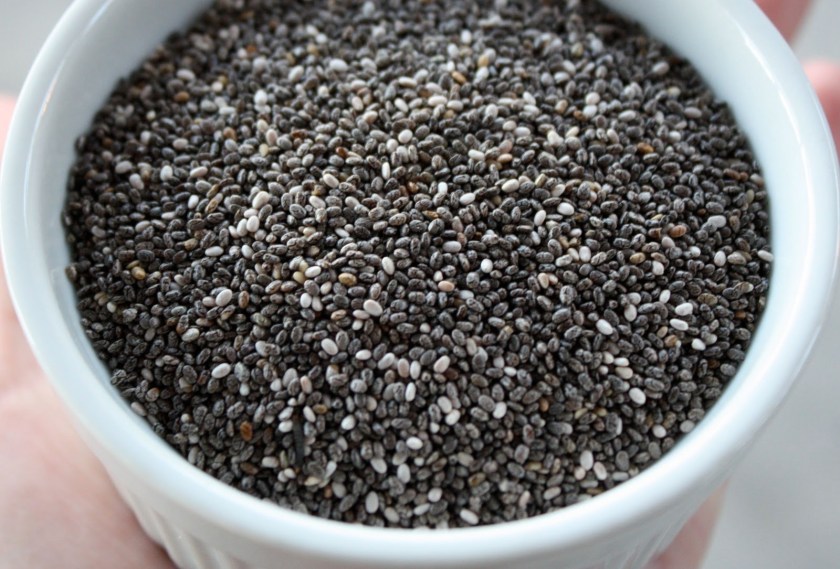
- CHIA SEED
Chia is a flowering plant in the mint family, native to central and southern Mexico and Guatemala. It is rich in calcium, phosphorous, and other minerals.
- CHICKPEA (Garbanzo)
The chickpea, an annual legume, is high in protein.
- CHOCOLATE
Cocoa appears to reduce risk factors for heart disease. Flavanols in cocoa beans have antioxidant effects that reduce cell damage. Flavanols — more prevalent in dark chocolate than in milk chocolate — may also help lower blood pressure and improve vascular function. In addition, some research has linked chocolate consumption to reduced risks of diabetes, stroke and heart attack. But more research is needed to confirm these results.
- CILANTRO (Coriander)
Cilantro is especially rich in Vitamin K, which aids in healthy blood clotting.
- CINNAMON
You can use any kind of cinnamon in small amounts for cooking, but for therapeutic use, consult a health provider and use Ceylon cinnamon from a reliable source. Cinnamon is obtained from the inner bark of several tree species from the genus Cinnamomum. Cinnamon is used mainly as an aromatic condiment and flavouring additive in a wide variety of foods. The aroma and flavour of cinnamon derive from its essential oil and principal component, cinnamaldehyde. Cinnamon is not only delicious, it has many reported health benefits. However, if you are using cinnamon for medicinal purposes, it should be Ceylon cinnamon, not Cassia, which is the…
Read more: CINNAMON
- CLEMENTINE
ONE SMALL CLEMENTINE PROVIES 40% OF THE RECOMMENDED DAILY AMOUNT OF VITAMIN C. Clementine (español: clementina) is a citrus fruit hybrid between a willowleaf mandarin orange and a sweet orange named for its late 19th-century discoverer, French Missionary Brother Clément Rodier. Clementines are said to have appeared spontaneously in an Algerian orphanage garden tended by Brother Clément. The exterior is a deep orange colour with a smooth, glossy appearance. Clementines can be separated into 7 to 14 segments. Like tangerines, they are easy to peel. They are typically juicy and sweet, with less acid than oranges. 1 clementine (100 Grams) contains CARBOHYDRATE 9 g CALORIES 35…
Read more: CLEMENTINE
- CLOVE
Even in small amounts, cloves are a good source of manganese. Cloves are the flower buds of the clove tree, an evergreen also known as Syzygium aromaticum. Found in both whole and ground forms. Cloves are best known as a sweet and aromatic spice in baked goods and in Indian cuisine. Even in small amounts, they are a good source of manganese. Animal studies have found that the compounds in cloves may support liver health and help stabilize blood sugar levels. However, for medicinal purposes, cloves are used in larger amounts, which can cause undesirable side effects. You should…
Read more: CLOVE
- CORN
Corn is a significant source of COMPLEX CARBOHYDRATES, VITAMIN B1, VITAMIN B3, VITAMIN B5, VITAMIN B9, PHOSPHOROUS, and MAGNESIUM. Corn, or maize, (español: maíz) was domesticated by indigenous peoples in southern Mexico about 10,000 years ago. It has become a staple food in many parts of the world, with the total production surpassing that of wheat or rice. Sugar-rich varieties called sweet corn are usually grown for human consumption as kernels, while field corn varieties are ground into corn meal or masa. 1 3 OZ (100 G) OF SWEET CORN contains CALORIES 86 CARBOHYDRATE 18.7 G FAT 1.35 G FIBER 2 G PROTEIN 3.27 G IRON 4% DV MAGNESIUM…
Read more: CORN
- CORN SMUT (Huitlacoche)
Corn smut (español: huitlacoche) is an edible fungus known in Mexico as the delicacy huitlacoche. It is served in soups or as a filling in tacos and other tortilla-based foods. It has been called Mexican truffle and Aztec caviar. It is a plant disease caused by the pathogenic fungus Ustilago maydis that causes smut on maize and teosinte. The fungus forms galls on all above-ground parts of corn species. Huitlacoche is rich in potassium, which reduces blood pressure and protects against stroke, osteoporosis, and kidney stones. 100 g of corn smut contains CARBOHYDRATE 7.88 g CALORIES 40 FIBER 4.4 g POTASSIUM 334 mg SOURCES: WIKIPEDIA / FATSECRET
- CUCUMBER
Cucumber (español: pepino) is a creeping vine plant in the Cucurbitaceae gourd family. There are three main varieties of cucumber—slicing, pickling, and burpless/seedless—within which several cultivars have been created. The cucumber originates from South Asia, but now grows on most continents, as many different types of cucumber are traded on the global market. They are low in calories but contain many important vitamins and minerals, as well as a high water content. Eating cucumbers may lead to many potential health benefits, including weight loss, balanced hydration, digestive regularity and lower blood sugar levels. 3.5 oz (100 g) unpeeeled cucumber CONTAINS CALORIES 16 CARBOHYDRATES 3.63 g FAT 0.11 g g…
Read more: CUCUMBER
- CUMIN
Cumin (español: comino) is a flowering plant in the family Apiaceae, native to a territory that stretches from the Middle East to India. Its seeds, which are contained within a fruit are dried and used whole or ground in the cuisines of many cultures. Cumin has a high content of nutrients such as iron (512% of the Daily Value in 100 g), thiamine, magnesium, and manganese, but it is used in tiny quntities (less than 1/2 teaspoon in a typical recipe). Although cumin is thought to have uses in traditional medicine, there is no high-quality evidence that it is safe or effective as…
Read more: CUMIN
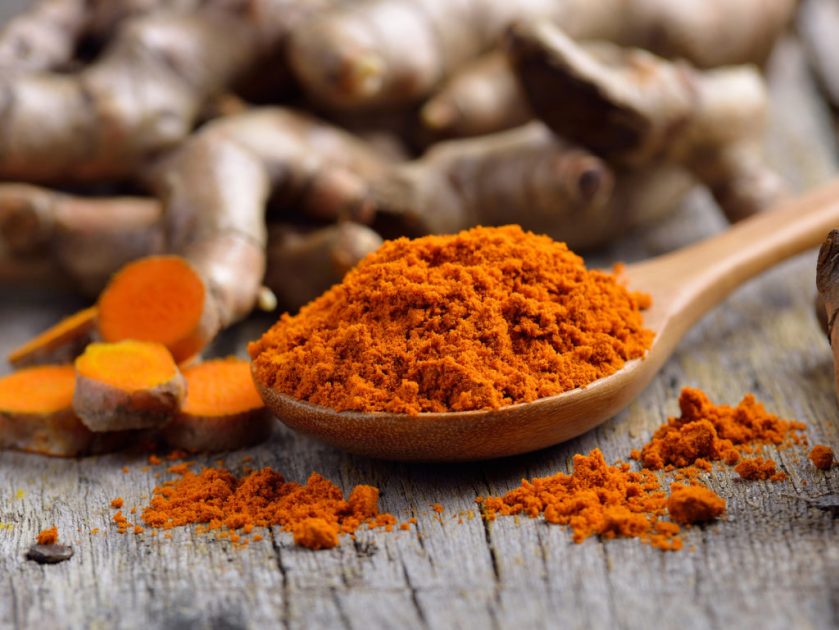
- CURCUMIN / TURMERIC
Curcumin is the principal curcuminoid of turmeric, a member of the ginger family.
- DATE
Dates (español: dátiles) are an ancient food, mentioned 50 times in the Bible and 20 times in the Qu’aran. They have been a staple food of the Middle East and the Indus Valley for thousands of years. There is archaeological evidence of date cultivation in Arabia from the 6th millennium BCE, and fossil records show that the date palm has existed for at least 50 million years. Although they are high in calories, they are an excellent substitute for the empty calories of refined sugar because of their nutritional benefits. Deglet Noor dates are the most common variety seen in the West,…
Read more: DATE
- DRAGON FRUIT (Pitahaya)
Dragon Fruit looks exotic, but its flavors are similar to other fruits, like kiwi and pear.
- EGGPLANT
Eggplant is a high-fiber, low-calorie food that reduces the risk of heart disease and helps with blood sugar control and weight loss. Eggplants, also known as aubergines, belong to the nightshade family of plants and are used in many different dishes around the world. They are usually considered a vegetable but because they contain seeds and grow from a flowering plant, they are actually a fruit. There are many varieties. Eggplants with a deep purple skin are most common, but they can be red, green or even black. 1 cup (82 g) eggplant calories 20 carbohydrates 5 g…
Read more: EGGPLANT
- ENDIVE
Endive is a good source of fiber and is rich in antioxidants and Vitamin K. Endive (pronounced in-dive or ahn-deev) is a leafy vegetable in the chicory root family. It has a crisp, crunchy texture and a slightly bitter taste. It can be used raw or cooked. There are three main types: Curly endive (Cichorium endivia var. crispum) has a bitter flavor and curly leaves. It is also known as frisée or chicory. Belgian endive (Cichorium intybus var. foliosum Endive) has pale yellow leaves and is moderately bitter. Red endive, or radicchio, has more of a reddish hue. Broad-leafed endive (Cichorium…
Read more: ENDIVE
- EPAZOTE
Epazote, a herb used in Mesoamerican cooking since long before the Spanish conquest, is rich in folates, calcium, copper, manganese, iron, and magnesium.
- FAVA BEAN (Habas)
Fava beans are rich in iron, phosphorous, magnesium, and manganese. One serving packs 106% of the daily requirement of folates, important for preventing birth defects.
- FENNEL
Fennel and fennel seeds provide antioxidant, anti-inflammatory, and antibacterial effects Zucchini Fennel Saute Recipe Fennel is a flavorful herb. The plants are green and white, with feathery leaves and yellow flowers. Both the crunchy bulb and the seeds of the fennel plant have a mild, licorice-like flavor. The flavor of the seeds is stronger because of their essential oils. Nutrient 1 cup (87 g) raw fennel bulb calories 27 fiber 3 grams calcium 3% RDI iron 4% RDI magnesium 4% RDI manganese 7% RDI potassium 8% RDI vitamin C 12% RDI 1 Tbsp (6 g) dried fennel seed…
Read more: FENNEL
- FIG
Figs are rich in copper and Vitamin B6. Recipe: Fig and Walnut Salad The fig–ficus carica–is a unique fruit with pink flesh full of tiny seeds and an edible purple or green peel. Figs may promote healthy digestion, decrease your risk of heart disease, and help manage blood sugar levels. Fresh figs are low in calories and contain a variety of vitamins and minerals. However, dried figs are high in sugar and calories. Figs are particularly rich in copper, a vital mineral that is involved in metabolism and energy production, and vitamin B6, which plays an important role…
Read more: FIG
- FLAXSEED
Among the claims made for it are that it may reduce cancer risk, improve cholesterol, lower blood pressure, help control blood sugar, and aid in weight control. The health benefits were observed with just 1 tablespoon (10 grams) of ground flax seeds per day. However
- GARLIC
Garlic has been used as a traditional medicine as well as a food flavoring. It is a healthy and delicious addition to many dishes around the world. Its medicinal benefits for both cure and prevention require larger doses, which should be taken with the supervision and advice of a knowledgeable medical practitioner.
- GINGER
Ginger, a delicious spicy addition to many favorite dishes, has also been widely used in traditional medicine.
- GRAPE
Grapes offer a wealth of health benefits due to their high nutrient and antioxidant contents.
- GRAPEFRUIT
Grapefruit is rich in nutrients, antioxidants and fiber, making it one of the healthiest citrus fruits you can eat.
- GREEN BEAN
Green beans, string beans, or snap beans are a rich source of vitamins A, C, K, folate, and fiber.
- GUAVA (Guyaba)
I had just moved to Guadalajara, Mexico, when I tasted my first guayaba. I was hooked. When ripe, the guayaba, or guava, is very sweet and delicious, peeling, seeds and all. Just wash and eat it like an apple. They are also made into a popular candy called ate. (pronounced ah-tay). Guayabate is one of my favorite sweets.
- HIBISCUS (Flor de Jamaica)
Hibiscus has many health benefits and even medicinal uses. Egyptians used hibiscus tea to lower body temperature, treat heart and nerve diseases, and as a diuretic. Today, hibiscus is popular for its potential to reduce high blood pressure.
In Mexico I learned to love agua de jamaica, a delicious beverage that is pleasantly tart, usually sweetened and served cold. Agua de jamaica is made from dried hibiscus flowers and that after they are boiled and strained, the flowers can be used as a meat substitute in tacos and other dishes!
- HOMINY (Nixtamal)
Tortillas (and all their variations–enchiladas, gorditas, tostadas and sopes to name a few) tamales, and atole, a thick drink, are made from nixtamal masa (dough). Pozole features the nixtamal grains.
- JACKFRUIT
Claims for jackfruit are that it may help regulate blood sugar, protect against disease with antioxidants, prevent skin problems, and promote heart health.
- JICAMA
One cup of jicama provides 44% of the recommended daily intake of Vitamin C.
- KALE
A cup of cooked kale provides almost five times an adult’s daily need for vitamin K.
- KIWI
A 3.5-ounce kiwi provides more than 80% of the daily vitamin C requirement.
- LEEK
Few calories, but lots of provitamin A carotenoids and Vitamin K.
- LEMON
High in Vitamin C, lemons may reduce risks of heart disease and cancer.
- LENTIL
Low in calories, high in protein, fiber, B Vitamins, iron, folate, magnesium, zinc, and potassium.
- LETTUCE
Lettuce is rich in antioxidants, folates, and Vitamins A and K.
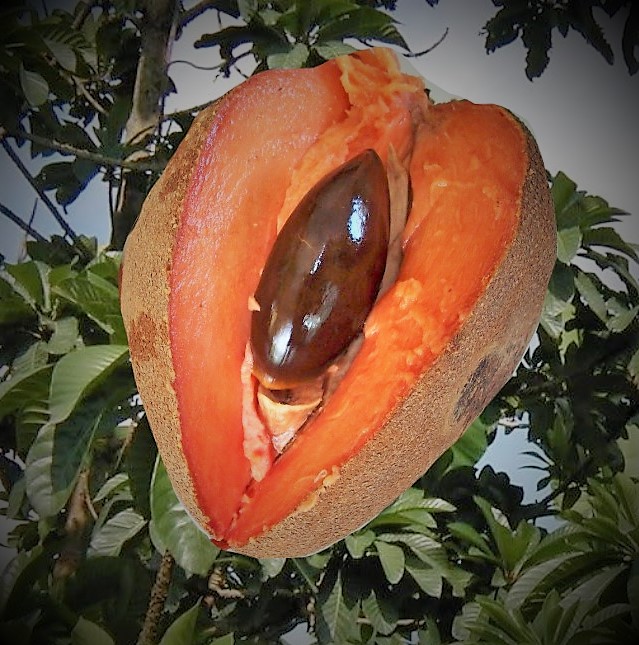
- MAMEY
Mamey enhances immune function, promotes regularity, prevents anemia, and supports heart and skin health.
- MANGO
One cup of fresh mango contains fewer than 100 calories, but packs 67% of the daily requirement for vitamin C.
- MUSHROOM
White mushrooms are rich in many bioactive compounds that may protect against cancer and heart disease, as well as help improve blood sugar control and gut health.
- NOPAL CACTUS
The nopal cactus and its fruit, the tuna, or prickly pear, are high in antioxidants, vitamins, and minerals. The sweet and colorful prickly pears, called tunas in Spanish, are delicious just as they are. Just peel and eat. The prickly pear fruit contains the flavonoids kaempferol and quercetin, which are antioxidant and anti-inflammatory.
- NUTRITIONAL YEAST
Nutritional Yeast can be used as a flavor enhancer in cheese substitutes, mashed or fried potatoes, scrambled tofu, and popcorn. Some brands are fortified with additional B12.
- OAT
Oats are a powerhouse of vitamins, minerals, and antioxidants.
- PAPAYA
Papaya is rich in Vitamins A, C, and B9, as well as potassium, the antioxidant lycopene and the papain enzyme. Unripe papaya can stimulate contractions in pregnancy, so it should always be ripened or cooked before eating if you’re pregnant.
- PASSION FRUIT (Maracuyá)
Passion fruit is rich in antioxidants and dietary fiber, which have been linked to a lower risk of conditions like heart disease and diabetes.
- PINEAPPLE
Pineapples are delicious, versatile, and loaded with nutrients and antioxidants.
- Plant Food Glossary
A visual guide to plant foods–nutrition and more.
- QUINOA
Quinoa’s gluten-free seeds are rich in protein, fiber, B vitamins, and minerals in amounts greater than in many grains.
- SOURSOP (Guanábana)
More studies are needed on this plant’s medicinal possibilities, but the delicious fruit is safe to eat, nutritious, and low in calories.
- SPINACH
Spinach (español: espinacas) is a leafy green flowering plant whose leaves are consumed cooked or raw. Spinach is a good source of VITAMIN C, IRON, POTASSIUM, VITAMIN E, and MAGNESIUM. The possible health benefits of consuming spinach include blood glucose control, lower risk of cancer, and improved bone health. As part of a nutritious diet, it can help support immune function, aid the digestive system, may even have anticancer properties. Spinach is typically safe to consume as part of a well-rounded, nutritious diet, but some people may benefit from limiting their intake of this vegetable. Spinach is rich in dietary oxalate, which can increase a…
Read more: SPINACH
- SWEET POTATO
Sweet potatoes are rich in vitamin A, vitamin C, manganese, minerals, antioxidants, and fiber.
- TOMATO
Tomatoes provide significant amounts of Vitamin C, potassium, folate, lycopene, and Vitamin K1
- WALNUT
Some benefits of eating walnuts are heart health, prevention of cancer, bone health, immune system function, nerve health, and regulation of body clock.
- ZUCCHINI
Zucchini contains a variety of vitamins, minerals, and antioxidants. Cooked zucchini is particularly high in vitamin A. It is rich in water and fiber, promoting healthy digestion. Zucchini’s fiber may increase insulin sensitivity and stabilize blood sugar levels, potentially reducing risk of type 2 diabetes. Zucchini may lower blood pressure, cholesterol, and other risk factors for heart disease. It contributes to healthy vision and may lower risk of age-related eye conditions.