Posted in PLANT FOOD FACTS

Spinach

Spinach (español: espinacas) is a leafy green flowering plant whose leaves are consumed cooked or raw. Spinach is a good source of VITAMIN C, IRON, POTASSIUM, VITAMIN E, and MAGNESIUM. The possible health benefits of consuming spinach include blood glucose control, lower risk of cancer, and improved bone health. As part of a nutritious diet, it can help support immune function, aid the digestive system, may even have anticancer properties. Spinach is typically safe to consume as part of a well-rounded, nutritious diet, but some people may benefit from limiting their intake of this vegetable. Spinach is rich in dietary oxalate, which can increase a person’s risk of kidney stones. The high oxalate content may be reduced by steaming. Spinach contains:

  • Alpha-lipoic acid
    • an antioxidant which lowers glucose levels, increases insulin sensitivity, and prevents oxidative, stress-induced changes in patients with diabetes.
  • Vitamin K
    • Scientists have found a link between low intakes of vitamin K and a higher risk of bone fracture. Vitamin K acts as a modifier of bone matrix proteins, improves calcium absorption, and may reduce the amount of calcium that leaves the body in urine.
  • Protein and carbohydrates.
    • Most of the calories from protein and carbohydrates, which play important roles in the body, from maintaining eye health to reducing inflammation.
  • Chlorophyll
    • Research suggests chlorophyll may have anticancer properties and that people who eat diets rich in green vegetables may have a lower risk of cancer.
  • Potassium
    • It can help reduce the effects of sodium in the body. A low potassium intake might be as potent a risk factor for developing high blood pressure as a high sodium intake.
  • Fiber and water
    • Both help prevent constipation and promote a healthy digestive tract.
  • Vitamin A
    • It moderates oil production in the skin pores and hair follicles to moisturize the skin and hair. A buildup of this oil can lead to acne. Vitamin A is necessary for the growth of all bodily tissues, including skin and hair.
  • Vitamin C
    • It is crucial for building and maintaining collagen, which provides structure to skin and hair.
  • Iron
    • Iron deficiency is a common cause of hairloss, which a person can help prevent with a diet of sufficient iron-rich foods, such as spinach.
1 cup of spinach contains%DV
CALORIES7
PROTEIN0.86G
CALCIUM29.7MG
IRON0.81G
MAGNESIUM24MG
POTASSIUM167MG
VITAMIN A (RETINOL)141MCG
VITAMIN B9 (FOLATE)58MCG
SOURCE: MEDICAL NEWS TODAY / WIKIPEDIA
Posted in PLANT FOOD FACTS

Nutritional Yeast

Even in small amounts, nutritional yeast is a significant source of some B-complex vitamins.

Nutritional yeast (español: levadura nutricional) is a deactivated yeast, often a strain of Saccharomyces cerevisiae sold in the form of flakes or yellow powder. Its strong flavor is often described as nutty, cheesy, or creamy. Nutritional Yeast can be used as a flavor enhancer in cheese substitutes, mashed or fried potatoes, scrambled tofu, and popcorn. Some brands are fortified with additional B12.

It has approximately 9 grams of protein in 2 tablespoons. It provides 9 amino acids that the human body cannot produce and 5% (unfortified) to 20% (fortified with B12) of recommended daily iron.

Sources: Wikipedia / healthline

WARNING: In large amounts, the high fiber content may cause digestive discomfort, and high niacin content can cause facial flushing. Some brands may contain tyramine, which can trigger migraines in certain individuals.

Posted in PLANT FOOD FACTS

Chocolate

Chocolate may have some health benefits, but beware of the fat and sugar in commercial products, which can contribute to high blood pressure, heart disease, and diabetes.

Plain cocoa in moderation is the best choice for adding chocolate flavor to food. It is low in sugar and fat but offers potential health benefits. Cocoa appears to reduce risk factors for heart disease. Flavanols in cocoa beans have antioxidant effects that reduce cell damage. Flavanols — more prevalent in dark chocolate than in milk chocolate — may also help lower blood pressure and improve vascular function. In addition, some research has linked chocolate consumption to reduced risks of diabetes, stroke and heart attack. But more research is needed to confirm these results.

100 grams of chocolate containlightdark
calories531556
calcium 251 mg30 mg
carbohydrates58 g60.49 g
cholesterol24 mg5 mg
fat30.57 g32,4 g
iron0.91 mg2.13 mg
phosphorous 206 mg51 mg
potassium438 mg502 mg
protein 8.51 g5.54 g
sodium101 mg6 mg
sugars54 g47.56 g
Posted in PLANT FOOD FACTS

Mushrooms

White mushrooms are rich in many bioactive compounds that may protect against cancer and heart disease, as well as help improve blood sugar control and gut health.

mushroom or toadstool is the fleshy, spore-bearing fruiting body of a fungus, typically produced above ground, on soil, or on its food source. Toadstool generally denotes one poisonous to humans. The standard for the name “mushroom” is the cultivated white button mushroom, Agaricus bisporus; hence the word “mushroom” is most often applied to those fungi (Basidiomycota, Agaricomycetes) that have a stem, a cap, and gills.

Most mushrooms sold in supermarkets have been commercially grown on mushroom farms and are considered safe to eat because they are grown in controlled, sterilized environments. Agaricus bisporus can be harvested at varying stages of maturity. When young and immature, they are known as white mushrooms if they have a white color, or crimini mushrooms if they have slight brown shade. When fully grown, they’re known as portobello mushrooms, which are bigger and darker. White mushrooms are also known as table, common, button, or champignon mushrooms. They have a small stem, smooth cap, and mild flavor that pairs well with many dishes.

White mushrooms are low in calories and sugar. They are also high in protein and vitamin D, and they’re a source of vitamin B12, so they are beneficial for those following plant-based diets. They are rich in many bioactive compounds that protect against cancer and heart disease, and help improve blood sugar control and gut health.

One cup (96 g) of whole white mushrooms provides
Calories: 21
Carbs: 3 grams
Fiber: 1 gram
Protein: 3 grams
Fat: 0 grams
Vitamin D: 33% of the Daily Value (DV)
Selenium: 16% of the DV
Phosphorus: 12% of the DV
Folate: 4% of the DV
Due t
CARBOHYDRATE3 g
CALORIES21
FIBER1 g
PROTEIN3 g
PHOSPHOROUS12% DV
SELENIUM16% DV
VITAMIN B9 (FOLATE)4% DV
VITAMIN D33% DV
SOURCE: WIKIPEDIA / HEALTHLINE
Posted in MEXICAN SPECIALS, PLANT FOOD FACTS

Passion Fruit (Maracuyá)

Passion fruit is rich in antioxidants and dietary fiber, which have been linked to a lower risk of conditions like heart disease and diabetes.

Passion fruit (español: maracuyá) is the fruit of the Passiflora vine. It has a tough outer rind and juicy center full of edible seeds. There are several types that vary in size and color. Purple and yellow varieties are the most commonly available ones, including Passiflora edulis, small round or oval-shaped fruits with purple skin, and Passiflora flavicarpa, round or oval with yellow skin and usually slightly larger than the purple variety.

Passion fruit is rich in antioxidants and dietary fiber. Diets high in these nutrients have been linked to a lower risk of conditions like heart disease and diabetes. Passion fruit is a good source of fiber, vitamin C, and vitamin A. It is also rich in beneficial plant compounds, including carotenoids and polyphenols. It has a small amount of iron, and even though the body doesn’t usually absorb iron from plants very well, passion fruit comes with a lot of vitamin C, which is known to enhance iron absorption.

Passion fruit allergy is rare, but some cases occur. People with a latex allergy are at greater risk.

1 small purple passion fruit contains
CALORIES17
FIBER2 g
IRON2% DV
POTASSIUM2% DV
VITAMIN A (RETINOL)8% DV
VITAMIN C9% DV
SOURCE: HEALTHLINE

Posted in MEXICAN SPECIALS, PLANT FOOD FACTS

Soursop (Guanábana)

More studies are needed on this amazing plant’s medicinal possibilities, but the delicious fruit is safe to eat, nutritious, and low in calories…but don’t eat the seeds.

Soursop (español: guanábana) is the fruit of Annona muricata, a broadleaf, flowering, evergreen tree native to the tropical regions of the Americas and the Caribbean. It is in the same genus, Annona, as cherimoya and is in the Annonaceae family. The soursop is adapted to areas of high humidity and relatively warm winters. With an aroma similar to pineapple, the flavor of the fruit has been described as a combination of strawberries and apple with sour citrus flavor notes, contrasting with an underlying thick creamy texture reminiscent of banana.

The delicious fruit is safe to eat and nutritious, but the seeds are toxic and should not be consumed. Soursop is typically eaten raw by cutting the fruit in half and scooping out the flesh. Fruits range in size and can be quite large, so it may be best to divide it into a few portions. Some studies have shown that the plant’s active ingredients possess antioxidant, anticancer, anticonvulsant, anti-arthritic, anti-parasitic, anti-malarial, liver protective and anti-diabetic effects. The uses of guanábana in herbal medicine and research into its potential for cancer treatment are of interest, but medicinal uses of the fruit or its parts should be done only with the supervision of a reliable health professional.

In traditional herbal medicine, the fruit and leaves of the tree are used to relieve digestive ailments (including diarrhea), pain, hypertension, inflammation, fever, coughs, and asthma, among many other medical afflictions. The leaves and fruits contain natural compounds that could potentially be beneficial for prostate as well as other cancers, although more scientific studies are needed. Graviola / Soursop extracts have a promising potential for treating gastric ulcers. A study showed that an alcohol-based extract of soursop possessed antiviral activity.

3.5 oz (100 g) provides
CARBOHYDRATE16.8 g
CALORIES66
FIBER3.3 g
MAGNESIUM5% RDI
POTASSIUM8% RDI
VITAMIN B1 (THIAMINE)5% RDI
VITAMIN C34% RDI
SOURCE: HEALTHLINE / Wikipedia
Posted in MEXICAN SPECIALS, PLANT FOOD FACTS

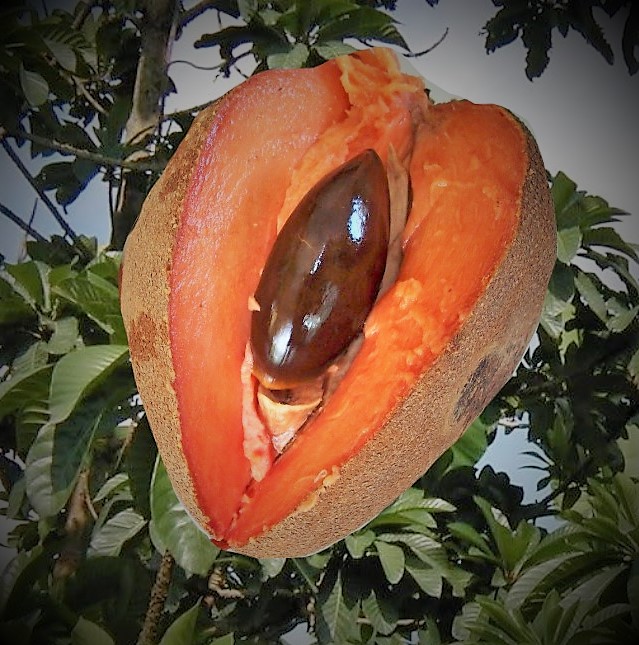
Mamey

One cup of raw mamey fruit provides 74% of the Daily Value of Vitamin B6.

Mamey is the fruit of the Mamey Sapote tree, which grows throughout Mexico and Central America. The mamey has a soft, creamy texture and orange color. Its unique flavor is sometimes compared to sweet potatoes. Mamey supplies a hearty dose of fiber, copper, and vitamins B6 and C. Mamey enhances immune function, promotes regularity, prevents anemia, and supports heart and skin health.

1 CUP (175 g) of raw mamey fruit provides
CALORIES217
CARBOHYDRATE56g
FAT1g
FIBER9.5g
PROTEIN2.5g
COPPER41%DV
IRON8%DV
MANGANESE16%DV
POTASSIUM17%DV
VITAMIN B2 (RIBOFLAVIN)16% DV
VITAMIN B3 (NIACIN)16%DV
VITAMIN B5 (PANTOTHENIC ACID)14%DV
VITAMIN B674%DV
VITAMIN C45%DV
VITAMIN E25%DV
SOURCE: HEALTHLINE
Posted in MEXICAN SPECIALS, PLANT FOOD FACTS

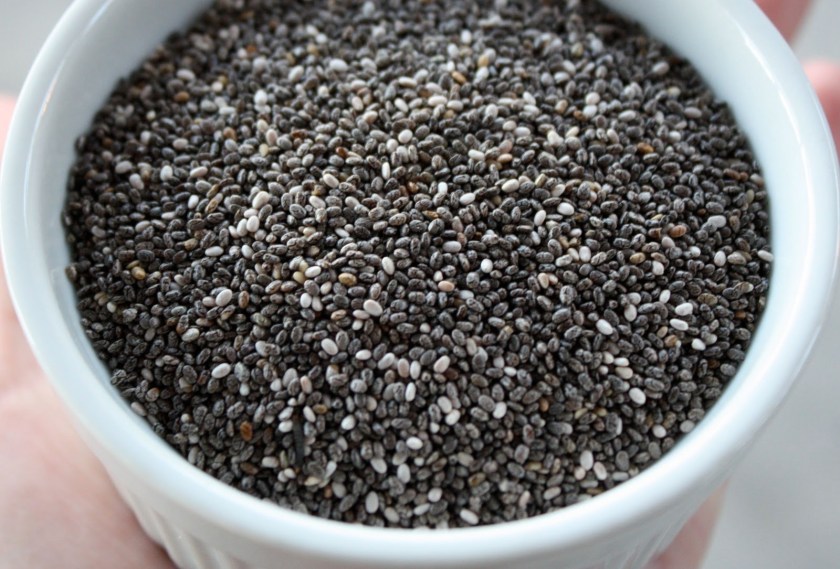
Chia Seeds

Chia seeds are rich in calcium, phosphorous, and other minerals. They may be added to other foods as a topping or put into smoothies, breakfast cereals, tortillas, and bread. The gel from ground seeds may be used to replace the egg content in cakes and is a common substitute in vegan baking.

Salvia hispanica, commonly known as chia (español: chia), is a species of flowering plant in the mint family, native to central and southern Mexico and Guatemala. It is considered a pseudocereal, cultivated for its edible, seed. The word “chia” is derived from the Nahuatl word chian, meaning oily.

Recipe: Chia and Fruit Jam

1 ounce or 28 grams of chia seed provides%DV
CALCIUM18%
FAT9 G
FIBER11 G
MAGNESIUM30%
MANGANESE30%
OMEGA-35 G
PHOSPHOROUS27%
PROTEIN4 G
SOURCE: HEALTHHLINE

Posted in PLANT FOOD FACTS

Curcumin / Turmeric

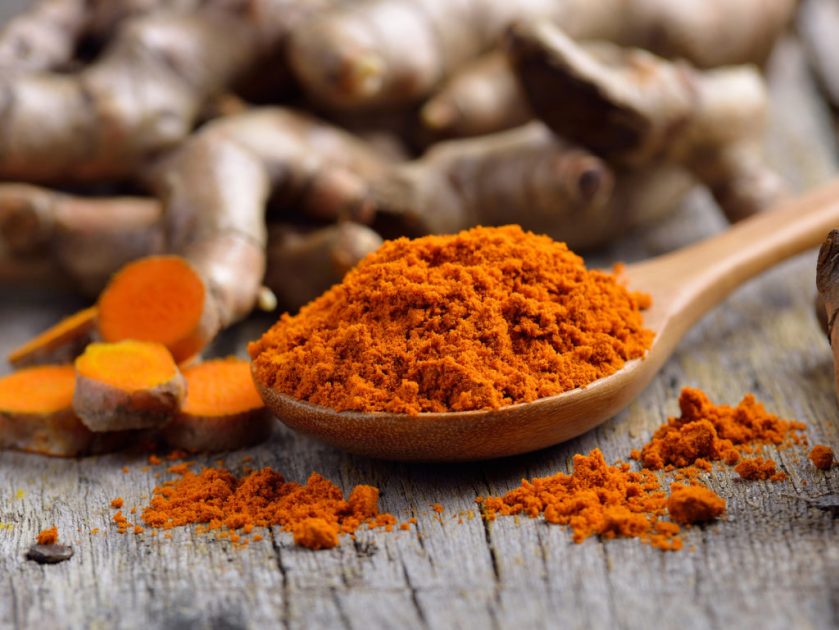
Curcumin is a component of Turmeric.

Curcumin is a bright yellow chemical produced by curcuma longa plants. It is the principal curcuminoid of turmeric, a member of the ginger family. There is some confusion in the two names because curcumin is a component of turmeric. Turmeric is better for some conditions, while curcumin alone is better for others. Turmeric, commonly used in Asian food, is the main spice in curry. Turmeric or curcumin is recommended for pain and inflammation, such as that associated with osteoarthritis. It is also used for hay fever, depression, high cholesterol, a liver disease, and itching. Some people use turmeric for heartburn, thinking and memory skills, inflammatory bowel disease, stress, and many other conditions, but there no good scientific evidence to support these uses.

WARNING: In small amounts, turmeric has few reported side effects, though there have been reports of nausea, dizziness or diarrhea. You should consult a health professional if you are taking therapeutic amounts of turmeric or curcumin.

Sources: Wikipedia / WebMD / healthline / Today

Posted in PLANT FOOD FACTS

Agar-Agar

Agar is used as a laxative, an appetite suppressant, a gelatin substitute, a thickener for soups, in fruit preserves, ice cream, and other desserts, and as a clarifying agent in brewing.

Agar or agar-agar (español: agar) is a jelly-like substance, obtained from red algae. It is used as a plant-based substitute for animal-derived gelatin. Agar has been used as an ingredient in desserts throughout Asia.

Source: Wikipedia