Posted in FEATURED, NUTRIENTS

Magnesium

What does magnesium do? Magnesium is essential for maintaining good health and plays a key role in everything from exercise performance to heart health and brain function. One of its main roles is to act as a cofactor in the biochemical reactions continuously performed by enzymes. It’s involved in more than 600 reactions in your body, including:

  • Energy creation: converting food into energy
  • Protein formation: creating new proteins from amino acids
  • Gene maintenance: helping create and repair DNA and RNA
  • Muscle movements: aiding in muscle contraction and relaxation
  • Nervous system regulation: regulating neurotransmitters, which send messages throughout your brain and nervous system

How much do I need?

AGEMALEFEMALEPREGNANCYLACTATION
Birth to 6 months30 mg*30 mg*
7 to 12 months75 mg*75 mg*
1 to 3 years80 mg80 mg
4 to 8 years130 mg130 mg
9 to 13 years240 mg240 mg
14 to 18 years410 mg360 mg400 mg360 mg
19 to 30 years400 mg310 mg350 mg310 mg
31 to 50 years420 mg320 mg360 mg320 mg
51+ years420 mg320 mg

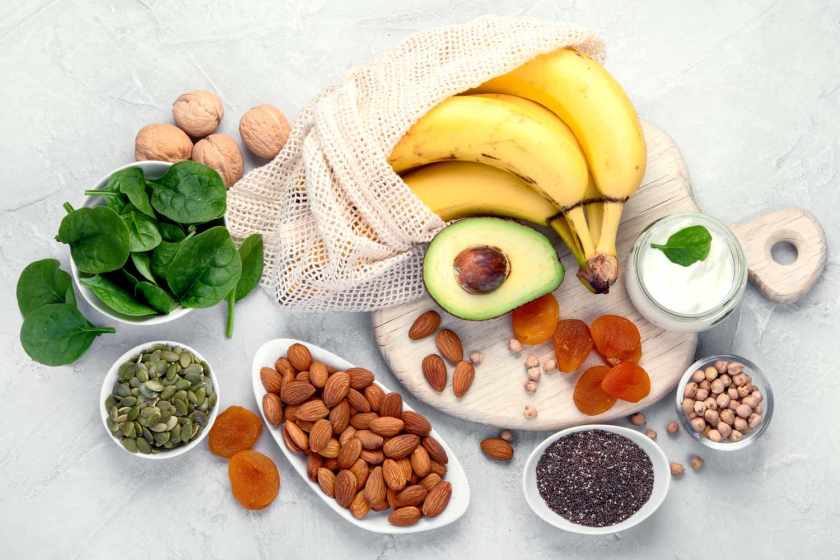
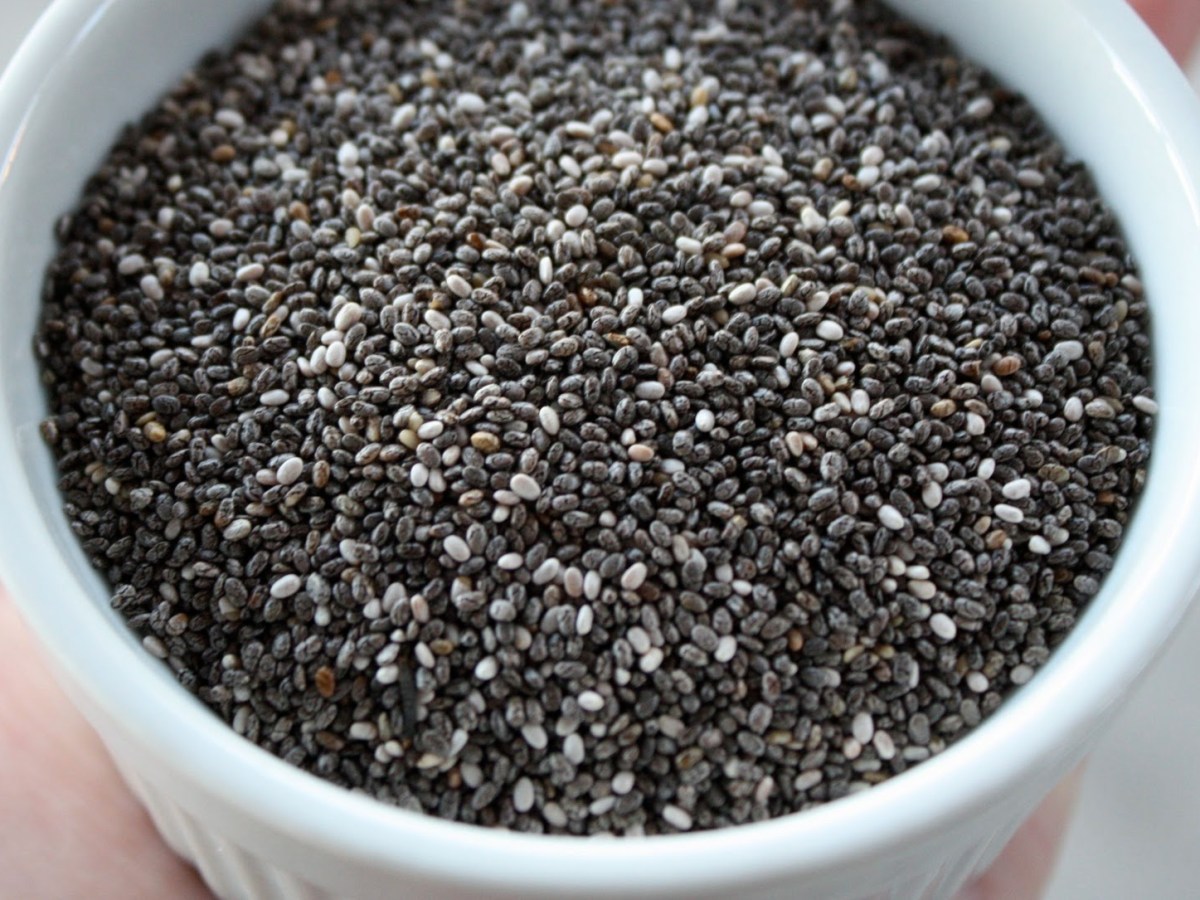
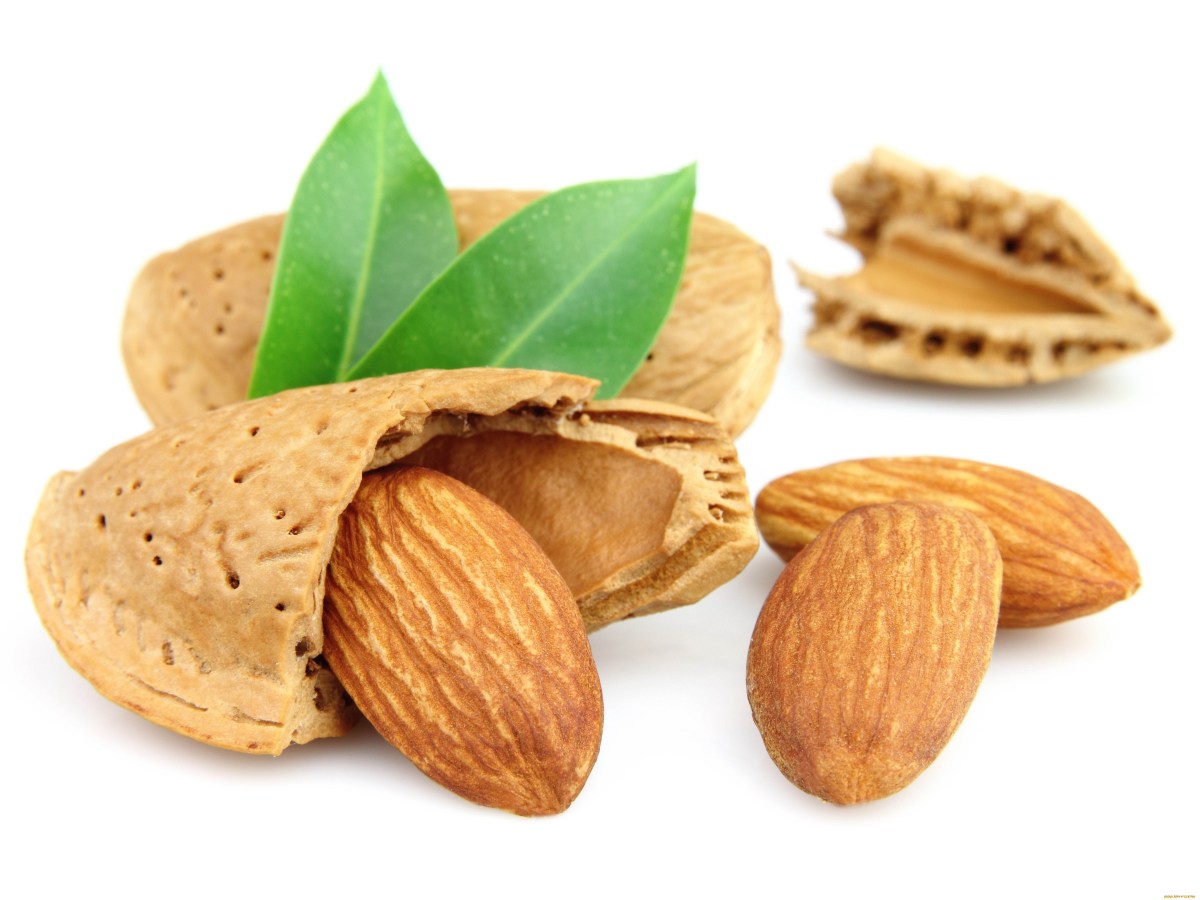
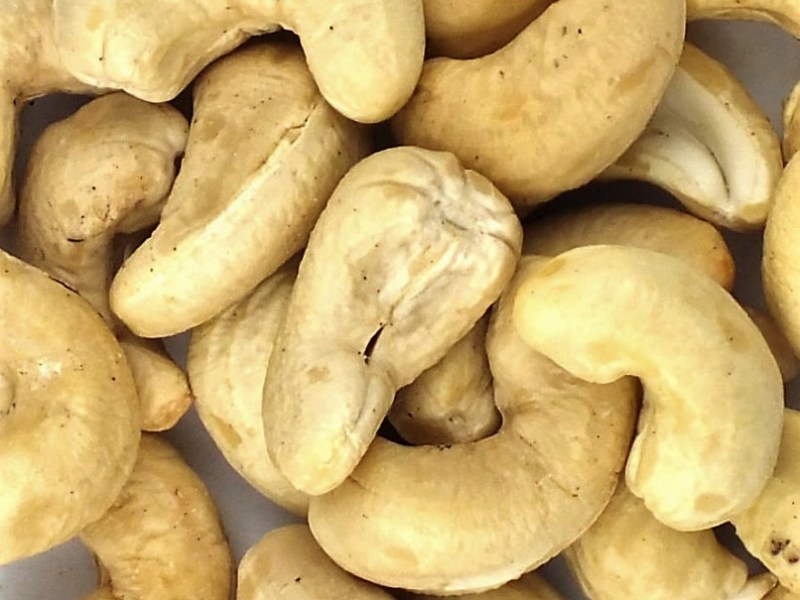
What are some good plant food sources of magnesium? PUMPKIN SEEDS, CHIA SEEDS, SPINACH, ALMONDS, and CASHEWS are rich in magnesium. Eating a variety of magnesium-rich foods will likely provide enough of this nutrient. Some magnesium-rich plant foods are:

  • Pumpkin seeds: 37% of the DV per ounce (28 grams)
  • Chia seeds: 26% of the DV per ounce (28 grams)
  • Spinach, boiled: 19% of the DV per 1/2 cup (90 grams)
  • Almonds: 19% of the DV per ounce (28 grams)
  • Cashews: 18% of the DV per ounce (28 grams)
  • Black beans, cooked: 14% of the DV per 1/2 cup (86 grams)
  • Edamame, cooked: 12% of the DV per 1/2 cup (78 grams)
  • Peanut butter: 12% of the DV per 2 tablespoons (32 grams)
  • Brown rice, cooked: 10% of the DV per 1/2 cup (100 grams)
  • Avocado: 5% of the DV per 1/2 cup (75 grams)

Are supplements recommended? Approximately 50% of U.S. adults get less than the recommended daily amount of magnesium, Magnesium supplements may be especially beneficial for older adults and those with a deficiency in this nutrient. There are several types of magnesium supplements. Here is a guide to the different types to help choose the most effective magnesium supplement. Consult a healthcare professional to find the best form and dosage for your specific needs.

  • For Sleep/Anxiety: Magnesium Glycinate or Taurate.
  • For Constipation: Magnesium Citrate or Oxide (use oxide cautiously).
  • For Brain Health: Magnesium L-Threonate.
  • For Energy/Pain: Magnesium Malate.
  • For General Deficiency: Magnesium Citrate, Glycinate, or Malate.

Source: Healthline

Magnesium-Rich Foods and Recipes

How to Cook Brown Rice

The secret of fluffy brown rice is rinse before cooking and boil uncovered for a full 30 minutes. Brown rice can help prevent or improve several health conditions, including diabetes and heart disease.

Spinach Facts

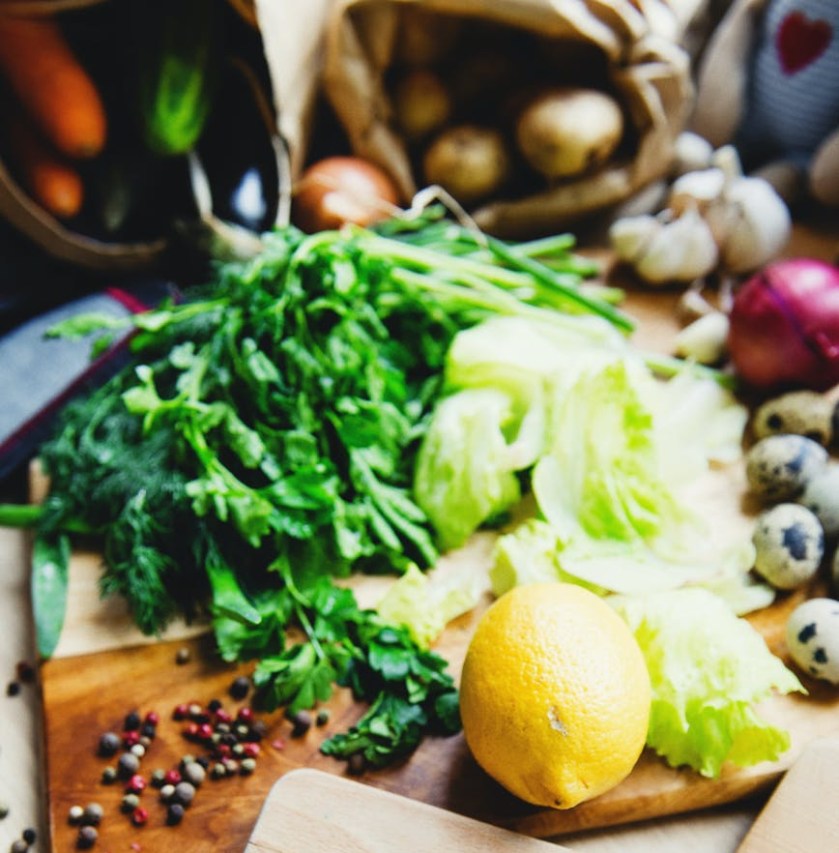
Spinach (español: espinacas) is a leafy green flowering plant whose leaves are consumed cooked or raw. Spinach is a good source of VITAMIN C, IRON, POTASSIUM, VITAMIN E, and MAGNESIUM. The possible health benefits of consuming spinach include blood glucose control, lower risk of cancer, and improved bone health. As part of a nutritious diet, it can help support immune function,…

Chia Seed Facts

Chia is a flowering plant in the mint family, native to central and southern Mexico and Guatemala. It is rich in calcium, phosphorous, and other minerals.

Chia and Fruit Jam Recipe

Chia is a healthful and effective thickening agent. Use 1 cup of your favorite fruit and adjust the sweetener to your taste for tasty jam of any flavor.

Almond Facts

Almonds are rich in Vitamin E, magnesium, and manganese Almond is the edible seed of Prunus dulcis, a species of tree native to Iran but widely cultivated elsewhere. It is classified with the peach in the subgenus Amygdalus, distinguished from the other subgenera by corrugations on the shell surrounding the seed. Almonds are sold shelled…

Cashew Facts

Cashews pack 67% of the daily copper requirement, needed to form red blood cells.

Avocado Facts

Avocados have become very popular in the last fifty years, but I still consider them relative newcomers to the United States. Avocados improve heart health; support eye, skin, and hair health; fight cancer cell growth; promote weight loss; enhance digestive health; protect against diabetes; and decrease arthritis symptoms.

Posted in PLANT FOOD FACTS

Spinach Facts

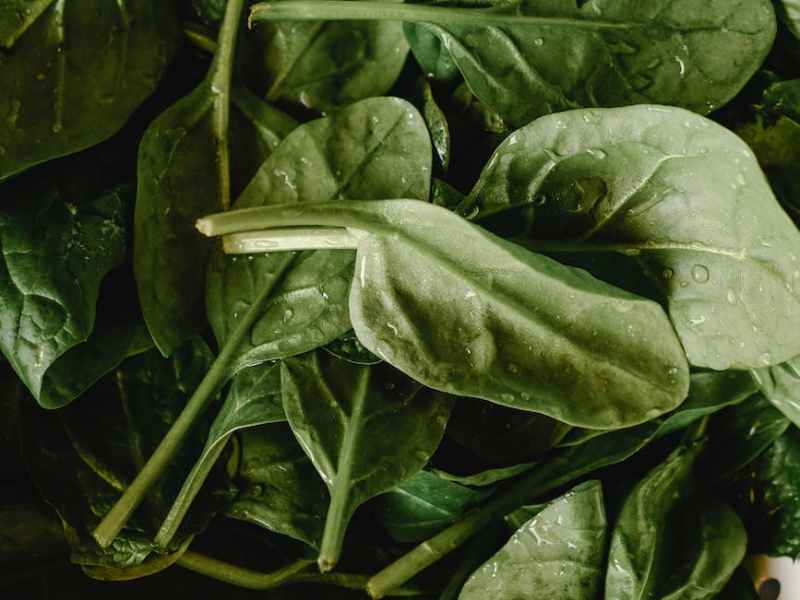
Spinach (español: espinacas) is a leafy green flowering plant whose leaves are consumed cooked or raw. Spinach is a good source of VITAMIN C, IRON, POTASSIUM, VITAMIN E, and MAGNESIUM. The possible health benefits of consuming spinach include blood glucose control, lower risk of cancer, and improved bone health. As part of a nutritious diet, it can help support immune function, aid the digestive system, may even have anticancer properties. Spinach is typically safe to consume as part of a well-rounded, nutritious diet, but some people may benefit from limiting their intake of this vegetable. Spinach is rich in dietary oxalate, which can increase a person’s risk of kidney stones. The high oxalate content may be reduced by steaming. Spinach contains:

  • Alpha-lipoic acid
    • an antioxidant which lowers glucose levels, increases insulin sensitivity, and prevents oxidative, stress-induced changes in patients with diabetes.
  • Vitamin K
    • Scientists have found a link between low intakes of vitamin K and a higher risk of bone fracture. Vitamin K acts as a modifier of bone matrix proteins, improves calcium absorption, and may reduce the amount of calcium that leaves the body in urine.
  • Protein and carbohydrates.
    • Most of the calories from protein and carbohydrates, which play important roles in the body, from maintaining eye health to reducing inflammation.
  • Chlorophyll
    • Research suggests chlorophyll may have anticancer properties and that people who eat diets rich in green vegetables may have a lower risk of cancer.
  • Potassium
    • It can help reduce the effects of sodium in the body. A low potassium intake might be as potent a risk factor for developing high blood pressure as a high sodium intake.
  • Fiber and water
    • Both help prevent constipation and promote a healthy digestive tract.
  • Vitamin A
    • It moderates oil production in the skin pores and hair follicles to moisturize the skin and hair. A buildup of this oil can lead to acne. Vitamin A is necessary for the growth of all bodily tissues, including skin and hair.
  • Vitamin C
    • It is crucial for building and maintaining collagen, which provides structure to skin and hair.
  • Iron
    • Iron deficiency is a common cause of hairloss, which a person can help prevent with a diet of sufficient iron-rich foods, such as spinach.
1 cup of spinach contains%DV
CALORIES7
PROTEIN0.86G
CALCIUM29.7MG
IRON0.81G
MAGNESIUM24MG
POTASSIUM167MG
VITAMIN A (RETINOL)141MCG
VITAMIN B9 (FOLATE)58MCG
SOURCE: MEDICAL NEWS TODAY / WIKIPEDIA
Posted in RECIPES

Lentil and Apricot Salad Recipe

  • INGREDIENTS
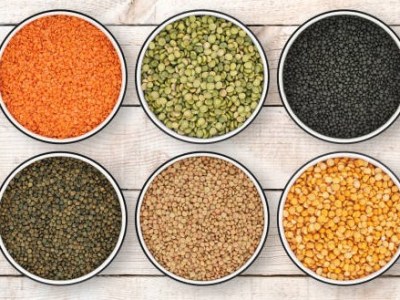
    • 1 c cooked LENTILS
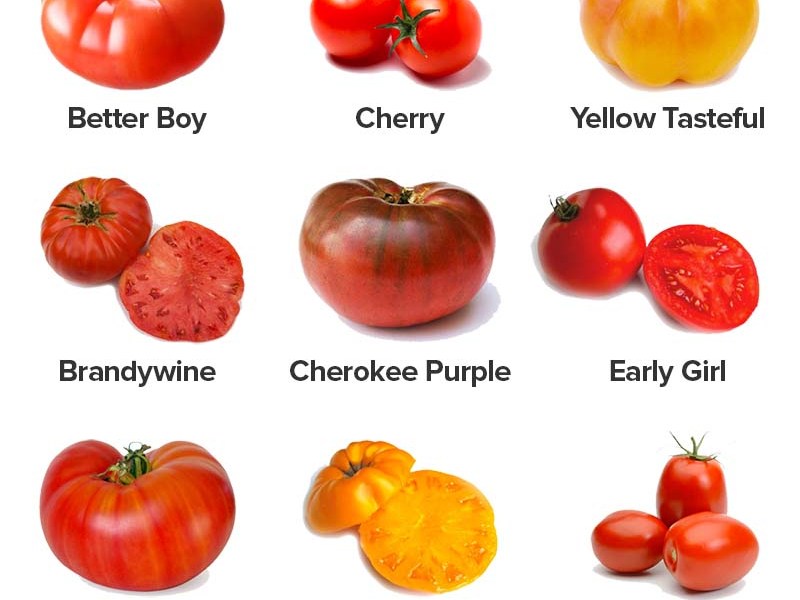
    • 1 small diced fresh TOMATO
    • 1/2 c raw baby SPINACH
    • 1/4 c PUMPKIN SEEDS
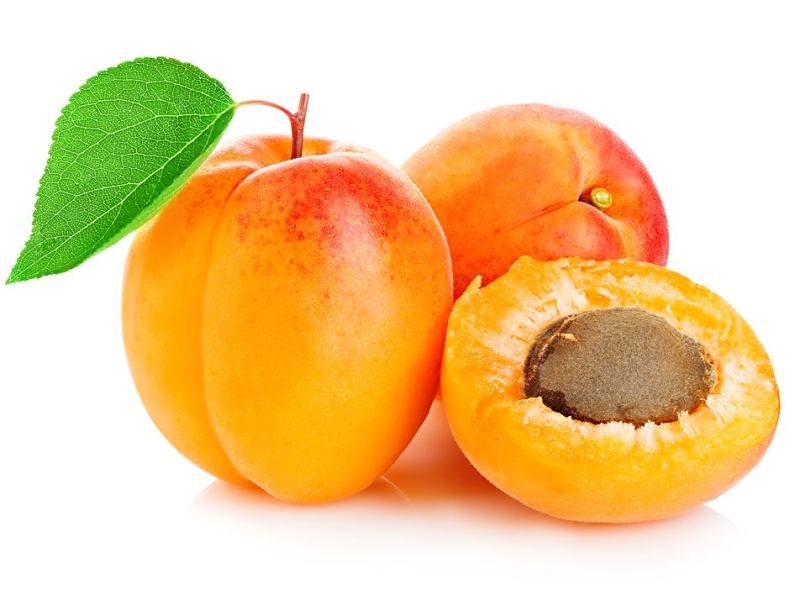
    • 1/2 c dried chopped APRICOT
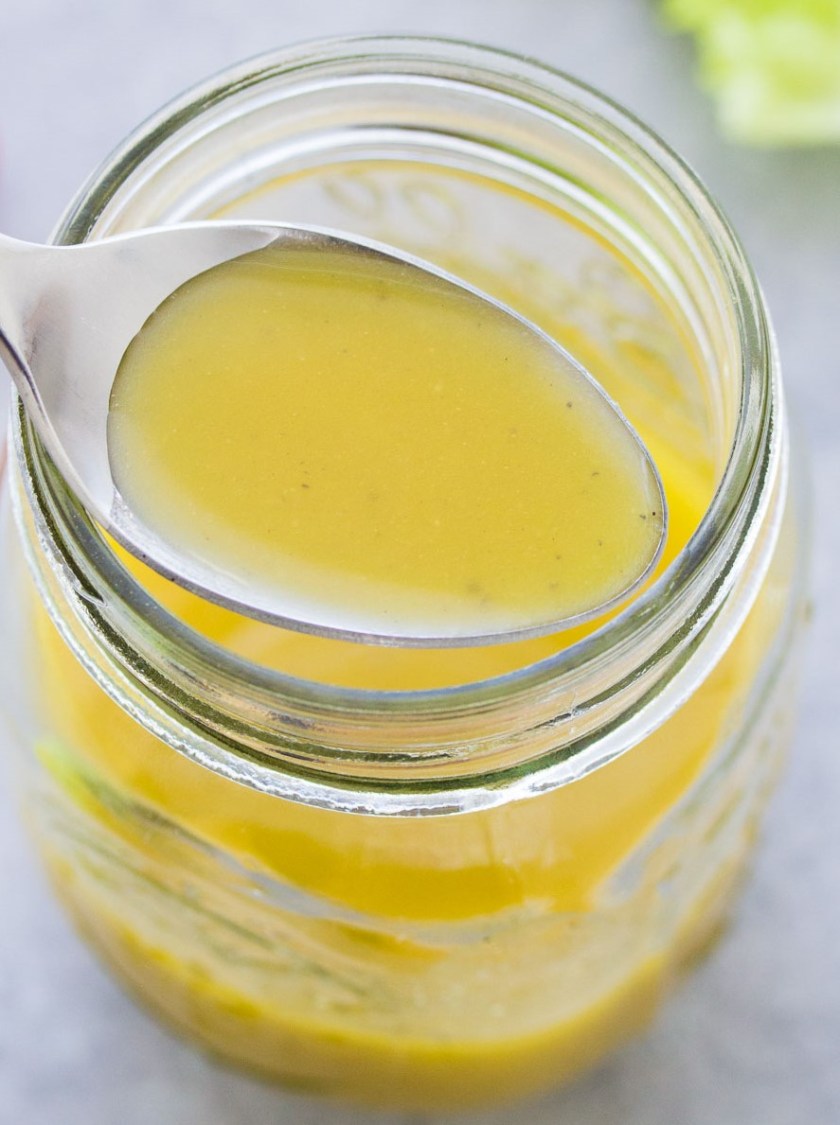
    • VINAIGRETTE
  • DIRECTIONS
    1. Combine LENTILS, TOMATOES, SPINACH, PUMPKIN SEEDS, and APRICOTS
    2. Drizzle VINAIGRETTE
    3. Stir ingredients and let sit 15 minutes before serving
Posted in NUTRIENTS

Copper

Some plant food sources of copper are whole grains, beans, yeast, dark leafy greens, dried fruits, black pepper, almonds, potatoes, cocoa, cashews. Copper plays a role in making red blood cells and maintaining nerve cells and the immune system. Copper also helps the body form collagen and absorb iron, and plays a role in energy production. Most copper in the body is found in the liver, brain, heart, kidneys, and skeletal muscle. Both too much and too little copper can affect how the brain works. The recommended daily allowance (RDA) is around 900 micrograms a day for adolescents and adults. The upper limit for adults aged 19 years and above is 10 milligrams (mg) a day. An intake above this level could be toxic. Both copper deficiency and copper toxicity are rare in the United States (U.S).

Posted in NUTRIENTS

Calcium

What does calcium do?
Calcium is needed to build and maintain strong bones.es. The heart, muscles and nerves also need calcium to function properly. Some studies suggest that calcium, along with vitamin D, protects against cancer, diabetes and high blood pressure.

How much do I need?
Adults need at least 1000 milligrams a day of calcium. For women over 50 and all adults over 70, the recommendation is 1200 milligrams.

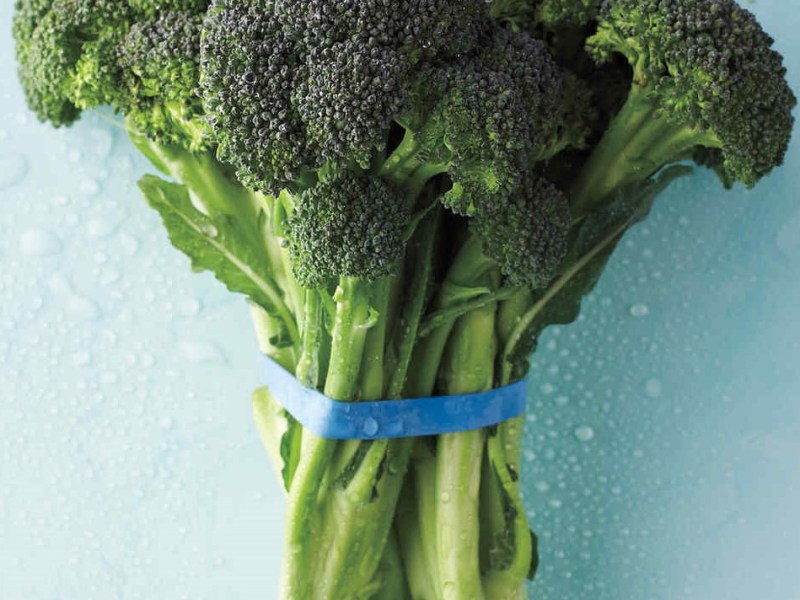
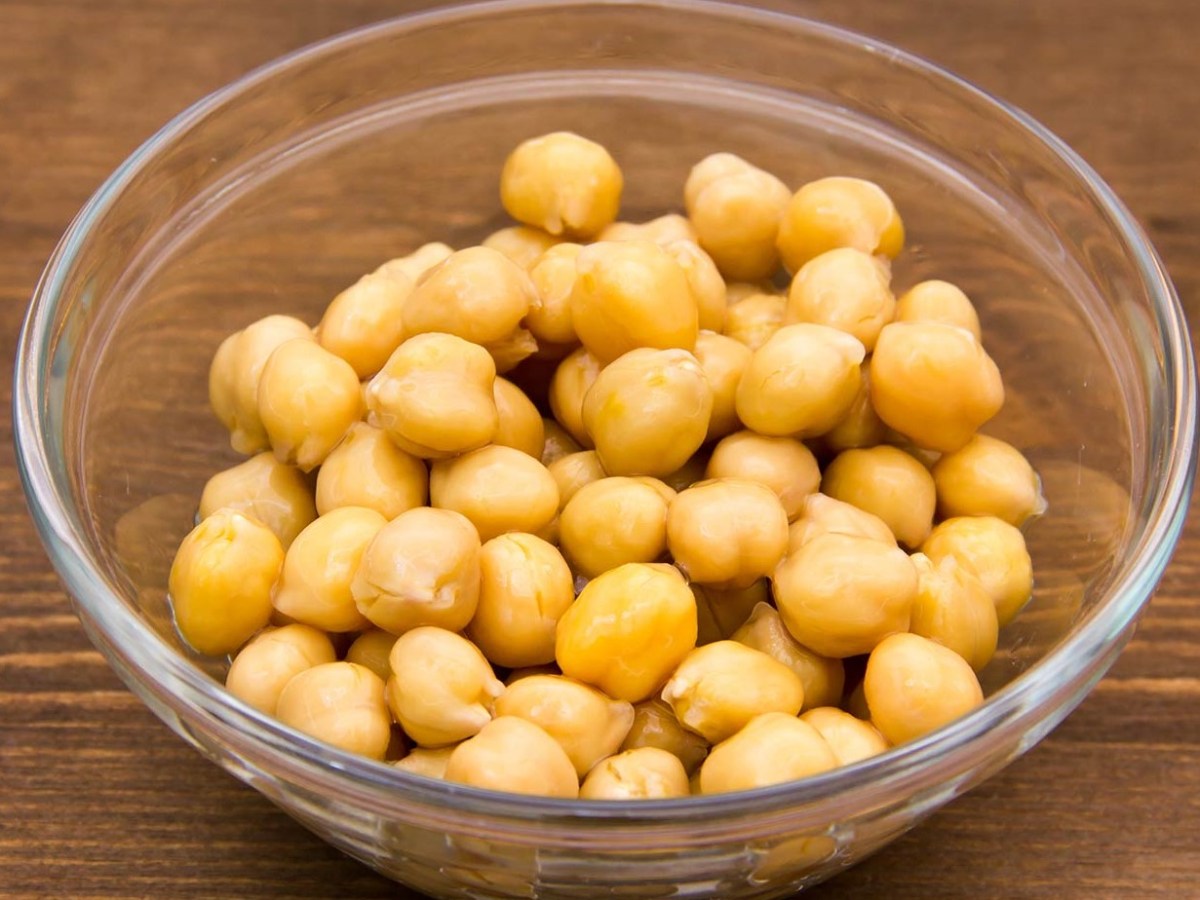
What are some good plant food sources of calcium? SOY MILK, TOFU, SOY BEANS, EDAMAME, CHICKPEAS, CHIA SEEDS, and BROCCOLI are good plant-based sources of calcium.

Are supplements recommended?
Food is the best source of any nutrient, and some plant foods are rich in calcium. Include a variety of calcium-rich foods in your daily meals. Talk to your health care provider if you have doubts about whether you need a supplement in addition to the food sources.

Sourcemilligrams of calcium
1 cup enriched soy milk290
100 g tofu250
1 cup soy beans175
1 cup white beans160
1 cup spinach145
1 Tbsp tahini120
1 cup edamame100
1 cup chickpeas80
1 Tbsp chia seeds75
1 orange65
1 cup red mung beans65
1 cup broccoli60
1 cup okra60
1 cup snap beans65