Posted in PLANT FOOD FACTS

Lentils

Lentils are low in calories but high in protein, fiber, B Vitamins, iron, folate, magnesium, zinc, and potassium.

Lentil and Spinach Salad Recipe

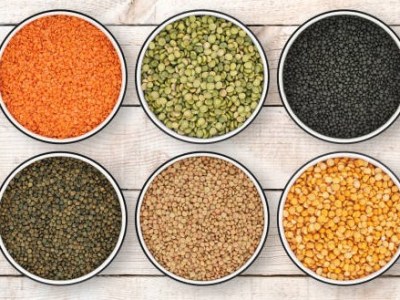
Lentils (lentejas) are edible seeds from the legume family. They are a food staple in Turkey, Syria, Jordan, Morocco, and Tunisia. Some of the most common types of lentils are brown, puy, green, yellow and red, and beluga. Brown lentils are the most widely known type. They’re easily cooked in 5–30 minutes and do not require soaking. Lentils are an excellent source of plant-based protein and fiber, B vitamins, iron, magnesium, potassium, and zinc. They also provide polyphenols, which have antioxidant and anti-inflammatory properties with potential cancer cell-inhibiting effects. Furthermore, lentils contain a broad range of beneficial phytochemicals, which protect against chronic diseases. Eating lentils has positive effects on several risk factors for heart disease and type 2 diabetes. It helps lower blood pressure and levels of homocysteine. Lentils are very filling and appear to keep blood sugar levels steady. and eating lentils may help decrease your overall food intake, which could contribute to weight loss.

It should be noted that lentils contain antinutrients such as trypsin inhibitors and phytic acid, which reduce the absorption of some nutrients. However, the amounts are small, and cooking lentils will minimize these.

1 cup of cooked lentils provides
39.9 gCARBOHYDRATE
230CALORIES
0.8 gFAT
15.6 gFIBER
17.9 gPROTEIN
55% DVCOPPER
37% DVIRON
17% DVMAGNESIUM
43% DVMANGANESE
28% DVPHOSPHOROUS
16% DVPOTASSIUM
23% DVZINC
28% DVVITAMIN B1 (THIAMINE)
13% DVVITAMIN B3 (NIACIN)
25% DVVITAMIN B5 (PANTOTHENIC ACID)
21% DVVITAMIN B6
90% DVVITAMIN B9 (FOLATE)
Sources: healthline
Posted in NUTRIENTS

Protein

Proteins are a macronutrient that the cells in the body use for structure. Proteins are made from smaller monomers called amino acids. There are twenty amino acids that make up all the kinds of protein your body needs. Your body can make some of the amino acids you need, but there are nine that you must consume in your diet. These are called essential amino acids. Protein is very important for building tissues, such as muscle.

PLANT FOOD SOURCES OF PROTEINgrams of proteinserving
seitan301/2 cup
peanuts20.51/2 cup
almonds16.51/2 cup
tempeh151/2 cup
mycoprotein131/2 cup
firm tofu101/2 cup
edamame8.51/2 cup
lentils (cooked)8.841/2 cup
edamame8.51/2 cup
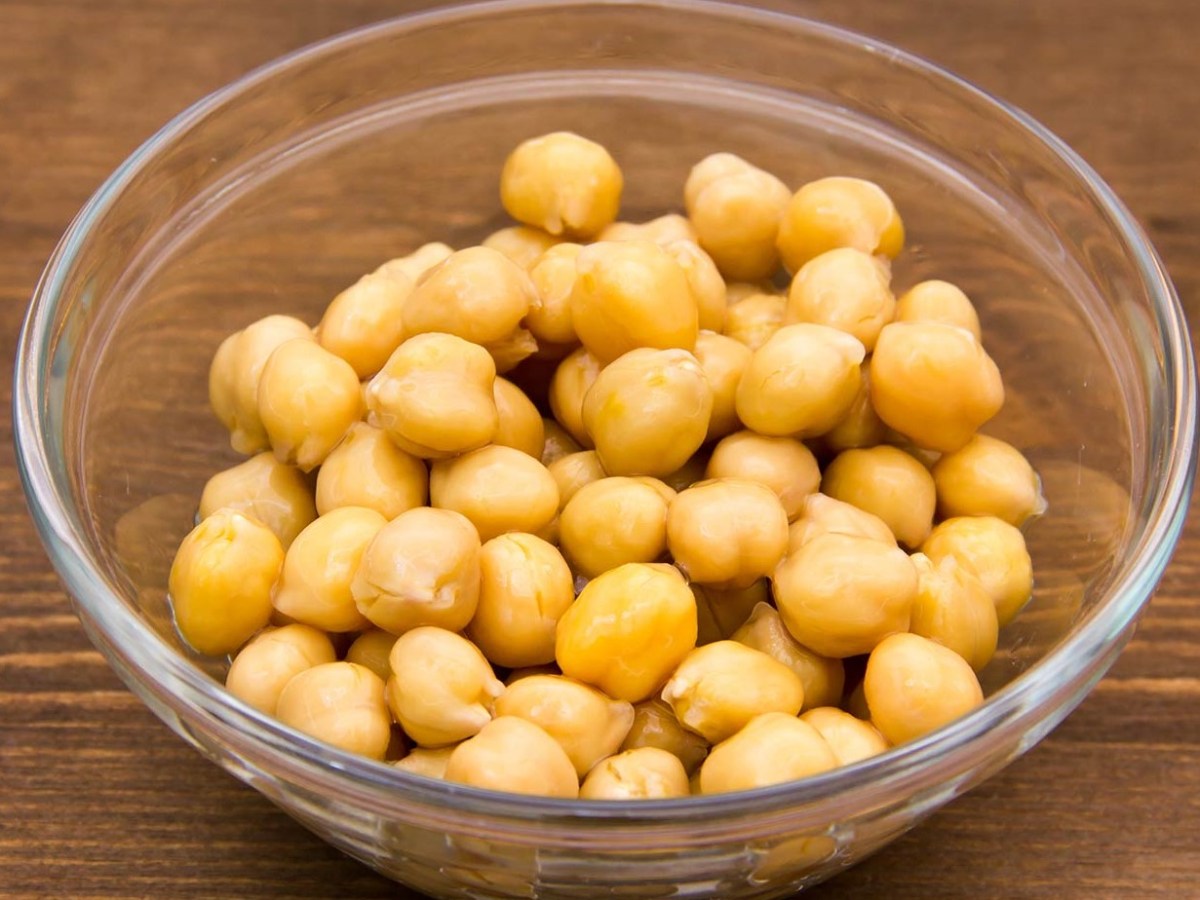
chickpeas (cooked)7.251/2 cup
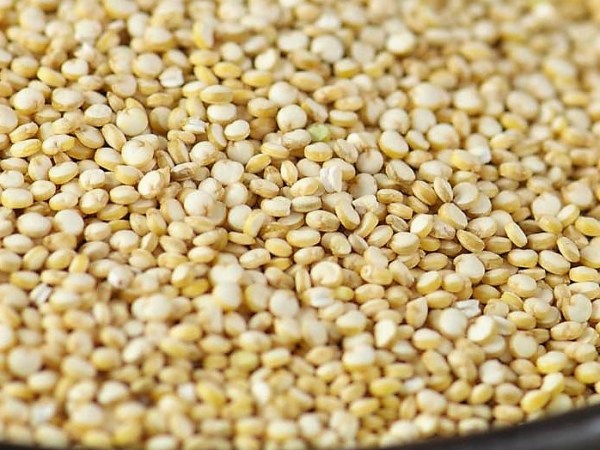
quinoa (cooked)41/2 cup
beans with rice3.51/2 cup
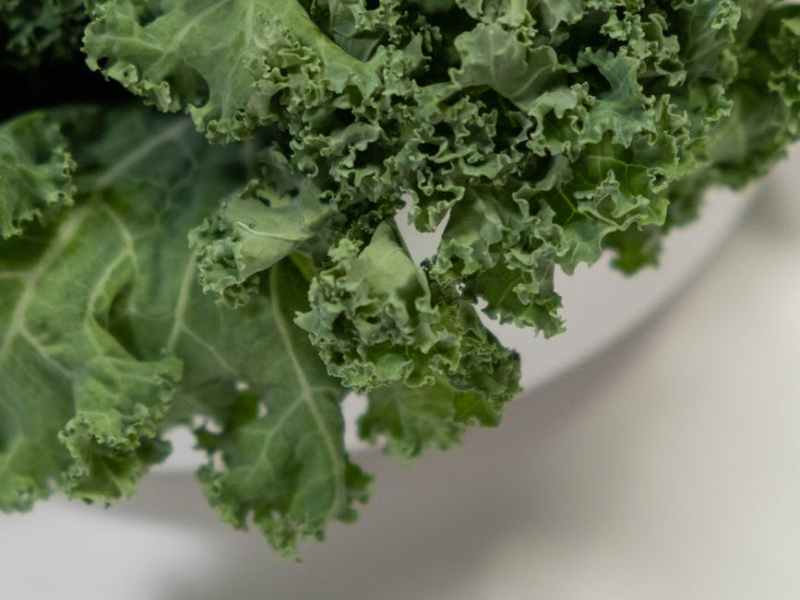
kale21/2 cup
potato (baked)81 large
Ezekiel bread41 slice
mushroom35 medium
hemp seeds5Tablespoon
spirulina4Tablespoon
chia seeds2Tablespoon
Source: Medical News Today
Posted in MEXICAN SPECIALS, PLANT FOOD FACTS

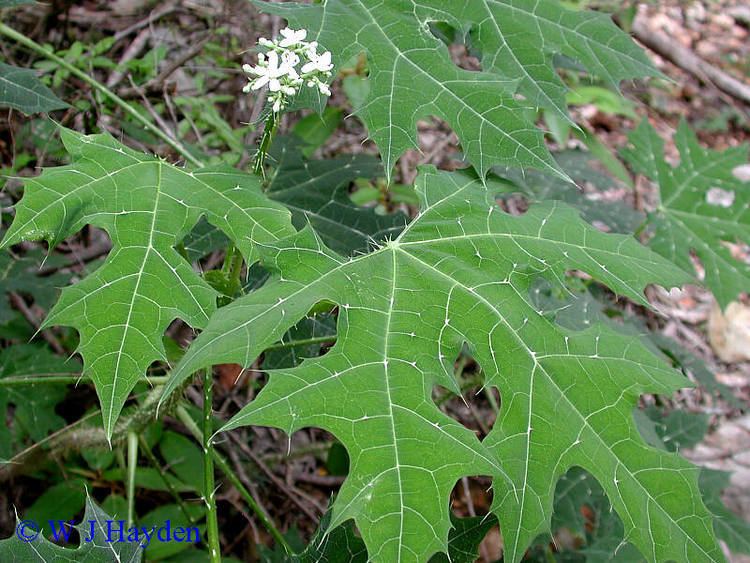
Chaya (Mayan Tree Spinach)

Chaya is recommended in folk medicine for diabetes, obesity, kidney stones, hemorrhoids, acne, and eye problems.

The scientific name of chaya (español: chaya) is cnidoscolus aconitifolius. It is known as Chaya or Mayan Tree Spinach. It is a large fast-growing perennial shrub that is believed to have originated on the Yucatan peninsula. Chaya can be cooked just like spinach, and is an excellent addition to a stir-fry. It is high in protein, vitamins, calcium, iron and antioxidants. In folk medicine, chaya is recommended for diabetes, obesity, kidney stones, hemorrhoids, acne, and eye problems. Chaya shoots and leaves serve as a laxative, diuretic, and circulation stimulant. They are used to improve digestion, to stimulate lactation, and to harden the fingernails. Like most food plants such as lima beans, cassava, and many leafy vegetables, the leaves contain hydrocyanic glycosides, a toxic compound easily destroyed by cooking. Even though some people eat raw chaya leaves, it is risky to do so.

WARNING: Chaya leaves must be cooked; raw leaves are toxic

Chaya is believed to have these and other health benefits:
Improve blood circulation
Aid digestion
Improve vision
Help lower cholesterol
Help reduce weight
Prevent coughs
Increase calcium
Deconges and disinfect lungs
Prevent anemia
Improve memory and brain function
Combat arthritis
Improve glucose metabolism and prevent diabetes.
SOURCES: HEALTH BENEFITS TIMES