
What does folate do?
Vitamin B9 (Folate) is essential for producing red and white blood cells in bone marrow and transforming carbohydrates into energy. Folate is especially important during periods of rapid growth, such as pregnancy, infancy, and adolescence. It’s best to get folate from whole foods.
How much do I need?
The recommended daily intake (RDI) of folate varies with age and gestation or lactation:
| AGE OR CONDITION | 0-6 mos | 7-12 mos | 1-3 yrs | 4-8 yrs | 9-13 yrs | 14+ yrs | pregnancy | lactation |
| RDI | 65 mcg | 80 mcg | 150 mcg | 200 mcg | 300 mcg | 400 mcg | 600 mcg | 500 mcg |
Are supplements recommended?
For most individuals, a balanced diet rich in folate-rich foods such as leafy green vegetables, fruits, nuts, beans, and fortified grains can provide sufficient folate. However, certain individuals may benefit from supplementation. A folate deficiency can lead to lack of energy, poor immune function and impaired digestion. Folate is especially important nutrient for pregnant women to prevent birth defects like spina bifida. It is important to consult a health care professional if you are considering folate supplements. Folic acid, often confused with folate, is a synthetic form of vitamin B9 used in supplements and added to processed food products, such as flour and breakfast cereals. Several studies indicate that chronically elevated levels of unmetabolized folic acid may have adverse health effects. High levels of unmetabolized folic acid have been associated with increased cancer risk. Among elderly people, high folic acid levels can mask vitamin B12 deficiency which, if untreated, may increase the risk of dementia and impaired nerve function.
What are some good plant food sources of folate?
Asparagus, avocado, banana, beans, beets, broccoli, Brussels sprouts, citrus fruits, lentils, lettuce, nuts and seeds, papaya, peas, spinach, and wheat germ.
Source: Healthline
Folate-Rich Plant Foods
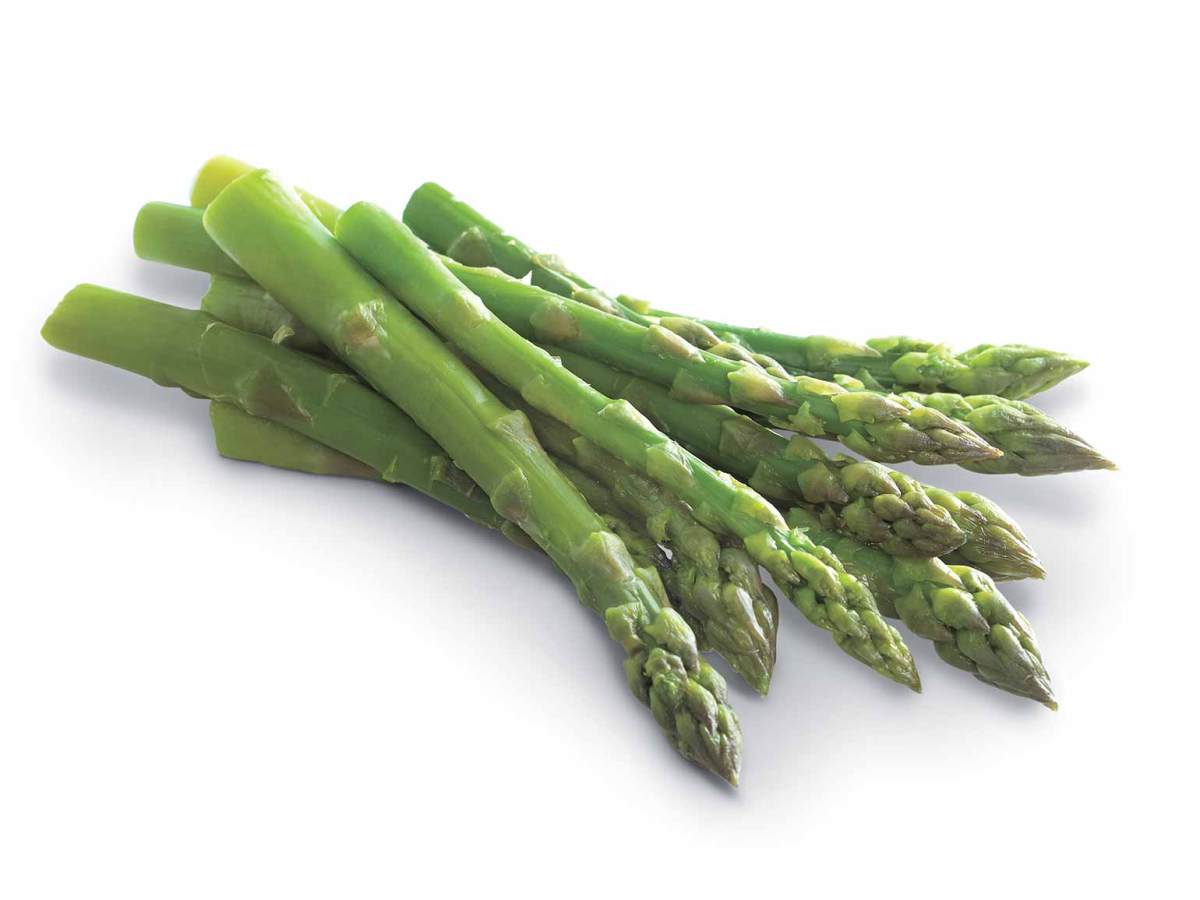
Asparagus Facts
Asparagus is anti-inflammatory and antioxidant. It is a good source of Vitamin K, Vitamin B1, Thiamine, and Fiber.

Avocado Facts *superfood*
Avocados improve heart health; support eye, skin, and hair health; fight cancer cell growth; promote weight loss; enhance digestive health; protect against diabetes; and decrease arthritis symptoms.

Banana Facts
Bananas are high in fiber and antioxidants and relatively low in calories; they moderate blood sugar levels and improve digestive and kidney health.
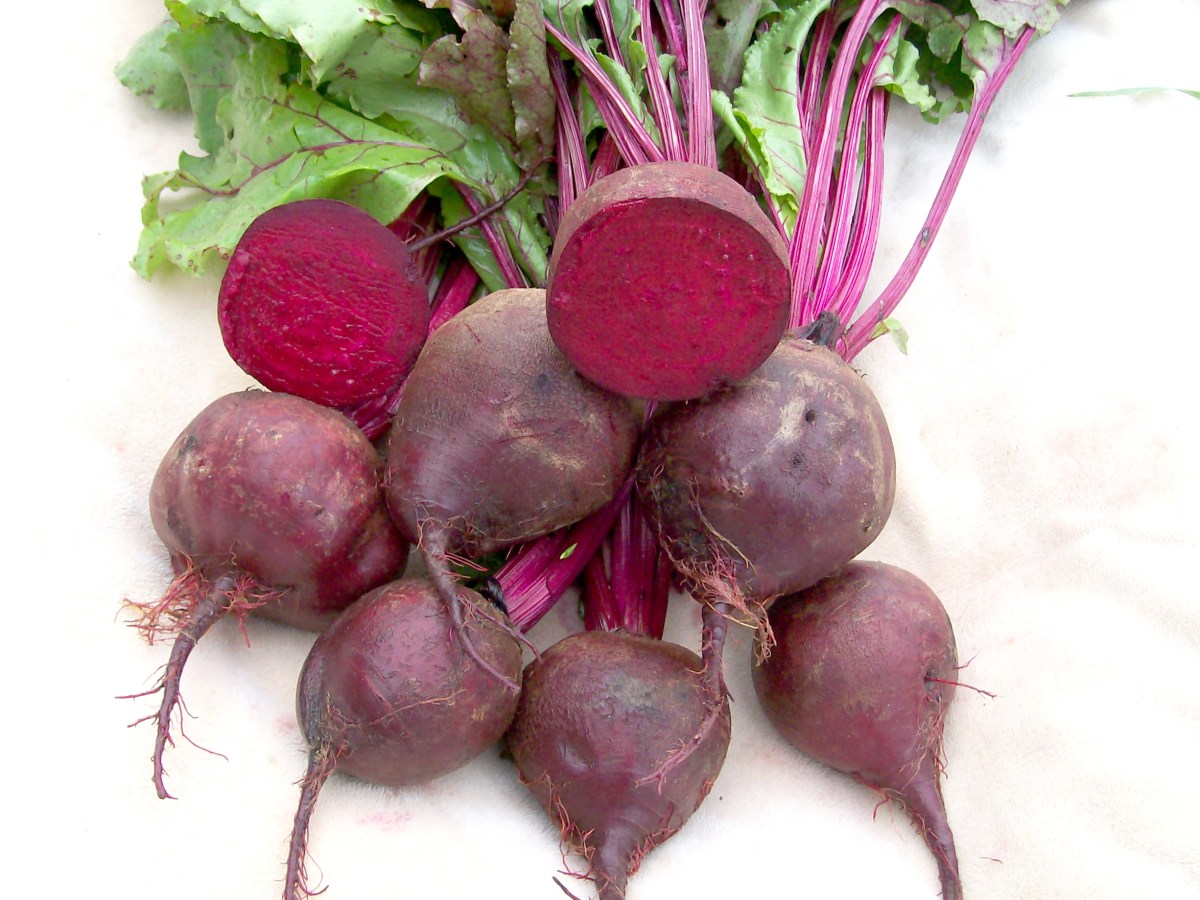
Beet Facts
Beets are low in calories and a source of many nutrients, including fiber, folate and vitamin C and contain nitrates and pigments that help lower blood pressure and improve athletic performance.
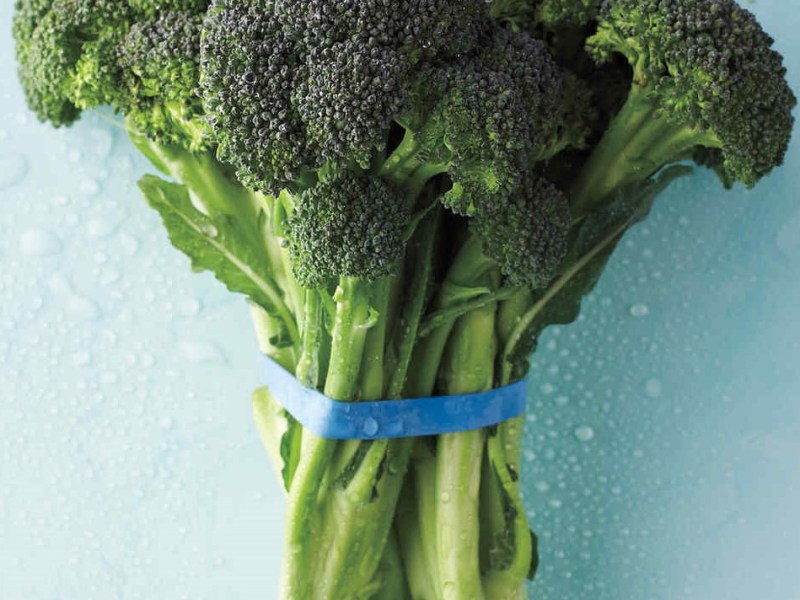
Broccoli Facts
Broccoli, which has more protein than most other vegetables, is also high in fiber, vitamin C, vitamin K, iron, and potassium.
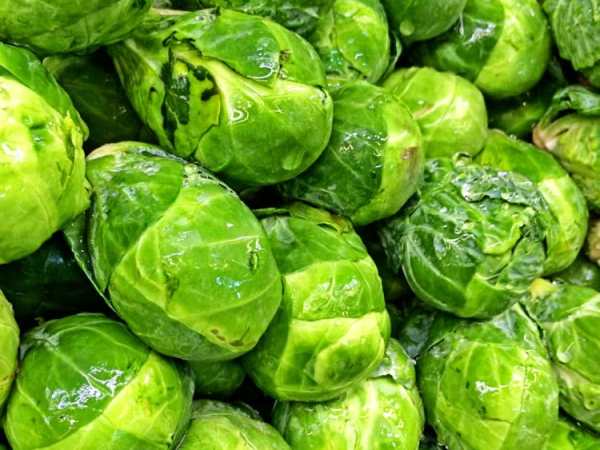
Brussels Sprouts Facts
Brussels sprouts are low in calories but high in many nutrients, especially fiber, vitamin K and vitamin C.
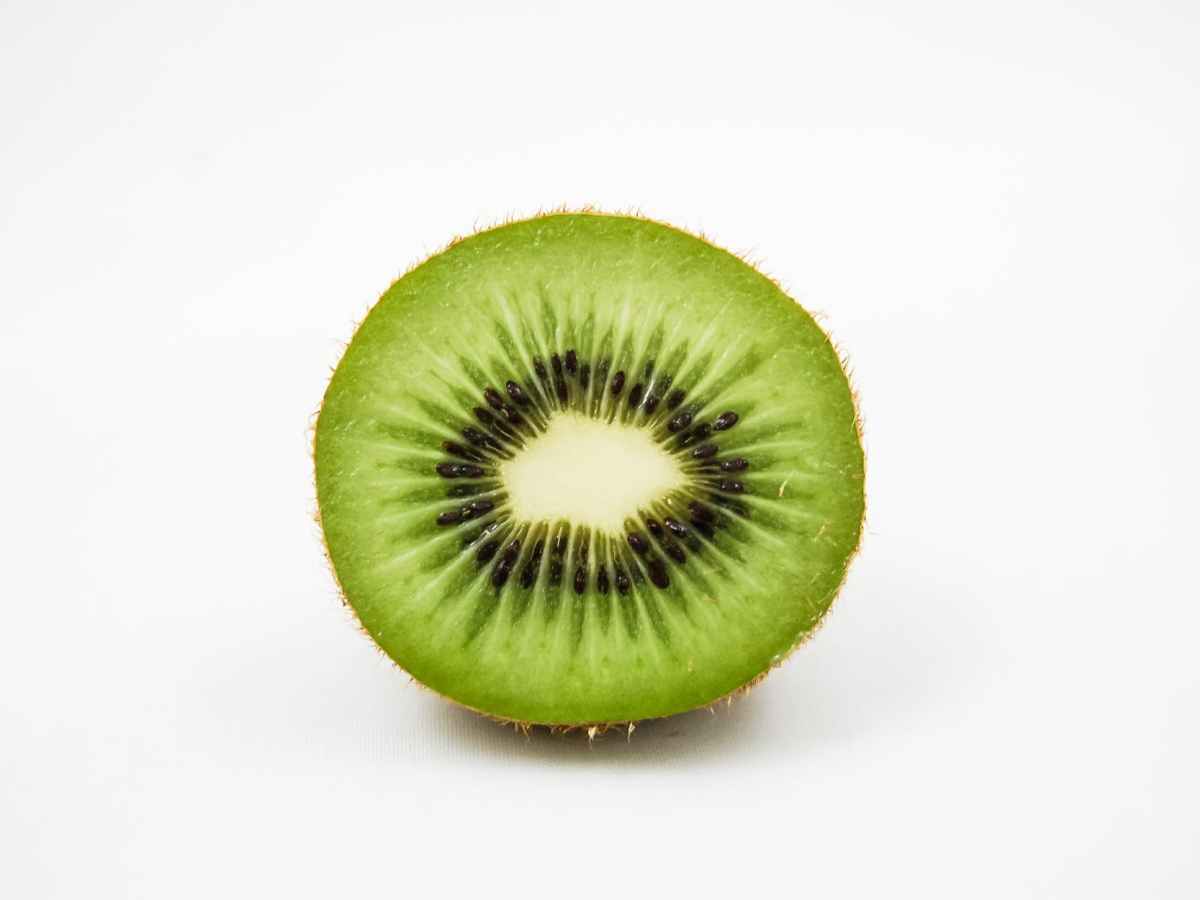
Kiwi Facts
A 3.5-ounce kiwi provides more than 80% of the daily vitamin C requirement.
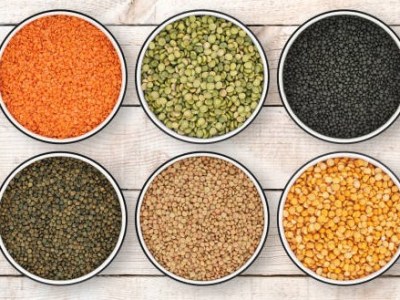
Lentil Facts
Low in calories, high in protein, fiber, B Vitamins, iron, folate, magnesium, zinc, and potassium.

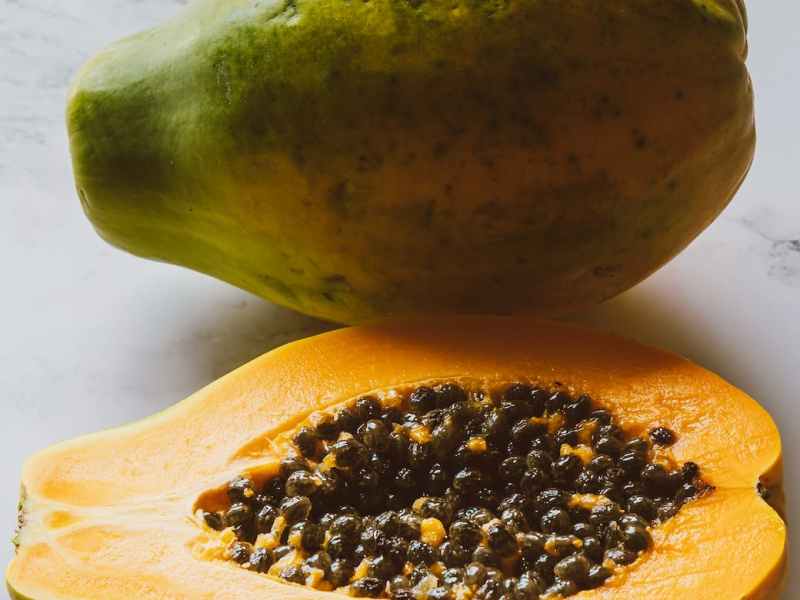
Papaya Facts
Papaya is rich in Vitamins A, C, and B9, as well as potassium, the antioxidant lycopene and the papain enzyme. Unripe papaya can stimulate contractions in pregnancy, so it should always be ripened or cooked before eating if you’re pregnant.
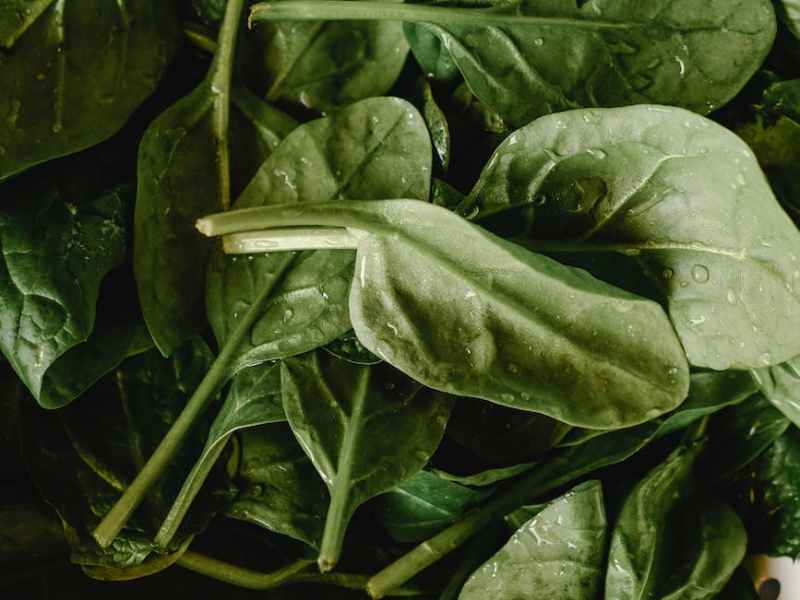
Spinach Facts
Spinach (español: espinacas) is a leafy green flowering plant whose leaves are consumed cooked or raw. Spinach is a good source of VITAMIN C, IRON, POTASSIUM, VITAMIN E, and MAGNESIUM. The possible health benefits of consuming spinach include blood glucose control, lower risk of cancer, and improved bone health. As part of a nutritious diet, it can help support immune function,…

 Fruit & Stuff