Posted in NUTRIENTS

Vitamin E

What does Vitamin E do?
Vitamin E acts as an antioxidant, scavenging loose electrons—so-called “free radicals”—that can damage cells. It also enhances immune function and prevents clots from forming in heart arteries. Antioxidant vitamins, including vitamin E, came to public attention in the 1980s when scientists began to understand that free radical damage was involved in the early stages of artery-clogging atherosclerosis, and might also contribute to cancer, vision loss, and a host of other chronic conditions.

How much do I need?
The Recommended Dietary Allowance of Vitamin E is 15 mg daily.

Are supplements recommended?
Most people do not need to take Vitamin E supplements if they eat a balanced diet, as it is easily obtained from nuts, seeds, and vegetable oils. Supplements are generally only recommended for people with specific absorption issues, such as Crohn’s disease, cystic fibrosis, or certain dietary restrictions. 

What are some good plant food sources of Vitamin E?
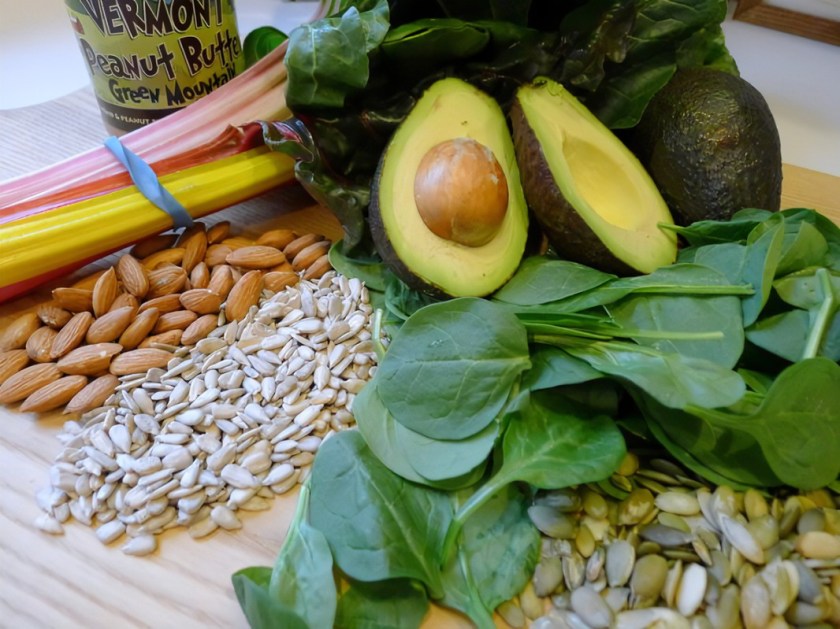
Mango, avocado, almonds, asparagus, peanuts, pumpkin, wheat germ oil, and sunflower seeds are rich in Vitamin E.

Source: Harvard School of Public Health

Foods Rich in Vitamin E

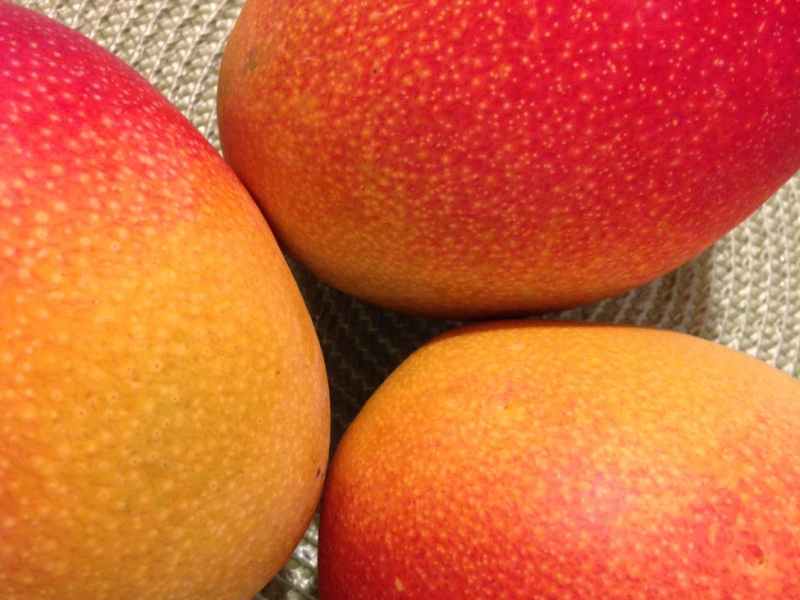
Mango Facts

One cup of fresh mango contains fewer than 100 calories, but packs 67% of the daily requirement for vitamin C.

Avocado Facts *superfood*

Avocados improve heart health; support eye, skin, and hair health; fight cancer cell growth; promote weight loss; enhance digestive health; protect against diabetes; and decrease arthritis symptoms.
Almond Facts

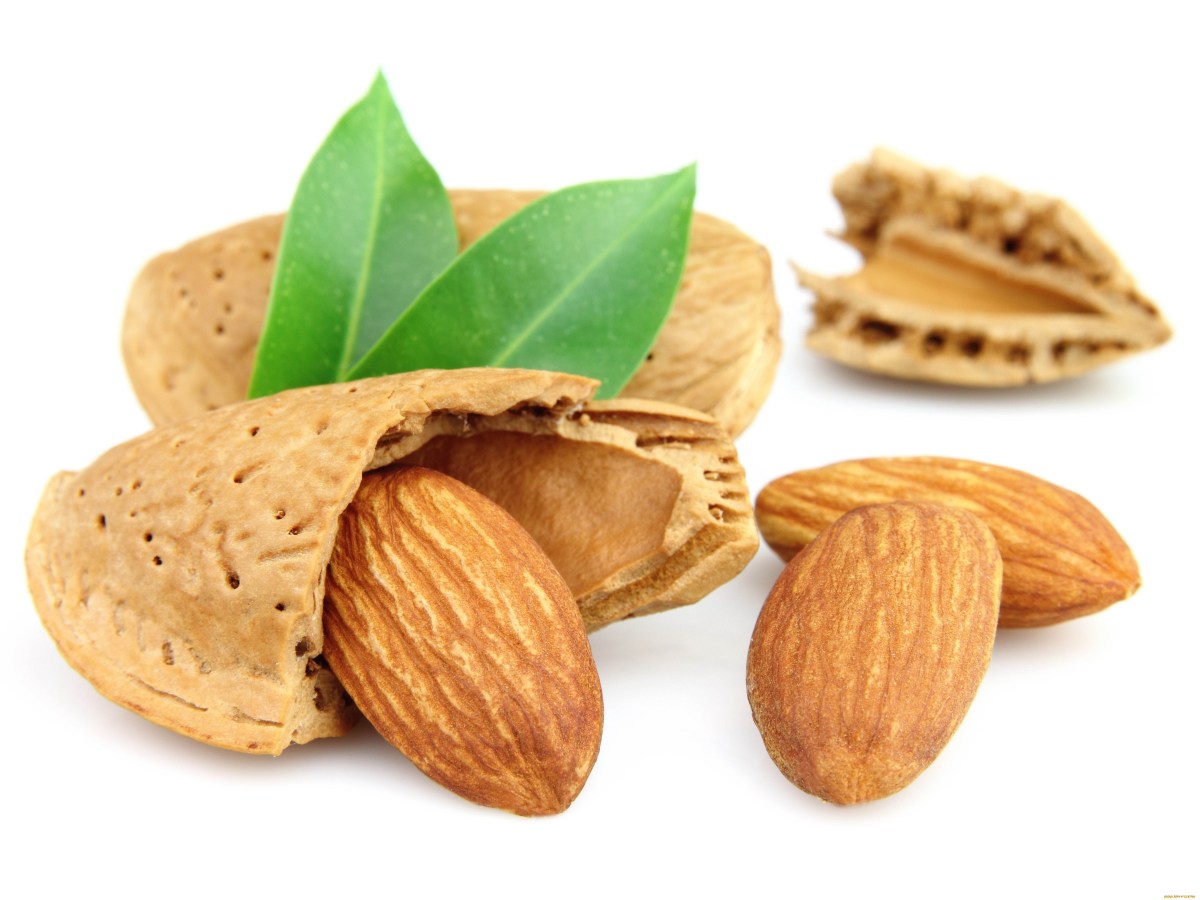
Almonds are rich in Vitamin E, magnesium, and manganese Almond is the edible seed of Prunus dulcis, a species of tree native to Iran but widely cultivated elsewhere. It is classified with the peach in the subgenus Amygdalus, distinguished from the other subgenera by corrugations on the shell surrounding the seed. Almonds are sold shelled…
Posted in NUTRIENTS

Vitamin B3 (Niacin)

What does niacin do?
Niacin (Vitamin B3) is a micronutrient that your body uses for proper metabolism, nervous system function and antioxidant protection. It’s an essential nutrient, meaning that you must obtain it from food, as your body cannot produce it on its own. Since niacin is water soluble, any surplus is excreted through urine rather than stored in your body. Therefore, it’s important to regularly consume niacin-rich foods.

How much do I need?
The recommended dietary allowance (RDA) for this nutrient is 16 mg per day for men and 14 mg per day for women — enough to meet the needs of approximately 98% of adults.

Are supplements recommended?
Niacin is found in many fortified foods, and overconsumption may have serious side effects, so supplementation should be done only with medical supervision.

What are some good plant food sources of niacin?
PEANUTS, AVOCADOS, BROWN RICE, MUSHROOMS, GREEN PEAS, WHOLE-WHEAT PRODUCTS, WHITE POTATOES

Some Niacin-rich Foods

Avocado Facts *superfood*

Avocados improve heart health; support eye, skin, and hair health; fight cancer cell growth; promote weight loss; enhance digestive health; protect against diabetes; and decrease arthritis symptoms.

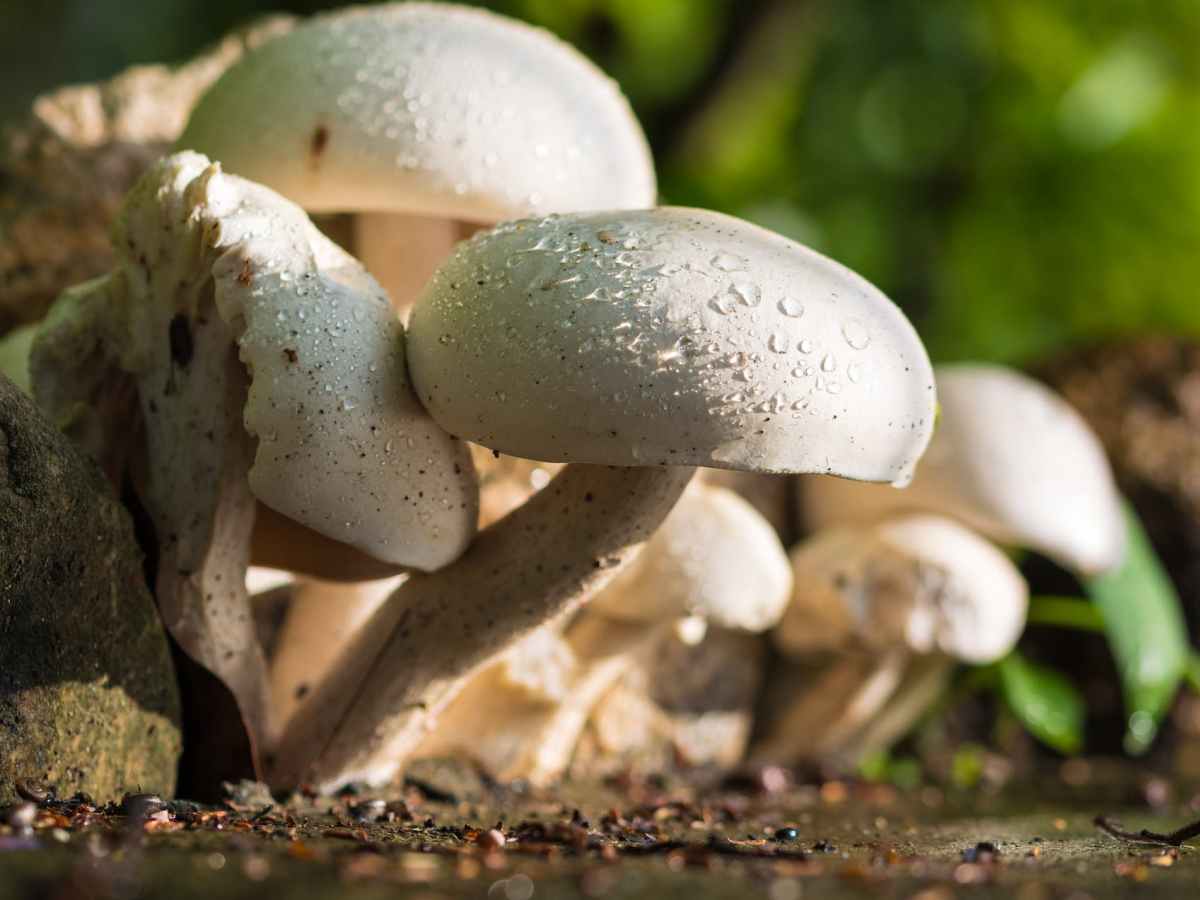
Mushroom Facts

White mushrooms are rich in many bioactive compounds that may protect against cancer and heart disease, as well as help improve blood sugar control and gut health.

Posted in NUTRIENTS

Protein

What does protein do?
Proteins are the main building blocks of your body. They’re used to make muscles, tendons, organs, and skin, as well as enzymes, hormones, neurotransmitters, and various molecules that serve many important functions.

How much do I need?
U.S. adults should typically consume around 50-175 grams of protein daily in a typical 2000 calorie diet. Older adults have significantly increased protein needs. Since there’s no evidence of harm and significant evidence of benefit, it’s likely better for most people to err on the side of consuming more protein rather than less.

Are supplements recommended?
Most people can get enough protein through a balanced, whole-food diet. Supplements are only necessary if you struggle to meet daily protein needs or have specific needs like high-intensity training recovery, or restricted diet.

What are some good plant food sources of protein?
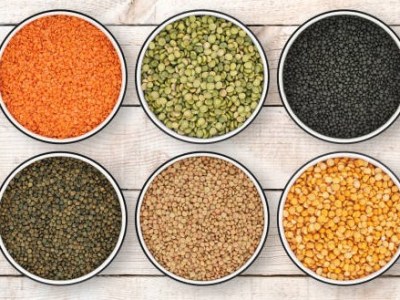
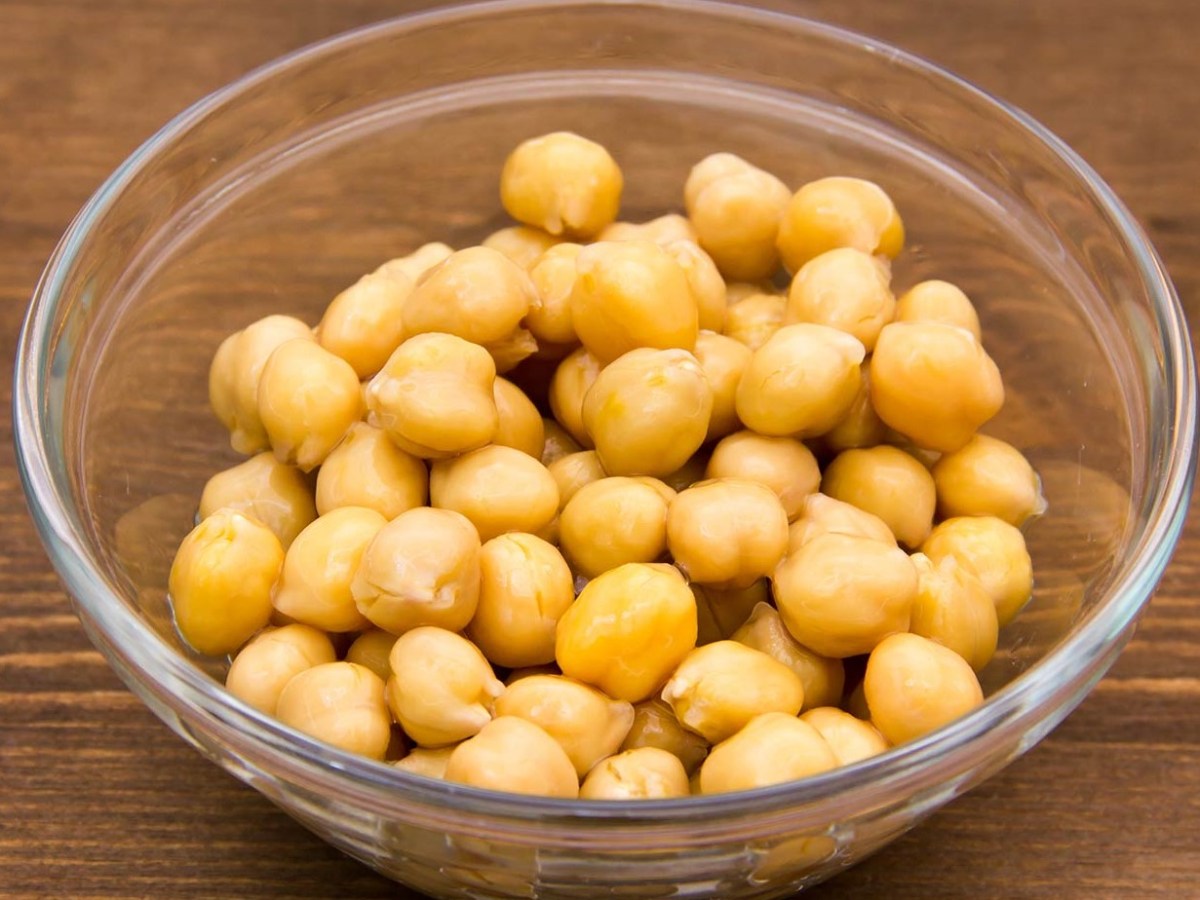
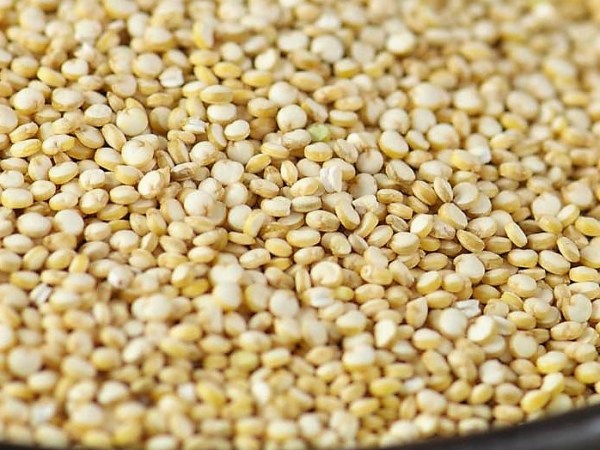
PEANUTS, ALMONDS, LENTILS CHICKPEAS, QUINOA, BEANS WITH RICE

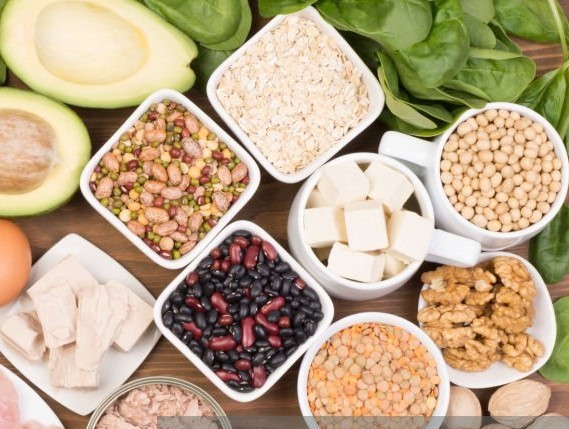
PLANT FOOD SOURCES OF PROTEINgrams of proteinserving
seitan301/2 cup
peanuts20.51/2 cup
almonds16.51/2 cup
tempeh151/2 cup
firm tofu101/2 cup
edamame8.51/2 cup
lentils (cooked)8.841/2 cup
edamame8.51/2 cup
chickpeas (cooked)7.251/2 cup
quinoa (cooked)41/2 cup
beans with rice3.51/2 cup
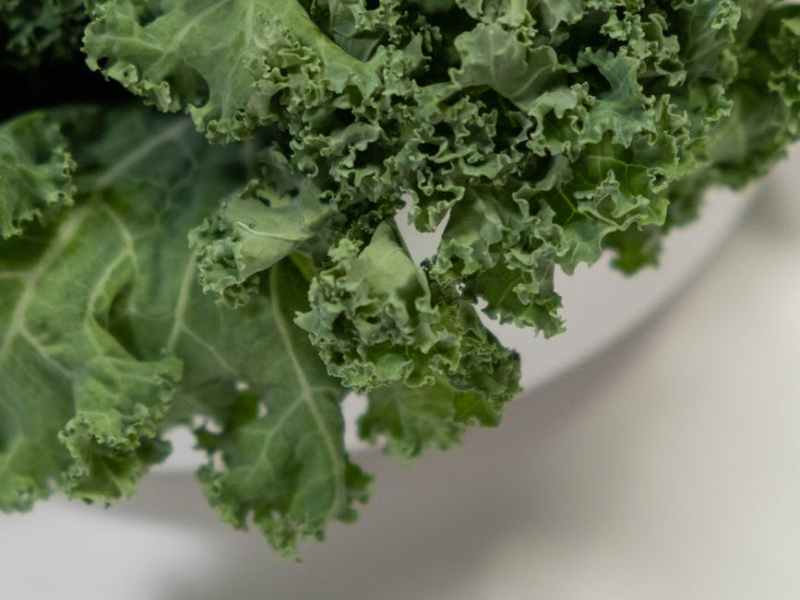
kale21/2 cup
potato (baked)81 large
Ezekiel bread41 slice
mushroom35 medium
hemp seeds5Tablespoon
spirulina4Tablespoon
chia seeds2Tablespoon
Source: Medical News Today

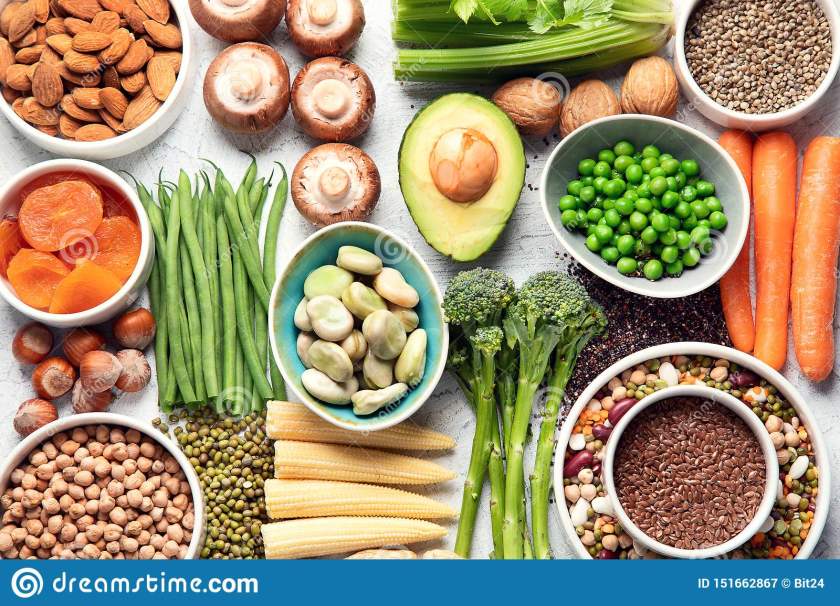
Protein-Rich Plant Foods

Mushroom Facts

White mushrooms are rich in many bioactive compounds that may protect against cancer and heart disease, as well as help improve blood sugar control and gut health.

Almond Facts

Almonds are rich in Vitamin E, magnesium, and manganese Almond is the edible seed of Prunus dulcis, a species of tree native to Iran but widely cultivated elsewhere. It is classified with the peach in the subgenus Amygdalus, distinguished from the other subgenera by corrugations on the shell surrounding the seed. Almonds are sold shelled…

Lentil Facts

Low in calories, high in protein, fiber, B Vitamins, iron, folate, magnesium, zinc, and potassium.

Quinoa Facts

Quinoa’s gluten-free seeds are rich in protein, fiber, B vitamins, and minerals in amounts greater than in many grains.

Kale Facts

A cup of cooked kale provides almost five times an adult’s daily need for vitamin K.