Posted in PLANT FOOD FACTS

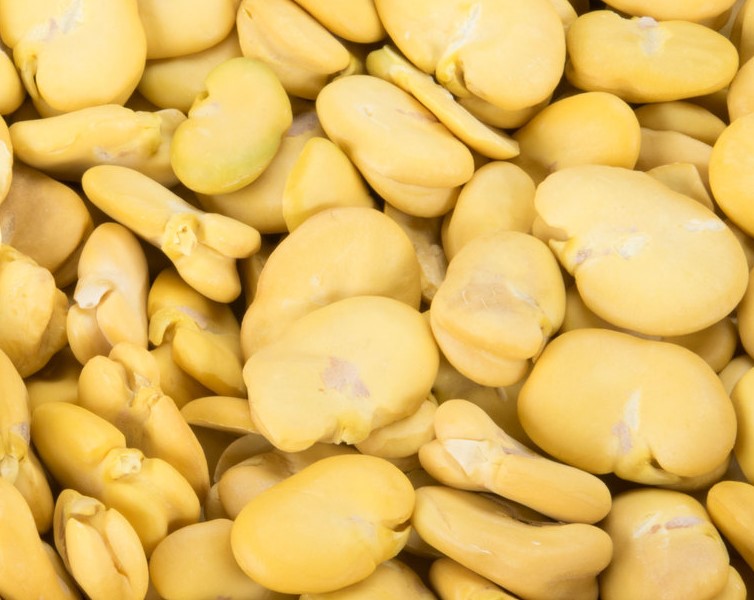
Fava Bean (Habas)

Fava beans are rich in iron, phosphorous, magnesium, and manganese. One serving packs 106% of the daily requirement of folates, important for preventing birth defects.

Fava beans, sometimes called horse beans or broad beans (español: habas) come from a species of flowering plant in the Fabaceae pea and bean family. It is widely cultivated as a crop for human consumption. Eating these beans regularly may have benefits for symptoms of Parkinson’s disease, help prevent birth defects, boost immunity, aid weight loss and lower cholesterol levels and blood pressure. Recipe for Mexican Sopa de Habas
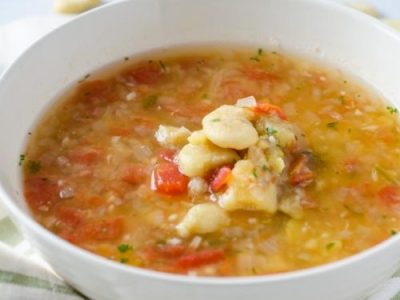
Nutrition: 3.5 oz (100 g) fava beans
calories341
calcium10% DV
carbohydrates58.29 g
copper41% DV
fat1.53 g
fiber25 g
folate106% DV
iron52% DV
magnesium54% DV
manganese77% DV
niacin19% DV
phosphorous60% DV
potassium23% DV
protein26.12 g
riboflavin28% DV
selenium12% DV
thiamine48% DV
zinc33% DV
vitamin B628% DV
SOURCES: WIKIPEDIA / HEALTHLINE
Posted in PLANT FOOD FACTS

Leeks

Leeks are low in calories and high in provitamin A carotenoids and Vitamin K.

Leek and Potato Soup Recipe

Leeks belong to the same family as onions, shallots, scallions, chives, and garlic. They look like a giant green onion but have a much milder, somewhat sweet flavor and a creamier texture when cooked. They are particularly high in provitamin A carotenoids, including beta carotene, which the body converts into vitamin A, important for vision, immune function, reproduction, and cell communication. They’re also a good source of vitamin K1, which is necessary for blood clotting and heart health. Leeks are also a good source of manganese, which may help reduce premenstrual syndrome symptoms and promote thyroid health. What’s more, they provide small amounts of copper, vitamin B6, iron, and folate. Leeks are rich in antioxidants and sulfur compounds, especially kaempferol and allicin. These are thought to protect your body from disease. The fiber and water in leeks can promote fullness, prevent hunger, and promote digestive health.

To prepare them, cut the roots and dark green ends off, keeping only the white and light green parts. Slice them lengthwise and rinse under running water, scrubbing away the dirt and sand that may have accumulated between their layers. Leeks can be eaten raw, but you can also poach, fry, roast, braise, boil, or pickle them. They make a great addition to soups, dips, stews, taco fillings, salads, quiches, stir-fries, and potato dishes. You can refrigerate raw leeks for about a week and cooked ones for around two days.

3.5 oz (100 g) leek provides
CARBOHYDRATE14.15 g
CALORIES61
FAT0.3 g
FIBER1.8 g
PROTEIN1.5 g
CALCIUM6% DV
IRON16% DV
MAGNESIUM8% DV
MANGANESE23% DV
PHOSPHOROUS5% DV
POTASSIUM4% DV
VITAMIN A (RETINOL)10% DV
VITAMIN B1 (THIAMINE)5% DV
VITAMIN B2 (RIBOFLAVIN)3% DV
VITAMIN B3 (NIACIN)3% DV
VITAMIN B5 (PANTOTHENIC ACID)3% DV
VITAMIN B618% DV
VITAMIN B9 (FOLATE)16% DV
VITAMIN C14% DV
VITAMIN E6% DV
VITAMIN K45% DV
SOURCE: healthline
Posted in PLANT FOOD FACTS

Oatmeal

Oats are a powerhouse of vitamins, minerals, and antioxidants.

Oatmeal Cookie recipe

The oat (Avena sativa) is a species of cereal grain grown for its seed. They are very high in many vitamins and minerals. Oats contain many powerful antioxidants, including avenanthramides, which help reduce blood pressure. They are high in the soluble fiber beta-glucan, which helps reduce cholesterol and blood sugar levels, promotes healthy gut bacteria, and increases feelings of fullness. They may lower the risk of heart disease by reducing both total and LDL (bad) cholesterol, as well as by protecting LDL from oxidation. Due to the soluble fiber beta-glucan, oats may improve insulin sensitivity and help lower blood sugar levels.

Oatmeal may help you lose weight by making you feel more full. It does this by slowing down the emptying of the stomach and increasing the production of the satiety hormone PYY. Some research suggests that oats may help prevent asthma in children when fed to young infants. Studies indicate that oat bran can help reduce constipation in older adults, significantly reducing the need to use laxatives.

1/2 CUP OF OATMEAL PROVIDES
COPPER17.6%DV
IRON9.4%DV
MAGNESIUM13.3%DV
MANGANESE63.91%DV
PHOSPHOROUS13.3%DV
ZINC13.4%DV
VITAMIN B1 (THIAMIN)15.5%DV
VITAMIN B5 (PANTOTHENIC ACID)9.07%DV
Source: healthline
Posted in PLANT FOOD FACTS

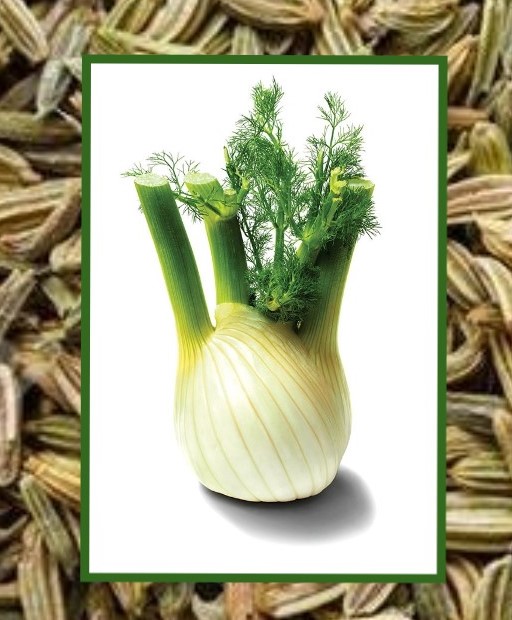
Fennel

Fennel and fennel seeds provide antioxidant, anti-inflammatory, and antibacterial effects

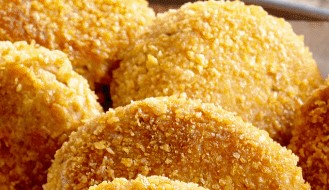
Zucchini Fennel Saute Recipe

Fennel is a flavorful herb. The plants are green and white, with feathery leaves and yellow flowers. Both the crunchy bulb and the seeds of the fennel plant have a mild, licorice-like flavor. The flavor of the seeds is stronger because of their essential oils.

Nutrient1 cup (87 g) raw fennel bulb
calories27
fiber3 grams
calcium3% RDI
iron4% RDI
magnesium4% RDI
manganese 7% RDI
potassium8% RDI
vitamin C12% RDI
1 Tbsp (6 g) dried fennel seed
calories 20
fiber 2 grams
calcium 5% RDI
iron 6% RDI
magnesium 5% RDI
manganese 17% RDI
potassium 2% RDI
vitamin C 1% RDI
Sources: healthline
Posted in MEXICAN SPECIALS, PLANT FOOD FACTS

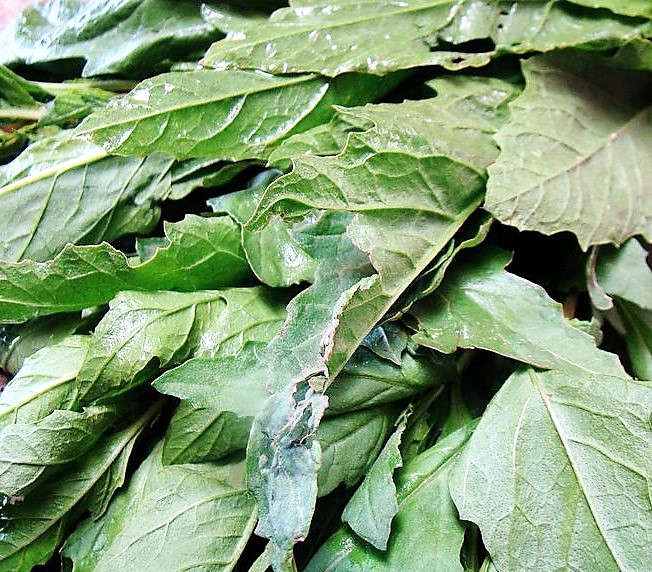
Epazote

Epazote is rich in folates, calcium, copper, manganese, iron, and magnesium.

Epazote is a herb used in Mesoamerican cooking since long before the Spanish conquest. Its strong musky flavor is appealing, but it also has a number of nutritional and medicinal benefits. It should be used in small quantities and is not recommended for pregnant women and nursing mothers. It aids in digestion and contains anti-oxidants. It is often added to beans and corn dishes. It belongs to the Amaranthaceae family of herbs and vegetables, which includes amaranth, spinach, quinoa, and beets. The scientific name is Chenopodium ambrosioides. It is sometimes called wormseed or Mexican tea.

3.5 oz (100 g) epazote
calories 32
carbohydrates 7.44 g
fiber 3.8 g
calcium 27.5% RDA
copper 21% RDA
folates 54% RDA
iron 24.5% RDA
magnesium 30% RDA
manganese 135% RDA
phosphorous 12% RDA
potassium 10% RDA
riboflavin 27% RDA
vitamin C 6% RDA
zinc 12% RDA
Sources: nutrition and you
Posted in PLANT FOOD FACTS

Clove

Even in small amounts, cloves are a good source of manganese.

Cloves are the flower buds of the clove tree, an evergreen also known as Syzygium aromaticum. Found in both whole and ground forms. Cloves are best known as a sweet and aromatic spice in baked goods and in Indian cuisine. Even in small amounts, they are a good source of manganese. Animal studies have found that the compounds in cloves may support liver health and help stabilize blood sugar levels. However, for medicinal purposes, cloves are used in larger amounts, which can cause undesirable side effects. You should consult a medical professional before using cloves in large doses.

1 tsp (2 g) cloves
calories 6
carbohydrates 1 g
fiber 1 g
manganese 55% DV
vitamin K 2% DV
Source: healthline
Posted in PLANT FOOD FACTS

Blackberries

Blackberries are rich in fiber, manganese and Vitamins C and K. They are credited with improving brain and oral health.

The blackberry (español: zarzamora) is an edible fruit produced by many species in the genus Rubus in the Rosaceae family. The taxonomy of the blackberries has historically been confused because of hybridization and apomixis, so that species have often been grouped together and called species aggregates. Blackberries are delicious just as they are with no more preparation than washing. They make a delicious and healthy addition to smoothies, fruit salads, or green salads.

With a Glycemic Index (GI) of 25 and a Glycemic Load (GL) of 4, blackberries are an excellent food for weight loss and diabetes control. There is promising ongoing research that indicates blackberries fight cancer and help prevent heart disease. The leaves are rich in tannin and have antibacterial properties. They have been used medicinally since at least the time of the ancient Greeks. They are made into an astringent tea which is used to relieve sore throats, mouth ulcers, diarrhea and thrush.

3.5 ounces (100 g) of blackberries
calcium 29 mg
calories 43
carbohydrates 9.61 g
fat 0.49 g
fiber 5.3 g
folate 25 µg
iron 0.62 mg
magnesium 20 mg
mangnese 0.9 mg
niacin 0.646 mg
phosphorous 22 mg
potassium 162 mg
protein 1.39 g
riboflavin 0.026 mg
thiamine 002 mg
zinc 0.53 mg
vitamin A 214 IU
vitamin B6 0.03 mg
vitamin C 21.0 mg
vitamin E 1.17 mg
vitamin K 19.8 µg
Sources: Wikipedia / healthline